Profit of Perfection- In the digital gold rush of the 2020s, your visual identity is your currency. We live in an era where the average attention span has plummeted to less than eight seconds. In that heartbeat of time, a potential customer has already decided whether to buy from you or flee to a competitor.
While “content is king,” aesthetic branding is the palace that gives the king his authority. If your page looks cluttered, outdated, or “cheap,” your high-quality product won’t matter. Users will simply assume the quality of your service matches the quality of your pixels.
Here is the deep dive into why aesthetic pages make more money and how you can leverage branding psychology to skyrocket your conversion rates.
1. The Halo Effect: First Impressions are Financial
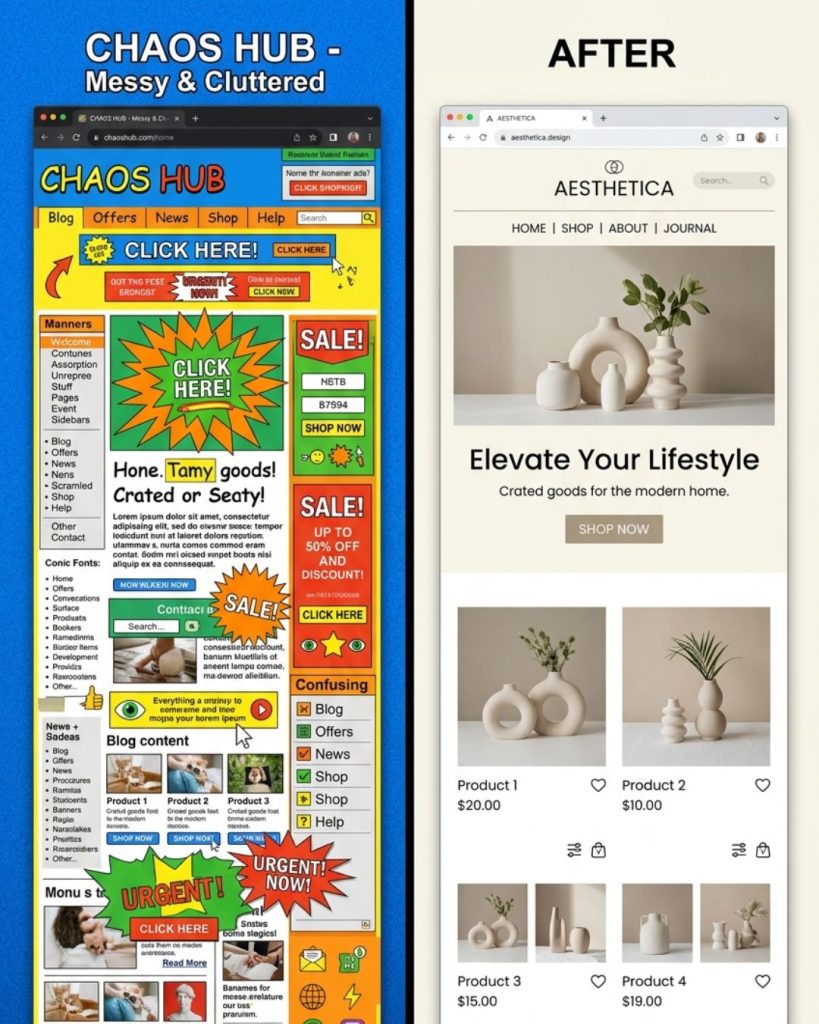
The Halo Effect is a cognitive bias where our overall impression of a person (or brand) influences how we feel about their character or products.
- Instant Credibility: When a user lands on a beautiful, cohesive page, they subconsciously attribute positive traits like “professionalism,” “intelligence,” and “reliability” to the owner.
- The Beauty Premium: Studies show that humans perceive attractive things as more functional. Even if two apps do the exact same thing, the prettier one is perceived as “better” and “easier to use.”
- Reduced Friction: A clean aesthetic reduces cognitive load. When a page is easy on the eyes, the brain doesn’t have to work hard to process information, making the user experience (UX) seamless.
2. Branding Psychology: The Color of Currency
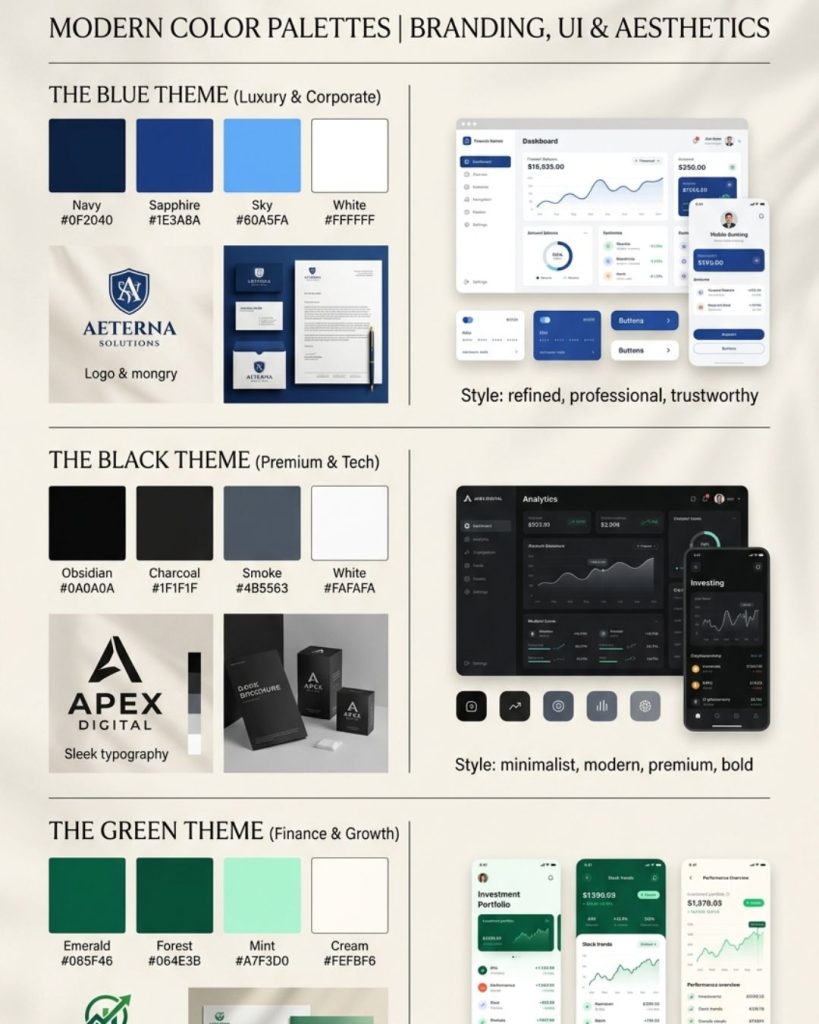
Colors aren’t just decorations; they are psychological triggers. Professional creators use color psychology to manipulate (or guide) the viewer’s emotional state.
- Blue for Trust: Notice why PayPal, Visa, and Facebook use blue? It signals stability and security.
- Black for Luxury: High-end brands like Chanel or Apple use black and white to signal premium pricing and exclusivity.
- Green for Growth: Often used in the health and finance sectors to symbolize prosperity and wellness.
- Consistency is Key: Using a unified color palette across all platforms increases brand recognition by up to 80%. If your Instagram looks different from your website, you are bleeding brand equity.
3. The Trust Factor: Aesthetics as Social Proof
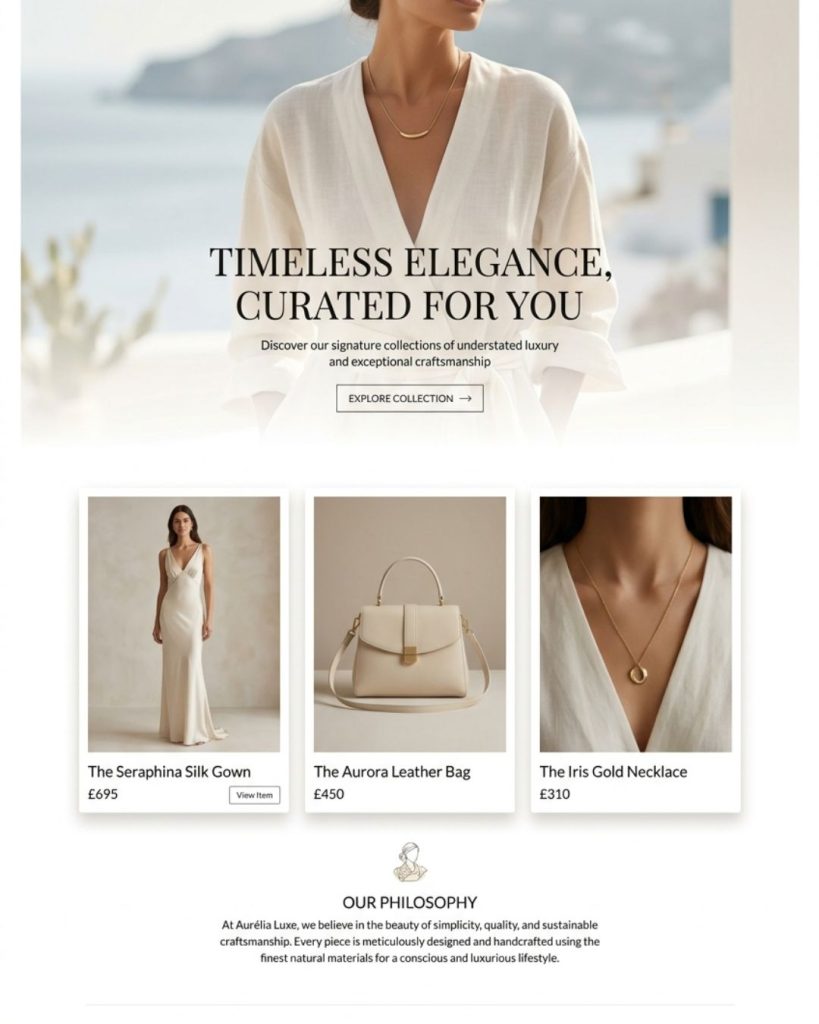
In the wild west of the internet, trust is the hardest commodity to earn. A “messy” page screams “scam” or “amateur.”
- Design Equity: A high-end design tells the customer, “I have invested money in my business, which means I am here to stay.”
- Visual Transparency: Clear fonts, high-quality original imagery, and a balanced layout suggest you have nothing to hide.
- Professionalism over Personalization: While being “real” is a trend, there is a fine line between “authentic” and “unprofessional.” Aesthetic pages find the sweet spot—they look curated, not cluttered.
4. Why Aesthetics Lead to Higher Price Points
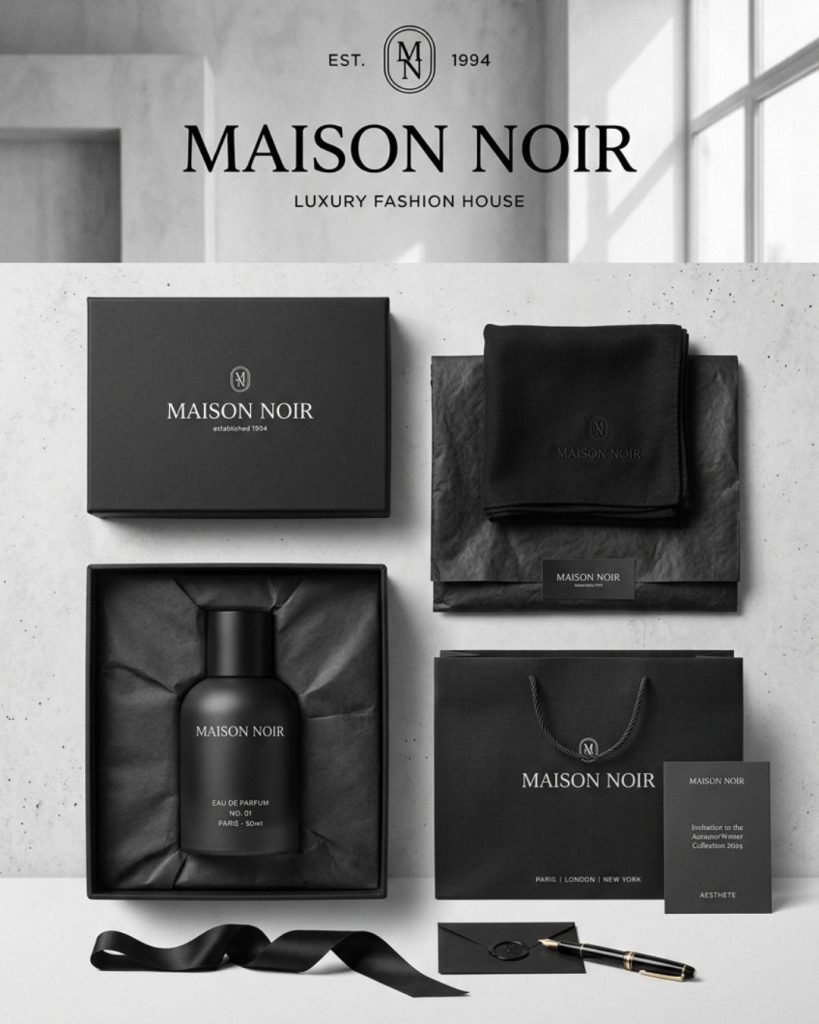
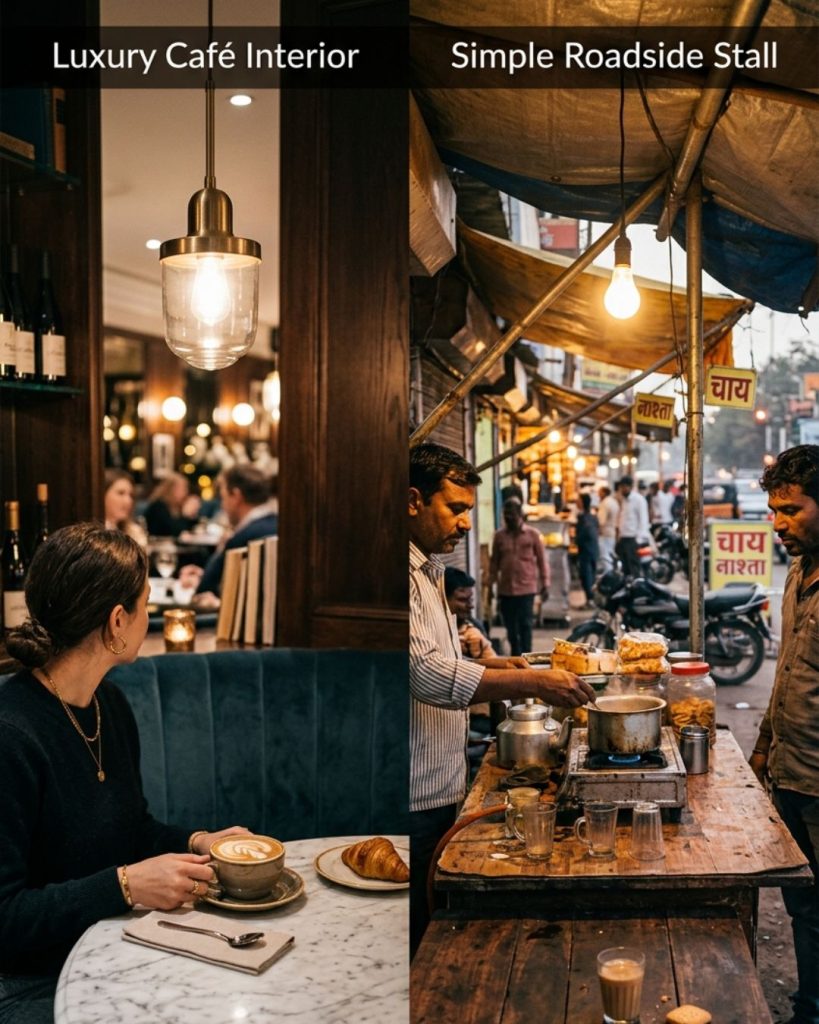
Have you ever wondered why you’ll pay $7 for a coffee in a minimalist, marble-clad cafe but grumble at $2 at a gas station? It’s the perceived value.
- Commanding Premium Prices: When your branding looks like a million dollars, you can charge thousands. People pay for the feeling a brand gives them.
- The Luxury Gap: Aesthetic pages bridge the gap between “commodity” and “luxury.” If your visual storytelling is elite, your product is no longer a choice; it’s a lifestyle.
- Lowering Price Sensitivity: Customers are less likely to haggle or look for discounts when the brand presentation feels high-end. They accept the price as a reflection of the quality they see.
5. High-Performance Typography: The Silent Salesman
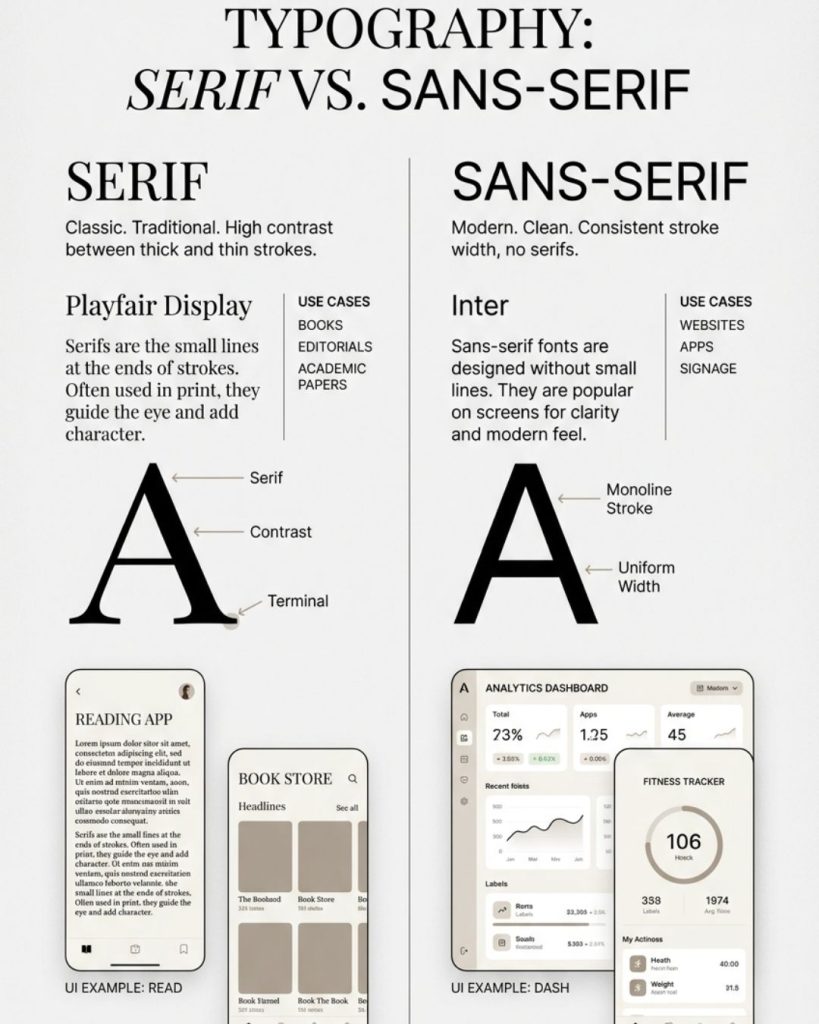
Most people ignore fonts, but your brain doesn’t. Typography is the “tone of voice” of your written content.
- Serif Fonts (Times New Roman, Playfair): These suggest tradition, authority, and high-class. Perfect for law firms or luxury boutiques.
- Sans-Serif Fonts (Arial, Montserrat): These suggest modernism, tech-savviness, and approachability.
- Readability = Revenue: If your font is too small or lacks enough white space, people will stop reading. If they stop reading, they stop buying.
6. The Power of “The Grid” and Minimalist Layouts
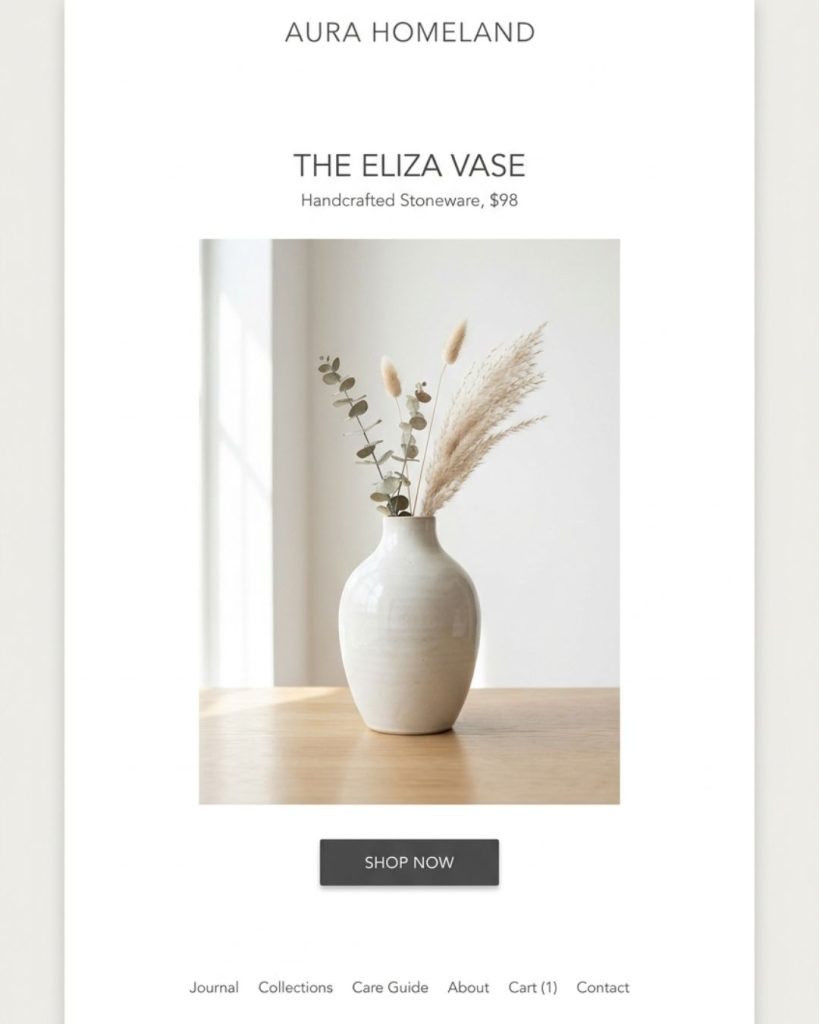
The most profitable pages on the internet—be it on Instagram, Shopify, or personal portfolios—embrace minimalism.
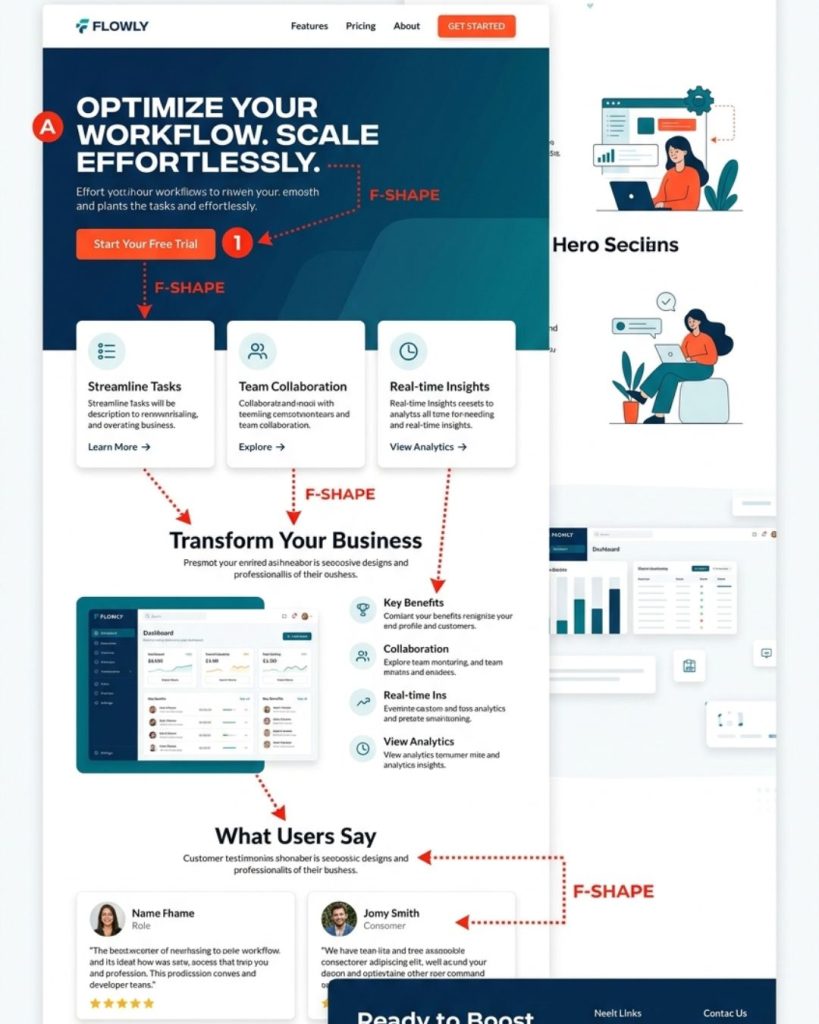
- Negative Space: Also known as white space, this allows your product to “breathe.” It directs the eye exactly where you want it to go: the Call to Action (CTA).
- Visual Hierarchy: Aesthetic design uses size and placement to tell the reader what is most important.
- The Paradox of Choice: Cluttered pages offer too many distractions. Aesthetic, minimalist pages offer one clear path to purchase, which drastically increases sales funnels efficiency.
7. Strategic Imagery: Moving Beyond Stock Photos
If your page is filled with cheesy, overused stock photos, your brand authority will tank.
- Custom Photography: Investing in professional brand shoots pays for itself. It creates an emotional connection that generic images cannot.
- Visual Continuity: All your images should have a similar filter, lighting style, or “vibe.” This creates a “world” that the customer wants to enter.
- The “Vibe” Economy: On platforms like TikTok and Instagram, people don’t buy products; they buy “vibes.” An aesthetic page sells a curated version of reality that the audience aspires to.
8. SEO Benefits of Aesthetic Design
Wait, can a “pretty” page help you rank on Google? Absolutely. SEO-friendly design is about more than just keywords.
- Lower Bounce Rates: If a page is beautiful, people stay longer. Google sees a low bounce rate as a signal that your site is valuable, pushing you higher in search results.
- Mobile Optimization: A huge part of modern aesthetics is how a site looks on a phone. Responsive design is a major ranking factor.
- Image Alt-Text: Aesthetic pages often use many images. By optimizing the alt-text of these beautiful visuals, you capture traffic from image searches.
9. Social Media Synergy: The “Shareability” Factor
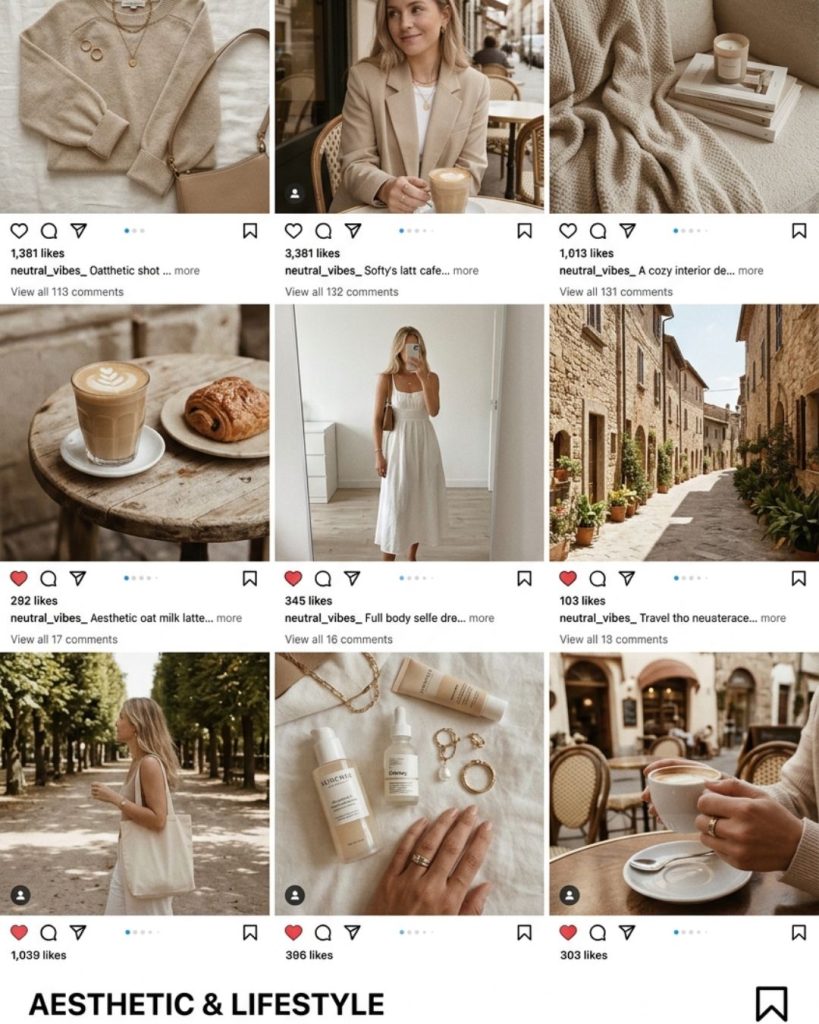
Why do some pages go viral while others stagnate? Because aesthetic content is inherently shareable.
- The Saveable Aesthetic: On Instagram, users “save” posts that are visually pleasing to use as inspiration. Saves are a massive growth signal for the algorithm.
- The “Reputation” Factor: People want to be associated with cool, beautiful things. They are much more likely to share a beautiful infographic or a sleek product shot to their own story than something poorly designed.
- Word-of-Mouth Marketing: When your page looks stunning, your customers become your marketing team. They’ll show their friends your site just to show off the “cool brand” they found.
10. Building Long-Term Brand Loyalty

Aesthetics get people in the door, but brand consistency keeps them there.
- The Mere Exposure Effect: The more someone sees your consistent, aesthetic branding, the more they like and trust you.
- Emotional Retention: Humans remember how a brand made them feel more than what the brand said. A calming, beautiful aesthetic creates a positive neural pathway associated with your business.
- The “Apple” Effect: When you master branding psychology, you create fans, not just customers. Fans will wait in line for your next release regardless of the price.
Conclusion: Investing in Your Visual Wealth
In the digital marketplace, making money is directly tied to how you are perceived. An aesthetic page is not a “vanity project”; it is a high-yield investment. It builds instant trust, justifies premium pricing, and creates a competitive advantage that is hard to replicate.
Stop treating your design as an afterthought. Use branding psychology, embrace minimalist layouts, and curate your visual identity with obsession. When your page looks like it’s worth a million dollars, your bank account will eventually follow suit.
Aesthetic pages make more money because they respect the customer’s eyes and capture the customer’s heart. In a world of noise, beauty is the ultimate signal.