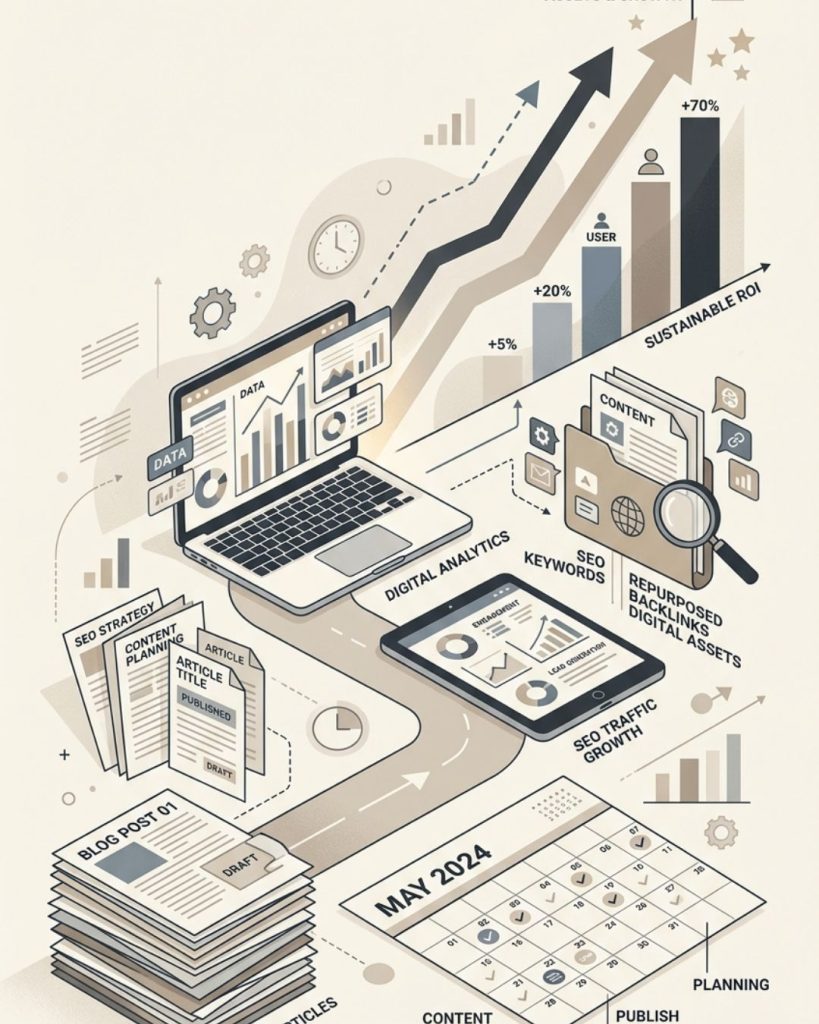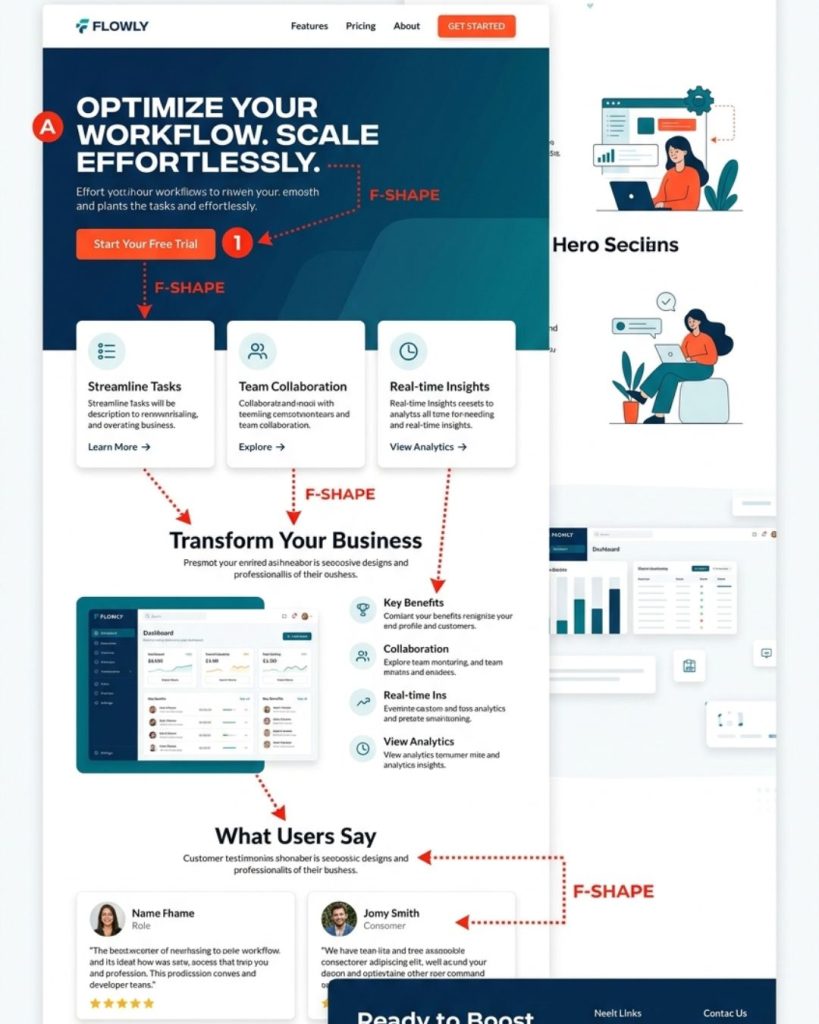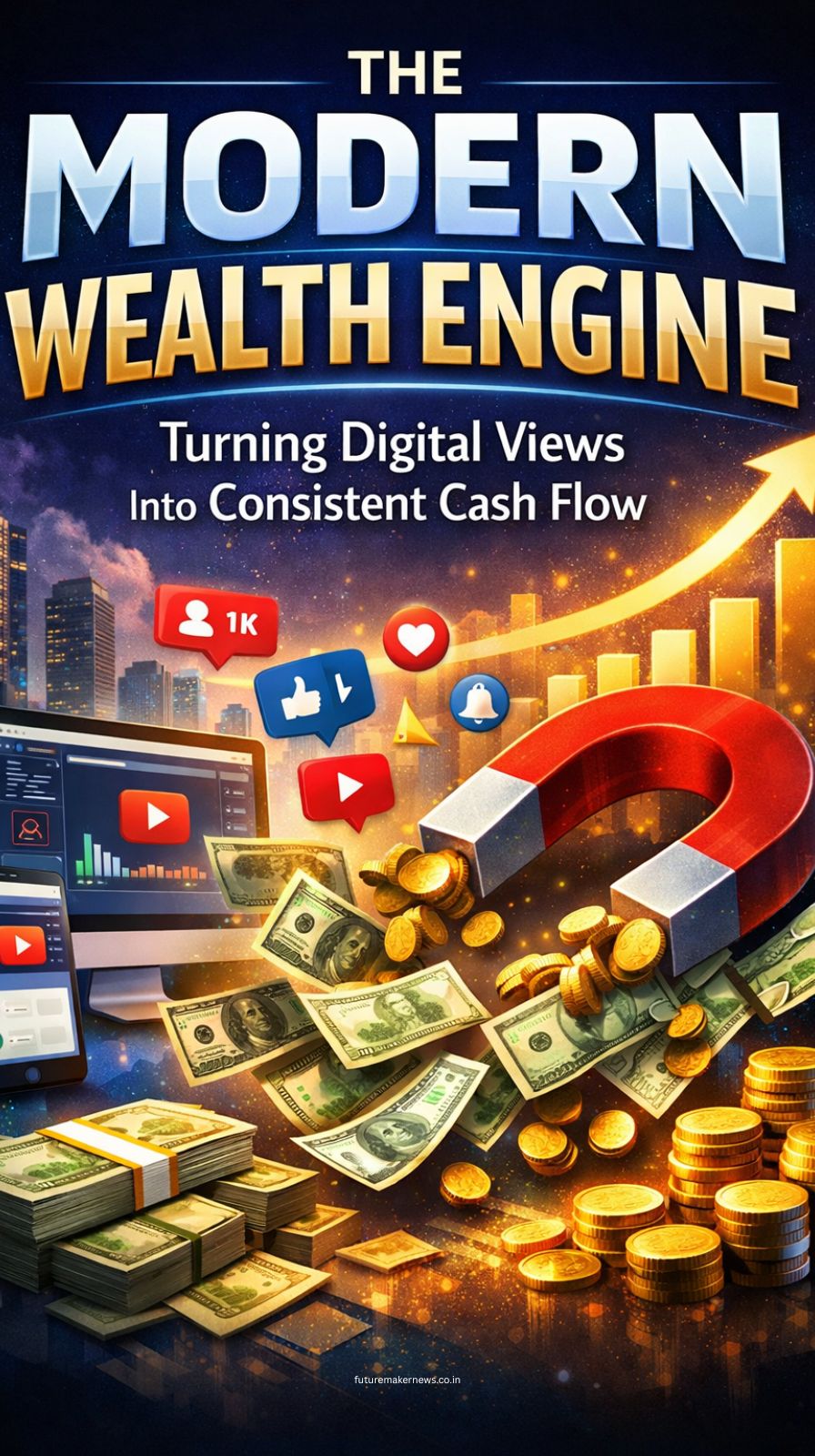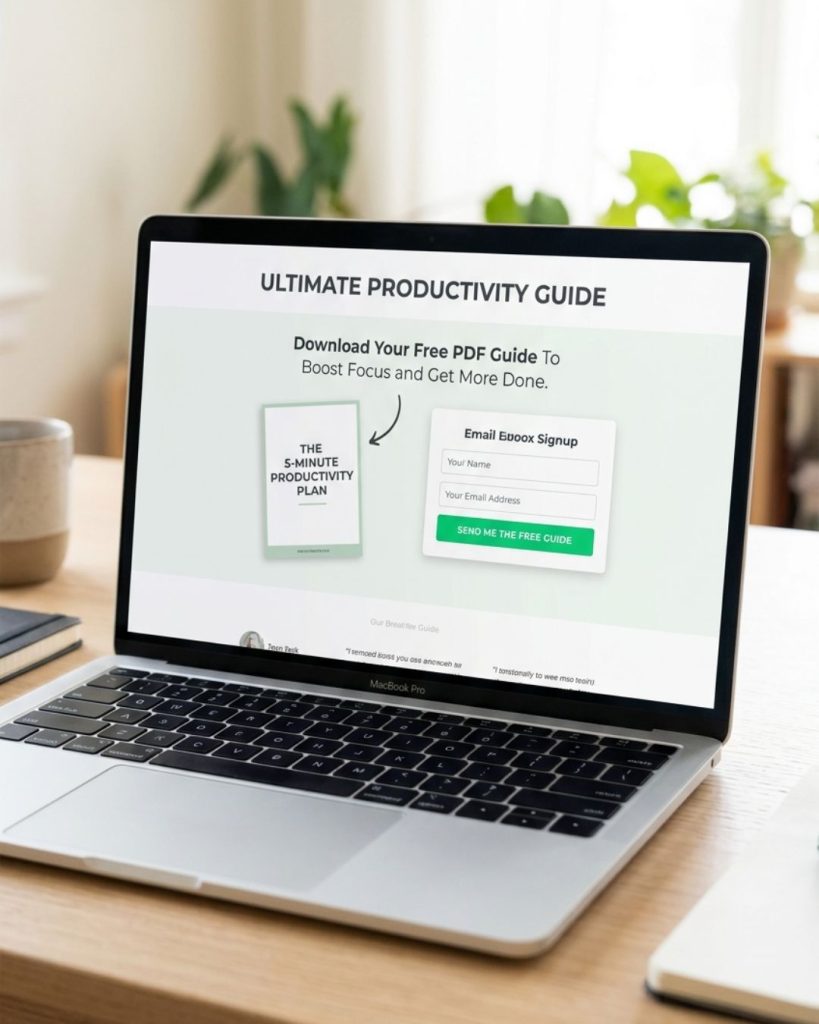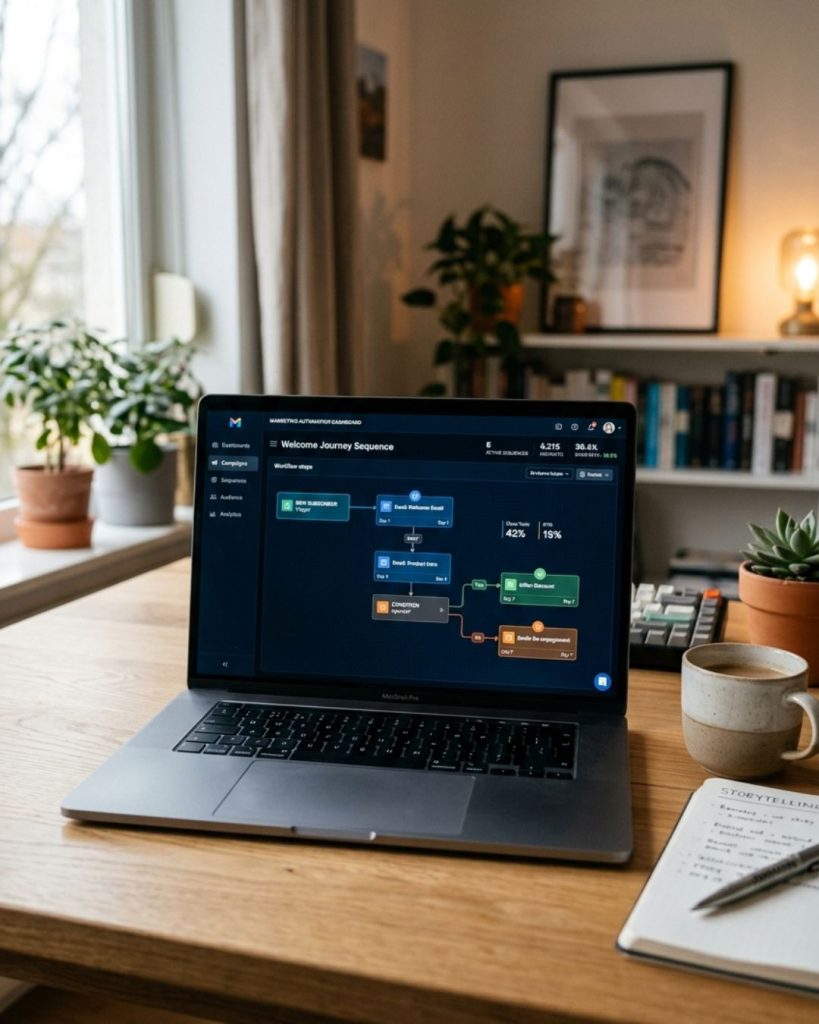
Stop posting randomly—build a system that pays.

The digital landscape has shifted. In 2026, the era of “post and pray” is officially dead. If you want to build a sustainable, high-income business, you cannot rely on viral hits or fickle algorithms. You need a resilient ecosystem.

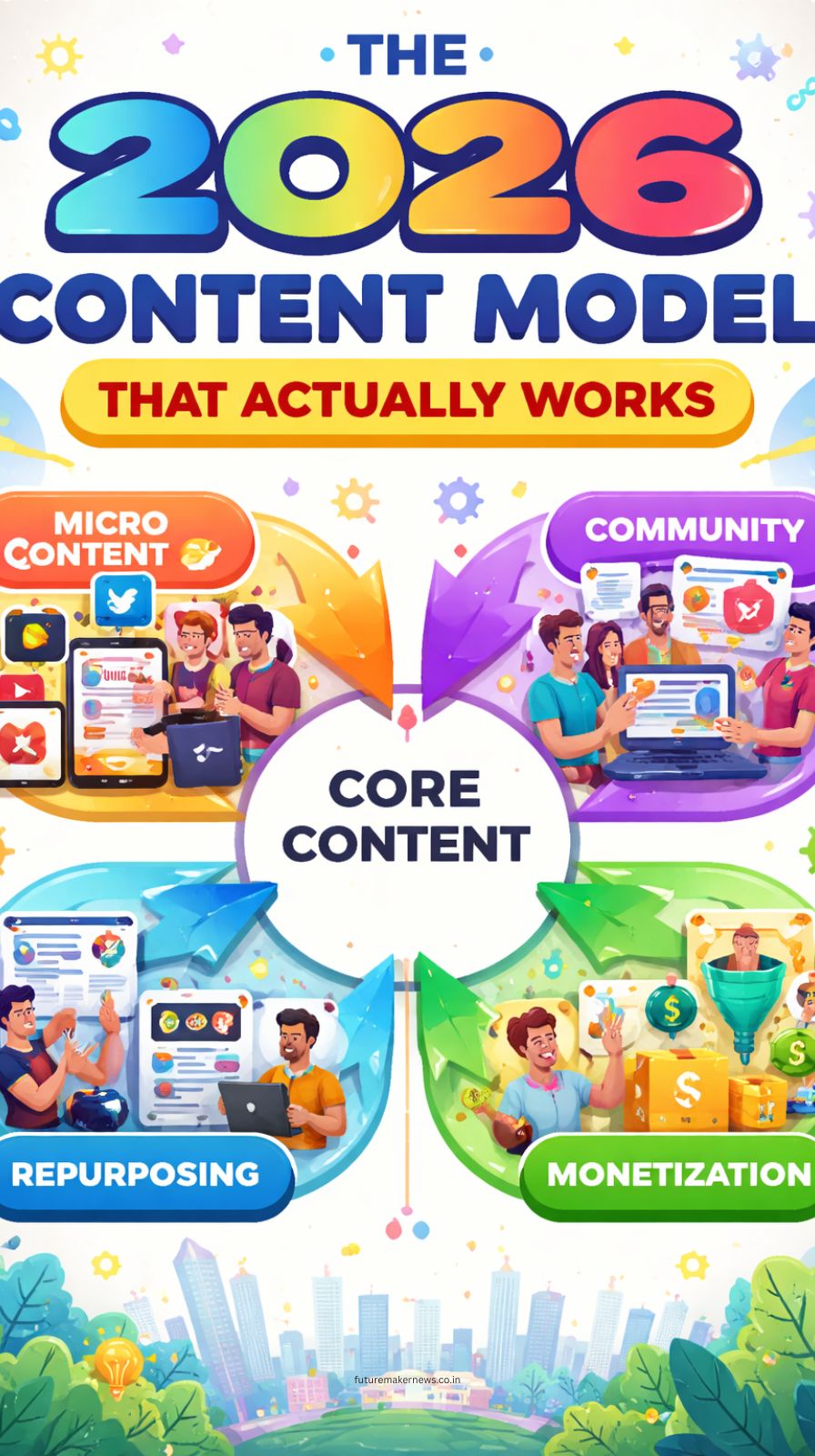
Success today is about moving away from platform-dependency and toward owned assets. This guide breaks down the ultimate 2026 Content Model: a three-pillar system designed for long-term wealth and audience sovereignty.

Pillar 1: The Traffic Engine (Attraction)

Content creator producing videos and blog content to attract traffic
Attention is step one—but strategy makes it valuable.

Traffic is the fuel for your business, but in 2026, not all traffic is created equal. With the rise of AI-driven search and SGE (Search Generative Experience), your content must be more than just “info-dumping.”

Master the Multi-Channel Approach

  • Search Intent 2.0: Don’t just target keywords; target human problems. Use long-tail keywords that AI summaries often miss—specific, experience-based queries.
  • Short-Form Video as a Hook: Use platforms like TikTok and Reels as “top-of-funnel” discovery tools. These are your traffic magnets.
  • Thought Leadership: People don’t follow brands; they follow perspectives. Infuse every piece of content with a unique POV (Point of View) that AI cannot replicate.

Quality Over Velocity

  • Deep-Dive Guides: One 3,000-word authoritative post beats ten 500-word filler posts. High-quality content signals authority to both users and search engines.
  • Interactive Content: Use polls, quizzes, and calculators. This increases dwell time, which is a massive ranking signal in the current algorithm.

Pillar 2: The Email Powerhouse (Retention)

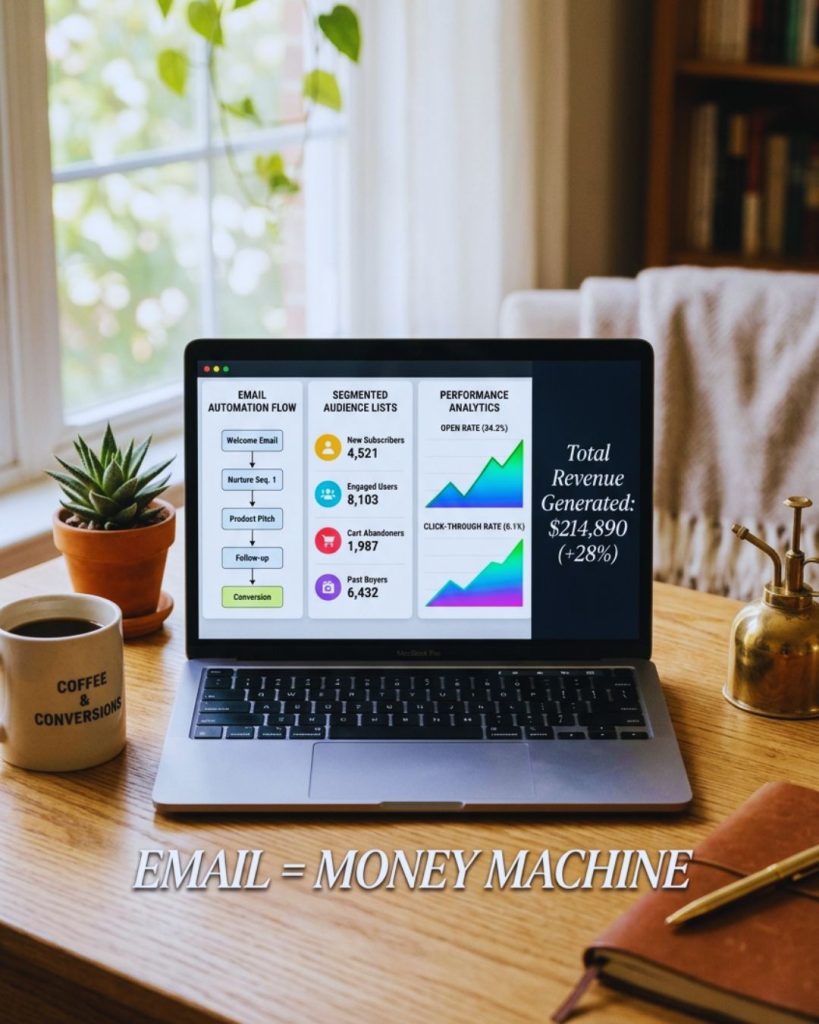
Email marketing dashboard showing subscriber growth and content strategy
Followers disappear. Email lists build wealth.

If you don’t own your audience, you don’t have a business. Your email list is the only asset that no algorithm can take away. In 2026, your inbox is the most intimate space you can occupy.

Building the “Permission Asset”

  • The Lead Magnet Evolution: Stop offering generic PDFs. Offer value-packed assets like Notion templates, mini-video courses, or exclusive data reports.
  • Zero-Party Data: Use your welcome sequence to ask questions. Find out exactly what your readers want. This audience segmentation allows for hyper-personalized messaging.

The Newsletter as a Product

  • Relatability & Trust: Write like you talk. Use a conversational tone to build a “friendship” with your subscribers.
  • Consistent Value: Every email must either educate, entertain, or empower. If it doesn’t add value, don’t send it.
  • Direct Engagement: Encourage replies. The more your readers interact, the higher your sender reputation and deliverability will be.

Pillar 3: The Product Suite (Monetization)

Digital products like courses and ebooks displayed on devices representing monetization
Turn your knowledge into scalable income.

The final piece of the 2026 Content Model is transforming your influence into scalable income. You aren’t just a creator; you are a solutions provider.

Solving Specific Problems

  • Digital Products: Create what your audience is already asking for. Whether it’s an online course, an e-book, or a software tool, ensure it solves a “bleeding neck” problem.
  • Tiered Pricing: Offer something for everyone. A low-ticket entry-level product builds trust, while high-ticket coaching or masterminds drive significant revenue.

The Ecosystem Effect

  • Product-Led Growth: Your products should naturally lead to more content and more traffic. Encourage user-generated content and testimonials.
  • Recurring Revenue: In 2026, stability is king. Aim for subscription models or memberships that provide predictable monthly income.

The Synergy: How the System Wins

This model works because it creates a compounding loop. Your traffic feeds your email list, and your email list sells your products.

The Workflow of a 2026 Pro

  1. Create Authority Content: Post a deep-dive article or a high-value video to attract organic reach.
  2. Capture the Lead: Use a high-converting call-to-action (CTA) to move that visitor into your email ecosystem.
  3. Nurture the Relationship: Send weekly insights that prove you are an expert who cares about their success.
  4. Present the Solution: Launch your digital product to an audience that already knows, likes, and trusts you.

Why This is “Anti-Fragile”

  • Algorithm Independence: If a social platform dies tomorrow, your email list stays.
  • High Profit Margins: Digital products have near-zero overhead, leading to massive ROI.
  • Scalability: Once the system is built, you can scale your traffic and sales without linearly increasing your workload.

Strategic Implementation for 2026

To win this year, you must treat your content like a business system, not a hobby. Focus on long-term growth over short-term vanity metrics.

Key Focus Areas

  • SEO Optimization: Use semantic search principles. Ensure your site is fast, mobile-friendly, and optimized for voice search.
  • Brand Voice: Develop a signature style. In an AI-saturated world, authenticity is your greatest competitive advantage.
  • Data-Driven Decisions: Monitor your conversion rates more than your follower count. The only metric that truly matters is Customer Lifetime Value (CLV).

The Path Forward

Building a long-term system takes time, but it is the only way to ensure financial freedom in the creator economy. Start with one pillar, master it, and then bridge to the next.

The 2026 Content Model isn’t about being everywhere; it’s about being indispensable to a specific group of people. Focus on your niche, build your list, and create products that change lives. That is how you make money that lasts.


Comparison of viral social media chaos versus steady passive income from search traffic

In the world of digital entrepreneurship, there is a dangerous myth: you need to go viral to make significant money. We see the overnight success stories, the TikTokers with millions of views, and the “lucky” breaks that catapult creators into the spotlight.

But here is the truth: virality is not a business strategy. It is a lottery ticket.

If you want to build a reliable, predictable income that grows month after month, you don’t need a viral hit. You need a system. This guide will show you how to dominate the Search Traffic landscape and why it is the superior path to Making Money compared to the chaotic world of Viral Traffic.

The Chaos of Viral Traffic: Why It’s a Trap

Viral traffic is like a summer storm. It’s loud, it’s intense, and it disappears just as quickly as it arrived. For most creators, a viral moment leads to a massive spike in views but very little Revenue Generation.

The Problem with Going Viral:

  • Low Intent: People watch viral content because they are bored, not because they are looking to solve a problem or buy a product.
  • The “One-Hit Wonder” Risk: Once the algorithm stops favoring your post, your traffic—and your income—drops to zero.
  • Audience Disconnect: Viral hits often attract people who aren’t your target audience, making it nearly impossible to build a Loyal Community.
  • Burnout: The pressure to keep “hitting the jackpot” leads to creative exhaustion and inconsistent Content Strategy.

The Power of Search Traffic: The Silent Wealth Builder

Search Traffic (SEO) is the exact opposite. It is the steady, reliable stream of people actively looking for what you have to offer. Whether it’s through Google, YouTube search, or Pinterest, Organic Search brings you “high-intent” visitors.

Why Search Traffic Wins Every Time:

  • High Conversion Rates: When someone searches for “best noise-canceling headphones,” they are in a Buying Mindset. They aren’t just browsing; they are deciding.
  • Passive Income Potential: A well-optimized blog post or video can rank for years. You do the work once, and it pays you 24/7.
  • Compounding Growth: Unlike social media, where old content dies, SEO builds on itself. The more authority you gain, the easier it is to rank for new Target Keywords.
  • Predictability: You can look at Keyword Research tools and know exactly how many people are looking for a topic before you even create the content.

Search Traffic vs. Viral Traffic: The Ultimate Comparison

FeatureViral TrafficSearch Traffic (SEO)
User IntentEntertainment/CuriosityProblem-Solving/Buying
SustainabilityShort-lived (24–48 hours)Long-term (Months to Years)
EffortHigh (Requires constant trend-chasing)Strategic (Requires initial optimization)
MonetizationMostly Ads (Low RPM)Affiliate Marketing, Products, High Ads
ScalabilityRandom and unpredictableLogical and data-driven

How to Make Money Without Going Viral (Step-by-Step)

If you are ready to stop chasing “likes” and start building a Profitable Online Business, follow this blueprint. This is how you create an income stream that doesn’t depend on the whims of an algorithm.

1. Identify High-Value “Problem” Niches

Content creator researching profitable niches like finance, health, and digital marketing
Pick problems, not passions—problems pay.

Don’t just write about your day. Focus on Profitable Niches where people are actively seeking solutions. In 2026, the highest-paying niches include:

  • Personal Finance (Investing, Taxes, Crypto)
  • Health & Wellness (Specific diets, Biohacking)
  • Digital Marketing (SaaS reviews, AI tools)
  • Technical Tutorials (Software “How-To” guides)

2. Master the Art of Keyword Research

Keyword research tools showing search terms and SEO analytics on a laptop
Traffic starts with the right keywords.

To get Search Traffic, you must know what your audience is typing into that search bar.

  • Use tools like Ahrefs, SEMrush, or even Google Keyword Planner.
  • Look for Long-Tail Keywords. Instead of “Weight Loss,” target “Best weight loss plan for busy office workers.”
  • Check the Search Intent. Does the user want information, or are they ready to purchase?

3. Create “Evergreen” Content

Evergreen blog content concept showing long-term traffic and passive income growth
Create content once, earn from it forever.

Evergreen Content is the backbone of Making Money Online. This is content that remains relevant for years.

  • Avoid news or temporary trends.
  • Focus on “How-To” guides, “Best Of” lists, and “Product Comparisons.”
  • Update your content annually to ensure it stays fresh and maintains its Search Rankings.

4. Optimize for “User Experience” (UX)

Responsive website design optimized for mobile and user experience
Better experience = better rankings = more money.

Google doesn’t just rank keywords anymore; it ranks satisfaction.

  • Ensure your site loads in under 2 seconds.
  • Use Mobile-Friendly designs. Most searchers are on their phones.
  • Break up text with bullet points and headings to make it scannable.

Monetization Strategies for Search-Driven Content

When you have Targeted Traffic, you don’t need millions of views to make a full-time living. A few thousand dedicated visitors can generate more than a viral video with a million views.

Affiliate Marketing

This is the holy grail of Passive Income. By recommending products that solve your readers’ problems, you earn a commission on every sale. Since searchers have High Intent, your click-through and conversion rates will be significantly higher than on social media.

Display Advertising

Once you have steady Organic Traffic, platforms like Mediavine or AdThrive (Raptive) pay premium rates. Because your traffic is coming from search, advertisers are willing to pay a higher CPM (Cost Per Mille) to reach your audience.

Selling Digital Products

You can create an E-book, a template, or a mini-course that addresses the specific problem your searchers are trying to solve. This allows you to keep 100% of the profits and build a direct relationship with your customers.

The “Slow and Steady” Mindset

The biggest reason people fail at Search Engine Optimization is that they quit too early. Viral traffic gives you a dopamine hit instantly. Search traffic takes 3–6 months to start showing results.

However, the “slow” way is actually the fastest way to Financial Freedom.

Imagine waking up two years from now. You haven’t posted on social media in weeks, yet your bank account is growing because a blog post you wrote 18 months ago is still ranking #1 on Google. That is the power of Search Traffic.

Actionable Tips to Increase Your Earnings Today

  • Audit Your Content: Look at your existing posts. Are they optimized for a specific Search Term? If not, rewrite the headers and meta-descriptions.

  • Build Authority: Get other reputable sites to link back to you (Backlinks). This tells search engines that your content is trustworthy.
  • Focus on Quality over Quantity: One 2,000-word “Ultimate Guide” that ranks well is worth more than fifty 500-word “fluff” posts.

  • Analyze the Data: Use Google Analytics and Search Console to see which keywords are actually bringing you money, then double down on those topics.
Final Thoughts

You do not need to be “internet famous” to be wealthy. You do not need to dance on camera or chase every fleeting trend.

By shifting your focus from Viral Traffic to Search Traffic, you are choosing stability over chaos. You are building an asset that you own, rather than being a slave to a social media algorithm.

Start treating your content like a business, focus on SEO Best Practices, and provide genuine value to people who are searching for answers. The money will follow, and it will stay long after the viral stars have faded away.

Minimalist luxury workspace showing an aesthetic website design on a laptop representing high-converting branding

Profit of Perfection- In the digital gold rush of the 2020s, your visual identity is your currency. We live in an era where the average attention span has plummeted to less than eight seconds. In that heartbeat of time, a potential customer has already decided whether to buy from you or flee to a competitor.

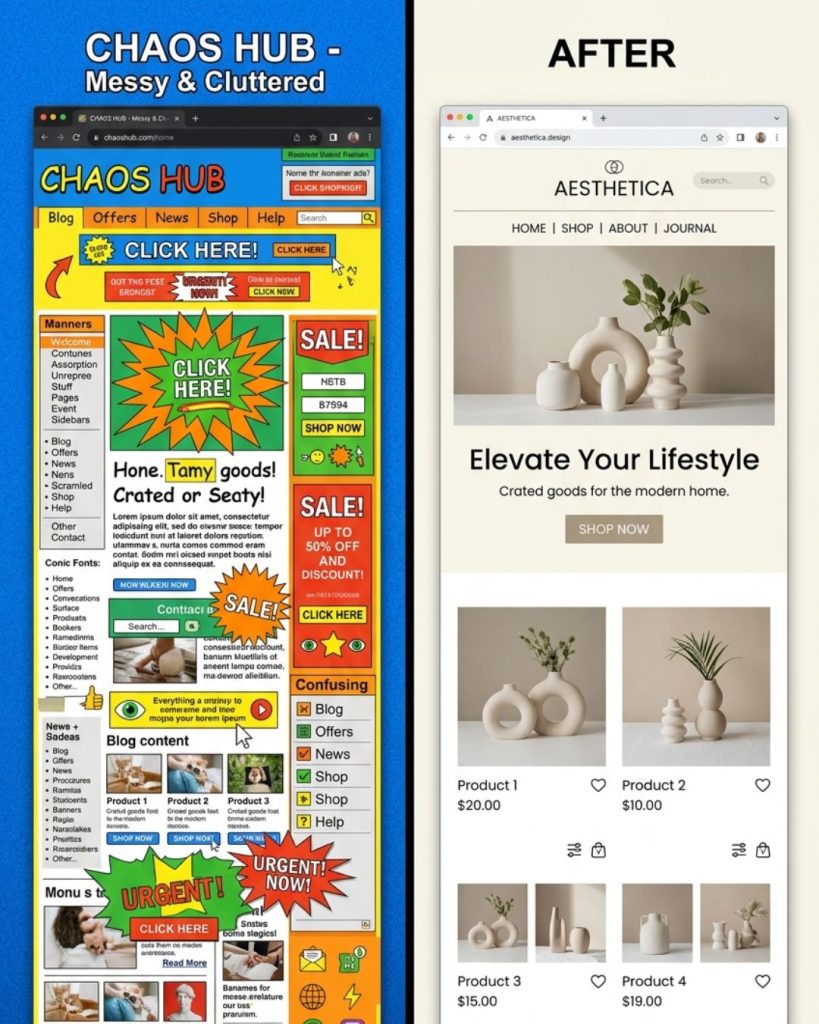
While “content is king,” aesthetic branding is the palace that gives the king his authority. If your page looks cluttered, outdated, or “cheap,” your high-quality product won’t matter. Users will simply assume the quality of your service matches the quality of your pixels.

Here is the deep dive into why aesthetic pages make more money and how you can leverage branding psychology to skyrocket your conversion rates.

1. The Halo Effect: First Impressions are Financial

Comparison between cluttered and aesthetic website showing impact of first impressions on user trust
First impressions don’t just matter—they convert.

The Halo Effect is a cognitive bias where our overall impression of a person (or brand) influences how we feel about their character or products.

  • Instant Credibility: When a user lands on a beautiful, cohesive page, they subconsciously attribute positive traits like “professionalism,” “intelligence,” and “reliability” to the owner.
  • The Beauty Premium: Studies show that humans perceive attractive things as more functional. Even if two apps do the exact same thing, the prettier one is perceived as “better” and “easier to use.”
  • Reduced Friction: A clean aesthetic reduces cognitive load. When a page is easy on the eyes, the brain doesn’t have to work hard to process information, making the user experience (UX) seamless.

2. Branding Psychology: The Color of Currency

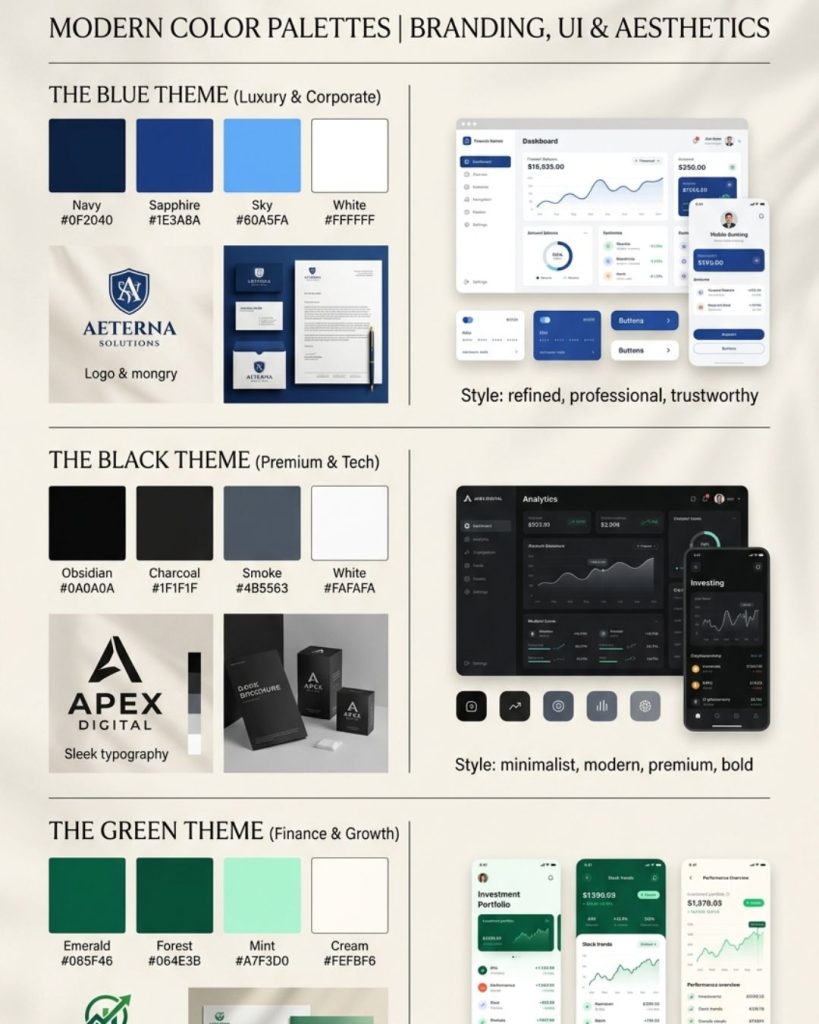
Color palette examples showing psychological impact of branding colors
Colors aren’t design—they’re decisions.

Colors aren’t just decorations; they are psychological triggers. Professional creators use color psychology to manipulate (or guide) the viewer’s emotional state.

  • Blue for Trust: Notice why PayPal, Visa, and Facebook use blue? It signals stability and security.
  • Black for Luxury: High-end brands like Chanel or Apple use black and white to signal premium pricing and exclusivity.
  • Green for Growth: Often used in the health and finance sectors to symbolize prosperity and wellness.
  • Consistency is Key: Using a unified color palette across all platforms increases brand recognition by up to 80%. If your Instagram looks different from your website, you are bleeding brand equity.

3. The Trust Factor: Aesthetics as Social Proof

Clean aesthetic website layout representing professionalism and credibility
A beautiful page builds trust before a single word is read.

In the wild west of the internet, trust is the hardest commodity to earn. A “messy” page screams “scam” or “amateur.”

  • Design Equity: A high-end design tells the customer, “I have invested money in my business, which means I am here to stay.”
  • Visual Transparency: Clear fonts, high-quality original imagery, and a balanced layout suggest you have nothing to hide.
  • Professionalism over Personalization: While being “real” is a trend, there is a fine line between “authentic” and “unprofessional.” Aesthetic pages find the sweet spot—they look curated, not cluttered.

4. Why Aesthetics Lead to Higher Price Points

Luxury minimalist branding design using black and white tones
If it looks expensive, it feels valuable.

Have you ever wondered why you’ll pay $7 for a coffee in a minimalist, marble-clad cafe but grumble at $2 at a gas station? It’s the perceived value.

  • Commanding Premium Prices: When your branding looks like a million dollars, you can charge thousands. People pay for the feeling a brand gives them.
  • The Luxury Gap: Aesthetic pages bridge the gap between “commodity” and “luxury.” If your visual storytelling is elite, your product is no longer a choice; it’s a lifestyle.
  • Lowering Price Sensitivity: Customers are less likely to haggle or look for discounts when the brand presentation feels high-end. They accept the price as a reflection of the quality they see.

5. High-Performance Typography: The Silent Salesman

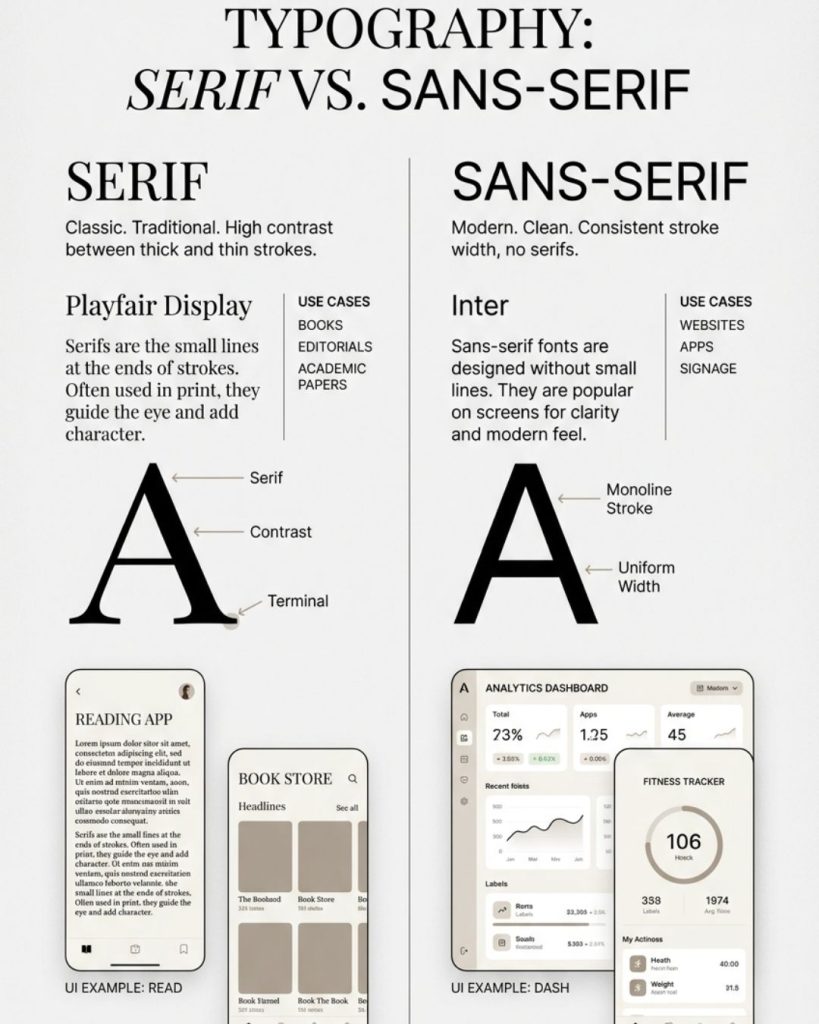
Comparison of serif and sans-serif fonts in modern website design
Your font is your voice—make it speak money.

Most people ignore fonts, but your brain doesn’t. Typography is the “tone of voice” of your written content.

  • Serif Fonts (Times New Roman, Playfair): These suggest tradition, authority, and high-class. Perfect for law firms or luxury boutiques.
  • Sans-Serif Fonts (Arial, Montserrat): These suggest modernism, tech-savviness, and approachability.
  • Readability = Revenue: If your font is too small or lacks enough white space, people will stop reading. If they stop reading, they stop buying.

6. The Power of “The Grid” and Minimalist Layouts

Minimalist website layout showing use of white space and clean design
Less clutter = more conversions.

The most profitable pages on the internet—be it on Instagram, Shopify, or personal portfolios—embrace minimalism.

  • Negative Space: Also known as white space, this allows your product to “breathe.” It directs the eye exactly where you want it to go: the Call to Action (CTA).
  • Visual Hierarchy: Aesthetic design uses size and placement to tell the reader what is most important.
  • The Paradox of Choice: Cluttered pages offer too many distractions. Aesthetic, minimalist pages offer one clear path to purchase, which drastically increases sales funnels efficiency.

7. Strategic Imagery: Moving Beyond Stock Photos

Website design demonstrating visual hierarchy and user attention flow
Guide the eye, guide the sale.

If your page is filled with cheesy, overused stock photos, your brand authority will tank.

  • Custom Photography: Investing in professional brand shoots pays for itself. It creates an emotional connection that generic images cannot.
  • Visual Continuity: All your images should have a similar filter, lighting style, or “vibe.” This creates a “world” that the customer wants to enter.
  • The “Vibe” Economy: On platforms like TikTok and Instagram, people don’t buy products; they buy “vibes.” An aesthetic page sells a curated version of reality that the audience aspires to.

8. SEO Benefits of Aesthetic Design

Comparison of luxury café and basic shop showing perceived value difference
People don’t just buy products—they buy experiences.

Wait, can a “pretty” page help you rank on Google? Absolutely. SEO-friendly design is about more than just keywords.

  • Lower Bounce Rates: If a page is beautiful, people stay longer. Google sees a low bounce rate as a signal that your site is valuable, pushing you higher in search results.
  • Mobile Optimization: A huge part of modern aesthetics is how a site looks on a phone. Responsive design is a major ranking factor.
  • Image Alt-Text: Aesthetic pages often use many images. By optimizing the alt-text of these beautiful visuals, you capture traffic from image searches.

9. Social Media Synergy: The “Shareability” Factor

Aesthetic Instagram grid with cohesive branding and neutral tones
Aesthetic pages don’t just attract—they get saved.

Why do some pages go viral while others stagnate? Because aesthetic content is inherently shareable.

  • The Saveable Aesthetic: On Instagram, users “save” posts that are visually pleasing to use as inspiration. Saves are a massive growth signal for the algorithm.
  • The “Reputation” Factor: People want to be associated with cool, beautiful things. They are much more likely to share a beautiful infographic or a sleek product shot to their own story than something poorly designed.
  • Word-of-Mouth Marketing: When your page looks stunning, your customers become your marketing team. They’ll show their friends your site just to show off the “cool brand” they found.

10. Building Long-Term Brand Loyalty

Consistent aesthetic brand packaging representing strong brand identity
Consistency turns visitors into loyal fans.

Aesthetics get people in the door, but brand consistency keeps them there.

  • The Mere Exposure Effect: The more someone sees your consistent, aesthetic branding, the more they like and trust you.
  • Emotional Retention: Humans remember how a brand made them feel more than what the brand said. A calming, beautiful aesthetic creates a positive neural pathway associated with your business.
  • The “Apple” Effect: When you master branding psychology, you create fans, not just customers. Fans will wait in line for your next release regardless of the price.

Conclusion: Investing in Your Visual Wealth

In the digital marketplace, making money is directly tied to how you are perceived. An aesthetic page is not a “vanity project”; it is a high-yield investment. It builds instant trust, justifies premium pricing, and creates a competitive advantage that is hard to replicate.

Stop treating your design as an afterthought. Use branding psychology, embrace minimalist layouts, and curate your visual identity with obsession. When your page looks like it’s worth a million dollars, your bank account will eventually follow suit.

Aesthetic pages make more money because they respect the customer’s eyes and capture the customer’s heart. In a world of noise, beauty is the ultimate signal.

Digital marketing funnel setup with analytics showing passive income growth from online traffic

In the current digital gold rush, the most valuable currency isn’t just money—it is attention. However, most creators and entrepreneurs make a fatal mistake: they capture attention but have no “bucket” to hold it. They get millions of views but pennies in profit. To bridge this gap, you need a Simple Funnel System that acts as a mechanical bridge between a casual viewer and a paying customer.

This isn’t about complex coding or expensive software. It’s about understanding the psychology of traffic and the physics of a high-converting Sales Funnel. Below is the blueprint to turn your digital presence into a 24/7 revenue generator.

The Philosophy of the Simple Funnel

Most people try to sell on the first date. They post a video and immediately ask for a $500 payment. In the digital world, this results in high bounce rates and “algorithm fatigue.” A Simple Funnel works because it respects the three stages of the human journey: Awareness, Trust, and Conversion.

  • Awareness: They see your content (The View).
  • Trust: They receive value for free (The Lead Magnet).
  • Conversion: They solve a problem using your recommendation (The Sale).

Step 1: The Traffic Generator (Top of Funnel)

Content creator filming short video for social media traffic generation
Attention is the first currency—master the scroll-stopping hook.

Everything starts with Top of Funnel (TOFU) content. This is your “discovery” layer. Whether you are on TikTok, Instagram Reels, YouTube, or Pinterest, your goal here is not to sell, but to stop the scroll.

  • Short-Form Video Mastery: Use hooks in the first 3 seconds. A hook should address a specific pain point (e.g., “Why your bank account isn’t growing”) or a massive desire (“The 3-step morning routine of millionaires”).
  • The Curiosity Gap: Give away the “What” and the “Why,” but save the “How” for your funnel. This creates a psychological itch that the viewer must scratch by clicking your link.
  • SEO-Optimized Captions: Use long-tail keywords in your captions so the platform’s AI knows exactly who to show your content to.
  • Consistency over Quality: In the beginning, volume wins. You need to gather data to see what your target audience actually wants.

Step 2: The High-Value Bridge (The Lead Magnet)

Email signup page with free lead magnet for digital marketing funnel
Don’t sell—offer value first and capture the lead.

Once someone clicks the link in your bio, they shouldn’t see a “Buy Now” button. They should see an invitation to join your world. This is the Lead Magnet—the most critical part of Monetizing Traffic.

  • Specific Solutions: Your lead magnet must solve one specific problem instantly. A “7-Day Meal Plan” is better than a “Guide to Health.”
  • Low Friction: Ask only for an email address. The more information you request, the lower your conversion rate will be.
  • Instant Gratification: The delivery should be automated. As soon as they hit “submit,” the value should land in their inbox.
  • Examples of Lead Magnets:
    • PDF Checklists: “The 10-Point SEO Audit.”
    • Mini-Courses: “3 Days to Better Sleep.”
    • Templates: “High-Converting Email Script.”

Step 3: The Automated Nurture (Email Marketing)

Automated email marketing sequence dashboard for nurturing leads
Trust is built in the follow-up, not the first click.

The “Cash” is made in the follow-up. Statistics show it takes an average of 7 to 11 touchpoints before a customer feels comfortable purchasing. This is where Email Marketing does the heavy lifting while you sleep.

  • The Welcome Sequence: The first email should deliver the gift and tell your story. Why should they listen to you?
  • The Logic and Emotion Balance: Alternate your emails between social proof (case studies/testimonials) and educational value.
  • Soft Sells: Every email should have a “P.S.” that links to your main offer. This is a non-aggressive way to keep the affiliate offer or product in front of them.
  • Segmentation: Use your email provider to “tag” people who click certain links. This allows you to send even more relevant nurture sequences later.

Step 4: The Monetization Event (The Offer)

Online income notification from affiliate marketing or digital product sales
When trust is built, the sale becomes natural—not forced.

Now that the viewer knows, likes, and trusts you, you present the solution. This is where you actually Make Money Online.

  • Affiliate Marketing: Promoting someone else’s product for a commission. This is the fastest way to start because you don’t need to handle customer service or shipping.
  • Digital Products: Selling your own E-books, courses, or templates. This offers 100% profit margins.
  • SaaS (Software as a Service): Recommending tools you use daily. This often provides recurring passive income.
  • High-Ticket Coaching: Offering one-on-one sessions for a premium price.

Real-World Example: The “Fitness Transformation” Funnel

Let’s look at how this looks in practice for a creator in the fitness niche:

  1. The View: You post a Reel showing a “30-Second Morning Stretch to Fix Back Pain.” It gets 50,000 views.
  2. The Funnel Entry: Your caption says, “Grab my free 5-minute mobility routine PDF in bio!”
  3. The Lead Magnet: 1,000 people click and give you their email to get the PDF.
  4. The Email Nurture: Over the next 5 days, you send emails explaining why mobility matters and sharing a story of how you fixed your own injury.
  5. The Cash: On day 6, you recommend a high-quality Yoga Mat (Affiliate) or your “21-Day Pain-Free Program” (Digital Product). If 3% buy your $50 program, you just made $1,500 from one video.

Scaling the System: From Side Hustle to Empire

Once your Simple Funnel is converting, the game changes. You no longer worry about views; you worry about ROAS (Return on Ad Spend) and scaling.

  • Reinvesting Profits: Use the money made from the funnel to run targeted ads (Facebook, Pinterest, or YouTube). This creates a predictable machine where you put $1 in and get $3 out.
  • Split Testing: Change your headline. Change the color of your button. Small 1% improvements in your landing page can result in thousands of dollars in extra monthly revenue.
  • Omnichannel Presence: Take your high-performing funnel and adapt the traffic source. If it works on TikTok, it will likely work on Pinterest Trends or YouTube Shorts.
  • Building Community: Move your email list into a private community (like Discord or Slack). This increases the LTV (Lifetime Value) of every customer.

Why Most People Fail (And How to Avoid It)

The reason 90% of people don’t make money online is not a lack of traffic; it’s a “leaky bucket.”

  • Focusing on Vanity Metrics: They care about followers, not email subscribers. Followers can be taken away by an algorithm change; an email list is yours forever.
  • Overcomplicating the Tech: You don’t need a 20-page website. You need one landing page and one thank you page.
  • Lack of Persistence: A funnel is a living organism. It might not convert on day one. You must tweak the copywriting and the offer until the numbers make sense.

Critical Keywords for SEO and Growth

To ensure your system gets discovered, your content should naturally integrate these high-traffic keywords:

  • Passive Income Strategies
  • High-Converting Sales Funnels
  • Content Monetization
  • Digital Marketing Automation
  • Affiliate Marketing for Beginners
  • Email List Building
  • Social Media ROI
  • Entrepreneurial Mindset

Conclusion: Your Action Plan

Turning views into cash is a science, not a mystery. Start by identifying one specific problem your audience has. Create a Lead Magnet that solves it. Set up a simple Email Sequence that builds trust. Then, provide a high-quality Affiliate Link or product as the ultimate solution.

The digital world is moving toward creator-led commerce. By building this funnel, you aren’t just chasing trends; you are building a Wealth Engine that provides freedom, scalability, and impact. Stop posting for “likes” and start posting for “leads.” The transition from creator to business owner begins the moment you value your traffic enough to build a funnel for it.

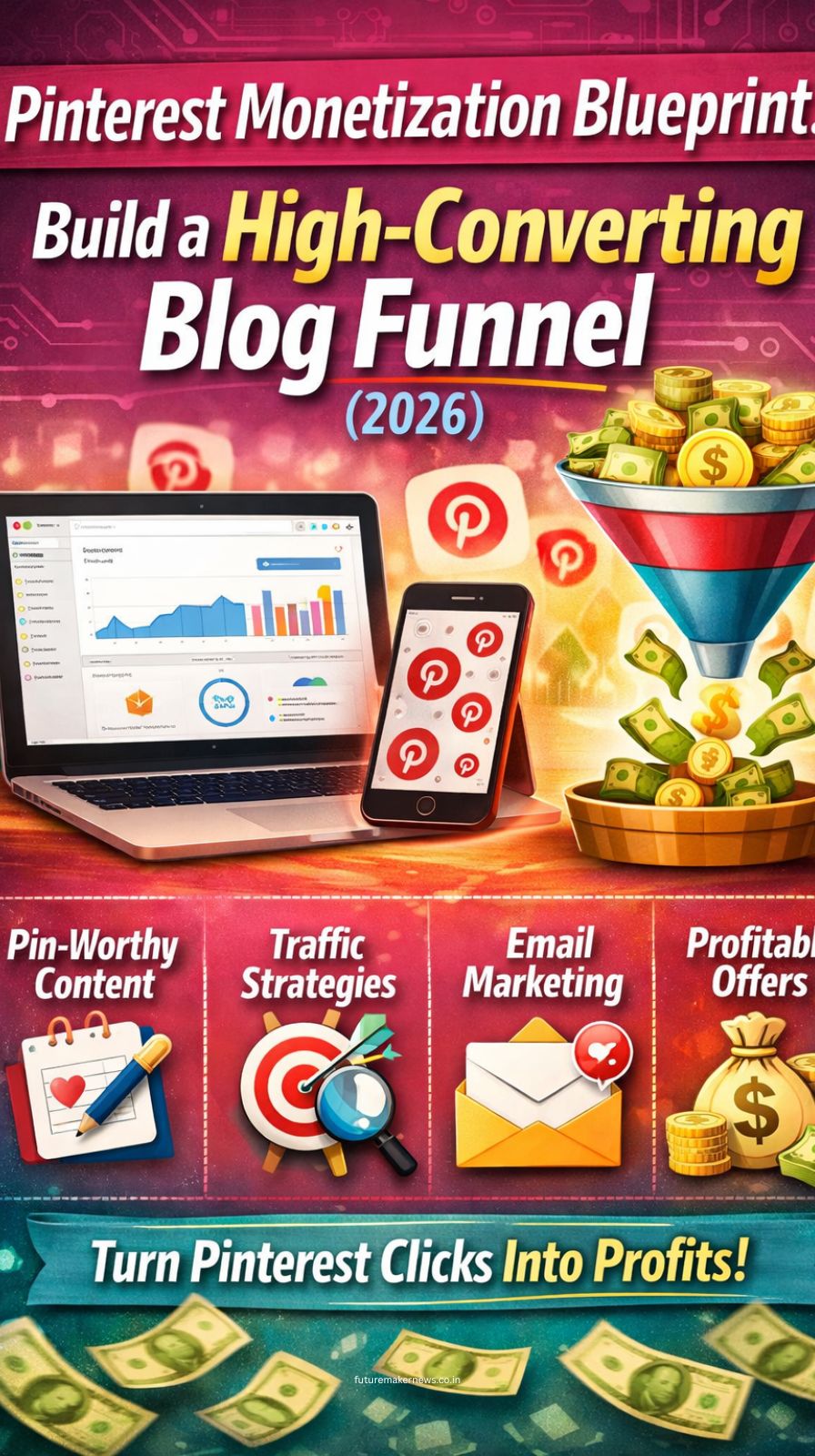
Pinterest marketing funnel displayed on laptop with blog monetization strategy setup

In the modern digital landscape, Pinterest has evolved from a simple mood board into a powerhouse visual search engine. For creators and entrepreneurs, it represents a goldmine of high-intent traffic. Unlike social media platforms where content dies in hours, a single Pin can drive traffic for years.

To truly make money on Pinterest, you need more than just pretty pictures; you need a strategic ecosystem. The most effective framework for 2026 is the Blog Funnel Structure: Pin → Blog → Email → Affiliate.

This comprehensive guide will break down every stage of this funnel to help you build a sustainable, passive income machine.

Phase 1: The Pinterest Magnet (The Pin)

Pinterest pin design with bold text overlay optimized for high click-through rate
Your Pin is your first impression—make it impossible to scroll past.

The journey begins with a “Scroll-Stopper.” Your Pin is the entry point of your funnel. If the Pin doesn’t convert the view into a click, the rest of your funnel is invisible.

  • Pinterest SEO Mastery: Treat Pinterest like Google. Use the search bar to find trending keywords and long-tail phrases. Place these keywords in your Pin Title, Pin Description, and even the Alt Text.
  • Visual Hierarchy: Use a 2:3 aspect ratio (1000 x 1500 pixels). This is the “sweet spot” for mobile users who make up over 80% of the platform.
  • Text Overlays: Use bold, readable fonts. Your text should highlight a “pain point” or a “desire.” For example, instead of “Healthy Recipes,” use “7-Minute Fat-Burning Dinners.”
  • Click-Through Rate (CTR) Optimization: Add a subtle Call to Action (CTA) on the image itself, such as “Click to Read” or “Download the Guide.”
  • Fresh Content Strategy: Pinterest’s algorithm prioritizes Fresh Pins. Even if you are linking to the same blog post, create 5-10 different designs to see which visual style resonates most with your target audience.

Phase 2: The Value Hub (The Blog Post)

Optimized blog post layout on laptop designed for user engagement and SEO
Clicks mean nothing if your blog doesn’t deliver instant value.

Once a user clicks your Pin, they land on your website. This is where you transform a casual browser into a loyal reader.

  • Instant Gratification: Ensure your blog post delivers exactly what the Pin promised. If the Pin said “Kitchen Hacks,” don’t lead them to a generic homepage.
  • User Experience (UX): Your site must be mobile-optimized and lightning-fast. A slow-loading page is the fastest way to lose a lead.
  • Engagement-Driven Content: Break your content into small, digestible paragraphs. Use H2 and H3 subheadings to make the post scannable.
  • Strategic Internal Linking: Link to other relevant articles on your site to keep the user in your ecosystem longer, which improves your Domain Authority.
  • Keyword Integration: Optimize your blog for Google SEO as well. Use your primary Pinterest keywords in the first 100 words of your post to create a cohesive search experience.

Phase 3: The Golden Bridge (The Email Opt-in)

Email opt-in popup offering free lead magnet for blog visitors
Traffic fades—emails build long-term income.

Traffic is vanity; an email list is sanity. You do not own your Pinterest followers, but you own your email list. This is the “secret sauce” of high-earning Pinner-bloggers.

  • The Lead Magnet: Offer a “Content Upgrade” that is highly relevant to the blog post. If they are reading about “Budget Travel,” offer a “Free Travel Budget Spreadsheet.”
  • High-Converting Pop-ups: Use an Exit-Intent Pop-up or a “Slide-in” form. Ensure it is not intrusive but offers undeniable value.
  • The Welcome Sequence: As soon as they subscribe, send an automated Welcome Email. Introduce yourself, provide the freebie, and set expectations for future value.
  • Nurture Over Nature: Use your email list to provide tips, stories, and exclusive insights. Building trust and authority here is what makes the final affiliate pitch successful.
  • Segmentation: Tag your subscribers based on which Pin/Blog post they came from. This allows you to send highly targeted affiliate offers later.

Phase 4: The Revenue Engine (The Affiliate Offer)

Affiliate marketing setup showing product recommendations on blog
Monetization works best when it feels like a recommendation—not a sale.

Now that you have a “warm” audience that trusts your expertise, it’s time to monetize through Affiliate Marketing.

  • Contextual Affiliate Links: Don’t just slap a banner in the sidebar. Embed affiliate links naturally within your blog content and email sequences.
  • Problem-Solution Fit: Only promote products that genuinely solve a problem for your readers. High-quality product reviews and “Top 10” lists perform exceptionally well.
  • The Power of Recommendation: Use “I” and “My” language. People buy from people they trust. Share your personal experience with the product.
  • High-Ticket vs. Low-Ticket: Balance your funnel with small, “easy-yes” products (like Amazon finds) and high-ticket affiliate programs (like software or courses) for larger commissions.
  • Tracking and Analytics: Use UTM parameters to track which Pins and which emails are generating the most revenue. This allows you to scale what works and cut what doesn’t.

The Compounding Effect of the Pinterest Funnel

The beauty of this Affiliate Marketing Funnel is that it creates a compounding effect.

  1. Old Pins stay active: A Pin you created months ago can suddenly go viral, sending a flood of new subscribers into your automated email sequence.
  2. SEO Synergy: As Pinterest sends traffic to your blog, your “Time on Page” increases, signaling to Google that your content is valuable, which helps you rank higher in organic search results.
  3. Passive Income: Once the funnel is built, your only job is to create “Fresh Pins” and maintain your email list. The monetization happens in the background while you sleep.

Top Keywords for Pinterest Growth in 2026

To ensure your content is SEO-friendly, consider incorporating these high-volume terms into your strategy:

  • Step-by-Step Guide
  • Passive Income Ideas
  • Work from Home Tips
  • Budget-Friendly Hacks
  • How to Start a Blog
  • Digital Marketing Strategy
  • Productivity Tools
  • Life-Changing Tips

Final Pro-Tips for Maximum Engagement

  • Consistency over Intensity: It is better to Pin 3 times a day every day than 30 times in one day once a week. Use scheduling tools like Tailwind to maintain a steady flow.
  • Engagement is a Two-Way Street: Reply to comments on your Pins. This signals to the Pinterest algorithm that your content is engaging and worth showing to more people.
  • Analyze the ‘Saves’: On Pinterest, a “Save” is more valuable than a “Like.” It means someone wants to revisit your content. Analyze your most-saved Pins to understand what your audience truly desires.
  • Video Pins (Idea Pins): Don’t ignore video! Short, 15-second “Teaser” videos that lead to your blog post are currently receiving massive organic reach.

By following this Pin → Blog → Email → Affiliate structure, you are not just “pinning images”; you are building a professional digital asset. This method ensures that every click has the potential to become a long-term customer, maximizing your ROI and establishing you as an authority in your niche. Start building your funnel today, and watch your Pinterest page transform into a consistent revenue stream.

Digital business concept showing evergreen assets and long-term income growth instead of short-lived trends

The digital world is a graveyard of “dead trends.” From the frantic NFT craze of years past to the short-lived dropshipping fads, thousands of entrepreneurs have exhausted their energy chasing the “next big thing,” only to wake up to a vanished market.

In 2026, the most successful creators and business owners are doing the exact opposite. They are ignoring the noise and focusing on Evergreen Niche Strategy. Instead of building a business on shifting sands, they are constructing Long-Term Traffic Assets that generate revenue while they sleep, regardless of what is currently “trending” on social media.

If you want to stop the burnout and start building real wealth, this is the blueprint for a business that lasts a lifetime.

1. The High Cost of “Trend Chasing”

Person overwhelmed running on a treadmill with social media icons representing burnout from chasing online trends
Chasing trends keeps you busy—but rarely makes you wealthy.

Chasing trends is like running on a treadmill that keeps getting faster. Eventually, you will fall off.

  • Platform Dependency: Trends are usually tied to a specific algorithm (like TikTok or Instagram). When the algorithm changes, your income disappears.
  • The Content Treadmill: Trend-based content has a “shelf life” of about 48 hours. You are forced to create constantly just to stay relevant.
  • Low Asset Value: A business built on a fad is almost impossible to sell. No one wants to buy a “fidget spinner” store once the world has moved on.
  • Mental Burnout: The anxiety of constantly needing to “catch the wave” kills the very creativity that makes a business successful.

2. What is an Evergreen Niche?

Collage showing health, finance, relationships, and hobbies representing evergreen niche ideas that stay relevant over time
Evergreen niches are built on timeless human needs—health, wealth, relationships, and growth.

An Evergreen Niche is based on fundamental human needs, desires, and problems that do not change with the seasons or the years.

  • Health and Wellness: People will always want to lose weight, build muscle, or cure chronic pain.
  • Wealth and Finance: The desire to save money, invest wisely, and escape the 9-to-5 is universal and timeless.
  • Relationships: Human connection, dating advice, and parenting tips are topics that were relevant 100 years ago and will be relevant 100 years from now.
  • Hobbies and Skills: From woodworking and gardening to coding and playing the guitar, these high-intent interests provide steady, year-round traffic.

3. Building “Long-Term Traffic Assets”

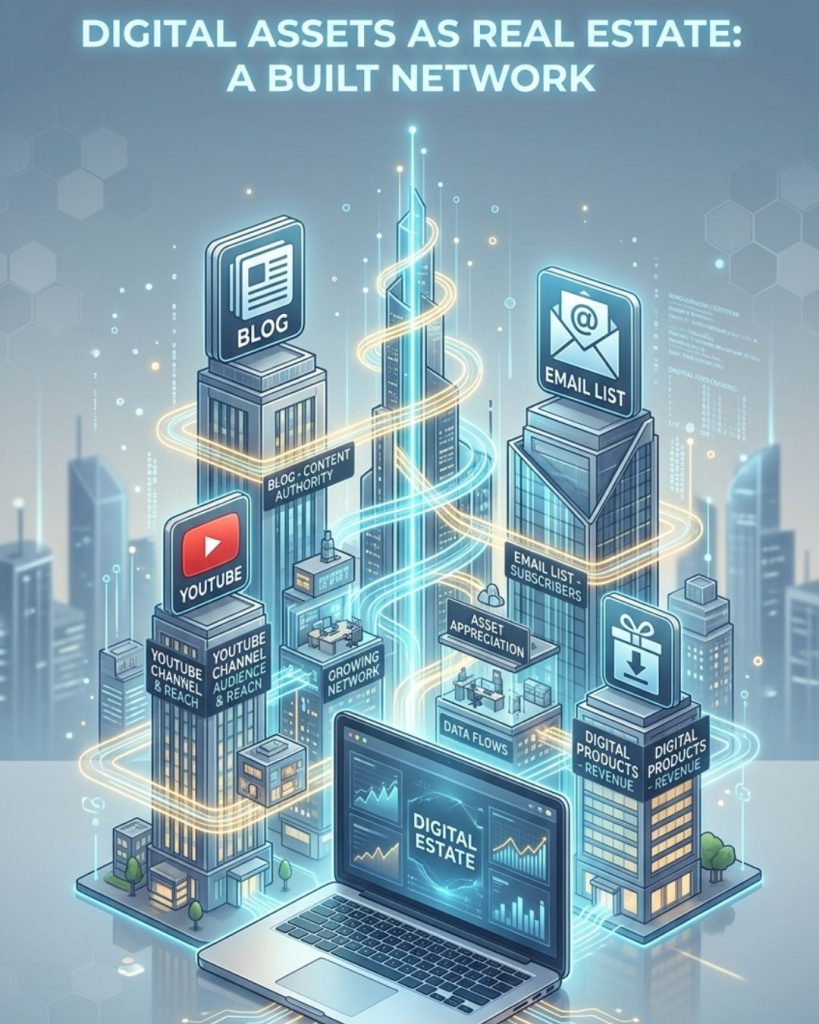
Laptop surrounded by blog, YouTube, email, and digital product icons representing long-term traffic assets and passive income
Build digital assets once, and let them generate traffic, leads, and income for years to come.

A Long-Term Traffic Asset is a piece of digital real estate that gains value over time. Think of it as an apartment building versus a pop-up tent.

  • The Authority Blog: A well-optimized blog targeting SEO-friendly keywords continues to attract visitors from search engines years after the articles were written.
  • The YouTube Resource Channel: Tutorials and “How-to” videos on evergreen topics (e.g., “How to Fix a Leaky Pipe”) act as a 24/7 salesperson for your brand.
  • The Email List: Your list is the only asset you truly own. It allows you to bypass the algorithm and speak directly to your most loyal followers.
  • Digital Product Suites: E-books, templates, and recorded courses are assets that cost $0 to replicate and can be sold indefinitely.

4. The “Compound Interest” of Evergreen Content

Snowball growing larger with digital icons representing compounding traffic and SEO growth from evergreen content
Evergreen content grows over time—turning small efforts today into massive traffic tomorrow.

When you create a piece of trend-based content, its value drops to zero quickly. When you create Evergreen Content, its value compounds.

  • Backlink Magnetism: High-quality, evergreen articles naturally attract backlinks over time, which increases your domain authority and makes it easier to rank for even more keywords.
  • The Snowball Effect: One great article leads to 100 visitors a day. Ten great articles lead to 1,000. Because the content doesn’t “expire,” your traffic only goes up.
  • Historical Data: Older content is often trusted more by search engines because it has a proven track record of satisfying user intent.

5. Strategy: How to Find Your “Evergreen Intersection”

Workspace with keyword research, trend graphs, and planning notes showing how to find a profitable evergreen niche
The sweet spot of success lies where your expertise meets timeless demand.

The most profitable businesses live at the intersection of your personal expertise and enduring market demand.

  • Step 1: Identify the “Primal Need”: Does your niche help someone stay healthy, get wealthy, or be happy?
  • Step 2: Check the “Google Trends” 5-Year View: If the graph is a steady line (or growing), it’s evergreen. If it’s a series of sharp spikes and crashes, it’s a trend-chasing trap.
  • Step 3: Keyword Gap Analysis: Look for high-intent keywords that have stable search volume but outdated or low-quality competition.
  • Step 4: The “3-Year Test”: Ask yourself, “Will people still be asking this question in three years?” If the answer is yes, build the asset.

Optimizing for “Passive Discovery” in 2026

In the age of AI and predictive search, your metadata and content structure must be designed for “passive discovery.”

  • Solve the “Core Problem” First: Don’t bury the lead. AI search engines want to see the answer to the user’s query in the first two paragraphs.
  • Use “Semantic” Keywords: Instead of just repeating one phrase, use related terms (LSI keywords) that prove you have topical authority.
  • Visual Assets: Use unique diagrams, infographics, and charts. These are “sticky” assets that get shared and linked to, further boosting your SEO.

Monetization: The “Quiet Revenue” Model

The beauty of evergreen niches is that they support multiple, stable income streams that don’t require your constant presence.

  • Affiliate Recurring Revenue: Recommend software or services that pay a monthly commission. As long as your traffic asset stays live, your checks keep coming.
  • Automated Digital Sales: Use a backend system to upsell visitors from your free content into a paid masterclass or toolkit.
  • Premium Ad Placements: High-authority, evergreen sites attract premium advertisers who are willing to pay a higher RPM because they know the audience is focused and intentional.

The Transition: Moving from “Fast” to “Deep”

If you are currently stuck in the “trend cycle,” here is how to pivot without losing your current momentum.

  • The 80/20 Rule: Spend 20% of your time on “social noise” (trends) to keep the current lights on, but dedicate 80% to building long-term assets.
  • Repurpose with Intent: Take your most successful “trendy” post and expand it into a deep-dive, evergreen pillar page on your blog.
  • Update, Don’t Replace: Instead of writing something new every day, spend one day a week updating your old evergreen posts to keep them “fresh” for the 2026 algorithms.

Protecting Your Assets from AI Disruption

Many fear that AI will kill blogging and content creation. In reality, AI will only kill low-quality content.

  • Inject Personal Experience (E-E-A-T): AI cannot replicate your personal failures, successes, and unique perspectives. This is your “moat.”
  • Build a Brand, Not a Search Result: When people start searching for your name + the topic, you have become an un-killable asset.
  • The “Community” Moat: Move your micro traffic into a private community. A loyal group of 1,000 members is an asset that no algorithm change can take away.

Conclusion: The Wealth of the Patient

The digital economy of 2026 rewards the patient architect over the frantic sprinter. While the trend-chasers are stressed about the next algorithm update, the evergreen strategist is enjoying the fruits of work they did two years ago.

Stop chasing the wind. Identify a timeless problem, create a world-class solution, and build the Long-Term Traffic Assets that will provide for you and your family for years to come. Consistency in an evergreen niche is the closest thing to a “magic pill” for digital wealth.

Laptop showing faceless online business setup with automated systems and digital income streams for introverts

For a long time, the “Internet Dream” was marketed as a loud, extroverted spectacle. It was about being a “personality,” dancing on camera, and documenting every second of your life. But in 2026, the landscape has shifted dramatically. A quiet revolution is happening.

Some of the most profitable businesses on the web today are run by people who value their privacy above all else. Introverts are no longer just participating in the digital economy; they are dominating it. By leveraging faceless channels, niche blogging, and automated backend systems, introverts are building high-revenue empires from the comfort of their home offices.

This guide explores the exact blueprint introverts are using to turn “quiet time” into passive income.

1. The Power of the “Faceless” Brand

Laptop displaying a faceless YouTube channel setup with video editing and voiceover tools representing anonymous content creation
You don’t need to be seen to succeed—faceless brands turn strategy and systems into scalable income.

The biggest hurdle for many introverts is the pressure to be the “face” of a brand. Fortunately, the rise of AI-driven content and high-quality stock footage has made the “personality-led” model optional.

  • Faceless YouTube Channels: These channels use cinematic stock footage, screen recordings, or 2D animations paired with professional voiceovers.
  • The “Cash Cow” Strategy: These channels focus on high-CPM niches like finance, technology, and luxury lifestyle, where the information is the star, not the person.
  • Voiceover Tech: With 2026-level AI voice synthesis, you can now generate human-like narration that sounds warm and authoritative without ever picking up a microphone.
  • Anonymity as a Asset: Being anonymous allows you to pivot your brand without personal backlash and makes the business much easier to sell later on.

2. Strategic Blogging: The Introvert’s Natural Playground

Person working on a blog article with SEO content on a laptop representing introvert-friendly online income strategy
Strategic blogging turns quiet focus into powerful authority, traffic, and long-term digital income.

Writing is the ultimate introverted superpower. It allows for deep thought, careful editing, and a lack of real-time social pressure. Niche blogging remains one of the most stable ways to generate online wealth.

  • Long-Form Value: While social media platforms favor “snackable” content, Google and AI search engines still crave deep, authoritative articles.
  • SEO Dominance: By targeting long-tail keywords, introverts can capture highly specific traffic that big media houses overlook.
  • Monetization via Expertise: A blog isn’t just for ads. It’s a platform to sell digital products, e-books, and specialized templates.
  • E-E-A-T (Experience, Expertise, Authoritativeness, Trustworthiness): Introverts excel at the “Expertise” part, providing deep dives that build massive trust with a reading audience.

3. Mastering the “Backend System”

Laptop displaying automated email funnels, analytics dashboards, and SaaS tools representing backend systems for passive online income
Build systems once, and let them work for you 24/7—backend automation is the real engine of passive income.

Introverts often prefer “systems” over “socializing.” This is why backend systems—the technical engines that run a business while you sleep—are the secret weapon of the quiet entrepreneur.

  • Automated Email Funnels: Once you capture a lead, an automated sequence can nurture that relationship and make sales for years without you ever sending a manual email.
  • Membership Portals: Building a gated community where users pay for access to information allows you to moderate on your own terms, often via text-based forums.
  • SaaS and Micro-SaaS: Many introverted developers build small software tools that solve one specific problem. These “set and forget” tools generate recurring revenue with minimal customer interaction.
  • Workflow Automation: Using tools to sync your social media, blog, and shop means you spend more time creating and less time “managing.”

4. Why Introverts Excel at High-Intent Content

Person analyzing keyword research and data on a laptop representing high-intent content strategy and deep focus work
Introverts win online by thinking deeper, researching smarter, and solving real problems—not chasing attention.

As we discussed in previous sessions, high-intent keywords are the key to profitability. Introverts are naturally wired to understand this because they tend to be observers and researchers.

  • The Researcher Mindset: Introverts will spend hours digging into a topic, finding the “gaps” in the market that extroverts might miss in their rush to go live.
  • Solving over Selling: Introverted content tends to be more helpful and less “salesy.” In 2026, consumers are weary of the “hype man” and gravitate toward the “problem solver.”
  • Data-Driven Decisions: Without the distraction of chasing “likes” for ego, introverts can focus strictly on the conversion metrics that actually pay the bills.

Profitable “Quiet” Niches for 2026

If you’re looking to start a faceless business, certain niches are naturally more “introvert-friendly” than others.

NicheWhy it Works for IntrovertsPrimary Revenue Stream
Personal FinancePurely data and strategy focused.Affiliate Marketing
Software TutorialsScreen-sharing only; no camera needed.Sponsorships
Self-ImprovementFocuses on psychology and deep work.Digital Products
Travel GuidesUses beautiful B-roll and maps.Ad Revenue
Home AutomationHighly technical and process-oriented.Consulting

The “Social” Aspect: Networking without the Noise

Even an introvert needs a network, but in the digital world, networking doesn’t have to mean “parties.”

  • Text-Based Networking: Engaging in high-level Twitter (X) threads or LinkedIn comments allows you to build a reputation through your ideas, not your charisma.
  • Collaboration by Mail: Reaching out to other creators for “ghost collaborations” where you provide the research or the script while they provide the platform.
  • Micro-Communities: Instead of a massive Facebook group, introverts thrive in small, private Discord or Slack channels where the conversation is focused and manageable.

Overcoming the “Imposter Syndrome” Trap

Many introverts feel that because they aren’t “out there,” they aren’t successful. This is a cognitive distortion.

  • Profit is the Metric: Your bank account doesn’t care if people know your face. If your backend systems are working, you are a successful entrepreneur.
  • The “Quiet Authority”: There is a unique power in being the “unseen hand.” Some of the most influential voices in tech and finance are people whose faces you would never recognize in a grocery store.
  • Focus on the Craft: When you stop worrying about how you look on camera, you can put 100% of your energy into the quality of your content strategy.

Protecting Your Energy: The Introvert’s Schedule

Sustainable money making for an introvert requires a schedule that prevents burnout.

  • Batch Processing: Do all your “social” tasks (emails, comments, outreach) in one 2-hour block once a week.
  • Deep Work Blocks: Reserve your most energetic hours for the “creation” phase—writing, coding, or editing.
  • Automation First: If a task can be done by a bot or a $10/month subscription, let the machine handle it. Your energy is your most limited resource.

Scaling Without Social Overload

The beauty of a faceless channel or a blogging empire is that it scales horizontally.

  • Multi-Site Ownership: Instead of making one blog bigger (which requires more management), you can own five small, automated sites in different niches.
  • Outsourcing the Loud Parts: If your business eventually requires a “voice” or a “face,” you can hire an actor or a spokesperson. You remain the CEO and Architect, while they handle the public-facing noise.
  • The Exit Strategy: Faceless businesses often sell for higher multiples because they aren’t dependent on a specific person’s presence to function.

Final Thought: The World is Listening to the Quiet

The 2026 digital economy is perfectly designed for the introvert. The tools have caught up to your need for privacy. You no longer have to scream to be heard; you just have to be the most helpful person in the room.

By focusing on search intent, building robust backend systems, and mastering the art of the faceless brand, you can build a life of total freedom. You don’t need a stage. You just need a laptop and a plan.

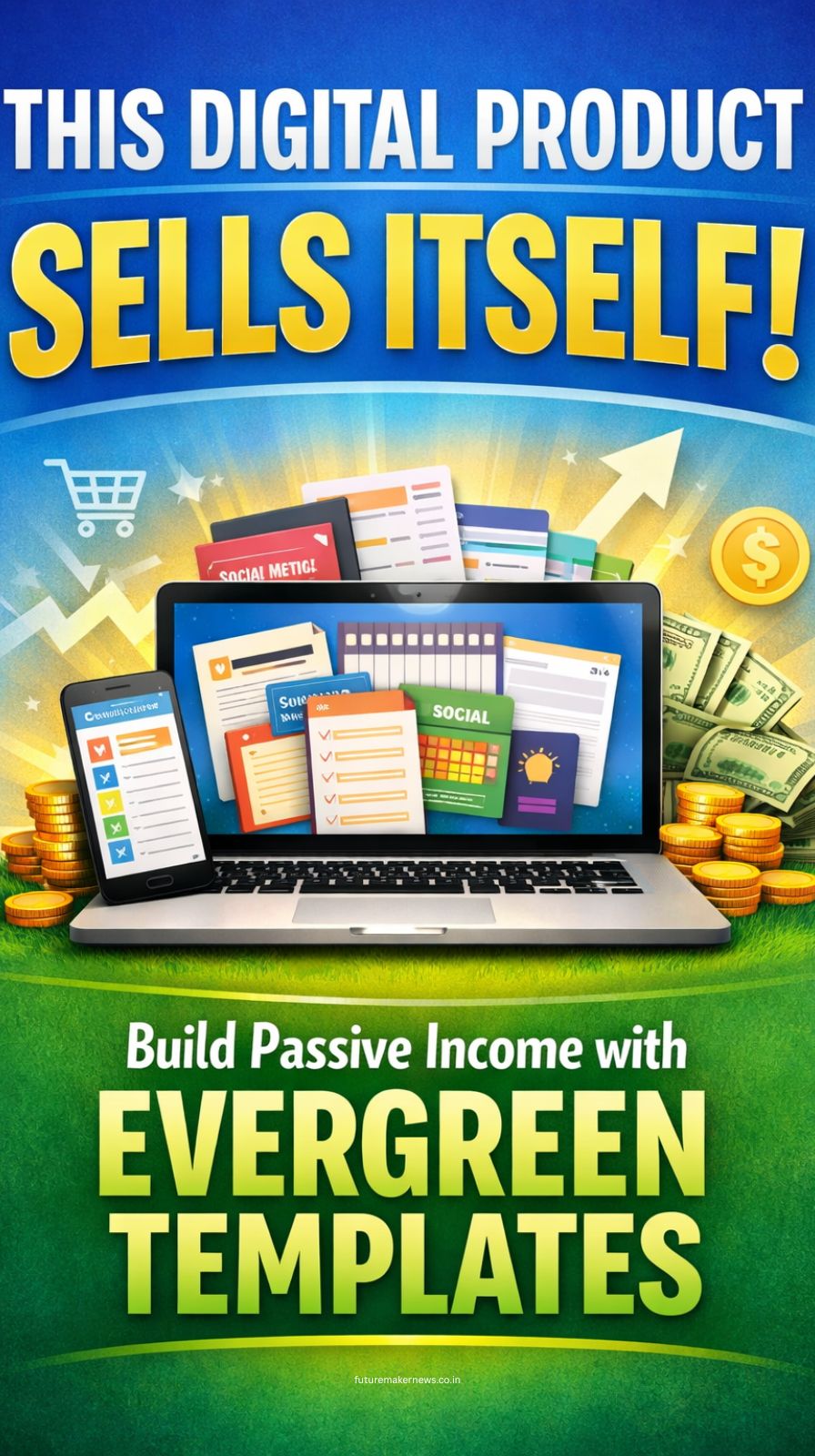
Digital product templates displayed on a laptop representing passive income and scalable online business

The gold rush of the digital age isn’t found in viral fame or crypto speculation—it’s found in utility. While most people are trying to become the next big influencer, a quiet group of creators is building massive wealth by selling things that solve boring, everyday problems. We are talking about the “quiet winners” who master the art of the digital product.

The secret to a product that “sells itself” isn’t fancy marketing. It’s about creating evergreen templates, budgeting sheets, and problem-solving products that address a specific pain point. When you provide a shortcut to a result, people don’t just buy; they thank you for the opportunity to pay.

The Psychology of the “Self-Selling” Product

Minimal workspace showing a digital product on a laptop symbolizing time-saving and self-selling online income tools
A great digital product doesn’t need hype—it sells itself by saving time, reducing effort, and delivering instant results.

Why do some products require a high-pressure sales pitch while others fly off the digital shelves? The difference is intrinsic value. A product sells itself when the user realizes that the time saved is worth significantly more than the price tag.

  • The Time-Money Trade-off: Humans will always choose the path of least resistance. If your digital download saves someone five hours of work, they will gladly pay $27 for it.
  • The Decision Gap: A great product closes the gap between “I want to do this” and “It is done.”
  • Low Friction: When a product is digital, the gratification is instant. No shipping, no waiting, just immediate relief.

To make money online sustainably, you must move away from “one-off” trends and toward evergreen digital assets.

The Power of Evergreen Templates

Evergreen templates turn one-time effort into long-term income by delivering value that never expires.
Laptop displaying digital templates for social media, business, and resumes highlighting scalable evergreen products

An evergreen template is a product that remains relevant year after year. It isn’t tied to a specific news cycle or a fleeting social media trend. It is a tool that people will need today, tomorrow, and three years from now.

Why Templates are the Ultimate Scalable Product

  • Build Once, Sell Forever: You invest the effort upfront, and the marginal cost of selling the 1,000th unit is zero.
  • High Perceived Value: A well-designed Canva template or Notion dashboard looks professional and expensive, even if it’s affordable.
  • Customizability: Users love templates because they can tweak them to fit their personal brand, making the product feel bespoke.

Top-Selling Template Categories

  • Social Media Kits: Instagram aesthetic layouts or LinkedIn carousel frames.
  • Business Operations: Brand identity guidelines, client onboarding questionnaires, and service agreements.
  • Resume & Career: Modern, ATS-friendly CV templates that help job seekers stand out.

By focusing on templates, you aren’t just selling a file; you are selling a “professional transformation.”

Budgeting Sheets: The Mathematics of Peace of Mind

Laptop showing a budgeting spreadsheet with charts and expense tracking tools for financial planning
A simple budgeting sheet can transform financial chaos into clarity, control, and confidence.

Financial stress is a universal human experience. This is why budgeting sheets and financial planners are some of the most consistent best-sellers in the digital marketplace. When people feel out of control, they look for a system.

  • Excel and Google Sheets Wizards: You don’t need to be a coder. A highly functional, automated Google Sheets budget tracker is a high-value asset.
  • Specific Use Cases: Don’t just make a “budget.” Make a “Wedding Budget Planner,” a “Debt Snowball Calculator,” or a “First-Time Homebuyer Savings Tracker.”
  • Visual Gratification: Products that include automated charts and progress bars provide a dopamine hit that keeps users coming back.

The “intent” behind someone searching for a budgeting tool is incredibly high. They have a problem (money stress) and are actively looking for a dashboard to solve it.

Problem-Solving Products: The “Painkiller” Strategy

In the world of digital marketing, you can sell “vitamins” (things that are nice to have) or “painkillers” (things that stop a specific hurt). Problem-solving products are the ultimate painkillers.

Identifying the Pain

To create a product that sells itself, you must look for “micro-frustrations.”

  • The Spreadsheet Struggle: “I can’t get my data to look right.” -> Solution: A data visualization template.
  • The Content Block: “I don’t know what to write.” -> Solution: 365 Days of Content Prompts.
  • The Organization Chaos: “I can’t keep track of my projects.” -> Solution: A Notion Project Management System.

The “A-to-B” Formula

Every successful digital product should take a user from Point A (Confusion/Stress) to Point B (Clarity/Result) as fast as possible. If your product does this effectively, word-of-mouth marketing will do the heavy lifting for you.

How to Optimize Your Product for “High Intent” Sales

Creating the product is only half the battle. To ensure it “sells itself,” you need to position it where people are already looking. This involves SEO-friendly descriptions and high-conversion landing pages.

  • Keyword Rich Titles: Instead of naming your product “The Organizer,” name it “Complete Notion Life Planner for Small Business Owners.”
  • Benefit-Driven Bullet Points: Don’t list features; list outcomes. “Automatic calculations” becomes “Save 2 hours every week on manual math.”
  • Social Proof Integration: Even a few testimonials can increase conversion rates by 200%. People want to see that the “painkiller” worked for someone else.

By using high intent keywords in your product listings, you capture traffic from people who are ready to buy now.

Choosing Your Platform: Where the Buyers Are

You don’t need a massive website to start. You can leverage existing marketplaces that already have Micro Traffic looking for your specific solution.

  • Etsy: The powerhouse for budgeting sheets and Canva templates.
  • Gumroad/Lemon Squeezy: Perfect for minimalist, high-tech, or developer-focused digital assets.
  • Shopify: If you want full control over your brand and email marketing list.
  • Creative Market: The go-to for high-end design assets and professional evergreen templates.

The key is to meet the customer where their “search intent” begins.

Pricing for Profit and Volume

One of the biggest mistakes creators make is mispricing their digital products.

  • The “Tripwire” Price ($7 – $27): This is the sweet spot for impulse buys. It’s low enough that the user doesn’t need to “think” about it, but high enough to build a significant income on volume.
  • The “Premium” Tier ($47 – $197): This is for comprehensive systems, like a full business-in-a-box template.
  • The Upsell Strategy: Once someone buys your budgeting sheet, offer them a “Financial Goal Setting Masterclass” at a discount.

This is how you turn a single digital download into a high-revenue business model.

Staying Ahead: The 2026 Digital Product Landscape

As we move through 2026, the market is becoming more discerning. “Low-effort” products are being filtered out by AI. To win, your products must have Information Gain.

  • Customization is King: Products that allow for easy AI integration or automation are seeing a surge in demand.
  • Hyper-Niche Focus: Stop trying to sell to “everyone.” A budgeting sheet specifically for “Traveling Nurses” will always outsell a generic one.
  • Quality over Quantity: One incredible evergreen asset will out-earn fifty mediocre ones.

Conclusion: Build Your Digital Empire Today

The beauty of digital products is that they democratize wealth. You don’t need a venture capital firm, a massive warehouse, or 100K followers. You just need a deep understanding of a specific problem and the willingness to build a solution once.

Focus on evergreen templates that save time, budgeting sheets that provide clarity, and problem-solving products that eliminate stress. When you align your creativity with the user’s high intent, you create a machine that works for you 24/7.

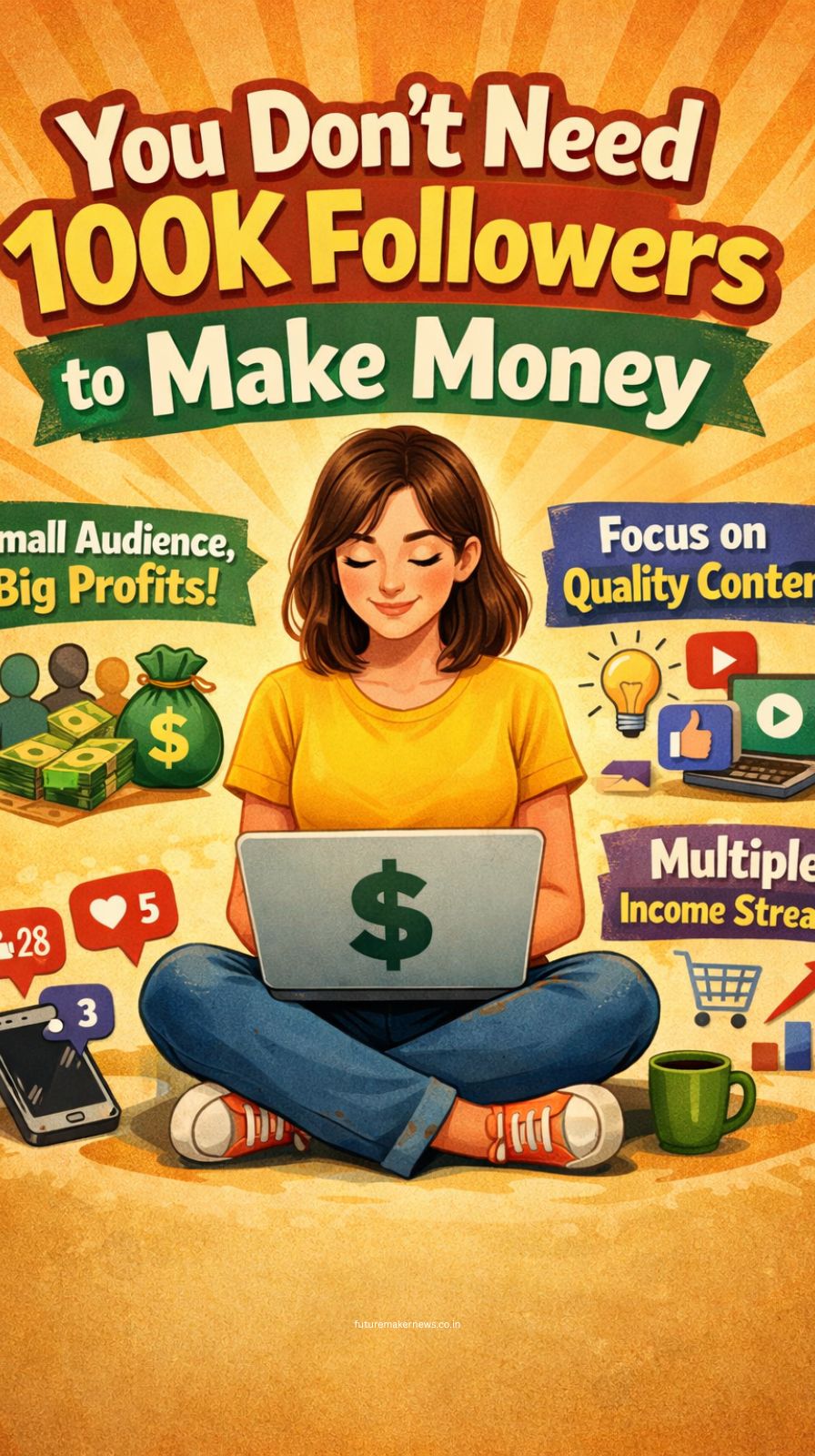
You don’t need a massive following—just the right audience and strategy.

The “influencer” dream is often sold as a numbers game. We are told that until we hit 100,000 followers, we aren’t “monetizable.” This is a lie that keeps brilliant creators from ever starting. The truth? Some of the wealthiest digital entrepreneurs have tiny audiences, but they dominate a secret realm called Micro Traffic.

By focusing on High Intent Keywords, you can flip the script. You don’t need a stadium full of fans; you just need a room full of people ready to open their wallets. In this guide, we will break down how to stop chasing “vanity metrics” and start building a high-conversion revenue engine.

The Myth of the Massive Audience

Most people believe that Traffic = Money. They think if they get 1,000,000 views on a viral dance video, they will be rich. In reality, that traffic is often “low intent.” People are there for entertainment, not to solve a problem or buy a solution.

  • Vanity Metrics: Likes, shares, and follower counts that look good but don’t pay bills.
  • The Follower Trap: Managing a massive audience requires huge overhead and broad content that dilutes your message.
  • The Conversion Reality: A small, targeted list of 500 people often out-earns a distracted million.

If you want to make money online, you have to stop being an entertainer and start being a solution provider. This starts with understanding Micro Traffic.

What is Micro Traffic?

Micro Traffic refers to small, highly specific streams of visitors who are looking for something very particular. Instead of trying to rank for “Fitness,” which has millions of searches, you rank for “Best home workout equipment for small apartments.”

Why Micro Traffic Wins

  • Zero Competition: While the big brands fight for the “Macro” keywords, you own the “Micro” ones.
  • Authority Building: It is easier to be seen as an expert in a tiny niche than in a massive industry.
  • Precision Targeting: You know exactly who is clicking, why they are clicking, and what they need.

In the world of SEO, Micro Traffic is the “low-hanging fruit.” It is the path of least resistance to your first $1,000 month.

Decoding High Intent Keywords

To capture Micro Traffic, you must master High Intent Keywords. These are search terms that indicate a user is at the very end of their “buyer’s journey.” They aren’t just “looking”; they are “deciding.”

The Four Stages of Intent

  1. Informational: “How to save money.” (User is learning).
  2. Navigational: “Chase Bank login.” (User knows where they want to go).
  3. Commercial: “Best high-yield savings accounts 2026.” (User is comparing).
  4. Transactional: “Open a Chase savings account online.” (User is ready to buy).

To make money with a small audience, you should spend 80% of your time on Commercial and Transactional keywords.

The Power of “Long-Tail” Search

High Intent Keywords are almost always Long-Tail Keywords. These are phrases that are 3-6 words long. They have lower search volume, but the conversion rate is astronomical.

  • Short-Tail (Bad): “Coffee.”
  • Long-Tail (Good): “Organic fair-trade coffee beans for espresso machines.”

When someone searches for the second phrase, they have a specific machine, a specific taste, and a specific budget. If you provide the answer, you get the sale. You don’t need 100K followers to rank for a long-tail phrase; you just need one piece of high-value content.

How to Find “Money” Keywords Without Tools

You don’t need expensive software to find High Intent Keywords. You can use the “Human Method” to see what people are actually desperate to find.

  • Google Autocomplete: Type your niche + “best for…” or “vs…” and see what Google suggests.
  • People Also Ask: Look at the questions box in Google search results. These are literal “pain points.”
  • Reddit & Quora: Search for “How do I…” or “What is the best…” in your niche. The threads with the most heat are your content goldmines.
  • Amazon Reviews: Look at 3-star reviews of products in your niche. They often list specific problems that a “better” product could solve.

By targeting these niche keywords, you are positioning yourself right in front of the “money.”

Building a “High Intent” Content Strategy

Once you have your keywords, you need to create content that converts. This isn’t about “blogging” in the traditional sense; it’s about Strategic Asset Creation.

1. The Comparison Guide

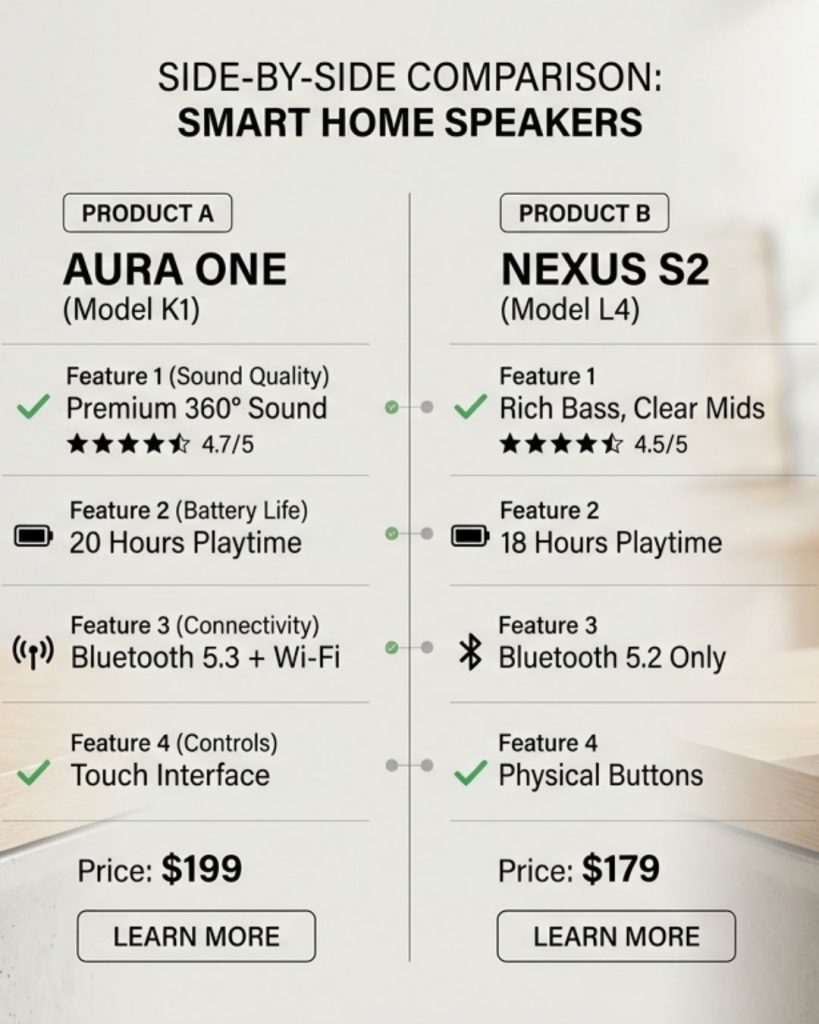
Compare smarter—make confident choices with clear, unbiased insights.
Side by side comparison of Product A vs Product B showing features and differences for buying decision.

Users searching for “Product A vs Product B” are inches away from a purchase. They just need someone they trust to tell them which one is better.

  • The Goal: provide an unbiased, deep-dive comparison.
  • The Result: High trust and high click-through rates.

2. The “Best Of” List

The right list attracts the right audience—targeted recommendations that convert.
Best tools list for a specific audience showing curated top picks and ranked recommendations.

Keywords like “Best [Niche] tools for [Specific Persona]” are high intent magnets.

  • Example: “Best CRM software for solo freelancers in 2026.”
  • Why it works: It filters out people who aren’t your target audience.

3. The “Problem-Solution” Tutorial

Tutorial setup showing step by step process on laptop for solving a problem using a specific tool.
Show the solution, build trust—teach first, sell later.

Focus on “How to [Specific Result] using [Specific Tool].”

  • Example: “How to set up automated email flows using Beehiiv.”
  • Why it works: It demonstrates your expertise while showing the tool in action.

The Math: Why 1,000 Visitors is Enough

Let’s do the “Profit Math” to prove why you don’t need 100K followers.

Scenario A (Macro Traffic): > You have 100,000 followers. You post a general “Lifestyle” link. 1% click (1,000 clicks). 0.1% buy a $20 product.

Total: $200.

Scenario B (Micro Traffic): > You have 500 visitors a month from a High Intent Keyword (e.g., “Best high-end enterprise security software”). 10% click. 5% buy or book a consultation for a $2,000 service.

Total: $5,000+.

The Micro Traffic approach allows you to work less and earn more because you are working with quality leads rather than quantity noise.

SEO Optimization for Small Sites

To capture this traffic, your On-Page SEO must be flawless. Since you don’t have the “Domain Authority” of a giant site, you must win on Relevance and User Experience.

  • The H1 Tag: Must include your primary high intent keyword.
  • Subheadings (H2/H3): Use these to answer the “People Also Ask” questions.
  • Speed & Mobile: Most high intent searches happen on the go. If your site is slow, you lose the “impulse” buyer.
  • Internal Linking: Link your informational posts to your “Money” posts to pass on “Link Equity.”

Monetization Without the Fame

When you focus on intent, you have multiple ways to monetize that don’t require you to be “famous.”

  1. Affiliate Marketing: Recommending the “Best” tools and earning a commission.
  2. Digital Products: Selling a template or guide that solves the exact problem the user searched for.
  3. High-Ticket Consulting: Using your content to prove you are the expert they need to hire.
  4. Lead Generation: Selling the “Micro Traffic” you’ve captured to companies who want those customers.

The 2026 Shift: AI and Intent

In 2026, AI Search (like Gemini and Search Generative Experience) favors specific, helpful content. Generalist sites are losing traffic, but niche experts are thriving.

AI models look for “Information Gain”—new, unique insights that haven’t been repeated a thousand times. By targeting Micro Traffic with a unique perspective, you become the “source of truth” that AI recommends.

Conclusion: Start Small, Think Deep

Stop waiting for the “Follow” button to hit a certain number. The internet doesn’t reward “size” anymore; it rewards precision.

If you can find five High Intent Keywords and create the best possible answers for them, you will have a business. You don’t need a million fans; you just need to be the person who shows up when someone is ready to solve a problem.

Laptop displaying email marketing dashboard and digital product sales funnel for passive income in 2026.

In the rapidly evolving digital economy of 2026, most creators are still stuck in the “traffic treadmill.” They chase viral hits on TikTok, pray for Google algorithm mercy, and fight for pennies in ad revenue. But while the masses are distracted by vanity metrics, the top 1% of digital entrepreneurs are quietly printing money using a hidden income stream that has only become more powerful with the rise of AI.

The secret isn’t more traffic; it’s monetization depth. By shifting your focus from “reach” to “relationship,” you can build a business that is recession-proof, platform-independent, and highly automated.

Here is your 2026 blueprint for mastering email list monetization, blog bundles, and the high-profit world of backend offers.

1. Email List Monetization: The Intelligent Inbox

Email marketing automation system generating passive income through targeted audience segmentation.
Your email list is your digital ATM

In 2026, an email list isn’t just a group of contacts; it’s a zero-party data goldmine. With AI now filtering and summarizing emails for users, the only way to stay relevant is to provide hyper-personalized value that “earns” its place in the primary tab.

  • Segmented Value Delivery: Stop sending “blasts.” Use behavioral triggers to send content based on what a user actually clicks. If they click a link about passive income, their next three emails should be a deep dive into that specific topic.
  • Interactive Newsletters: Use gamification—polls, quizzes, and “scratch-to-reveal” offers—to keep engagement high. In 2026, reply rates are the new open rates; the more your audience talks back, the higher your deliverability.
  • The “Micro-Sponsorship” Model: You don’t need 100k subscribers to get sponsors. Smaller, niche-specific lists (1,000–5,000 highly engaged readers) are commanding premium rates from brands looking for targeted conversions rather than broad impressions.

2. Blog Bundles: Turning Content into Products

Collection of blog content transformed into digital products like ebooks and resource bundles.
One blog = multiple income streams

The “standard” blog post is an awareness tool, but in 2026, the Blog Bundle is the revenue engine. Instead of letting your best content sit for free, you “productize” your archives into high-value digital assets.

  • The Curated Experience: Take your top 10 articles on a specific topic (e.g., “The Ultimate SEO Guide”) and package them into a Premium PDF Bundle or a Notion Resource Hub.
  • The “Low-Ticket” Entry: Sell these bundles for a “no-brainer” price point ($9–$27). This shifts the relationship from “reader” to “buyer” almost instantly.
  • AEO-Friendly Content: Ensure your bundles are optimized for Answer Engine Optimization (AEO). When users ask AI for a “step-by-step roadmap,” your bundled resources should be the authoritative source the AI cites.

3. Backend Offers: The Real Profit Center

Online sales funnel with backend offers converting customers into high-ticket revenue.
The real money isn’t upfront—it’s in the backend

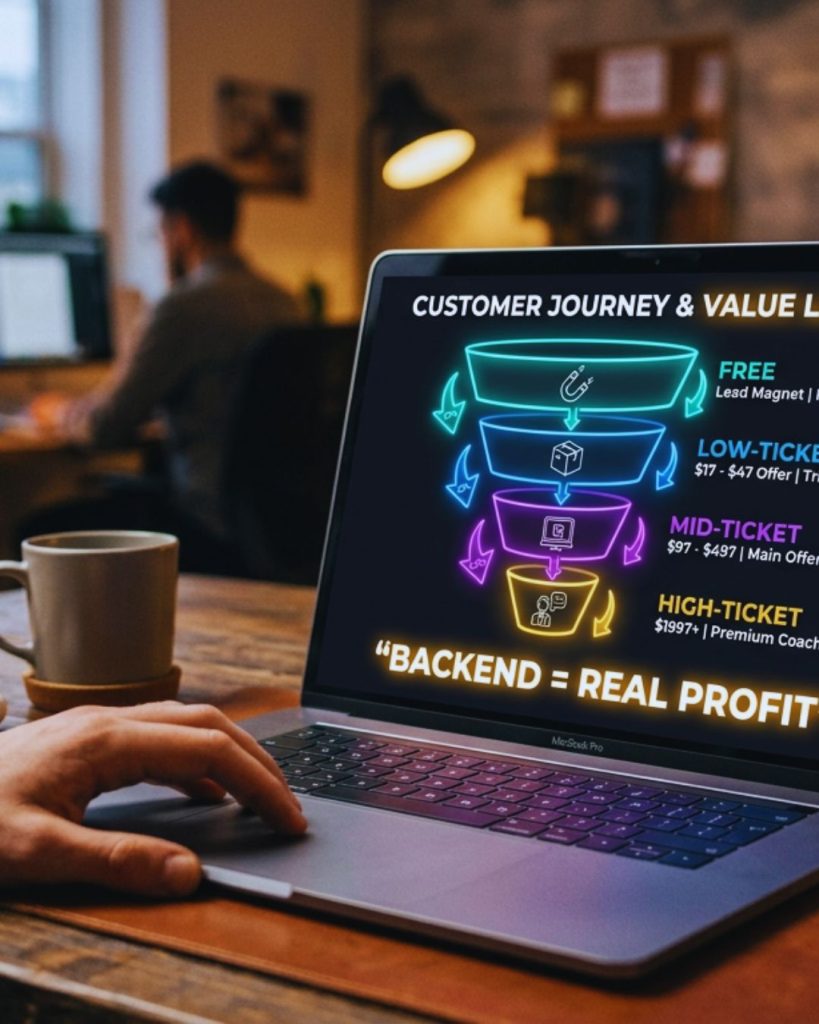
If your only offer is a $20 e-book, you don’t have a business; you have a hobby. The real wealth in 2026 is made in the backend—the high-value offers that most people never see until they’ve already entered your ecosystem.

  • The Upsell Ladder: After someone buys your $19 blog bundle, the thank-you page should immediately present an order bump (e.g., a $47 video masterclass) or a core offer (a $297 intensive course).
  • Automated High-Ticket Cycles: Use AI-driven email sequences to identify your “VIP” subscribers—those who open every email and click every link. Target them with backend offers for one-on-one consulting or high-tier masterminds.
  • Recurring Membership Access: Transition one-off buyers into a monthly subscription. In a world of “one-and-done” content, people in 2026 are willing to pay for ongoing access to a curated community and real-time updates.

Why This Works: The 2026 “Trust Economy”

The internet is currently flooded with mediocre, AI-generated “noise.” People are skeptical of everything. This strategy works because it focuses on building trust through a private channel (Email) and delivering tangible results through structured products (Bundles and Backend Offers).

Income Potential Comparison:

StrategyDifficultyScaling PotentialROI Potential
Display AdsLowHigh Traffic RequiredLow
Affiliate MarketingMediumDependent on PartnersMedium
Email/Backend EcosystemHighUnlimitedExceptional

Action Plan: Your First 14 Days

  1. Days 1-3: Identify your “Core Transformation.” What specific problem can you solve better than anyone else?
  2. Days 4-7: Create a Lead Magnet (e.g., a “2026 Workflow Template”) to start building your email list.
  3. Days 8-11: Package your existing top-performing blog posts into your first Blog Bundle.
  4. Days 12-14: Set up a simple 3-email Welcome Sequence that delivers the lead magnet and introduces your first paid offer.

The Bottom Line

The hidden income stream isn’t a new app or a trendy crypto-coin. It is the sophisticated orchestration of email marketing, productized content, and strategic backend scaling. By the time your competitors realize they need more than just “traffic,” you will already have a fully automated revenue machine.