Nurturing Yourself: The Key to Empowered Motherhood

Motherhood is a beautiful yet challenging journey, filled with moments of joy, laughter, and sometimes guilt and self-doubt. The act of mothering often prompts us to reflect on our childhood experiences and how they shape our parenting styles. In this blog post, we will explore the importance of self-care and the practice of “re-parenting” as essential tools for nurturing ourselves and, by extension, our children.

The Cycle of Mothering

As we become mothers, it’s not uncommon to find ourselves grappling with the emotional wounds from our past. Whether it’s feelings of abandonment, neglect, or even the pressure to be a perfect parent, these emotions can manifest in how we care for our children. Katherine Woodward Thomas, a therapist, emphasizes that understanding these feelings is the first step in breaking the cycle of negative parenting.

Reflecting on my own journey, I realize that many of us carry the weight of our mothers’ imperfections. The reality is that every mother has her flaws. However, it’s essential to recognize that we are not destined to repeat these patterns. Instead, we can choose to heal and redefine what motherhood means for us.

The Importance of Self-Care

Self-care is not just a trendy phrase; it is a crucial aspect of effective parenting. Many mothers fall into the trap of neglecting their own needs while focusing entirely on their children. This self-neglect can lead to burnout, resentment, and even unhealthy coping mechanisms. To break this cycle, we must prioritize our well-being.

  • Make Time for Yourself: Scheduling regular “me time” can rejuvenate your spirit. Whether it’s reading a book, taking a bubble bath, or simply enjoying a quiet cup of coffee, these moments of solitude can recharge your emotional batteries.
  • Healthy Boundaries: Learning to say no is a vital skill for mothers. Protecting your time and energy ensures that you can show up for your children when it truly matters.
  • Seek Support: Whether through friends, family, or professional help, having a support system can alleviate feelings of isolation. It’s essential to talk about your experiences and feelings rather than bottling them up.

Re-Parenting: A Path to Healing

Re-parenting involves recognizing our childhood wounds and consciously choosing to address them. This process allows us to heal and grow, creating a healthier emotional environment for our children.

  1. Identify Patterns: Start by identifying the behaviors and emotional triggers that stem from your past. Reflect on how these patterns manifest in your parenting.
  2. Forgive and Let Go: Acknowledging that your mother was human and flawed is liberating. This forgiveness can help you release any lingering resentment that may affect your parenting.
  3. Nurture Your Inner Child: Engage in activities that bring you joy and comfort, allowing your inner child to thrive. This might include creative pursuits, outdoor activities, or simply allowing yourself to be playful.

Breaking the Cycle of Guilt

Guilt is an emotion that many mothers grapple with daily. The “should” statements often run rampant, leading to feelings of inadequacy. However, it’s vital to recognize that no one is a perfect parent.

  • Embrace Imperfection: Understand that mistakes are part of parenting. Embracing your imperfections can set a positive example for your children about resilience and learning from failures.
  • Practice Mindfulness: Mindfulness techniques can help you stay present and reduce feelings of guilt. Focusing on the here and now allows you to enjoy the little moments with your children instead of worrying about what you could have done differently.

Conclusion: The Empowered Mother

By nurturing ourselves, we not only become better mothers but also create a positive and loving environment for our children to grow and thrive. The journey of motherhood is ongoing, and it requires continual self-reflection and growth. Through self-care and the practice of re-parenting, we can break the cycle of pain and guilt, allowing us to fully embrace the joy of motherhood.

As we learn to care for ourselves, we also teach our children the importance of self-love and resilience. Let us remember that empowered motherhood begins with nurturing ourselves, leading to a happier and healthier family dynamic.


Making Bath Time a Splashing Success!

Bath time is often a necessary chore for parents, but it doesn’t have to be a struggle! With a little creativity and planning, you can transform this routine activity into an enjoyable experience that your kids look forward to. Here are some fun ideas to make bath time more exciting and engaging for your little ones.

1. Create a Storytelling Session

Turn bath time into an imaginative adventure! Use removable wall stickers or favorite bath toys to help narrate a story. You can even let your child take part in storytelling, creating an ongoing narrative that they can look forward to each night. By adding a sense of fantasy to the bath, children are more likely to jump in willingly.

2. Sing and Splash Along

Music can be a great motivator for kids. Choose some of their favorite songs or childhood classics and have a sing-along during bath time. Incorporate clapping and splashing to the rhythm to keep them entertained. This not only makes bath time more enjoyable but can also help ease any anxiety they may have about getting wet.

3. Turn the Tub into a Stage

Encourage your child to act out their favorite stories while they bathe. This can be a fun way for them to incorporate their toys into a performance. By washing their dolls or action figures, they feel in control and might even forget that they are in the tub!

4. Educational Bath-Time Fun

Bath time doesn’t have to mean putting educational activities on hold. Use waterproof wall stickers featuring letters and numbers to create a learning environment. Challenge your child with fun questions and puzzles as you both scrub away. This way, bath time doubles as a learning opportunity!

5. Get Creative with Finger Painting

Give your child the chance to express themselves with bathtub-safe paint or even shaving cream! They can create colorful designs on the tub’s walls, allowing their imagination to run wild. This not only makes bath time fun but also provides a sensory experience that can be quite calming.

6. Silly Hairstyles

Transform hair washing into a delightful activity by playing beauty shop in the tub. Create goofy hairstyles with shampoo suds or a shower cap, making the experience less daunting. Having a mirror handy can enhance the fun, allowing your child to see their silly new looks!

7. Host a Pool Party

When the weather doesn’t permit outdoor fun, bring the beach to the bathroom! Dress your child in their swimsuit, bring in beach balls, and create a mini pool party atmosphere. Make sure to prepare your bathroom floor to handle the splashes!

8. Use Favorite Toys

Incorporate waterproof toys into the bath to make it feel like playtime. This could include squirt toys or bath books that engage them as they wash up. By using familiar toys, children can relax and enjoy their time in the water.

9. Prioritize Safety

As you make bath time more fun, always keep safety as your top priority. Never leave your child unattended, even for a moment. As they grow older and may want more privacy, consider switching to shower time for older kids, as recommended by pediatricians.

Conclusion

Bath time can become one of the best parts of the day for both you and your child. By incorporating fun, creativity, and safety into this routine, you can help your little ones develop positive associations with cleanliness. So why not try out some of these ideas tonight? You might just find that bath time is a time for bonding and joy!

Establishing a Baby Routine: Tips for New Parents

Establishing a Baby Routine: Tips for New Parents

Welcoming a newborn into your life is a joyous yet challenging experience. Among the many responsibilities that come with parenthood, establishing a daily routine for your baby stands out as essential. A structured routine not only promotes your baby’s well-being but also provides peace of mind for you as a parent. This guide will walk you through effective strategies for creating a routine that supports your baby’s growth and development during their first year.

The Importance of a Routine

A consistent routine helps your baby feel secure and safe. Predictability is crucial for infants, as it allows them to understand what to expect throughout the day. This understanding can significantly reduce fussiness and promote better sleep. Moreover, a well-structured routine helps parents anticipate their baby’s needs, leading to more responsive care.

Start with Feeding

Feeding is one of the first areas to establish a routine. Whether you are breastfeeding or formula-feeding, try to feed your baby at regular intervals. Newborns typically feed every 2 to 3 hours. As your baby grows, they may start to space out their feedings. Keeping a record of feeding times can help you identify patterns, allowing you to adjust schedules as necessary.

Establish a Sleep Schedule

Sleep is vital for your baby’s development, and establishing a sleep routine is equally important. Newborns can sleep up to 16 hours a day, but this will change as they grow. Create a bedtime routine that includes calming activities, such as a warm bath or reading a story. Gradually introduce a consistent bedtime, which helps signal to your baby that it’s time to wind down.

Incorporate Playtime

Play is essential for your baby’s cognitive and motor skills development. Incorporating designated playtimes into your routine can enhance their learning experience. Activities like tummy time, reading, or playing with age-appropriate toys can stimulate your baby’s development. Observing your baby’s preferences can also help you tailor playtime to their interests.

Flexibility is Key

While a routine is beneficial, it’s essential to remain flexible. Babies experience growth spurts, teething, and developmental milestones that may disrupt established patterns. Adapt your routine as needed and give yourself grace during these transitions. If your baby seems fussy or out of sorts, try to identify any changes that may require adjustments to the routine.

Observe Your Baby’s Cues

Each baby is unique and may have different preferences and rhythms. Spend time observing your baby’s natural tendencies to create a routine that aligns with their needs. Look for signs of sleepiness or hunger and adjust your schedule accordingly. Trust your instincts and remember that it’s perfectly normal for routines to evolve as your baby grows.

Plan for Changes and Upheavals

Life is unpredictable, and there will be times when sticking to a routine is challenging. Whether you’re traveling or have visitors, do your best to maintain consistency. Bring along familiar items, such as blankets or toys, to help your baby feel secure in new environments. When you return home, gradually ease back into the established routine.

Establishing a Bedtime Routine

Bedtime can be one of the most challenging aspects of a baby’s routine. Babies may resist sleep, leading to frustration for parents. Implement a calming bedtime routine that can include soft music, dim lighting, and gentle rocking. Consistency is key; sticking to the same routine each night will help your baby learn when it’s time to sleep.

Conclusion

Establishing a routine for your baby during their first year is a rewarding process that benefits both parents and infants. By focusing on feeding, sleep, playtime, and flexibility, you can create a nurturing environment that promotes healthy development. Remember, every baby is different, and it’s essential to adjust routines as needed. Embrace the journey of parenthood, and enjoy the precious moments with your little one!

Essential Strategies for Preventing Childhood Obesity

Childhood obesity is a growing concern in today’s society, impacting not only the health of children but also their psychological and social well-being. As parents and guardians, understanding how to effectively prevent childhood obesity is crucial. Below are some essential strategies to help you guide your children toward a healthier lifestyle.

Understanding Childhood Obesity

Childhood obesity occurs when a child has an excess amount of body fat. It is often determined using the Body Mass Index (BMI) as a screening tool. Factors contributing to childhood obesity include genetics, poor eating habits, lack of physical activity, and environmental influences. Parents play a vital role in shaping their child’s health behaviors and lifestyles.

Eat Well: The Foundation of Health

A balanced diet rich in fruits, vegetables, whole grains, and lean proteins is vital for healthy growth and development. Encourage your children to choose nutritious foods over processed snacks. Cooking meals at home not only ensures the use of healthy ingredients but also provides an opportunity for family bonding. Consider involving your children in meal preparation to teach them about nutrition and foster an appreciation for healthy eating.

Lead by Example

Children learn behaviors by observing their parents. To instill healthy habits, model a nutritious diet and an active lifestyle. Discuss your food choices and physical activities with them, emphasizing the importance of these choices. By creating a healthy environment at home, you’re setting a strong foundation for your child’s future.

Ditch the Clean Plate Club

Forcing children to finish their meals can lead to unhealthy eating habits. Instead, encourage them to listen to their hunger cues. Teach them to eat until they are satisfied, not until their plate is empty. This approach promotes mindful eating, helping them understand their body’s signals.

Eat Slowly: Savor Every Bite

Eating too quickly can lead to overeating, as it takes time for the brain to register fullness. Encourage family meals where everyone sits down together and takes their time to enjoy the food. Discussing the flavors and textures can enhance the eating experience and promote slower eating habits.

Read Labels Together

Take trips to the grocery store as a learning opportunity. Teach your children how to read food labels and understand the ingredients in their favorite snacks. This practice helps them make informed choices and recognize healthier options.

Get Off the Couch

Physical activity is essential in preventing childhood obesity. Aim for at least 60 minutes of active play each day. Engage in fun family activities like biking, hiking, or playing sports. Making exercise a family event can encourage children to stay active while enjoying quality time together.

Watch What You Drink

Sugary drinks are a significant contributor to childhood obesity. Teach your children to prefer water over soda or sugary juices. If they do consume these drinks, limit portions and encourage moderation. Always keep water accessible to foster hydration habits.

Talk About Health Openly

Discuss health topics with your children, emphasizing the importance of nutrition and physical activity. Instead of just forbidding unhealthy foods, explain why certain choices are better than others. Open discussions can foster a deeper understanding and encourage them to make healthier choices independently.

Avoid the Extreme

Avoid strict restrictions on certain foods, as this can create an unhealthy relationship with food. Instead, practice moderation. Allow occasional treats, and serve them in appropriate portions. This balanced approach prevents food cravings from becoming overwhelming.

Conclusion

Preventing childhood obesity requires a multifaceted approach involving healthy eating, regular physical activity, and positive parental guidance. By modeling healthy behaviors and fostering an open dialogue about nutrition and health, you can help your children build a strong foundation for a lifetime of healthy habits. Start today, and empower your children to make healthier choices for themselves.

The Meaning Behind Popular Baby Names

Naming a child is a momentous decision for parents, combining personal preference, family traditions, and cultural significance. In recent years, the process of selecting baby names has become more intricate, with many parents opting for unique names that reflect their individuality and values. Here’s a closer look at some of the most popular baby names, their meanings, and the trends influencing these choices.

1. The Evolution of Baby Naming Trends

Over the past few decades, baby naming conventions have undergone significant changes. Gone are the days when names like John or Mary dominated the charts. Today, parents are exploring a wider array of names, often inspired by literature, pop culture, and even personal experiences. This trend reflects a broader societal shift towards valuing individuality and self-expression.

2. Top Names and Their Meanings

Sophia and Jacob are two names that consistently rank at the top of popularity lists. Sophia, meaning “wisdom,” has its roots in Greek culture and has been a favorite among parents seeking a name with historical depth. On the other hand, Jacob, a biblical name meaning “holder of the heel,” has surged in popularity, partially thanks to pop culture phenomena.

  • Isabella (meaning “pledged to God”) and Mason (meaning “stone worker”) are also standout names that carry rich histories.
  • Emma and William highlight the trend of classic names making a comeback. Emma, meaning “complete” or “universal,” and William, meaning “resolute protector,” both offer a sense of familiarity while remaining stylish.

3. Modern Names Reflecting Values

Many modern parents choose names that reflect their values or aspirations. Names like Olivia (meaning “olive tree”) symbolize peace, while Jayden (meaning “thankful”) reflects a more personal connection to gratitude and spirituality.

Names like Ava (meaning “like a bird”) and Noah (meaning “comfort”) showcase the desire for names that not only sound beautiful but also hold deeper meanings related to nature and emotion.

4. Unisex Names Gaining Popularity

Unisex names such as Madison and Aiden have gained traction in recent years. Madison, originally a surname, has become popular for girls, while Aiden, meaning “little fire,” appeals to both genders. This trend mirrors a growing societal acceptance of gender fluidity and the rejection of traditional naming conventions.

5. Cultural Influences on Naming Choices

Cultural influences play a significant role in naming trends. Names from various languages and cultures are increasingly embraced by parents. For example, Mia, which has multiple meanings across different languages, symbolizes a blending of cultures in modern naming practices. The diverse backgrounds of parents often inspire unique names that tell a story.

6. The Personal Significance of Names

The names chosen for children often carry personal significance, reflecting family heritage or honoring beloved relatives. This deep connection underscores the emotional weight of naming a child. Each name has its unique story, resonating with the family’s history and values.

7. Final Thoughts on Choosing a Name

As you embark on the journey of selecting a name for your baby, consider not only the sound and style but also the meaning and significance behind it. Whether you lean towards traditional names or modern, unique choices, the perfect name will resonate with your family’s identity and values. Remember, a name is not just a label; it’s a profound expression of love, hopes, and dreams for your child.

Understanding Your Child's Emotional Development: 4 to 8 Months

The emotional development of your child during the ages of 4 to 8 months is a fascinating journey filled with new discoveries and milestones. This phase is pivotal as your baby begins to form attachments, express emotions, and explore their surroundings. Understanding these changes can help you support their emotional growth effectively.

The Importance of Smiles and Laughter

Around 4 months, your baby’s smile transforms from a reflexive action to a deliberate social interaction. This is when they start to realize that their expressions can evoke responses from you. Engaging with your baby through smiles, laughter, and cooing helps strengthen this connection. By 6 months, full-belly laughs emerge, marking a significant milestone in their social interactions. Babies at this age also start clapping their hands and may even throw kisses, showcasing their burgeoning social skills and emotional expression.

Curiosity: The Drive to Explore

From 4 months onwards, curiosity becomes a dominant trait in your baby’s behavior. They start to explore their environment actively, displaying a keen interest in the objects around them. You might notice your baby banging, shaking, or dropping items repeatedly—this is not just play but a way of learning about cause and effect. Encouraging this exploration by providing safe and stimulating objects can enhance their understanding of the world.

Recognizing Separation Anxiety

By around 6 months, many babies begin to exhibit signs of separation anxiety. They may become distressed when you leave the room or when they are in unfamiliar environments. This reaction stems from their growing awareness of object permanence—the understanding that objects and people continue to exist even when out of sight. To help ease this anxiety, gradually introduce your baby to new caregivers and environments. Playing games like peek-a-boo can also reinforce the concept of returning, making separations less stressful.

Establishing a Bedtime Routine

As your baby’s emotional awareness increases, so does their sensitivity to nighttime separations. They may become uneasy when put to bed alone, expressing their discomfort through crying or restlessness. Establishing a calming bedtime routine is crucial during this phase. A consistent routine can help soothe your baby and signal that it’s time for sleep. Incorporate gentle activities like bathing, reading, or singing to create a peaceful environment. A short, predictable routine reassures them of your presence, fostering a sense of security.

The Role of Attachment

The emotional development from 4 to 8 months is intricately linked to attachment formation. Your responsive care during this time builds a secure attachment, which is essential for your child’s emotional health. When you consistently meet your baby’s needs—whether through feeding, comforting, or playing—they learn to trust that you will be there for them. This foundational trust is vital as it influences their future relationships and emotional well-being.

Encouraging Emotional Expression

As your baby grows, it’s important to encourage emotional expression. Responding positively to their smiles and coos reinforces their social behavior. Engage in playful activities that elicit laughter and joy, such as gentle tickling or funny faces. Acknowledging their emotions, whether through smiles or soothing words when they cry, helps them understand and manage their feelings.

Understanding Individual Differences

Every baby develops at their own pace, so it’s essential to remember that these milestones can vary significantly. Some may exhibit curiosity earlier, while others might take longer to adapt to new situations. Pay attention to your child’s unique personality and development rhythm. This individualized approach allows you to provide the best support tailored to their needs.

Final Thoughts

The emotional development of your child between 4 to 8 months is an exciting journey filled with milestones that lay the groundwork for future emotional health. By understanding their growing emotional world and responding to their needs, you can help them develop strong, healthy emotional connections. Remember, your baby is learning about love, trust, and security during this crucial time, so nurturing these aspects will lead to a more confident and emotionally resilient child.

Finger Foods for Your 10-Month-Old: What to Offer and Avoid

Introducing finger foods to a 10-month-old is an exciting milestone. It not only encourages independence but also promotes fine motor skill development. However, safety and nutrition should be your top priorities when selecting the right foods.

1. Benefits of Finger Foods

Offering finger foods allows your baby to explore different textures and flavors. It’s also a great way for them to develop their hand-eye coordination through the “pincer grasp,” where they use their thumb and forefinger to pick up small bits of food.

2. Safe Finger Foods to Introduce

At 10 months, babies are ready to handle soft, bite-sized pieces of food that they can easily squish in their mouths. Here are some safe and nutritious options:

  • Soft fruits: Peeled and diced bananas, peaches, or avocados are ideal as they are easy to chew.
  • Cooked vegetables: Small, soft-cooked peas, sweet potato, or zucchini strips make excellent first finger foods.
  • Grains and pasta: Soft, well-cooked pasta or rice, in small pieces, can be introduced.
  • Protein: Try soft pieces of scrambled eggs, or ground meat mixed with sauces to make it easier to swallow.

Always ensure that pieces are small and manageable to avoid choking.

3. Foods to Avoid

While many foods are safe, some pose a higher choking risk for babies. Avoid giving:

  • Hard foods: Raw carrots, celery, or large chunks of apples.
  • Round foods: Whole grapes, cherry tomatoes, or popcorn.
  • Sticky foods: Large spoonfuls of peanut butter or marshmallows can be difficult to swallow.

Cut round fruits into small, manageable pieces and always supervise your child during mealtime.

4. Encouraging Self-Feeding

Place small portions of food on your baby’s highchair tray and let them explore. It’s going to be messy, but it helps them build independence and confidence in feeding themselves. Start with foods that melt in their mouths easily, and gradually introduce different textures as they become more comfortable.

5. Choking Prevention Tips

Safety is paramount when offering finger foods. Always make sure your baby is seated upright in a highchair and never allow them to eat while moving or lying down. Learn the signs of choking, and always be present to watch your baby while they eat.

Conclusion: A New World of Taste and Texture

Introducing finger foods to your 10-month-old is an exciting step toward independence. With the right food choices and safety measures in place, you can help your baby explore new tastes, textures, and self-feeding skills. Enjoy this messy but rewarding milestone!

How Art Enhances Preschoolers' Social and Emotional Development

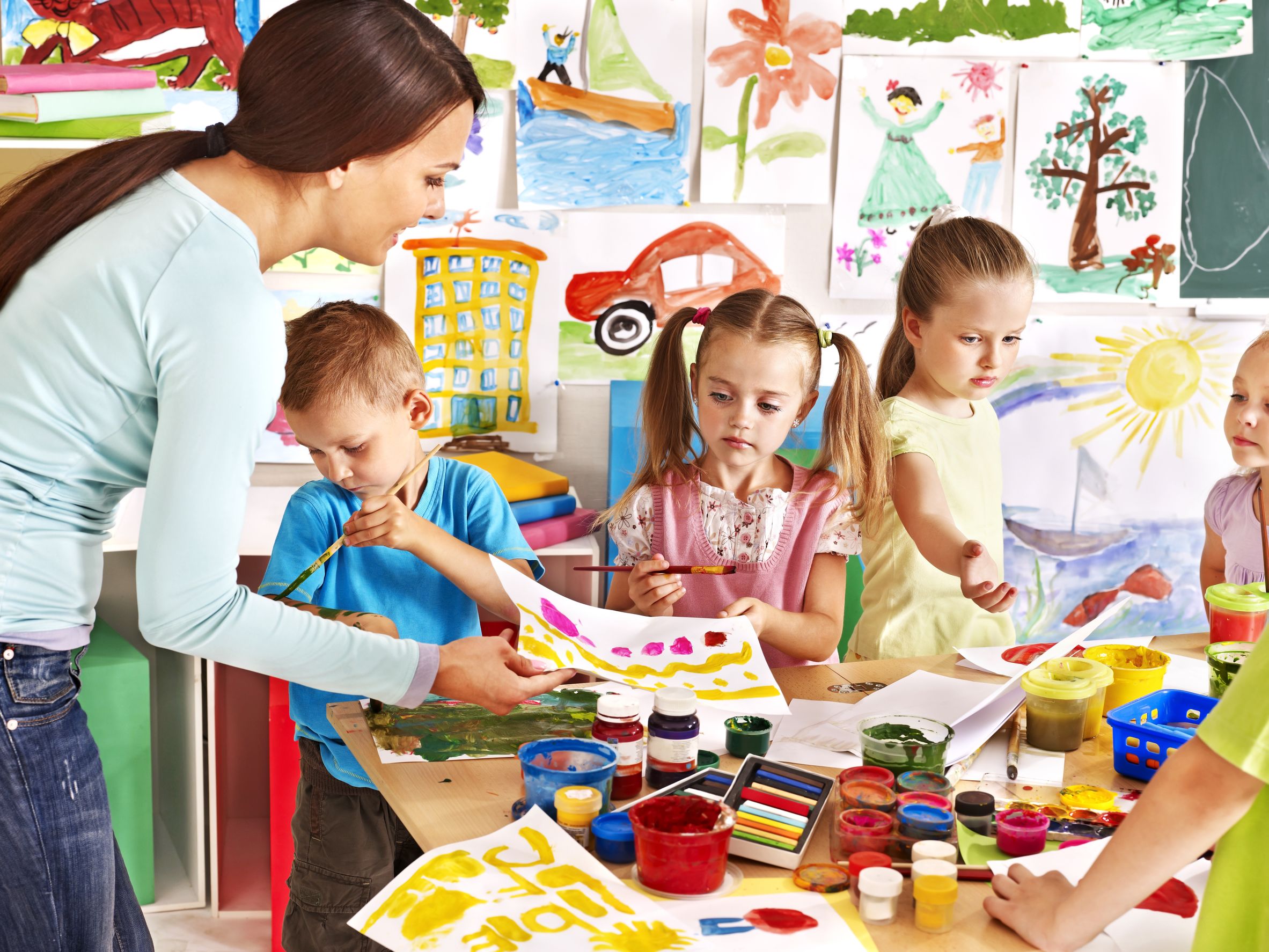
Art is much more than a fun pastime for young children. For preschoolers, engaging in creative activities like drawing, painting, or working with clay plays a critical role in their emotional and social development. Artistic expression can help kids communicate, build self-confidence, and foster collaboration.

1. Emotional Expression Through Art

For young children, words are often not enough to express their complex feelings. Art provides a safe space where they can project their emotions. A simple painting can reveal how a child feels about an event or a relationship. For example, using colors like red or black might indicate anger or frustration, while bright colors like yellow can signify joy. This non-verbal form of expression is essential for developing emotional intelligence.

2. Building Confidence and Self-Esteem

When children complete a drawing or a craft project, they feel a sense of accomplishment. This helps boost their self-confidence, especially when they receive praise for their work. Each completed art project is a tangible representation of their effort and creativity, which reinforces the idea that their thoughts and feelings are valuable.

3. Social Skills Development Through Collaboration

Art also plays an essential role in helping preschoolers develop social skills. Group art projects, such as a class mural or a collaborative sculpture, encourage kids to work together, share materials, and exchange ideas. These activities build teamwork and communication skills while teaching children to respect the ideas and contributions of their peers.

4. Art as a Language of Connection

In early childhood, when verbal communication skills are still developing, art can act as a universal language. When children show each other their creations, they learn how to communicate without relying solely on words. This can be especially helpful for kids who are shy or have trouble expressing themselves verbally. Art gives them a new way to connect with others.

5. Incorporating Art at Home

As a parent or caregiver, you can easily incorporate art into your child’s daily routine. Setting up a small art corner at home with crayons, paper, and play dough can create endless opportunities for imaginative play. Encourage your child to create, explore, and express themselves freely. Not only does this strengthen the parent-child bond, but it also supports your child’s cognitive, emotional, and social development.

Conclusion: Nurturing Growth Through Creativity

Art is a powerful tool for fostering both emotional and social development in preschoolers. By engaging in creative activities, children learn to express themselves, build confidence, and develop essential social skills. Parents and teachers alike can nurture these important developmental areas by making art a regular part of the child’s day. Through creativity, preschoolers can grow emotionally, connect socially, and thrive.

The Essential Role of Sensory Toys for Children with Autism

In a world filled with sights, sounds, and textures, children with autism can sometimes feel overwhelmed. Sensory toys play a crucial role in helping them navigate this sensory overload while providing therapeutic benefits that can enhance their daily lives. In this blog post, we’ll explore the significance of sensory toys, their various types, and how they can positively impact children with autism.

Understanding Sensory Processing

Sensory processing refers to how our brains receive and interpret information from our senses. Children with autism often experience sensory processing issues, leading to either hypersensitivity or hyposensitivity to stimuli. This can result in challenges such as anxiety, difficulty focusing, and behavioral outbursts.

The Benefits of Sensory Toys

Sensory toys are specifically designed to engage a child’s senses and provide calming or stimulating effects, depending on their needs. Here are some of the key benefits of using sensory toys:

  1. Calming Effects: Many sensory toys can help soothe children during moments of anxiety or distress. Items like stress balls or weighted blankets can provide a sense of security and comfort.
  2. Focus and Attention: Sensory toys can aid concentration, allowing children to engage in activities without becoming easily distracted. Fidget spinners and squishy toys can keep their hands busy, helping them focus on tasks.
  3. Skill Development: Engaging with sensory toys can enhance fine motor skills, coordination, and hand-eye coordination. Toys that require manipulation, such as building blocks or sensory bins, promote developmental growth.
  4. Social Interaction: Sensory toys can facilitate social play, encouraging children to interact with their peers. Group activities using sensory materials can promote teamwork and communication skills.
  5. Emotional Regulation: These toys can also help children learn to manage their emotions. By providing an outlet for expression, sensory toys teach self-regulation techniques that are beneficial in various situations.

Types of Sensory Toys

Understanding the different types of sensory toys available can help parents choose the right options for their children. Here are some popular types:

1. Fidget Toys

These toys, such as stress balls, fidget spinners, and textured blocks, help keep hands occupied and reduce anxiety.

2. Weighted Toys

Weighted blankets, vests, and stuffed animals can provide deep pressure stimulation, which is calming for many children with autism.

3. Sensory Bins

Filled with various materials (sand, rice, beads), sensory bins allow children to explore textures and enhance their tactile experiences.

4. Visual Toys

Toys that light up, change colors, or have unique visual patterns can engage a child’s visual senses and encourage exploration.

5. Auditory Toys

Musical instruments or toys that produce different sounds can help children with auditory processing and stimulate their hearing abilities.

Choosing the Right Sensory Toys

When selecting sensory toys, consider your child’s preferences and sensory needs. Pay attention to their responses to different types of stimulation and involve them in the decision-making process. Here are a few tips to guide you:

  • Observe Reactions: Notice which stimuli your child responds positively to and choose toys that align with those preferences.
  • Test and Adapt: Don’t hesitate to try different toys and see what works best for your child. Be open to adapting choices as they grow and develop.
  • Quality over Quantity: A few high-quality, engaging sensory toys can be more effective than a large assortment of less impactful options.

Conclusion

Sensory toys play a vital role in the lives of children with autism, offering support, comfort, and opportunities for growth. By understanding their needs and providing appropriate sensory experiences, parents can help their children thrive in an often overwhelming world. Embracing sensory play not only aids development but also fosters a sense of belonging and joy in everyday activities.

Understanding Screen Time for Kids: Striking a Balance in a Digital World

In today’s digital age, screen time has become an integral part of children’s lives. From educational videos to gaming apps, screens are everywhere. But as a parent, how do you navigate the fine line between beneficial and excessive screen time? This blog delves into expert opinions, recommended guidelines, and practical strategies for managing your child’s screen use effectively.

The Digital Landscape: A Double-Edged Sword

The American Academy of Pediatrics (AAP) provides a framework to guide parents on screen time for kids. Their recommendations suggest no screens for children under 18 months, except for video chatting. For toddlers aged 18-24 months, screens should be introduced with caution, emphasizing high-quality educational content. Yet, in reality, many parents find it challenging to adhere to these guidelines due to various pressures, from busy schedules to the allure of engaging content.

The Risks of Excessive Screen Time

  1. Physical Health Concerns: Prolonged screen time has been linked to obesity and a sedentary lifestyle. Children glued to screens often miss out on physical play, which is crucial for their health and development.
  2. Behavioral Issues: Research indicates a correlation between excessive screen time and behavioral problems in children, including increased aggression and decreased attention span.
  3. Cognitive Development Delays: The early years are critical for brain development, and screens can detract from essential interactive play that fosters language and social skills.

Understanding the Guidelines: What Experts Say

The AAP suggests limiting screen time to one hour per day for children aged 2 to 5. For school-aged children, while there are no strict limits, it’s essential to ensure screen time doesn’t displace other critical activities like reading, homework, and outdoor play.

Dr. Nusheen Ameenuddin, a pediatrician and author of the AAP’s policy statement, emphasizes that “parents aren’t going to be perfect 100% of the time.” This acknowledgment of modern parenting realities opens up a more compassionate conversation around screen time.

The Parent Dilemma: Guilt and Necessity

Many parents feel guilty about their children’s screen time, often using it as a means to manage their own busy lives. Maya Valree, a mother of a 3-year-old, articulates this struggle, stating, “Screen time is in the top three or five things to feel guilty about as a mom.” However, it’s important to recognize that screens can also serve educational purposes and provide necessary downtime for parents.

Strategies for Managing Screen Time

  1. Set Clear Boundaries: Designate specific times for screen use, such as during certain hours of the day, to create a routine.
  2. Co-View and Engage: Whenever possible, watch shows or play games together with your child. This not only enhances the learning experience but also allows you to discuss the content.
  3. Encourage Alternatives: Offer a variety of non-screen activities like puzzles, crafts, or outdoor play to diversify your child’s experiences and interests.
  4. Use Technology Wisely: Opt for high-quality educational content that aligns with your child’s developmental stage. Resources like PBS Kids often provide beneficial programming.
  5. Monitor and Adjust: Regularly assess your child’s screen habits and make adjustments as needed. If screen time is interfering with sleep or social interactions, it might be time to reevaluate.

Embracing the Digital World

While the concerns about excessive screen time are valid, it’s essential to approach the subject with balance. Jacqueline Nesi, an assistant professor of psychiatry, highlights that strict limitations may not be feasible for every family. Instead, understanding that screens can play a role in education and entertainment allows for a more nuanced perspective.

Conclusion

Navigating the complexities of screen time for kids in today’s digital age requires understanding, flexibility, and a willingness to adapt. By setting realistic boundaries and encouraging engaging, educational content, parents can help their children thrive in a world filled with screens. The key is to find a healthy balance that works for your family, allowing for the benefits of technology while minimizing its potential risks.

Final Thoughts

In a world dominated by screens, parents must be proactive in managing their children’s digital consumption. By fostering a healthy relationship with technology, we can equip our children with the skills they need to navigate the digital landscape safely and effectively.