Things I Stopped Saying to My Kids (And What I Say Instead)

Parenting doesn’t come with a manual, but words matter more than we realize. The things we say in tough moments shape how our kids see themselves and the world. I didn’t change overnight — but when I became more mindful of how I spoke, everything began to feel lighter.

Here are 20 common phrases I stopped using with my children — and what I’ve started saying instead:


1. “Stop crying.”
What I say now: “It’s okay to feel sad. I’m here with you.”
Crying is communication. Dismissing it teaches kids to hide emotions instead of understanding them.

2. “You’re fine.”
What I say now: “That looked like it hurt. Want to talk about it?”
Even if it seems minor to me, it’s big for them. Empathy builds trust.

3. “Because I said so.”
What I say now: “Here’s why this is important.”
Kids are more likely to listen when they understand the reason behind a rule.

4. “Good job.”
What I say now: “You really focused hard on that. How did you do it?”
Praising effort instead of outcome helps build a growth mindset.

5. “Hurry up.”
What I say now: “We have five minutes. Let’s do this together.”
Rushing creates stress. Collaborating builds cooperation.

6. “Be quiet.”
What I say now: “I need a softer voice right now. I’m still listening.”
Kids don’t need silence — they need guidance on how and when to use their voice.

7. “Don’t be scared.”
What I say now: “It’s okay to be scared. I’m with you.”
Validating fear helps kids move through it, not avoid it.

8. “What’s wrong with you?”
What I say now: “Looks like something’s bothering you. Want to talk?”
Shame shuts kids down. Curiosity opens up connection.

9. “You always mess up.”
What I say now: “Everyone makes mistakes. Let’s try again together.”
Mistakes are learning moments, not character flaws.

10. “You’re too sensitive.”
What I say now: “You feel things deeply, and that’s okay.”
Sensitivity is not a weakness. It’s often a superpower.

11. “I’m disappointed in you.”
What I say now: “That choice didn’t work out well. What can we do differently next time?”
Focusing on the behavior — not the child — teaches accountability.

12. “You’re being bad.”
What I say now: “That choice wasn’t safe. Let’s talk about a better way.”
Labeling a child as “bad” leads to shame. Addressing the action teaches responsibility.

13. “Don’t make me count to three.”
What I say now: “I need you to do this now. Can I help you get started?”
Clear, direct instructions work better than threats.

14. “I said no. End of story.”
What I say now: “I’ve thought about it and my answer is no, but I understand you’re disappointed.”
Acknowledging feelings doesn’t weaken authority — it strengthens respect.

15. “Big kids don’t cry.”
What I say now: “Everyone cries sometimes. It helps us feel better.”
Feelings are human, no matter the age.

16. “Act your age.”
What I say now: “I can see you’re having a hard time. Let’s figure this out together.”
Regulation takes time to learn. Guidance is better than guilt.

17. “Don’t embarrass me.”
What I say now: “Let’s talk quietly. I want to help you through this.”
Public correction can cause shame. Private support builds self-awareness.

18. “Stop being dramatic.”
What I say now: “I see this feels really big right now. Let’s talk through it.”
Every emotion is valid. Helping kids process it gives them tools for life.

19. “You never listen.”
What I say now: “I need your full attention right now. Can we try again?”
Labeling becomes a self-fulfilling prophecy. Direct connection brings better results.

20. “Go to your room!”
What I say now: “Let’s take a break to calm down and we’ll talk when we’re both ready.”
Time-outs don’t teach. Calm connection does.

I’m Raising Emotionally Smart Kids — These 7 Daily Habits Are Why

Emotional intelligence is not something you teach in one talk.
It’s built through daily habits.

Here are seven things I do on purpose to raise emotionally smart kids.

Habit 1: I label my own feelings out loud.

“I’m feeling overwhelmed right now, so I’m going to step outside for a minute.”

Habit 2: I ask about their feelings at bedtime.

“What was the hardest part of your day? What made you feel happy today?”

Habit 3: I pause and breathe when they’re upset.

I model calm, instead of telling them to calm down.

Habit 4: I validate their feelings before correcting behavior.

“You’re upset about sharing. That’s hard. We can still share safely.”

Habit 5: I repair when I yell or overreact.

“I wish I had spoken more kindly. I’ll try again tomorrow.”

Habit 6: I allow space for sadness, not just joy.

They can cry in my home without being told to stop.

Habit 7: I show them how to make things right, not just say “I’m sorry.”

We practice apologies with action, not just words.

When kids grow up in homes like this, emotional intelligence becomes their default — not something they have to search for later.

How I Set Boundaries Without Yelling — 5 Scripts That Actually Work

Setting boundaries doesn’t require volume. It requires clarity.
I used to think if I wasn’t firm or loud, my kids wouldn’t listen. But when I stopped yelling and started speaking with calm consistency, everything changed.

Here are five scripts that helped me set boundaries without raising my voice.

Script 1: “I won’t let you hit me. I’ll help you find another way to show your big feelings.”

Why it works: It stops the behavior while acknowledging the emotion. You become a guide, not a threat.

Script 2: “You don’t have to like this boundary, but it still stays.”

Why it works: You validate their feelings without changing the rule.

Script 3: “It’s hard to stop playing. You can choose to put the toy away, or I will do it for you.”

Why it works: You offer a choice within a firm limit. No empty threats. No yelling.

Script 4: “I won’t talk to you when you speak to me like that. I’ll wait until you’re ready.”

Why it works: It models self-respect and teaches that connection comes with kindness.

Script 5: “It’s okay to feel angry. It’s not okay to throw things. I’ll help you calm your body.”

Why it works: You separate feelings from unsafe actions.

Boundaries don’t need to sound like threats. They need to sound like safety.

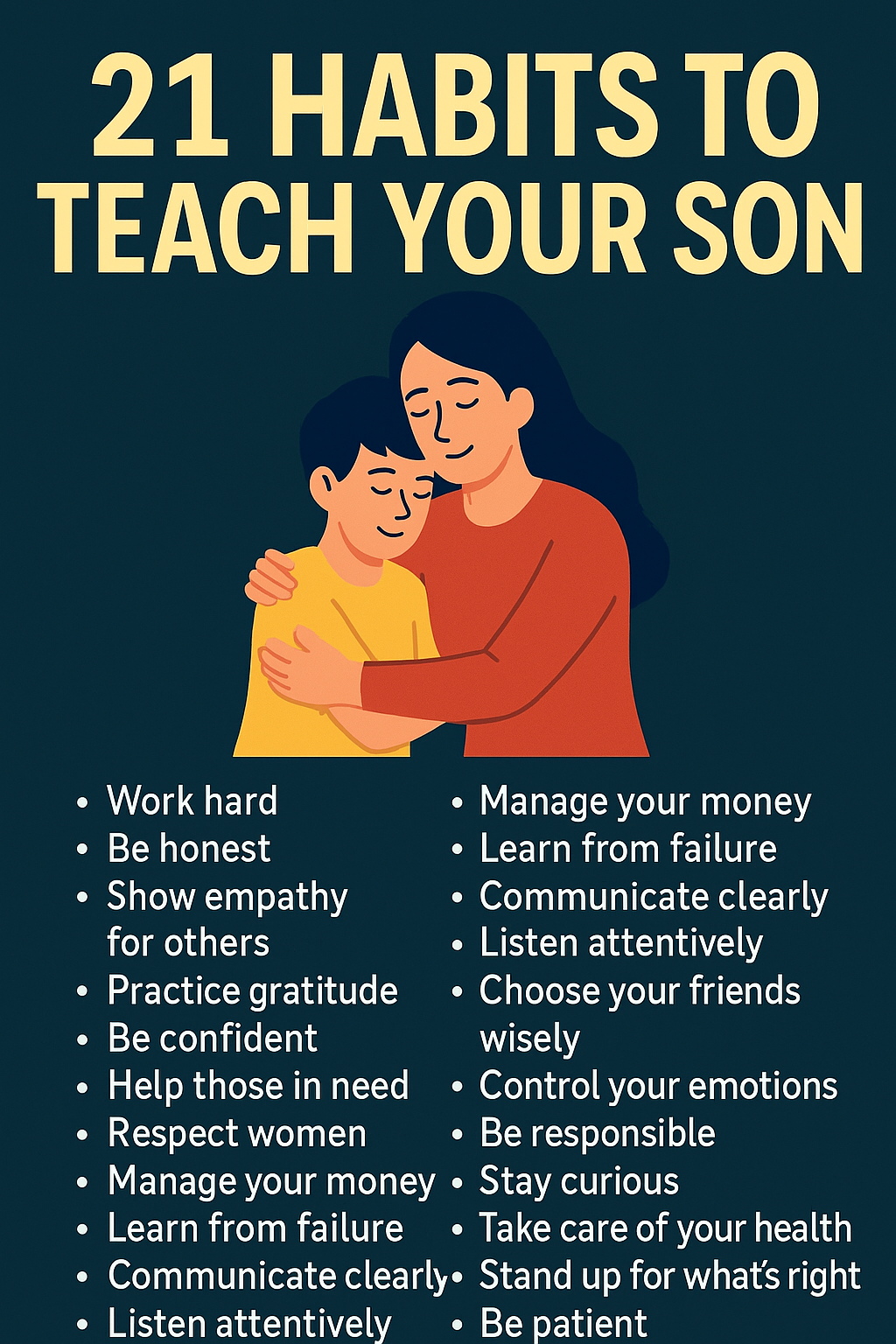
21 Transformative Habits to Instill in Your Son

Embrace Proactivity
Inspired by Sean Covey’s “The 7 Habits of Highly Effective Teens”
Teach your son to take initiative, understanding that he is responsible for his actions and attitudes.

Begin with the End in Mind
From Covey’s principles
Encourage goal-setting and envisioning desired outcomes to guide daily decisions.

Prioritize Tasks Effectively
Another of Covey’s habits
Instill the importance of distinguishing between what’s urgent and what’s important.

Cultivate a Growth Mindset
Based on Carol Dweck’s research
Encourage viewing challenges as opportunities to learn rather than insurmountable obstacles.

Develop Financial Literacy
Inspired by Robert Kiyosaki’s “Rich Dad Poor Dad”
Teach the value of money, saving, investing, and understanding assets versus liabilities.

Practice Delayed Gratification
Echoing Walter Mischel’s studies
Help him understand the benefits of waiting for larger rewards rather than seeking immediate pleasures.

Engage in Deep Work
From Cal Newport’s “Deep Work”
Encourage focused, undistracted efforts on meaningful tasks to achieve excellence.

Build Atomic Habits
Inspired by James Clear’s “Atomic Habits”
Teach the power of small, consistent changes leading to significant improvements over time.

Foster Emotional Intelligence
Based on Daniel Goleman’s research
Help him recognize, understand, and manage his emotions and empathize with others.

Encourage Reading and Continuous Learning
Echoing various educational philosophies
Promote a love for reading to expand knowledge and perspective.

Promote Physical Well-being
Aligned with holistic development approaches
Instill the importance of regular exercise, proper nutrition, and adequate rest.

Teach Effective Communication
From Dale Carnegie’s principles
Encourage active listening, clear articulation, and respectful dialogue.

Instill Time Management Skills
Inspired by productivity experts
Help him plan, prioritize, and allocate time efficiently to various tasks.

Encourage Mindfulness and Reflection
Based on mindfulness practices
Teach the value of being present and reflecting on experiences to gain insights.

Develop Resilience
Echoing Angela Duckworth’s research on grit
Encourage perseverance in the face of challenges and the ability to bounce back from setbacks.

Promote Ethical Decision-Making
From various moral development theories
Guide him to consider the ethical implications of his choices and act with integrity.

Encourage Curiosity and Questioning
Aligned with inquiry-based learning
Foster a mindset that seeks understanding and challenges assumptions.

Teach the Value of Collaboration
Based on teamwork principles
Highlight the importance of working effectively with others and valuing diverse perspectives.

Instill Gratitude Practices
From positive psychology findings
Encourage regular acknowledgment and appreciation of the positives in life.

Promote Civic Responsibility
Echoing community engagement philosophies
Teach the importance of contributing to society and understanding civic duties.

Encourage Lifelong Learning
Based on continuous improvement models
Instill the belief that learning doesn’t stop after formal education but is a lifelong journey.

Creative Valentine’s Day Crafts: Fun Ideas for Kids and Adults

Introduction

Valentine’s Day is not just about roses and chocolates; it’s a day to celebrate love and creativity! Whether you’re looking to make heartfelt gifts for loved ones or create fun decorations for your home, crafting is a wonderful way to express your affection. In this blog, we’ll explore various Valentine’s Day crafts that are perfect for kids and adults alike, making the holiday memorable and fun.

1. Heartfelt Cards

One of the simplest and most meaningful Valentine’s Day crafts is creating heartfelt cards. Gather colored paper, scissors, and markers, and let your creativity flow! Encourage your kids to write personal messages or draw their favorite things about their friends and family.

  • Materials Needed:
    • Colored cardstock
    • Scissors
    • Stickers
    • Markers
  • Instructions:
    1. Cut the cardstock into heart shapes or fold it in half to create a card.
    2. Decorate the card with stickers, drawings, or messages.

These handmade cards can be given to classmates, family members, or friends, spreading love and joy in a personal way.

2. DIY Heart Decorations

Transform your home into a love-filled space with DIY heart decorations! You can create garlands, wreaths, or hanging ornaments that will brighten up any room.

  • Materials Needed:
    • Construction paper
    • String or ribbon
    • Glue or tape
  • Instructions:
    1. Cut out various heart shapes from construction paper.
    2. String them together using ribbon to create a garland.
    3. Hang it up in your living room or kitchen for a festive touch.

This simple craft can involve the whole family and become a cherished tradition.

3. Love Coupons

Create a book of love coupons for your partner or kids. This is a fun and thoughtful way to show appreciation, offering things like “One free hug” or “A movie night of your choice.”

  • Materials Needed:
    • Paper
    • Markers
    • Decorative items (glitter, stickers, etc.)
  • Instructions:
    1. Cut the paper into small rectangles.
    2. Write different coupons on each rectangle, offering sweet gestures.
    3. Decorate the coupons to make them visually appealing.

This creative craft not only adds a personal touch but also strengthens relationships through shared experiences.

4. Handprint Art

Capture your child’s handprints in a beautiful and meaningful piece of art. This craft can serve as a sentimental keepsake for years to come.

  • Materials Needed:
    • Non-toxic paint
    • Canvas or thick paper
    • Paintbrushes
  • Instructions:
    1. Paint your child’s hand with the non-toxic paint.
    2. Press their hand onto the canvas to create a print.
    3. Add hearts, messages, or additional decorations around the handprint.

This craft not only showcases creativity but also creates lasting memories of childhood.

5. Cookie Decorating

What’s better than crafting? Crafting with food! Baking and decorating cookies is a fantastic way to celebrate Valentine’s Day with kids.

  • Materials Needed:
    • Sugar cookie dough
    • Icing and sprinkles
  • Instructions:
    1. Bake the cookies in various heart shapes.
    2. Allow the cookies to cool before decorating with icing and sprinkles.
    3. Enjoy eating them together or share them with friends!

This delicious craft combines creativity with a tasty reward, making it a win-win!

Conclusion

Valentine’s Day crafts are an excellent way to bond with your loved ones while expressing your creativity. Whether you’re making cards, decorations, or sweet treats, these activities provide opportunities for connection and joy. So grab your crafting supplies, gather your family, and let the fun begin!

Remember, the goal is to enjoy the process and create lasting memories, so don’t stress about perfection. Happy crafting, and may your Valentine’s Day be filled with love and laughter!

Embracing the Chaos: Finding Joy Amidst Parenting's Messy Moments

Introduction

Every parent knows that parenting is a rollercoaster ride filled with unforgettable moments, both joyous and messy. In this blog, we delve into the chaotic reality of cleaning up after kids and how those seemingly unpleasant moments can transform into treasured memories. Through one mother’s humorous and heartfelt account of a family ski trip gone awry, we’ll explore the lessons learned while navigating the ups and downs of parenting.

1. The Family Ski Trip Adventure

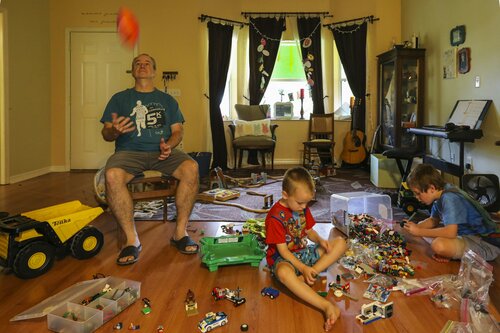
Picture this: a family ski trip with four kids under eight. Excitement fills the air, but soon reality sets in. Instead of skiing, one mom finds herself cleaning up after sick kids and juggling her own health challenges. It’s a tale many parents can relate to—where vacations often become more about managing chaos than relaxing on the slopes.

2. The Unforeseen Challenges

During this trip, unexpected challenges arise. From a toddler who can’t ski to two kids who are sick, the mom faces a whirlwind of chaos. Cleaning vomit and dealing with potty mishaps become her new norm, leaving her feeling trapped in her role as the family caretaker. It’s a tough reality that can lead to frustration and feelings of being overwhelmed.

3. Moments of Reflection

Amidst the chaos, a chance encounter with the mayor of the town becomes a pivotal moment. As he reminisces about his grown daughters, he inadvertently reminds the mom of the fleeting nature of childhood. This conversation ignites a spark of gratitude in her heart, reminding her that even the messiest moments are temporary and valuable.

4. The Gift of Perspective

Through the eyes of a tired parent, cleaning up messes can feel like a never-ending chore. However, the realization that these moments will one day be memories can shift our perspective. Each spill, each tantrum, and every messy moment can remind us to cherish the time we have with our children. Parenting is about creating lasting memories, even if they involve a bit of chaos.

5. Finding Joy in the Chaos

Instead of succumbing to self-pity, the mom learns to embrace the challenges. The laughter and love shared during these messy moments often outweigh the difficulties. By focusing on the joy that comes from being a family, parents can find beauty even in the most chaotic times. It’s important to remember that these experiences are what shape our families and create bonds that last a lifetime.

Conclusion

As parents, it’s easy to get lost in the chaos and forget to appreciate the beauty of the journey. Cleaning up vomit may not be the ideal vacation activity, but it’s a reminder of the fleeting nature of childhood. Embracing the messiness of parenting allows us to cherish these moments, knowing that one day, we’ll look back on them with love and gratitude. So, the next time you find yourself knee-deep in parenting chaos, remember: time flies, but the memories last forever.

How Local Teens Helped Prevent a Kidnapping: A Story of Courage

Introduction

In a world where safety is a growing concern, unexpected heroes often emerge. In this story, a group of local teens took action to stop a kidnapping attempt, protecting a mother and her young children. This brave act shows the importance of being aware and looking out for one another.

1. The Disturbing Incident

At a quiet park in New Port Richey, Florida, Sharaya Smith, a young mother, found herself in a terrifying situation. A stranger approached her and her kids, behaving erratically and making threats. Just as the situation seemed to spiral out of control, a group of local teenagers stepped in.

2. Teens to the Rescue

These teens, noticing Smith’s distress, formed a protective circle around her and her children, preventing the stranger from reaching them. Their swift and courageous actions kept the situation from escalating further. By staying close to the family, they ensured that the would-be kidnapper couldn’t harm them.

3. Why Awareness is Crucial

The incident highlights the importance of vigilance, even in familiar environments like parks. Kidnappings can happen anywhere, and staying aware of your surroundings is key to preventing such dangers. Local communities can make a difference by teaching young people to act responsibly in emergencies.

4. Lessons for Families and Teens

This story serves as a reminder to parents and teens alike about the importance of staying alert. For families, it’s crucial to keep children close in public spaces and have conversations about safety. For teens, it’s empowering to know that they can make a real difference by helping others in need.

Conclusion

The actions of these local teens are nothing short of heroic. Their quick thinking and bravery protected a family and turned a potential tragedy into an inspiring story. This incident reminds us all that community involvement and vigilance can play a powerful role in keeping others safe.

Creative Printable Valentine's Day Cards for Kids: Fun and Easy Ideas

Introduction

Valentine’s Day is the perfect opportunity for kids to show their creativity and spread love. Printable Valentine’s Day cards offer a fun and personalized way for kids to exchange greetings. Here are some exciting, free printables that will make Valentine’s Day extra special for children.

1. Robot-Themed Cards for Tech-Lovers

Robots make for a cool and quirky Valentine’s Day theme. These printable cards are perfect for kids who love gadgets and technology. With vibrant colors and fun designs, these robot cards are a hit with both boys and girls.

2. Sweet Treats: Donut-Themed Cards

Add some sweetness to the day with donut-themed Valentine’s cards. These adorable cards are perfect when paired with real or candy treats. They’re colorful, cute, and are sure to bring a smile to the recipient’s face.

3. Airplane-Themed Cards for Adventurous Kids

For kids who love flying and adventure, airplane-themed printable cards are a fantastic choice. These cards can be folded into tiny paper airplanes, adding an element of playfulness to the traditional Valentine exchange.

4. Animal-Themed Cards for Nature Lovers

From owls to elephants, these animal-themed cards are perfect for kids who love animals. These adorable designs make Valentine’s Day exciting and fun for children of all ages, bringing their favorite creatures to life.

5. Color-In Valentine Cards for Creativity

Encourage creativity by opting for color-in Valentine’s Day cards. These black-and-white designs allow kids to add their own personal touch with crayons, markers, or colored pencils. It’s a fun activity that lets them showcase their artistic side.

Conclusion

Printable Valentine’s Day cards offer a convenient, fun, and creative way for kids to celebrate the day. Whether they love robots, animals, or anything in between, these designs are sure to make their Valentine’s Day extra special.

Valentine's Date Night Outfit Ideas: Look Your Best for the Special Evening

Introduction

Valentine’s Day is the perfect time to look your best for a romantic evening. Whether you’re going to a fancy restaurant or enjoying a casual date night, your outfit can set the mood. Here are some fabulous date night outfit ideas for this special day.

1. Classic Red Dress for Elegance

Nothing says Valentine’s Day more than a stunning red dress. A form-fitting red dress not only turns heads but also embodies confidence. Pair it with neutral heels and minimal accessories to let the dress speak for itself.

2. Flirty Floral Prints for a Fun Look

For those looking for something playful yet stylish, floral dresses are a great choice. Opt for bold flower prints in vibrant hues to channel a fun and flirty vibe. Add a cropped jacket and wedges for a charming finish.

3. Cozy Yet Chic Layers

If you’re spending the evening outdoors or attending a casual date, a cozy look can still be stylish. Try pairing a chic sweater with a flowy skirt or skinny jeans. Complete the outfit with statement boots and delicate jewelry.

4. Sparkle and Shine for a Night Out

For a glam night out, nothing beats a sequin dress. This sparkly option will keep all eyes on you. Choose neutral or black heels to balance out the shimmer, and a clutch bag to add sophistication to the look.

5. Bold Black for Timeless Sophistication

A little black dress (LBD) is timeless for any special occasion. To add a Valentine’s twist, choose a dress with lace or velvet detailing. Elevate the look with bold red lipstick and sleek black stilettos.

Conclusion

From classic reds to modern florals, there are endless possibilities to create the perfect Valentine’s Day look. Whether you’re dressing up or going for a laid-back style, choose an outfit that makes you feel confident and fabulous.

Lessons Kids Learn from Team Sports: Building Skills for Life

Introduction

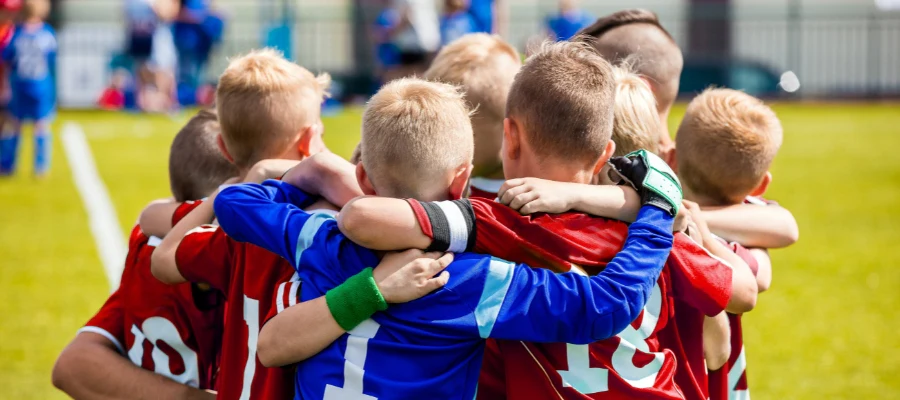
Team sports offer much more than physical exercise. For children, participating in team sports helps build character, instill valuable life skills, and foster emotional growth. From teamwork to discipline, these experiences shape kids for their future in ways beyond the playing field.

1. Teamwork and Cooperation

One of the most significant lessons kids learn through team sports is teamwork. Whether it’s soccer, basketball, or baseball, kids are taught how to work cooperatively with others to achieve a common goal. They understand that each member’s contribution matters, and success is shared among the whole team. Learning to collaborate and respect others’ roles builds strong, lasting interpersonal skills.

2. Discipline and Commitment

Sports require dedication, both in practice and in preparation. Kids learn that success doesn’t come overnight but through consistent effort and practice. Coaches instill a sense of responsibility, teaching children to balance their time between sports, schoolwork, and home responsibilities. The discipline and commitment cultivated during sports translate to other areas of life, such as academics and personal goals.

3. Perseverance and Resilience

Life isn’t always about winning, and neither are sports. Kids experience losses, setbacks, and challenges. Through team sports, they learn to persevere, even when the odds are stacked against them. Whether it’s losing a match or missing a goal, children are taught resilience and the importance of continuing to push forward despite difficulties. This valuable trait is essential for overcoming obstacles in all aspects of life.

4. Building Social Skills and Friendships

Team sports are a great way for kids to interact with peers, build friendships, and enhance social skills. These environments teach them how to communicate effectively, resolve conflicts, and manage different personalities. Being part of a team gives children a sense of belonging, helping them form friendships that often extend beyond the game.

5. Respect for Authority and Rules

In any team sport, kids learn the importance of respecting authority figures such as coaches, referees, and even their own teammates. Adhering to rules and understanding the structure of the game are key lessons that children take with them into their daily lives. This respect for rules and authority prepares them for future settings, whether in the classroom or the workplace.

6. Physical Fitness and Healthy Living

Sports naturally encourage physical activity, helping kids develop a habit of staying fit and active. Beyond the physical benefits, they also learn about healthy eating habits, hydration, and maintaining a balanced lifestyle. These practices, instilled at a young age, can promote lifelong health and well-being.

7. Leadership and Responsibility

Being part of a team also offers opportunities for children to take on leadership roles, whether as team captain or through mentoring younger players. This fosters a sense of responsibility, as they learn to guide others and set a positive example. Leadership skills learned in sports help them grow into responsible, dependable adults.

Conclusion

Team sports provide children with invaluable life lessons that extend far beyond the field. From teamwork and discipline to perseverance and leadership, the skills they develop help shape their character and equip them for the challenges of the future. By encouraging your child to participate in team sports, you’re not just promoting physical activity — you’re nurturing their emotional and social growth as well.