Fertility issues aaj kal common ho chuke hain, lekin lifestyle changes—especially yoga—naturally reproductive health ko improve kar sakte hain. Regular fertility yoga for women practice se blood circulation improve hota hai, stress kam hota hai aur hormonal balance support hota hai, jo conception ke chances badhata hai.
1. Baddha Konasana (Butterfly Pose)
5
Yeh pose pelvic region me blood flow ko increase karta hai aur reproductive organs ko stimulate karta hai. Fertility improve karne ke liye yeh sabse recommended yoga pose mana jata hai.
Benefits: • Improves blood flow to ovaries • Opens hips and pelvic muscles • Supports reproductive health
2. Setu Bandhasana (Bridge Pose)
6
Bridge pose hormonal glands ko activate karta hai, especially thyroid aur reproductive system ko support karta hai. Yeh stress ko reduce karta hai jo fertility ke liye important factor hai.
Bhujangasana reproductive organs ko stimulate karta hai aur abdominal area me blood flow increase karta hai. Yeh posture uterus ko strengthen karta hai.
Yeh pose mind ko calm karta hai aur stress levels reduce karta hai, jo fertility ke liye critical factor hai. Yeh abdominal organs ko bhi stimulate karta hai.
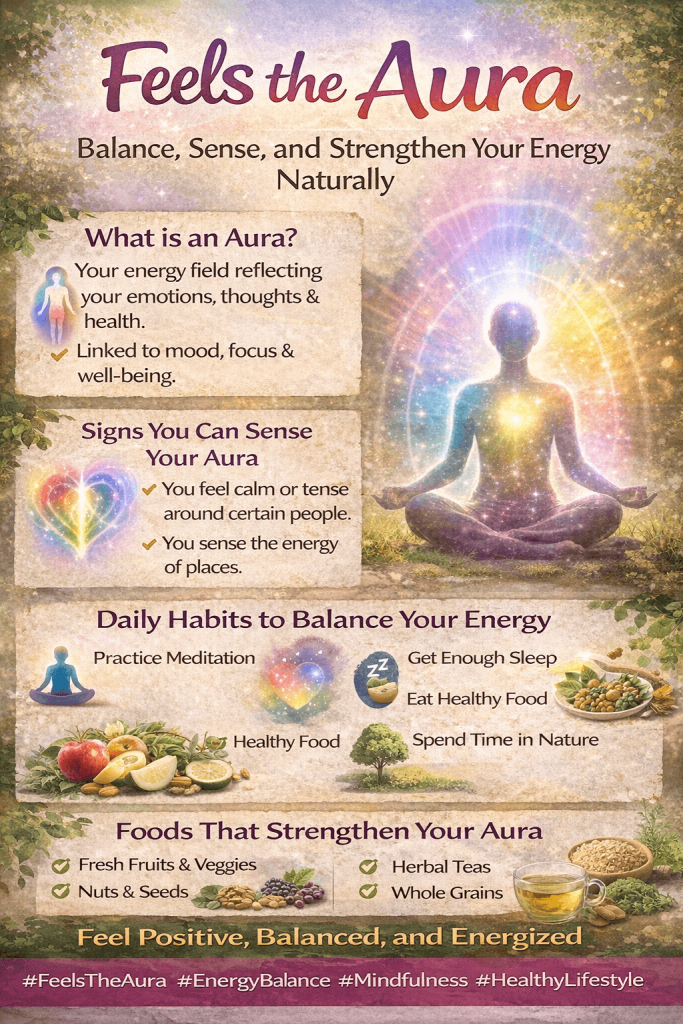
Feels the Aura: How to Sense, Strengthen, and Balance Your Energy Naturally
Introduction: What It Really Means to Feel the Aura
Have you ever walked into a room and instantly felt either calm or uncomfortable without any clear reason? That subtle feeling is often described as “feels the aura.” It refers to the invisible energy field surrounding every individual.
For health conscious people, understanding and improving this energy can enhance mental clarity, emotional stability, and overall well-being. When your aura feels balanced, your body and mind work in harmony, creating a sense of calm and confidence in daily life.
What is an Aura and Why It Matters
An aura is believed to be the energy field that surrounds your body. It reflects your emotional, physical, and mental state. When you feel positive and relaxed, your aura is often described as strong and vibrant.
On the other hand, stress, poor lifestyle habits, and negative thinking can weaken this energy. This is why many people focus on practices that help them feel the aura more clearly and maintain its balance.
Understanding your aura is not just a spiritual concept; it is closely linked to your mood, focus, and energy levels.
Signs You Can Feel the Aura Around You
Learning to feel the aura starts with awareness. Many people already experience it without realizing what it is.
Some common signs include:
Feeling calm or tense around certain people
Experiencing sudden mood shifts in different environments
Sensing positive or negative energy in a space
These experiences are often your body reacting to surrounding energy fields. Becoming more mindful of these signals can help you better understand your emotional responses and surroundings.
How Your Lifestyle Affects Your Aura
Your daily habits have a direct impact on your energy field. A healthy lifestyle strengthens your aura, while unhealthy choices can weaken it over time.
Eating nutritious food, getting enough sleep, and staying active all contribute to a balanced energy system. On the other hand, stress, lack of sleep, and poor diet can create imbalances that affect how you feel internally.
For health conscious individuals, focusing on both physical and mental wellness is key to maintaining a strong aura.
Techniques to Feel the Aura More Clearly
Mindfulness and Meditation
Meditation is one of the most effective ways to become aware of your aura. It helps quiet the mind and allows you to connect with your inner energy.
Practicing meditation daily, even for a few minutes, can improve your ability to feel subtle energy changes. Over time, this awareness becomes stronger and more natural.
Deep Breathing Practices
Controlled breathing helps calm the nervous system and enhances your ability to feel the aura. It brings your focus inward and reduces mental distractions.
Simple breathing techniques, such as inhaling deeply and exhaling slowly, can create a sense of balance and clarity.
Spending Time in Nature
Nature has a naturally calming energy that can help reset your aura. Walking in a park or sitting in sunlight allows your body to reconnect with natural rhythms.
This practice not only improves your mood but also strengthens your connection with your surroundings.
Limiting Negative Influences
Your environment plays a big role in how your aura feels. Being around negativity can drain your energy and affect your mental state.
Choosing positive environments and surrounding yourself with supportive people can help maintain a healthy aura.
Foods That Help Strengthen Your Aura
Your diet influences not just your physical health but also your energy levels. Certain foods are believed to support a balanced aura.
Fresh fruits and vegetables
Nuts and seeds
Whole grains
Herbal teas
These foods provide essential nutrients that support both physical and mental well-being, helping you feel more balanced throughout the day.
Daily Habits to Balance Your Aura
Creating small daily habits can make a significant difference in how you feel your aura. Consistency is more important than intensity.
Start your day with a few minutes of silence
Practice gratitude regularly
Stay hydrated
Maintain a regular sleep schedule
These habits help create stability in your energy, making it easier to feel and maintain a balanced aura.
Real-Life Example: Feeling the Aura in Everyday Life
Consider someone who starts their day with meditation, eats a balanced diet, and avoids unnecessary stress. Over time, they begin to notice a sense of calm and clarity in their interactions.
They feel more comfortable in their environment and can better handle challenges. This is a practical example of how improving your lifestyle helps you feel the aura more clearly and consistently.
Common Mistakes to Avoid
While trying to improve your aura, some common mistakes can slow progress. Ignoring physical health while focusing only on spiritual practices can create imbalance.
Overthinking or forcing yourself to feel something can also lead to frustration. The key is to stay consistent and patient with the process.
Balance between body, mind, and environment is essential for real results.
FAQs on Feels the Aura
What does it mean to feel the aura
It refers to sensing the energy field around yourself or others, often experienced as emotional or physical awareness.
Can anyone learn to feel the aura
Yes, with practice and mindfulness, most people can develop this awareness over time.
How long does it take to feel the aura clearly
It varies from person to person, but consistent practice can show results within a few weeks.
Does diet affect your aura
Yes, a healthy diet supports overall energy balance and improves how you feel internally.
Is meditation necessary to feel the aura
While not mandatory, meditation significantly helps in improving awareness and sensitivity to energy.
Conclusion: Strengthen Your Energy, Transform Your Life
Learning to feel the aura is not about complex techniques. It is about becoming more aware of your body, mind, and surroundings.
By focusing on healthy habits, positive environments, and simple mindfulness practices, you can naturally strengthen your energy. Over time, this leads to better clarity, emotional balance, and overall well-being.
Start small, stay consistent, and let your energy guide you toward a healthier and more balanced life.
Blood Sugar Management: Simple Daily Habits to Balance Your Levels Naturally
Introduction: Why Blood Sugar Management is Essential Today
If you often feel energy crashes, sudden hunger, or cravings for sweets, your blood sugar levels might not be stable. Blood sugar management is no longer just for people with diabetes; it is essential for anyone who wants better energy, focus, and long-term health.
When your blood sugar is balanced, your body functions smoothly. You feel more energetic, your mood improves, and your risk of chronic diseases decreases. The good news is that managing blood sugar can be simple when you follow the right diet and habits consistently.
What is Blood Sugar and How It Affects Your Body
Blood sugar, also known as glucose, is the main source of energy for your body. It comes from the food you eat, especially carbohydrates. Your body regulates glucose using insulin, a hormone that helps move sugar into your cells.
When this system works properly, your energy remains stable throughout the day. However, frequent spikes and crashes can lead to fatigue, irritability, and long-term health issues like diabetes. This is why blood sugar control is important for both immediate and future health.
Understanding Blood Sugar Levels with a Simple Chart
To manage your health effectively, it is important to understand what normal blood sugar levels look like. A blood sugar chart gives a clear idea of where you stand.
Time
Normal Blood Sugar Levels (mg/dL)
Fasting
70–99
After Meals (2 hours)
Below 140
Prediabetes
140–199
Diabetes
200 and above
Monitoring your levels occasionally can help you understand how your body reacts to different foods. This awareness is the first step toward better blood sugar management.
Best Foods for Blood Sugar Management
Leafy Greens and Vegetables
Leafy greens such as spinach, kale, and broccoli are low in carbohydrates and high in fiber. They help slow down the absorption of sugar into the bloodstream.
These foods also provide essential nutrients like magnesium, which supports insulin function. Including vegetables in every meal can significantly improve blood sugar control.
Protein-Rich Foods
Protein plays a key role in stabilizing blood sugar levels. Foods like eggs, chicken, paneer, and lentils help prevent sudden spikes after meals.
They also keep you full for longer, reducing the urge to snack on unhealthy foods. Adding protein to every meal is a simple yet powerful strategy.
Healthy Fats
Healthy fats from sources like nuts, seeds, and avocado help slow digestion and prevent rapid glucose spikes. They also support heart health and hormone balance.
Combining fats with carbohydrates creates more balanced meals that support long-term blood sugar management.
Low-Glycemic Fruits
Not all fruits are harmful for blood sugar. Fruits like berries, apples, and pears have a low glycemic index, meaning they release sugar slowly into the bloodstream.
These fruits satisfy sweet cravings without causing major spikes, making them a smart choice for a diabetes-friendly diet.
Blood Sugar Balancing Meals: Simple Plate Formula
Creating balanced meals is one of the easiest ways to manage blood sugar levels. You do not need complex diets or restrictions to achieve this.
A simple plate formula works well for most people:
50 percent vegetables
25 percent protein
25 percent whole grains
For example, a meal with grilled chicken, brown rice, and sautéed vegetables provides a perfect balance. This combination keeps your energy stable and prevents sugar crashes.
Healthy Snacks for Better Blood Sugar Control
Snacking can either support or harm your blood sugar management. Choosing the right snacks helps maintain consistent energy throughout the day.
Some healthy snack ideas include:
Apple slices with peanut butter
A handful of almonds or walnuts
Greek yogurt with seeds
Boiled eggs
These options provide a mix of protein, fiber, and healthy fats, which help keep your blood sugar stable between meals.
Diabetes-Friendly Recipes and Desserts
You do not have to give up your favorite foods completely. With small modifications, you can enjoy delicious meals that support your health.
For example, replacing refined flour with whole grains and using natural sweeteners can make recipes healthier. Diabetes-friendly desserts like chia pudding or dark chocolate treats can satisfy cravings without disrupting blood sugar levels.
A well-planned diabetes diet can be both enjoyable and sustainable.
Foods That Increase Blood Sugar Levels
Certain foods can quickly raise blood sugar and should be limited. These include sugary drinks, white bread, processed snacks, and excessive sweets.
These foods are digested quickly, causing rapid spikes followed by sudden crashes. Over time, this pattern can lead to insulin resistance and increased risk of diabetes.
Reducing these foods gradually is more effective than eliminating them suddenly.
Practical Tips for Effective Blood Sugar Management
Managing blood sugar is not just about food. Your daily habits also play an important role in maintaining balance.
Eat meals at regular intervals
Avoid skipping breakfast
Stay physically active with light exercise
Drink enough water throughout the day
Even a short walk after meals can significantly improve blood sugar control. These small actions add up to create long-term results.
Real-Life Example: Small Changes That Work
A working professional who struggled with low energy and frequent cravings made simple changes to their routine. Instead of starting the day with tea and biscuits, they switched to eggs, fruits, and nuts.
Within a few weeks, they noticed improved energy, fewer cravings, and better focus at work. This shows that blood sugar management does not require extreme diets, just smarter choices.
FAQs on Blood Sugar Management
What is the best way to manage blood sugar naturally
Focus on balanced meals, regular eating patterns, and physical activity.
Which foods are best for blood sugar control
Leafy greens, protein-rich foods, nuts, and low-glycemic fruits are ideal.
How often should I check my blood sugar levels
If you are at risk or have diabetes, regular monitoring is helpful. Otherwise, occasional checks are sufficient.
Are fruits safe for blood sugar management
Yes, when chosen wisely. Low-glycemic fruits are beneficial and safe in moderation.
Conclusion: Take Control of Your Blood Sugar Today
Blood sugar management is not about strict rules or giving up your favorite foods. It is about making smarter, more balanced choices every day.
Start with simple steps such as improving your meals, choosing better snacks, and staying active. Over time, these habits will lead to better energy, improved focus, and long-term health benefits.
Take control today and make your health a priority.
Introduction: Why Green Foods Should Be a Daily Habit
If you want better energy, stronger immunity, and a cleaner diet, adding more green foods is one of the simplest upgrades you can make. These foods are naturally rich in vitamins, minerals, fiber, and antioxidants that support your overall health.
Green foods are not just about eating vegetables. They help balance your body, improve digestion, and even enhance skin health. The real benefit comes from consistency, not perfection, which means small daily additions can create long-term results.
What Are Green Foods and Why Are They Important
Green foods include vegetables, fruits, and herbs that are naturally green due to chlorophyll. This compound plays a key role in detoxifying the body and improving oxygen circulation.
They are packed with essential nutrients like vitamin C, magnesium, and fiber, which support multiple body functions. Regular consumption of green foods helps reduce inflammation, improve digestion, and maintain stable energy levels throughout the day.
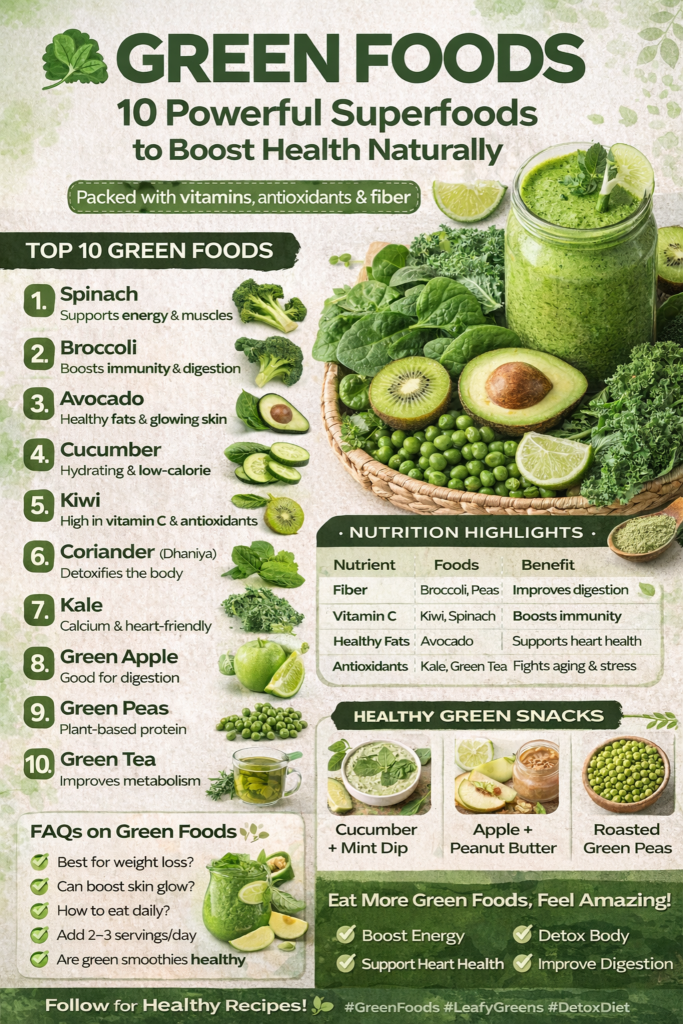
Top 10 Green Foods You Should Include Daily
Spinach
Spinach is one of the most nutrient-dense green foods available. It contains iron, magnesium, and antioxidants that help boost energy and support muscle function.
Including spinach in smoothies, curries, or salads is an easy way to increase your nutrient intake without changing your diet drastically.
Broccoli
Broccoli is rich in fiber and vitamin C, making it excellent for digestion and immunity. It also contains compounds that support detoxification in the body.
Lightly steaming broccoli preserves its nutrients and makes it easier to digest while maintaining its health benefits.
Avocado
Avocado provides healthy fats that support heart health and improve skin quality. It also helps keep you full for longer, reducing unnecessary snacking.
Adding avocado to toast, salads, or bowls can make your meals more satisfying and balanced.
Cucumber
Cucumber is highly hydrating and low in calories, making it ideal for weight management. It also helps flush toxins from the body and supports digestion.
It can be consumed raw, in salads, or infused in water for a refreshing and healthy drink.
Kale
Kale is often considered a superfood due to its high calcium and antioxidant content. It supports bone health and reduces oxidative stress in the body.
You can sauté kale, add it to soups, or blend it into smoothies for maximum benefits.
Green Apple
Green apples are rich in fiber and vitamin C, making them excellent for digestion and immunity. They also help regulate blood sugar levels.
They are a convenient snack option that provides both nutrition and natural sweetness.
Kiwi
Kiwi is packed with vitamin C and antioxidants that improve skin health and boost immunity. It also aids digestion due to its natural enzymes.
Including kiwi in your breakfast or snacks can add variety and enhance your nutrient intake.
Green Peas
Green peas are a great source of plant-based protein and fiber. They support muscle health and keep you full for longer periods.
They can be added to rice, curries, or salads to enhance both taste and nutrition.
Coriander (Dhaniya)
Coriander is known for its detoxifying properties. It helps remove heavy metals from the body and supports liver function.
Using fresh coriander as a garnish or in chutneys can add both flavor and health benefits.
Green Tea
Green tea contains antioxidants that help boost metabolism and reduce stress. It also supports fat burning and improves focus.
Replacing sugary beverages with green tea can significantly improve your overall health.
Nutritional Benefits of Green Foods
Nutrient
Sources
Benefit
Fiber
Broccoli, peas
Improves digestion
Vitamin C
Kiwi, spinach
Boosts immunity
Healthy Fats
Avocado
Supports heart health
Antioxidants
Kale, green tea
Reduces stress and aging
These nutrients work together to create a strong foundation for long-term health and wellness.
How to Add Green Foods to Your Daily Diet
Adding green foods to your diet does not require a complete lifestyle change. It can start with simple adjustments that fit into your routine.
Begin your day with a green smoothie or a cup of green tea. Include a portion of leafy greens in your lunch and add vegetables like broccoli or peas to your dinner.
Snacks can also include green foods such as apples or cucumber slices, making it easier to stay consistent without feeling restricted.
Healthy Snack Ideas Using Green Foods
Choosing the right snacks can help maintain your energy levels throughout the day. Green foods offer excellent options that are both nutritious and satisfying.
Cucumber with mint dip
Apple slices with peanut butter
Roasted green peas
Smoothies with spinach and fruits
These snacks are easy to prepare and support your overall health goals.
Common Mistakes to Avoid
While green foods are highly beneficial, certain mistakes can reduce their effectiveness. Overcooking vegetables can destroy essential nutrients, so it is better to steam or lightly cook them.
Relying only on salads without including proteins and healthy fats can make your meals unbalanced. Variety is key to ensuring you get a wide range of nutrients.
Real-Life Benefits of Eating Green Foods
People who regularly include green foods in their diet often notice improved digestion, clearer skin, and higher energy levels. These benefits are not immediate but become visible over time with consistent effort.
For example, replacing processed snacks with green food options can lead to better weight management and reduced cravings. Small changes like these can create a significant impact on your health.
FAQs on Green Foods
What are the best green foods for weight loss
Spinach, broccoli, cucumber, and green tea are excellent options as they are low in calories and high in nutrients.
Can green foods improve skin health
Yes, the antioxidants and vitamins in green foods help reduce inflammation and improve skin texture.
How many servings of green foods should I eat daily
Aim for at least two to three servings per day for optimal health benefits.
Are green smoothies healthy
Yes, when made with natural ingredients and without added sugar, they are a great way to consume multiple nutrients.
Can green foods help in detoxification
They support the body’s natural detox process but should be combined with a balanced diet and healthy lifestyle.
Conclusion: Make Green Foods a Lifestyle
Green foods are not a trend but a long-term investment in your health. By including them in your daily routine, you can improve your energy, digestion, and overall well-being.
Start with small steps, such as adding one green food to each meal. Over time, these habits will become natural and sustainable.
Take control of your health today by making green foods a consistent part of your lifestyle.
SEO Optimization Section
Meta Title: Green Foods Benefits: Best Superfoods for Health
Meta Description: Discover green foods benefits, top superfoods, diet tips, and healthy recipes to boost energy, immunity, and overall wellness naturally.
If you often feel tired, anxious, or notice stubborn belly fat, your cortisol levels may be elevated. Cortisol is your body’s primary stress hormone, and while it helps you respond to challenges, too much of it can harm your health over time.
This is where cortisol reducing foods come into play. By choosing the right foods, you can naturally balance your hormones, improve sleep, and feel more in control of your energy. The best part is that small dietary changes can make a noticeable difference within weeks.
What is Cortisol and How It Affects Your Body
Cortisol is released when your body experiences stress, whether physical or emotional. It plays a role in metabolism, immune response, and energy regulation. However, chronic stress leads to consistently high cortisol levels, which disrupt normal body functions.
High cortisol can result in weight gain, especially around the abdomen, poor sleep quality, and increased cravings for sugar. Over time, it may also weaken immunity and affect mental clarity. Managing cortisol through diet is one of the most natural and effective strategies available.
Top 10 Cortisol Reducing Foods You Should Include Daily
Leafy Greens (Spinach, Kale)
Leafy greens are rich in magnesium, a mineral known to calm the nervous system. They help reduce stress responses and support muscle relaxation. Including them in your daily meals can significantly improve your overall stress tolerance.
Adding spinach to smoothies or sautéing kale with garlic are simple ways to include these foods without changing your routine too much.
Fatty Fish (Salmon, Sardines)
Fatty fish are high in omega-3 fatty acids, which are known to reduce inflammation and lower cortisol levels. They also support brain health, improving mood and focus during stressful situations.
Consuming fatty fish twice a week can help stabilize hormones and provide long-term stress relief benefits.
Avocados
Avocados are packed with healthy fats and potassium, both of which help regulate blood pressure and reduce stress hormones. They also keep you full for longer, preventing blood sugar spikes that can increase cortisol.
You can add avocado to salads, toast, or even smoothies for a creamy and nutritious boost.
Berries
Berries such as blueberries and strawberries are rich in antioxidants that fight oxidative stress in the body. These antioxidants help protect your cells from damage caused by high cortisol levels.
Including a handful of berries as a snack or in breakfast bowls is an easy way to support your body’s stress response.
Nuts and Seeds
Almonds, walnuts, and chia seeds are excellent sources of magnesium and healthy fats. These nutrients work together to stabilize mood and reduce stress levels.
A small portion of mixed nuts as a daily snack can prevent energy crashes and support consistent cortisol control.
Dark Chocolate
Dark chocolate with high cocoa content contains compounds that help lower stress hormones. It also boosts serotonin levels, improving mood and reducing anxiety.
Consuming a small piece daily can satisfy cravings while contributing to better emotional balance.
Herbal Teas (Chamomile, Green Tea)
Herbal teas contain calming compounds that promote relaxation and better sleep. Green tea also includes L-theanine, which helps reduce stress without causing drowsiness.
Replacing caffeinated beverages with herbal teas in the evening can significantly improve sleep quality.
Yogurt and Probiotics
Your gut health is directly linked to your mental health. Probiotic-rich foods like yogurt help maintain a healthy gut microbiome, which plays a role in regulating cortisol levels.
Including yogurt in your diet can improve digestion and support emotional stability.
Bananas
Bananas are rich in vitamin B6 and natural sugars that help regulate mood and energy levels. They provide quick energy without causing a spike in blood sugar.
They are an ideal snack option for managing stress during busy days.
Ashwagandha
Ashwagandha is a natural adaptogen that helps the body cope with stress. It has been widely studied for its ability to lower cortisol levels and improve resilience.
It can be consumed as a supplement or added to warm drinks for a calming effect.
Nutrients That Help in Cortisol Reduction
Nutrient
Food Sources
Benefit
Magnesium
Spinach, almonds
Calms the nervous system
Omega-3
Salmon, chia seeds
Reduces inflammation
Probiotics
Yogurt
Supports gut-brain connection
Antioxidants
Berries, dark chocolate
Protects against stress damage
These nutrients work together to create a balanced internal environment, making cortisol management easier and more sustainable.
How to Build a Cortisol-Reducing Diet
Creating a cortisol-friendly diet does not require strict rules. It is about balance and consistency rather than perfection.
Start your day with a nutrient-rich breakfast that includes protein, healthy fats, and fiber. For lunch and dinner, aim for a balanced plate with vegetables, protein, and whole grains. Snacks should include nuts, fruits, or yogurt to maintain stable energy levels.
Consistency in meal timing also plays a role. Eating at regular intervals prevents blood sugar fluctuations, which can trigger cortisol spikes.
Foods That Increase Cortisol Levels
Certain foods can worsen stress and should be limited if you are focusing on cortisol reduction. These include processed foods, sugary snacks, and excessive caffeine.
Highly refined carbohydrates can cause rapid spikes and crashes in blood sugar, leading to increased cortisol production. Alcohol and energy drinks can also disrupt sleep and hormonal balance.
Reducing these foods gradually can have a noticeable impact on your stress levels and overall health.
Practical Tips to Enhance Cortisol Reduction
In addition to diet, lifestyle habits play a crucial role in managing cortisol levels. Simple practices can amplify the benefits of cortisol reducing foods.
Get 7–8 hours of quality sleep every night
Engage in light physical activity such as walking or yoga
Practice deep breathing or meditation for a few minutes daily
Spend time in natural sunlight
These habits work together with your diet to create a strong foundation for stress management.
FAQs on Cortisol Reducing Foods
What are the best cortisol reducing foods for daily use?
Leafy greens, nuts, berries, and herbal teas are some of the easiest and most effective options for daily consumption.
Can cortisol reducing foods help with weight loss?
Yes, lowering cortisol levels can reduce stress-related weight gain, especially around the abdominal area.
How quickly do cortisol levels improve with diet?
You may start noticing improvements in energy and mood within one to two weeks of consistent dietary changes.
Is coffee bad for cortisol levels?
Excessive coffee intake can increase cortisol, especially when consumed on an empty stomach.
Do I need supplements for cortisol reduction?
Not necessarily. A balanced diet rich in natural cortisol reducing foods is often sufficient for most people.
Conclusion: Small Changes, Big Impact
Managing stress does not require extreme measures. By including cortisol reducing foods in your daily routine, you can naturally support your body’s balance and improve overall well-being.
Start with simple changes such as adding leafy greens, choosing healthier snacks, and staying consistent with your meals. Over time, these small steps can lead to better energy, improved mood, and long-term health benefits.
Take control of your stress today by making smarter food choices.
Ever notice what tired, bloated, low-energy people have in common? They all eat the same food — every single day.
China figured this out earlier than the West. Quietly, they cut this food from their daily diet… and transformed their national health.
2. The Numbers That Shocked Researchers
In 1990, 9 out of 10 Chinese people ate this food every day. By 2020 — only 1 in 10 did.
And during that shift:
Diabetes dropped by 340%
Obesity fell eightfold
Life expectancy rose by 12 years
Meanwhile, Europe and America quadrupled their consumption of the same product… And saw the exact opposite:
More sickness
More fatigue
More chronic inflammation
3. The Hidden Truth: This Food Acts Like a Drug
This product hijacks the gut, spikes cravings, and blocks nutrient absorption. It rewires the brain for constant hunger — not because you’re weak, but because it’s engineered that way.
China didn’t just remove it… They replaced it with habits that repair the body from the inside out.
4. The 3 Foods China Used Instead
To rebuild national health, they leaned into:
Fermented vegetables (kimchi, sauerkraut, pickled radish) Strengthens gut flora and digestion
Bone broth, several times a week Repairs the gut lining, supports immunity
Green tea instead of coffee Balances blood sugar and boosts antioxidant levels
The result?
Sugar cravings fade within one month
Excess weight melts off in three months
The body feels brand new within a year
5. So What’s the Culprit?
Bread. Not the ancient kind — the modern version made from hybrid wheat.
It destroys gut health, inflames the body, and fuels chronic hunger.
China switched to rice. We doubled down on bread.
And that’s the difference between a body that heals… and a body that slowly breaks down.
Parents think bedtime stories grow the brain — but MIT researchers discovered something far more powerful. A simple, honest 5-minute conversation before sleep can triple a child’s emotional and cognitive development… and it all starts with mirror neurons.
1. The Ritual That Activates a Child’s Brain Like Nothing Else
When parents skip fairy tales and talk about their day instead, something remarkable happens inside a child’s brain:
Mirror neurons light up
The child feels the parent’s emotions
They mentally rehearse the parent’s experiences
Deep neural pathways form between speech, empathy, and memory
MIT researchers called this process “emotional modeling.” Children aren’t absorbing words — they’re absorbing thinking patterns.
2. Brain Scans Reveal the Real Secret
MRI studies revealed a stunning pattern:
When a parent says: “I was mad today, but then I calmed down,” → the child’s self-regulation zone activates immediately
But music or passive entertainment? → No activation. Silence inside the brain.
A researcher summarized it perfectly:
“A child doesn’t need a bedtime story. They need a human voice.”
This single insight has completely changed early-development science.
3. 7 Minutes That Accelerate Development by a Whole Year
MIT tracked 400 families across several countries and found that children who received just 7 minutes of emotional talk:
Gained a full year of vocabulary in under 2 months
Showed better focus
Learned faster
Absorbed information without resistance
Exhibited increased empathy and reasoning skills
Why does it work so quickly? Because the child sees conversation as a social game, not a lesson. Their brain is open, curious, and receptive.
4. When Words Become Wiring: A Real Example
One dad in the study shared a simple story with his son:
He told him he was late for a meeting and felt stressed.
Three weeks later, the boy said:
“I was upset today, but I handled it.”
No coaching. No emotional training. Just neuroplasticity in action — the brain copying tone, structure, and emotional logic.
MIT researchers named this phenomenon “nighttime sync.”
5. The Rule Every Parent Should Know
You don’t need scripts.
You don’t need perfect stories.
You don’t need “smart games.”
You just need honesty + presence.
The bedtime rule:
5 minutes of real conversation > 60 minutes of cognitive training
Why? Because children learn to think through feeling, not instruction.
This is real neuro-parenting — not teaching, but thinking side by side.
A Question for Every Parent
Have you ever noticed how bedtime talks shape your child more deeply than any book or game?
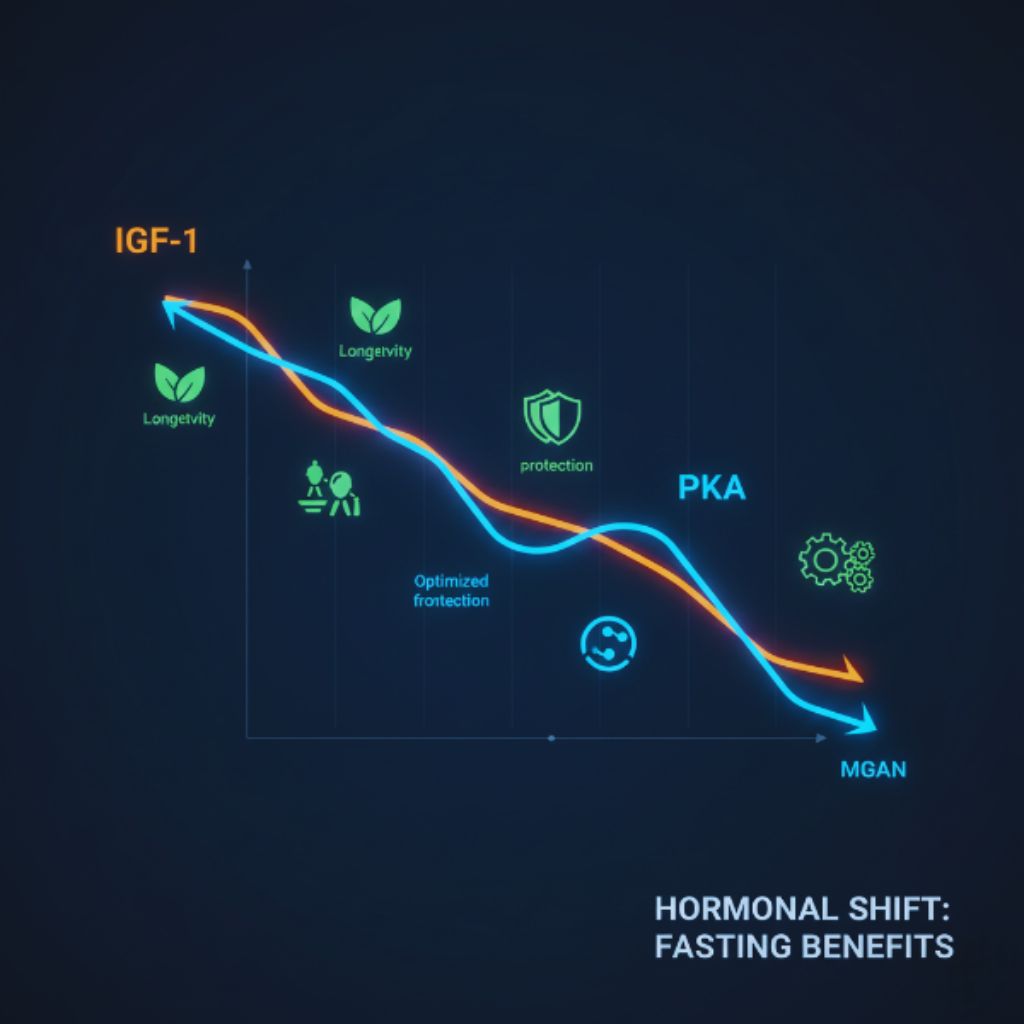
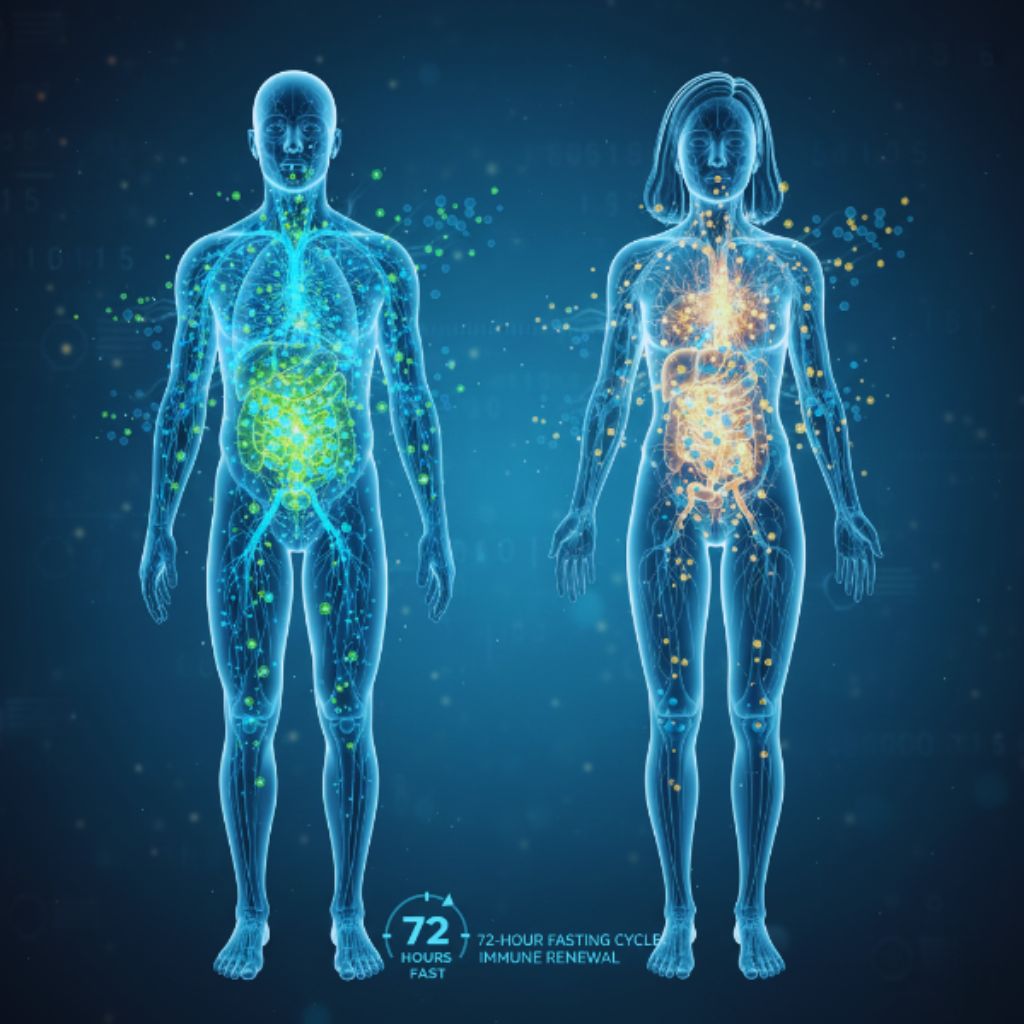
In 2014, researchers at the University of Southern California (USC) published a groundbreaking study showing that fasting for 72 hours (3 days) can trigger major regeneration effects in the human immune system. Here’s the science broken down simply:
1. A 72-Hour Fast Pushes the Body Into “Protective Mode”
“Day 1–3: Your body enters protective mode — conserving energy and preparing for deep immune cleanup.”
When you stop eating for about three days, your body shifts into a metabolic survival state. During this time, the body:
Burns stored fats and sugars
Conserves energy
Breaks down old or damaged immune cells
This is the body’s natural strategy for surviving long periods without food.
2. Old Immune Cells Are Destroyed (The Cleanup Phase)
“Fasting triggers the removal of old and damaged immune cells — a full system detox.”
During a prolonged fast, the number of white blood cells temporarily drops.
This may sound harmful — but it’s actually beneficial.
The drop signals the body to:
Clear out weak immune cells
Remove damaged or aging cells
Clean up cells affected by disease or inflammation
Think of it as your immune system taking out the trash.
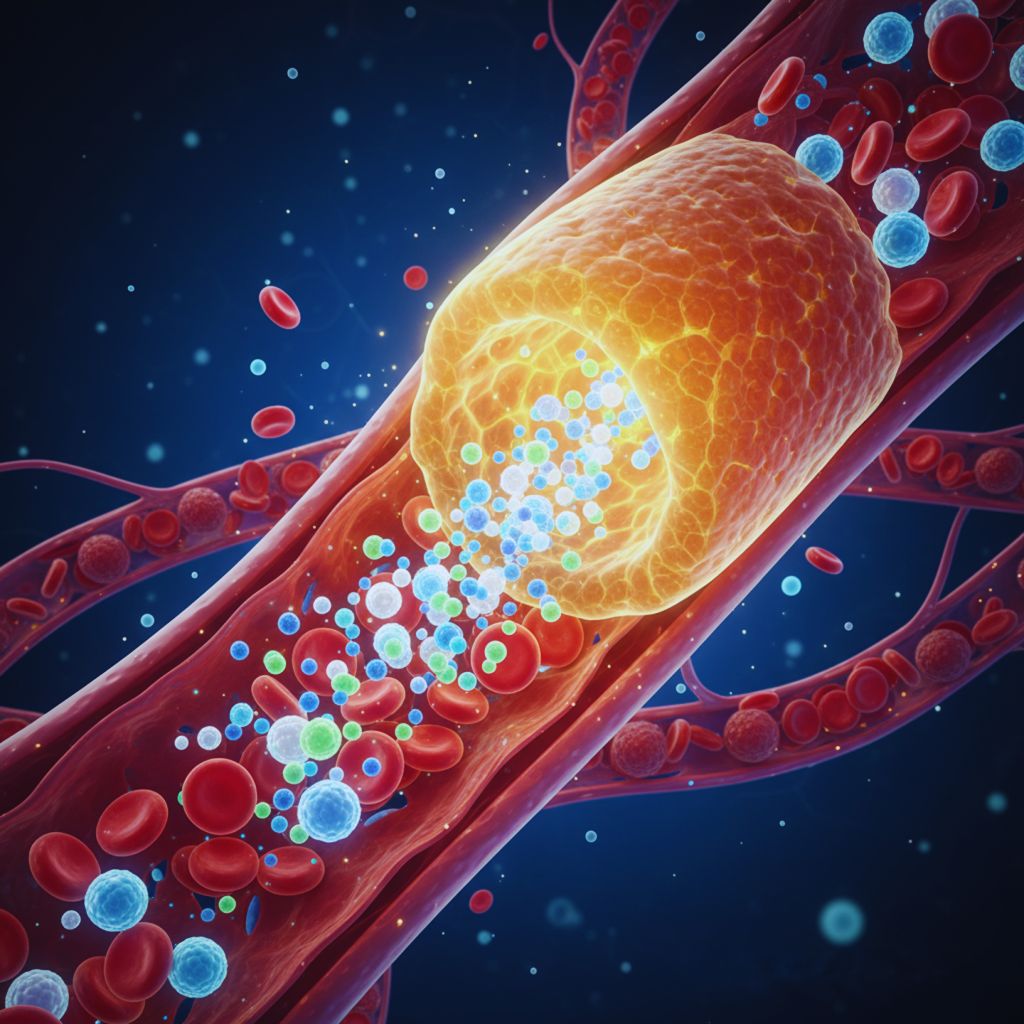
3. Refeeding After 72 Hours Sparks Stem-Cell Regeneration
Let’s be honest — most of us have heard about manifestation a hundred times. We’ve seen the quotes, the affirmations, and maybe even watched a few videos about “attracting abundance.” But how many of us are actually doing it consistently?
For a long time, I wasn’t. I loved the idea of manifestation, but it always felt… vague. I didn’t know how to start or what to write. Then, I discovered a simple 5-minute journaling routine — and it completely changed how I approach my goals, mindset, and energy.
This isn’t another fluffy “think positive” routine. It’s a practical, grounded manifestation method that anyone can do — even if you’re skeptical. All you need is a notebook, five minutes, and a willingness to believe that your thoughts shape your reality.
So, if you’ve ever said “I wish things would finally work out for me,” this is your sign to keep reading. Because this is the exact manifestation journaling practice that’s genuinely transforming my life.
What Is Manifestation (and Why Journaling Works)?
Before diving into the prompts, let’s quickly get real about what manifestation actually means.
Manifestation isn’t magic. It’s mindset. It’s about training your thoughts, emotions, and beliefs to align with what you want — so your actions naturally follow.
In simple terms:
You don’t attract what you want.
You attract what you believe you deserve.
That’s where manifestation journaling comes in. Writing forces you to focus — to turn abstract dreams into clear, specific visions. When you write consistently, you’re not just daydreaming; you’re programming your subconscious mind to see opportunities, act with confidence, and create momentum.
In other words: your journal becomes your roadmap to your reality.
The 5-Minute Manifestation Routine
You don’t need an hour of meditation or fancy notebooks. This 5-minute routine is easy, powerful, and fits into any schedule.
Here’s how it works:
Find a quiet spot (morning or night — whichever feels right).
Take a few deep breaths.
Open your journal.
Spend just five minutes writing using the prompts below.
Reread your words and feel them as if they’re already true.
That’s it. Five minutes. But do it daily — and watch your perspective (and reality) begin to shift.
10 Manifestation Journal Prompts That Are Changing My Life
These are the exact manifestation journal prompts I use every day. They’re simple but incredibly effective at resetting your mindset and calling in what you truly want.
Each one is paired with a reflection so you understand why it works.
1. “Today, I am grateful for…”
Start every day with gratitude — it’s your highest frequency.
Start every entry with gratitude. It’s the fastest way to raise your vibration and attract more good things.
Why it works: Gratitude focuses your energy on abundance, not lack. You instantly shift from “I don’t have enough” to “I already have so much.”
2. “I am becoming the person who…”
You’re not chasing your dreams — you’re becoming them.
This prompt bridges the gap between who you are and who you’re becoming. It reminds you that you’re always evolving.
Why it works: It activates identity-based manifestation. You stop chasing goals and start embodying the version of you who already has them.
3. “My dream life feels like…”
Feel it. See it. Live it.
Write in detail what your ideal life looks and feels like — not just what you want, but how it feels to live it.
Why it works: Emotion is the energy that fuels manifestation. The more real it feels, the faster your subconscious aligns with it.
4. “I am proud of myself for…”
Celebrate every win — big or small.
Acknowledging your progress builds confidence and magnetism. Every small win matters.
Why it works: You train your brain to focus on progress, not perfection — which attracts even more progress.
5. “I release the belief that…”
Release. Renew. Rise.
Manifestation isn’t just about attracting — it’s also about letting go. Identify old beliefs that hold you back (like “I’m not good enough” or “Money is hard to earn”).
Why it works: When you release mental clutter, you create space for new opportunities to flow in.
6. “I attract people and opportunities that…”
You attract what you believe you deserve.
Set the tone for who and what you allow into your life. Be specific — describe the kind of people, energy, and connections you want around you.
Why it works: The universe matches your vibration. When you define your standards clearly, you stop settling for less.
7. “I am thankful for the money, love, and opportunities flowing to me right now.”
Act like it’s already yours — because it is.
Write it as if it’s already happening. This is the essence of manifestation — embodying the energy of “already having.”
Why it works: Present-tense writing tricks your brain into believing your desires are real, and your actions start reflecting that belief.
8. “I trust the timing of my life.”
Patience is powerful. Trust your timing.
Not everything will unfold overnight. This prompt helps you surrender control and develop faith in divine timing.
Why it works: When you stop forcing outcomes, you create space for miracles to happen naturally.
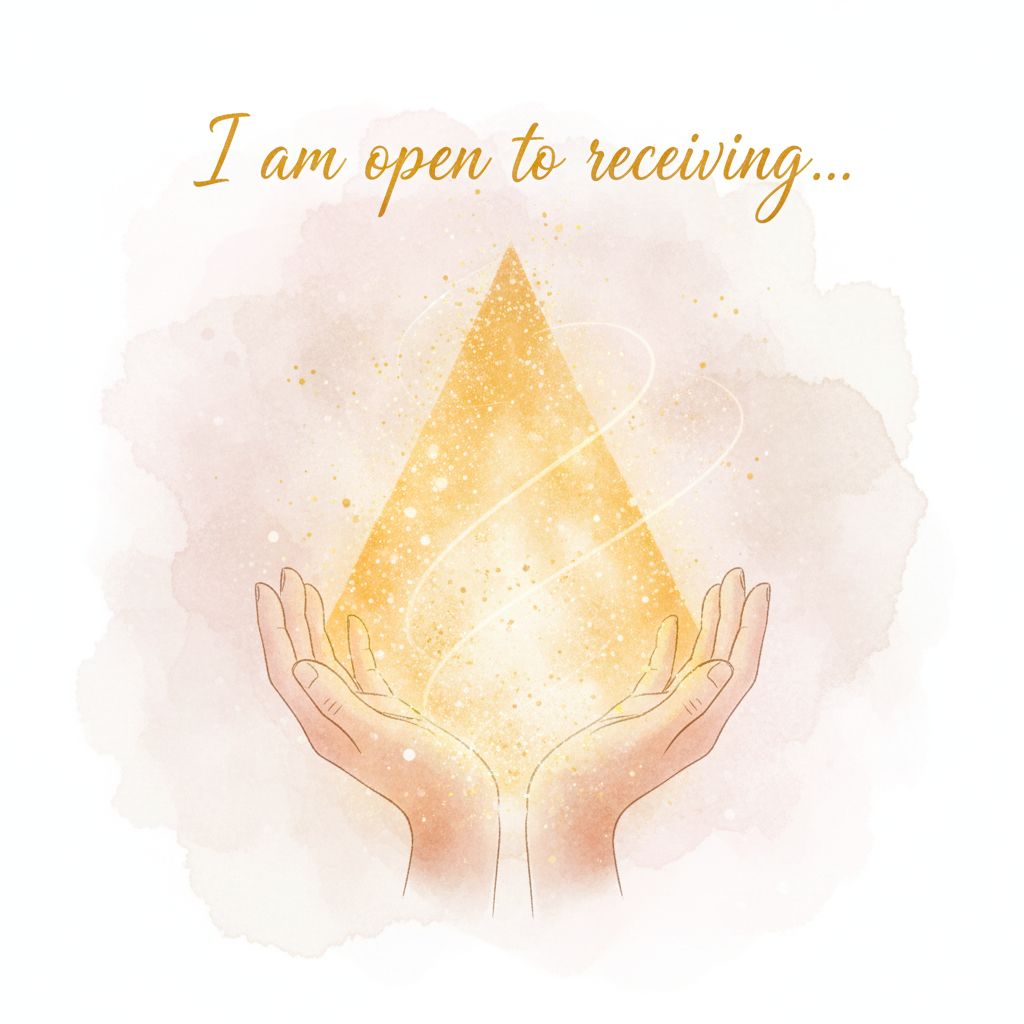
9. “I am open to receiving…”
Open hands, open heart, open energy.
State exactly what you’re ready to receive — love, peace, clarity, financial growth, or healing.
Why it works: Many people block manifestations because they subconsciously believe they don’t deserve it. This prompt opens you up to receiving fully.
10. “I am living proof that…”
You are already becoming your vision.
This one is my favorite. Write as if your dream life has already manifested and you’re reflecting on how it happened.
Why it works: It’s a mental rehearsal that primes your brain for success. You’re not just visualizing — you’re embodying.
How This 5-Minute Routine Changed My Life
When I started this practice, I wasn’t expecting much. But within weeks, I noticed subtle — then powerful — shifts.
Here’s what changed:
Clarity: I stopped overthinking my goals. They felt clear, simple, achievable.
Confidence: I began making decisions from abundance, not fear.
Opportunities: The right people and chances started showing up — almost like magic (but really, it was mindset).
Calm: Journaling became my grounding ritual. Even five minutes of stillness changed my mood for the entire day.
Momentum: Writing daily turned my dreams from “someday” into “I’m working toward it right now.”
And the best part? It doesn’t require perfection. Even if you skip a day or two, every time you return to your journal, you’re reconnecting with your higher self.
Pro Tips for Manifestation Journaling Success
If you want to take your journaling practice to the next level, here are some simple but powerful tips:
Write in the present tense. Instead of “I want,” say “I have.” This reinforces belief.
Feel it deeply. Don’t just write — visualize. Feel what it’s like to live that reality.
Stay consistent. Five minutes daily is more powerful than one hour once a week.
Keep your energy clean. Avoid complaining or writing from frustration. Your journal is sacred space.
Revisit old entries. You’ll be amazed to see how many things you’ve manifested without even realizing it.
Why This Works (The Science Behind It)
Manifestation may sound mystical, but there’s science behind it.
Neuroscience: Writing goals in the present tense activates your reticular activating system (RAS) — a filter in your brain that helps you notice opportunities related to your focus.
Energy: Gratitude and positive visualization shift your vibration, attracting experiences that match your emotional state.
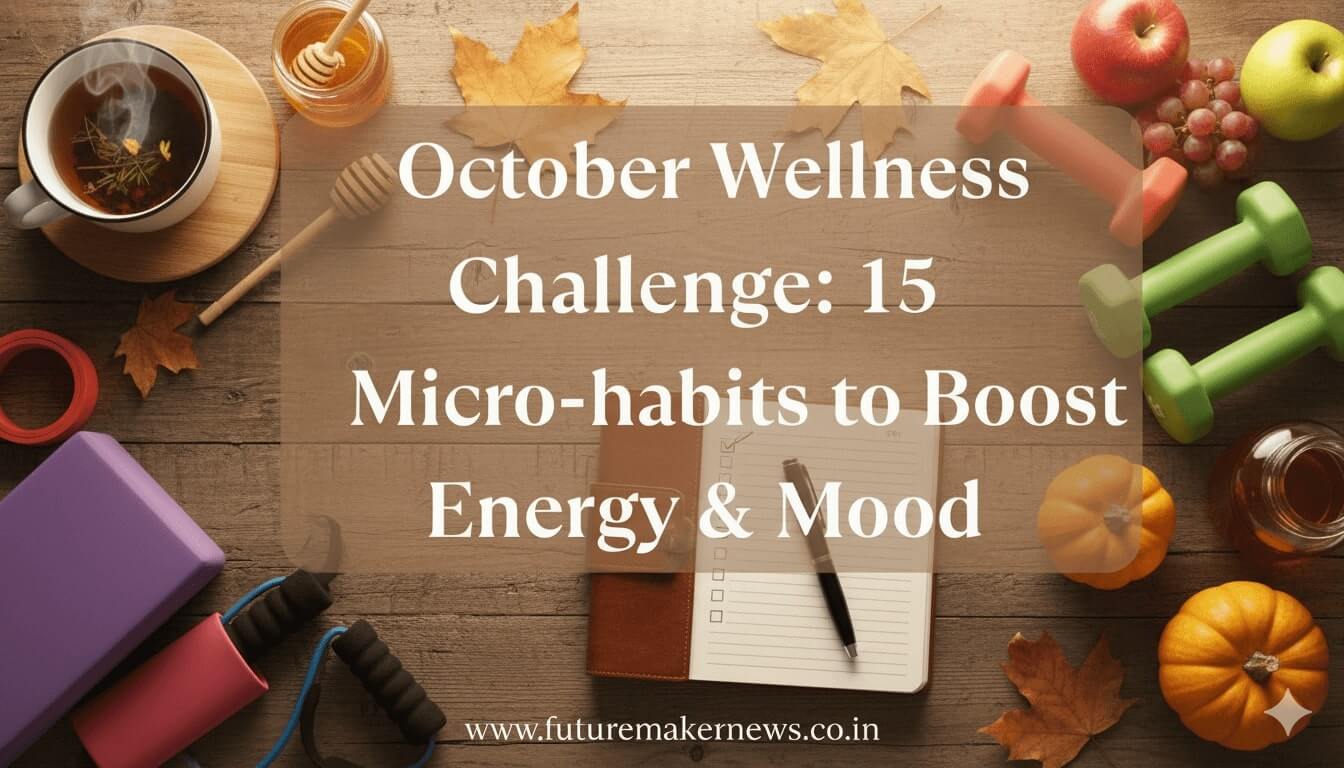
Welcome to the October Wellness Challenge! This month, we’re focusing on small, manageable micro-habits to significantly boost your energy and mood. These 15 micro-habits are designed to integrate seamlessly into your daily routine, requiring minimal time and effort while delivering maximum benefits. Whether you’re combating seasonal fatigue, sharpening mental clarity, or aiming to feel more vibrant, this challenge is for you. Let’s dive into the habits, organized under clear headings to guide you through the process.
Why Micro-Habits Matter
Micro-habits are small, intentional actions that require little willpower but compound over time to create meaningful change. Unlike drastic lifestyle overhauls, micro-habits are sustainable because they’re easy to incorporate into your day. By focusing on small wins, you build momentum, boost confidence, and create a positive feedback loop that enhances both energy and mood. This challenge emphasizes consistency over intensity, making it ideal for busy schedules or those beginning their wellness journey.
Research supports this approach: a 2020 study in the Journal of Behavioral Medicine found that consistent small habits, such as drinking water first thing in the morning, improved overall well-being by 15% over a month. Let’s explore the 15 micro-habits to energize your body and uplift your spirit this October.
Morning Micro-Habits to Start Your Day Right
A bright morning setup with a person stretching beside a window, a glass of water.
Drink a Glass of Water Upon Waking: After hours of sleep, your body is dehydrated. Drinking 8–12 ounces of water first thing in the morning kickstarts your metabolism and boosts alertness. Add a slice of lemon for a burst of vitamin C to enhance your mood.
Practice 2-Minute Deep Breathing: Spend two minutes on diaphragmatic breathing (inhale for 4 seconds, hold for 4, exhale for 6). This calms your nervous system, reduces stress, and increases oxygen flow, leaving you energized.
Make Your Bed: This simple task, taking less than a minute, sets a productive tone for the day. A 2017 National Sleep Foundation survey found that people who make their beds daily report better moods and lower stress levels.
Do a 5-Minute Stretch: Gentle stretches like cat-cow or forward folds improve blood circulation and release tension. This micro-habit boosts physical energy and prepares your mind for the day.
Midday Micro-Habits to Sustain Energy
A vibrant scene of brisk walking in a park
The midday slump is common, especially in October when shorter days can sap motivation. These micro-habits are designed to maintain steady energy and elevate your mood during the busiest parts of your day.
Take a 10-Minute Walk: A brisk walk, even around your office or home, increases your heart rate and releases endorphins. Studies show that just 10 minutes of walking can boost energy levels for up to two hours. If possible, walk outside to absorb natural light, which regulates your circadian rhythm and enhances mood.
Eat a Nutrient-Dense Snack: Instead of sugary snacks, choose a small, balanced option like a handful of nuts or an apple with almond butter. These provide sustained energy without a crash, thanks to their mix of healthy fats, protein, and fiber.
Practice Gratitude Journaling: Take 2 minutes to write down three things you’re grateful for. This habit shifts your focus to the positive, reducing stress and boosting emotional resilience. A 2019 Psychology Today study found that gratitude journaling increased happiness by 10% over six weeks.
Evening Micro-Habits for Relaxation and Recovery
Limit Screen Time 30 Minutes Before Bed: Blue light from screens suppresses melatonin, disrupting sleep. Replace screen time with reading or journaling to wind down and improve sleep quality, which directly impacts next-day energy.
Sip Herbal Tea: A cup of chamomile or peppermint tea in the evening soothes the nervous system and promotes relaxation. These caffeine-free options hydrate and calm, setting the stage for restful sleep.
Do a 1-Minute Body Scan: Lie down and mentally scan your body from head to toe, noting areas of tension. This mindfulness practice reduces stress and helps release physical tightness, improving your mood.
Plan Tomorrow’s Top Task: Write down one priority for the next day. This micro-habit clears mental clutter, reduces anxiety, and fosters a sense of control, contributing to better rest and a positive outlook.
Micro-Habits for Mental Clarity and Emotional Balance
A person meditating in a serene, sunlit room with a journal and a cup of tea nearby, fostering calm and focus.
Your mental state significantly influences your energy and happiness. These micro-habits target cognitive function and emotional well-being, helping you stay sharp and grounded throughout October.
Practice a 3-Minute Meditation: Find a quiet spot and focus on your breath or a simple mantra for three minutes. Meditation reduces cortisol levels, enhances focus, and elevates mood. Apps like Headspace offer guided options for beginners.
Declutter One Small Space: Spend 5 minutes tidying a drawer, desk, or corner of a room. A clutter-free environment reduces mental overwhelm and creates a sense of accomplishment, instantly boosting your mood.
Connect with Someone: Send a quick text or make a 2-minute call to a friend or family member. Social connection releases oxytocin, a feel-good hormone that combats loneliness and enhances emotional energy.
Listen to Uplifting Music: Create a 5-minute playlist of songs that make you happy. Music stimulates dopamine release, instantly lifting your mood and energy. Choose upbeat or calming tracks based on your needs.
Tips for Success in the October Wellness Challenge
Start Small: Don’t feel pressured to do all 15 habits daily. Begin with 5–7 that resonate most, gradually adding more as you build confidence.
Set Reminders: Use your phone or sticky notes to prompt each micro-habit. For example, place a water bottle by your bed to remind you to drink first thing.
Celebrate Progress: At the end of each week, reflect on how you feel. Have you noticed more energy or a better mood? Reward yourself with a small treat, like a favorite snack or a relaxing bath.
Adjust as Needed: Life gets busy, and that’s okay. If a habit doesn’t fit your schedule, swap it for another or shorten the duration. The goal is consistency, not perfection.
Why October Is the Perfect Time for This Challenge
October marks the transition to fall, when shorter days and cooler weather can lead to dips in energy. By adopting these micro-habits, you’ll proactively counter seasonal sluggishness and set yourself up for a vibrant, joyful month. The 31-day challenge provides a clear timeframe to build habits that can carry into the holiday season and beyond.
By the end of the challenge, you’ll likely notice improved energy, sharper focus, and a more positive outlook. These micro-habits aren’t just for October—they’re tools for year-round wellness. Grab a notebook, print the tracking table, and make this October your most energized and uplifting month yet!