Kids are curious little scientists… except their experiments often involve Google, and the results are pure comedy gold. Parents everywhere have shared the funniest Google searches by kids, proving that childhood imagination mixed with internet access is a wild ride. If you’ve ever peeked at your child’s browser history, you know what I’m talking about.

Here are 26 funny search history gems that will make every parent laugh, nod, and maybe double-check their own kid’s search bar tonight.


1. “How to become invisible for school”

Because skipping math class needs magic, not excuses.

2. “Can dogs understand Spanish?”

Multilingual pets are the future.

3. “How old is SpongeBob in real life?”

Some mysteries aren’t meant to be solved.

4. “Do teachers sleep at school?”

Finally, the hard-hitting investigative journalism we need.

5. “Is broccoli poisonous to children only?”

A desperate attempt to dodge veggies.

6. “How to make my little brother disappear (without jail)”

At least they’re considering legal consequences.

7. “Can I sell my sister on Amazon?”

Jeff Bezos probably doesn’t want this business model.

8. “How many chickens would it take to fight a lion?”

Future statistician? Or future chaos agent?

9. “Why do adults drink hot bean water?”

Ah yes, coffee, explained perfectly.

10. “Do fish get thirsty?”

Hydration goals, even underwater.

11. “Can Santa be tracked on Google Maps in July?”

Because patience is overrated.

12. “How to tell if my stuffed animal is alive”

Too many Toy Story marathons.

13. “How to get more Roblox without Mom knowing”

The digital version of hiding candy wrappers.

14. “Can you get a six-pack from eating six packs of Oreos?”

If only fitness worked this way.

15. “How many days until I’m taller than Dad?”

Sorry kid, genetics holds the answer.

16. “Do ghosts pay rent?”

Someone’s been thinking about haunted housing rights.

17. “Is the moon following me home?”

Every car ride mystery, finally addressed.

18. “Can a cat marry a dog?”

Romeo and Juliet, but with fur.

19. “Why do parents like cleaning so much?”

We really don’t, kiddo. We really don’t.

20. “Do babies come from Amazon Prime or Walmart?”

Delivery guaranteed in 2 days?

21. “Can I put my homework in the microwave to finish it faster?”

That’s one way to “burn through assignments.”

22. “If I eat glitter, will I poop rainbows?”

Please don’t try this at home.

23. “How to become a YouTuber without telling my parents”

Step 1: Clear the browser history.

24. “Can sharks smell pee from space?”

NASA is not taking calls on this, sorry.

25. “Why does my mom always know everything?”

It’s called Wi-Fi, sweetheart.

26. “Can I marry pizza?”

Honestly… relatable.


Wrapping It Up

Kids searching weird things on Google is a rite of passage for modern parents. These funny parental moments remind us that childhood is equal parts innocence, curiosity, and chaos.

If you laughed, hit that share button and brighten another parent’s day. And hey—drop your own “funny search history” discoveries in the comments. Who knows, we might just need a part two!



I Refused to Let My Mother-in-Law Control My Parenting—Now My Husband Is Furious

Family drama always feels like something out of a soap opera… until it happens to you. This is my real-life family conflict story about how my marriage got shaken the moment I put my foot down against my controlling mother-in-law.

When “Advice” Turned Into Control

At first, it seemed harmless. My mother-in-law would give me “parenting tips.” She’d comment on how I feed my baby, how I put her to sleep, and even how I talk to her. In the beginning, I brushed it off as harmless advice. After all, she raised her son—my husband—and he turned out fine, right?

But soon, her advice turned into full-blown control tactics. She criticized every choice I made: from breastfeeding vs. bottle, to bedtime routines, even down to the clothes my baby wore. Suddenly, I felt like I wasn’t the mom anymore. I felt like a babysitter following someone else’s rules.


The Breaking Point

The final straw came when she told me—no, demanded—that I stop taking my daughter to daycare because a real mother should stay home. I snapped.

I told her firmly: I’m her mother. I make the decisions. Not you.

Her face turned red, and she stormed out of the room. For the first time, I had drawn a line.


My Husband’s Reaction

That evening, my husband came home furious. His words cut deep: You embarrassed my mother. You disrespected her in our own house!

I stood there in shock. Instead of supporting me, he defended her. My voice shook as I said: No, I stood up for myself. For our daughter. For the kind of parents we want to be. I’m not raising my child under someone else’s rulebook.”


The Fallout

Now the tension is unbearable. My husband barely speaks to me without bringing up his mother. She hasn’t visited since, but she texts him constantly, fueling the fire. Every family dinner feels like walking on eggshells.

This mother-in-law conflict has turned into a marriage struggle I never expected. I keep asking myself—am I the villain here for standing my ground? Or is this the price every mom pays when she refuses to let toxic in-laws dictate her parenting?


Why Stories Like This Matter

These kinds of family drama stories resonate because so many women secretly live them. They remind us of the impossible balance between respecting traditions, managing marriage struggles, and protecting our children.

And if you’ve ever faced something similar, you know one thing for sure: drawing boundaries is hard, but losing yourself as a parent is even harder.

Navigating Childhood Phases: A Parent's Guide

Introduction

Parenting can often feel like a rollercoaster ride filled with unexpected twists and turns. One moment, you may be reveling in your child’s achievements, and the next, you could be grappling with a behavioral phase that leaves you feeling overwhelmed. It’s common to hear the phrase “It’s just a phase,” but what does that really mean? This blog aims to delve deeper into childhood phases and provide practical tips for navigating these often challenging times.

What Are Childhood Phases?

Childhood phases refer to developmental stages that children go through as they grow. These phases can manifest in various ways, from sleep disturbances to social challenges. While these behaviors can be frustrating, understanding that they are often temporary can provide reassurance to parents.

Why Do Children Go Through Phases?

1. Rapid Development

Children are constantly evolving, both mentally and physically. Their brains are developing at an incredible rate, leading to rapid changes in behavior. One moment, your child may refuse to share, and the next, they might become the most generous friend.

2. Life Changes

Changes in a child’s life—such as moving to a new home, starting school, or welcoming a new sibling—can trigger various phases. These changes often lead to temporary regressions in behavior, but they also pave the way for growth and adaptation.

The Importance of Patience

During challenging phases, it’s crucial for parents to remain patient. Instead of panicking about a behavior, understand that it is part of a natural progression. Here are some strategies for dealing with these phases:

1. Stay Calm

When faced with challenging behavior, take a deep breath. Reacting with frustration can escalate the situation. Instead, approach your child with empathy, allowing them to express themselves while you guide them gently.

2. Focus on the Present

Instead of worrying about future phases or how your child will behave as a teenager, concentrate on the current moment. Each phase is an opportunity for learning and growth, both for you and your child.

Strategies for Navigating Phases

1. Provide Structure and Routine

Children thrive on routine. Establishing a consistent schedule can help your child feel secure and reduce anxiety, making it easier for them to navigate different phases.

2. Encourage Open Communication

Create an environment where your child feels safe to express their feelings. Open communication helps children articulate their emotions, making it easier for them to move through phases.

Recognizing the Light at the End of the Tunnel

It’s essential to remember that most challenging phases are temporary. Your child will develop the skills they need over time. As Dr. T. Berry Brazelton noted, periods of disorganization often precede significant accomplishments in a child’s development. Embrace the journey and trust that your child is learning and growing.

Conclusion

Navigating childhood phases can be daunting, but with patience and understanding, parents can turn these challenging times into opportunities for growth. Remember, it’s just a phase, and before you know it, you’ll be on to the next adventure in your child’s journey. Celebrate the small victories and cherish the moments, for they contribute to the beautiful tapestry of your child’s life.

Final Thoughts

Parenting is a journey filled with ups and downs, but by understanding the nature of childhood phases, you can navigate this journey with confidence. Embrace the chaos and enjoy the ride!

The Realities of Celebrity Parenting: A Look at LeAnn Rimes

Introduction: The Glamour and Grit of Celebrity Life

Being a celebrity comes with its own set of challenges, especially for moms like LeAnn Rimes. While we often admire their glamorous lifestyles, there’s a lot more that goes on behind the scenes. This blog will delve into the complexities of celebrity parenting, as illustrated by Rimes’ journey, her social media presence, and the public scrutiny she faces.

The Social Media Soap Opera

In today’s digital age, social media serves as both a platform for connection and a stage for personal drama. LeAnn Rimes has mastered this art, using Twitter to share everything from inspirational messages to intimate moments of her life. However, this very openness can often backfire, transforming her social media accounts into a soap opera for public consumption. The back-and-forth with Brandi Glanville, Rimes’ husband Eddie Cibrian’s ex-wife, has played out in full view, exposing the emotional turmoil that often accompanies blended families.

Navigating Co-Parenting Challenges

Co-parenting can be challenging, especially in the limelight. Rimes’ relationship with Glanville is a prime example of how public personalities struggle with private issues. Their interactions are often filled with tension, and social media seems to magnify these disputes. This leads to questions: How can parents set a positive example for their children amidst conflict? The answer often lies in putting the kids first and managing personal feelings away from the public eye.

The Struggle with Anxiety and Mental Health

Rimes has openly discussed her struggles with anxiety and depression, which many parents can relate to. The pressure of maintaining a perfect image while managing mental health can be overwhelming. Celebrity parents often find themselves under a microscope, making it difficult to address personal issues without public scrutiny. This highlights the importance of mental health awareness, particularly for parents who may feel isolated in their struggles.

Lessons from Celebrity Moms

While the lives of celebrity parents may seem unattainable, there are valuable lessons to learn. LeAnn Rimes shows us that even in the spotlight, it’s essential to prioritize family, mental health, and personal growth. Her journey emphasizes that vulnerability can be a strength, encouraging others to share their experiences and seek help when needed.

Conclusion: Embracing the Chaos

Celebrity parenting isn’t just about glitz and glamour; it’s filled with challenges, heartache, and moments of joy. LeAnn Rimes embodies the complexities of this world, reminding us that every family, celebrity or not, has its struggles. By sharing her experiences, she not only humanizes the celebrity persona but also inspires others to navigate their own parenting journeys with authenticity and grace.

Final Thoughts

In a world that often idealizes celebrity life, it’s essential to remember that behind every glamorous facade is a human being facing their challenges. LeAnn Rimes’ story serves as a reminder to appreciate the messy, beautiful reality of parenting, no matter who you are.

Embracing Chinese New Year in a Mixed Cultural Environment

Chinese New Year is a vibrant celebration that brings families together, rich with traditions and customs. However, for those living in multicultural societies, it can be challenging to observe this important holiday when few people around them share the same enthusiasm. Here, we explore ways to honor and celebrate Chinese New Year, ensuring that your family feels connected to their heritage, regardless of their surroundings.

The Significance of Chinese New Year

Chinese New Year, also known as Lunar New Year, marks the beginning of a new year in the lunar calendar. This festival is celebrated not just in China, but also in various countries across Asia, including Vietnam, Korea, and Singapore. The holiday is steeped in rich traditions, from family reunions to feasting on special foods, and symbolizes renewal, prosperity, and family bonds.

Understanding the Cultural Context

In a society where Western holidays dominate the calendar, it is easy for Chinese New Year to become overlooked. However, understanding the cultural significance of this holiday can empower families to create their own celebrations. Just as many families celebrate Thanksgiving or Christmas, families can carve out their unique traditions around the Lunar New Year.

Creating a Family Celebration

1. Set the Scene with Decorations: Transform your home with traditional decorations. Red lanterns, paper cuttings, and couplets with auspicious phrases can add a festive flair. Involve your kids in the decorating process, teaching them the meanings behind each decoration and its significance in bringing good luck.

2. Culinary Traditions: Food is a central element of Chinese New Year celebrations. Introduce your family to traditional dishes such as dumplings, spring rolls, and fish, each symbolizing prosperity and good fortune. Consider making these dishes together as a family, turning cooking into a bonding experience.

3. Engaging with Stories: Reading stories about the Lunar New Year can be a fantastic way to educate children about its traditions. Look for children’s books that narrate tales of the zodiac animals, the importance of family, and the legend of the monster Nian. These stories can spark your child’s imagination and curiosity about their heritage.

4. Create Your Own Traditions: If your children’s friends are curious, invite them to join your celebrations. Share red envelopes filled with small gifts or treats, introducing them to the custom of giving “lucky money.” This gesture not only spreads joy but also fosters cultural appreciation among peers.

Connecting with the Community

If your immediate community lacks Asian representation, seek out local cultural centers or community groups that celebrate the Lunar New Year. Many cities host parades, festivals, or workshops where families can immerse themselves in the cultural festivities. Even participating in online events can provide a sense of connection to larger celebrations happening elsewhere.

Navigating Mixed Cultures

It’s important to acknowledge that living in a multicultural society means balancing different traditions. Encourage your children to appreciate their unique heritage while respecting others. Celebrate both Chinese New Year and the local customs by participating in various festivities throughout the year, cultivating an understanding of cultural diversity.

Conclusion: Celebrate with Pride

Embracing Chinese New Year, even in a mixed cultural environment, is not just about maintaining traditions; it’s about fostering a sense of identity and belonging in your family. By incorporating meaningful customs, engaging with stories, and building connections with others, you can create a rich and vibrant celebration that honors your heritage. Celebrate proudly, and teach your children that every culture has its unique story worth sharing.

Making the Most of Parent-Teacher Conferences: Key Questions to Ask

Introduction

Parent-teacher conferences are essential opportunities for parents to gain insights into their child’s academic and social development. Knowing the right questions to ask can help parents and teachers work together to support the child.

1. Understanding Academic Performance

Begin by asking about your child’s academic progress. Focus on strengths and areas where improvement is needed. Ask specific questions, such as “How does my child handle assignments and tests?”

2. Behavior and Classroom Interaction

Inquire about your child’s behavior in class. Does your child follow instructions, stay focused, and interact well with peers? Understanding their behavior helps you support their social development at home.

3. Disciplinary Methods

Every teacher has a different discipline style. It’s important to know how the teacher handles discipline, especially if their methods differ from what you use at home. This can help create a consistent approach to addressing any behavior issues.

4. Homework and Study Habits

Ask about the amount and type of homework given. If your child struggles with it, this is an opportunity to develop a plan that balances school and home life while meeting educational needs.

5. How You Can Help at Home

Collaborate with the teacher on how you can support learning at home. This could include reinforcing lessons, helping with social skills, or organizing homework routines.

Conclusion

A successful parent-teacher conference is all about partnership. By asking the right questions and collaborating with your child’s teacher, you can ensure your child gets the support they need for both academic and personal growth.

Essential Domestic Skills Every College Student Should Know

Introduction

Transitioning to college is a huge milestone, but it’s important that students have the skills to manage their own lives. From doing laundry to budgeting, these domestic duties are essential for every college student to thrive.

1. Laundry: A Basic Yet Vital Skill

Doing laundry may seem simple, but for many first-time college students, it can be overwhelming. Teach them how to sort clothes, treat stains, and understand fabric care instructions. Mastering this skill will help them save money and keep their wardrobe intact.

2. Budgeting for College Life

Whether it’s managing a student allowance or part-time job income, budgeting is crucial. Help them learn how to track expenses and prioritize spending on essentials like groceries, books, and transportation. Create a simple spreadsheet together to get started.

3. Meal Planning and Cooking

Even with a campus meal plan, there will be times when students need to prepare their own meals. Knowing how to cook simple dishes and plan meals for the week helps them avoid unhealthy food options and save money. Encourage them to practice making family recipes before heading to school.

4. Keeping a Clean Space

From shared dorms to personal apartments, maintaining cleanliness is key. College students should know how to clean their living space, including vacuuming, dusting, and organizing their belongings. This not only makes the environment healthier but also helps with concentration and reduces stress.

5. Basic Tool Skills

Knowing how to use simple tools like a screwdriver or hammer can be surprisingly handy in college. Whether it’s assembling furniture or fixing small issues in the dorm, these skills will help them solve problems quickly and independently.

6. Time Management and Organizational Skills

Life at college is hectic, and students need to know how to manage their time and stay organized. From setting up a calendar for assignments to organizing their personal space, these skills will ensure they stay on top of their responsibilities.

Conclusion

College is a time for growth, but to make that transition smoother, it’s crucial to equip students with essential domestic skills. Teaching them how to handle laundry, budgeting, meal prep, and more will build their confidence and help them succeed both academically and personally.

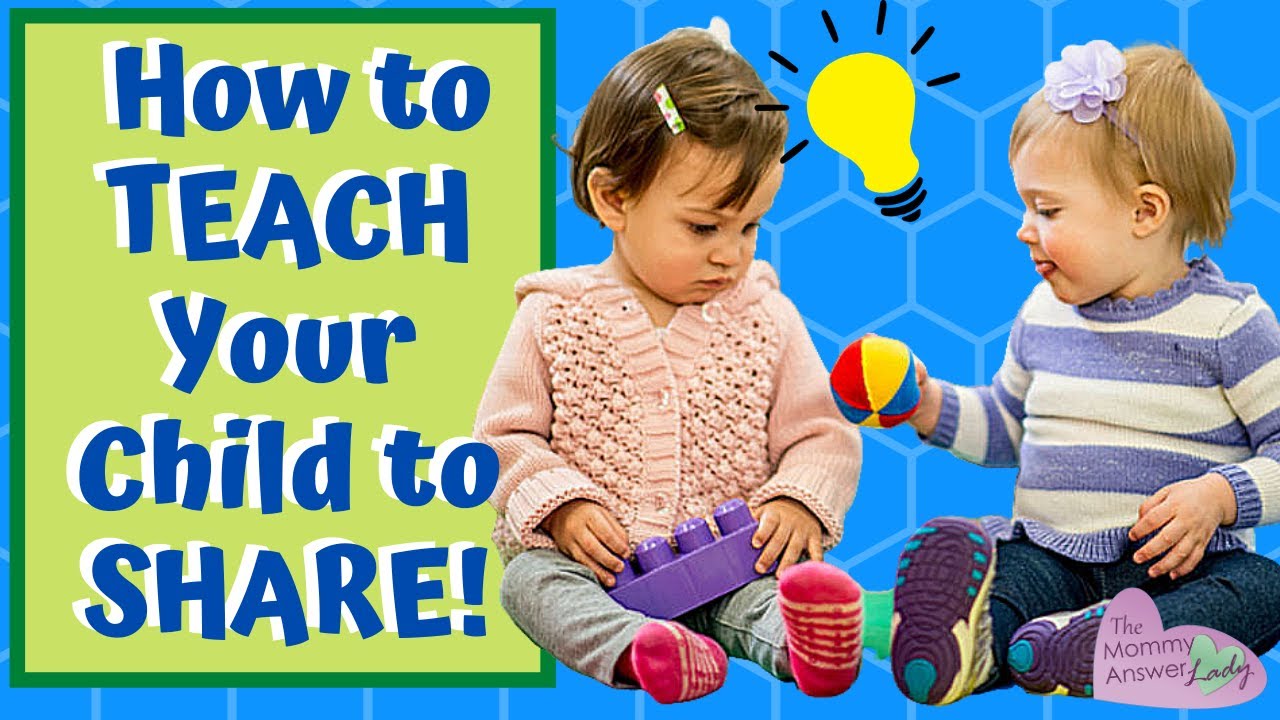
Teaching Your Child to Share: A Guide for Parents

Introduction

Sharing is an essential skill that helps children develop empathy, cooperation, and social connections. While not all children naturally enjoy sharing, there are ways to gently guide them towards this valuable behavior.

1. Start with Empathy

Teaching your child to empathize with others is key. When children understand how others feel, they become more likely to share. Encourage them to think about how others feel when they don’t share, helping them build emotional connections.

2. Model Sharing

Children learn by watching their parents. Make a point to share in front of your child — whether it’s sharing food, toys, or time. Narrate your actions by saying, “I’m sharing this with you because I care.” This sets an example for them to follow.

3. Praise Sharing Moments

Positive reinforcement goes a long way. Whenever your child shares, acknowledge their action with praise. Say something like, “I’m so proud of you for sharing your toy!” This encourages them to repeat the behavior and makes sharing a rewarding experience.

4. Use Storytelling

Books and stories are excellent tools for teaching sharing. Choose stories where characters learn the value of sharing. After reading, ask your child how they felt about the characters’ actions and how sharing made a positive difference.

5. Create Sharing Opportunities

Set up environments where your child is encouraged to share. Playdates, group activities, and family gatherings are perfect opportunities to practice. Keep their favorite toys in mind, but offer chances where sharing feels natural.

6. Turn Sharing into a Game

Make sharing fun by integrating it into games. For example, take turns during a board game or work on a collaborative project where everyone contributes something. Making it playful reduces resistance and helps them see the joy in giving.

7. Be Patient and Consistent

Teaching your child to share isn’t an overnight process. It requires patience and consistency. Celebrate small successes and don’t get discouraged by setbacks. With time, they’ll understand the importance of sharing as a part of life.

Conclusion

Teaching your child to share builds a foundation for empathy, patience, and cooperation. By modeling good behavior, offering praise, and creating opportunities, you help your child develop this essential skill that will benefit them throughout life.

How to Let Your College Kid Go: A Parent's Guide to Emotional Independence

Introduction

When your child heads off to college, it’s a bittersweet moment filled with excitement and uncertainty. Letting go isn’t just about waving goodbye — it’s about trusting them to navigate life’s challenges independently. But how do you strike the balance between support and independence?

1. Trust in Their Abilities

By the time they leave for college, your child has gained skills to manage life. Trusting their decisions is essential, even if they make mistakes. Learning from failures builds resilience, a vital life skill.

2. Encourage Independence

One of the biggest steps in letting go is giving your child the space to make their own choices, from managing time to handling finances. While it’s hard to watch them stumble, these experiences teach them invaluable lessons about responsibility.

3. Establish Open Communication

Stay connected, but avoid hovering. Set a weekly check-in schedule to maintain communication without overwhelming them. Allow flexibility as they navigate college life and respect their new-found routines.

4. Foster Emotional Support Without Dependency

It’s natural to miss your child, but don’t place emotional pressure on them. Instead, provide gentle words of encouragement and support. Let them know you’re there if needed, but not as a safety net for every issue.

5. Prepare for Setbacks

College life comes with its ups and downs, from homesickness to academic struggles. Help your child develop coping mechanisms rather than rushing to fix their problems. Encourage them to access resources like campus counseling or academic support.

6. Celebrate Their Growth

Recognize and celebrate their growth and achievements, no matter how small. This positive reinforcement boosts their confidence and strengthens their ability to handle challenges.

Conclusion

Letting your child go to college is about trusting them to thrive while still being their source of support. By fostering independence, balancing communication, and giving them room to grow, you’ll help them successfully transition into adulthood while navigating your own emotional journey.

Preparing Your Child for Her First Sleepover: A Comprehensive Guide for Parents

Sleepovers mark a significant milestone in your child’s life. They are filled with excitement, laughter, and a touch of anxiety. As a parent, it’s essential to prepare your child for this experience to ensure it is enjoyable and memorable. Here’s a guide to help you navigate the process.

Understanding Your Child’s Readiness

Not every child is ready for their first sleepover at the same age. It’s crucial to gauge your child’s emotional maturity and comfort level. Talk to your child about their feelings. Do they express excitement, or do they seem anxious about being away from home? Deb Castaldo, a child and family therapist, emphasizes that there is no “right” age for a sleepover. Trust your instincts about when your child is ready.

Setting Up a Trial Run

If your child hasn’t spent much time at the host’s house, consider organizing a trial run. This could be a short visit to the friend’s house during the day. Familiarizing your child with the environment will help reduce any fears of the unknown. It also allows them to meet the family members they’ll be spending the night with.

Discussing Expectations

Have an open conversation about what your child can expect during the sleepover. Will there be games, snacks, or movies? Understanding the planned activities will help your child feel more comfortable. Also, discuss sleeping arrangements. If your child is used to sleeping in their own bed, let them know they may have to adapt to a new environment.

Starting Small

If you sense that your child may feel anxious about being away for long, consider starting with a shorter sleepover. A later start time and an early morning pick-up can make the experience feel less overwhelming. This way, your child can gradually adjust to spending the night away from home.

Establishing a Safety Net

Let your child know that it’s perfectly acceptable to reach out to you if they start feeling scared or uncomfortable during the night. Discuss how they can contact you, and reassure them that you’re just a phone call away. This open line of communication can significantly ease their worries.

Encouraging Communication with Adults

Advise your child to speak to the host parent if they feel anxious or if any issues arise. The host parents can provide comfort and guidance, making it easier for your child to cope with any fears or conflicts that may come up during the sleepover.

Packing Comfort Items

Packing a few familiar items can help your child feel connected to home. Suggest that they bring along a favorite toy, a cozy blanket, or pajamas that they love. These comforting items can provide a sense of security in an unfamiliar environment. You could also give them a small trinket to remind them of home.

Collaborating with Other Parents

Maintain open communication with the other parent organizing the sleepover. Inform them that it’s your child’s first time, so they can be prepared and supportive. This transparency can help create a comfortable environment for both children and parents.

Focusing on Fun

Ultimately, sleepovers are about having fun! Encourage your child to make the most of the experience by participating in games and activities. Suggest they take pictures or keep a small diary to document their experiences. Looking back on these memories can bring smiles for years to come.

Conclusion: Embracing the Experience

Your child’s first sleepover can be a wonderful rite of passage, filled with opportunities for growth, bonding, and cherished memories. By preparing them thoughtfully, you can help ease their fears and ensure they have a fantastic experience. Remember, every child is different, and it’s important to respect their feelings and readiness levels.