
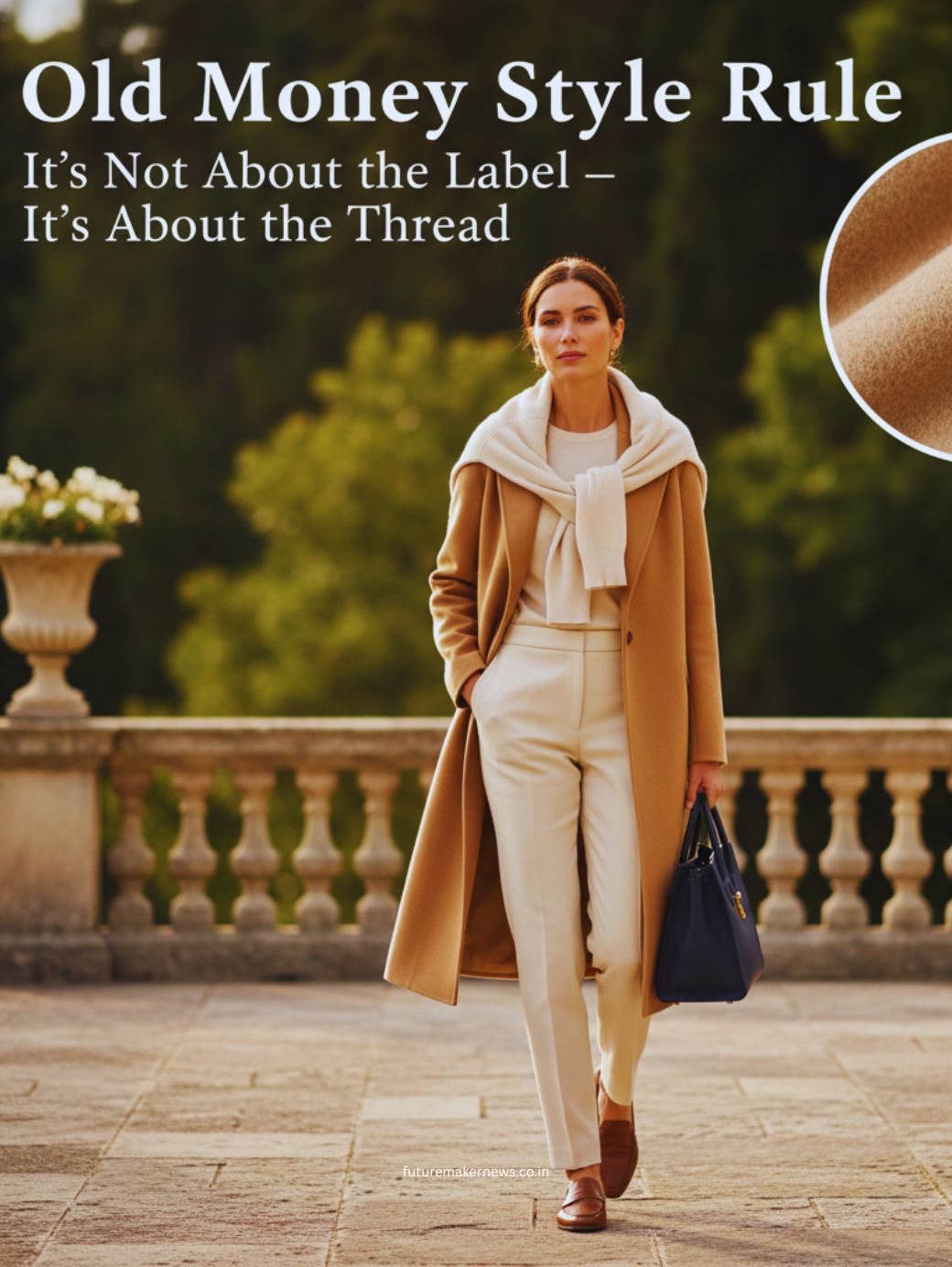
The “Old Money” aesthetic has taken the digital world by storm in 2026. You’ve seen the images: neutral linen sets on the Amalfi Coast, structured navy blazers in London, and cashmere sweaters draped over shoulders in the Hamptons. But most people chasing this look make a fatal mistake—they focus on the brand name rather than the structural integrity of the garment.
The true old money style rule that rarely gets mentioned is the tactile hierarchy. In elite circles, wealth isn’t seen; it is felt. It is a language of fabric quality and bespoke tailoring that whispers while “new money” trends shout. If you want to master this look, you have to stop shopping for “vibes” and start shopping for fibers.
1. The Fabric Manifesto: Natural Over Synthetic
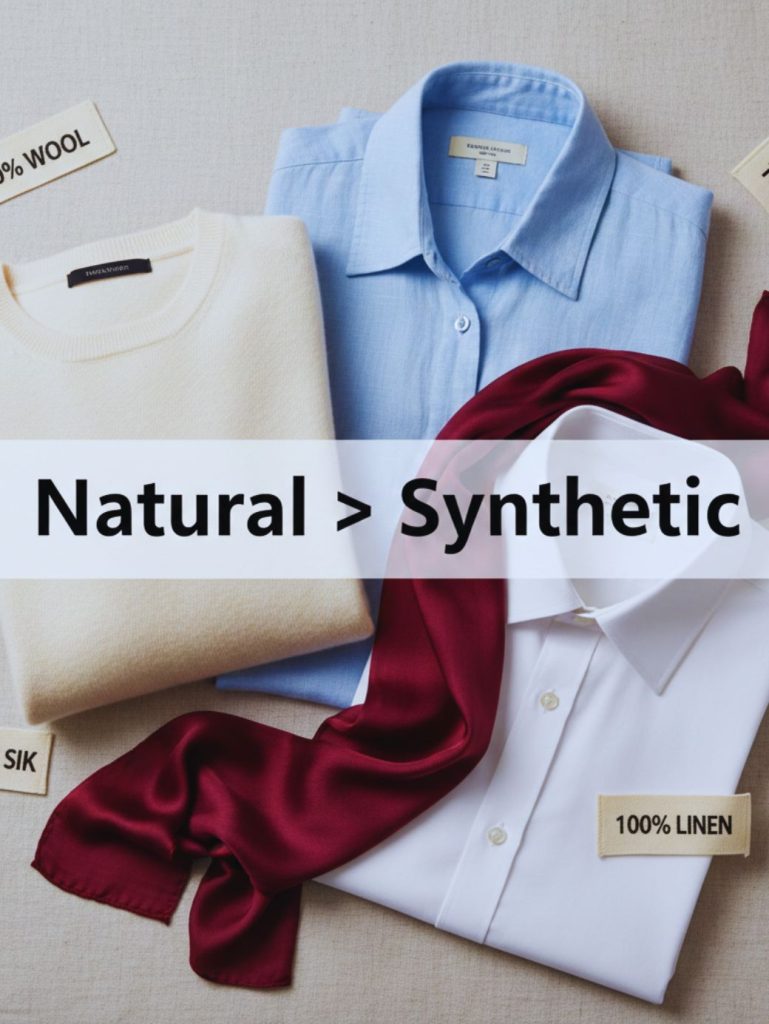
The most important rule of the old money aesthetic is a total rejection of polyester, nylon, and acrylic. Synthetic fabrics have a “shiny” finish and a static-prone drape that instantly cheapens an outfit, regardless of the price tag.
- Cashmere & Wool: These are the twin pillars of a high-end winter wardrobe. Look for “two-ply” cashmere, which offers a denser, more luxurious weight that resists pilling.
- Linen: The aristocrat’s summer fabric. Many avoid it because it wrinkles, but in old money circles, a few natural creases are seen as a sign of authenticity—it shows you are wearing real, breathable fibers.
- Silk: Use silk for blouses and scarves. It has a natural luster that catches the light without looking “glittery.”
- Egyptian Cotton: For shirting, the thread count and the staple length of the cotton determine the “crispness.” A high-quality cotton shirt will hold its collar shape all day.
When you prioritize natural fibers, your clothes age “with character” rather than wearing out. They breathe, they drape, and they feel significantly more high-end against the skin.
2. The Tailoring Importance: The “One-Inch” Rule
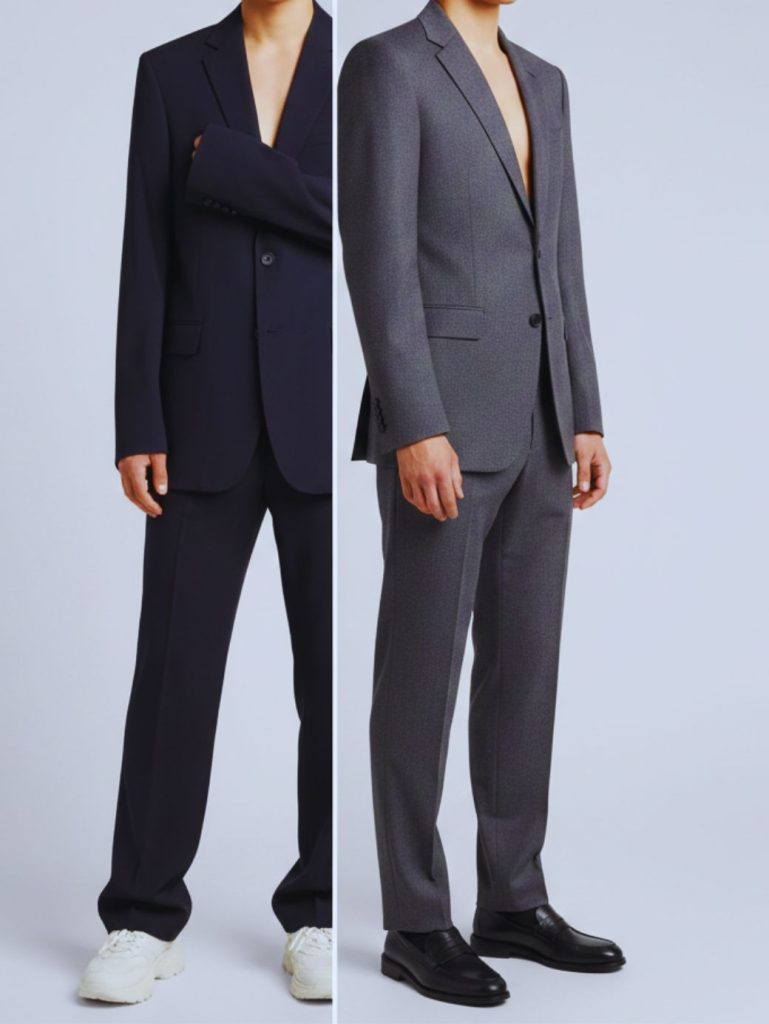
You could buy a $5,000 suit off the rack, but if the sleeves are half an inch too long, it will look like a rental. The silent rule of the wealthy is that nothing fits perfectly until it’s been altered.
- Shoulder Alignment: The seam of your blazer or shirt should sit exactly where your arm meets your shoulder. If it droops, the silhouette balance is ruined.
- The Trouser Break: Old money style favors a “slight break” or “no break.” Your trousers should graze the top of your shoes, creating a clean, vertical line that elongates the leg.
- The Waist Taper: Even a “relaxed” shirt should have a slight taper. A tailor can add “darts” to the back of a shirt to remove excess fabric, making a $30 thrifted find look like a bespoke masterpiece.
Tailoring tips aren’t just for formal wear. Tailoring your casual chinos or even your heavy wool overcoat is the difference between looking like you’re wearing a costume and looking like you own the room.
3. Silhouette Balance and “Sprezzatura”
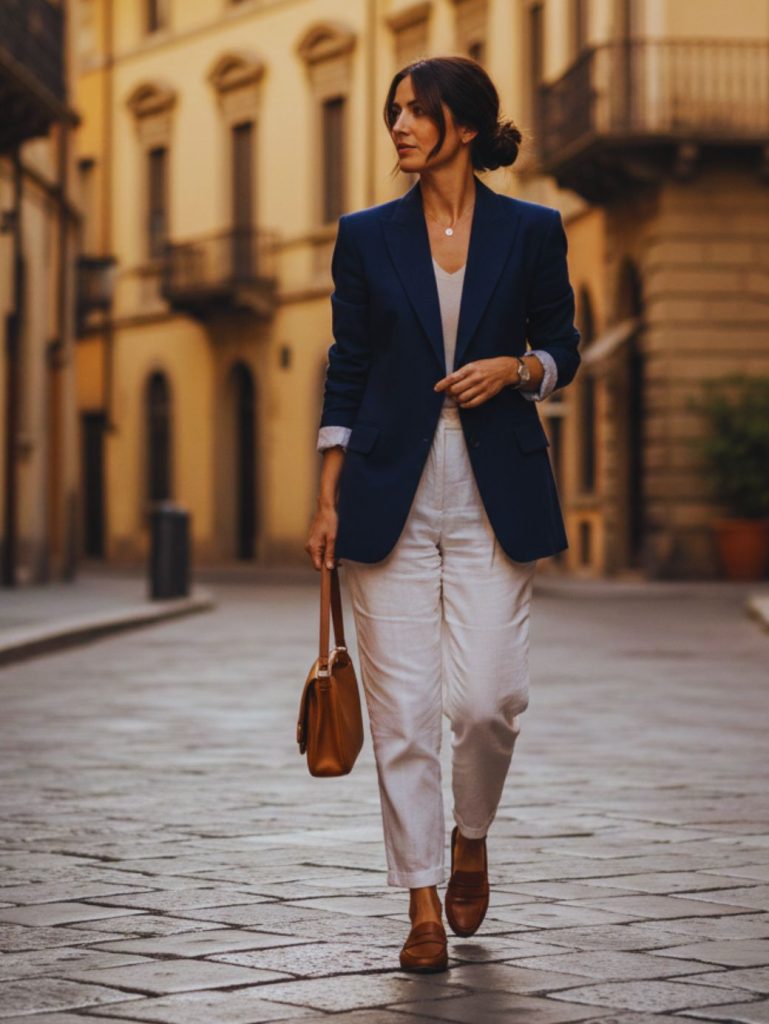
The Italians have a word for the old money way of dressing: Sprezzatura. it means “a certain nonchalance, so as to conceal all art and make whatever one does or says appear to be without effort.”
- Intentional Mismatching: Don’t be too “perfect.” A perfectly tailored blazer paired with slightly “rumpled” linen trousers creates a balanced, lived-in luxury.
- The Rule of Proportions: If your coat is heavy and structured, keep your base layers light. This maintains a sophisticated silhouette that doesn’t overwhelm your frame.
- Color Conversations: In this aesthetic, colors don’t “match”—they “converse.” Pair neutral tones like oatmeal and camel with “accent” colors like forest green or burgundy. These colors naturally complement each other without looking like a uniform.
4. Hardware and Hidden Details
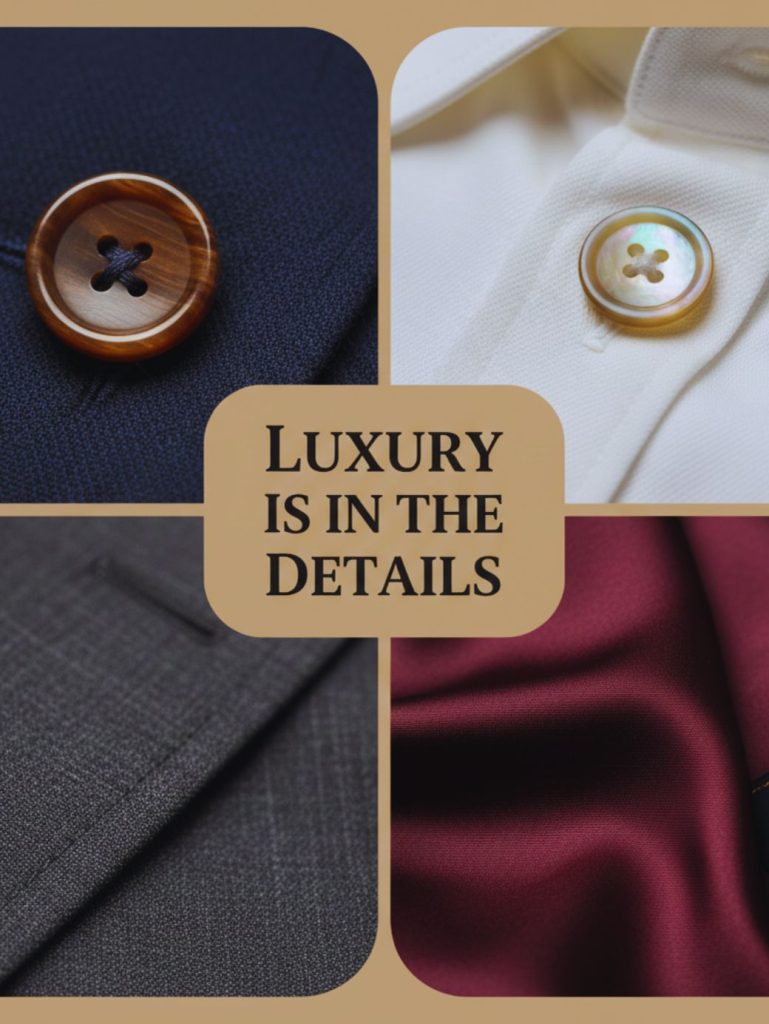
The “trick” nobody mentions is that the wealth is in the details that 99% of people miss. This is what creates understated luxury.
- Buttons: Fast-fashion brands use plastic buttons. Old money pieces use horn, mother-of-pearl, or brass. Swapping the buttons on a cheap blazer is the fastest fashion hack to triple its perceived value.
- Stitching: Look for “pick-stitching” on lapels—a small, hand-done looking stitch that signals a garment was crafted with care rather than mass-produced.
- Lining: A truly expensive coat is fully lined in Bemberg or silk, not cheap polyester that makes a “swish” sound when you move.
5. The “Cost Per Wear” Investment Mindset
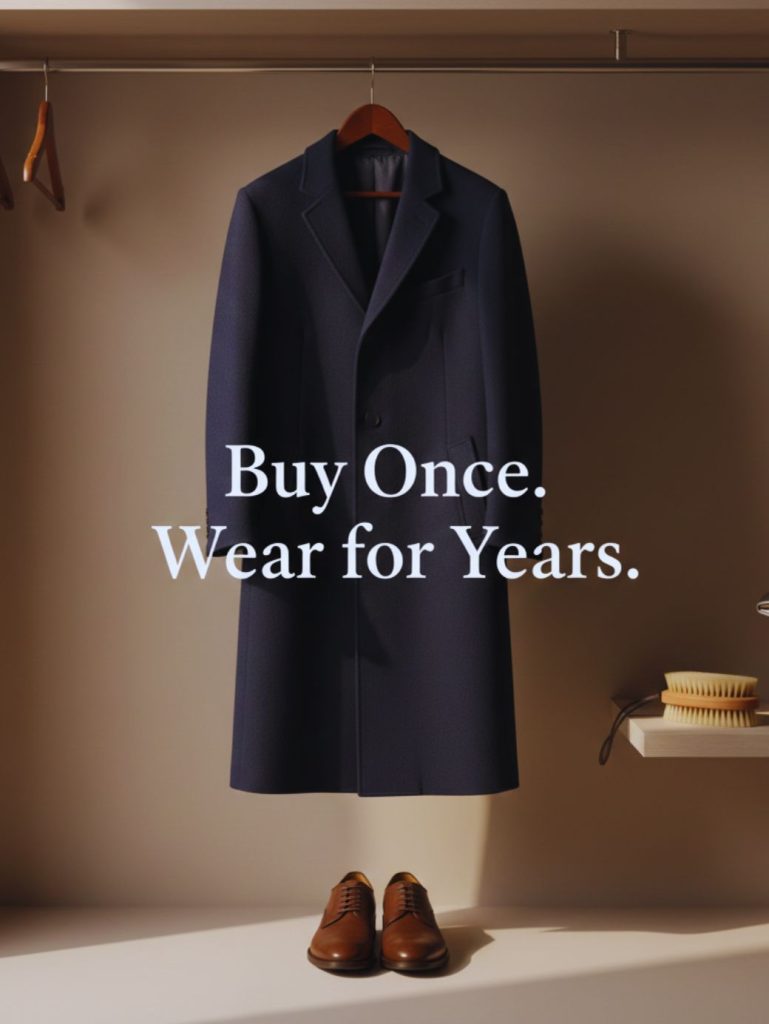
Old money style is fundamentally sustainable because it prioritizes investment over impulse. Instead of buying five trendy jackets that will fall apart in a year, you buy one timeless wool coat that you will wear for a decade.
- Durability: Natural fibers like tweed and heavy cotton improve with age. They mold to your body, becoming more comfortable the more you wear them.
- Heritage Patterns: Stick to pinstripes, herringbone, and houndstooth. These patterns have been in style for 100 years and will be in style for 100 more.
- Maintenance: Part of the style is the care. Polished shoes, brushed wool, and steamed linens are the “invisible” accessories that complete the sophisticated look.
Conclusion: Wealth is Quiet, Style is Consistent
The old money style rule nobody mentions is that you cannot “buy” the aesthetic—you have to curate it. It is a commitment to quality over quantity and a deep respect for craftsmanship.
By focusing on fabric quality, mastering tailoring, and sticking to a neutral palette, you aren’t just following a trend. You are adopting a way of dressing that transcends time. In a world of fast fashion and fleeting “cores,” the person in the perfectly fitted, high-quality wool sweater will always be the best-dressed person in the room.