
“Aesthetic blog banner featuring a glowing golden moon with book illustrations and stars, text overlay reads ‘7 DIY Journaling Prompts for Mental Clarity’.”

There’s something about pen and paper that clears the noise in your head. When your mind feels foggy, journaling works like a reset button—helping you release emotions, sort through stress, and create space for fresh ideas.

The truth is, you don’t need a perfect notebook or fancy system. What you need are the right DIY journaling prompts for mental clarity—simple yet powerful questions that guide your thoughts toward healing and focus.

Here are 7 journaling prompts you can try at home to create calm and clarity.


# 1. Write Down What’s Taking Up Space in Your Mind

Pink flowers on a white racket placed on the ground with scattered petals.
A calming symbol of mindfulness—small details reminding us to slow down.

This is a “mental dump.” List everything circling in your thoughts—unfinished tasks, worries, random reminders. Seeing them on paper immediately lightens your mental load.


#2. Describe How You’re Feeling in This Exact Moment

Empty coffee cup with quote “bad days are part of a good life.”
Journaling inspiration: even difficult days belong to a bigger, brighter life.

Self-care journaling starts with awareness. Label your emotions, no matter how messy they feel. Even a line like “I feel restless because…” begins untangling what’s inside.


#3. What’s One Thing I Can Control Today?

: Close-up of a fresh lemon slice glowing under light.
A refreshing visual reminder that clarity often comes in small, simple things.

When anxiety builds, clarity comes from narrowing focus. Write down one single thing you can influence today. It may be as small as preparing a meal or stepping outside for fresh air.


#4. Gratitude in Three Lines
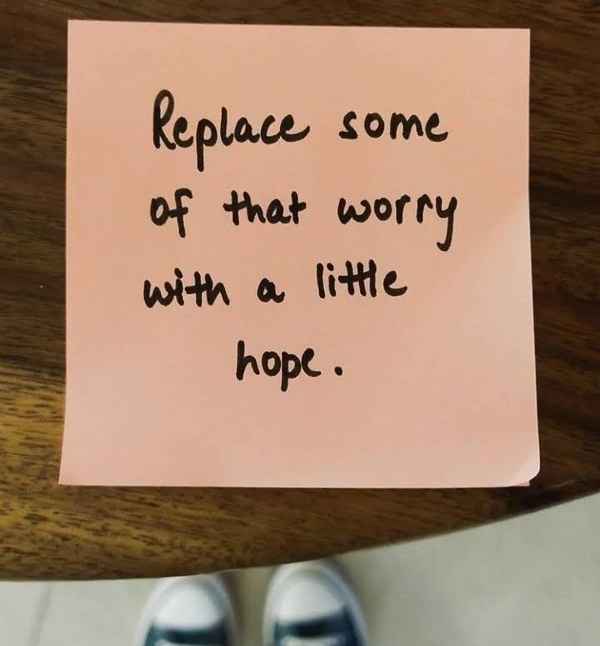
Alt: Sticky note with handwritten words: “Replace some of that worry with a little hope.”
Healing words worth journaling when the mind feels heavy.

Journaling for clarity doesn’t need to be long. Write three short sentences of gratitude daily. Over time, this tiny ritual reshapes how your mind scans for positivity.


#5. Rewrite a Negative Thought Into a Kinder One

Open journal with candlelight and books in a cozy setup.
Late-night journaling with candles—turning thoughts into calm.

We all carry harsh self-talk. Pick one negative thought, write it down, and reframe it as if you were speaking to a friend. This practice softens inner criticism and supports emotional healing.


#6. What Do I Need to Let Go of Right Now?

Open journal with rose petals and a cup of tea on a bed.
Journaling practice paired with tea—rituals that heal the heart.

Clarity often comes from release. It could be an expectation, guilt from yesterday, or pressure to be perfect. Naming it in your journal is the first step toward letting go.


#7. Visualize Your Tomorrow Morning
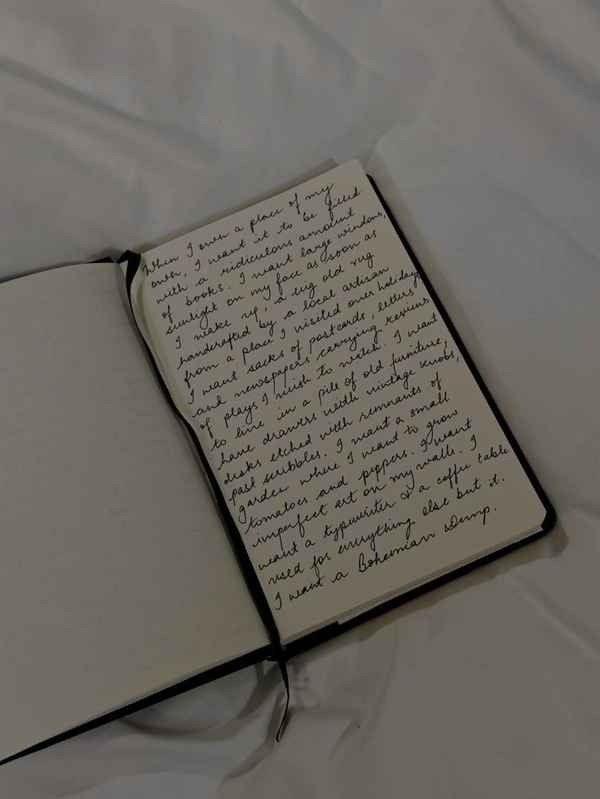
Journal with long handwritten notes lying on a white sheet.
A page of reflection—writing to bring mental clarity and peace.

End your session with a forward-looking prompt: “How do I want to feel tomorrow morning?” Write in detail yet calm, energized, or steady. This directs your mind to create a softer landing for the next day.

Reflection

Daily journaling practices for mental clarity don’t need more than 10 minutes. Over time, these prompts become a personal toolkit , helping you reduce stress, release clutter, and reconnect with yourself.

If you’ve been searching for a healing yet practical self-care habit, try picking one prompt tonight. Journaling doesn’t just record your life , it clears the mental space you need to truly live it.

How to Journal for Mental Clarity & Emotional Healing

In a noisy world full of overthinking, unspoken emotions, and daily chaos, journaling is a gentle tool that helps you come back to yourself. It’s not just writing—it’s healing. Whether you’re feeling anxious, overwhelmed, heartbroken, or simply unfocused, putting your thoughts on paper creates space for clarity and emotional release.

Let’s break down how to journal in a way that genuinely helps you feel lighter, clearer, and emotionally more balanced.

1. Start with a Daily Mental Dump

Every morning or night, take 5–10 minutes to write down everything that’s on your mind—without editing or judging.
Why it works:

  • Clears out mental clutter
  • Identifies hidden worries
  • Prepares your mind for focus or rest

Prompt:

“Right now, I’m thinking about…” or “I can’t stop worrying about…”

2. Use Prompts to Explore Deeper Emotions

When you’re feeling stuck or confused, use emotional prompts to understand what you’re truly feeling and why.

Why it works:

  • Uncovers suppressed feelings
  • Builds self-awareness
  • Helps process difficult emotions

Try prompts like:

“What emotion am I avoiding right now and why?”
“What hurt me recently that I haven’t addressed?”

3. Practice Gratitude Journaling

Focusing on the good doesn’t mean ignoring pain—it’s about balancing your emotional lens.

Why it works:

  • Boosts mood and optimism
  • Reduces anxiety and rumination
  • Grounds you in the present

How to do it:

List 3 things you’re grateful for each day—big or small. Write why they matter.

4. Write Letters You’ll Never Send

If someone hurt you, disappointed you, or if you need closure—write them a letter (but don’t send it). This is about release, not revenge.
Why it works:

  • Processes emotional pain safely
  • Provides a sense of closure
  • Prevents emotional bottling

Prompt:

“Dear [Name], here’s what I need to say…”

5. Track Emotional Patterns

Over time, review your journal entries to notice patterns—what triggers you, what soothes you, what repeats.
Why it works:

  • Helps break unhealthy cycles
  • Shows your emotional growth
  • Builds awareness of emotional triggers

Tip: Use color codes or symbols to track moods over days/weeks.

6. Create a Safe Space—No Rules

Your journal is your judgment-free zone. You don’t need to write every day or have perfect handwriting. Some days you may write a full page, other days, just one word.

Why it works:

  • Builds trust with yourself
  • Encourages emotional honesty
  • Makes journaling sustainable, not stressful

Reminder: You’re not writing for anyone else. Just show up as you are.

Final Thoughts: It’s Not Just About Writing—It’s About Healing

Journaling is not about being a “good writer.” It’s about being an honest feeler. Even five minutes a day can lead to breakthroughs, clarity, and peace. Over time, your journal becomes a mirror—a place where you understand, forgive, and grow.

Start today. Your mind and heart deserve the space to breathe.