“Cozy Fall Reading List blog banner showing a person reading a book with warm lighting and autumn leaves for October vibes.”

I love October — the way the air turns crisp, the evenings stretch longer, and everything feels just a little slower. It’s that perfect balance between warm blankets inside and cool breezes outside. October brings color, calm, and that irresistible cozy energy that makes you want to curl up with a good story.

If you’ve been craving books that match this autumn vibe, this Cozy Fall Reading List is your sign to slow down and read something that feels like fall. Whether you love thrillers, comforting fiction, or short bursts of poetry, these 15 books will make every chilly evening a little warmer.


The Perfect Autumn Vibe: Understanding Your Mood-Based Reading Guide

Fall is more than just a season — it’s a feeling. And your mood-based autumn reading guide is here to help you find books that match it. Some days, you crave mystery and moody rain. Other days, you want warmth and laughter while wrapped in your favorite sweater.

The books ahead are grouped by mood, not genre — so you can pick your next read based on how October feels to you.


Category 1: Thriller Books for Rainy Weekends

Book covers of thriller novels The House Across the Lake by Riley Sager, The Last House on Needless Street by Catriona Ward, and The Family Game by Catherine Steadman — perfect for rainy weekends

When the rain hits the window and you’ve got nowhere to be, it’s thriller time. These thriller books for rainy weekends will keep your heart racing while the world outside stays quiet.

1. The House Across the Lake

by Riley Sager
A moody, twisty thriller that feels like Hitchcock meets Gone Girl. I remember reading this one during a thunderstorm — the lightning flashing outside actually made me jump at a plot twist.

2. The Family Game

by Catherine Steadman
It’s rich people with secrets, a deadly Christmas dinner, and an undercurrent of dread that’s perfect for gray, rainy afternoons. Pair it with black coffee for maximum tension.

3. The Last House on Needless Street

by Catriona Ward
Strange, beautiful, and unsettling. I finished it one misty morning with a candle burning — and then stared out the window, completely mind-blown.


Category 2: Comfort Reads for Chilly Evenings

Book covers collage for October reading recommendations featuring dramatic landscapes and fantasy-inspired designs

Sometimes, fall isn’t about suspense — it’s about coziness. These comfort reads for chilly evenings are like your softest blanket in book form.

The Midnight Library

by Matt Haig
A quiet, hopeful book that reminds you how beautiful it is to be alive. Perfect for slow Sunday nights with chamomile tea.

Eleanor Oliphant Is Completely Fine

by Gail Honeyman
Funny, awkward, deeply human. I read this while wrapped in a fleece throw and felt an odd mix of sadness and comfort — like saying goodbye to an old friend.

Before the Coffee Gets Cold

by Toshikazu Kawaguchi
Japanese magical realism at its gentlest. It’s set in a tiny café where people travel through time — but only for as long as their coffee stays warm.

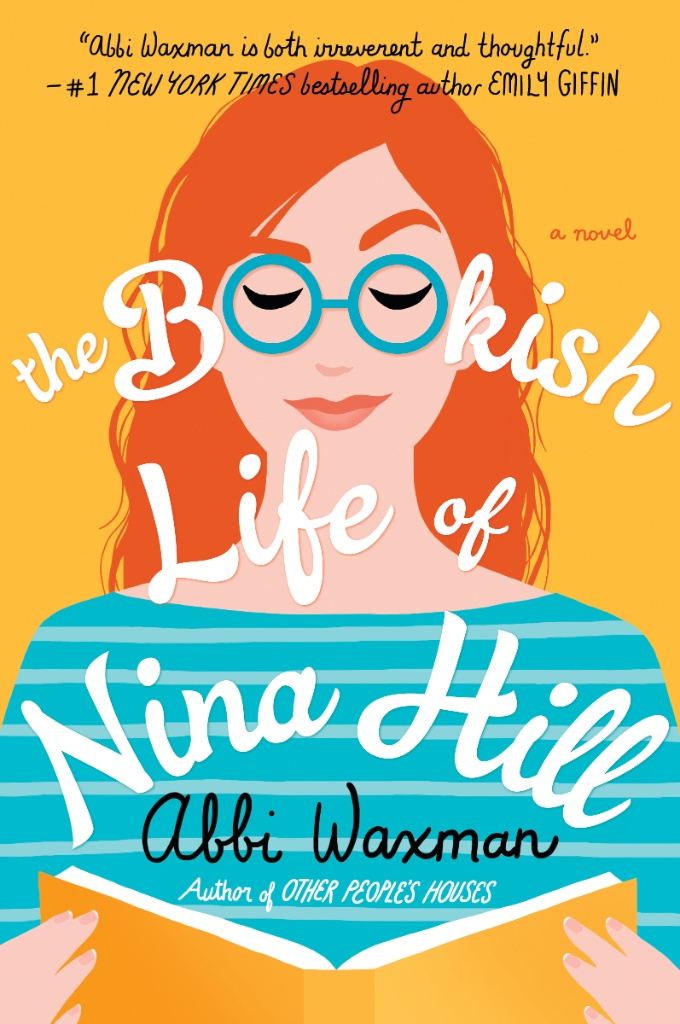
The Bookish Life of Nina Hill

by Abbi Waxman
A bookworm’s dream. Nina is quirky, anxious, and totally relatable. You’ll find yourself smiling for pages.


Category 3: Deep Dives and Best October Book Recommendations

These are your best October book recommendations — rich, atmospheric reads that make you think long after you close the cover.

1. The Night Circus

by Erin Morgenstern
This one feels like October bottled up in ink — dark, romantic, and magical. I first read it under fairy lights, and it made me believe in stories again.

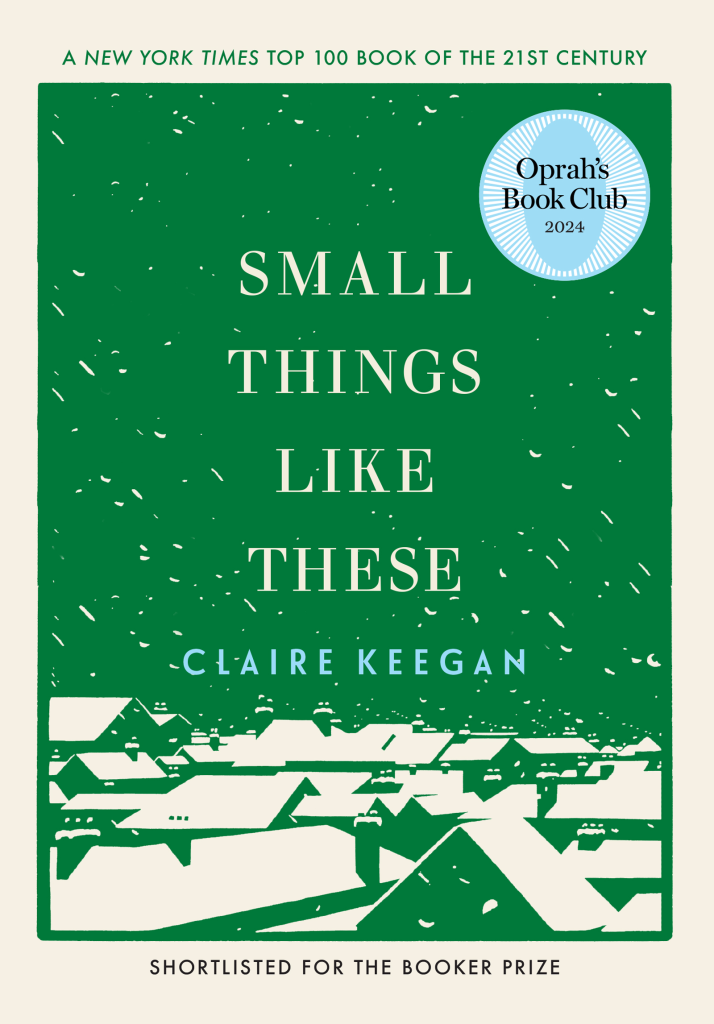
2. Small Things Like These

by Claire Keegan
Short but powerful, this story captures compassion in a cold world. Best read on a quiet morning when the fog hasn’t lifted yet.

3. Station Eleven

by Emily St. John Mandel
A hauntingly beautiful story about art, memory, and survival. Don’t worry — it’s more comforting than depressing. It reminds us that even after chaos, there’s beauty.

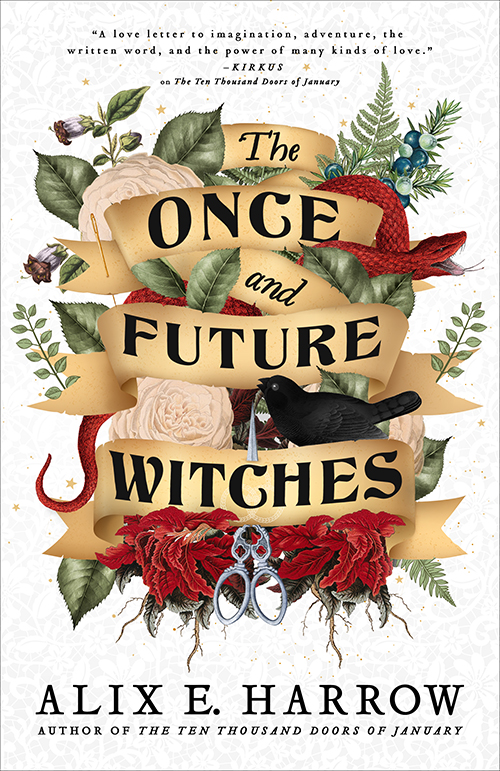
4. The Once and Future Witches

by Alix E. Harrow
Witches, sisterhood, and rebellion — a feminist fantasy that feels both fierce and poetic. Read it while the wind howls and leaves scatter across your window.


Category 4: Short, Sharp Reads — Poetry and Short Stories for Fall

Not every great read needs 300 pages. These poetry and short stories for fall are perfect for when your attention span is cozy but short.

1. Devotions

by Mary Oliver
The ultimate fall poetry companion. Her words make you want to take long walks and notice the small miracles in nature.

2. Interpreter of Maladies

by Jhumpa Lahiri
Quiet, bittersweet stories about identity and love. Ideal for introspective evenings.

3. Felicity

by Mary Oliver
A gentle, love-filled collection that feels like a sunrise after rain.

4. The Secret Lives of Church Ladies

by Deesha Philyaw
Short, sharp, and bold — a modern voice that cuts deep but comforts, too.


Curling Up with Your Cozy Fall Reading List

So there you have it — 15 titles to build your Cozy Fall Reading List this October. Whether you’re chasing mystery, reflection, or simple warmth, these books invite you to slow down and feel the season.

Fall is fleeting, but books let us hold onto it a little longer.
Now tell me — what’s on your cozy fall reading list this year?


“How to Experience and Celebrate Global Festivals from Home Like a Local – festive lanterns glowing indoors for cultural celebration”

In today’s world, traveling to experience global festivals like a local may not always be possible due to distance, cost, or personal constraints. Yet, cultural celebrations are too precious to miss, and the good news is that you can immerse yourself authentically in international traditions right from your living room. you don’t need a plane ticket . you can immerse yourself in flavors, and rituals that make these celebrations so meaningful. From lighting diyas during Diwali to savoring homemade sweets during Eid, the magic of these festivals is still very much alive at home.

In this guide, I’ll share practical tips, hands-on DIY decoration ideas, and virtual experiences that bring the world to you. Whether you’re curious about the deep cultural meaning of Lunar New Year or Día de Muertos, or you simply want actionable steps to celebrate authentically, this post is your roadmap to joining the global celebration—even from your own kitchen.


Understanding the ‘Why’: Unpacking the Deep Cultural Meaning of the Celebrations

Every festival has a story, a lesson, and a ritual that has been nurtured over centuries. To truly experience global festivals like a local, it’s important to appreciate the meaning behind the actions—not just follow a checklist.

Here’s a snapshot of some of the world’s most celebrated festivals:

Diwali:

A cozy Diwali corner with a potted palm wrapped in fairy lights and a tray of lit diyas and candles decorated with marigold petals.

A celebration of light triumphing over darkness, and good over evil. Lighting diyas isn’t just decorative—it’s an invitation to reflect and give thanks. According to The Smithsonian Institute, while traditions vary by region, the heart of Diwali is always about community and renewal.

Eid al-Fitr & Eid al-Adha:

Thousands gathered for Eid prayers at Jama Masjid in Delhi during Eid al-Adha celebration

These festivals highlight charity, family bonding, and feasting, celebrating sacrifice, gratitude, and shared joy.

Lunar New Year:

“Woman admiring colorful lanterns at Chinese Lantern Festival with glowing lights and traditional decorations”

Across East and Southeast Asia, this festival honors ancestors, encourages good luck, and strengthens family ties. Red envelopes, symbolic foods, and small home rituals carry deep meaning.

Hanukkah:

Traditional Hanukkah menorah with melting candles symbolizing the Festival of Lights”

The Festival of Lights emphasizes resilience and faith, with each night of menorah lighting symbolizing hope and perseverance.

Día de Muertos:

Woman with traditional sugar skull makeup and candles celebrating Día de los Muertos, the Day of the Dead”

Also called the Day of the Dead, in Mexico, this festival honors deceased loved ones through altars, marigolds, and their favorite foods—a heartfelt celebration of memory and love.

Purim:

“Traditional Hamantaschen cookies served during Purim celebration, filled with poppy seed and fruit jam”

A joyous holiday commemorating the saving of the Jewish people in ancient Persia, celebrated with storytelling, costumes, and festive meals.

Understanding these rituals’ cultural significance allows you to participate meaningfully, rather than just mimicking actions.


Your Expert Guide to Authentic Festival Rituals at Home

Celebrating at home becomes special when you approach it intentionally obviously. Let’s look at some practical ways to bring authentic festival rituals into your space.

From Prayer to Feasting: Authentic Recipes and Customs for Eid and Purim

Food and community lie at the heart of many celebrations:

Eid Recipes:

Cooking biryani, kebabs, and sweets like sheer khurma connects you to the festival’s spirit. Even a small family prayer or reflection session—physical or virtual—enhances the sense of togetherness.

Purim Customs:

Children and family celebrating Purim with Hamantaschen cookies, colorful masks, and festive decorations at home

Baking hamantaschen cookies, reading the Megillah, and hosting a costume party (even a mini one) brings joy and tradition alive. Sharing treats with friends or neighbors keeps the communal feeling alive, even at a distance.

[In my experience, you can’t truly appreciate Eid until you’ve spent an afternoon stirring a huge pot of sheer khurma—the aromas, the conversation, and the anticipation are all part of the magic. ]

Lighting the Way: The Symbolism of Diwali and Hanukkah at Home

Diwali:

Hand lighting diya near colorful rangoli during Diwali celebration with candles on window ledge at home

Place diyas or LED candles on windowsills and doorways. Simple Rangoli patterns at your entrance invite positivity and reflection.

Hanukkah:

Family lighting Hanukkah menorah together at home, celebrating the festival with candles, latkes, and joy

Light the menorah nightly, accompany it with songs or readings, and make it a moment of family connection and history.

Fun tip: The physical act of lighting and arranging candles can feel meditative—let it be more than decoration.

[When I celebrated Diwali alone one year, I created a small altar with candles, sweets, and a few mementos from past family celebrations. It unexpectedly made me feel closer to my roots than any trip ever did.]


No Passport Needed: DIY Home Decoration Ideas for Cultural Holidays

Decorations don’t need to be fancy or expensive. These DIY home decoration ideas for cultural holidays help you create an authentic festive atmosphere:

Paper Lanterns

Hand holding glowing red Chinese lanterns indoors for festive home decor

Hang them for Lunar New Year or Diwali to light up your space.

Mini Ofrendas

Day of the Dead home altar with candles, sugar skulls, and family photos honoring ancestors during Día de los Muertos celebration

Small altars with candles, photos, and favorite foods honor ancestors during Día de Muertos.

Rangoli Designs

Hand making a colorful rangoli design with diyas lit beside it during a festive celebration

Use colored powders, rice, or chalk for simple geometric patterns at your doorway.

DIY Menorah or Candle Holders

DIY Hanukkah menorah made from glass jars with white candles and Star of David decorations for home celebration”

Repurpose jars or small bottles for Hanukkah.

Festive Bunting or Streamers

“Colorful festive banner hanging in a cozy living room decorated for Diwali and global celebrations at home”

Incorporate festival-specific colors and symbols.

According to The British Museum’s extensive records on South Asian art, Rangoli designs are far more than decoration—they represent auspiciousness, welcome, and community spirit.

[The first time I made a small Ofrenda at home, I worried it wouldn’t feel “right.” But as I arranged the candles and little offerings, I was surprised at how moving and personal it became. It was an intimate way to honor family I couldn’t visit.]


Bridging the Distance: Virtual Global Festival Celebrations Done Right

Technology can make celebrating far-away traditions feel real:

  • Live-stream ceremonies: Many cultural centers, synagogues, and temples broadcast events online.
  • Virtual cooking classes: Learn recipes directly from local chefs or instructors.
  • Video calls: Gather family and friends digitally to share rituals, stories, or meals.
  • Social media events: Participate in global hashtag campaigns to connect with festival enthusiasts worldwide.

[Last Lunar New Year, I couldn’t visit my uncle in Hanoi, but showing him the paper lanterns I’d crafted over a video call lit up his face. That brief connection, though virtual, felt as genuine as being there in person.]

The globalization of these celebrations allows us to honor traditions without borders. According to BBC Culture’s report on worldwide holiday evolution, technology preserves the rituals while expanding accessibility.


Beyond the Holiday: Sustaining the Spirit of Global Connection

By embracing authentic rituals, creative DIY ideas, and virtual connections, you can honor global traditions meaningfully and help transmit them to others. In doing so, you become a steward of cultural heritage—keeping the spirit alive, even from your own living room.

[One year, dedicating a week to exploring multiple festivals at home made me realize something profound: even simple acts like lighting a candle or cooking a traditional meal created lasting connections—to the culture, to family, and to myself. The impact stayed long after the holidays ended.]

Have you ever created an Ofrenda or celebrated Día de Muertos at home? I’d love to hear your experiences! Share your favorite traditions, recipes, or decoration ideas in the comments below and let’s inspire each other to keep these beautiful global festivals alive—even from our own homes.

What Brands Can Learn from Their Metaverse Mistakes

Introduction: The Metaverse – A Digital Frontier

In the last few years, the metaverse has shifted from a niche, futuristic concept to a buzzing new space for businesses to explore. In essence, the metaverse is a virtual, immersive universe where people can interact with digital environments and each other using avatars. With major tech companies like Meta (formerly Facebook), Microsoft, and Nvidia investing billions of dollars into the concept, brands have been quick to hop on the metaverse bandwagon, hoping to tap into a whole new world of consumers.

However, while the potential for brands in the metaverse is vast, it hasn’t all been smooth sailing. Many brands have ventured into this space, only to learn the hard way that translating traditional marketing strategies into the metaverse isn’t always as straightforward as it seems.

In this post, we’ll explore how brands have experimented with the metaverse, what worked, what didn’t, and the lessons they learned along the way.

1. The Allure of the Metaverse: Why Brands Took the Leap

What Brands Can Learn from Their Metaverse Mistakes

Before diving into the lessons learned, it’s important to understand why brands were so eager to jump into the metaverse in the first place. The concept promised to revolutionize digital marketing, offering immersive experiences, unique consumer engagement, and a completely new platform to create brand awareness.

The Promise of a New Audience

One of the key drivers behind brands entering the metaverse is the opportunity to engage with younger, more tech-savvy audiences. Millennials and Gen Z, in particular, are flocking to virtual spaces like Roblox, Fortnite, and Decentraland, where gaming, socializing, and shopping can all happen simultaneously. For brands targeting this demographic, the metaverse seemed like the perfect space to reach them.

Immersive Experiences

The metaverse offered brands the chance to move beyond traditional advertising and offer interactive experiences. Instead of simply showing an ad, brands could create experiences where consumers could virtually try on clothes, attend live events, play branded games, or even buy virtual goods to use in their digital lives.

The Future of Commerce

For forward-thinking companies, the metaverse represented a future model of commerce—virtual goods, NFTs (Non-Fungible Tokens), and blockchain-based assets could create new revenue streams. This opened the door for virtual economies, where customers could spend money on digital items that had value within the virtual world.

2. What Worked: Successful Metaverse Campaigns and Initiatives

What Brands Can Learn from Their Metaverse Mistakes

While many brands had their missteps, others managed to leverage the metaverse to create successful campaigns that helped them grow their digital presence. Let’s take a look at a few examples of brands that got it right.

Gucci: Immersive Fashion in the Metaverse

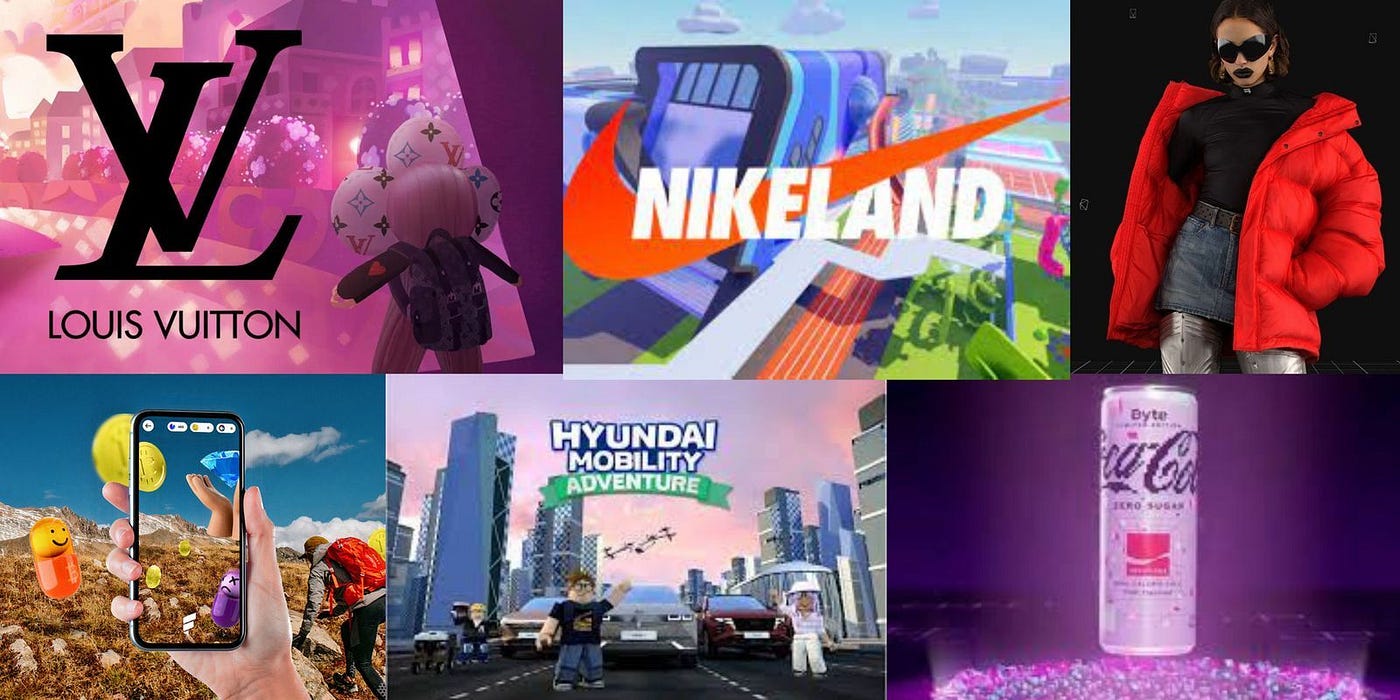
Gucci made waves in the metaverse by launching the Gucci Garden in Roblox in 2021. This virtual experience allowed users to interact with a range of Gucci-branded virtual items, including clothes, accessories, and digital art. Gucci’s ability to merge fashion with gaming in an innovative way helped the brand tap into younger audiences who are increasingly engaged in digital worlds.

Key Takeaway: Leveraging virtual spaces to promote brand identity – Gucci understood that the metaverse is not just about selling products but creating a digital experience that resonates with the community.

Nike: Virtual Sneakers and Product Customization

Nike made a major push into the metaverse with its acquisition of RTFKT Studios, a company specializing in digital sneakers and NFTs. By launching virtual shoes in Fortnite, the brand allowed users to wear Nike gear within the game, blending fashion and gaming seamlessly. Nike’s virtual creations became hot commodities, highlighting the potential for brands to sell virtual assets as part of their broader business strategy.

Key Takeaway: Combining physical and virtual products – Nike’s approach of offering digital-only items alongside physical products is a solid strategy for capturing interest and creating brand exclusivity.

Coca-Cola: Creating Digital Collectibles

Coca-Cola entered the metaverse with a creative twist—launching limited-edition NFTs as part of their “Coca-Cola Creations” project. These digital collectibles were available for purchase in Decentraland and other virtual worlds, generating buzz and exclusivity among consumers. Coca-Cola’s ability to tie NFTs to its brand ethos of fun and collectibility helped position the brand as an innovator in the virtual space.

Key Takeaway: Building brand loyalty through digital collectibles – Coca-Cola used the concept of rarity and exclusivity in the metaverse to create a buzz, which translated into brand engagement.

3. What Didn’t Work: Missteps and Challenges for Brands

What Brands Can Learn from Their Metaverse Mistakes

Not every brand has seen success in the metaverse. Some have faced backlash or failure due to poorly executed campaigns, lack of audience engagement, or not understanding the unique nature of the metaverse. Here are a few lessons from brands that missed the mark.

Facebook’s Meta Rebranding Fiasco

Meta’s rebrand in 2021 signaled its commitment to the metaverse, but the transition didn’t go as smoothly as expected. Facebook’s pivot to becoming a “metaverse-first” company alienated many of its users, as the brand was struggling with issues related to data privacy and misinformation. Its flagship metaverse platform, Horizon Worlds, faced criticism for its clunky design, lack of content, and technical issues.

Key Takeaway: Don’t rush innovation without considering execution – Meta’s move was too fast and failed to provide users with a polished and functional product. Brands must ensure they have the infrastructure and user experience to back up their metaverse ambitions.

Walmart’s Failed Virtual Store Experiment

Walmart attempted to replicate the traditional brick-and-mortar shopping experience in the metaverse by launching “Walmart Land” in Roblox. The virtual store featured products that customers could purchase, but the experience was criticized for being confusing and lacking real interactivity. Users felt it was more of a glorified ad than an immersive shopping experience, which turned many potential customers off.

Key Takeaway: Don’t copy-paste your existing business model into the metaverse – Simply trying to replicate real-world shopping in a virtual space without considering the nuances of the metaverse can lead to failure. It’s important to offer something unique and engaging.

Balenciaga’s Digital Clothing Fail

Luxury brand Balenciaga took its first steps into the metaverse by partnering with Fortnite for an in-game fashion collection. However, the response from players was less than enthusiastic. Many users didn’t understand why a high-end fashion brand would align itself with a video game, especially since the clothing didn’t offer much customization or utility within the game.

Key Takeaway: Brand alignment and audience understanding matter – Luxury brands need to carefully consider how their image fits within the metaverse. Simply creating virtual products without understanding the target audience’s desires can backfire.

4. What Brands Can Learn from Their Metaverse Mistakes

What Brands Can Learn from Their Metaverse Mistakes

While the metaverse is still a developing space, brands can glean valuable lessons from the successes and failures of others.

Understand Your Audience

One of the most important things brands need to do before launching into the metaverse is to understand the digital behaviors of their target audience. The metaverse is not just another marketing platform; it’s a new environment with its own set of rules, cultures, and values. Engaging with users on their terms, rather than trying to force traditional marketing strategies, is crucial.

Create Meaningful, Immersive Experiences

The key to success in the metaverse is to create experiences rather than just advertisements. Whether it’s through virtual events, games, or digital product launches, the metaverse is about creating engaging, memorable moments that resonate with users.

Stay Authentic to Your Brand

It’s important for brands to stay true to their values and aesthetics when entering the metaverse. Whether you’re a fashion brand or a tech company, your digital presence should align with your core identity. Forced or out-of-place virtual products will not resonate with users and may harm your brand image.

Invest in High-Quality Technology

One of the main reasons some metaverse campaigns failed was due to technical difficulties. Whether it’s clunky avatars, slow load times, or poor design, a poor user experience can easily lead to disappointment. Brands must invest in top-tier technology and hire digital experts who can craft immersive, seamless experiences for their users.

5. The Future of Brands in the Metaverse
The Future of Brands in the Metaverse

The metaverse is still evolving, but its potential to transform digital marketing is undeniable. As more brands experiment with this new space, we’re likely to see new opportunities and innovations emerge.

For brands, the key takeaway is simple: be patient, stay authentic, and invest in quality experiences. While the metaverse may be uncharted territory for many, those who understand its nuances and focus on creating meaningful engagement will have a much better chance at success.

In the coming years, as virtual worlds become more interconnected and sophisticated, the role of brands in the metaverse will continue to grow. It’s up to businesses to ensure they don’t just participate in the digital revolution but help shape it.

Conclusion: Navigating the Metaverse with Caution and Creativity

While the metaverse presents exciting opportunities for brands, it’s clear that success in this new space requires more than just following the hype. Brands must be thoughtful, creative, and patient as they navigate this evolving digital landscape. By learning from both their own experiences and the mistakes of others, they can create lasting, meaningful connections with their audiences in the metaverse and beyond.


EV Market Penetration

Introduction: The Rise of Electric Vehicles

The electric vehicle (EV) market is no longer a futuristic concept; it’s rapidly becoming the mainstream mode of transportation around the world. Governments, car manufacturers, and consumers are increasingly embracing electric vehicles, driven by the need for more sustainable, eco-friendly, and cost-efficient transportation options. From reducing carbon emissions to addressing air pollution and rising fuel costs, EVs are revolutionizing the way we think about cars.

As countries strive to meet their climate goals, EV adoption is accelerating. While China, Europe, and the United States have long been at the forefront, several other nations are emerging as key players in the EV revolution. In this post, we will look at five countries that are leading the global electric vehicle boom and explore the factors driving their success.

1. China: The Unstoppable EV Giant

China-ev

China has been at the helm of the electric vehicle revolution for years, and it shows no signs of slowing down. As the world’s largest car market and the biggest EV producer, China is setting the pace for global EV adoption. In fact, the country accounted for almost 50% of global EV sales in 2020, and its commitment to electric mobility is only growing stronger.

Government Support and Incentives

The Chinese government has been instrumental in supporting the growth of the electric vehicle industry. Through subsidies, incentives, and aggressive regulatory measures, China has created an environment where EVs can thrive. The government has rolled out policies such as tax breaks for EV buyers, rebates for manufacturers, and heavy investments in EV infrastructure. Moreover, China’s “Made in China 2025” initiative aims to make electric vehicles and battery technologies a cornerstone of its industrial future.

EV Manufacturing Powerhouse

China is home to some of the world’s largest and most innovative electric vehicle manufacturers. Companies like BYD, NIO, XPeng, and Geely are not only dominating the domestic market but also expanding globally. Chinese automakers are quickly gaining recognition for their high-quality electric vehicles, with an increasing number of EVs finding their way into international markets.

Battery Production and Infrastructure

China also leads the world in electric vehicle battery production. Chinese companies like CATL (Contemporary Amperex Technology Co. Limited) are the biggest suppliers of lithium-ion batteries, which are crucial for powering EVs. The country’s massive investment in EV charging infrastructure is another key factor in its leadership. By 2025, China aims to have over 4.8 million EV charging stations, ensuring that its citizens have convenient access to charging facilities.

2. Norway: A Pioneer in EV Adoption

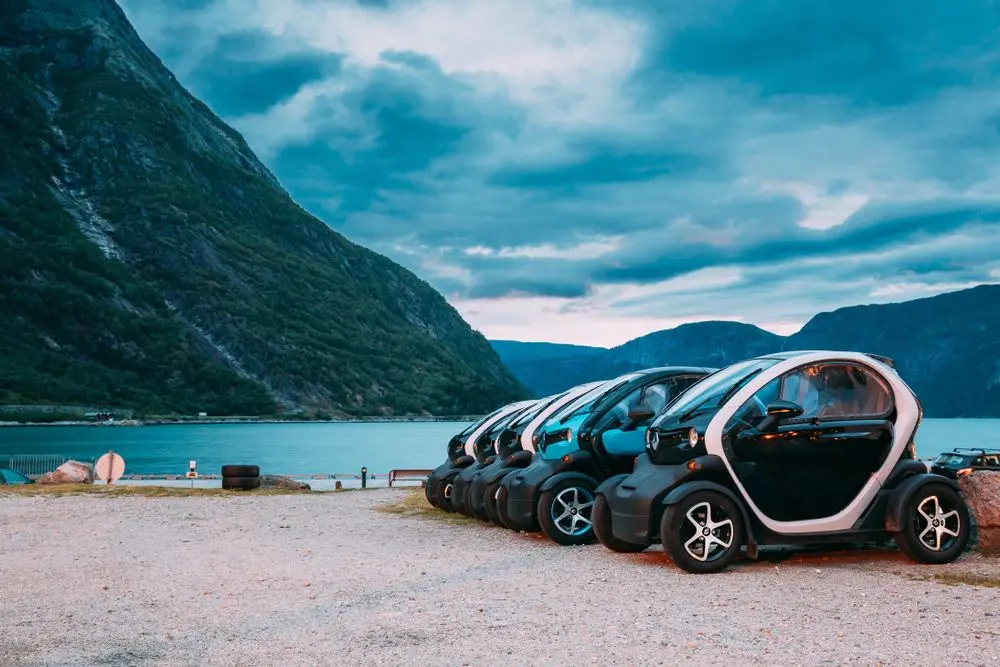
Norway EV

Norway has become a global leader in electric vehicle adoption, and its success serves as a model for other nations. As of 2021, electric cars make up over 50% of all new car sales in Norway. This Scandinavian country has not only embraced electric vehicles but has also created a thriving ecosystem that supports their widespread use.

Tax Incentives and Benefits

The Norwegian government has implemented a variety of policies to encourage EV adoption, including tax exemptions, toll-free travel on highways, free parking, and access to bus lanes for electric vehicles. These incentives significantly reduce the cost of owning and operating an EV, making it an attractive option for consumers. In fact, Norway aims to become the first country to fully transition to electric cars by 2025.

Sustainability and Clean Energy

Norway’s strong commitment to environmental sustainability also plays a critical role in the EV boom. With a vast supply of renewable energy, especially hydropower, Norway’s electricity grid is clean, making it one of the best countries in which to drive an electric vehicle. This commitment to clean energy ensures that electric cars in Norway are powered by the most eco-friendly source available, making the transition to electric mobility even more impactful.

The Charging Network

Norway has an extensive EV charging infrastructure, with thousands of charging stations across the country. The government’s investments in charging networks, coupled with the widespread adoption of EVs, have created a seamless driving experience for Norwegian residents. This has helped reduce range anxiety and made the transition to electric vehicles even more convenient for consumers.

3. Germany: Europe’s EV Powerhouse

Germany Europe EV Powerhouse

Germany, the land of iconic automotive brands like Mercedes-Benz, BMW, and Volkswagen, is now shifting gears toward a sustainable future with electric vehicles at the forefront. With its robust industrial base, Germany is not only a key player in EV manufacturing but also a major market for EV sales.

Government Policy and Incentives

Germany’s government is heavily supporting the EV transition with substantial subsidies for electric vehicle purchases. In addition, the country has implemented regulations that require automakers to meet stringent emissions standards, which are pushing manufacturers to accelerate their EV development. Germany has set an ambitious goal to have 10 million electric vehicles on the road by 2030.

Innovative Automakers

Germany is home to some of the world’s most well-known car brands, and these companies are embracing the electric revolution. Volkswagen’s ID. series, BMW’s iX3, and Mercedes-Benz’s EQ lineup are just a few examples of the country’s commitment to electric mobility. German automakers are investing billions of euros in EV technology and infrastructure to ensure they stay competitive in the global electric vehicle market.

EV Charging and Infrastructure

Germany is also making significant strides in the expansion of its EV charging infrastructure. The government is heavily investing in charging networks, with the aim of having a nationwide network of over 1 million charging points by 2030. Public-private partnerships are playing a crucial role in this effort, ensuring that EV drivers have easy access to charging stations.

4. The Netherlands: Leading the Way in EV Market Penetration

The Netherlands: Leading the Way in EV Market Penetration

The Netherlands is another European country that is making significant strides in the electric vehicle market. While the country’s population is relatively small, its commitment to electric mobility is substantial, making it one of the leading countries in terms of EV market penetration.

Government Initiatives and Incentives

The Dutch government has implemented a variety of policies to encourage the adoption of electric vehicles. These include tax incentives, exemption from road taxes, and significant support for EV infrastructure. Additionally, the Netherlands has a policy of zero emissions for new vehicles by 2030, further accelerating the transition to electric vehicles.

Charging Infrastructure

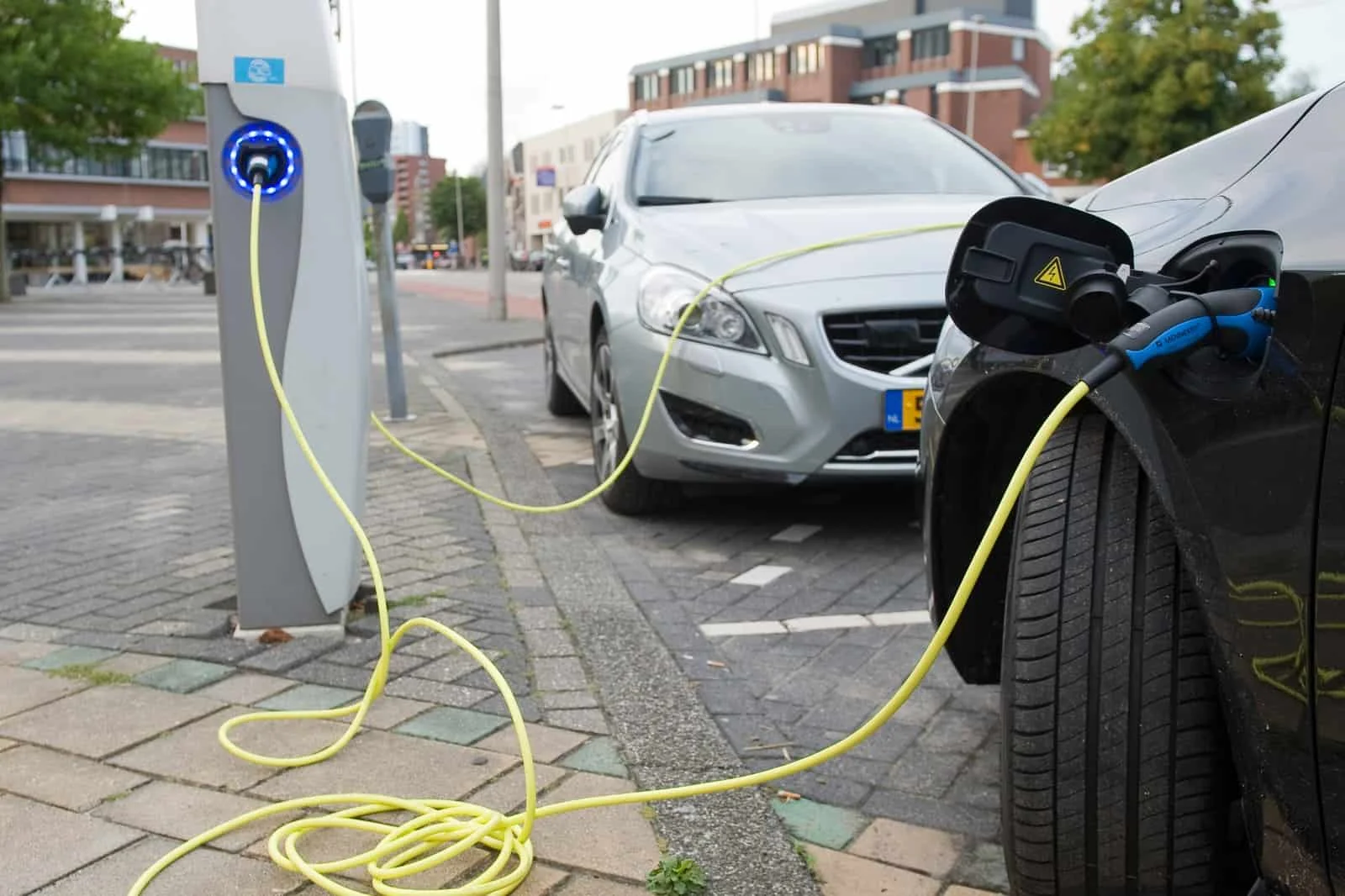
One of the main reasons for the Netherlands’ success in EV adoption is its highly developed charging infrastructure. The country has the highest number of EV charging stations per capita, making it incredibly convenient for Dutch citizens to own and operate electric cars. This extensive network is a major reason why EV adoption has been so successful in the country.

Sustainability Focus

The Netherlands is also committed to sustainability and reducing its carbon footprint. With renewable energy sources accounting for a large portion of the country’s electricity generation, driving an electric vehicle in the Netherlands has a much lower environmental impact compared to countries that rely on fossil fuels for electricity generation.

5. United Kingdom: Accelerating Towards EV Future

The Netherlands: Leading the Way in EV Market Penetration

The United Kingdom is on a fast track toward electrification, driven by ambitious government goals and the growing public interest in clean energy solutions. The UK’s roadmap for a greener future is seeing a steady rise in electric vehicle adoption.

Government Regulations and Incentives

The UK government has introduced various policies to help transition to electric mobility, such as grants for buying EVs and tax exemptions for electric car owners. Additionally, the UK has announced plans to ban the sale of new petrol and diesel cars by 2030, which has spurred the transition to electric vehicles. The government’s push toward zero-emission transportation aligns with its broader goals to meet carbon neutrality by 2050.

EV Manufacturing in the UK

While the UK has not yet reached the scale of some of the other countries on this list, its automotive industry is rapidly shifting toward electric production. Major UK manufacturers such as Jaguar Land Rover and Nissan are investing heavily in electric vehicle production and developing new electric models to meet demand.

Charging Infrastructure and Future Growth

The UK is expanding its charging infrastructure to ensure that EV owners have easy access to charging stations. By 2030, the government plans to have over 300,000 public charging points across the country, significantly reducing barriers to EV adoption.

Conclusion: The Road Ahead for Electric Vehicles

The global electric vehicle boom is well underway, and many countries are leading the charge in different ways. Whether through government policies, technological innovation, or consumer demand, the push toward electric vehicles is transforming the automotive landscape.

China, Norway, Germany, the Netherlands, and the United Kingdom are prime examples of how countries are adopting EVs at a rapid pace. With increasing investments in EV infrastructure, technological advancements, and supportive government policies, these nations are paving the way for a cleaner, more sustainable future.

As the global EV market continues to expand, other nations are likely to follow suit, creating a truly global shift toward electric transportation. Whether you’re an environmentally conscious consumer or a business leader looking to invest in the future of mobility, it’s clear that the electric vehicle revolution is here to stay.

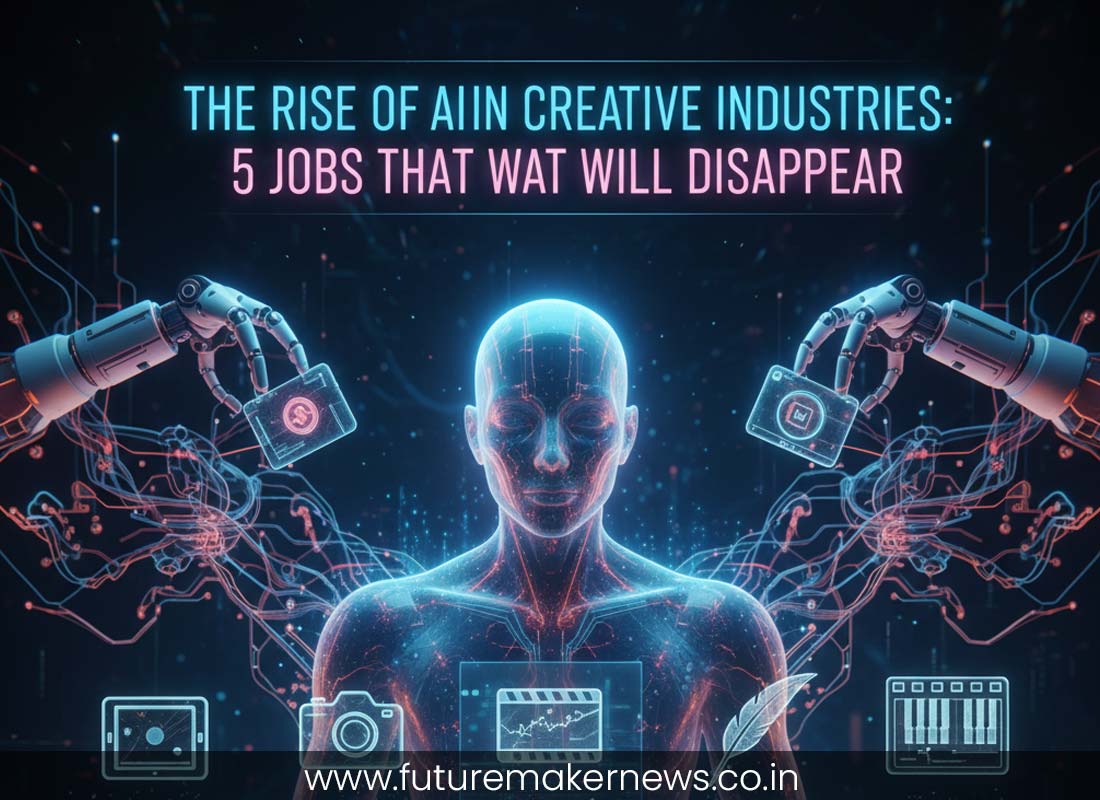
The Rise of AI in Creative Industries: 5 Jobs That Will Disappear

Introduction: AI and the Creative Revolution

In the ever-evolving landscape of technology, few advancements have had as profound an impact on the creative industries as Artificial Intelligence (AI). From generating artwork to writing scripts, composing music, and even designing entire websites, AI has permeated virtually every corner of the creative world.
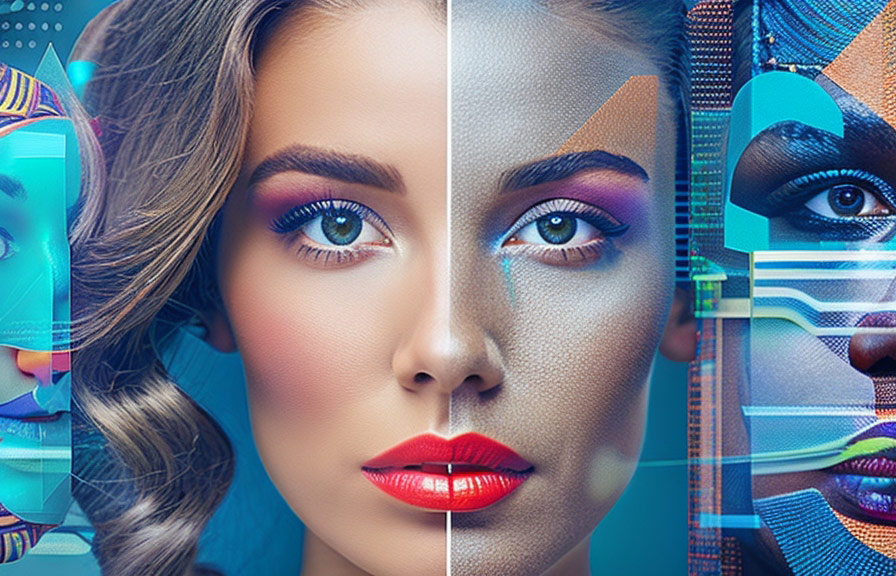
While AI has undoubtedly opened new doors for creativity and productivity, it also raises an essential question: How will this technology change the future of creative jobs? For some, AI is a helpful tool that enhances the creative process, but for others, it poses a direct threat to job security.

In this post, we’ll explore five creative jobs that are most likely to disappear or drastically evolve in response to the rise of AI, along with the broader implications of this transformation.

1. Graphic Designers: Automation of Design

graphic-design

The Role of AI in Graphic Design

Graphic design, one of the most visually-driven fields, is already being significantly influenced by AI. Tools like Adobe Sensei and Canva’s AI-powered design suggestions allow users to create professional-level graphics with minimal effort. AI can now generate templates, choose color schemes, adjust layouts, and even create logos based on minimal input from the user.

What’s Changing?

AI-powered tools are becoming more adept at handling the technical side of design—allowing designers to focus on higher-level concepts, creativity, and innovation. While this will likely eliminate entry-level graphic design jobs, those in the industry will need to adapt by shifting toward more strategic and creative roles. Rather than manually designing a logo or flyer, graphic designers might find themselves acting as curators of design, working closely with AI systems to refine and personalize the final output.

The Future of Graphic Design Jobs

Rather than disappearing entirely, the role of a graphic designer will evolve to focus on overseeing AI-generated designs, ensuring that the output aligns with the brand’s vision, and adding that final creative touch. Designers will need to upskill by learning how to use AI tools effectively, managing the creative direction of AI-generated content, and curating personalized designs.

2. Writers and Journalists: The Rise of AI-Generated Content

Writers and Journalists: The Rise of AI-Generated Content

AI in Writing: A Game-Changer

AI writing tools like OpenAI’s GPT-3 and Jasper.ai are already capable of generating high-quality written content. From articles and blogs to social media posts and even poetry, AI is helping writers, marketers, and content creators produce copy faster and at scale. These tools can analyze data, generate ideas, and even mimic specific writing styles—sometimes making them indistinguishable from human-written content.

What’s Changing?

While AI can’t fully replace human creativity and emotional intelligence, it’s revolutionizing the writing process. Content creation tasks that once required a human writer, such as drafting reports, writing basic articles, or producing product descriptions, can now be easily automated.

Journalists and content creators who specialize in data-heavy or routine content may find their roles diminished as AI steps in to generate these pieces. However, creative writing, investigative journalism, and content that requires nuanced human insight will still demand the human touch.

The Future of Writing Jobs

Journalists and writers will increasingly work alongside AI, using it to draft initial content, conduct research, or suggest improvements. However, the need for original, in-depth, and investigative reporting will remain an essential aspect of the field. Writers will likely transition into content managers or editors, overseeing AI-generated drafts and adding a human element to make the content more engaging, authentic, and empathetic.

3. Photographers: AI-Powered Image Creation and Enhancement

Photographers: AI-Powered Image Creation and Enhancement

AI in Photography: Editing and Beyond

AI is rapidly making its way into the photography industry, with tools like Adobe Photoshop’s Sensei AI allowing photographers to automatically adjust lighting, color grading, and even remove unwanted objects from images. AI-powered cameras can now intelligently detect the best composition, focus, and settings to ensure perfect shots with minimal human input.

What’s Changing?

The traditional role of a photographer—especially those specializing in commercial photography or product shoots—may see substantial disruption. As AI can now generate high-quality, photorealistic images from scratch, stock photography is increasingly being replaced by AI-created visuals. Additionally, AI-powered apps are becoming adept at retouching and improving photos, further diminishing the need for professional photo editors.

The Future of Photography Jobs

While photography as a whole is unlikely to disappear, it will undergo a significant transformation. Photographers will shift their focus from basic image-taking to more conceptual and artistic photography, leveraging AI to enhance their creativity. AI tools will serve as assistants in improving workflow and post-production, allowing photographers to focus on unique compositions and storytelling rather than technical perfection.

4. Music Producers: AI Composition and Sound Design

Music Producers: AI Composition and Sound Design

AI in Music: Composing, Mixing, and Mastering

AI-driven music tools such as Amper Music, AIVA (Artificial Intelligence Virtual Artist), and Endlesss can already compose original tracks in various genres. These AI systems analyze existing musical data and patterns to create new compositions that mimic a specific style or mood. Furthermore, AI is being used in sound design to create realistic sound effects and background scores, making it easier for creators to generate music without a traditional knowledge of instruments.

What’s Changing?

For music producers, AI is not just an assistant—it’s a full-fledged collaborator. The AI can generate everything from melodies to drum patterns, harmonies, and bass lines. With advancements in AI, some producers may find their role transitioning from hands-on music composition to curating AI-generated tracks or adding a personal flair to pre-composed pieces. While AI will likely replace some basic music production tasks, it will not fully replace the creativity and emotional depth that human producers bring to their work.

The Future of Music Production Jobs

Music producers will continue to play a key role in the industry but will have to adapt by learning how to incorporate AI into their workflow. Producers will work in collaboration with AI, fine-tuning generated tracks, adding their creative expertise, and ensuring the final product resonates with listeners. In essence, AI will serve as a tool for enhancing productivity and creativity rather than replacing musicians entirely.

5. Video Editors: Automation and AI-Driven Editing Tools

AI in Video Editing: Speed and Precision

AI has already made a major impact in video editing. Tools like Adobe Premiere Pro’s Sensei AI and Magisto use machine learning to automate many aspects of video editing, such as color correction, audio synchronization, and even scene transitions. AI can analyze hours of footage, select the best clips, and automatically assemble them into a cohesive video. This technology is especially useful in areas like social media content creation, where speed and efficiency are essential.

What’s Changing?

For video editors, AI is both a blessing and a challenge. While it significantly speeds up the editing process and reduces repetitive tasks, it also threatens to replace entry-level positions that focus on routine editing tasks. Many video editing roles, particularly in corporate environments, are already being automated, leaving editors to focus on more creative and high-level projects.

The Future of Video Editing Jobs

AI will not eliminate the need for creative video editors; however, it will shift their focus. Rather than spending hours on basic editing tasks, editors will evolve into content strategists, curating, directing, and enhancing the narrative. Video editors will need to embrace AI as a tool to accelerate workflows, allowing them to focus on bringing a unique vision to the screen.

Conclusion: Embracing the Evolution of Creative Work

The rise of AI in creative industries is reshaping the way we work, pushing creative professionals to adapt, evolve, and innovate. While some jobs may disappear or become automated, the core skills of creativity, strategic thinking, and emotional intelligence remain essential. Creative professionals will increasingly find themselves in hybrid roles, working alongside AI systems to enhance their productivity and bring fresh ideas to life.

For those in creative fields, upskilling and adaptability will be the key to staying relevant in the ever-changing job market. AI is not here to replace human creativity; it’s here to augment it. By embracing new technology, creative professionals can unlock new potential and continue to push the boundaries of what’s possible in the digital age.

Capture Magical Fall Photos

Fall is a photographer’s dream season, with vibrant leaves, soft golden light, and crisp air creating a magical backdrop. Whether you’re using a professional DSLR, a mirrorless camera, or even a smartphone, capturing the essence of autumn requires a blend of creativity, technique, and an understanding of your tools. This guide will walk you through 15 practical tips to create stunning fall photos, focusing on leaves, light, and lenses. From composition to camera settings, we’ll cover everything you need to make your autumn images pop. Let’s dive into the art of fall photography!

Understanding the Magic of Fall Photography

Fall’s charm lies in its rich colors—fiery reds, golden yellows, and deep oranges—combined with unique lighting conditions. The low-angle sunlight during autumn creates long shadows and a warm glow, perfect for dramatic shots. Leaves, whether on trees or scattered on the ground, add texture and vibrancy. Choosing the right lens and mastering light manipulation can elevate your photos from ordinary to extraordinary. This guide breaks down techniques to harness these elements, making your fall photos unforgettable.

Photography in fall is about capturing fleeting moments. The season’s beauty is temporary, so timing and preparation are key. Whether you’re shooting landscapes, portraits, or close-ups, these tips will help you make the most of autumn’s visual splendor.

Mastering Light for Stunning Fall Photos

fall-photography

Light is the heart of photography, and fall offers unique opportunities to play with it. The golden hour—shortly after sunrise or before sunset—bathes landscapes in warm, soft light that enhances fall colors. Overcast days, common in autumn, diffuse light evenly, reducing harsh shadows and creating a dreamy effect. Here’s how to make the most of fall lighting:

  • Chase the Golden Hour: Shoot during the first or last hour of sunlight for warm, flattering tones. The low angle emphasizes leaf textures and adds depth to landscapes.
  • Use Backlighting: Position leaves between your camera and the sun to create a glowing effect. This technique highlights translucent leaf edges, adding a magical touch.
  • Embrace Overcast Days: Cloudy skies act as a natural softbox, perfect for portraits or macro shots. Colors appear more saturated without harsh highlights.
  • Experiment with Shadows: Long shadows from bare trees or leaf piles add drama. Use them to create patterns or frame your subject creatively.

Choosing the Right Lens for Fall Photography

choosing-right-lense

Your lens choice shapes the story your photo tells. Different lenses highlight various aspects of fall’s beauty, from sweeping landscapes to intricate leaf details. Here’s a breakdown of the best lenses for capturing autumn’s magic:

Lens Type Focal Length Best For Tips
Wide-Angle 16–35mm Landscapes, forests Use to capture expansive scenes with colorful tree canopies. Keep foreground elements for depth.
Standard 50mm Portraits, street photography Ideal for natural-looking shots with shallow depth of field. Great for isolating subjects against fall backgrounds.
Macro 90–100mm Close-ups of leaves, dew Focus on leaf veins or water droplets. Use a tripod for sharp details.
Telephoto 70–200mm Distant subjects, wildlife Compresses backgrounds, making colorful foliage pop. Perfect for isolating tree branches or animals.

If you’re using a smartphone, experiment with built-in lens modes (wide or portrait) or invest in clip-on lenses for macro or wide-angle effects. Regardless of equipment, test different focal lengths to find what suits your vision.

Composition Tips for Captivating Fall Photos

  • Follow the Rule of Thirds: Place key elements, like a vibrant tree or a person, along the gridlines of your frame to create balance. This draws the viewer’s eye naturally across the image.
  • Incorporate Leading Lines: Use paths, fences, or rows of trees to guide the viewer’s eye through the photo. A winding trail covered in leaves can create a sense of journey.
  • Frame with Natural Elements: Shoot through branches or arches of foliage to frame your subject. This adds depth and draws attention to the focal point.
  • Play with Foreground and Background: Include a close-up leaf in the foreground with a blurred forest in the background to create a layered, immersive effect.

Camera Settings for Perfect Fall Shots

camera-setting

Getting your camera settings right ensures your fall photos capture the season’s vibrancy. Here’s how to optimize your settings for different scenarios:

Aperture (f-stop): For landscapes, use a high f-stop (f/8–f/16) to keep everything in focus. For portraits or macro shots, use a low f-stop (f/1.8–f/4) to blur the background, making leaves or subjects stand out.

Shutter Speed: Use a fast shutter speed (1/250 or faster) for moving subjects, like falling leaves or people walking. For creative blur, like a flowing stream with leaves, try a slower speed (1/15 or slower) with a tripod.

ISO: Keep ISO low (100–200) in bright conditions to avoid noise. On cloudy days or in shaded forests, increase to 400–800 for proper exposure without sacrificing quality.

White Balance: Set to “Daylight” or “Cloudy” to enhance warm fall tones. Avoid “Auto” white balance, as it may neutralize the golden hues you want to capture.

Creative Techniques to Enhance Fall Photos

Elevate your fall photography with these creative approaches that add a magical touch:

  • Shoot Through Mist or Fog: Early morning fog, common in fall, adds a mystical quality. Use it to soften backgrounds and create ethereal images.
  • Capture Reflections: Look for puddles, lakes, or rivers reflecting colorful trees. Position yourself low to emphasize the reflection’s vibrancy.
  • Use Props: Incorporate seasonal props like pumpkins, scarves, or lanterns in portraits to add a cozy fall vibe. Keep them subtle to avoid overpowering the natural beauty.
  • Experiment with Black and White: Convert some photos to black and white to emphasize texture and contrast, especially in shots with bare trees or intricate leaf patterns.

Post-Processing for Vibrant Fall Colors

Editing enhances the natural beauty of your fall photos. Software like Adobe Lightroom, Photoshop, or free apps like Snapseed can make colors pop. Here’s how to approach post-processing:

Adjust Exposure and Contrast: Slightly increase exposure to brighten dim shots, and boost contrast to make colors stand out. Be careful not to overdo it, as it can look unnatural.

Enhance Vibrance and Saturation: Increase vibrance to bring out muted colors without affecting skin tones in portraits. Saturation can intensify reds and yellows but use it sparingly to avoid artificial results.

Sharpen Details: Apply sharpening to leaf edges or textures for crispness. Use a light touch to avoid graininess.

Add a Vignette: A subtle vignette darkens the edges, drawing attention to the center of your photo. This works well for portraits or macro shots.

Tips for Planning Your Fall Photography Sessions

Preparation is key to capturing magical fall photos. Here’s how to plan effectively:

  • Scout Locations Early: Visit parks, forests, or urban areas with tree-lined streets to find spots with vibrant foliage. Check local fall foliage reports to time your shoots during peak color.
  • Check Weather Forecasts: Plan around golden hour or overcast days for optimal light. Avoid windy days for macro shots, as leaves may blur.
  • Bring Essential Gear: Pack a tripod for low-light shots, a polarizing filter to reduce glare and enhance colors, and a lens cloth to clean dew or rain from your lens.
  • Shoot Regularly: Fall colors change quickly. Visit the same location multiple times over a few weeks to capture different stages of the season.

Why Fall Photography Is So Rewarding

Fall photography is a chance to capture nature’s fleeting masterpiece. The combination of vibrant leaves, soft light, and crisp air creates a canvas unlike any other season. By mastering light, choosing the right lens, and applying creative techniques, you can create images that evoke the warmth and nostalgia of autumn. Whether you’re a beginner or a seasoned photographer, these tips will help you see fall through a new lens—literally and figuratively.

So grab your camera, head outside, and start experimenting. The beauty of fall is waiting to be captured, and with these techniques, your photos will be as magical as the season itself. Happy shooting!

Matcha Supply Collapse 2025: A Deep Dive into Causes & Consequences

Imagine scrolling through your pantry, on track to make a perfect matcha bowl tomorrow—until you notice the can of powder is empty. And restocks are weeks out. Welcome to the 2025 matcha supply collapse

The Matcha Obsession Goes Global — But at What Cost?

Scroll through your favorite wellness influencer’s feed, and odds are you’ll see that iconic green swirl in every other post. From iced matcha lattes to protein bowls, matcha has become the aesthetic fuel of Gen Z and Millennials. But behind the Instagrammable glow lies a brewing problem: the world may be running out of matcha.

Matcha’s vibrant color and health benefits have turned it into a “superfood darling” on social media. Rich in antioxidants and marketed as a natural energy booster, it’s been championed by wellness influencers and dieticians alike.

Take Tara Zaw, for instance. Known as @MelbMatchaGirlies on Instagram, she’s become a local matcha guide for thousands in Melbourne, posting daily about where to find the perfect cup. Her reels rack up thousands of views in hours, and cafes she features often see long queues the next day.

But this viral success story is causing a supply strain no one was ready for.

“A combo of post-COVID global demand and tourism booms hit producers like a tsunami,” one Tokyo-based exporter said. “We simply couldn’t keep up.”

And it’s not just hype — matcha isn’t easy to grow. It’s labour-intensive, climate-sensitive, and requires precise hand-harvesting under shade-grown conditions. A single mistake can ruin an entire batch of tencha, the leaf used to make matcha powder.

“There’s limited land in Japan,” said cafe owner Yuki Miura in Kyoto. “I worry that as demand grows, farmers might rush things, and quality could drop.”

Even as prices soar and supply tightens, the craze shows no signs of fading. For farmers and suppliers, it’s a race against time to meet the world’s appetite for this green gold — without losing the essence that made it special in the first place.

FAQ – Matcha Crisis 2025

Q1: Why is matcha suddenly in short supply?
A: Explosive demand from social media trends + limited farmland + climate changes in Japan.

Q2: Is matcha being overproduced now?
A: No. Its traditional methods and limited terrain make it hard to scale.

Q3: Will prices come down?
A: Unlikely in 2025 — tariffs, logistics, and crop loss are driving prices up.

Q4: Is there fake matcha in the market now?
A: Yes. Some low-quality or non-Japanese products are being sold as matcha. Always check the origin.

A dreamy golden hour outdoor dinner setup with beige linen tablecloths, pampas grass centerpieces, fairy lights, candles, and wooden serving boards. Wine glasses and elegant tableware add to the cozy, boho-chic atmosphere.

Host Like That Girl — A Dreamy Dinner Party Setup for the Soul

There’s something magical about a dinner under the open sky — that quiet blend of soft lighting, flowing conversations, and food made with love. Whether you’re celebrating a milestone or juHost Like That Girl — A Dreamy Dinner Party Setup for the Soul

There’s something magical about a dinner under the open sky — that quiet blend of soft lighting, flowing conversations, and food made with love. Whether you’re celebrating a milestone or just want to romanticize a regular Friday evening, curating the right vibe can turn even the simplest gathering into a memory.

This setup is for the ones who love elegance without extravagance. Inspired by neutral boho aesthetics and a “slow living” approach, it blends style and soul effortlessly. Imagine this: the golden hour light pouring over a linen-draped table, pampas grass swaying gently in the breeze, soft music in the background, and guests sipping wine beneath fairy lights.

The Visual Aesthetic

  • Color Palette: Warm neutrals like beige, ivory, and dusty rose. Soft wood tones. Hints of amber from wine and candlelight.
  • Textures: Linen, rattan, raw ceramics, and glass. Think cozy but clean.
  • Mood: Elegant but earthy. Romantic but relaxed.

What to Include — Outdoor Party Must-Haves

Linen Tablecloths + Napkins

Go for off-white or natural hues. They set a calming base and photograph beautifully.

Pampas Grass & Florals

Use dried or fresh neutral-toned arrangements in ceramic or glass vases. Minimal effort, major impact.

Wooden Charcuterie Boards

Build easy grazing platters — cheeses, fruits, crackers, olives. Organic layout, no fuss.

Candles + Fairy Lights

Soft lighting is everything. Use battery candles, tea lights, or draped string lights across trees or fences.

Beautiful Tableware

No need to match — mix soft-toned plates, gold or matte cutlery, and crystal or clear glasses.

Comfort Items

Keep light throws on the chairs, just in case the night breeze visits.

Playlist + Polaroid Moments

Play ambient jazz, indie folk, or acoustic covers. Keep a Polaroid or phone stand handy for timeless snaps.

Menu Suggestions

  • Starter: Burrata with tomatoes & basil oil
  • Main: Herbed pasta or grilled flatbread with dips
  • Dessert: Mini cheesecakes or fruit tarts
  • Drink: Rosé spritz or lavender lemonade

Why It Matters

Creating a dreamy dinner setup isn’t about showing off. It’s about slowing down, sharing joy, and being intentional with how we gather. It’s about making your guests feel seen and yourself — celebrated.

Whether it’s 2 people or 10, this soft and cozy setup turns dinner into a feeling you’ll want to relive again and again.st want to romanticize a regular Friday evening, curating the right vibe can turn even the simplest gathering into a memory.

This setup is for the ones who love elegance without extravagance. Inspired by neutral boho aesthetics and a “slow living” approach, it blends style and soul effortlessly. Imagine this: the golden hour light pouring over a linen-draped table, pampas grass swaying gently in the breeze, soft music in the background, and guests sipping wine beneath fairy lights.

The Visual Aesthetic

  • Color Palette: Warm neutrals like beige, ivory, and dusty rose. Soft wood tones. Hints of amber from wine and candlelight.
  • Textures: Linen, rattan, raw ceramics, and glass. Think cozy but clean.
  • Mood: Elegant but earthy. Romantic but relaxed.

What to Include — Outdoor Party Must-Haves

Linen Tablecloths + Napkins

Go for off-white or natural hues. They set a calming base and photograph beautifully.

Pampas Grass & Florals

Use dried or fresh neutral-toned arrangements in ceramic or glass vases. Minimal effort, major impact.

Wooden Charcuterie Boards

Build easy grazing platters — cheeses, fruits, crackers, olives. Organic layout, no fuss.

Candles + Fairy Lights

Soft lighting is everything. Use battery candles, tea lights, or draped string lights across trees or fences.

Beautiful Tableware

No need to match — mix soft-toned plates, gold or matte cutlery, and crystal or clear glasses.

Comfort Items

Keep light throws on the chairs, just in case the night breeze visits.

Playlist + Polaroid Moments

Play ambient jazz, indie folk, or acoustic covers. Keep a Polaroid or phone stand handy for timeless snaps.

Menu Suggestions

  • Starter: Burrata with tomatoes & basil oil
  • Main: Herbed pasta or grilled flatbread with dips
  • Dessert: Mini cheesecakes or fruit tarts
  • Drink: Rosé spritz or lavender lemonade

Why It Matters

Creating a dreamy dinner setup isn’t about showing off. It’s about slowing down, sharing joy, and being intentional with how we gather. It’s about making your guests feel seen and yourself — celebrated.

Whether it’s 2 people or 10, this soft and cozy setup turns dinner into a feeling you’ll want to relive again and again.

Why Every Billion-Dollar Founder Reads Obsessively (And What They’re Reading Now)

In the lightning-paced world of startups and tech giants, it’s easy to assume that billion-dollar founders spend every waking moment on calls, in meetings, or coding. While they certainly put in the hours, there’s a powerful, often quiet, habit that underpins their success: obsessive reading.

From the methodical Bill Gates to the visionary Elon Musk, these titans of industry aren’t just scanning headlines; they’re devouring books across diverse genres, treating knowledge acquisition as a non-negotiable part of their daily routine. For them, reading isn’t a leisure activity; it’s a strategic investment, a secret weapon that saves and makes millions.

The Cognitive Edge: Why Reading Is Their Superpower

The brain of a prolific reader is constantly being optimized for high-level performance:

  • Mental Models & Pattern Recognition: Reading exposes founders to a vast array of scenarios, strategies, and outcomes. This helps them build a rich library of mental models — frameworks for understanding how the world works. When faced with a new challenge, they can quickly recognize patterns and apply proven solutions or avoid common pitfalls.
  • Enhanced Critical Thinking: Engaging with complex ideas in books strengthens the prefrontal cortex, the part of the brain responsible for critical analysis, problem-solving, and decision-making. It teaches them to evaluate arguments, synthesize information, and form independent judgments.
  • Expanded Empathy & Perspective: Biographies, history, and even fiction cultivate empathy by allowing founders to step into the minds of others. This is invaluable for understanding customers, employees, competitors, and market dynamics.
  • Reduced Cognitive Load & Stress: While seemingly paradoxical, deep, focused reading can reduce mental clutter. By immersing themselves in a single, coherent narrative or argument, founders give their brains a break from the constant context-switching of daily business, lowering stress and improving clarity.
  • Continuous Learning & Adaptation: The business landscape evolves rapidly. Reading is the most efficient way to stay abreast of new technologies, economic theories, historical lessons, and scientific breakthroughs. It fosters intellectual curiosity, a hallmark of enduring success.

What Billion-Dollar Founders Are Reading Now (Or Recently Recommended)

While specific “current” reads can change week to week, these founders consistently recommend and demonstrate a preference for books that expand their worldview, offer new frameworks, and provide deep insights. Here’s a glimpse into their recent reading habits:

Bill Gates (Microsoft Co-founder, Philanthropist)

Known for reading around 50 books a year, Gates’s recommendations often span science, global health, history, and memoirs. He publishes regular reading lists on his “Gates Notes” blog.

  • Recent Recommendations (Summer 2025 & Winter 2024 lists):
    • An Unfinished Love Story by Doris Kearns Goodwin (Memoir/History)
    • The Coming Wave by Mustafa Suleyman (AI/Future Tech)
    • The Anxious Generation by Jonathan Haidt (Social Science/Youth Well-being)
    • Born a Crime by Trevor Noah (Memoir/Social Commentary)
    • Surrender: 40 Songs, One Story by Bono (Memoir)

Mark Zuckerberg (Meta CEO)

Zuckerberg launched his “A Year of Books” challenge, emphasizing books that help him understand how society functions and evolves, covering science, history, philosophy, and technology.

  • Key Themes & Recent Mentions (General and 2024/2025 aligned interests):
    • Sapiens: A Brief History of Humankind by Yuval Noah Harari (History/Sociology) — A perennial favorite for understanding human evolution and society.
    • High Output Management by Andrew Grove (Business/Management) — A classic for operational excellence.
    • The Beginning of Infinity by David Deutsch (Science/Philosophy) — Exploring how knowledge grows and transforms the world.
    • The Three-Body Problem by Cixin Liu (Science Fiction) — Often cited for its grand scale and philosophical implications regarding humanity’s future.

Elon Musk (Tesla, SpaceX, X CEO)

Musk’s reading habits are famously tied to his ambitions in engineering, space, AI, and the future of humanity, heavily favoring biographies, science fiction, and technical books.

  • Key Themes & Recent Mentions (General and 2024/2025 aligned interests):
    • Superintelligence: Paths, Dangers, Strategies by Nick Bostrom (AI/Future) — A foundational text for his AI safety concerns.
    • Life 3.0: Being Human in the Age of Artificial Intelligence by Max Tegmark (AI/Future) — Another deep dive into the implications of advanced AI.
    • The Hitchhiker’s Guide to the Galaxy by Douglas Adams (Science Fiction) — A childhood favorite that shaped his philosophical outlook on the universe.
    • Biographies of inventors and leaders like Benjamin Franklin and Albert Einstein (by Walter Isaacson).

Jeff Bezos (Amazon Founder)

Bezos is known for his “Day 1” philosophy and customer obsession, often drawing inspiration from books on long-term thinking, innovation, and company culture.

  • Key Themes & Recent Mentions (General and 2024/2025 aligned interests):
    • The Innovator’s Dilemma by Clayton M. Christensen (Business/Innovation) — Hugely influential on Amazon’s strategy.
    • Good to Great by Jim Collins (Business/Management) — Focuses on what makes companies achieve sustained superior performance.
    • Built to Last by Jim Collins (Business/Management) — Explores characteristics of visionary companies.
    • Dune by Frank Herbert (Science Fiction) — Often cited for its themes of long-term planning and ecology.

Cultivating Your Own Obsessive Reading Habit

You don’t need a private jet to access the wisdom of these leaders. Here’s how to build your own impactful reading routine:

  1. Prioritize It: Schedule reading time daily, just like you would a crucial meeting. Even 30 minutes a day adds up to many books a year.
  2. Read Diverse Genres: Don’t just stick to business books. Explore history, science, philosophy, and even fiction to broaden your perspectives and stimulate creativity.
  3. Take Notes: Highlight, annotate, or keep a separate “reading journal.” This active engagement helps solidify learning and makes ideas easier to recall.
  4. Audiobooks Count: For busy schedules, audiobooks during commutes, workouts, or chores are an excellent way to consume content.
  5. Be Intentional: Read with a purpose. Ask yourself: “What problem am I trying to solve?” or “What new perspective do I want to gain?”
  6. Join a Reading Community: Discussing books with others can deepen your understanding and introduce you to new titles.

Reading isn’t just about accumulating facts; it’s about training your brain to think, adapt, and innovate at the highest level. By embracing the obsessive reading habits of billion-dollar founders, you’re not just expanding your knowledge base; you’re developing the cognitive architecture necessary to navigate complexity, seize opportunities, and ultimately, build your own enduring success.

What book is currently expanding your mind? Share your latest read in the comments!

This AI Tool Writes My Posts in Seconds (and They Actually Work!)

We all know the struggle — sitting in front of a blank screen, trying to write a caption, an email, or even a blog post.
As a content creator or business owner, time is money. That’s why I turned to AI. And trust me, it was the best decision I made.


Meet ChatGPT: My Secret Copy Assistant

I’ve been using ChatGPT, an AI-powered writing assistant, to help me write:

  • Instagram captions that connect
  • Pinterest descriptions that get clicks
  • Emails that convert
  • Blog post ideas and outlines

It’s like having a personal writer who knows exactly what I want to say, but faster.


How It Saves Me 5+ Hours a Week

Before AI, writing took forever. Now I:

  • Spend 3 minutes on a caption instead of 20
  • Get blog outlines ready in under 5 minutes
  • Never get stuck staring at a blank page

I even use it to generate multiple variations of the same content, so I can A/B test what works best.


My Simple Process

  1. Open ChatGPT
  2. Type a prompt like:
    “Write a Pinterest caption for women entrepreneurs about time-saving tools”
  3. Edit lightly to match my tone
  4. Post and move on!

That’s it. And the results? Higher engagement, more saves, and more traffic.


Final Thoughts

Using AI for content doesn’t make you less creative — it makes you more efficient.
It frees up time for the things that matter most in your business and life.

Curious? Click here to see how I use AI every day and start saving hours each week!