25 Business Ideas for Teens – Fun, Realistic & Profitable

If you’re a teen looking for ways to make money, you don’t always need to wait until you’re “old enough” for a traditional job. These days, you can start your own small business right from your bedroom, backyard, or phone — and turn your talents, hobbies, or passions into extra cash.

The best part? Most of these ideas require little to no investment and can fit around your school schedule. And yes, you can have fun doing them too!


Why Start a Business as a Teen?

Starting a business early isn’t just about money (though, yes, that’s a big plus). It’s also about:

  • Learning skills no textbook will teach you.
  • Building confidence by seeing your ideas work.
  • Exploring your passions to figure out what you truly enjoy.
  • Gaining independence and not always having to ask your parents for cash.

Tips Before You Begin

  • Play to your strengths – pick something you actually enjoy.
  • Start small – test one or two ideas before investing more time or money.
  • Ask for guidance – parents, teachers, or family friends can help with things like pricing or safety.
  • Use your network – friends, family, and schoolmates can be your first customers.
  • Keep it fun – it’s okay to make mistakes; that’s part of learning.

Business Ideas by Category

1. Creative & Craft-Based Ideas

If you love making things with your hands, these are perfect:

  • DIY Jewelry & Accessories – Friendship bracelets, beaded necklaces, charm keychains.
  • Custom Tote Bags – Paint, embroider, or add heat-transfer designs.
  • Art Prints & Stickers – Create designs on Canva or Procreate, print and sell them.
  • Personalized Stationery – Notebooks, bookmarks, planners with custom names.
  • Resin Art & Gifts – Coasters, keychains, and phone grips with glitter or pressed flowers.

Pro Tip: Creative products do well on Instagram, Pinterest, and Etsy. Post videos of your making process — they get tons of views.


2. Digital & Online Businesses

For tech-savvy teens who love social media, design, or content creation:

  • Social Media Management – Run Instagram or TikTok accounts for small local businesses.
  • YouTube Channel – Share tutorials, gaming, fashion hauls, or lifestyle vlogs.
  • Blogging – Write about your hobbies, experiences, or school life; monetize with ads and affiliate links.
  • Etsy Digital Downloads – Sell printable planners, stickers, and templates.
  • Pinterest VA (Virtual Assistant) – Help bloggers and brands create and schedule pins.

Pro Tip: Digital products have no stock or shipping costs, so your profit margins are huge.


3. Service-Based Ideas

If you’d rather offer a skill or help people directly:

  • Pet Sitting / Dog Walking – Perfect if you love animals and have some free time after school.
  • Tutoring – Help younger students with subjects you’re good at.
  • Babysitting – Get certified in first aid to stand out.
  • Event Photography – Use your phone or a camera to take photos at birthdays and small events.
  • Errand Running – Grocery pickups, gift wrapping, or plant watering for busy neighbors.
  • Pro Tip: A friendly smile and reliability will make people recommend you to others.

4. Food & Treat Businesses

If your love language is snacks and sweets:

  • Baked Goods Sales – Cookies, brownies, or cupcakes for school or local events.
  • Custom Chocolate Packs – Perfect for Valentine’s Day or holidays.
  • Smoothie or Lemonade Stand – A summer classic.
  • Snack Boxes – Curate a mix of popular snacks for birthdays and gifts.

Pro Tip: Food businesses do great when you take pre-orders through social media or school WhatsApp groups.


5. Seasonal & Trendy Ideas

Capitalize on trends and special times of the year:

  • Holiday Gift Wrapping Service – Busy parents will thank you.
  • Custom Back-to-School Supplies – Decorate binders, pencil cases, and water bottles.
  • Eco-Friendly Products – Reusable straws, bamboo toothbrushes, cloth shopping bags.
  • Y2K & Thrift Fashion Resale – Resell thrifted or upcycled clothes.
  • Phone Case Customization – Paint, resin coat, or design unique phone cases.

Pro Tip: Jumping on TikTok trends can make your products go viral overnight.


How to Market Your Teen Business

  • Use Social Media – Post daily, use trending sounds, and show behind-the-scenes videos.
  • Offer Deals – Give a discount to your first 5–10 customers.
  • Word of Mouth – Happy customers = free advertising.
  • Participate in School/Community Events – Great for visibility and networking.

Final Thoughts

Starting a business as a teen might sound intimidating, but it’s actually one of the easiest and most rewarding things you can do right now. You’ll gain experience, earn money, and maybe even discover a career path you love.

Don’t overthink it — pick an idea, start small, and see where it goes. Who knows? Today’s side hustle could become tomorrow’s full-time business.
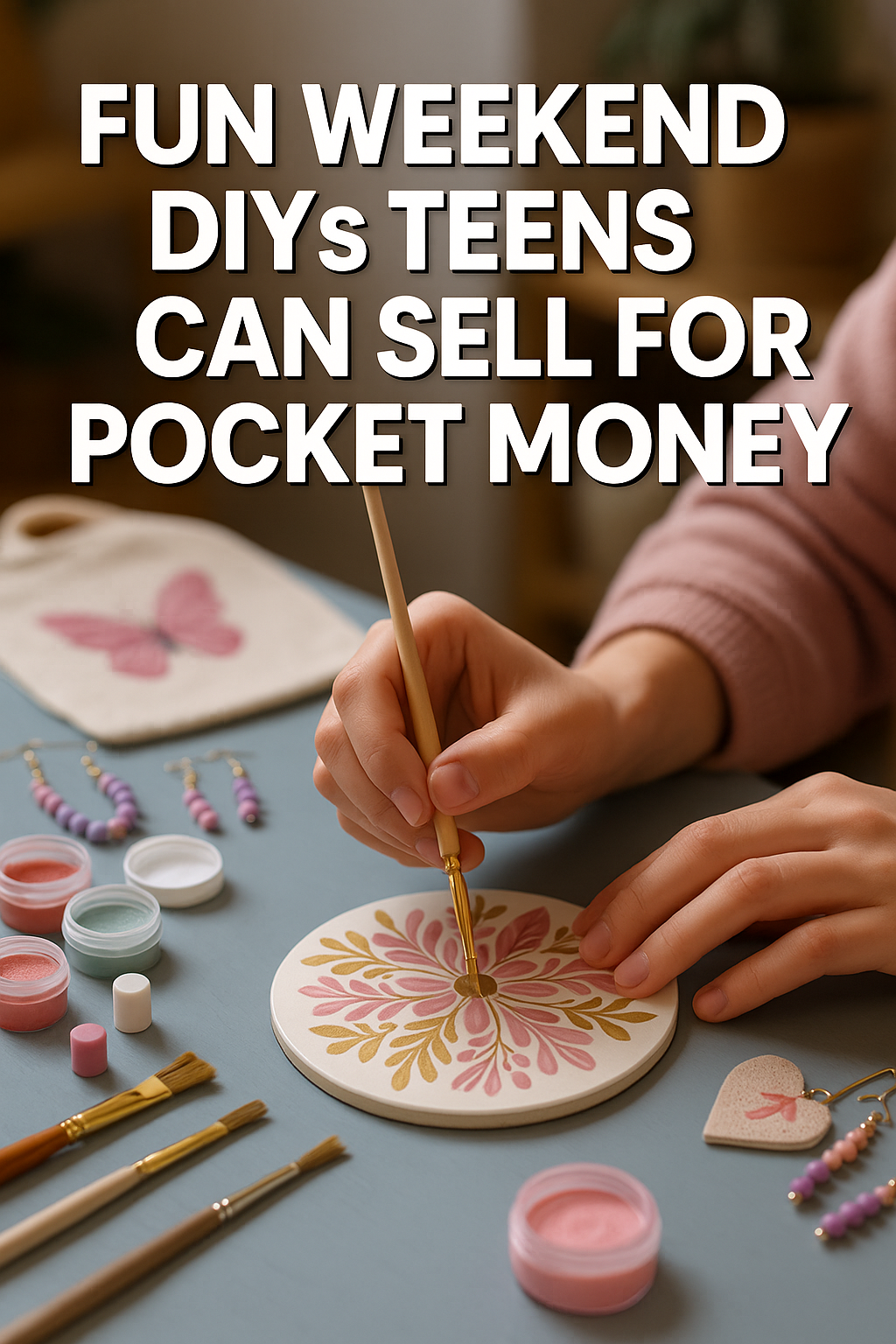
Fun Weekend DIYs Teens Can Sell for Pocket Money.”

Earning extra pocket money as a teen doesn’t have to mean getting a part-time job that eats up your free time. If you’re creative and love making things, weekend DIY crafts can be a fun and profitable way to earn cash — all while doing something you actually enjoy.

Whether you want to save for something special, gain experience running a small business, or simply turn your hobby into a side hustle, there are plenty of easy, affordable projects you can make and sell. The best part? You can start right at home with simple supplies.


Why Weekend DIYs are Perfect for Teens

  • Flexible Schedule: You can make crafts on Saturdays and Sundays without affecting your schoolwork.
  • Low Investment: Many projects use inexpensive materials or items you already have.
  • Quick to Make: Most ideas can be completed in a couple of hours or less.
  • Creative Expression: You get to showcase your personality in your products.
  • Earning Potential: Handmade items often sell for more than the cost of materials.

10 Fun Weekend DIYs to Try

Here are some easy, trending projects you can start making this weekend and sell for profit.

1. Hand-Painted Coasters

  • Use ceramic, wood, or cork coasters.
  • Add floral patterns, geometric shapes, or positive quotes with acrylic paint.
  • Seal with a waterproof varnish for durability.

Where to sell: School fairs, Etsy, local markets.


2. Beaded Friendship Bracelets

  • Bright beads, charms, and stretchy cord are all you need.
  • Offer custom color combinations or name bracelets for friends.

Why they sell: Affordable, trendy, and great for gifting.


3. Personalized Tote Bags

  • Buy plain canvas totes and decorate with fabric paint, stencils, or iron-on designs.
  • Make niche designs like “Book Lover,” “Plant Mom,” or school spirit themes.

Pro tip: Tote bags are eco-friendly and appeal to all ages.


4. Resin Keychains

  • Use resin molds to create custom shapes.
  • Add glitter, pressed flowers, or initials for personalization.

Selling point: Lightweight, affordable, and perfect as small gifts.


5. DIY Lip Balm

  • Combine beeswax, coconut oil, and flavor oils.
  • Package in cute tins or twist tubes with custom labels.

Extra tip: Offer seasonal scents like peppermint in winter or citrus in summer.


6. Polymer Clay Earrings

  • Shape lightweight clay into trendy designs (hearts, flowers, abstract shapes).
  • Bake, paint, and attach earring hooks.

Why they sell: Handmade jewelry is always in demand and easy to customize.


7. Painted Plant Pots

  • Use terracotta pots and decorate with bright colors or aesthetic patterns.
  • Pair with a small succulent for extra value.

Hot tip: Plants + cute pots sell fast at fairs and online.


8. Decorative Bookmarks

  • Use cardstock, pressed flowers, or laminated art prints.
  • Add tassels for an extra touch.

Target audience: Book lovers, students, and gift buyers.


9. Bath Bombs

  • Mix baking soda, citric acid, Epsom salt, essential oils, and coloring.
  • Shape in molds and let them dry.

Why they work: Affordable to make in batches and great for gift sets.


10. Mini Canvas Wall Art

  • Create small paintings with inspirational quotes, abstract art, or popular characters.
  • Sell as single pieces or in sets of two or three.

Bonus: Great option if you enjoy painting and want to show off your skills.


Tips to Sell Your Crafts Successfully

  1. Start Small: Make a few pieces of each design to see which sells best.
  2. Price Fairly: Calculate material costs + time, then add a profit margin.
  3. Use Social Media: Share photos and videos of your creations on Instagram, Pinterest, and TikTok.
  4. Package Well: Cute packaging makes your product feel premium.
  5. Offer Custom Orders: People love personalized items.

Final Thoughts

Selling crafts as a teen can be a fun and rewarding weekend project. It teaches you important skills like budgeting, marketing, and customer service — all while letting you earn your own money. Start with one or two ideas from this list, test them with friends or family, and grow your little business from there.

Remember, the key to success is creating something you enjoy making and that others are excited to buy. Who knows? Your small weekend hobby could grow into a long-term business!

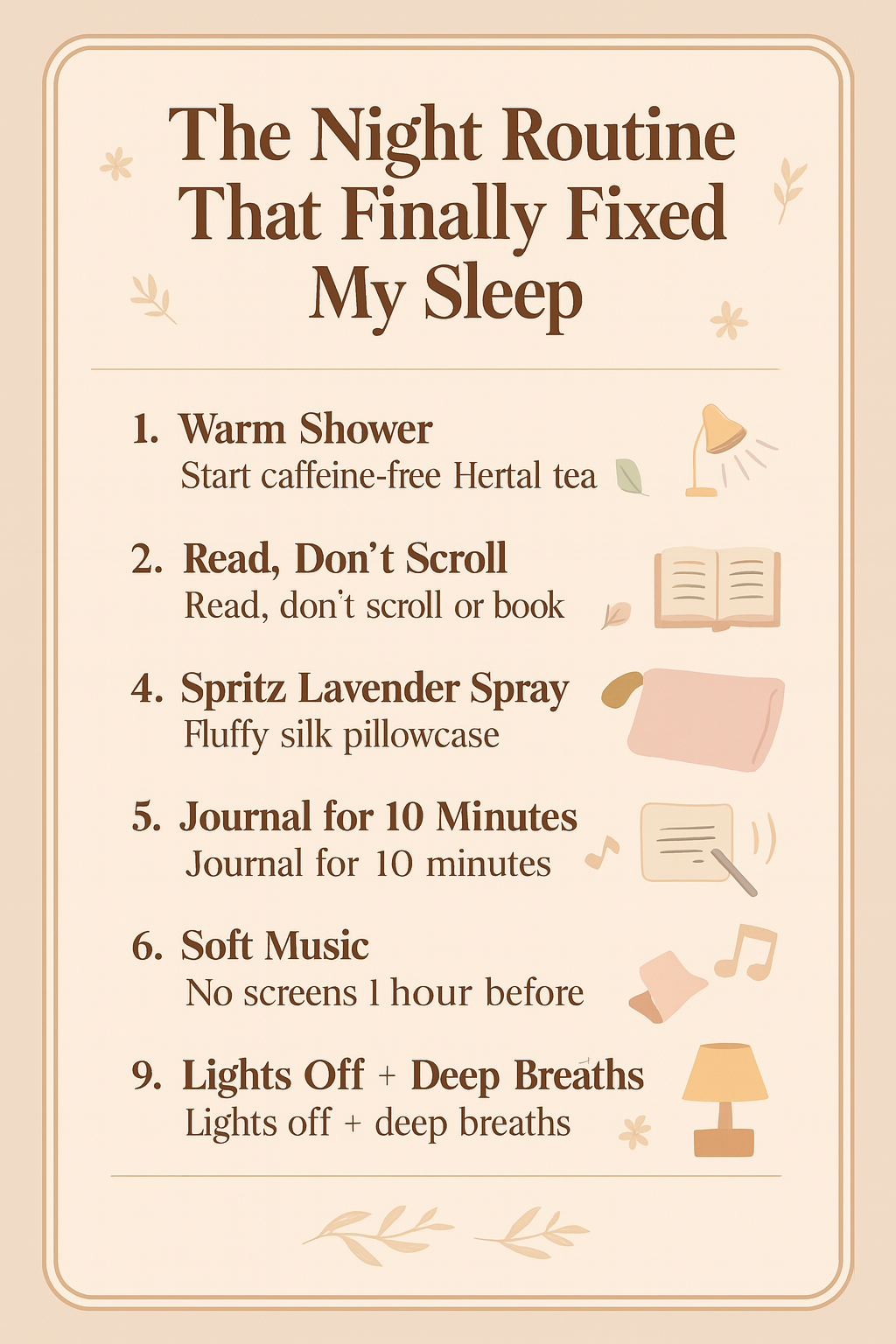
The Night Routine That Finally Fixed My Sleep

The Night Routine That Finally Fixed My Sleep

A simple and soothing 10-step reset that actually worked

In a world full of overstimulation and blue light, sleep doesn’t come easily—especially when your mind is buzzing and your body feels wired. After months of tossing and turning, I simplified my evenings and built a realistic, gentle night routine that changed everything. Here’s exactly what helped me sleep deeper, faster, and wake up feeling more restored:

1. Warm Shower Before Bed

A warm shower 60 to 90 minutes before sleep helps lower core body temperature, which signals your brain that it’s time to wind down. It also releases muscle tension and eases you into a state of calm.

2. Herbal Tea (No Caffeine)

Swapping evening caffeine for caffeine-free herbal teas like chamomile, lavender, or lemon balm creates a natural calming ritual. I noticed it instantly slowed my racing thoughts and supported a smoother transition to rest.

3. Reading (Not Scrolling)

Instead of mindlessly scrolling on my phone, I now read a few pages of a novel, short stories, or even a calming magazine. This lowers mental stimulation and prevents the blue light exposure that delays melatonin release.

4. Lavender Pillow Spray

Just a light mist of lavender or eucalyptus essential oil on my pillow helped my body associate scent with sleep. Over time, it became a cue for my nervous system to soften and release the day.

5. Silk Pillowcase

Beyond skincare benefits, switching to a silk or satin pillowcase brought a sense of luxury and physical comfort to my nighttime environment—making bedtime something to look forward to.

6. Gratitude Journaling

Each night, I write down 3 things I’m grateful for. It’s a small but powerful mindset shift that reduces anxiety, replaces spiraling thoughts with peace, and brings emotional closure to the day.

7. Soft Music or Ambient Sounds

Whether it’s gentle lo-fi beats, ocean waves, or white noise, soft background sounds help mask environmental noise and calm the mind. I now associate those sounds with rest, not distraction.

8. No Screens 1 Hour Before Sleep

I made a hard rule: no phone, laptop, or TV at least 60 minutes before bed. This cut down blue light exposure and taught my brain to separate day stimulation from night relaxation.

9. Gentle Stretching or Night Yoga

A 5-minute routine of light stretching—neck rolls, forward folds, or legs-up-the-wall pose—helps my body let go of the day’s physical tension. This improved not just how quickly I fall asleep, but how deeply I sleep too.

10. Set a Bedtime Alarm

Instead of just waking up with an alarm, I now set one at night too. When it goes off, I stop whatever I’m doing and start my sleep ritual. This one trick created consistency, which improved my circadian rhythm over time.

Final Thoughts

The key to this routine wasn’t perfection — it was consistency and softness. When I stopped pressuring myself to have the “perfect” night and focused on winding down gently, my sleep naturally improved. Now, bedtime feels like self-care instead of a struggle.

shedeur-sanders-Jax-Ulbrich-getty-x-1

The Shedeur Sanders draft day prank call mystery has officially been solved … with the son of Atlanta Falcons defensive coordinator Jeff Ulbrich admitting he was the person behind the cruel joke, calling it a “tremendous mistake.”

Jax Ulbrich, the college sophomore son of the former NY Jets interim head coach, fessed up Sunday afternoon in a social media post.

Jax-Ulbrich-berryvikings-1

“On Friday night I made a tremendous mistake. Shedeur, what I did was completely inexcusable, embarrassing, and shameful. I’m so sorry I took away from your moment, it was selfish and childish. I could never imagine getting ready to celebrate one of the greatest moments of your life and I made a terrible mistake and messed with that moment,” Jax wrote on Instagram.

“Thank you for accepting my call earlier today, I hope you can find it in your heart to forgive me,” the 21-year-old said in closing, before tagging Sanders online.

Of course, the prank call on Friday, as the NFL Draft’s second and third rounds played out, only added insult to injury for Shedeur … who had expected to be drafted the previous night, near the top of the very first round.

Jax-Ulbrich-X-1

When the call came, Shedeur and his family thought the long wait was finally over — but alas it was not.

There was near immediate belief the prank could’ve been someone from inside the NFL family … as Shedeur got a new phone for draft night, so teams could contact him. No one else supposedly had the number.

After video from the prankster’s side of the call was released, people began to identify Jax — who plays running back at Div. 3 Berry College — from the clip.

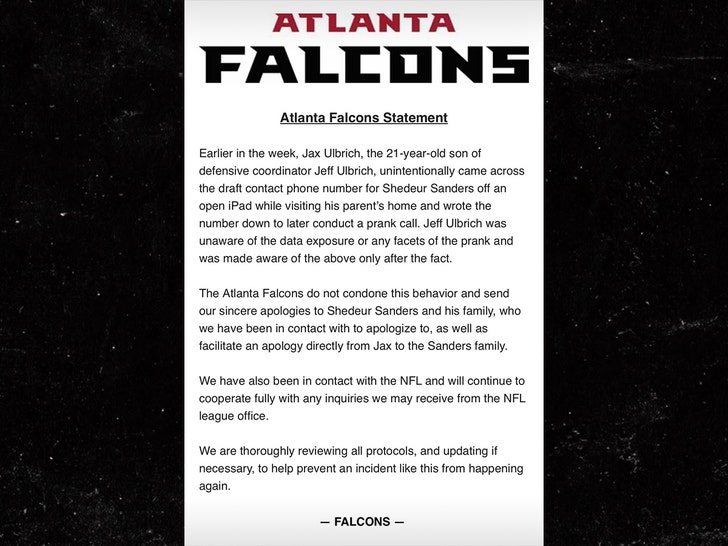
The Falcons, who hired Jeff Ulbrich as DC this offseason after he was let go by the Jets, also issued a statement, explaining what happened, and saying they’re in contact with the league office.

atlanta-falcons-statement-1

Shedeur, who was ultimately drafted by the Cleveland Browns in the 5th round with the 144th pick, has yet to comment publicly on Jax’s apology.

Stay tuned.

Dr. Keiva Lark, a 53-year-old assistant principal at Lake Marion Creek Middle School in Florida, has reportedly been arrested for calling a student “sexy chocolate” and asking him to rub her feet.

More Details On Assistant Principal Dr. Keiva Lark Asking The Student To Rub Her Feet

According to WESH, the Polk County Sheriff’s Office announced Dr. Lark’s arrest on Thursday, April 12. Per the outlet, an investigaiton into the assistant principal reportedly began on April 4. This was reportedly after the school’s principal alerted police to Dr. Lark’s alleged actions.

Specifically, a male student was reportedly sent to the assistant principal’s office for allegedly “throwing [a] balled-up paper across a classroom during a test.” Per TMZ, the student is 13 years old.

“While in the office, according to two witnesses and the victim, Lark told the victim to rub her feet, since he didn’t have anything better to do with his hands. She removed her shoes and placed her legs across the victim’s lap, and he did as he was told,” police stated, per the outlet.

During the interaction, witnesses reportedly heard Dr. Lark “scold” the victim for not rubbing her feet “properly.” Additionally, the assistant principal reportedly went on to demonstrate how the student could do better by massaging his arms and shoulders. Lastly, during the interaction, Dr. Lark allegedly could be heard telling the student that she was showing him these things to aid in his future romances.

More Details On The Assistant Principal Dr. Keiva Lark Allegedly Calling A Student “Sexy Chocolate” & Her Arrest

According to the outlet, the victim informed police that Dr. Lark referred to him as “Sexy Chocolate” when they’d cross paths in the hallway. In response, Dr. Lark reportedly told authorities that “she was just trying to humble the victim.” Then, she later admitted that her “actions” were inappropriate. However, she reportedly maintained that her words toward the student were not.

Per WESH, Dr. Lark has been charged with “lewd/lascivious conduct.” Additionally, she has reportedly been charged with a “lewd offense against a student by an authority figure.” The outlet adds that she had been placed on administrative leave following her arrest.

Two Students Have Made Headlines In Texas Following A Fatal Stabbing At A Track Meet

In addition to Dr. Keiva Lark’s recent arrest and charges, two students have also made headlines in Texas. As The Shade Room previously reported, earlier this month, it was reported that a 17-year-old student named Karmelo Anthony fatally stabbed another student at a track meet. Subsequently, the victim was identified as Austin Metcalf, 17. Additionally, it was reported that Anthony was charged with first-degree murder.

Furthermore, initial rumors asserted that the altercation began after Metcalf allegedly told Anthony that he was sitting in the wrong seat.

Since then, lawyers for Karmelo Anthony have spoken out in his defense. Additionally, Texas police have urged the public to refrain from believing everything they read about the fatal incident online.

Top 10 After-School Jobs for Teens

Introduction: Why After-School Jobs Matter

After-school jobs offer more than just extra cash for teens—they build critical life skills. These jobs teach responsibility, time management, and independence, all while providing a taste of the working world.

1. Babysitting

Babysitting is a flexible, trusted job for teens. It teaches responsibility, patience, and conflict resolution, while allowing them to manage their time.

2. Grocery Store Clerk

Working at a grocery store helps teens develop customer service skills, problem-solving, and teamwork. These roles often include cash handling and time management.

3. Restaurant Server

The food industry is fast-paced, teaching teens how to handle stress, multi-task, and improve communication skills with customers and teammates.

4. Camp Counselor or Tutor

Jobs like tutoring or working as a camp counselor involve working with younger children, which develops patience, leadership, and creativity. Teens gain valuable mentoring experience.

5. Photographer’s Assistant

For creative teens, assisting a photographer is a great way to learn about art, set design, and customer interaction.

6. Retail Sales

Retail jobs, particularly in bookstores or clothing stores, allow teens to engage with inventory, customer service, and teamwork. These positions build both social and organizational skills.

7. Theater or Movie House Staff

Teens working in theaters often gain teamwork experience while managing concessions or ticket sales. This can help improve attention to detail and cash handling.

8. Office Assistant

Interning at an office gives teens insight into various industries while teaching professionalism, time management, and communication.

9. Tour Guide

For teens who enjoy public speaking, working as a tour guide is ideal. It develops presentation skills, fast thinking, and deepens their knowledge of local history or attractions.

10. Lifeguard or Outdoor Activity Assistant

Teens who love the outdoors can find rewarding jobs as lifeguards or river guides. These roles require safety skills, communication, and teamwork.

Conclusion: Building Skills for the Future

After-school jobs not only provide teens with an income but also prepare them for adult responsibilities. The skills they gain through these roles will benefit them well into their future careers and personal lives.

Balancing Honesty: What to Share With Your Teenage Daughter

How Much Should You Share With Your Teenage Daughter?

Navigating the emotional terrain of parenting a teenage daughter can be challenging, especially when it comes to how much of your past experiences you should reveal. As your daughter grows older, her curiosity about who you are as a person—beyond just a parent—expands. This often leaves parents contemplating how much honesty is appropriate.

The Evolution of the Mother-Daughter Relationship

As daughters mature, the relationship with their mothers transforms. From being the nurturing protector to becoming someone who enforces rules, the dynamic shifts, and eventually, teens start seeing their mothers as complex individuals. At this point, teenagers may ask personal questions, testing the boundaries of how much their mother will share.

Finding the Balance Between Openness and Boundaries

It’s tempting to be completely open with your daughter, especially if you don’t want to repeat patterns from your own upbringing, like feeling distant from your parents. However, total transparency isn’t always wise. Sharing too much—especially information beyond your daughter’s maturity level—can burden her emotionally, leading to unintended consequences like role reversal, where she feels like she has to care for you emotionally.

Honesty With a Purpose

When answering your daughter’s probing questions about your teenage years or past mistakes, it’s important to be honest, but with intention. Share the truth in a way that imparts wisdom without overloading her with details. For instance, you can admit to making mistakes in your youth, but focus on what you learned from them rather than glorifying those experiences.

Creating Teachable Moments

One of the best ways to handle sensitive questions is by creating a teachable moment. If your daughter asks about a time you misbehaved or lied to your parents, use the opportunity to discuss consequences and growth. Be relatable but emphasize the importance of learning from mistakes, ensuring the lesson isn’t lost in the story.

The Question Behind the Question

Often, when teens ask about their parents’ past, they are not just curious—they may be grappling with similar issues in their own lives. Instead of just focusing on the specific question, try to understand what she really wants to know. Is she asking because she’s dealing with peer pressure, or is she looking for guidance on making decisions? Being attuned to this deeper context can help you guide her better.

Maintaining Emotional Boundaries

While it’s important to be emotionally available for your daughter, you also need to maintain boundaries. Oversharing can blur the lines between parent and friend, which can confuse roles within the relationship. Your daughter still needs you as her parent, her guide, and her protector. By modeling healthy emotional boundaries, you’re teaching her an important life skill.

Fostering Open Communication

Ultimately, the goal is to foster a relationship where your daughter feels comfortable coming to you with her concerns. This requires a delicate balance of being open, supportive, and relatable, while still maintaining your role as her parent. Encourage her to share her feelings, and actively listen without judgment. The more she trusts you with her thoughts, the more open your relationship will become.

Conclusion

As your teenage daughter grows into her own person, the way you communicate will evolve. It’s crucial to remain open and honest while respecting boundaries that protect both of you. By sharing wisely and thoughtfully, you’ll not only strengthen your bond but also guide her toward healthy emotional development.

By balancing transparency with thoughtful communication, you can navigate the complexities of sharing with your teenage daughter, ensuring that your relationship is built on trust, respect, and growth.

Understanding Attachment Theory and Teen Rejection

As parents, witnessing our teenagers navigate the turbulent waters of adolescence can be both fascinating and daunting. Among the myriad challenges they face, rejection stands out as a significant emotional hurdle. Understanding attachment theory can provide valuable insights into how our teens respond to rejection and how we, as parents, can support them through this phase.

What is Attachment Theory?

Attachment theory, pioneered by British psychologist John Bowlby, posits that the emotional bonds formed during early childhood significantly influence our relationships later in life. According to Bowlby, a secure attachment to caregivers fosters a sense of safety and trust, enabling children to explore their surroundings and form healthy relationships.

Dr. Eric Herman, a clinical psychologist, emphasizes that a child who experiences close, nurturing bonds is better equipped to develop independence without succumbing to anxiety or depression. These early bonds lay the foundation for how teenagers will cope with the inevitable rejections they encounter as they mature.

The Role of Early Bonds

Healthy attachment during childhood is crucial for emotional development. When children feel safe and loved, they are more likely to trust others and form stable relationships. Multiple attachments—such as those with grandparents, teachers, or friends—can also play a significant role. These connections offer additional support, helping teens to navigate social challenges, including rejection.

When children have positive experiences with their caregivers, they are better prepared to handle life’s ups and downs. They learn that rejection, while painful, is a part of life and not a reflection of their self-worth.

Attachment in the Teenage Years

During adolescence, the dynamics of attachment begin to shift. Teenagers naturally start to seek independence, often relying more on peer relationships than parental guidance. This transition is normal; however, it can leave parents feeling sidelined.

According to Carleton Kendrick, a family therapist, this shift doesn’t diminish the importance of the parent-teen relationship. Teens still benefit from the guidance and support of their parents, particularly when dealing with rejection from peers or romantic interests.

The Impact of Rejection on Teenagers

Rejection can take many forms, from being left out of social activities to more significant life events, such as not getting accepted into a preferred college. When teenagers face rejection, they may experience feelings of sadness, anger, or inadequacy. These emotions can be exacerbated if the teen lacks a secure attachment to their parents.

As teens navigate these feelings, it’s essential for parents to remain supportive. A child who has a secure base at home is more likely to approach their parents when they experience distress. This relationship can provide a safe space for the teen to express their emotions and gain perspective on their experiences.

How Parents Can Support Their Teens

Here are several strategies parents can employ to help their teenagers cope with rejection:

  1. Open Communication: Encourage your teen to share their feelings. Create an environment where they feel safe discussing their experiences without judgment.
  2. Listen Actively: When your teen shares their feelings about rejection, listen attentively. Acknowledge their emotions and let them know that it’s okay to feel hurt or disappointed.
  3. Normalize Rejection: Help your teen understand that rejection is a common experience. Share stories from your own life about times you faced rejection and how you overcame it.
  4. Encourage Resilience: Teach your teen the importance of resilience. Encourage them to view rejection as an opportunity for growth and learning, rather than as a defining moment.
  5. Foster a Positive Self-Image: Help your teen develop a strong sense of self-worth. Remind them of their strengths and achievements, and encourage them to pursue their passions and interests.
  6. Be Available: Ensure your teen knows you are there for them. Your presence can offer comfort and reassurance during difficult times.

Conclusion

Understanding attachment theory can shed light on how teenagers experience rejection and navigate their emotions. By fostering a secure attachment and providing support, parents can empower their teens to handle rejection more effectively. This nurturing approach not only helps teens cope with current challenges but also equips them with the skills needed for future relationships. Remember, while rejection is a part of life, with your guidance, your teen can learn to navigate it with resilience and confidence.