
 By Frank Lucasale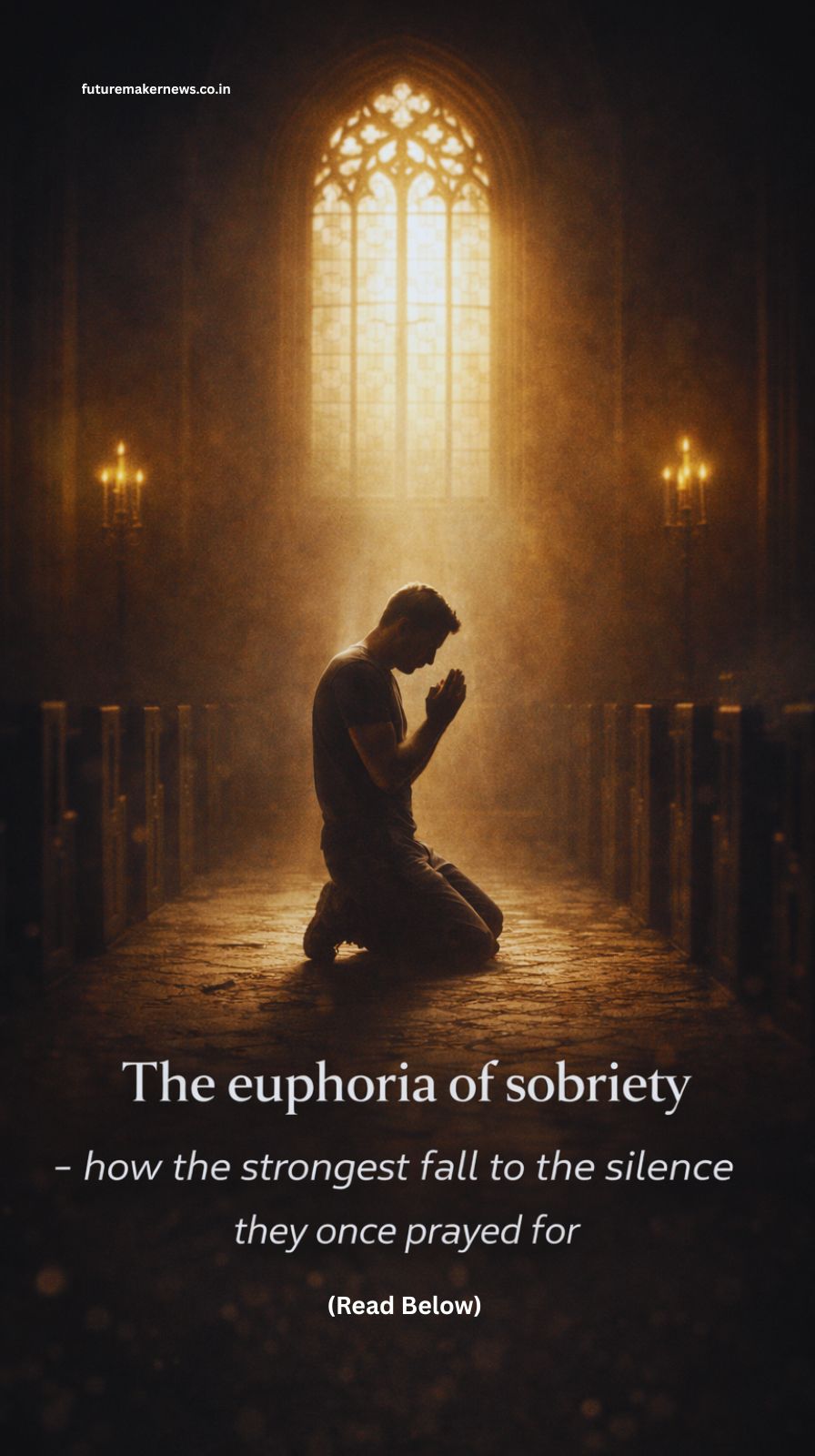
People love to say, “Sobriety is freedom.”
What they rarely mention is that the first year often feels like walking barefoot through fire.
The initial high fades quickly.
The clarity stops feeling heroic.
And what remains is the real work: you, alone, without anesthetic.
Sobriety doesn’t immediately feel like peace.
It feels like confrontation.
1. The Great Unmasking
When the haze lifts, something painful becomes clear:
many of the people you called friends were really just companions in escape.
The parties, the noise, the endless small talk—none of it survives sobriety.
And when it disappears, the loneliness hits hard.
This loss hurts, but it serves a purpose.
Pain clears the room.
Only when the distractions leave can space open for people who actually see you—not the version numbed into compliance, but the one who is awake, present, and honest.
Sobriety doesn’t take people from you.
It reveals who was never meant to stay.
2. The Screaming Silence
Alcohol, nicotine, sugar, and other habits were never real comforts.
They were mute buttons.
Without them, every unresolved wound makes itself known.
Anxiety rises. Restlessness sharpens. Thoughts get louder.
Science explains this as elevated cortisol and nervous system recalibration.
Lived experience calls it something simpler: reality returning.
This stage feels unbearable—but it’s also where rebuilding begins.
Not in dramatic breakthroughs, but in quiet, repeated choices.
Minute by minute.
Day by day.
3. The Return of Feeling
Sobriety brings sensation back online.
Without chemicals to dull the edges:
- Anger burns hotter
- Sadness sinks deeper
- Joy hits harder
Every emotion arrives unfiltered.
It can feel overwhelming—sometimes terrifying.
But it’s also proof that you’re no longer a spectator in your own life.
You’re not numbing anymore.
You’re participating.
Feeling everything again is the price of being fully alive.
4. The Forging
- No bottle.
- No smoke.
- No crutch.
Just you, the quiet, and the thoughts you’ve been avoiding.
This is the hardest phase—and the most transformative.
In the silence, something unexpected happens:
you stop leaning on the counter of escape and start standing on your own spine.
Strength isn’t discovered here.
It’s forged.
If you survive this chapter, you don’t just recover—you evolve.
Final Thought
Sobriety isn’t the absence of substances.
It’s the presence of self.
The silence you once feared is the same silence you once prayed for—
and learning to live inside it is what turns survival into strength.
Not everyone makes it through this stage.
But those who do emerge different.
Quieter.
Stronger.
Unbreakable in ways they never imagined.