You walk into your favorite cafe , flick to order your go-to latte—but the barista looks apologetic:
“Sorry, we ran out of matcha today.”
That’s the moment you realize this isn’t just a blip—it’s a global matcha crisis.
Kyoto’s Climate Chaos: Where It All Begins
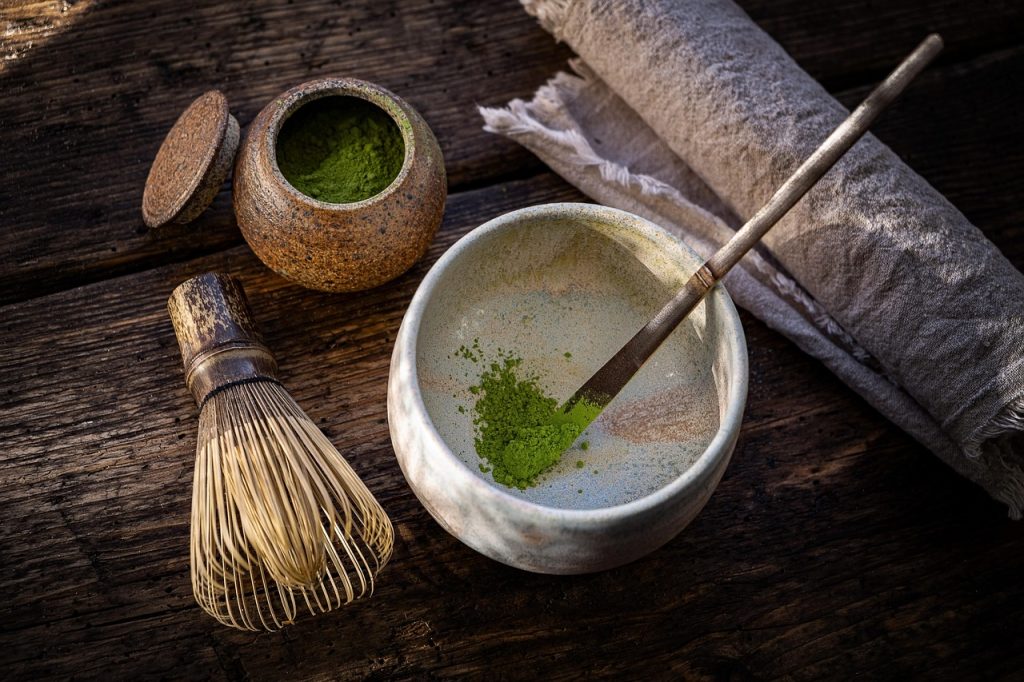
Imagine walking through the serene, misty hills of Uji, Kyoto, where matcha’s soul is born. Now picture this peace shattered—scorching heatwaves, freak frost in April, and downpours that come and go like moody texts.
Result? A devastating 25% drop in tencha leaves, and prices have gone through the roof—up 170%. Local farmers, many in their 60s, are battling to protect century-old traditions while praying the weather calms down.
“We’ve never seen seasons like this,” says 68-year-old Tanaka-san, a second-generation grower near Kyoto. “We shade the leaves, we hand-pick… but nature isn’t listening anymore.”
From TikTok to Total Wipeout: Demand Gone Wild
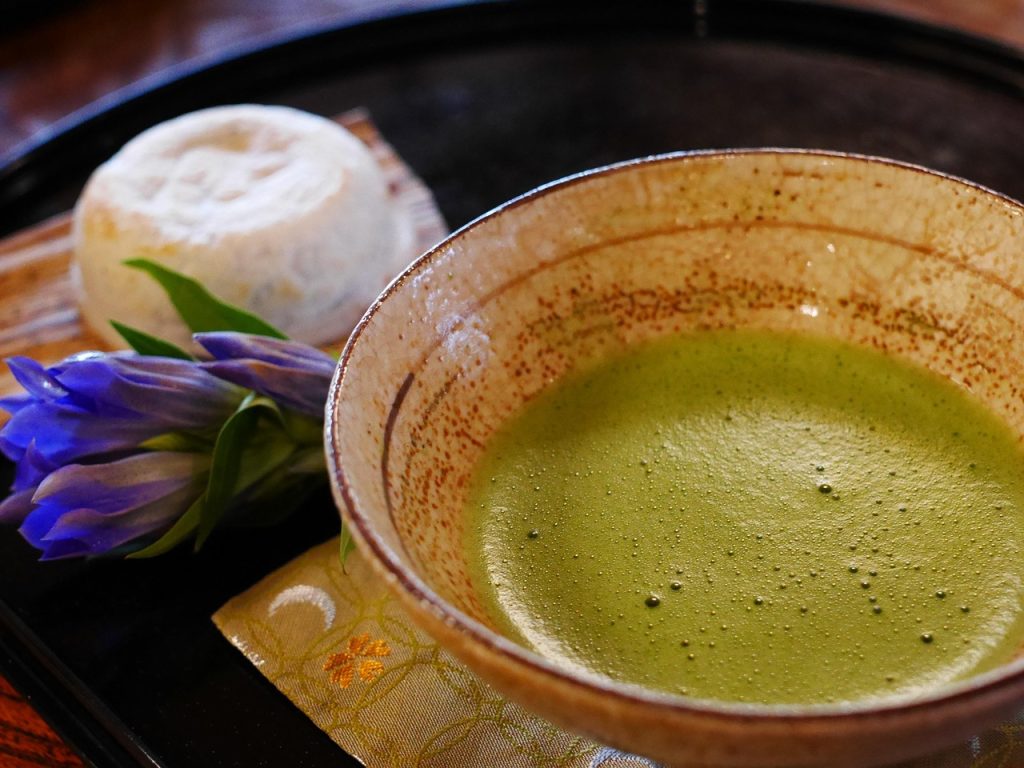
Blink, and your feed is full of matcha lattes, protein balls, face masks, and even matcha-infused dog treats.
Thanks to the #MatchaGirlies and LA’s clean girl craze, the demand curve didn’t just climb—it exploded. Japan simply couldn’t keep up.
One viral video = empty shelves in Seattle, London, and Dubai.
Matcha was once sacred. Now it’s trending. And trends move faster than harvest cycles.
Old-School Vibes, New-World Struggles
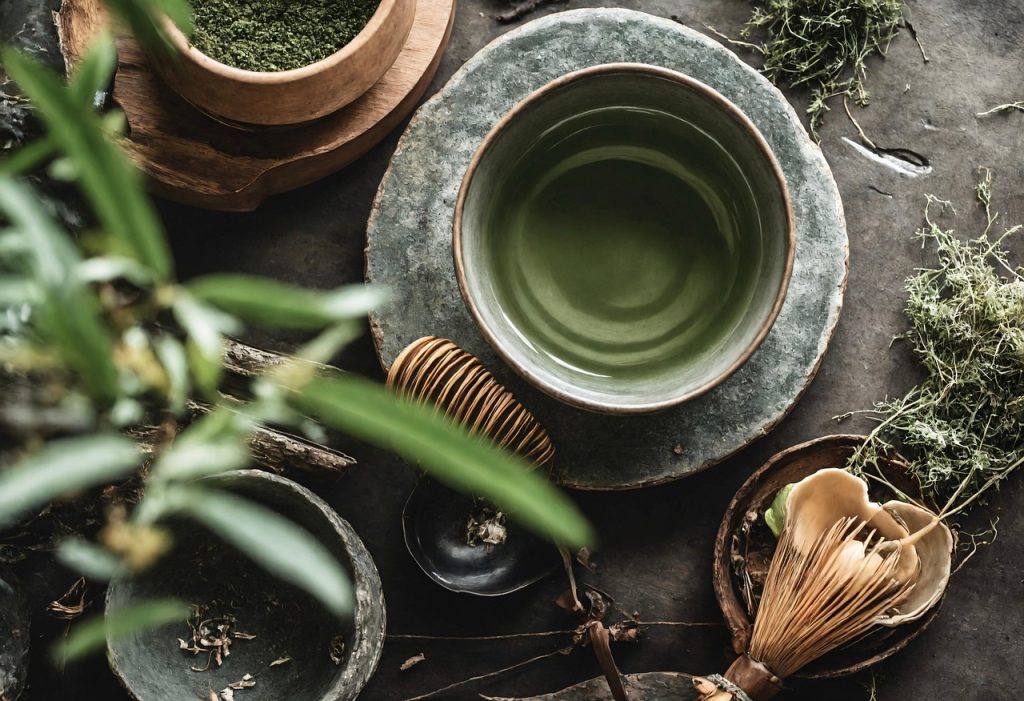
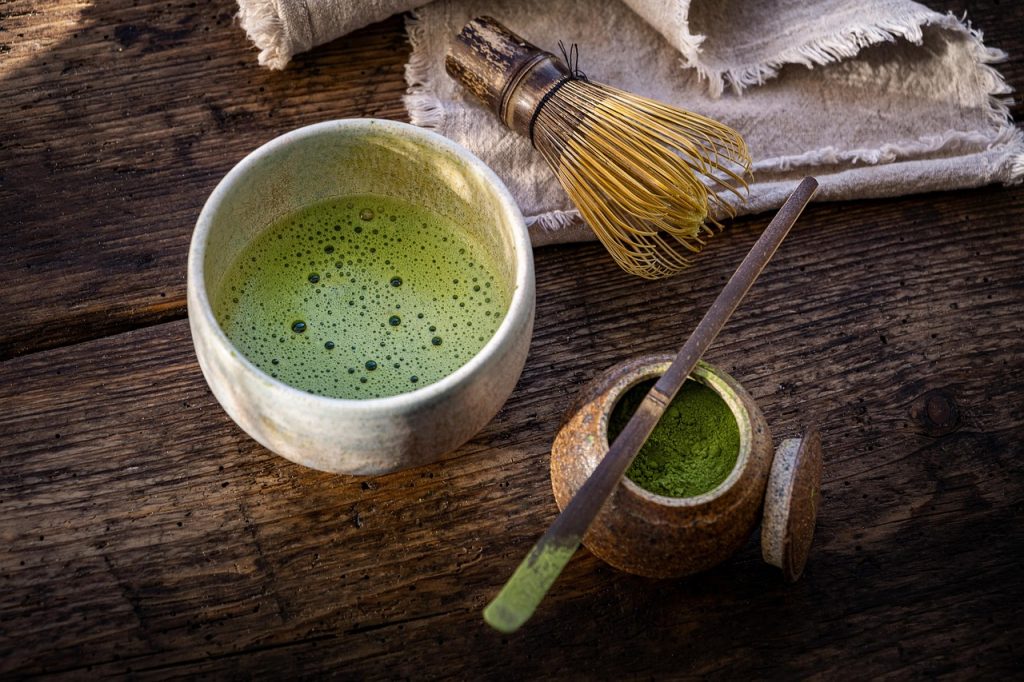
Real matcha isn’t made in a factory—it’s crafted.
- Grown under carefully layered shades
- Picked by hand, one leaf at a time
- Stone-ground slowly, to preserve its soul
This isn’t tea you scale with machines. This is tea that demands patience. That makes it fragile. And that’s why, when one cog breaks—weather, workers, or freight—the entire supply chain shudders.
Politics + Ports = Pricier Powder
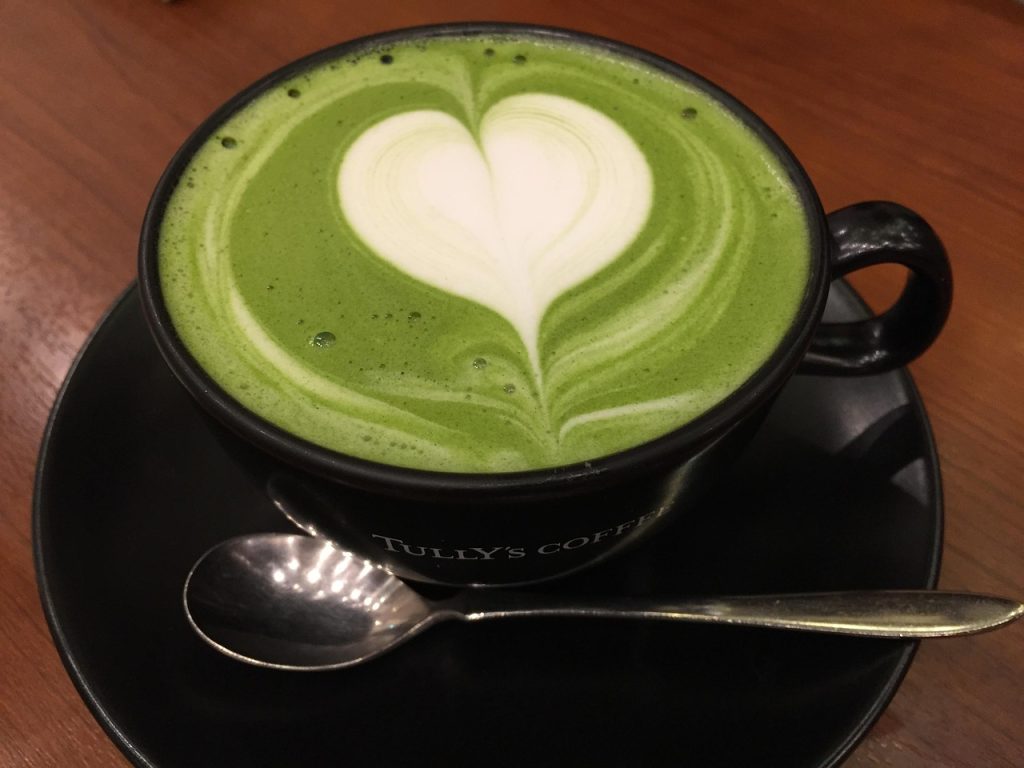
As if that wasn’t enough: Importers are tacking on 15%–25% extra to retail prices. Even big players like Starbucks and niche matcha startups are either shrinking portions or hiking menu prices to stay afloat
- Tariffs on Japanese imports
- Port delays and freight hikes
- Even customs inspections getting tighter
…have added 15–25% to retail matcha prices in the West.
Even corporate giants are sweating. Your $5 café latte? It’s already $6—and climbing.
Feeling This? You’re Not Alone.
From Kyoto farmers to LA influencers, this crisis is personal. It’s cultural,economical,environmental. And it’s unfolding right now.
FQ (Frequently Questioned)
Q: Is this shortage real or just media hype?
A: It’s very real. Global yield is down, and exports are under pressure.
Q: Will prices drop again?
A: Unlikely in 2025. Climate and demand aren’t cooling off anytime soon.
Q: Is ceremonial matcha more affected than culinary?
A: Yes. Ceremonial matcha uses only the youngest leaves—hardest to grow and most sensitive to climate swings.
Q: Where can I still get authentic matcha?
A: Go for direct-trade brands, Japanese-origin certifications, or trusted co-ops.