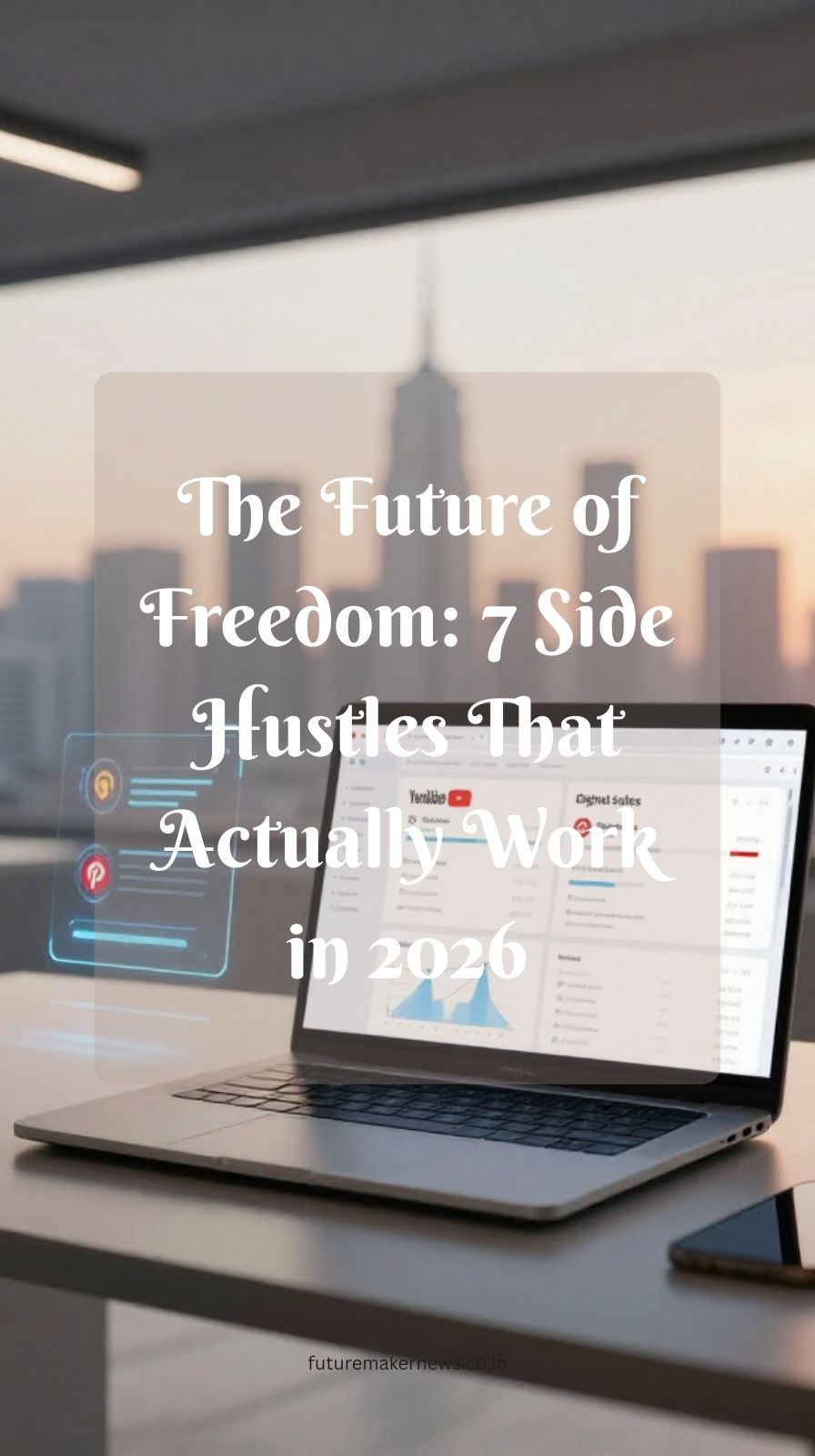
Making money online in 2026 isn’t about “get-rich-quick” schemes; it’s about building scalable assets. From AI automation to visual search engines, the barrier to entry has dropped, but the need for strategy has skyrocketed.
If you’re ready to stop trading time for pennies, here are the seven most effective side hustles that are dominating the landscape this year.
The traditional 9-to-5 is no longer the “safe” bet it once was. In 2026, the economy has shifted toward the solopreneur, where individual skills and digital leverage outweigh corporate seniority. Whether you are looking to escape the rat race or simply pad your savings against inflation, the creator economy offers more opportunities than ever before.
1. High-Value Digital Products

The “build once, sell forever” model is the holy grail of passive income. In 2026, consumers are moving away from bloated, expensive masterclasses and toward “mini-products”—hyper-specific solutions to immediate problems.
- The Concept: You package your knowledge into digital downloads like e-books, Notion templates, or mini-video workshops.
- The Strategy: Identify a “bleeding neck” problem in a specific niche (e.g., “AI-Powered Budgeting for Freelancers”) and create a low-cost solution ($27–$97).
- Scalability: Once the product is hosted on a platform like Gumroad or Stan Store, your only job is traffic generation.
Pros & Cons
- Pros: Extremely high profit margins (90%+); no inventory or shipping costs; works while you sleep.
- Cons: Requires an initial time investment to create; needs a consistent marketing strategy to stay relevant.
2. Faceless Pinterest Blogging

Pinterest has evolved into a powerhouse visual search engine in 2026. Because the platform prioritizes content over creators, you can drive massive traffic to a blog without ever showing your face or recording a single “Get Ready With Me” video.
- The Loop: You create visually stunning pins using AI design tools, link them to helpful blog posts, and monetize that traffic through affiliate marketing and display ads.
- SEO Integration: By using Pinterest SEO, you target high-intent keywords that users are actively searching for, bypassing the hyper-competitiveness of Google’s front page.
- The 2026 Edge: Pinterest users have higher purchasing intent than TikTok or Instagram users. They aren’t there to be entertained; they are there to plan and buy.
Pros & Cons
- Pros: Total anonymity; compounding traffic (pins can go viral months after posting); low maintenance once the system is set up.
- Cons: It takes 3–6 months to see significant organic reach; requires consistent pinning and high-quality graphics.
3. Niche Digital Printables

The market for digital printables has exploded as more people embrace digital planning and home organization. This is the ultimate “entry-level” hustle for those who have an eye for design but don’t want to manage a complex website.
- Top Sellers: Habit trackers, “Shadow Work” journals, educational worksheets for kids, and Etsy SEO-optimized wedding planners.
- The Workflow: Design a PDF in Canva, upload it to Etsy or a Shopify starter store, and let the platform’s internal search engine find your customers.
- The 2026 Twist: Use AI image generators to create unique borders, stickers, and elements that make your printables stand out from generic competitors.
Pros & Cons
- Pros: Zero overhead costs; very low barrier to entry; great for testing different market niches quickly.
- Cons: Highly competitive; requires staying on top of seasonal trends; profit per sale is usually lower than other products.
4. UGC (User-Generated Content) Creation

Brands in 2026 have realized that polished, professional ads are often ignored. They want “real” people making “real” content. As a UGC creator, you don’t need a following; you just need a smartphone and the ability to make engaging short-form videos.
- The Job: You record a video of yourself using a product, unboxing it, or giving a testimonial. The brand then buys the rights to use that video on their social media ads.
- The Income: Beginners can charge $150–$250 per video, while experienced creators with a portfolio often command $500+ for a single 30-second clip.
- High Demand: Every e-commerce brand on Earth needs a constant stream of fresh social media content to stay relevant.
Pros & Cons
- Pros: You get free products; no need to build a personal audience; high income potential for those with good communication skills.
- Cons: Not passive—you are trading your time for content; requires basic video editing skills and a “pitching” mindset.
5. AI Services & Prompt Engineering
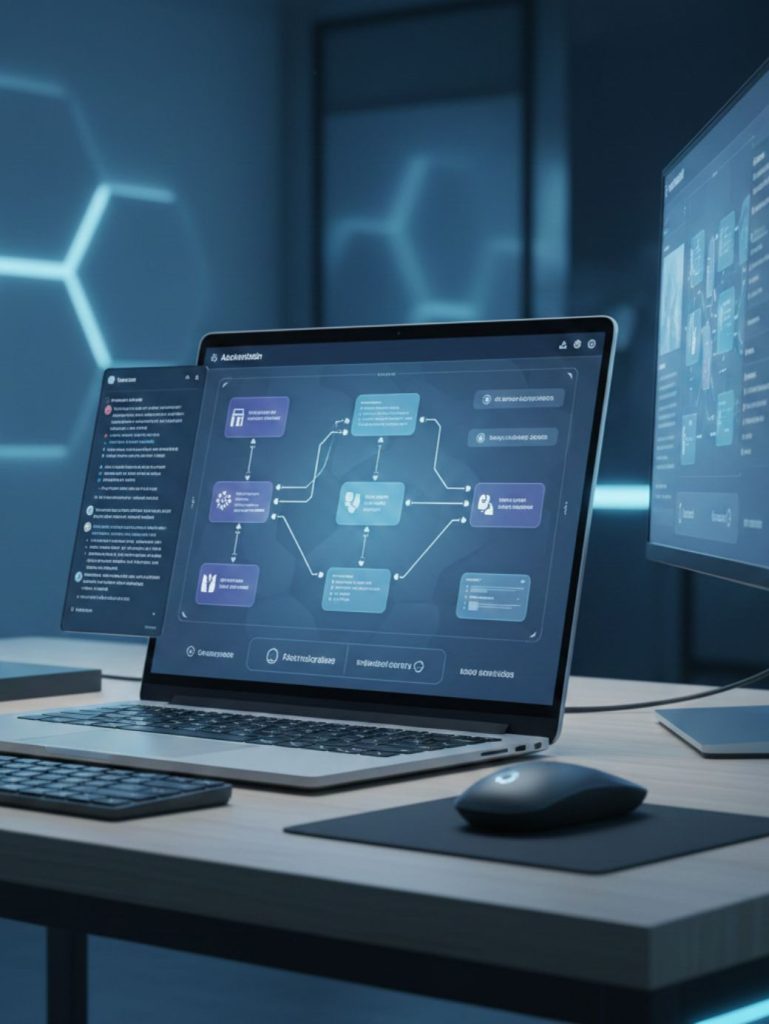
If you aren’t using AI to make money in 2026, you’re leaving money on the table. Small businesses are desperate to integrate AI but have no idea where to start. You can act as the “bridge” by offering AI-powered services.
- Service Ideas: Selling curated AI prompt libraries, setting up automated AI customer service bots, or offering “AI Content Audits” to help brands optimize their output.
- The B2B Angle: Many local businesses (plumbers, lawyers, realtors) will pay a premium for someone to automate their boring administrative tasks using LLM workflows.
- Specialization: Don’t just “do AI.” Be the person who helps real estate agents generate 30 days of social media content in 30 minutes.
Pros & Cons
- Pros: High-demand, cutting-edge skill; allows you to charge premium rates; work can be done very quickly with the right tools.
- Cons: The tech moves fast—you must be a “forever student”; high responsibility if you are managing a client’s business systems.
6. Remote Appointment Setting

As the world of high-ticket coaching and B2B software continues to grow, companies need humans to bridge the gap between a “lead” and a “sale.” Remote appointment setting is a skill-based hustle that requires zero followers and zero initial investment.
- The Role: You manage a brand’s Instagram DMs or LinkedIn inbox, chatting with interested prospects and booking them for a call with a senior closer.
- The Payoff: Most setters earn a base pay plus a commission (usually 3–5%) on any closed deals. In a high-ticket program, one booking could net you $200–$500 in commission.
- Flexibility: You can do this from anywhere in the world using just your phone.
Pros & Cons
- Pros: Unlimited earning potential based on performance; teaches you high-value sales skills; easy to start without a degree.
- Cons: Can be repetitive; requires dealing with rejection; your income depends on the “closer’s” ability to finish the deal.
7. Faceless YouTube Channels (Cash Cow Channels)
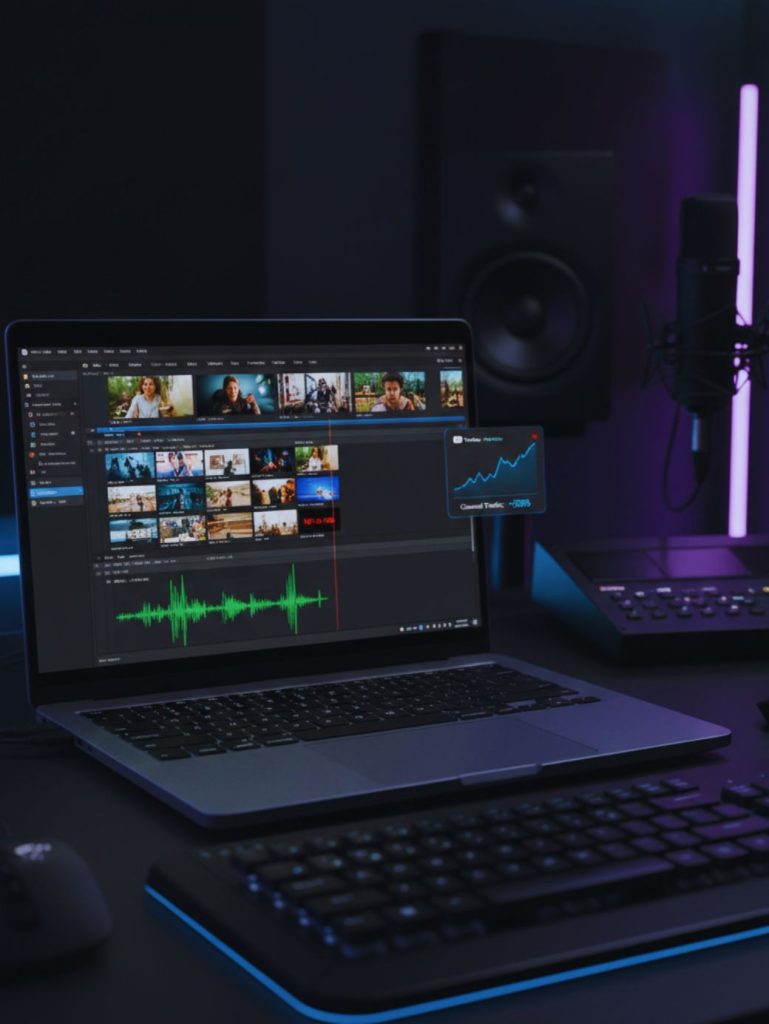
YouTube is still the king of long-form content. In 2026, the most profitable channels aren’t vloggers—they are “Cash Cow” channels that use stock footage, AI voiceovers, and SEO-driven scripts to educate or entertain.
- The Niche: Think “Top 10” lists, financial news, space documentaries, or meditation music.
- The System: You hire (or use AI) to write a script, generate a voiceover, and edit clips together. Once you hit the monetization requirements, you earn AdSense revenue and affiliate commissions.
- The 2026 Edge: With the rise of high-quality AI video generators, creating cinema-quality faceless content is now possible for a fraction of the cost.
Pros & Cons
- Pros: Builds a long-term digital asset; high ceiling for income; can eventually be fully outsourced to a team.
- Cons: High initial effort to get monetized; requires a deep understanding of the YouTube algorithm and click-through rates (CTR).
The 2026 Blueprint for Success
Choosing a side hustle is only half the battle; the other half is consistent execution. To succeed this year, you must move away from “dabbling” and toward “ownership.”
- Pick One: Don’t try all seven at once. Pick the one that fits your current lifestyle and skills.
- Focus on SEO: Whether it’s Pinterest, Etsy, or YouTube, understanding how search algorithms work is your superpower.
- Use Leverage: Use AI to do the boring work so you can focus on the high-level strategy.
The internet is a massive “value-exchange” machine. If you can provide a solution, provide entertainment, or provide a shortcut, the money is already there waiting for you.