
 By Frank Lucasale
In 2014, researchers at the University of Southern California (USC) published a groundbreaking study showing that fasting for 72 hours (3 days) can trigger major regeneration effects in the human immune system.
Here’s the science broken down simply:
1. A 72-Hour Fast Pushes the Body Into “Protective Mode”
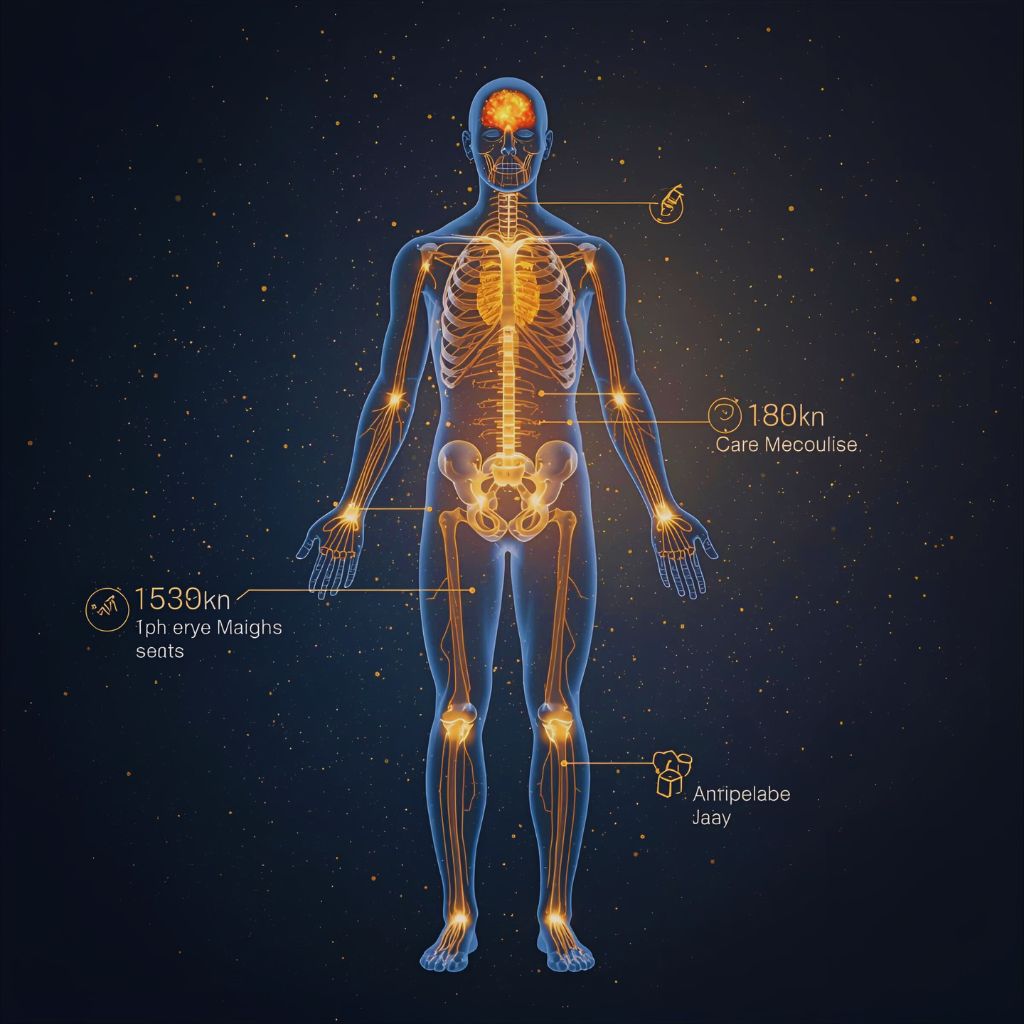
When you stop eating for about three days, your body shifts into a metabolic survival state. During this time, the body:
- Burns stored fats and sugars
- Conserves energy
- Breaks down old or damaged immune cells
This is the body’s natural strategy for surviving long periods without food.
2. Old Immune Cells Are Destroyed (The Cleanup Phase)
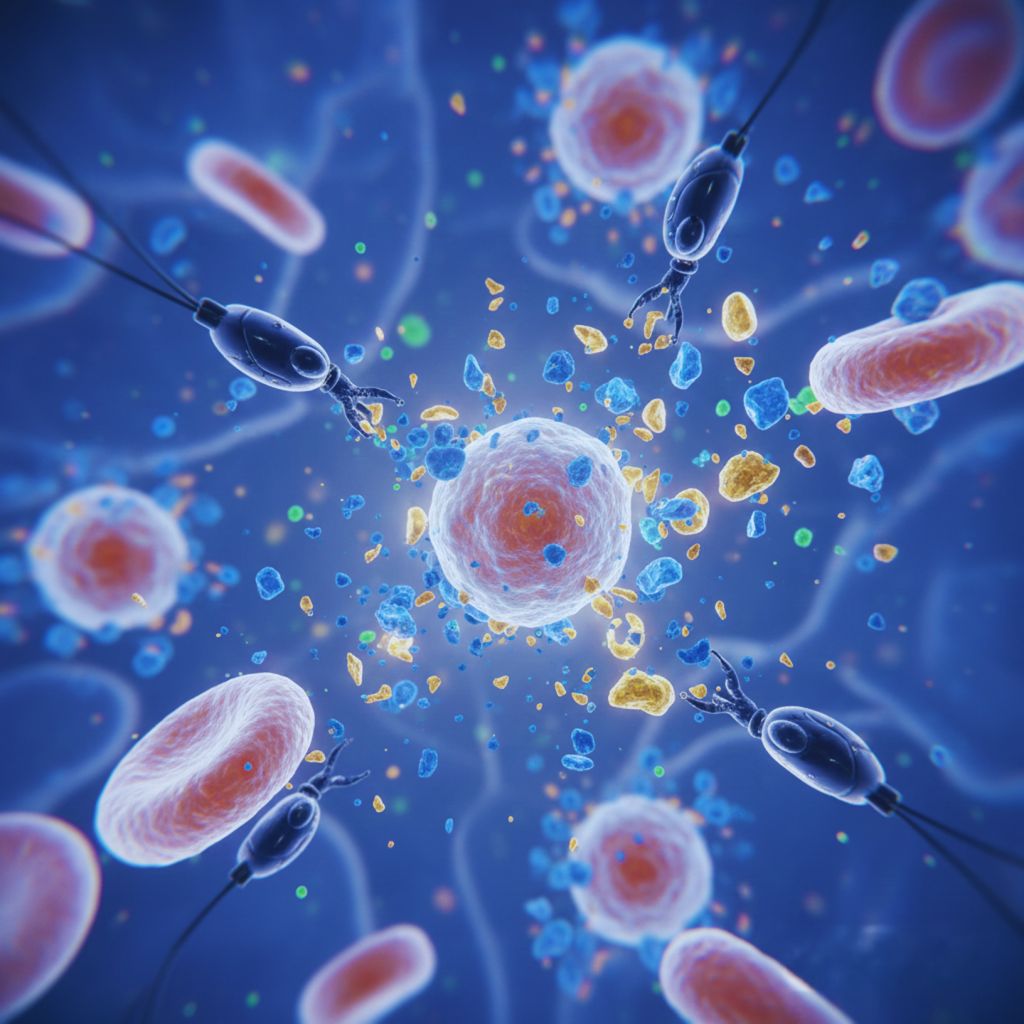
During a prolonged fast, the number of white blood cells temporarily drops.
This may sound harmful — but it’s actually beneficial.
The drop signals the body to:
- Clear out weak immune cells
- Remove damaged or aging cells
- Clean up cells affected by disease or inflammation
Think of it as your immune system taking out the trash.
3. Refeeding After 72 Hours Sparks Stem-Cell Regeneration
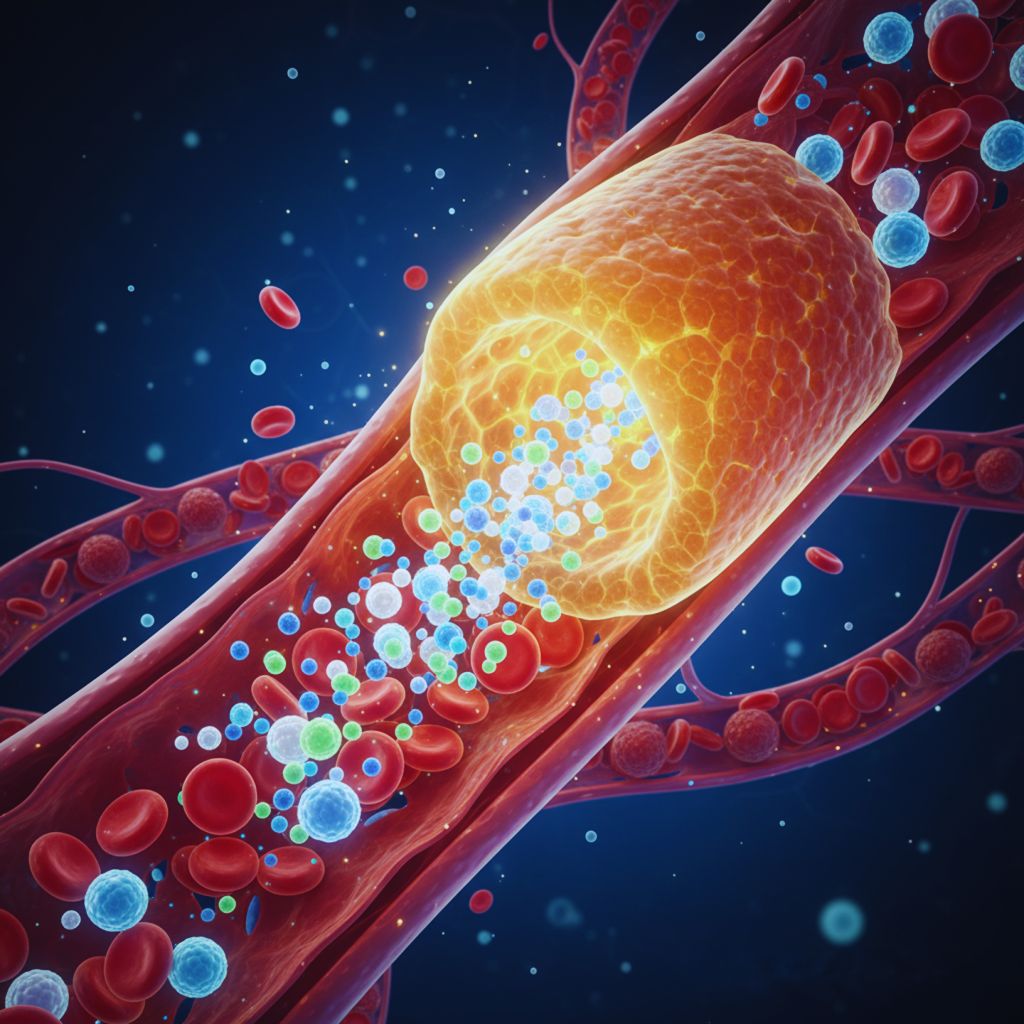
When you finally eat again, something powerful happens inside your body.
Refeeding activates hematopoietic stem cells — the stem cells responsible for producing new immune cells.
This leads to:
- Fresh immune cells replacing old, damaged ones
- A stronger, more resilient immune system
- Potential benefits for aging, autoimmune issues, and chemotherapy recovery
It’s like hitting the reset button on your immune system.
4. Fasting Lowers IGF-1 — A Hormone Linked to Aging and Cancer
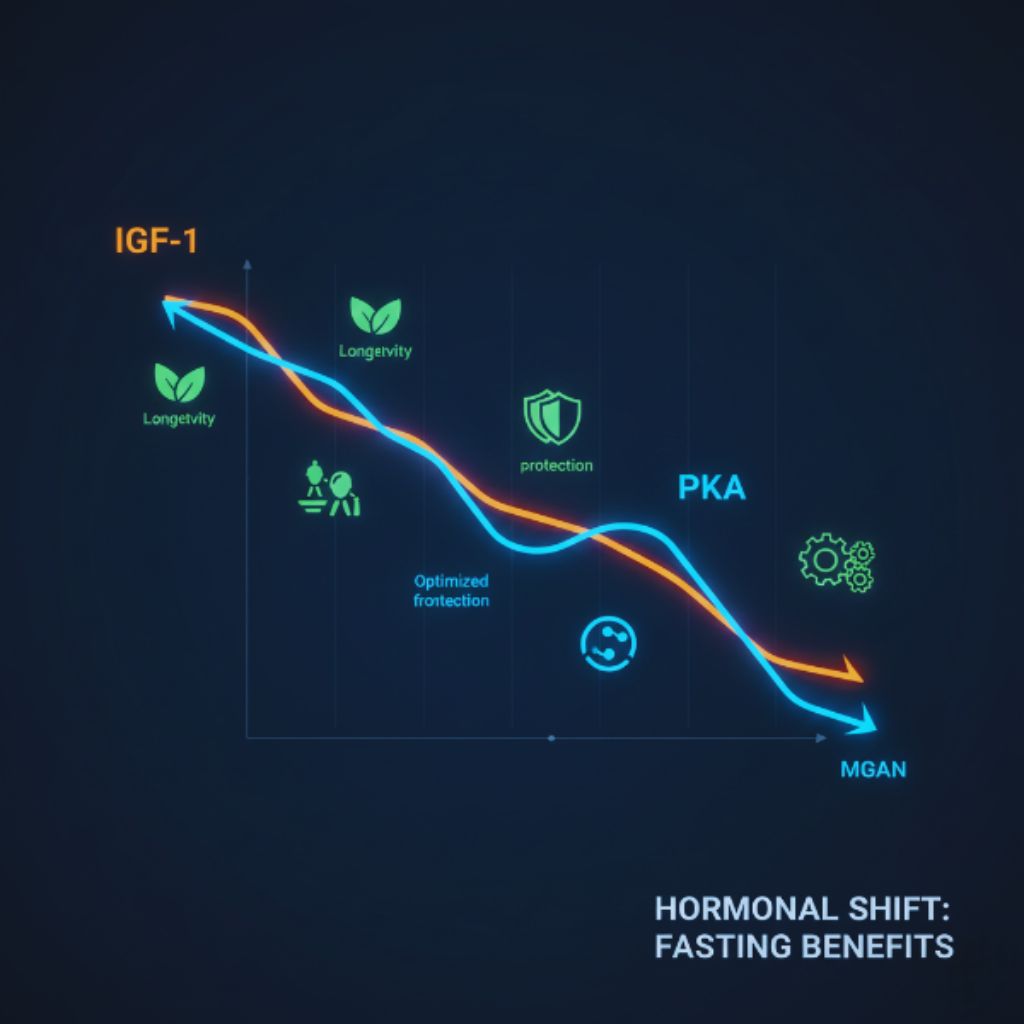
The USC study also showed that fasting significantly reduces:
- IGF-1 (Insulin-like Growth Factor 1)
- PKA enzyme activity
Both are associated with aging, cancer growth, and cellular stress.
Lower levels mean:
- Enhanced cellular protection
- Longevity effects
- Slower aging at the cellular level
Your body becomes better equipped to repair itself.
5. Human Participants Showed Real Immune Improvement
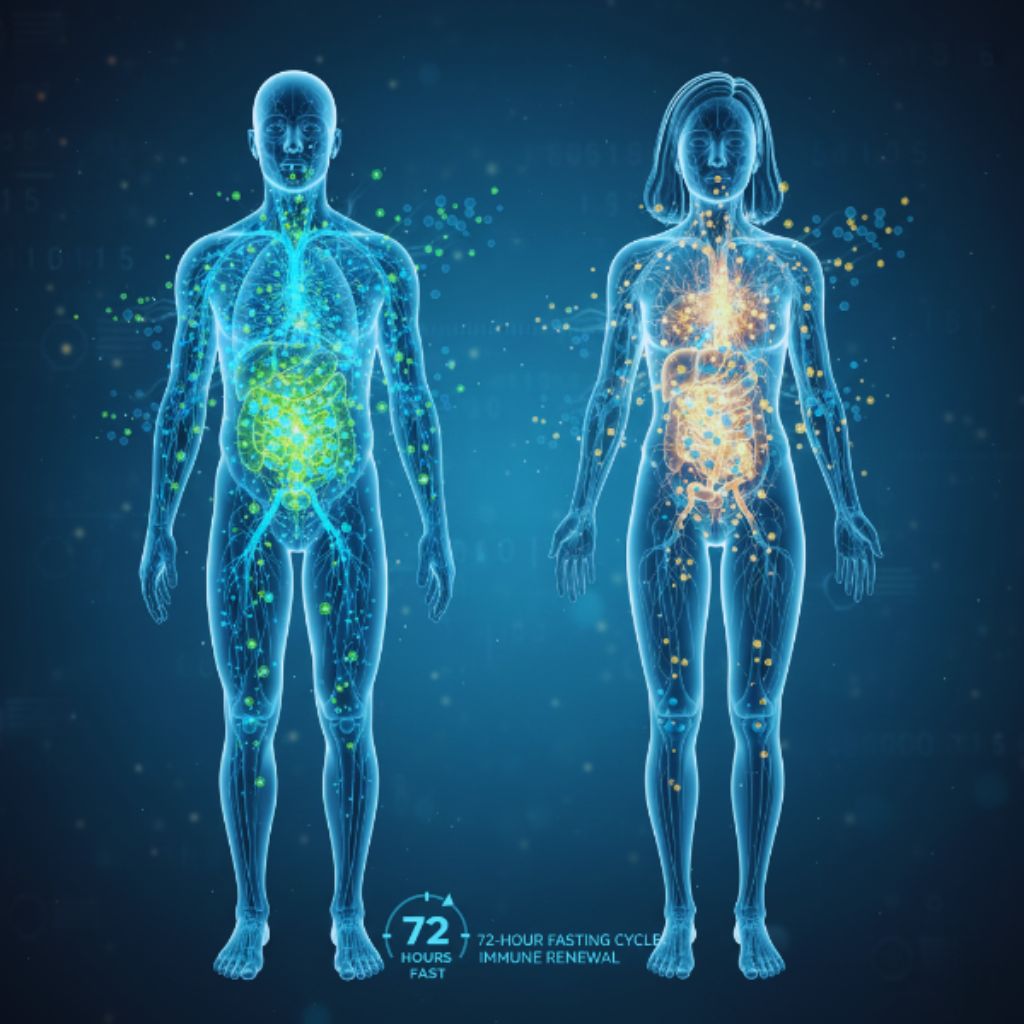
Importantly, the study was not just conducted on mice.
Human participants experienced:
- Improved immune markers
- Immune regeneration after refeeding
- Reduced immune damage during chemotherapy
The results were strong enough that researchers suggested fasting may help boost immunity and resilience.
Overall Conclusion: What a 72-Hour Fast Can Do
A 3-day fast can:
- Break down old immune cells
- Activate stem-cell-based regeneration
- Rebuild a healthier immune system
- Lower markers linked to aging, inflammation, and disease
In short:
A 72-hour fast may help “reset” your immune system from the inside out.