
 By Frank Lucasale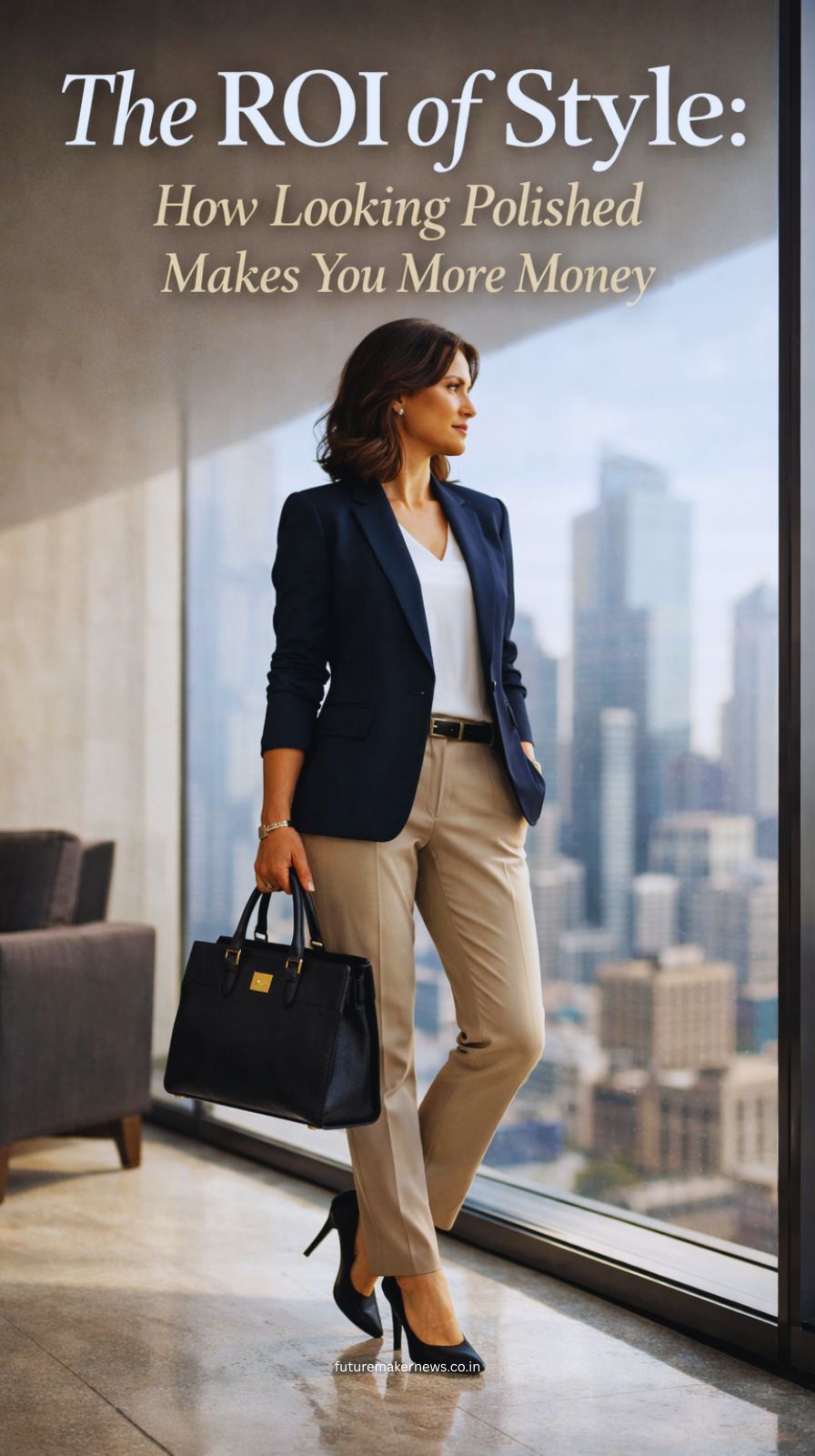
The ROI of Style- In a perfect world, we would be judged solely on the merit of our work, the depth of our character, and the brilliance of our ideas. But we don’t live in a vacuum; we live in a visual society governed by the psychology of perception.
Whether we like it or not, our appearance serves as a shorthand for our competence. This isn’t about vanity; it’s about strategic self-presentation. Research consistently shows that individuals who look “put together” earn higher salaries, receive faster promotions, and close more deals.
The connection between your sartorial choices and your bank account is profound. When you master the art of appearing polished, you aren’t just buying clothes—you are investing in your professional leverage.
1. The Halo Effect: Why First Impressions Are Sticky

In psychology, the Halo Effect is a cognitive bias where our overall impression of a person influences how we feel and think about their character in specific areas.
- The Competence Correlation: When you appear well-groomed and stylish, people subconsciously attribute other positive traits to you, such as intelligence, discipline, and trustworthiness.
- The Split-Second Judgment: Studies suggest that humans form a first impression within 7 seconds. In a high-stakes meeting or a job interview, your clothing speaks before you ever open your mouth.
- Reducing Friction: A polished appearance removes “visual noise.” It allows your audience to focus on your message rather than wondering why your shirt is wrinkled or your shoes are scuffed.
2. Enclothed Cognition: The Confidence Multiplier
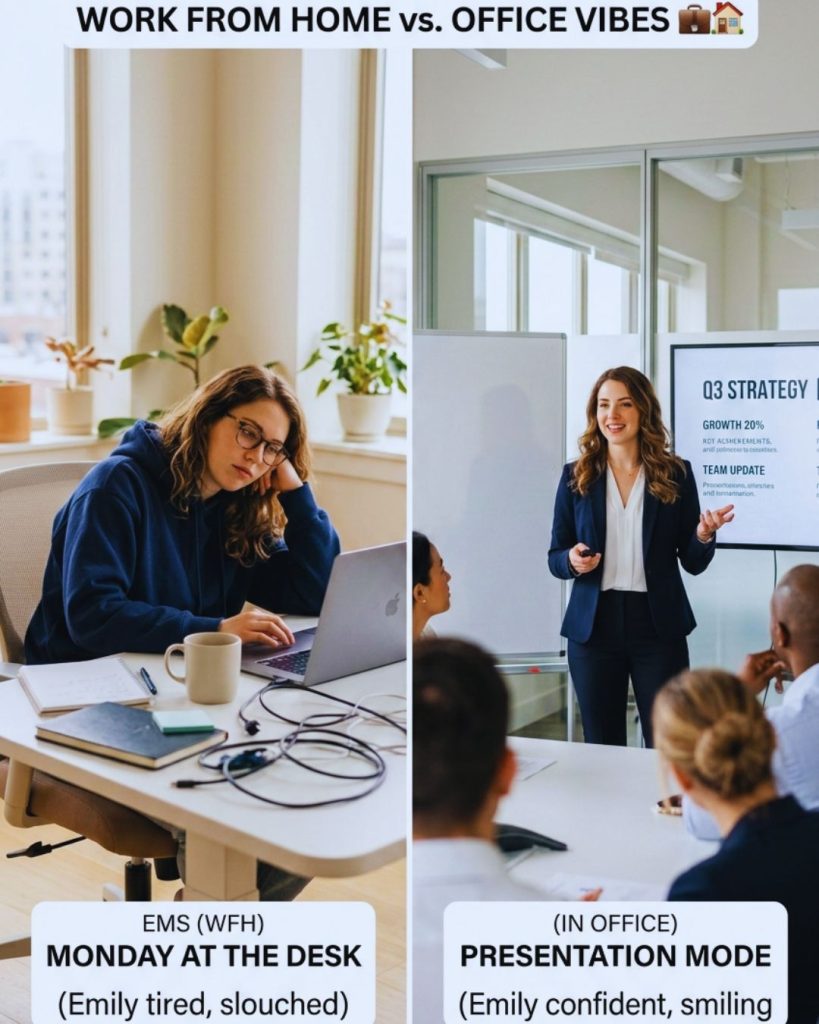
The impact of looking good isn’t just external; it’s internal. This phenomenon is known as enclothed cognition—the systematic influence that clothes have on the wearer’s psychological processes.
- The Power Suit Effect: When you wear “high-status” clothing, your abstract thinking improves, and your self-confidence spikes.
- Hormonal Shifts: Research has shown that dressing professionally can actually lower cortisol (stress) levels and increase testosterone, making you feel more in control and assertive during salary negotiations.
- Performance Excellence: When you feel you look your best, you carry yourself differently. Your posture improves, your voice carries more authority, and you are more likely to take calculated risks that lead to financial growth.
3. The “Discipline Proxy”: Signaling Attention to Detail

In the business world, how you do one thing is how you do everything. Your appearance is a public-facing proxy for your work ethic.
- The Logic of Excellence: If a client sees that you have the discipline to maintain a crisp capsule wardrobe and a grooming routine, they assume you will apply that same attention to detail to their multimillion-dollar project.
- Reliability Signaling: Being “put together” signals that you have your life under control. Chaos in appearance often suggests chaos in management.
- The Premium Fee: High-ticket clients are looking for “premium” providers. Looking the part allows you to command higher consulting rates because you fit the visual mold of a high-value expert.
4. Social Grooming and the “Inner Circle”
Humans are tribal creatures. We are biologically wired to favor those who look like they belong to our “tribe” or the tribe we aspire to join.
- The Mirroring Principle: Dressing slightly better than the average in your industry signals that you are ready for the next level. It creates an aspirational identity that attracts mentors and high-level connectors.
- Networking Leverage: People are more likely to introduce a “polished” person to their most valuable contacts. Your appearance acts as a guarantee that you won’t embarrass the person who referred you.
- Authority Bias: In a room full of strangers, the person who looks the most “put together” is naturally deferred to as the leader. This authority bias can be the difference between being a participant and being the person running the board meeting.
5. Breaking Down the “Put Together” Blueprint
Looking like “old money” or a high-earning professional doesn’t require a designer budget. It requires a commitment to intentional styling.
The $5 Tailoring Rule
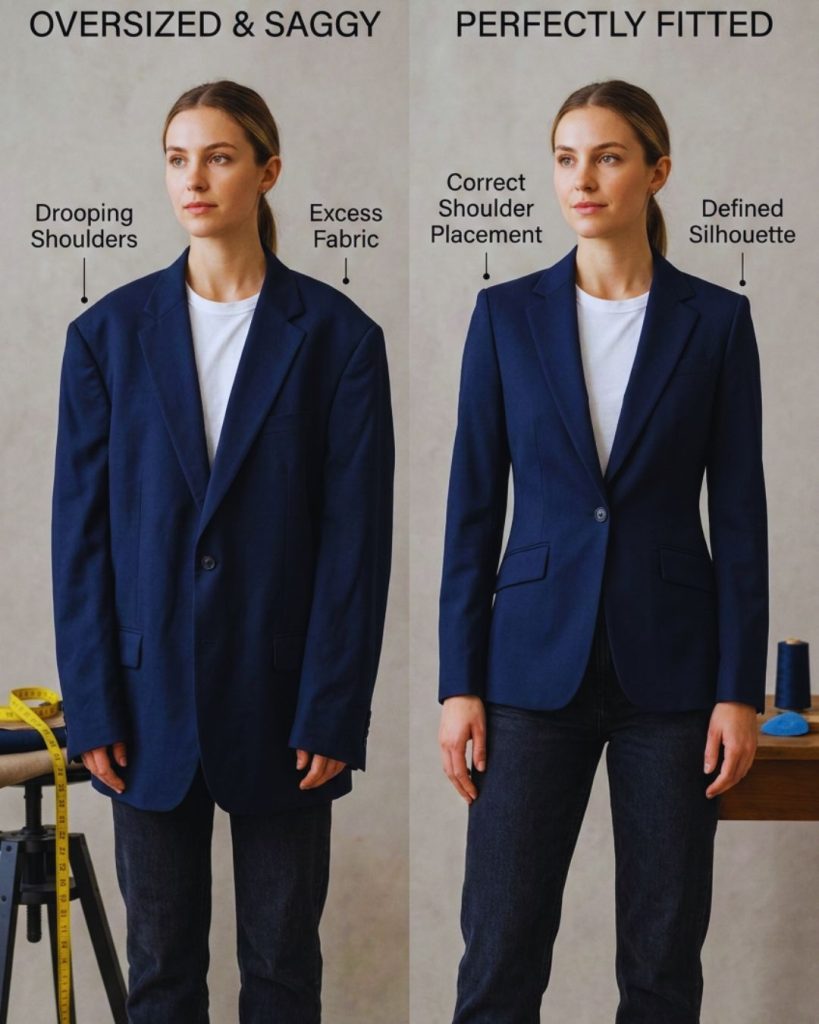
An inexpensive suit that is perfectly tailored to your body will always look more expensive than a designer suit that is too big. Custom tailoring is the highest ROI investment you can make in your wardrobe.
The Grooming Standard
- Hair and Skin: A clean haircut and a consistent skincare routine signal health and vitality—traits subconsciously linked to productivity.
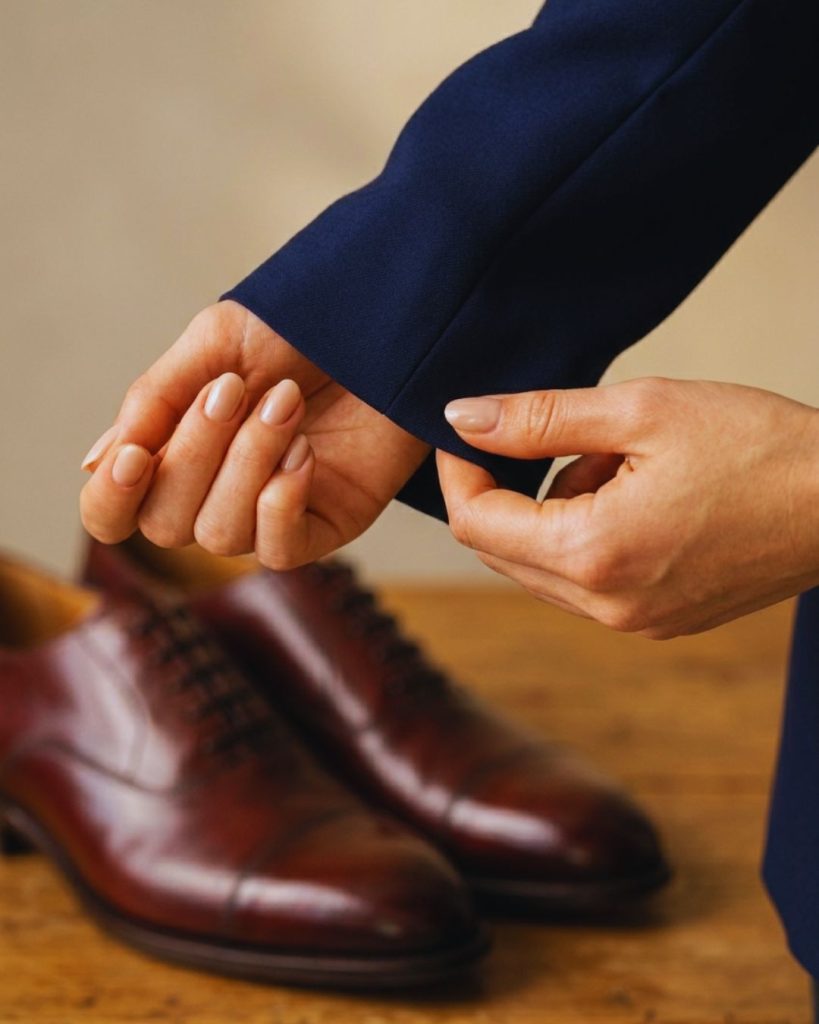
- The “Finished” Look: It’s the small things: lint-free fabric, polished shoes, and clean fingernails. These are the “micro-signals” of wealth and status.
Color Psychology in Business
- Navy and Charcoal: Signal authority, stability, and trust. These are the colors of corporate power.
- White: Signals cleanliness, precision, and a “fresh start” mentality.
- Red (Accents): Signals energy and dominance; use it sparingly for persuasive speaking engagements.
6. The Economic Reality of “Pretty Privilege”
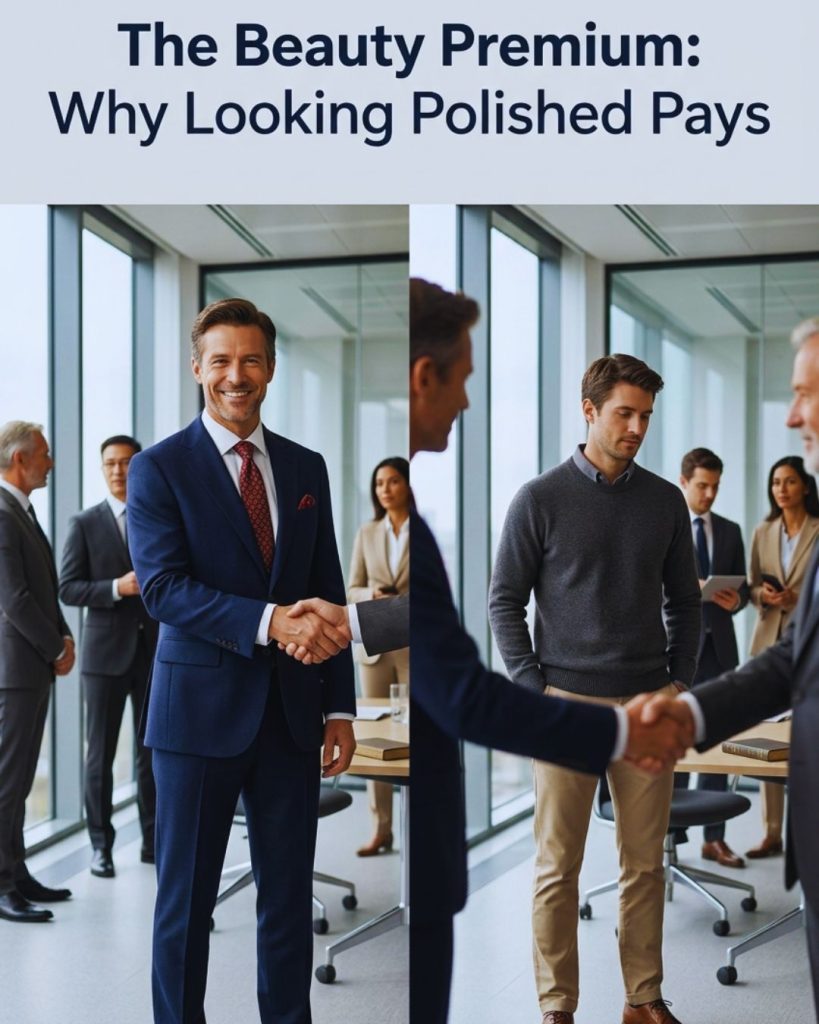
While it may feel superficial, “pretty privilege” (or the “beauty premium”) is a documented economic phenomenon.
- The Wage Gap: Economists have found that attractive, well-presented individuals earn roughly 10-15% more than their less-groomed counterparts over a lifetime.
- The Likability Factor: Put-together people are often perceived as more likable. In sales and leadership, likability is a currency that converts directly into closed contracts and team loyalty.
- The “Benefit of the Doubt”: When a polished professional makes a mistake, they are statistically more likely to be given a second chance. Their appearance suggests the mistake was an anomaly, not a lack of character.
7. How to Transition Without Breaking the Bank
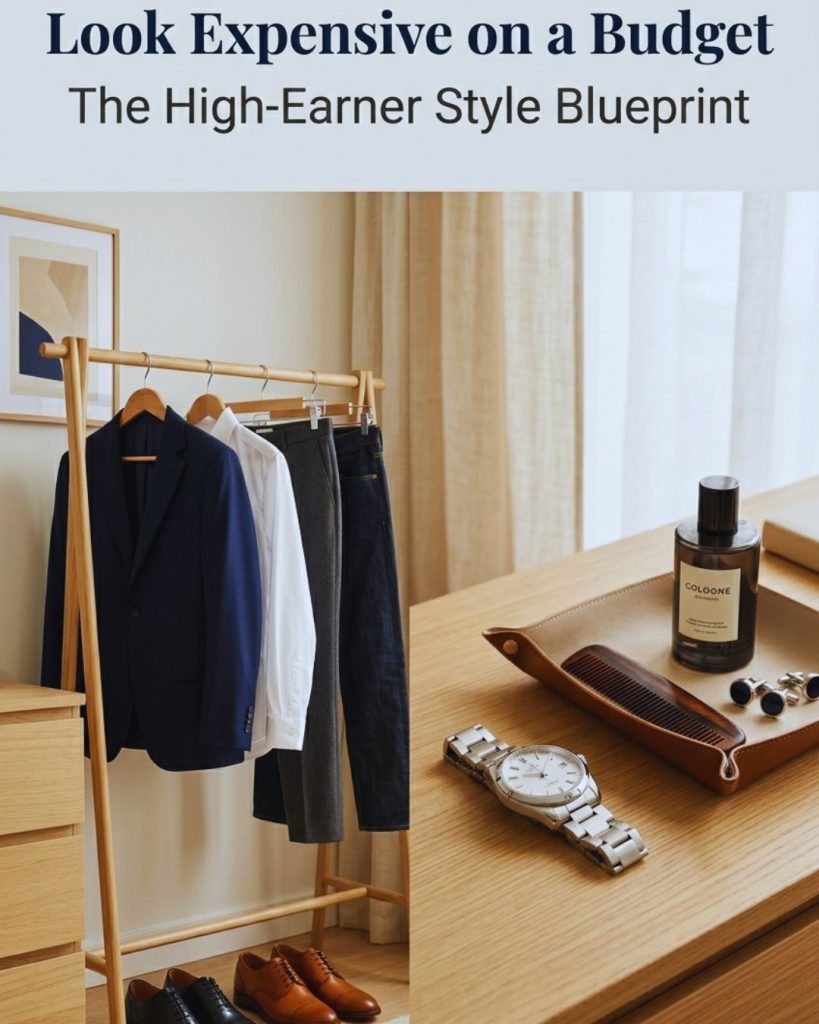
You don’t need to buy a whole new wardrobe tomorrow. Achieving a high-earner aesthetic is about curation.
- Uniform Dressing: Find a look that works and buy it in three colors. This reduces decision fatigue and ensures you always look consistent.
- Invest in “Touchpoints”: People look at your face, your hands, and your feet. Spend your money on a high-quality watch, a great pair of shoes, and a professional haircut.
- The “Plus One” Rule: Whatever the occasion’s dress code is, aim to be 10% more polished than the average person in the room. If everyone is in jeans, wear dark denim and a blazer.
Summary: The Wealth-Style Checklist
To turn your appearance into a revenue-generating asset, follow this daily checklist:
| Category | The High-Value Action |
| Fit | Ensure all clothing follows the lines of your body; no sagging or bunching. |
| Condition | Steamed or ironed fabrics; no stains, loose threads, or scuffed leather. |
| Grooming | Freshly groomed hair; a subtle, high-quality signature scent. |
| Accessories | One or two “anchor” pieces (watch, belt, or bag) that signal quality. |
| Posture | Standing tall to project the confidence your outfit suggests. |
Conclusion: Perception is Reality
In the professional arena, your image is your personal brand. By neglecting your appearance, you are leaving money on the table. You are forcing people to work harder to see your value, rather than letting your appearance pave the way.
Looking “put together” is a form of self-respect that commands respect from others. It is a tool of persuasion, a shield for your confidence, and a bridge to higher income brackets. When you dress for the life you want, you eventually find yourself living it.