
 By Frank Lucasale
A military instructor once explained that the difference between panic and precision isn’t bravery — it’s mental distance. Fear doesn’t vanish; it just loses the steering wheel. What separates those who freeze from those who stay focused is a simple skill anyone can learn: stepping back in the mind before stepping forward in action.
1. The Soldier’s Word: “Distance”
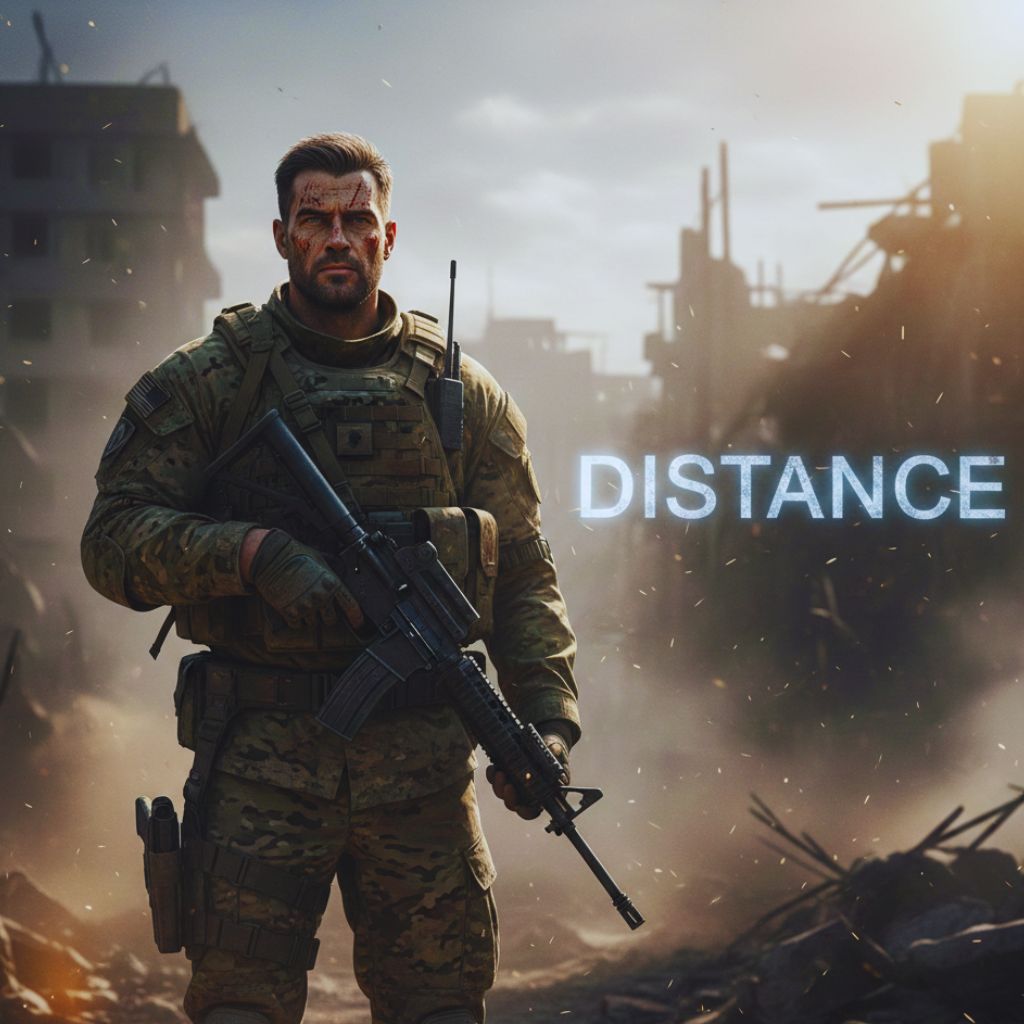
The word was “distance.” Not from danger — from reaction. He said:
“Fear doesn’t come from what’s happening. It comes from how close you stand to it in your mind.”
In combat, that distance decides who shoots straight and who shakes.
2. The Daily Practice of Mental Distance
He trains it daily: when his pulse spikes, he doesn’t say “calm down.”
He whispers “distance.”
Then he imagines moving the scene two meters away — sounds fade, body loosens, vision widens.
The body follows where the mind stands.
3. The Neuroscience Behind It

Neurologically, it’s called cognitive decoupling — shifting perspective breaks the threat loop.
When you “step back” mentally, your brain switches from survival mode (amygdala) to calculation (prefrontal cortex).
Breathing and aim stabilize instantly.
4. Using It in Everyday Life
You can use it anywhere: a meeting, a breakup, a panic call.
When you feel trapped inside emotion — label it, breathe once, and say “distance.”
Picture yourself taking one physical step back.
Watch how quickly clarity returns.
5. His Final Lesson on Courage

Before leaving, he said:
“People think courage is stepping closer to fear. It’s not. It’s learning how to stand just far enough to see it clearly.”
Try it once — and you’ll realize: fear never disappears, it just stops driving.