
 By Frank Lucasale
We’ve all felt it—that subtle, magnetic pull toward someone who seems “put together.” Whether it’s a job interview, a first date, or a networking event, attractive individuals often seem to glide through doors that remain locked for others.
Is it fair? Perhaps not. Is it real? Absolutely. In the realm of behavioral psychology, this phenomenon is more than just vanity; it is a deeply ingrained survival mechanism. Welcome to the world of beauty bias and the Halo Effect, where your appearance acts as a silent resume before you even open your mouth.
In this deep dive, we’re breaking down the data-driven reasons why physical attractiveness translates into real-world opportunities and how you can use this knowledge to level the playing field.
1. The Halo Effect: Your Brain’s Favorite Shortcut

At the heart of why attractive people get more opportunities is the Halo Effect. This is a cognitive bias where our overall impression of a person influences how we feel and think about their character in specific areas.
- The Positive Projection: When we see someone who is conventionally attractive, our brains automatically “fill in the blanks” with other positive traits like kindness, intelligence, and honesty.
- The Evolutionary Root: Historically, symmetry and clear skin were indicators of health and reproductive fitness. Our ancestors programmed us to seek out these traits as signs of “good” genes.
- The Modern Glitch: Today, that same instinct misfires. We see a well-groomed professional and subconsciously think, “They must be great at Excel,” even though there is zero correlation between a jawline and spreadsheet proficiency.
2. The “What is Beautiful is Good” Stereotype

Social psychologists Karen Dion, Ellen Berscheid, and Elaine Walster famously pioneered the study titled “What is Beautiful is Good.” Their research proved that attractive individuals are consistently rated higher in:
- Social Competence: People assume they are more outgoing and poised.
- Professional Potential: Employers often view them as more “leader-like.”
- Personal Happiness: We falsely assume they lead more fulfilling lives, making us want to be in their orbit.
This stereotype creates a social lubricant. Because people expect attractive individuals to be capable, they give them more chances to prove it, creating a self-fulfilling prophecy of success.
3. The Economic “Beauty Premium”

Let’s talk numbers. In labor economics, the “beauty premium” is the measurable increase in earnings for those considered above-average in looks.
- The Wage Gap: Studies show that physically attractive men and women earn roughly 10% to 15% more than their “plain” counterparts.
- The Hiring Edge: In a 2026 workplace study, resumes with an attractive headshot (in regions where photos are standard) received 40% more callbacks than identical resumes without one.
- Negotiation Power: Attractive negotiators are often perceived as more persuasive. Their presence lowers the “guard” of the person across the table, leading to better deals and higher salaries.
4. Confidence: The Hidden Engine of Attractiveness

Here is where the psychology gets interesting: it’s not just about the face; it’s about the internal feedback loop.
- Positive Reinforcement: From childhood, attractive people often receive more positive attention. This builds a baseline of high self-esteem.
- The Boldness Bias: Because they expect to be liked, they take more risks. They speak up in meetings, apply for “reach” jobs, and initiate conversations.
- Behavioral Confirmation: When you act confident, people treat you as competent. This reinforces your confidence, creating a powerful upward spiral of career growth.
5. The Dark Side: When Beauty Becomes a Barrier
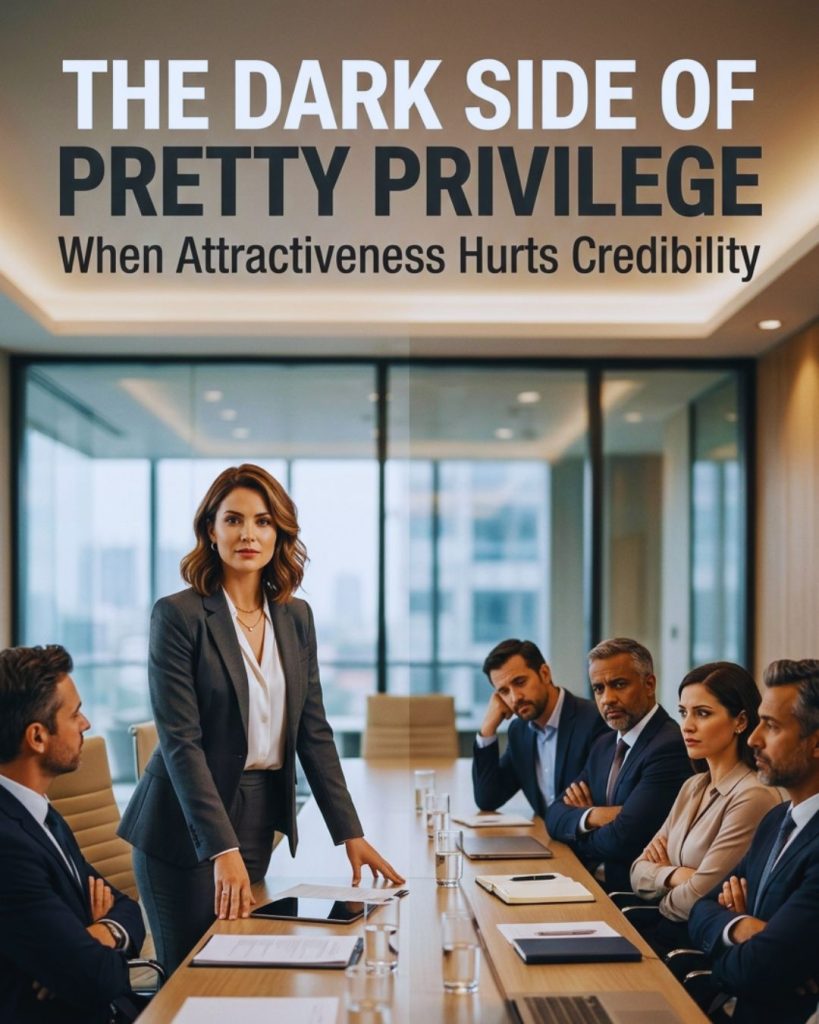
It’s not all sunshine and roses. Pretty privilege has its own set of psychological traps that can actually hinder progress in certain niches.
- The “Bimbo/Himbo” Myth: In highly technical or academic fields, extreme physical attractiveness can sometimes trigger a “lack of substance” bias. People might assume you didn’t have to work hard for your achievements.
- Same-Sex Bias: Research suggests that in hiring scenarios, some managers may reject a highly attractive candidate of the same gender to avoid feelings of competition or threat within the social hierarchy.
- The Credibility Tax: Attractive women, in particular, often report having to work “twice as hard” to prove their intellectual authority in male-dominated industries like engineering or finance.
6. Perception Management: How to “Hack” Your Opportunities
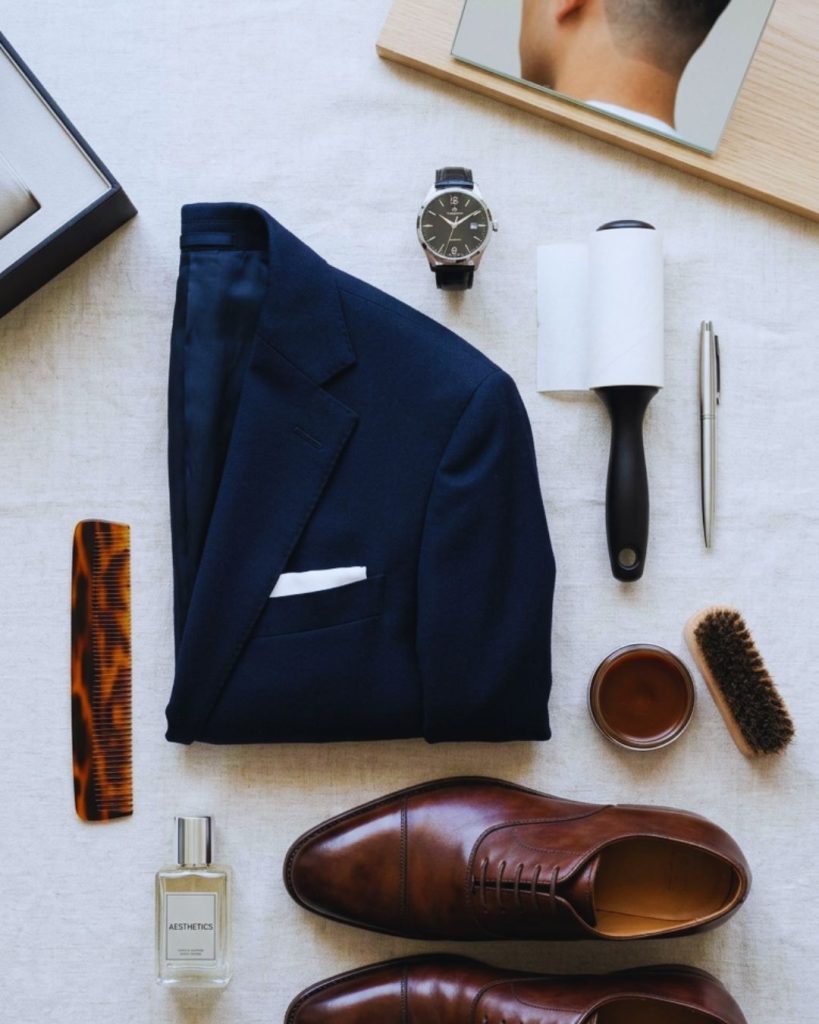
The data shows that appearance-based advantages aren’t just about bone structure—they are about grooming, posture, and presentation. You can “manufacture” your own version of the beauty premium by focusing on perceived effort.
A. Master Your “Enclothed Cognition”
The clothes you wear don’t just change how others see you; they change how you think. Wearing “high-status” attire increases testosterone levels and lowers stress hormones, making you perform better under pressure.
B. Optimize Your Non-Verbal Cues
- The Power of the Smile: A genuine Duchenne smile activates the reward centers in the observer’s brain, making you appear more trustworthy.
- The Spine Hack: Standing tall isn’t just about height; it’s about occupying space. High-power poses signal to the lizard brain of others that you are a “leader.”
- Eye Contact: Keeping steady eye contact for 3-5 seconds creates a psychological bond that mimics the intimacy of long-term rapport.
C. The Grooming Gap
Data consistently shows that “well-groomed” individuals receive nearly the same social benefits as those who are “naturally” beautiful. A tailored fit, a clean haircut, and healthy skin signal attention to detail—a trait every employer craves.
7. The Digital Dimension: Attractiveness in the 2026 Landscape
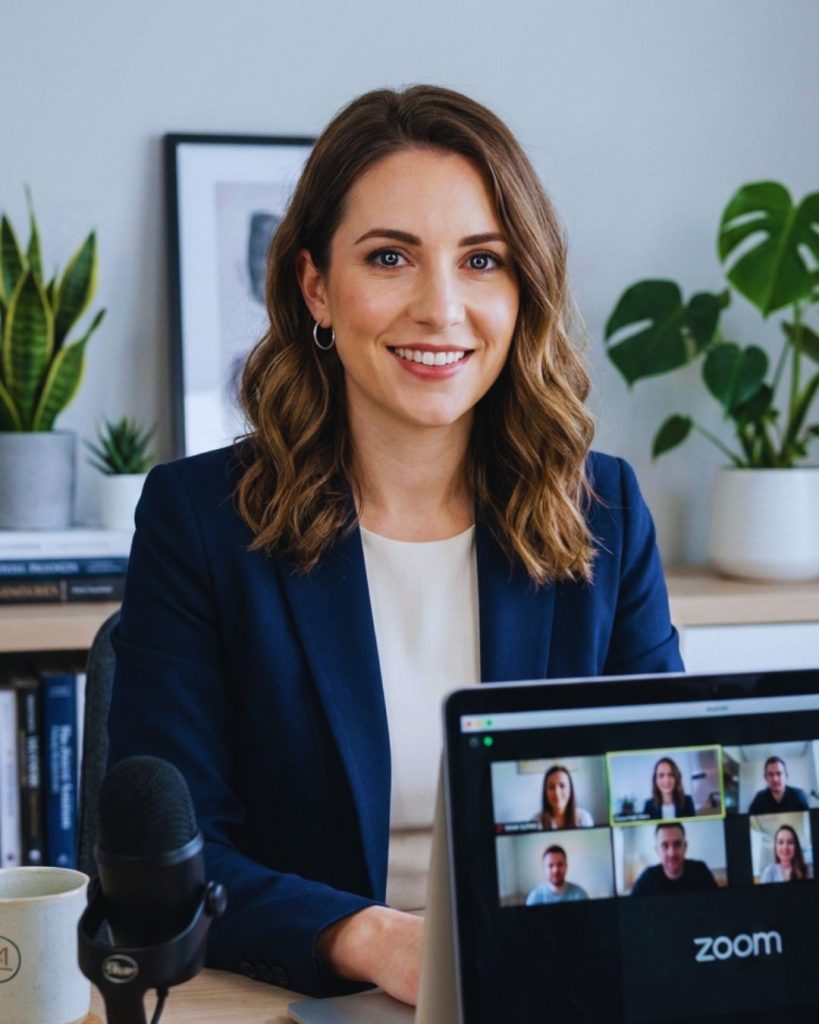
In our world of Zoom calls and AI-generated avatars, visual branding has never been more vital.
- Video Call Psychology: Using high-quality lighting and a clean background on video calls creates a digital “Halo Effect.” It tells your team that you are organized and professional.
- LinkedIn Presence: Your profile picture is your 24/7 digital lobby. An optimized professional headshot can increase your “reach” by 14x compared to a casual selfie.
Why We Must Move Beyond the Surface
While we must acknowledge the reality of behavioral psychology, we also have a responsibility to mitigate these biases.
- Blind Hiring: Progressive companies are now using “blind auditions” for resumes to ensure that meritocracy wins over beauty bias.
- Awareness Training: By simply knowing that the Halo Effect exists, managers can consciously pause and ask, “Am I hiring this person because they are the best, or because I simply like looking at them?”
Final Thoughts: Your Strategy for Success
The truth is, attractive people get more opportunities because humans are visual, tribal, and shortcut-oriented creatures. However, pretty privilege is a “foot in the door” tool—it is never the foundation of a lasting empire.
To truly win, you must combine presentation with substance. Use the psychology of attractiveness to get the meeting, but use your unrivaled skills and relentless work ethic to close the deal.