How to Handle Potty Talk with Toddlers: Setting Boundaries with Humor

Managing Potty Talk in Toddlers: Practical Tips for Parents

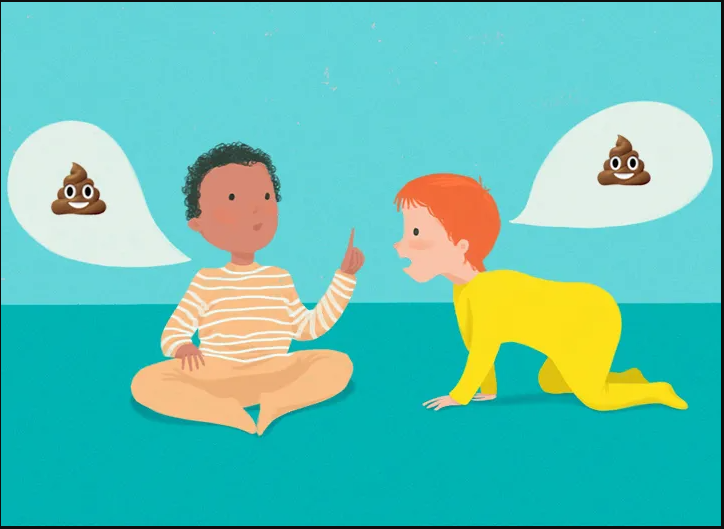
Potty talk is a common phase for toddlers, often triggering giggles and embarrassment. But how do parents handle it without stifling humor or setting inappropriate limits? Here’s a guide to navigating this tricky territory.

1. Understand That Potty Talk Is Normal

It’s completely natural for toddlers to find words like “pee” and “poop” hilarious. This phase stems from their growing understanding of their bodies and boundaries. Recognizing this normalcy can help reduce parental frustration.

2. Set Clear Boundaries Early On

While potty talk is normal, setting limits is important. For example, you might decide it’s acceptable at home but not in public spaces like school. Define these boundaries early to ensure clarity.

3. Use Redirection Techniques

When your toddler indulges in excessive potty talk, gently redirect them to another topic. Offer funny alternatives or ask them to play a game, steering their attention away from bathroom humor.

4. Don’t Make Potty Words Taboo

Prohibiting potty talk completely may intensify its appeal. Instead, treat it lightly and explain that there’s a time and place for everything. You can say, “Potty words are for the bathroom.”

5. Teach Respectful Language

Emphasize that while bathroom humor might be fun at times, words can also hurt. Help your child understand the impact of their language on others. Words should always be kind and respectful, even when they’re meant to be funny.

6. Balance Humor and Discipline

It’s okay to laugh sometimes. Potty talk can be amusing, even for adults! Laugh with your child occasionally, but maintain a respectful balance. This helps ensure they understand that humor has its place.

7. Be Mindful of Other Families’ Rules

Every household has different views on what’s acceptable. Teach your toddler that potty talk at home might not be allowed in school or friends’ houses. This fosters respect for different rules.

8. Prioritize Positive Parent-Child Relationships

At the end of the day, fostering a warm, positive relationship with your child is key. Use potty talk episodes as opportunities to bond, communicate, and laugh while still guiding them towards respectful behavior.

Conclusion

Potty talk is a phase that almost all toddlers go through. By setting appropriate boundaries, using humor to your advantage, and teaching respect, you can help your child navigate this developmental milestone. Keep the focus on maintaining a positive relationship, and this phase will eventually pass!

This guide balances humor with boundaries to help parents manage potty talk in a loving and constructive way, making the experience less frustrating and more enjoyable.


How to Prevent Birth Defects: A Comprehensive Guide

Birth defects affect about 1 in 33 babies, making it essential for expectant parents to understand ways to reduce risks. While not all defects can be avoided, many preventive measures are within reach. Here’s a guide to ensuring a healthy pregnancy and minimizing the chances of birth defects.

1. Importance of Prenatal Vitamins

Folic acid is a crucial B-vitamin that helps in early fetal development, particularly in preventing brain and spinal cord defects. Pregnant women and those trying to conceive should take 400 micrograms of folic acid daily, either through prenatal vitamins or enriched foods like cereals and leafy greens.

2. A Healthy Lifestyle Matters

Certain lifestyle choices, like avoiding alcohol, tobacco, and recreational drugs, can greatly reduce the risk of birth defects. Alcohol, in particular, is linked to Fetal Alcohol Spectrum Disorders (FASDs), which affect physical and cognitive development.

3. Monitor Existing Health Conditions

Chronic conditions such as diabetes and obesity can increase the likelihood of birth defects, particularly heart malformations. Women with these conditions should work with their healthcare provider to manage their health before and during pregnancy. Similarly, make sure that any medications you are taking are safe for pregnancy.

4. Stay Up to Date on Vaccinations

Preventing infections like rubella or chickenpox before and during pregnancy is vital for avoiding complications. Talk to your doctor about getting vaccinated before conceiving to protect both you and your baby.

5. Avoid Harmful Substances and Infections

Limit exposure to harmful substances such as pesticides, chemicals, and even certain household cleaning products. Additionally, avoid raw or undercooked meats, unpasteurized milk, and other foods that could carry harmful bacteria, which can lead to infections and birth defects.

6. Genetic Screening and Testing

For couples with a family history of genetic disorders, genetic counseling and screening can help assess the risks. This can include tests for conditions like sickle-cell anemia or cystic fibrosis, allowing for close monitoring during pregnancy if necessary.

7. Regular Prenatal Care

Routine prenatal checkups are essential for identifying potential risks early. Blood tests, ultrasounds, and the Newborn Screening Test can catch many birth defects right away, ensuring that treatment or preventive steps are taken immediately.

Conclusion

While some birth defects may be unavoidable, adopting a healthy lifestyle, taking preventive measures like folic acid supplementation, and working closely with healthcare providers can greatly reduce the risks. Prioritize your well-being during pregnancy for a healthier, safer experience for both you and your baby. By following these guidelines, you can take an active role in ensuring your baby’s development starts on the best possible foot.

Spring Fashion Trends for Tween Boys: A Fresh Wardrobe Guide

Ultimate Guide to Tween Boys’ Spring Fashion Trends

Introduction: Spring is the perfect time to refresh your tween boy’s wardrobe. With a mix of bold colors, classic pieces, and sporty elements, this season’s trends offer something for every style preference. Whether your son loves keeping it casual or embracing a sporty look, there’s a lot to explore.

1. Go Back to Basics

Basics like jeans, tees, and sweaters never go out of style. For tween boys, pairing classic jeans with a simple tee or hoodie creates a timeless yet cool look. Look for versatile pieces that can be mixed and matched effortlessly. Denim continues to be a staple, but adding unique cuts like slim or straight jeans in various washes keeps things updated.

2. Get Sporty

For boys who are always on the go, sporty styles are not just practical but trendy. Athletic pants, windbreakers, and lightweight jackets are perfect for outdoor activities. Invest in breathable, easy-to-wear pieces that allow movement without compromising style. The athleisure trend blends comfort with fashion, making it ideal for spring outings or casual school days.

3. Bold Colors and Prints

Don’t shy away from vibrant hues this spring. Bright yellows, electric blues, and even purples can bring a fresh vibe to your son’s wardrobe. If he’s not into wearing full-color outfits, you can incorporate pops of color in accessories like sneakers or backpacks. This allows for subtle experimentation with trendier shades while keeping the look fun.

4. Accessorize for Extra Style

Accessories can elevate any outfit, and for tween boys, practical yet stylish items like cool sunglasses, watches, or hats can complete the look. Trendy backpacks with tech features or personalized phone cases are also popular. Investing in quality accessories ensures they’ll last throughout the year.

5. Layer It Up

Layering is key in unpredictable spring weather. Look for light layers that can be added or removed easily, like button-down shirts over tees or zip-up hoodies under a jacket. Experimenting with layering can also add depth and texture to an otherwise simple outfit.

6. Comfort Above All

While trends are fun, comfort is king for tween boys. It’s important to consider what your child feels comfortable in. Whether it’s soft fabrics or loose-fitting clothes, choose pieces that allow them to move freely and feel confident in their skin.

Conclusion:

Spring fashion for tween boys is all about balancing style, comfort, and individuality. By focusing on basics, adding sporty elements, and playing with color and accessories, you can help your son create a fresh and functional wardrobe. Encourage him to try new trends while staying true to his personal style.

Is College Really Worth It? A Post-Graduation Reflection

Choosing to attend college is a major life decision. With rising costs and shifting job markets, many students and their families are left wondering: Is college truly worth it? The answer often lies beyond academics.

The Academic Foundation

One undeniable advantage of college is the knowledge it imparts. From specialized subjects like Mandarin or organic chemistry to reading ancient Greek poetry, the education students receive in college provides a strong academic foundation that high school can’t offer.

Learning Independence

One of the first major milestones students encounter when attending college is learning how to manage life independently. Whether it’s making their own schedules, deciding on extracurriculars, or even just learning to wake up without a parental alarm clock, these moments of independence shape them.

Developing Life Skills

Practical skills such as budgeting, time management, and even doing laundry are part of the college experience. Living in dorms or shared housing teaches students how to navigate social complexities, whether it’s coping with difficult roommates or balancing friendships with academic responsibilities.

Building a Network

Perhaps one of the most valuable yet often overlooked aspects of college is the network it helps students build. From peers to professors, the connections made during these years can open doors to future career opportunities and personal growth.

The Emotional Journey

Leaving home for college is an emotional experience that tests relationships with family and friends. It often teaches students how to stay connected while embracing the changes that come with personal growth and independence.

Post-Graduation Perspective

Once the cap is tossed and the diploma is in hand, students may ask themselves if it was all worth it. For many, the true value of college comes from the life experiences they gained, not just the academic knowledge. From learning how to live on their own to making major life decisions, college prepares students for the “real world.”

Conclusion

So, is college worth it? The answer isn’t black and white. While the financial costs are high, the personal and emotional growth, skills development, and lifelong connections often make it a worthwhile investment. College offers far more than just a degree—it’s a launching pad for a life of independence and fulfillment.

By examining both the tangible and intangible benefits of college, the answer to whether it’s worth it depends on how well students can translate their experiences into personal growth and future success.

Balancing Honesty: What to Share With Your Teenage Daughter

How Much Should You Share With Your Teenage Daughter?

Navigating the emotional terrain of parenting a teenage daughter can be challenging, especially when it comes to how much of your past experiences you should reveal. As your daughter grows older, her curiosity about who you are as a person—beyond just a parent—expands. This often leaves parents contemplating how much honesty is appropriate.

The Evolution of the Mother-Daughter Relationship

As daughters mature, the relationship with their mothers transforms. From being the nurturing protector to becoming someone who enforces rules, the dynamic shifts, and eventually, teens start seeing their mothers as complex individuals. At this point, teenagers may ask personal questions, testing the boundaries of how much their mother will share.

Finding the Balance Between Openness and Boundaries

It’s tempting to be completely open with your daughter, especially if you don’t want to repeat patterns from your own upbringing, like feeling distant from your parents. However, total transparency isn’t always wise. Sharing too much—especially information beyond your daughter’s maturity level—can burden her emotionally, leading to unintended consequences like role reversal, where she feels like she has to care for you emotionally.

Honesty With a Purpose

When answering your daughter’s probing questions about your teenage years or past mistakes, it’s important to be honest, but with intention. Share the truth in a way that imparts wisdom without overloading her with details. For instance, you can admit to making mistakes in your youth, but focus on what you learned from them rather than glorifying those experiences.

Creating Teachable Moments

One of the best ways to handle sensitive questions is by creating a teachable moment. If your daughter asks about a time you misbehaved or lied to your parents, use the opportunity to discuss consequences and growth. Be relatable but emphasize the importance of learning from mistakes, ensuring the lesson isn’t lost in the story.

The Question Behind the Question

Often, when teens ask about their parents’ past, they are not just curious—they may be grappling with similar issues in their own lives. Instead of just focusing on the specific question, try to understand what she really wants to know. Is she asking because she’s dealing with peer pressure, or is she looking for guidance on making decisions? Being attuned to this deeper context can help you guide her better.

Maintaining Emotional Boundaries

While it’s important to be emotionally available for your daughter, you also need to maintain boundaries. Oversharing can blur the lines between parent and friend, which can confuse roles within the relationship. Your daughter still needs you as her parent, her guide, and her protector. By modeling healthy emotional boundaries, you’re teaching her an important life skill.

Fostering Open Communication

Ultimately, the goal is to foster a relationship where your daughter feels comfortable coming to you with her concerns. This requires a delicate balance of being open, supportive, and relatable, while still maintaining your role as her parent. Encourage her to share her feelings, and actively listen without judgment. The more she trusts you with her thoughts, the more open your relationship will become.

Conclusion

As your teenage daughter grows into her own person, the way you communicate will evolve. It’s crucial to remain open and honest while respecting boundaries that protect both of you. By sharing wisely and thoughtfully, you’ll not only strengthen your bond but also guide her toward healthy emotional development.

By balancing transparency with thoughtful communication, you can navigate the complexities of sharing with your teenage daughter, ensuring that your relationship is built on trust, respect, and growth.

Quick and Easy Hairstyles for Little Girls

Quick and Easy Hairstyles for Little Girls

Managing your little girl’s hair can sometimes feel overwhelming, especially on busy mornings. However, styling doesn’t have to be stressful. There are numerous simple hairstyles that can be both practical and adorable, offering a perfect blend of style and ease. Here are some quick and easy hairstyles for little girls that you can try out.

1. The Low Ponytail

“Little girl wearing a neat low ponytail hairstyle with hair wrapped around the band”
A classic low ponytail that looks polished, simple, and perfect for everyday elegance.

The low ponytail is a simple yet timeless style. Gather your child’s hair at the nape of her neck and secure it with a band. For a polished look, take a small section of hair and wrap it around the band to hide it, securing it with a pin. This look gives a mature vibe while staying effortless.

2. The Sock Bun

“High sock bun hairstyle for a little girl, neat and elegant ballerina-style bun”
The sock bun creates a graceful ballerina look, ideal for parties and special occasions.

For a ballerina-inspired look, the sock bun is a great option. You can create this by using an old sock. After cutting the toe off, roll it into a doughnut shape. Place your little girl’s hair into a high ponytail, pull the ends through the sock, and roll the hair down to the base. This will give you a neat and elegant bun, perfect for special occasions.

3. Twisted or Braided Bangs

“Twisted bangs hairstyle for a little girl keeping hair away from the face”
Add charm while keeping hair neat and manageable.

Twisted or braided bangs can add flair to your daughter’s everyday look. Section off the bangs and either twist or braid them backward, securing them with a bobby pin. This style is perfect for keeping hair out of her face while adding a playful touch.

4. Messy Bun

“Cute messy bun hairstyle for a little girl with loose strands”
A relaxed messy bun that’s quick to style and perfect for busy school mornings.

The messy bun is a quick go-to option when you’re in a rush. Gather the hair into a high ponytail and twist it into a loose bun. You can leave some strands out to frame her face, creating a relaxed, casual look. This is ideal for both school days and playdates.

5. Clip on One Side

A simple side clip instantly adds charm and keeps the hairstyle fuss-free.

A simple and fast way to spruce up any hairstyle is by clipping one side of her hair. You can straighten or curl the hair and then pull back one side with a cute hair accessory. This style is charming and versatile, perfect for when you’re short on time.

6. Slicked Back

“Slicked back hairstyle for a little girl with smooth and shiny hair”
A sleek, slicked-back hairstyle for a clean and polished everyday look.

For a sleek and easy-to-maintain style, try slicking her hair back using a leave-in conditioner. This not only controls frizz but also gives a smooth, shiny finish. Comb her hair back and tuck it behind her ears for a neat, polished look.

7. Dry or Wet Curls

“Natural curly hairstyle for a little girl with defined bouncy curls”
Celebrate natural curls with a fun, bouncy style that’s easy to maintain.

If your little girl has curly hair, embrace those natural curls. You can either use a curling iron to enhance dry curls or apply gel or mousse to damp hair and scrunch it while blow-drying. These techniques offer a fun, bouncy hairstyle that looks great and requires minimal upkeep.

8. Front Poof

“Front poof hairstyle for a little girl with added volume at the front”
A cute front poof adds volume and personality to your child’s hairstyle.

If you want a fun style that adds volume, try the front poof. Section off the front portion of her hair, back-comb for volume, and secure it with bobby pins. This simple poof can give her hairstyle a unique flair while keeping it out of her face.

With these easy and quick hairstyle options, you can make your little girl’s hair routine fun and efficient. Whether it’s for school, parties, or just a day at home, these hairstyles are sure to keep her looking cute without spending too much time in front of the mirror.

Establishing a Baby Routine: Tips for New Parents

Establishing a Baby Routine: Tips for New Parents

Welcoming a newborn into your life is a joyous yet challenging experience. Among the many responsibilities that come with parenthood, establishing a daily routine for your baby stands out as essential. A structured routine not only promotes your baby’s well-being but also provides peace of mind for you as a parent. This guide will walk you through effective strategies for creating a routine that supports your baby’s growth and development during their first year.

The Importance of a Routine

A consistent routine helps your baby feel secure and safe. Predictability is crucial for infants, as it allows them to understand what to expect throughout the day. This understanding can significantly reduce fussiness and promote better sleep. Moreover, a well-structured routine helps parents anticipate their baby’s needs, leading to more responsive care.

Start with Feeding

Feeding is one of the first areas to establish a routine. Whether you are breastfeeding or formula-feeding, try to feed your baby at regular intervals. Newborns typically feed every 2 to 3 hours. As your baby grows, they may start to space out their feedings. Keeping a record of feeding times can help you identify patterns, allowing you to adjust schedules as necessary.

Establish a Sleep Schedule

Sleep is vital for your baby’s development, and establishing a sleep routine is equally important. Newborns can sleep up to 16 hours a day, but this will change as they grow. Create a bedtime routine that includes calming activities, such as a warm bath or reading a story. Gradually introduce a consistent bedtime, which helps signal to your baby that it’s time to wind down.

Incorporate Playtime

Play is essential for your baby’s cognitive and motor skills development. Incorporating designated playtimes into your routine can enhance their learning experience. Activities like tummy time, reading, or playing with age-appropriate toys can stimulate your baby’s development. Observing your baby’s preferences can also help you tailor playtime to their interests.

Flexibility is Key

While a routine is beneficial, it’s essential to remain flexible. Babies experience growth spurts, teething, and developmental milestones that may disrupt established patterns. Adapt your routine as needed and give yourself grace during these transitions. If your baby seems fussy or out of sorts, try to identify any changes that may require adjustments to the routine.

Observe Your Baby’s Cues

Each baby is unique and may have different preferences and rhythms. Spend time observing your baby’s natural tendencies to create a routine that aligns with their needs. Look for signs of sleepiness or hunger and adjust your schedule accordingly. Trust your instincts and remember that it’s perfectly normal for routines to evolve as your baby grows.

Plan for Changes and Upheavals

Life is unpredictable, and there will be times when sticking to a routine is challenging. Whether you’re traveling or have visitors, do your best to maintain consistency. Bring along familiar items, such as blankets or toys, to help your baby feel secure in new environments. When you return home, gradually ease back into the established routine.

Establishing a Bedtime Routine

Bedtime can be one of the most challenging aspects of a baby’s routine. Babies may resist sleep, leading to frustration for parents. Implement a calming bedtime routine that can include soft music, dim lighting, and gentle rocking. Consistency is key; sticking to the same routine each night will help your baby learn when it’s time to sleep.

Conclusion

Establishing a routine for your baby during their first year is a rewarding process that benefits both parents and infants. By focusing on feeding, sleep, playtime, and flexibility, you can create a nurturing environment that promotes healthy development. Remember, every baby is different, and it’s essential to adjust routines as needed. Embrace the journey of parenthood, and enjoy the precious moments with your little one!

Navigating Awkward Gift Cards: A Guide for Expecting Moms

Introduction: The Dilemma of the Awkward Gift Card

Gift-giving can be a delightful way to express love and appreciation, especially in family settings. However, what happens when a gift feels less than thoughtful? This is a common experience for many, particularly when it involves in-laws. The awkward gift card is a prime example of this dilemma. In this article, we will explore the emotional implications of receiving gift cards, why they may occur, and how to effectively navigate this sensitive topic.

The Emotional Weight of Gift-Giving

Gift-giving traditions often carry significant emotional weight. For many, receiving a gift symbolizes care and thoughtfulness. When that gift takes the form of a generic gift card, it can evoke feelings of disappointment and rejection. In the case of our reader, the gift card is perceived as a cold and impersonal gesture, especially when contrasted with the more heartfelt gifts given to other family members.

Understanding the Roots of Awkwardness

The origins of this awkwardness may stem from several factors:

  1. Lack of Familiarity: If your in-laws do not know you well, they may feel uncomfortable selecting a personal gift. The gift card becomes a safe choice, allowing them to sidestep potential faux pas.
  2. Tradition and Expectations: Each family has its own gift-giving traditions. Your in-laws may have a longstanding habit of giving gift cards, regardless of personal relationships.
  3. Unspoken Messages: A gift card can sometimes send a subtle message about the giver’s feelings or expectations. In this context, it might imply a desire for you to solidify your relationship with their son before they fully embrace you as part of the family.

Strategies for Addressing the Issue

Navigating the world of gift-giving can be challenging, especially when emotions run high. Here are some strategies to address the awkwardness surrounding gift cards:

1. Communicate Openly

Consider having an open dialogue with your fiancé about your feelings. Express how you perceive the gift cards and the emotional weight they carry. This will enable him to understand your perspective and perhaps address the issue with his parents in a gentle manner.

2. Reframe Your Perspective

Try to view the gift card not as a personal affront but as a reflection of your in-laws’ comfort level. They may be unsure about your tastes and preferences, leading them to choose a neutral option.

3. Initiate Thoughtful Giving

Take the lead in gift-giving by choosing thoughtful gifts for your in-laws. This may encourage them to reciprocate with more personalized gifts in the future, including options other than gift cards.

Building Relationships Over Time

It’s essential to remember that building relationships takes time. As you become more integrated into the family, the gift-giving dynamic may evolve. Here are a few tips to help nurture these relationships:

  1. Participate in Family Events: Engaging in family gatherings will give you more opportunities to bond with your in-laws. This may help them get to know you better and choose more personalized gifts in the future.
  2. Create Shared Experiences: Suggest activities or outings that can foster family bonding. Shared experiences often deepen relationships and can replace the awkwardness surrounding gift-giving.
  3. Focus on the Child: Keep in mind that your in-laws are grandparents. As long as they are good to your child, this is a vital aspect of their relationship. Focusing on this connection can help alleviate some of your concerns.

Conclusion: Embrace the Gift Card and Self-Care

Ultimately, receiving an awkward gift card may not reflect the depth of your relationship with your in-laws but rather their uncertainty in navigating familial dynamics. Embrace the card as an opportunity for self-care—use it to treat yourself to something special. Whether it’s a coffee shop visit or a small indulgence, prioritize your well-being and remember that family dynamics can improve with time and patience.

By navigating these complexities with grace and understanding, you can turn an awkward situation into an opportunity for growth within your family relationships. If you find yourself facing similar dilemmas, consider seeking advice and sharing experiences with others in your community.

Essential Strategies for Preventing Childhood Obesity

Childhood obesity is a growing concern in today’s society, impacting not only the health of children but also their psychological and social well-being. As parents and guardians, understanding how to effectively prevent childhood obesity is crucial. Below are some essential strategies to help you guide your children toward a healthier lifestyle.

Understanding Childhood Obesity

Childhood obesity occurs when a child has an excess amount of body fat. It is often determined using the Body Mass Index (BMI) as a screening tool. Factors contributing to childhood obesity include genetics, poor eating habits, lack of physical activity, and environmental influences. Parents play a vital role in shaping their child’s health behaviors and lifestyles.

Eat Well: The Foundation of Health

A balanced diet rich in fruits, vegetables, whole grains, and lean proteins is vital for healthy growth and development. Encourage your children to choose nutritious foods over processed snacks. Cooking meals at home not only ensures the use of healthy ingredients but also provides an opportunity for family bonding. Consider involving your children in meal preparation to teach them about nutrition and foster an appreciation for healthy eating.

Lead by Example

Children learn behaviors by observing their parents. To instill healthy habits, model a nutritious diet and an active lifestyle. Discuss your food choices and physical activities with them, emphasizing the importance of these choices. By creating a healthy environment at home, you’re setting a strong foundation for your child’s future.

Ditch the Clean Plate Club

Forcing children to finish their meals can lead to unhealthy eating habits. Instead, encourage them to listen to their hunger cues. Teach them to eat until they are satisfied, not until their plate is empty. This approach promotes mindful eating, helping them understand their body’s signals.

Eat Slowly: Savor Every Bite

Eating too quickly can lead to overeating, as it takes time for the brain to register fullness. Encourage family meals where everyone sits down together and takes their time to enjoy the food. Discussing the flavors and textures can enhance the eating experience and promote slower eating habits.

Read Labels Together

Take trips to the grocery store as a learning opportunity. Teach your children how to read food labels and understand the ingredients in their favorite snacks. This practice helps them make informed choices and recognize healthier options.

Get Off the Couch

Physical activity is essential in preventing childhood obesity. Aim for at least 60 minutes of active play each day. Engage in fun family activities like biking, hiking, or playing sports. Making exercise a family event can encourage children to stay active while enjoying quality time together.

Watch What You Drink

Sugary drinks are a significant contributor to childhood obesity. Teach your children to prefer water over soda or sugary juices. If they do consume these drinks, limit portions and encourage moderation. Always keep water accessible to foster hydration habits.

Talk About Health Openly

Discuss health topics with your children, emphasizing the importance of nutrition and physical activity. Instead of just forbidding unhealthy foods, explain why certain choices are better than others. Open discussions can foster a deeper understanding and encourage them to make healthier choices independently.

Avoid the Extreme

Avoid strict restrictions on certain foods, as this can create an unhealthy relationship with food. Instead, practice moderation. Allow occasional treats, and serve them in appropriate portions. This balanced approach prevents food cravings from becoming overwhelming.

Conclusion

Preventing childhood obesity requires a multifaceted approach involving healthy eating, regular physical activity, and positive parental guidance. By modeling healthy behaviors and fostering an open dialogue about nutrition and health, you can help your children build a strong foundation for a lifetime of healthy habits. Start today, and empower your children to make healthier choices for themselves.

The Meaning Behind Popular Baby Names

Naming a child is a momentous decision for parents, combining personal preference, family traditions, and cultural significance. In recent years, the process of selecting baby names has become more intricate, with many parents opting for unique names that reflect their individuality and values. Here’s a closer look at some of the most popular baby names, their meanings, and the trends influencing these choices.

1. The Evolution of Baby Naming Trends

Over the past few decades, baby naming conventions have undergone significant changes. Gone are the days when names like John or Mary dominated the charts. Today, parents are exploring a wider array of names, often inspired by literature, pop culture, and even personal experiences. This trend reflects a broader societal shift towards valuing individuality and self-expression.

2. Top Names and Their Meanings

Sophia and Jacob are two names that consistently rank at the top of popularity lists. Sophia, meaning “wisdom,” has its roots in Greek culture and has been a favorite among parents seeking a name with historical depth. On the other hand, Jacob, a biblical name meaning “holder of the heel,” has surged in popularity, partially thanks to pop culture phenomena.

  • Isabella (meaning “pledged to God”) and Mason (meaning “stone worker”) are also standout names that carry rich histories.
  • Emma and William highlight the trend of classic names making a comeback. Emma, meaning “complete” or “universal,” and William, meaning “resolute protector,” both offer a sense of familiarity while remaining stylish.

3. Modern Names Reflecting Values

Many modern parents choose names that reflect their values or aspirations. Names like Olivia (meaning “olive tree”) symbolize peace, while Jayden (meaning “thankful”) reflects a more personal connection to gratitude and spirituality.

Names like Ava (meaning “like a bird”) and Noah (meaning “comfort”) showcase the desire for names that not only sound beautiful but also hold deeper meanings related to nature and emotion.

4. Unisex Names Gaining Popularity

Unisex names such as Madison and Aiden have gained traction in recent years. Madison, originally a surname, has become popular for girls, while Aiden, meaning “little fire,” appeals to both genders. This trend mirrors a growing societal acceptance of gender fluidity and the rejection of traditional naming conventions.

5. Cultural Influences on Naming Choices

Cultural influences play a significant role in naming trends. Names from various languages and cultures are increasingly embraced by parents. For example, Mia, which has multiple meanings across different languages, symbolizes a blending of cultures in modern naming practices. The diverse backgrounds of parents often inspire unique names that tell a story.

6. The Personal Significance of Names

The names chosen for children often carry personal significance, reflecting family heritage or honoring beloved relatives. This deep connection underscores the emotional weight of naming a child. Each name has its unique story, resonating with the family’s history and values.

7. Final Thoughts on Choosing a Name

As you embark on the journey of selecting a name for your baby, consider not only the sound and style but also the meaning and significance behind it. Whether you lean towards traditional names or modern, unique choices, the perfect name will resonate with your family’s identity and values. Remember, a name is not just a label; it’s a profound expression of love, hopes, and dreams for your child.