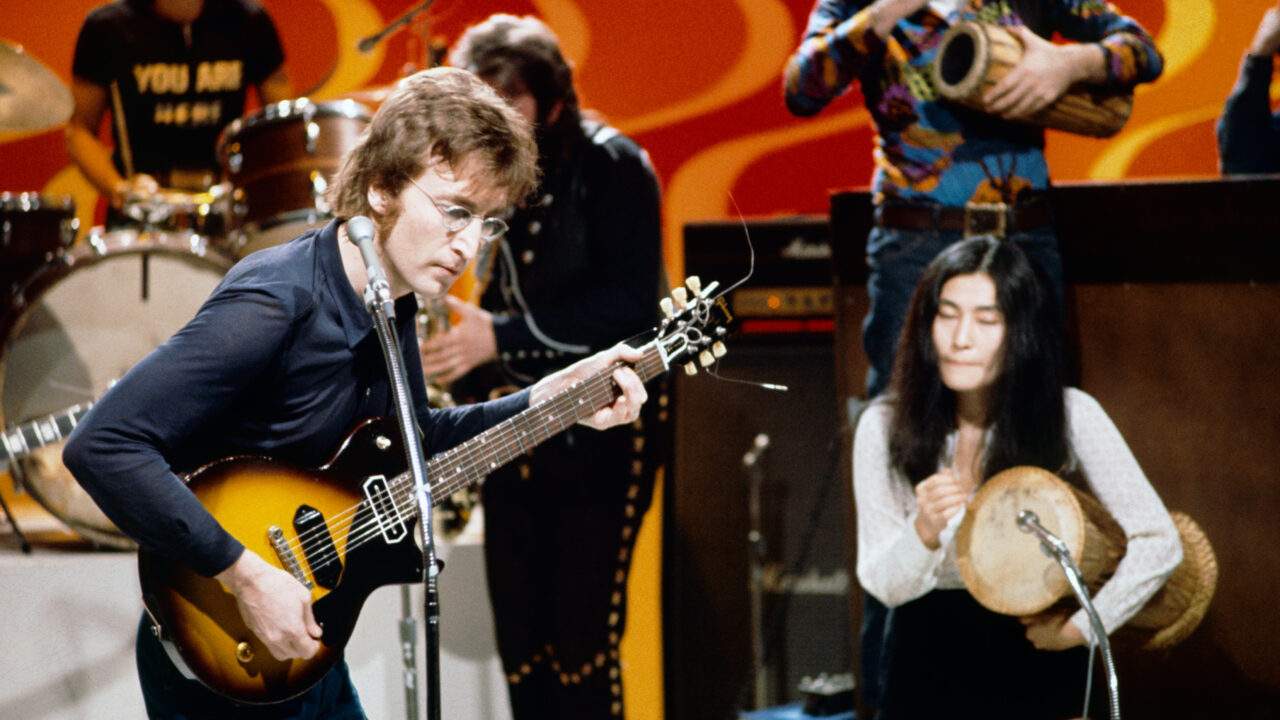
Daytime Revolution Documentary: Lennon & Ono’s Impact on TV

A Moment in TV History: Lennon and Ono’s Bold Move

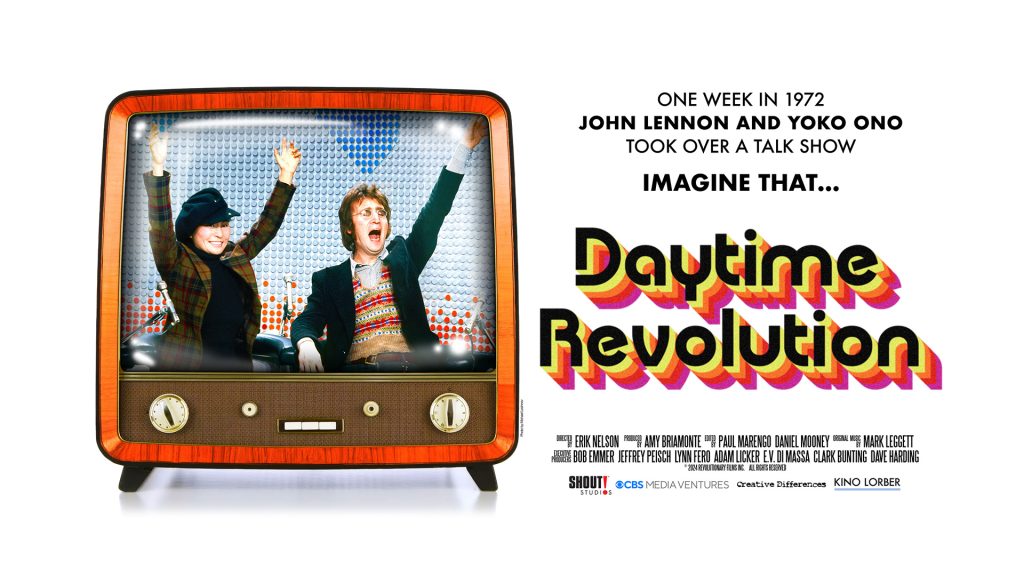
The documentary Daytime Revolution provides a deep dive into one of the most unexpected yet impactful events in television history—when John Lennon and Yoko Ono co-hosted The Mike Douglas Show in 1972. This moment in daytime TV became a cultural landmark, shedding light on the couple’s activism, art, and their relationship with the mainstream media. This blog explores how Daytime Revolution revisits this critical week in television, where music, politics, and pop culture collided.

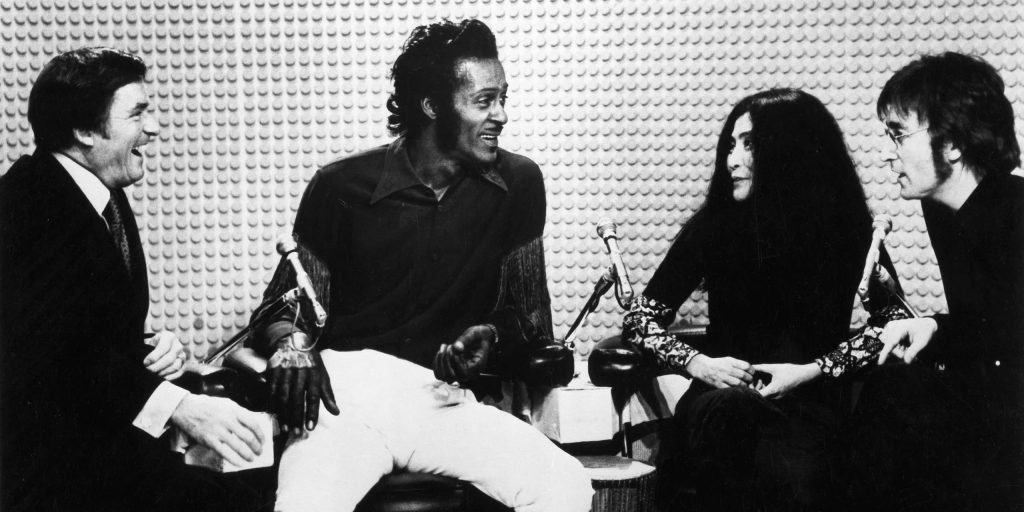
In February 1972, John Lennon and Yoko Ono, the iconic couple known for their art and activism, took a step outside their usual realm of music and protest to co-host The Mike Douglas Show for an entire week. For a pair that often courted controversy, this move was seen as bold and unusual. What followed was a fascinating mixture of entertainment, advocacy, and cultural commentary that pushed the boundaries of what daytime television could be.

The documentary Daytime Revolution captures this historical moment with archival footage, interviews, and commentary, providing viewers with insight into the importance of this co-hosting stint. It wasn’t just about entertainment—Lennon and Ono used their platform to amplify their messages of peace, equality, and social justice.

Mixing Art, Activism, and Pop Culture

One of the most interesting aspects of Daytime Revolution is how Lennon and Ono were able to blend their creative art with their political activism. The pair invited guests such as civil rights activists, spiritual leaders, and controversial figures, turning daytime television into a platform for radical ideas.
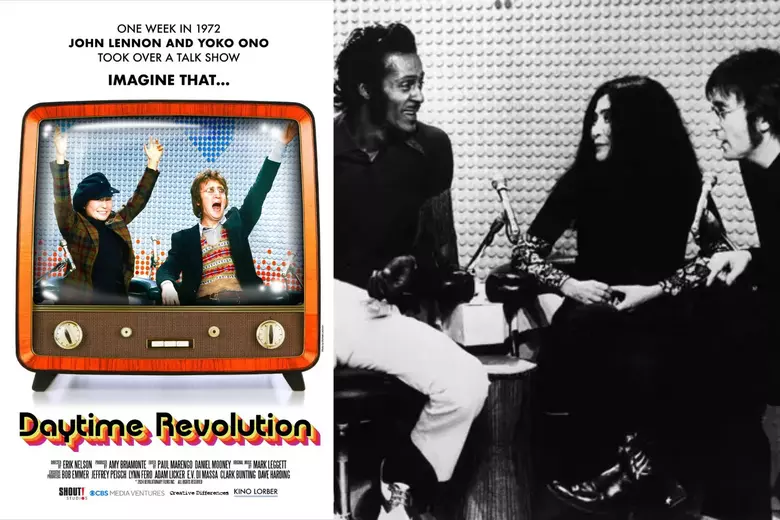
Instead of sticking to the usual light-hearted content that daytime TV was known for, they brought in guests like Black Panther leader Bobby Seale and feminist leaders like Shirley Chisholm. These were revolutionary conversations for a TV audience accustomed to lighter topics, demonstrating Lennon and Ono’s determination to challenge societal norms.

The documentary highlights how The Mike Douglas Show became a space where art, music, and activism intersected. Lennon performed some of his classic hits, while Yoko Ono showcased her avant-garde art, reminding audiences of their multifaceted talents.

The Impact on Daytime Television and Pop Culture

The weeklong co-hosting event was met with mixed reactions from the public and media. While some viewers were intrigued by the depth of the discussions and the star power of Lennon and Ono, others were confused or alienated by the introduction of political subjects into a usually apolitical space. Nevertheless, the couple’s presence on The Mike Douglas Show is now seen as a cultural turning point in television history.
Daytime Revolution emphasizes that the show marked a significant shift in how pop culture figures could use their platform for advocacy. It paved the way for more socially conscious conversations on mainstream media. Lennon and Ono’s appearance humanized issues like racial inequality, war, and gender rights, turning daytime television into a platform for awareness, not just entertainment.

A Look into Lennon and Ono’s Personal and Public Lives

In addition to exploring the political and social aspects of Lennon and Ono’s co-hosting week, the documentary also delves into the personal dynamics between the two. Daytime Revolution captures their unique bond, their collaborative energy, and the way they navigated public scrutiny. Their love story was a central part of their public image, and it comes through in the documentary as a driving force behind their shared activism.
The documentary also touches on the backlash they faced, particularly Yoko Ono, who was often unfairly vilified by the media. Daytime Revolution provides a more nuanced perspective on her influence and contributions as an artist and activist.

Conclusion: A Revolution in Television

Daytime Revolution brings to light a forgotten yet important chapter in television history, where John Lennon and Yoko Ono used their celebrity status to spark meaningful conversations on race, politics, and culture. This week on The Mike Douglas Show wasn’t just about entertainment; it was about using media to question the status quo and challenge societal norms.

For anyone interested in the intersection of pop culture, media, and activism, Daytime Revolution offers an enlightening glimpse into how two of the most influential figures of the 20th century reshaped the role of television. It’s a must-watch for fans of Lennon and Ono, as well as those curious about how media can serve as a tool for change.
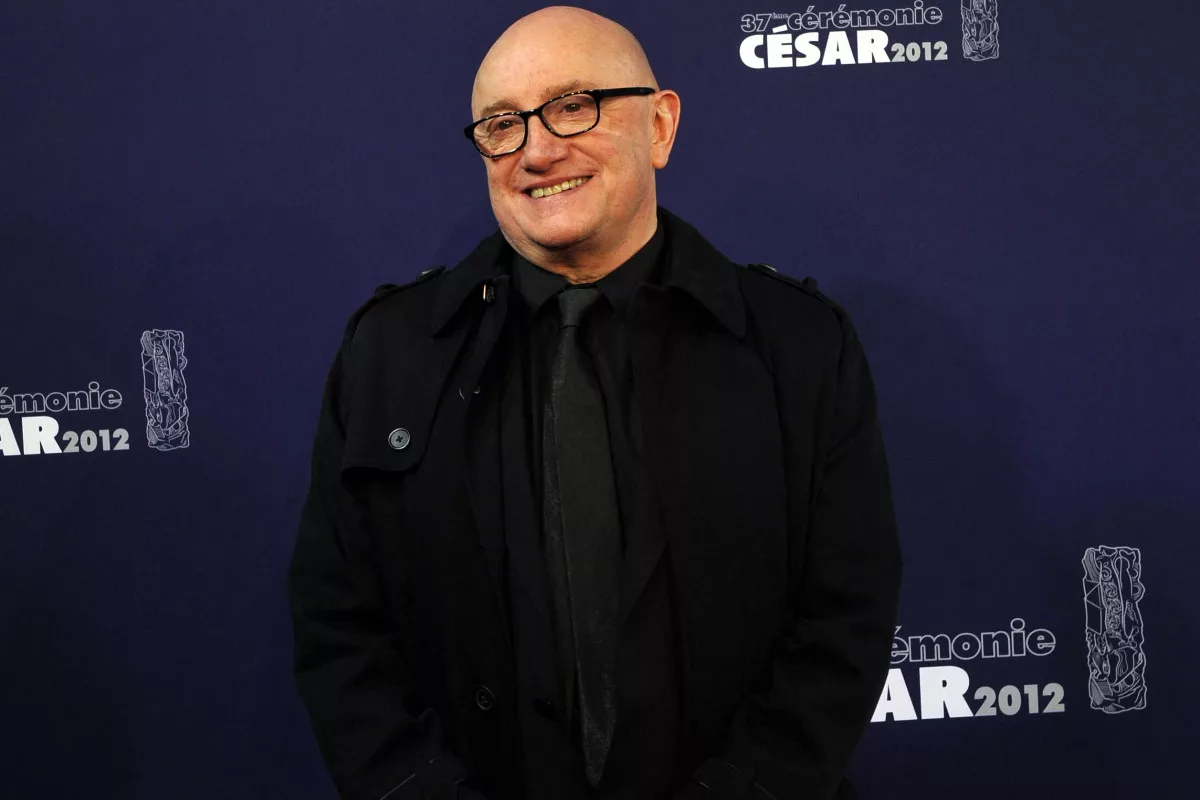
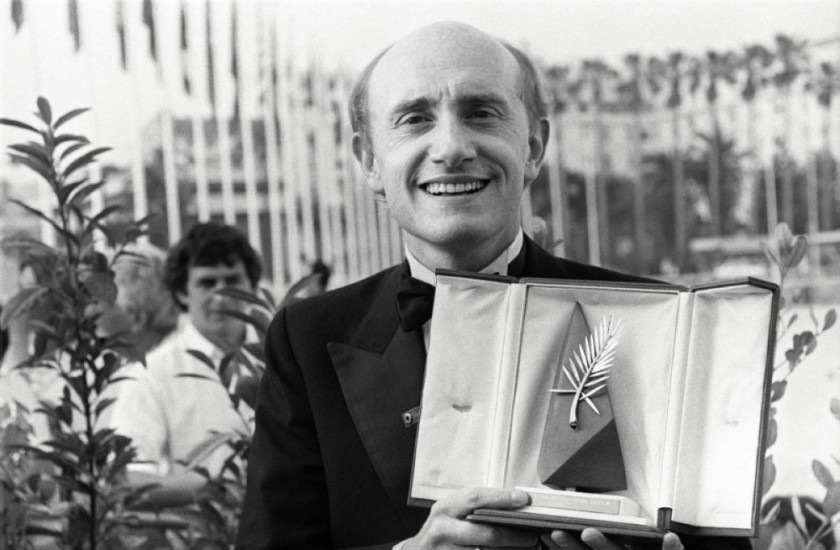
Michel Blanc: A Master of Versatility Throughout his career, Michel Blanc demonstrated an incredible range, moving seamlessly between comedy and drama. Born in 1952, Blanc quickly rose to fame with his role in the comedy Les Bronzés (1978), a film that has become a cult classic in French cinema. This ensemble comedy gave Blanc a platform to showcase his comedic timing and unique screen presence, making him a household name. Blanc was also a founding member of the theater group Le Splendid, where he worked alongside other French cinema legends such as Christian Clavier and Gérard Jugnot. Together, they created a new wave of French comedy, and Blanc’s signature deadpan humor became a hallmark of his early career. From Comedy to Drama: Monsieur Hire and Critical Acclaim While Blanc is often remembered for his comedic roles, his talent for drama should not be overlooked. In 1989, he starred in Monsieur Hire, a haunting thriller that earned him widespread critical acclaim. His portrayal of the enigmatic and lonely title character was a departure from his earlier work, showcasing his ability to convey deep emotion through subtle performances. Blanc's performance in Monsieur Hire earned him a César Award nomination for Best Actor, further solidifying his place among the most respected actors in France. His ability to shift from light-hearted comedy to dark, introspective drama was a testament to his depth as an actor. A Long-Lasting Impact on French Cinema Blanc's contributions to French cinema extended beyond acting. He was also an accomplished screenwriter and director, having directed films such as Grosse Fatigue (1994), for which he won the Best Screenplay Award at the Cannes Film Festival. His ability to write sharp, witty dialogue and craft compelling narratives gave him a unique voice in the world of French filmmaking. In the decades that followed, Blanc continued to take on diverse roles, appearing in films such as The Witnesses (2007) and Lolo (2015), where his performances were lauded for their honesty and relatability. His enduring presence in the industry earned him a reputation as one of France's most beloved actors. The Legacy of Michel Blanc Michel Blanc's passing marks the end of an era in French cinema, but his influence will continue to be felt for years to come. His comedic timing, dramatic depth, and contributions to the art of filmmaking make him a true icon of the silver screen. Blanc leaves behind a body of work that spans genres and decades, each performance offering something new and memorable. For both longtime fans and newcomers to French cinema, his films remain essential viewing, a testament to the power of storytelling and the beauty of a well-crafted performance. Conclusion: Celebrating a True Talent As we reflect on Michel Blanc’s incredible career, it’s clear that his work will continue to inspire both audiences and fellow actors alike. From his breakout in Les Bronzés to his more introspective roles in films like Monsieur Hire, Blanc’s versatility and skill have left an indelible mark on the world of cinema. His legacy as a brilliant and beloved figure in French film is secure, and his work will be celebrated for generations to come.

Remembering Michel Blanc: A French Cinema Icon

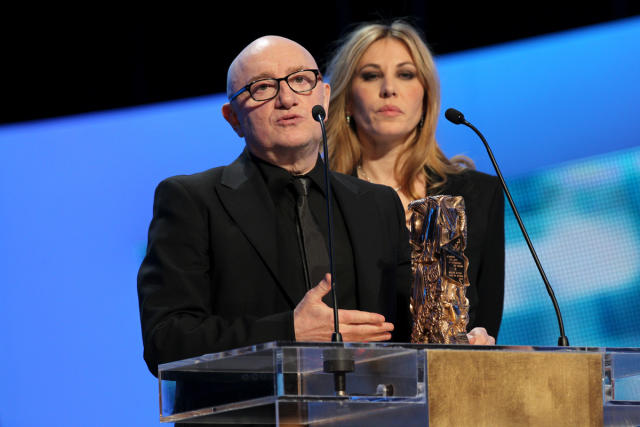
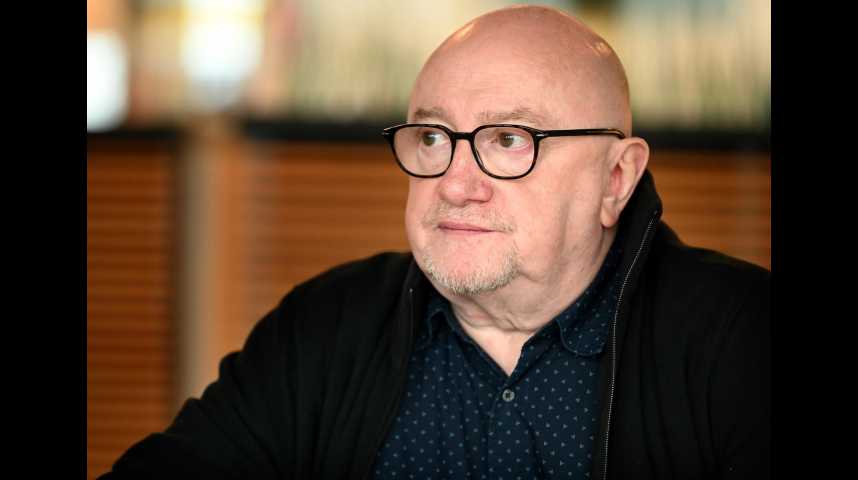
French cinema has lost one of its brightest stars with the passing of Michel Blanc. Known for his versatility and memorable performances in both comedic and dramatic roles, Blanc carved a niche for himself in the hearts of audiences worldwide. This blog will celebrate his legacy, diving into his most notable films and the impact he made on French cinema.

Michel Blanc: A Master of Versatility

Throughout his career, Michel Blanc demonstrated an incredible range, moving seamlessly between comedy and drama. Born in 1952, Blanc quickly rose to fame with his role in the comedy Les Bronzés (1978), a film that has become a cult classic in French cinema. This ensemble comedy gave Blanc a platform to showcase his comedic timing and unique screen presence, making him a household name.

Blanc was also a founding member of the theater group Le Splendid, where he worked alongside other French cinema legends such as Christian Clavier and Gérard Jugnot. Together, they created a new wave of French comedy, and Blanc’s signature deadpan humor became a hallmark of his early career.

From Comedy to Drama: Monsieur Hire and Critical Acclaim

While Blanc is often remembered for his comedic roles, his talent for drama should not be overlooked. In 1989, he starred in Monsieur Hire, a haunting thriller that earned him widespread critical acclaim. His portrayal of the enigmatic and lonely title character was a departure from his earlier work, showcasing his ability to convey deep emotion through subtle performances.

Blanc’s performance in Monsieur Hire earned him a César Award nomination for Best Actor, further solidifying his place among the most respected actors in France. His ability to shift from light-hearted comedy to dark, introspective drama was a testament to his depth as an actor.

A Long-Lasting Impact on French Cinema

Blanc’s contributions to French cinema extended beyond acting. He was also an accomplished screenwriter and director, having directed films such as Grosse Fatigue (1994), for which he won the Best Screenplay Award at the Cannes Film Festival. His ability to write sharp, witty dialogue and craft compelling narratives gave him a unique voice in the world of French filmmaking.

In the decades that followed, Blanc continued to take on diverse roles, appearing in films such as The Witnesses (2007) and Lolo (2015), where his performances were lauded for their honesty and relatability. His enduring presence in the industry earned him a reputation as one of France’s most beloved actors.

The Legacy of Michel Blanc

Michel Blanc’s passing marks the end of an era in French cinema, but his influence will continue to be felt for years to come. His comedic timing, dramatic depth, and contributions to the art of filmmaking make him a true icon of the silver screen.

Blanc leaves behind a body of work that spans genres and decades, each performance offering something new and memorable. For both longtime fans and newcomers to French cinema, his films remain essential viewing, a testament to the power of storytelling and the beauty of a well-crafted performance.

Conclusion: Celebrating a True Talent

As we reflect on Michel Blanc’s incredible career, it’s clear that his work will continue to inspire both audiences and fellow actors alike. From his breakout in Les Bronzés to his more introspective roles in films like Monsieur Hire, Blanc’s versatility and skill have left an indelible mark on the world of cinema. His legacy as a brilliant and beloved figure in French film is secure, and his work will be celebrated for generations to come.

Joker Folie à Deux box office

Box Office Performance: The Opening Numbers

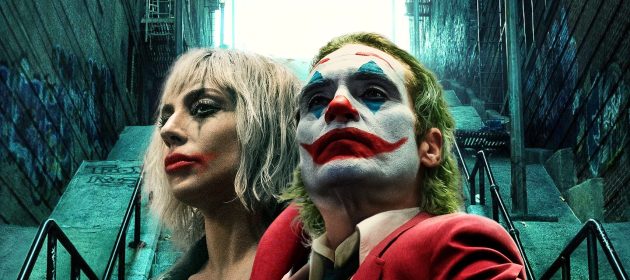
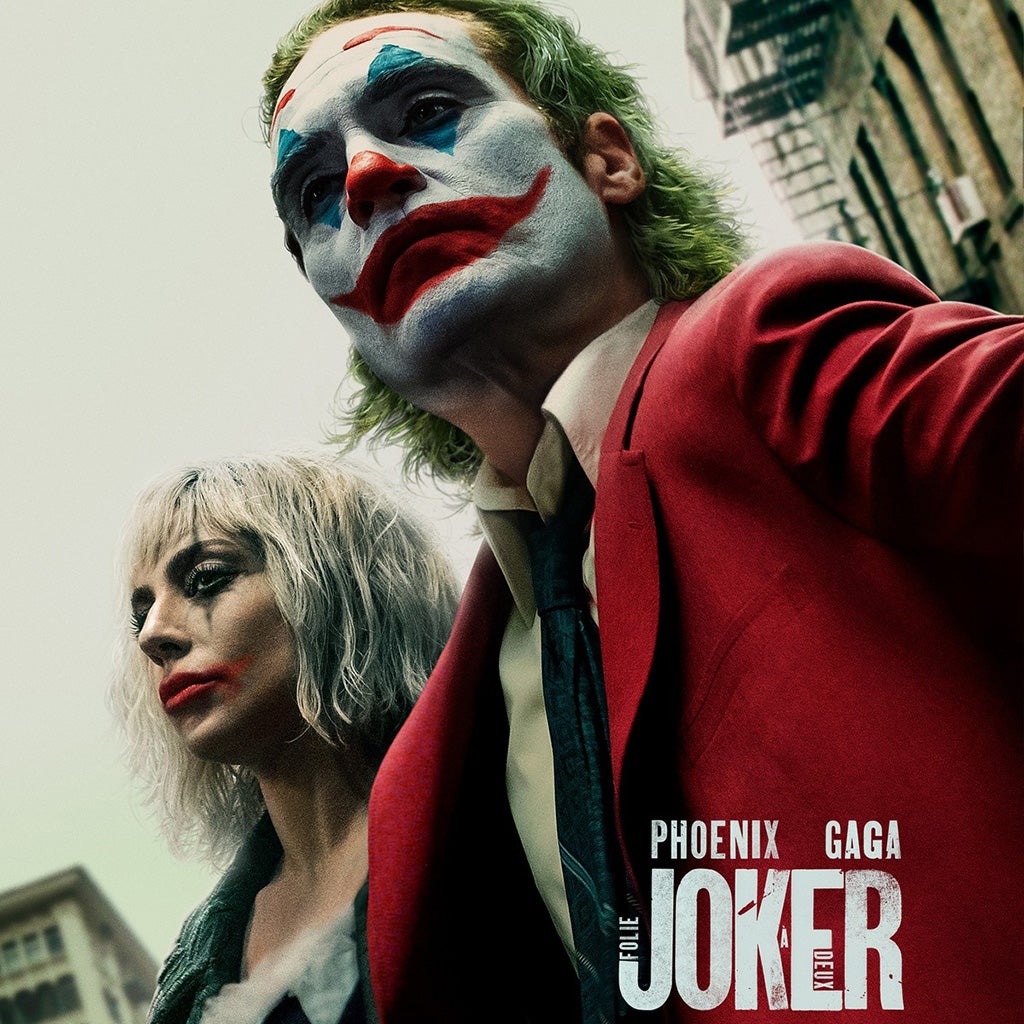
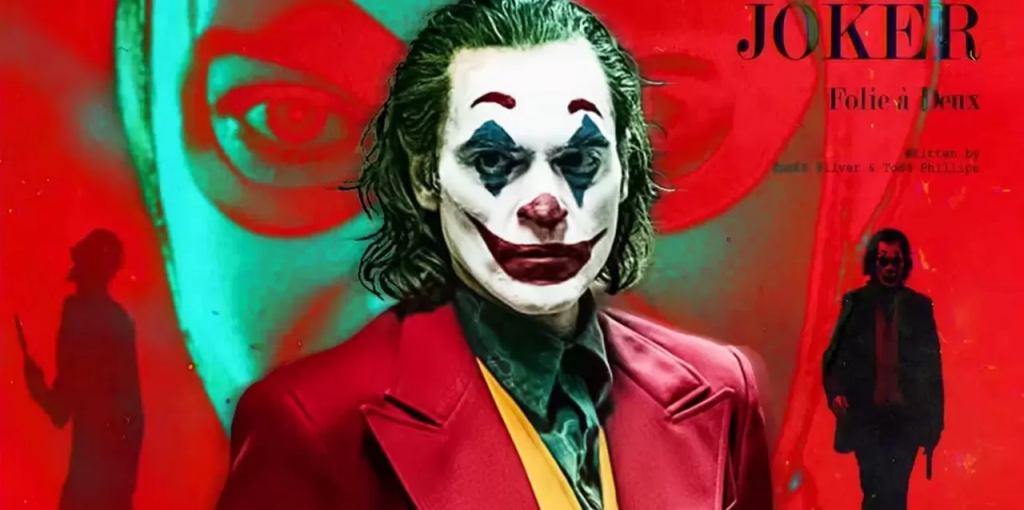
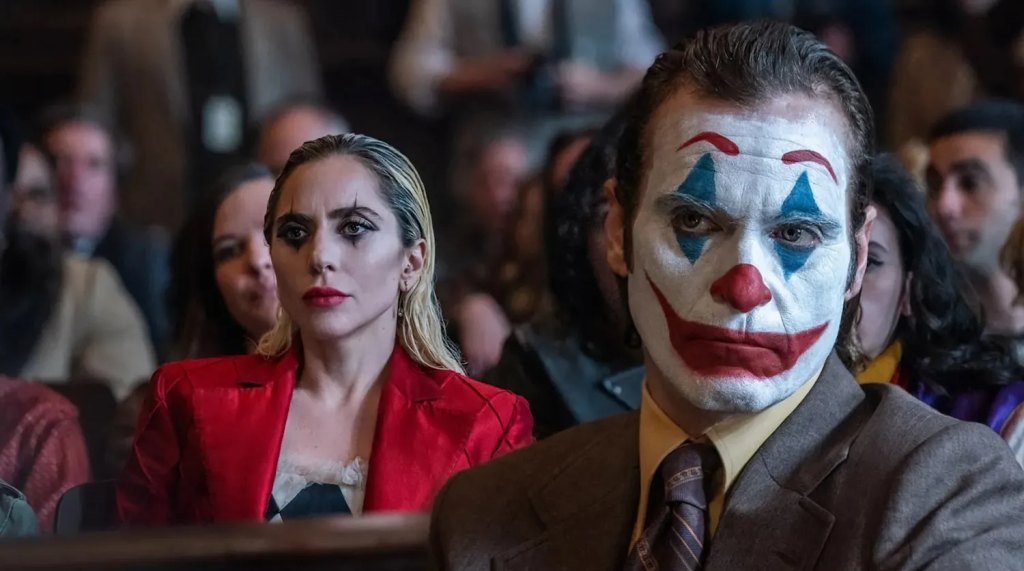
When Joker: Folie à Deux debuted, it was no surprise that fans flocked to the theaters. The original Joker set a high bar, grossing over $1 billion worldwide and becoming the highest-grossing R-rated movie in history. As a result, expectations for the sequel were enormous.

Early box office numbers reflect this anticipation, with Joker: Folie à Deux bringing in a strong opening weekend. While it didn’t shatter records like its predecessor, the film’s debut indicated that audiences were eager to see where Arthur Fleck’s journey would go next. However, despite the impressive box office performance, a different story unfolded once reactions began to pour in.

The Surprising CinemaScore: Why Fans Are Divided

One of the most unexpected turns of events surrounding Joker: Folie à Deux was its CinemaScore rating. CinemaScore, which measures audience reactions on opening night, awarded the film a rather unexpected “D” rating. This score has left many puzzled, especially given the critical success and audience approval of the first Joker.

So why did Joker: Folie à Deux receive such a low rating from audiences? There are several possible reasons:

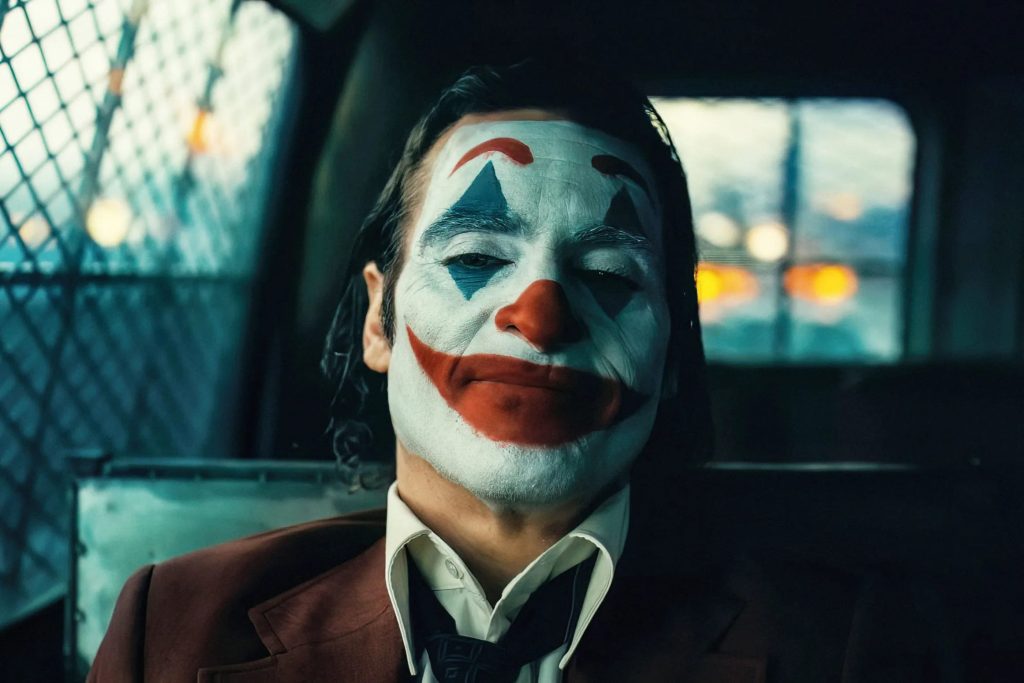
  1. Shift in Tone and Style: While the first film was gritty, dark, and emotionally charged, the sequel ventured into more artistic territory, with musical elements and psychological depth. For audiences expecting a more traditional comic book film or a continuation of the chaotic, violent arc of Arthur Fleck, the shift in tone might have felt jarring.
  2. Complex Narrative: Unlike many blockbuster films, Joker: Folie à Deux asks viewers to engage deeply with its characters and story. Some found the film’s more surreal and ambiguous elements difficult to follow, leading to frustration. Others appreciated the psychological complexity, but this division in audience reactions explains the stark contrast between high expectations and the CinemaScore rating.
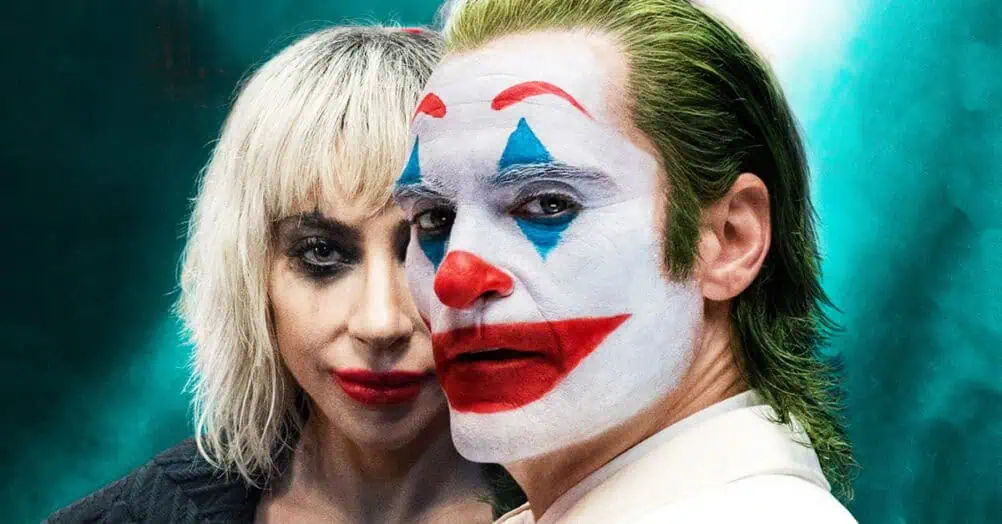
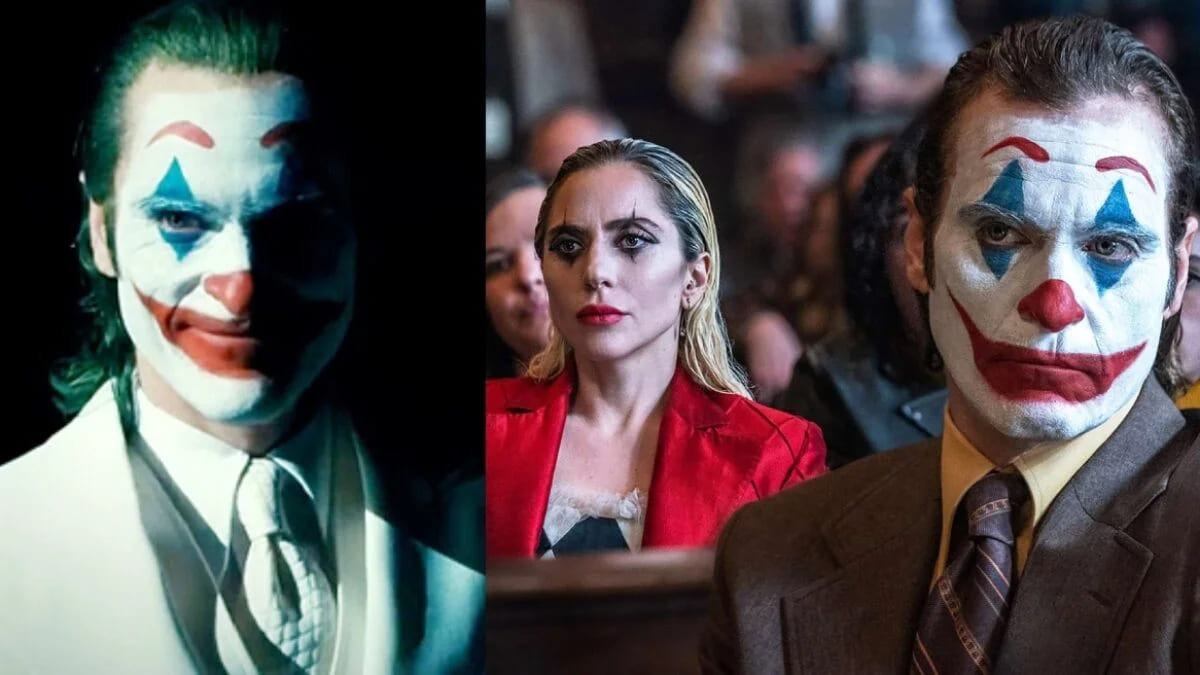
  3. New Characters and Dynamics: The introduction of Lady Gaga’s character as Harley Quinn brought a new dynamic into the mix. While many celebrated Gaga’s performance, her portrayal of Harley was different from previous interpretations of the character. Some fans might have felt the film didn’t align with their perception of Harley and Joker’s iconic relationship.

Critical vs. Audience Reactions: A Familiar Story?

While Joker: Folie à Deux’s CinemaScore surprised many, this isn’t the first time a film has received contrasting reactions from critics and general audiences. Many films with artistic ambitions and complex narratives have faced initial backlash, only to be appreciated over time. Joker 2 might fall into this category, where it challenges immediate expectations but could gain deeper appreciation upon multiple viewings.

The original Joker film also polarized audiences, with some calling it a masterpiece of cinema and others criticizing it for its dark tone and controversial subject matter. However, over time, Joker became recognized for its daring storytelling and social commentary. Similarly, Folie à Deux seems poised to spark debates and discussions for years to come.

Box Office Success Despite Mixed Reactions

Despite its surprising CinemaScore rating, Joker: Folie à Deux continues to perform well at the box office, indicating that it resonates with a large portion of its audience. Joaquin Phoenix’s return as Arthur Fleck, combined with Lady Gaga’s much-anticipated role as Harley Quinn, has generated significant buzz and drawn people into theaters.

The film’s ability to succeed at the box office, even with a divided audience reaction, speaks to the enduring appeal of the Joker character and the unique direction Todd Phillips has taken with the story. It also highlights that a film’s box office performance isn’t always tied directly to audience satisfaction — sometimes, the curiosity and anticipation around a film can drive viewers to see it, regardless of its reception.

Will Joker: Folie à Deux Stand the Test of Time?

One of the key questions that remains is whether Joker: Folie à Deux will eventually win over the audience members who initially gave it a low CinemaScore. Given the bold, creative risks that the film took, it’s possible that fans might come to appreciate it more in hindsight. Films that push boundaries and challenge viewers often need time to be fully understood.

With its impressive visuals, unique tone, and strong performances, Joker: Folie à Deux has all the elements of a film that could be remembered and revisited, even if its initial reception was mixed. The conversations surrounding the movie are likely to continue as more people see it and weigh in on its themes, execution, and emotional impact.

Conclusion: A Bold Sequel That Defies Expectations

Joker: Folie à Deux is a film that, much like its predecessor, refuses to play by the rules. Its box office success, despite the surprising CinemaScore rating, is a testament to the power of curiosity and anticipation. While fans are divided, one thing is clear: Joker 2 has cemented itself as a film worth talking about.

Whether it stands the test of time as a beloved classic or remains a polarizing piece of cinema, Joker: Folie à Deux has left a mark on both the box office and the minds of audiences everywhere.

The Wild Robot: Chris Sanders and Jeff Hermann Bring a Beloved Story to Life

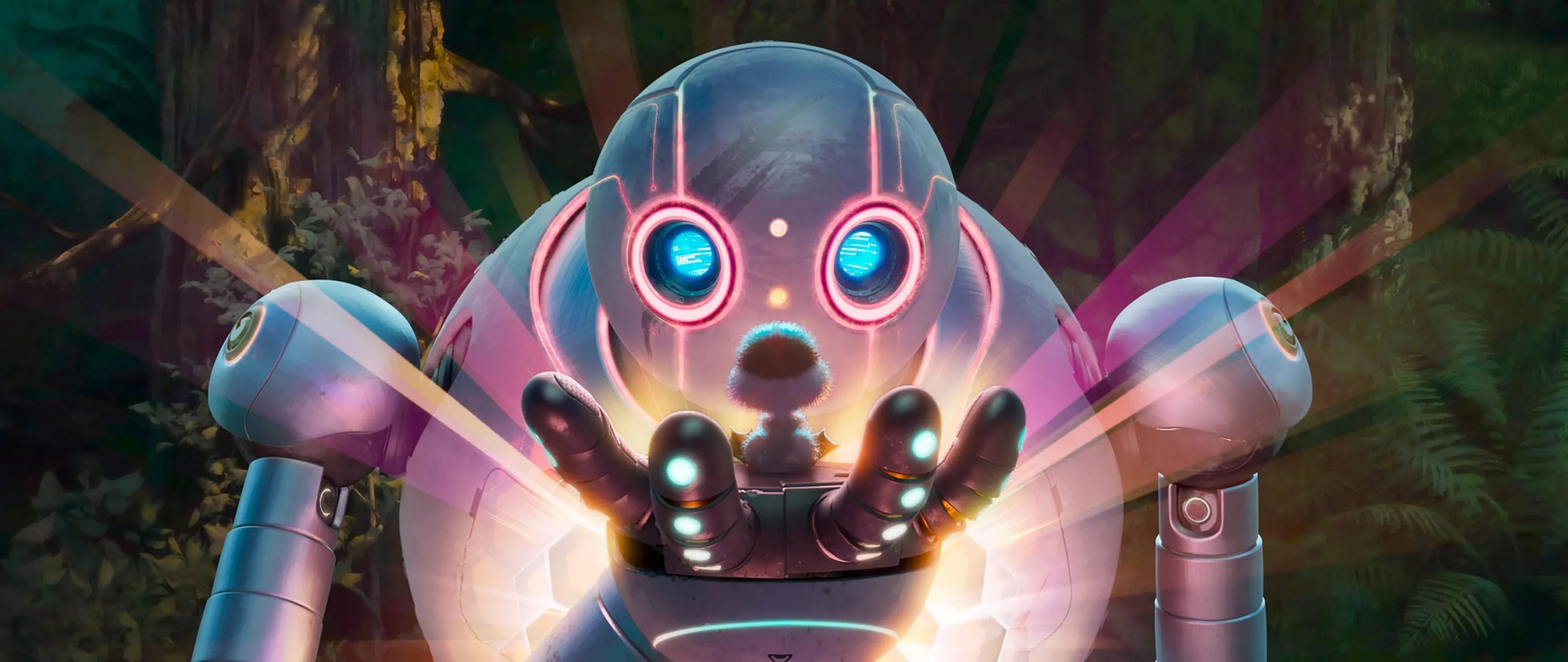
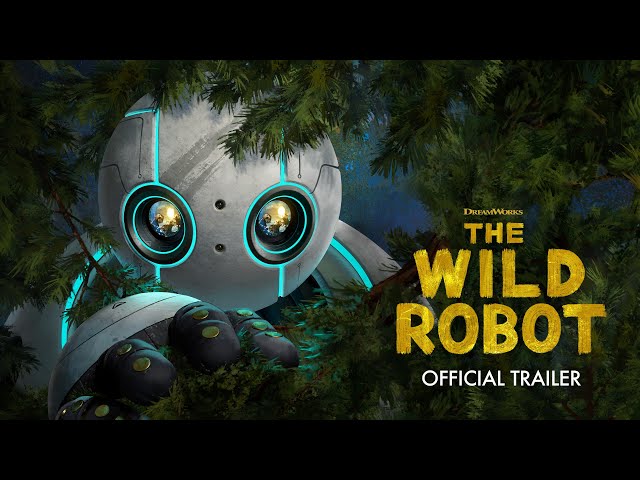
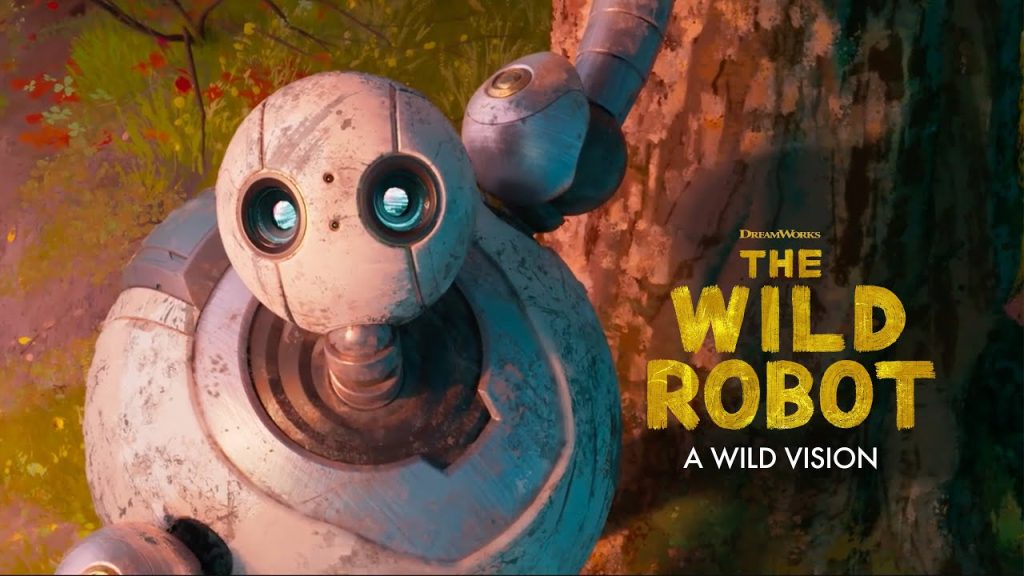
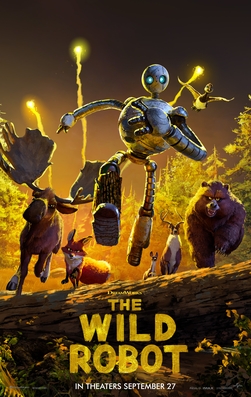
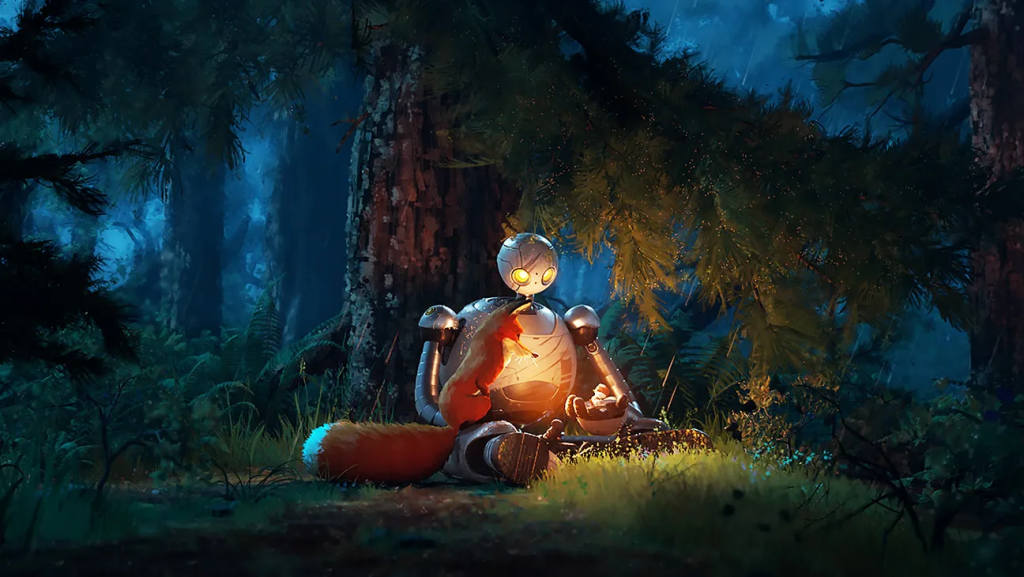
The Wild Robot is set to make its debut as an animated feature, directed by acclaimed filmmaker Chris Sanders and produced by Jeff Hermann. Adapted from Peter Brown’s bestselling children’s novel, this new project promises to captivate audiences of all ages with its heartwarming story and stunning animation. In this blog, we’ll explore what makes The Wild Robot such an exciting adaptation, dive into the creative minds behind the film, and speculate on why fans of the book are eagerly awaiting its release.

A Beloved Tale Brought to the Big Screen

At its core, The Wild Robot tells the story of Roz, a robot who wakes up alone on a deserted island and must learn to survive in the wild. Along the way, she forms relationships with animals and discovers what it means to live and thrive in nature. The original novel by Peter Brown quickly became a favorite among readers for its thought-provoking themes, including environmentalism, artificial intelligence, and the importance of empathy and community.

When news broke that the story would be adapted into an animated film, fans were thrilled. After all, The Wild Robot offers the perfect blend of adventure, emotion, and lessons about what it means to coexist with the natural world. The decision to tap Chris Sanders as director only added to the excitement, as Sanders is known for his work on beloved animated films like Lilo & Stitch and How to Train Your Dragon.

The Vision of Chris Sanders

Chris Sanders has long been recognized for his ability to craft emotionally rich stories with heartwarming characters. His work on Lilo & Stitch showed his talent for depicting relationships between characters that might seem different at first glance but ultimately find common ground. Similarly, How to Train Your Dragon explored the bond between a young Viking and a dragon, blending adventure with deep emotional resonance.

In The Wild Robot, Sanders has another chance to tell a story about connection—this time between a robot and the animals she encounters on the island. Fans of the book are likely to be excited by Sanders’ involvement, as his films consistently feature touching narratives that resonate with audiences of all ages. With The Wild Robot, Sanders has the opportunity to explore themes of survival, compassion, and personal growth through a visually stunning and emotionally engaging story.

The Role of Jeff Hermann in the Production

Producer Jeff Hermann brings his own impressive pedigree to the project. Having worked on films like Kung Fu Panda 3 and The Boss Baby, Hermann understands how to balance humor with heart. His experience with animated films makes him a perfect fit for The Wild Robot, as the story requires a delicate touch in order to maintain the balance between the film’s adventurous spirit and its more profound themes.

Hermann’s production approach ensures that The Wild Robot will be an animated film with the potential to leave a lasting impact on both children and adults. With Sanders and Hermann at the helm, the film is in the hands of seasoned creators who know how to deliver both visually captivating and emotionally moving content.

Why Fans Are Eagerly Awaiting the Adaptation

One of the reasons why fans are so excited about The Wild Robot is the story’s universal appeal. The novel’s blend of adventure, philosophy, and emotional depth makes it a story that resonates across generations. Children are drawn to Roz’s journey of survival and self-discovery, while adults appreciate the book’s exploration of what it means to be truly alive and part of a community.

The combination of Chris Sanders’ directorial style and Jeff Hermann’s production experience promises to capture the essence of Brown’s novel while also expanding upon it in a way that only animation can. The natural world depicted in the story is ripe for stunning visual adaptation, and fans are curious to see how the filmmakers bring the island and its animal inhabitants to life.

The Importance of Animation in Storytelling

Animation plays a crucial role in how The Wild Robot will be brought to life. The medium allows for vibrant depictions of nature and mechanical elements that would be hard to recreate in live-action. Moreover, the use of animation gives Sanders the flexibility to explore the contrasts between Roz’s robotic nature and the wild, unpredictable world she finds herself in.

This contrast between the mechanical and the organic is one of the core themes of The Wild Robot, and animation is the perfect medium to explore it. The use of color, movement, and design can help to highlight Roz’s evolution as she goes from being a cold, mechanical entity to a warm, caring member of her newfound animal community.

Conclusion: A Film to Watch Out For

With the powerhouse team of Chris Sanders and Jeff Hermann behind the adaptation, The Wild Robot is poised to be one of the most anticipated animated films in recent memory. Whether you’re a fan of the original novel or someone looking for a touching, visually stunning story, this movie has the potential to deliver on every front.

As the release date draws closer, fans can look forward to seeing how the filmmakers interpret Peter Brown’s heartfelt tale, and how they bring the wild, wonderful world of Roz the robot to life. With its combination of adventure, emotion, and stunning animation, The Wild Robot is a film that promises to enchant audiences for years to come.

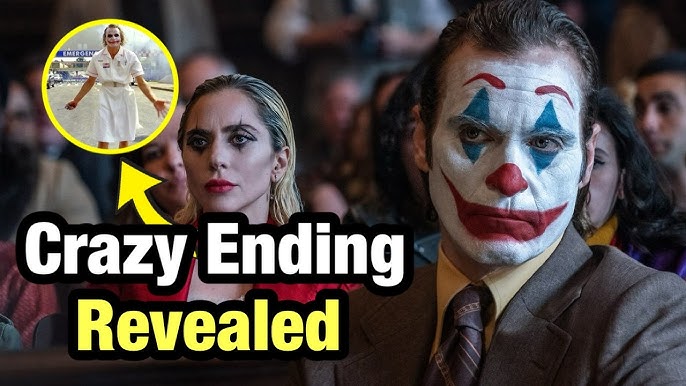
Why Joker 2's Ending Left Fans Angry: An In-Depth Analysis

Joker: Folie à Deux was one of the most anticipated films of 2024. Following the massive success of the first Joker movie, fans had high expectations for its sequel. However, the movie’s unexpected ending led to disappointment and even anger among certain fan groups. In this blog, we explore what happened at the end of Joker 2 and why it left fans so divided.

The Controversial Ending of Joker: Folie à Deux

Without diving into full spoilers, the ending of Joker 2 defied traditional cinematic conventions. Many expected the film to build on Arthur Fleck’s rise into the iconic Joker persona, but the sequel took a more ambiguous and psychological route. Rather than giving a definitive answer on whether Arthur fully embraces his Joker identity or if the events of the movie even happened, the film ended on a note that left many fans scratching their heads.

This ambiguity, while artistic, didn’t sit well with a large portion of the audience. The ending left viewers with more questions than answers, and this uncertainty became the main point of contention.

Why Fans Were Upset

  1. Expectations vs. Reality: Many fans went into the theater expecting Joker 2 to continue Arthur’s evolution into a full-fledged villain. However, the movie leaned heavily into psychological exploration, blurring the lines between reality and Arthur’s delusions. Some felt misled, expecting more of the anarchic chaos that defined the first movie’s climax.
  2. Pacing and Tone: While the first Joker balanced Arthur’s descent into madness with moments of intense action and social commentary, Joker 2 focused on his internal world. The shift in tone left viewers feeling as though the film had meandered into philosophical territory, abandoning the thriller-like suspense that characterized the first.
  3. Unanswered Questions: Rather than providing closure, Joker 2 ended with an open-ended question that could be interpreted in various ways. Fans who invested two films into Arthur Fleck’s journey were left feeling unsatisfied, particularly because they expected a more definitive conclusion to his arc.

Director’s Vision vs. Audience Expectations

Director Todd Phillips made it clear from the start that Joker 2 was intended as a character study and not a typical comic book movie. In many ways, the film mirrors the artistic risks taken in Joker (2019), which redefined what a comic book villain movie could be.

However, this vision clashed with the expectations of fans who were looking for more action and clear resolutions. Phillips, along with co-star Lady Gaga, who plays a central role in Arthur’s descent, embraced the film’s surreal and musical aspects, making Joker 2 an experience that transcended typical genre boundaries. This divergence in vision led to a rift between what audiences wanted and what the filmmakers delivered.

The Role of Social Commentary

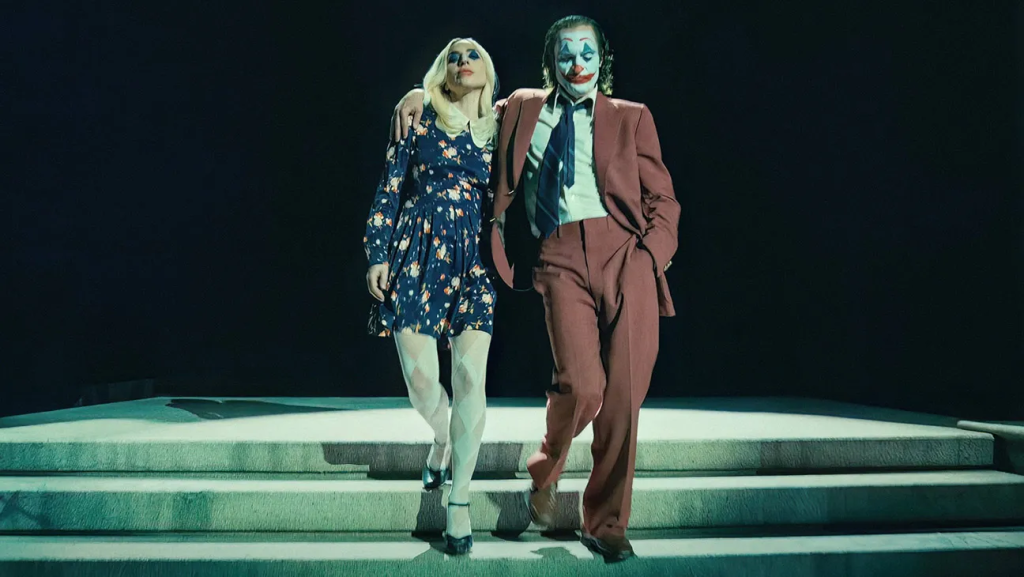
Like its predecessor, Joker: Folie à Deux deals with themes of mental illness, isolation, and societal neglect. However, the movie also introduces new themes around shared delusions and the complexities of fame and madness, especially in the relationship between Arthur and Lady Gaga’s character.

Some fans felt that these themes, while relevant, overshadowed the core narrative of the Joker’s evolution. Others, however, appreciated the film’s deeper exploration of Arthur’s psyche, even if it meant sacrificing traditional storytelling for a more fragmented and psychological approach.

Was Fan Anger Justified?

The frustration many fans felt with Joker 2 is understandable. After all, they were promised a thrilling continuation of Arthur Fleck’s journey, but were instead given a more introspective, and at times, confusing story. Yet, from a creative standpoint, the choices made by Phillips and the team reflect a bold step toward challenging conventional cinema.

Whether or not you agree with the ending, Joker 2 certainly succeeded in getting people talking. Art, by nature, is meant to provoke, and Joker: Folie à Deux did exactly that — sparking debates, discussions, and, yes, anger.

Final Thoughts

Joker 2 was always going to be a difficult sequel to pull off, considering the massive expectations from fans of the original. While the ending might have disappointed some, it also reinforced the idea that the Joker’s story is far from straightforward. Whether we’ll see more of Arthur Fleck in the future remains uncertain, but one thing is clear: the conversations around Joker 2 are just beginning.

Ireland film and TV production tax incentive

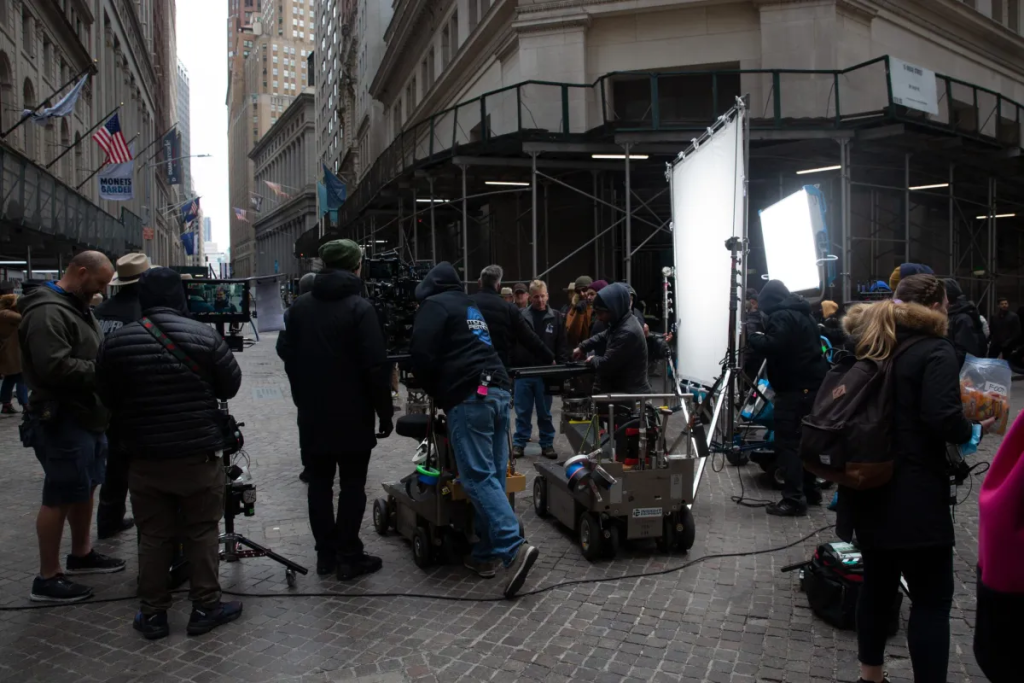
Ireland has announced significant changes to its tax incentive scheme for film and television production, aimed at attracting international projects and growing its domestic industry. The new incentives include an increased cap on the amount eligible for tax relief, raising it from €70 million to €125 million per project. This change positions Ireland as a more competitive destination for high-budget productions, particularly those requiring significant investment in locations, studios, and local talent.

Boosting Ireland’s Appeal to Global Productions

Ireland has long been a sought-after destination for filmmakers due to its stunning landscapes and skilled workforce. By expanding its tax incentives, the government is looking to solidify Ireland’s standing as a top location for big-budget international productions. The increase in the incentive cap allows larger projects, such as Hollywood blockbusters and high-end TV series, to receive more financial support, making Ireland a more attractive choice compared to other countries.

This move is expected to lead to more investment in the Irish film industry, creating jobs and opportunities for local crews, talent, and vendors. With an increase in productions, Ireland also aims to enhance its post-production and special effects sectors, positioning itself as a comprehensive hub for filmmaking.

Supporting Domestic Productions and Talent Development

While international projects are a big focus of the expanded tax relief, the new incentive scheme also benefits domestic film and television production. By increasing the financial support available, Irish filmmakers and production companies will have the opportunity to create higher-quality projects with better funding, which will help them compete on a global scale. This initiative also aims to foster talent development within Ireland, with the hope that more local creators and crews will gain valuable experience working on large-scale productions.

The Long-Term Impact on Ireland’s Film Industry

The expansion of the tax incentive scheme is not only about attracting immediate investment but also about establishing long-term growth. As Ireland continues to become a major player in the global film and TV market, its local infrastructure will benefit from the continuous influx of productions. Increased funding is likely to go toward upgrading studio facilities, improving post-production capabilities, and supporting new talent through education and hands-on experience.

Conclusion

Ireland’s expanded tax incentive for film and TV production is set to make a lasting impact on the industry. With an increased cap that allows for greater financial support, Ireland is poised to attract larger international projects while simultaneously growing its domestic film sector. The combination of stunning filming locations, a skilled workforce, and now more competitive tax benefits makes Ireland a key destination for filmmakers worldwide.

Jon Bon Jovi Montclair Film Festival conversation

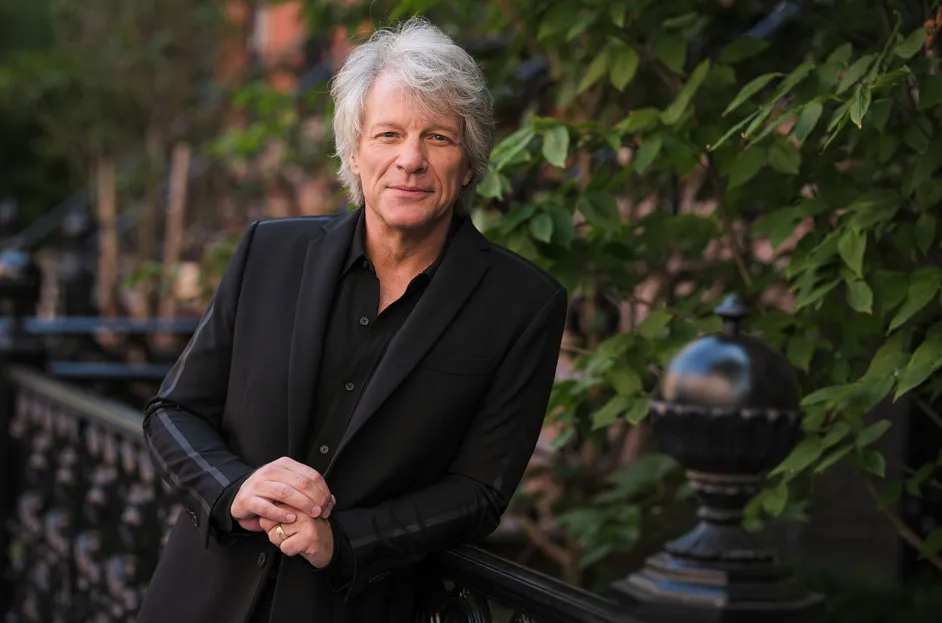
Rock icon Jon Bon Jovi and comedian Stephen Colbert came together for an exciting conversation at the Montclair Film Festival. Their candid discussion covered Bon Jovi’s legendary career in music, his personal journey, and his philanthropic work through the Jon Bon Jovi Soul Foundation.

Reflecting on a Musical Legacy

Jon Bon Jovi’s storied career spans several decades, with his band Bon Jovi being one of the most successful rock groups in history. During the conversation, Colbert asked Bon Jovi about his musical influences and the evolution of his band’s sound over the years. Bon Jovi reflected on his early days, the challenges faced along the way, and how he stayed relevant in the ever-changing music industry. Their conversation offered fascinating insights into Bon Jovi’s passion for music, as well as the personal drive that pushed him to succeed.

Bon Jovi’s Philanthropy

In addition to his music, Bon Jovi is well known for his philanthropy. The discussion delved into his work with the Jon Bon Jovi Soul Foundation, which focuses on fighting hunger and homelessness. Bon Jovi highlighted the foundation’s core philosophy—providing a “hand up, not a handout”—and shared heartwarming stories of people whose lives were positively impacted by the foundation’s efforts. His dedication to making a difference through initiatives like the Soul Kitchen Community Restaurants further underscored his commitment to philanthropy.

Stephen Colbert’s Wit and Humor

As always, Colbert’s wit and humor added a lighthearted touch to the conversation, drawing laughter from the audience while keeping the discussion engaging. Their mutual respect was evident, with Colbert commending Bon Jovi for using his platform to inspire change, and Bon Jovi appreciating Colbert’s unique ability to blend comedy with social commentary.

A Memorable Festival Moment

The Montclair Film Festival has built a reputation for showcasing compelling conversations with cultural icons, and this event was no exception. Jon Bon Jovi and Stephen Colbert’s discussion was not just an exploration of music and philanthropy, but a testament to how one can use their success to give back to the community.

The festival audience left inspired, both by Bon Jovi’s musical journey and his dedication to improving the lives of others. The conversation was a reminder of how art, humor, and compassion can intersect to create meaningful change in the world.

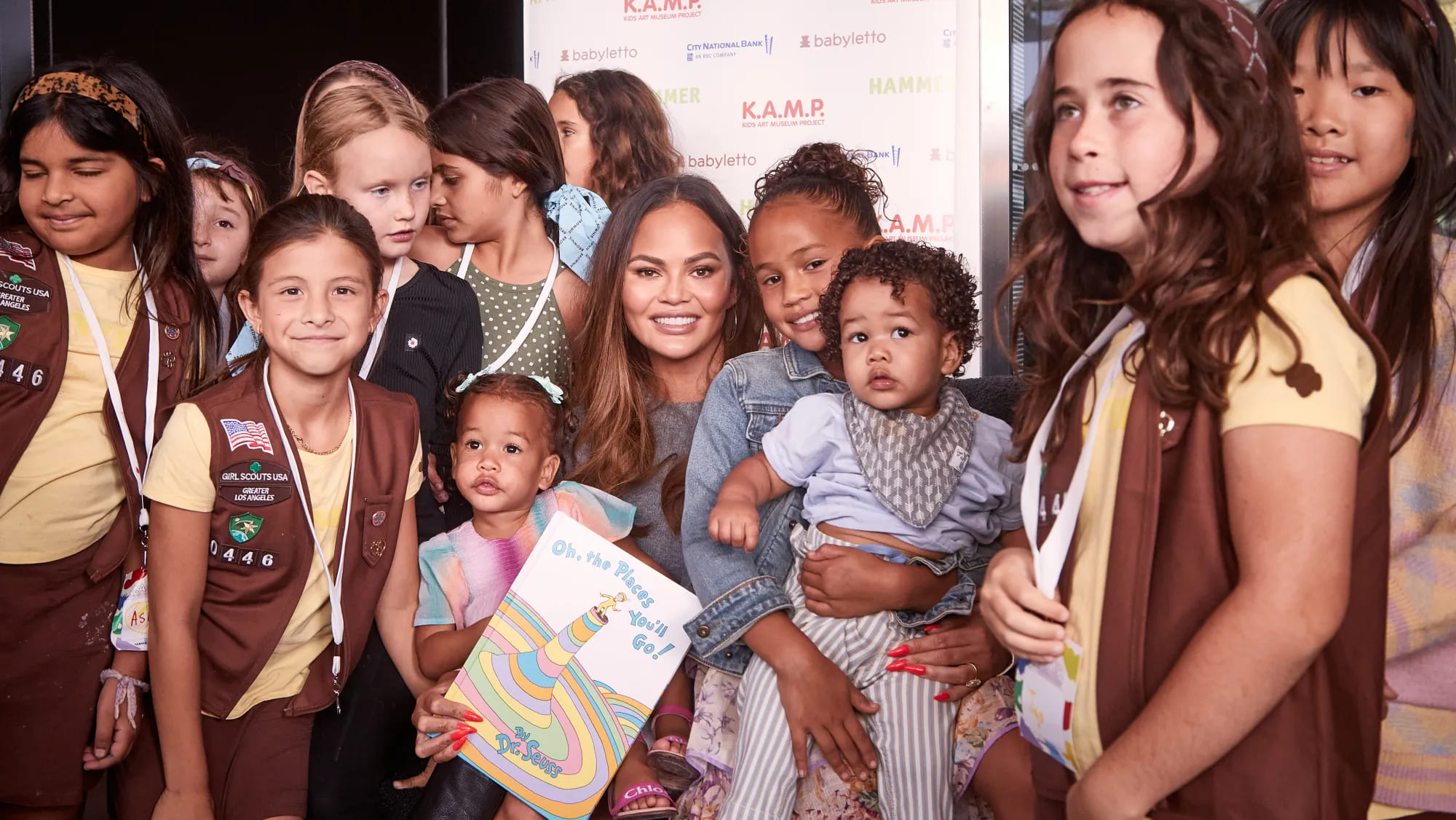
Henry Winkler and Chrissy Teigen Join Hammer Museum's K.A.M.P. Fundraiser

The Hammer Museum’s annual K.A.M.P. (Kids’ Art Museum Project) fundraiser once again brought together celebrities, artists, and children for a unique celebration of creativity. This year, stars like Henry Winkler and Chrissy Teigen stole the show as they engaged with kids, creating an environment full of fun, laughter, and imagination. The event not only allowed kids to work alongside their favorite stars but also supported the museum’s free arts programs for children.

A Creative Playground for Kids

K.A.M.P. is known for offering children a one-of-a-kind opportunity to collaborate with renowned artists and public figures in a setting that encourages creativity and imagination. This year’s event, hosted at the Hammer Museum in Los Angeles, had an impressive turnout of stars and participants. Chrissy Teigen and Henry Winkler, both beloved figures in entertainment, took center stage in making the day extra special.

Teigen, with her charismatic and approachable personality, was a hit with the kids, participating in interactive art-making activities. Winkler, known for his iconic roles in Hollywood, also spent time creating with the children and sharing the joys of art. Their involvement not only energized the event but also demonstrated their passion for giving back to the community.

A Star-Studded Event for a Great Cause

K.A.M.P. isn’t just about fun and games; it’s about giving back to the community. The proceeds from the event directly support the Hammer Museum’s free public programs, particularly those aimed at children. By allowing kids to engage with artists in hands-on activities, the fundraiser promotes artistic expression and creativity, skills that are essential for childhood development.

Throughout the day, attendees witnessed several engaging workshops led by contemporary artists. The event served as both a fundraiser and a cultural hub, connecting children to the arts in an inspiring way.

The Importance of Free Arts Programs

The heart of K.A.M.P. lies in its mission to provide free arts education to children in Los Angeles. In today’s world, where funding for arts programs is often limited, events like these play a crucial role in ensuring that young minds have access to creative outlets. The Hammer Museum’s free programs aim to foster creativity and critical thinking in children from all backgrounds.

Henry Winkler expressed his enthusiasm for the event, explaining how important it is for children to have access to artistic opportunities. Chrissy Teigen also voiced her support, calling the day a “beautiful and necessary experience” for kids to explore their creativity.

Wrapping Up a Fun-Filled Day

The K.A.M.P. fundraiser ended on a high note, with both the kids and celebrities feeling fulfilled by the day’s activities. Parents appreciated the chance to introduce their children to the world of art in a hands-on, engaging way. The success of the event highlighted the power of community and creativity in shaping young minds.

As the Hammer Museum continues to organize events like K.A.M.P., it reinforces its commitment to making art accessible to everyone, particularly children, who are the future of artistic expression. This year’s event, thanks to the involvement of stars like Winkler and Teigen, was not only a great success but a shining example of how art can bring people together for a great cause.

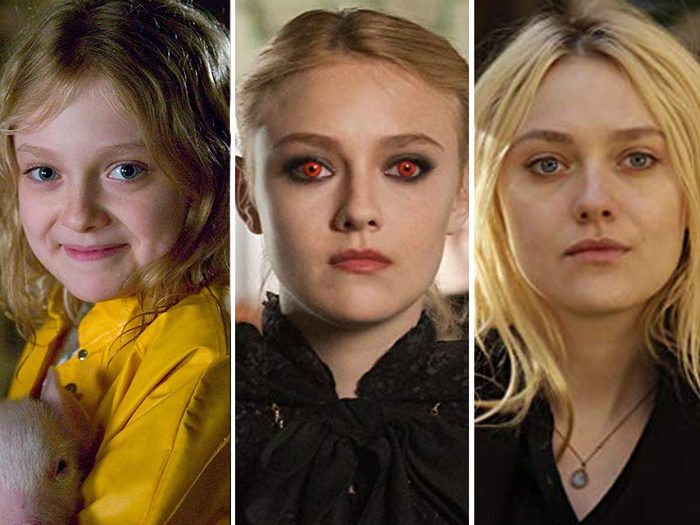
Dakota Fanning Reflects on Inappropriate Questions as a Child Actor

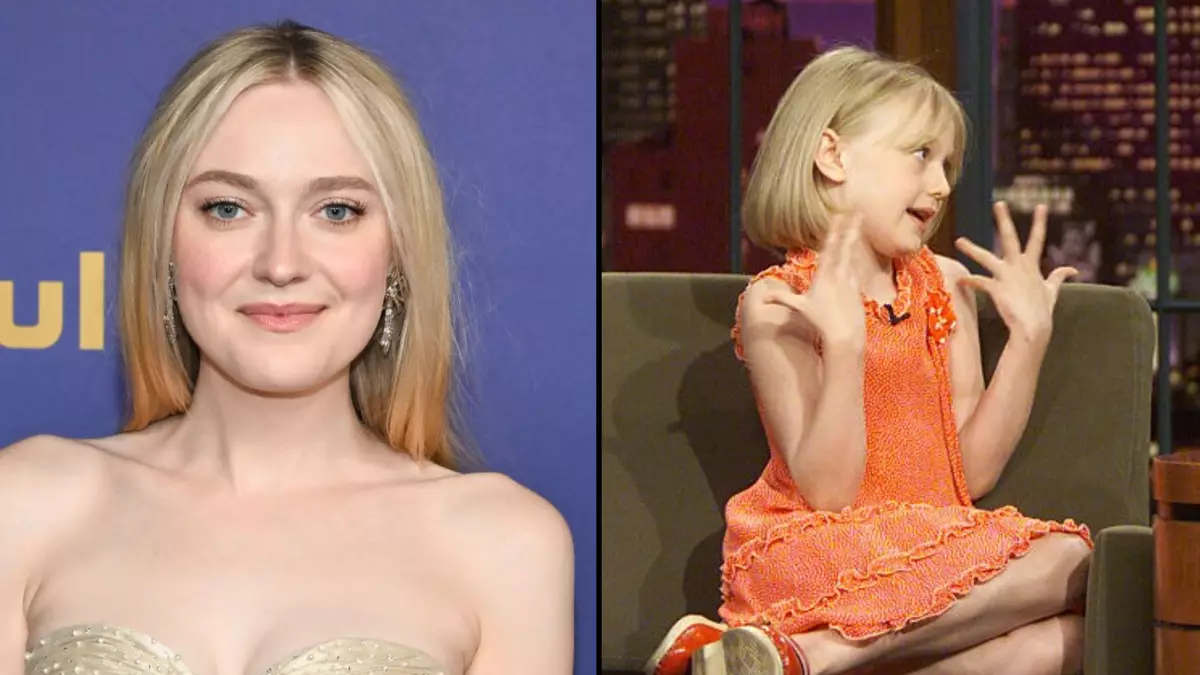
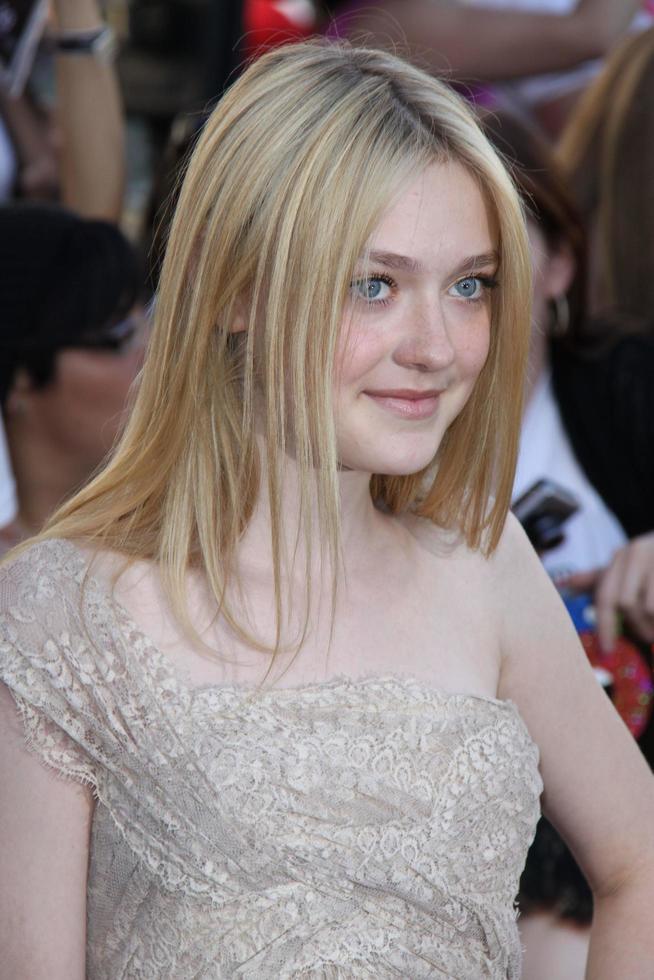
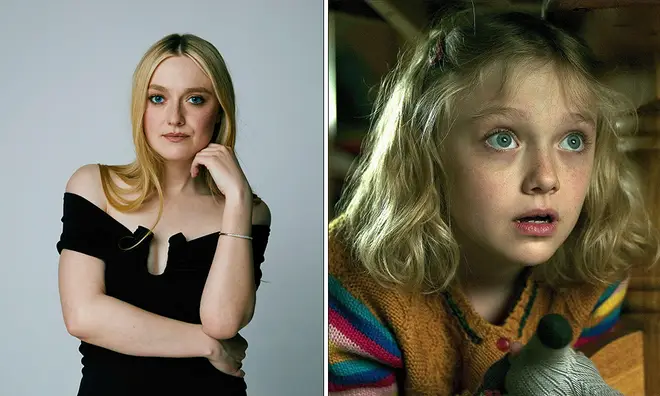
Dakota Fanning, who rose to fame at a young age, has opened up about the challenges she faced as a child actor, including being asked inappropriate and personal questions in interviews. While her career thrived in the spotlight, Fanning now reflects on how Hollywood often disregarded the sensitivities of young actors, subjecting them to the same scrutiny as adult celebrities.

Early Stardom and the Media’s Treatment

Fanning’s early career took off with standout performances in films like I Am Sam and War of the Worlds. At just seven years old, she became a household name, praised for her talent and maturity on screen. However, this exposure also meant navigating a harsh media landscape that didn’t always consider her age. She recalls being asked about subjects that no child should have to address, highlighting the stark contrast between her professional achievements and her personal experiences off-screen.
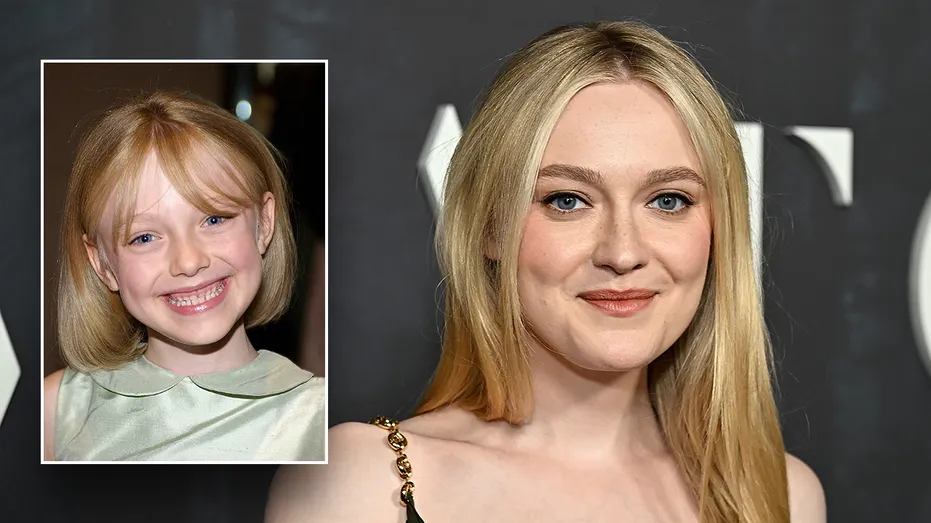
The entertainment industry has long been criticized for its treatment of child stars, often exposing them to adult-level pressures. Fanning, now older and more aware, reflects on the lack of boundaries imposed by media outlets, reporters, and even some industry insiders, leading her to question why children were subjected to such intense scrutiny.

The Need for Protecting Young Actors

Fanning’s experience isn’t unique; many former child actors have come forward in recent years to talk about the invasive and inappropriate questions they faced early in their careers. The transition from childhood to adulthood in Hollywood has always been fraught with challenges, but Fanning’s candid revelations bring attention to the need for greater protections for young stars.

She advocates for ensuring that child actors are treated with the same respect and care afforded to adult professionals, particularly in how they’re interviewed and presented to the media. Fanning emphasizes that young performers should not be treated as commodities, nor should they be pushed into conversations they aren’t ready for.

A Reflection on Hollywood’s Changing Landscape

While the entertainment industry has evolved since Fanning’s early days, with more conversations surrounding mental health and boundaries for young actors, there’s still room for improvement. Fanning’s reflections suggest that while she navigated her career successfully, the invasive treatment she endured has left a lasting impression. Her openness in sharing these stories brings awareness to a lingering issue in Hollywood: how we treat the youngest members of the industry.

Hollywood is slowly beginning to prioritize the well-being of its young stars, as seen through more proactive regulations and oversight. However, stories like Fanning’s serve as a reminder that there’s still more to be done to protect child actors from inappropriate questioning and unnecessary exposure.
Moving Forward with Awareness

Dakota Fanning’s honesty sheds light on the complicated world of child actors and the lasting effects of growing up in the public eye. Today, she uses her platform to advocate for better treatment and protection for young performers, ensuring that future generations won’t face the same issues she did.
Her story serves as a reminder that child actors deserve the space to grow, learn, and develop in a healthy environment, free from the pressures and invasions often imposed by the media. As Hollywood continues to evolve, Fanning’s experiences underscore the need for continued vigilance in protecting the most vulnerable members of the entertainment world.

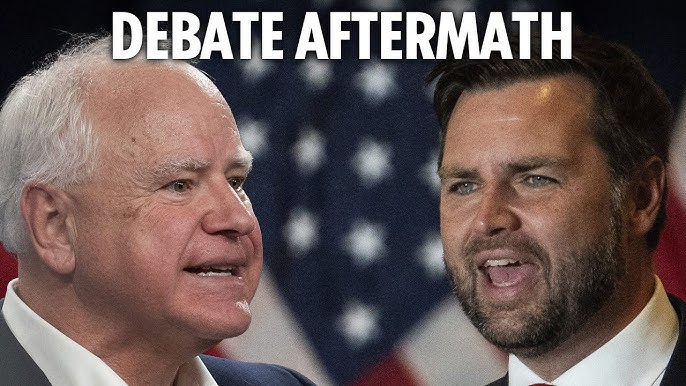
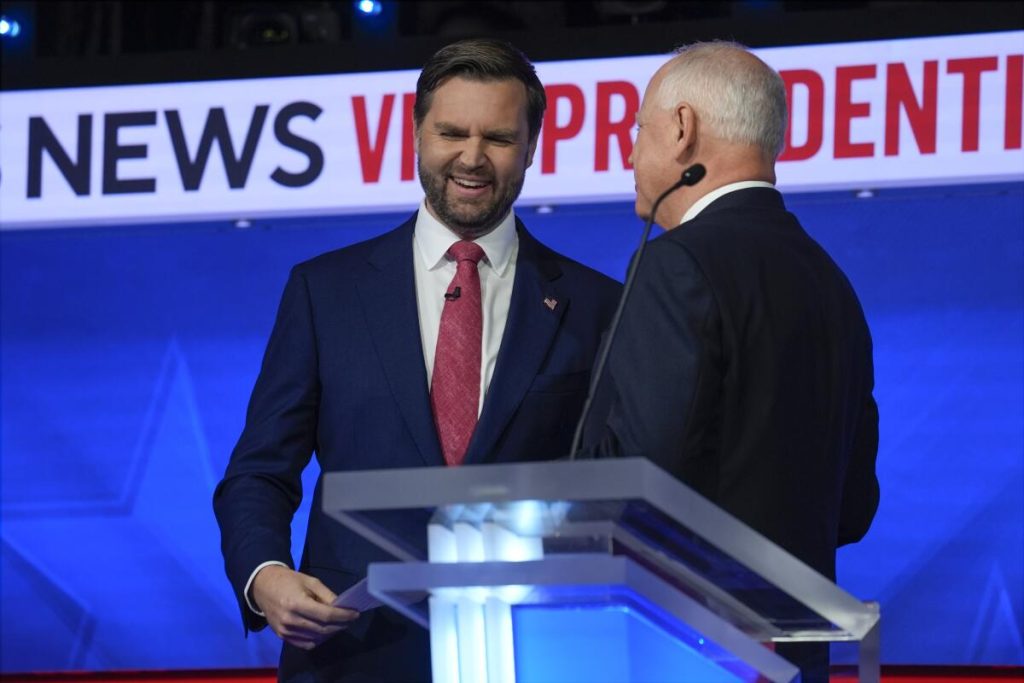
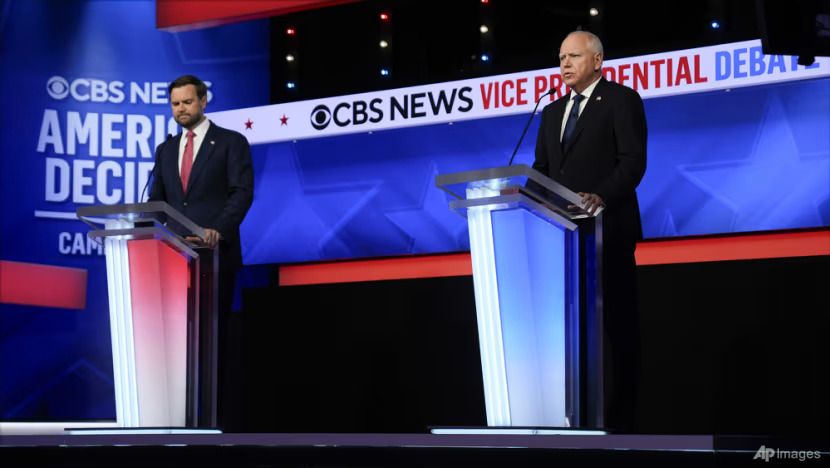
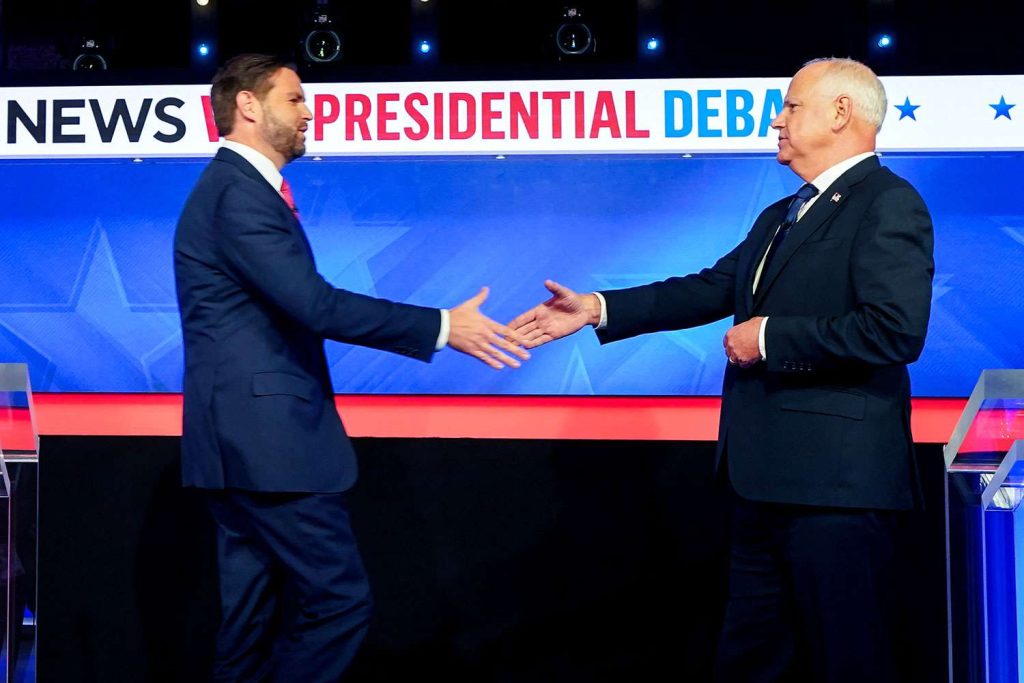
Vice Presidential Debate: Walz vs. Vance on Trump’s Election Lies and January 6th

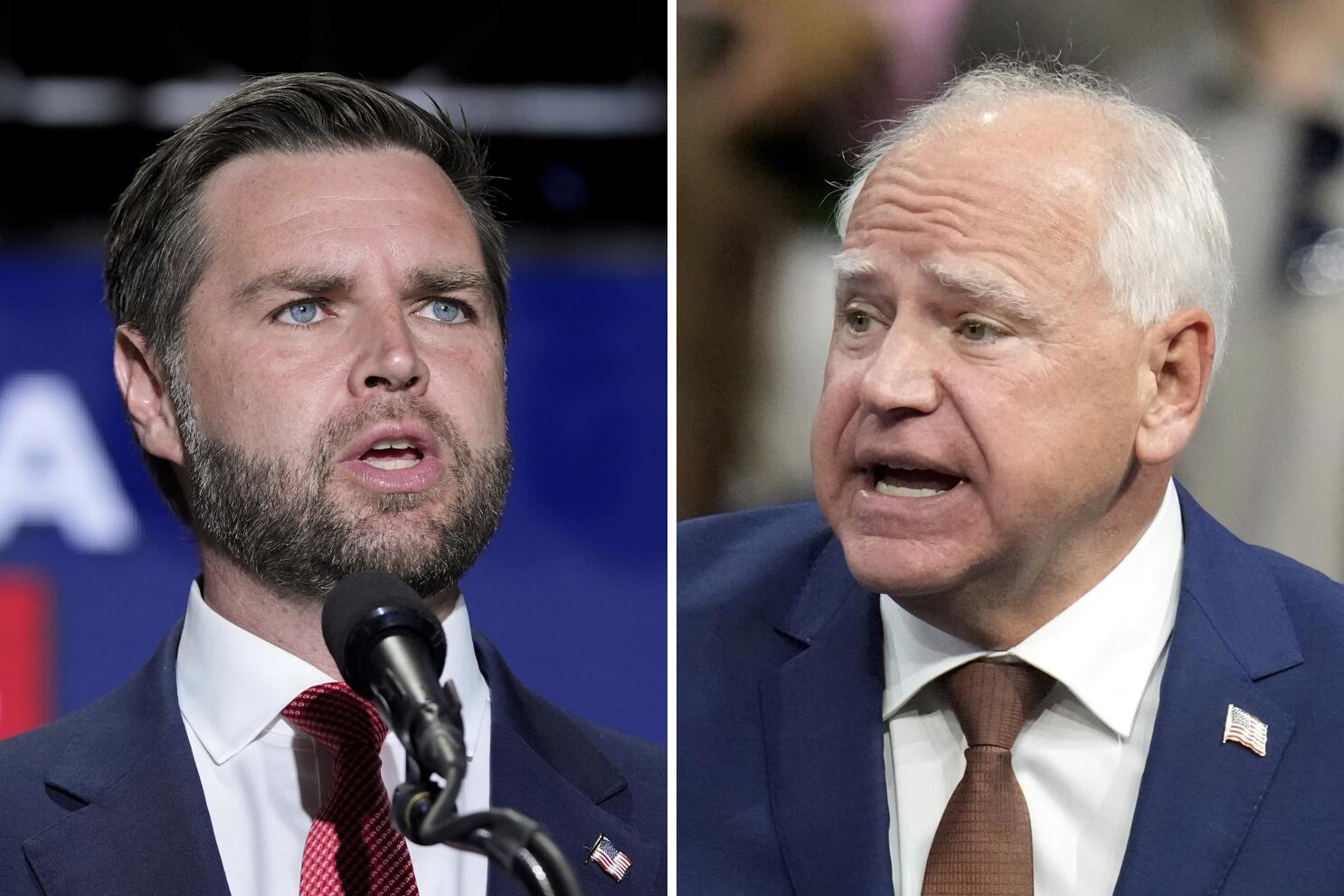
The recent Vice Presidential debate featuring Minnesota Governor Tim Walz and Ohio Senator J.D. Vance became a battleground over Trump’s false election claims and the January 6th insurrection. As the political climate heats up, both candidates presented contrasting views on Trump’s role in democracy, the legitimacy of the 2020 election, and the events of January 6th.

Tim Walz’s Defense of Democracy

Tim Walz stood firm in his belief that democracy and the electoral process are under threat due to Trump’s continuous misinformation about the 2020 election. He highlighted the importance of protecting the democratic process, emphasizing that the lies surrounding election fraud have caused irreparable damage to public trust in the government. Walz noted that accountability is essential to restore confidence and ensure future elections remain fair.

Walz also underscored how Trump’s baseless claims led to the violent events of January 6th, 2021, labeling it a direct attack on American democracy. He called for action against those responsible for inciting such violence, urging leaders to acknowledge the truth and stop spreading misinformation.

J.D. Vance’s Response: Defending Trump’s Stance

On the other side, Senator J.D. Vance, a known Trump ally, took a defensive stance. Vance argued that skepticism about the election results is not unfounded, pointing to irregularities in the 2020 election process. He stated that Trump’s concerns about election integrity resonate with millions of Americans who feel that their voices weren’t heard.

Vance also downplayed the events of January 6th, describing them as isolated and blown out of proportion by the media and Trump’s opponents. He accused the left of using the Capitol riots to vilify Trump supporters, arguing that while violence is unacceptable, the underlying frustrations of many Americans are real and valid.

A Clash of Political Ideologies

The debate showcased two opposing visions of America’s political landscape. Walz’s approach emphasized healing, accountability, and rebuilding trust in the electoral system. His argument centered on the need for leaders to tell the truth, pointing out that allowing lies to spread could further erode public faith in democracy.

Vance, however, argued that questioning the system is a legitimate form of dissent and painted Trump as a victim of political witch hunts. He framed the debate around free speech and the right to challenge what many Trump supporters believe to be a flawed system.

January 6th: Still a Dividing Issue

The aftermath of the January 6th Capitol riot remains a deeply polarizing issue in American politics. For Walz, it was a defining moment that underscored the dangers of spreading falsehoods for political gain. He emphasized that January 6th should serve as a warning about the fragility of democracy when demagoguery is left unchecked.

Vance, in contrast, minimized the insurrection’s impact, focusing on the larger issues of political dissent and government overreach. He suggested that the event has been exaggerated to target Trump supporters unfairly and delegitimize their grievances.

The Path Forward

This Vice Presidential debate highlighted the ongoing rift in American politics, with one side pushing for accountability and truth, while the other defends Trump and his supporters’ right to question the system. Walz called for unification and a return to honest leadership, while Vance doubled down on defending Trump’s narrative, framing the election dispute as a legitimate concern.

The debate leaves voters with a clear choice between two vastly different political ideologies as America gears up for the next election cycle. How this clash of ideals will shape the future of the country remains to be seen.

This debate exemplifies the ongoing divisions in U.S. politics, with both candidates representing starkly different perspectives on democracy, truth, and leadership. As the election approaches, this debate may prove crucial in determining which direction the country will take.