7+ Best Acai Bowls You Need to Try for a Healthy Boost

Acai bowls have become more than just breakfast—they’re a lifestyle. Packed with antioxidants, fiber, and a natural sweetness that feels like dessert, these smoothie bowls are a perfect way to fuel your mornings or refresh after a workout. Whether you’re into fruity classics, chocolate indulgence, or protein-packed creations, there’s an acai bowl recipe for each of you.

In this guide, I’m sharing 7+ of the best acai bowls you can whip up at home. Each one is simple, customizable, and topped with all the crunchy, creamy goodness you’ll crave.

Why Acai Bowls Are Loved Worldwide

The craze isn’t just about how photogenic these bowls look (though, let’s be honest, they’re photogenic and ofcourse Instagram gold). It’s because they’re:

  • Nutrient-dense: Acai berries have 3x more antioxidants than blueberries.
  • Versatile: Works for breakfast, snacks, or even light dinners.
  • Customizable: You decide the toppings – granola, nut butter, or even chocolate.

How to Make Acai at Home

Blend frozen acai puree, banana, berries, and milk; top with granola, fruits, seeds for a refreshing homemade bowl.

7+ Delicious Acai Bowl Recipes

1. Classic Berry Acai Bowl

Base: Frozen acai puree, banana, strawberries
Toppings: Granola, blueberries, honey drizzle
Instructions: Blend the base until smooth, pour into a bowl, and add toppings.

2. Tropical Paradise Açaí Bowl

Base: Acai with mango + pineapple
Toppings: Coconut flakes, chia seeds
Instructions: Blend frozen acai with tropical fruits. Top with coconut flakes and chia seeds for a beachy vibe.


3. Peanut Butter Protein Açaí Bowl

Base: Acai, banana, almond milk
Toppings: Peanut butter swirl, hemp seeds
Instructions: Blend acai with banana and almond milk until creamy. Add a generous peanut butter drizzle and sprinkle hemp seeds.


4. Green Detox Acai Bowl

Base: Acai, spinach, avocado
Toppings: Pumpkin seeds, kiwi slices
Instructions: Blend greens with acai for a nutrient-packed base. Top with pumpkin seeds and kiwi slices for crunch and freshness.


5. Chocolate Lover’s Acai Bowl

Base: Acai with cacao powder + banana
Toppings: Dark chocolate shavings, almond butter
Instructions: Blend acai with cacao and banana for a dessert-like flavor. Garnish with chocolate shavings and almond butter.


6. Vegan Acai Bowl

Base: Acai with oat milk
Toppings: Plant-based granola, nut butter
Instructions: Use oat milk for a smooth vegan blend. Finish with crunchy granola and nut butter.


7. Kid-Friendly Sweet Acai Bowl

Base: Acai, banana, apple juice
Toppings: Strawberries, chocolate chips
Instructions: Blend banana and apple juice with acai for sweetness. Add fun toppings like strawberries and chocolate chips.


8. Bonus: Seasonal Special

Base: Seasonal twist ( for example: acai+ pumpkin puree or winter berries).
Toppings: Seasonal fruits, spices (like cinnamon or nutmeg).
Instructions: Mix acai with seasonal fruits. Add warming toppings for a festive touch.

Best Acai Bowl Toppings (Mix & Match)

  • Crunchy granola
  • Fresh fruits (mango, strawberries, kiwi, blueberries)
  • Nut butters (peanut, almond, cashew)
  • Seeds (chia, flax, pumpkin, hemp)
  • Coconut flakes (for crunch)
  • Dark chocolate or cacao nibs

Health Benefits of Acai Bowls

  • Rich in antioxidants for skin & anti-aging
  • High in fiber for digestion
  • Natural energy boost for workouts
  • Plant-based omega fats for brain & heart

Final Thoughts

Acai bowls are more than just breakfast—they’re a creative, nutrient-rich treat. With these 7+ easy recipes, you can enjoy variety without losing health benefits.

Which one will you try first : the refreshing Tropical Paradise or the indulgent Chocolate Lover’s bowl?


12+ Cursed Food Pics That Make Your Stomach Grin

Welcome to the cursed buffet. Here’s where cinnamon toast swims in orange juice, cookies cuddle with raw eggs, and pizza gets a chocolate syrup makeover. These cursed food pics are going to test your stomach, make you laugh, and maybe give you nightmares. Scroll carefully, brave reader.

# 1. Banana + Boiled Egg Combo

Protein plus potassium, but make it look like regret. This cursed food image proves not all duos deserve to exist.

# 2. Pumpkin Pie Meets Mustard

Somebody thought, “Pumpkin pie is nice, but you know what it really needs? Yellow mustard.” Humanity is cancelled.

# 3. Medicine-Flavored Ice Cream

Nothing says dessert like a big scoop of paracetamol gelato. Because who doesn’t crave pain relief with sprinkles?

# 4. Cockroach Latte Art

Your barista really said: caffeine and trauma, all in one cup.

# 5. Watermelon Ramen

When you can’t decide between fruit salad and instant noodles… just do both. This cursed meal is chaos in a bowl.

# 6. The Rat Cake

Dessert should not look like something running through your garage at 2am. Yet here we are.

# 7. Pizza + Chocolate Syrup

Pepperoni and mozzarella met Hershey’s syrup. The crime scene is still under investigation.

# 8. The Cookie-Bod Alien

This cookie looks like it’s about to steal your soul instead of your appetite.

# 9. Pickle Cupcakes

Sweet + sour, but in the most criminal way possible. Cupcakes didn’t deserve this fate.

# 10. Oreos Dipped in Salsa

Milk is fired. Salsa is in. And your taste buds are suing for damages.

# 11. Cereal + Orange Juice

Who needs milk when you’ve got tangy regret in a bottle? A true breakfast of champions (of bad choices).

# 12. Cookie Dough with Raw Eggs

cursed food pics · cookie dough meets raw eggs in the grossest food combo ever


Why Do We Love Cursed Food Pics?

Because cursed food content is funny, weird, and gross all at once. These cursed food pictures show us the internet’s wild side. From strange food combos to cursed meals nobody asked for, the chaos is oddly satisfying. It’s the kind of stuff you can’t unsee but also can’t stop scrolling.

9+ Hilarious and Weird Things People Found at Home That Will Make You Do a Double Take

Ever walked around your house and thought, “Wait… what on earth is THAT?” Well, you’re not alone. From vegetables with attitude to furniture that looks like it came straight out of a comedy sketch, these bizarre finds will leave you laughing, confused, and maybe even questioning reality.

Let’s dive into the most hilarious and weird things people discovered at home.


#1. The Baby Flower That Refused to Bloom

Nothing says “parenting creativity” like dressing your baby as a flower and pretending to water them. Too bad this little “plant” wasn’t enjoying the gardening session — sometimes nature just says nope.

#2. Carrots That Need Their Own Netflix Show

Forget Bugs Bunny — these carrots look like they’re starring in a rom-com. Who knew vegetables could be this clingy (and adorable)? Love really does grow in the garden.

#3. The Eggplant With a Personality

When your veggies look more human than you do on Monday morning… meet Mr. Eggplant Nose. Honestly, this one deserves its own Instagram account.

#4. Pants Plants

Why buy fancy pots when you can recycle old jeans? Bonus points: your backyard now looks like a garden fashion runway. Just don’t be surprised if your neighbors give these pants planters a double take.

#5. A Door Handle That Wants to Shake Hands

“Hello, welcome in!” — said the door handle, literally. Creepy or cool? You decide. Either way, it’s guaranteed to surprise your guests.
#6. Furniture With Feet

This stool is serving serious leg day. Imagine this in your living room — talk about a conversation starter. Though, we’re not sure if it’s comfy or just plain weird.

#7. The Banana Hot Dog

Who needs sausages when you’ve got bananas, PB, and jelly? Weird flex, but hey, it’s a fruit-long. Somewhere, a foodie is offended, and somewhere else, a kid just invented lunch.
#8. Pasta Cereal, Anyone?

The internet asks: do you pour the pasta or the milk first? Answer: you don’t. Please, just don’t. This is chaos in a bowl.

#9. Cooking Fail of the Century

When you destroy the stove AND dinner, at least leave a sweet note: “Sorry, honey!” Nothing says romance like a broken burner and a smiley face.

Life at home can get weird, funny, and sometimes downright confusing. But honestly, that’s what makes it fun. From veggies with sass to furniture with legs, these little discoveries remind us not to take life too seriously.

Kids are curious little scientists… except their experiments often involve Google, and the results are pure comedy gold. Parents everywhere have shared the funniest Google searches by kids, proving that childhood imagination mixed with internet access is a wild ride. If you’ve ever peeked at your child’s browser history, you know what I’m talking about.

Here are 26 funny search history gems that will make every parent laugh, nod, and maybe double-check their own kid’s search bar tonight.


1. “How to become invisible for school”

Because skipping math class needs magic, not excuses.

2. “Can dogs understand Spanish?”

Multilingual pets are the future.

3. “How old is SpongeBob in real life?”

Some mysteries aren’t meant to be solved.

4. “Do teachers sleep at school?”

Finally, the hard-hitting investigative journalism we need.

5. “Is broccoli poisonous to children only?”

A desperate attempt to dodge veggies.

6. “How to make my little brother disappear (without jail)”

At least they’re considering legal consequences.

7. “Can I sell my sister on Amazon?”

Jeff Bezos probably doesn’t want this business model.

8. “How many chickens would it take to fight a lion?”

Future statistician? Or future chaos agent?

9. “Why do adults drink hot bean water?”

Ah yes, coffee, explained perfectly.

10. “Do fish get thirsty?”

Hydration goals, even underwater.

11. “Can Santa be tracked on Google Maps in July?”

Because patience is overrated.

12. “How to tell if my stuffed animal is alive”

Too many Toy Story marathons.

13. “How to get more Roblox without Mom knowing”

The digital version of hiding candy wrappers.

14. “Can you get a six-pack from eating six packs of Oreos?”

If only fitness worked this way.

15. “How many days until I’m taller than Dad?”

Sorry kid, genetics holds the answer.

16. “Do ghosts pay rent?”

Someone’s been thinking about haunted housing rights.

17. “Is the moon following me home?”

Every car ride mystery, finally addressed.

18. “Can a cat marry a dog?”

Romeo and Juliet, but with fur.

19. “Why do parents like cleaning so much?”

We really don’t, kiddo. We really don’t.

20. “Do babies come from Amazon Prime or Walmart?”

Delivery guaranteed in 2 days?

21. “Can I put my homework in the microwave to finish it faster?”

That’s one way to “burn through assignments.”

22. “If I eat glitter, will I poop rainbows?”

Please don’t try this at home.

23. “How to become a YouTuber without telling my parents”

Step 1: Clear the browser history.

24. “Can sharks smell pee from space?”

NASA is not taking calls on this, sorry.

25. “Why does my mom always know everything?”

It’s called Wi-Fi, sweetheart.

26. “Can I marry pizza?”

Honestly… relatable.


Wrapping It Up

Kids searching weird things on Google is a rite of passage for modern parents. These funny parental moments remind us that childhood is equal parts innocence, curiosity, and chaos.

If you laughed, hit that share button and brighten another parent’s day. And hey—drop your own “funny search history” discoveries in the comments. Who knows, we might just need a part two!


I Refused to Let My Mother-in-Law Control My Parenting—Now My Husband Is Furious

Family drama always feels like something out of a soap opera… until it happens to you. This is my real-life family conflict story about how my marriage got shaken the moment I put my foot down against my controlling mother-in-law.

When “Advice” Turned Into Control

At first, it seemed harmless. My mother-in-law would give me “parenting tips.” She’d comment on how I feed my baby, how I put her to sleep, and even how I talk to her. In the beginning, I brushed it off as harmless advice. After all, she raised her son—my husband—and he turned out fine, right?

But soon, her advice turned into full-blown control tactics. She criticized every choice I made: from breastfeeding vs. bottle, to bedtime routines, even down to the clothes my baby wore. Suddenly, I felt like I wasn’t the mom anymore. I felt like a babysitter following someone else’s rules.


The Breaking Point

The final straw came when she told me—no, demanded—that I stop taking my daughter to daycare because a real mother should stay home. I snapped.

I told her firmly: I’m her mother. I make the decisions. Not you.

Her face turned red, and she stormed out of the room. For the first time, I had drawn a line.


My Husband’s Reaction

That evening, my husband came home furious. His words cut deep: You embarrassed my mother. You disrespected her in our own house!

I stood there in shock. Instead of supporting me, he defended her. My voice shook as I said: No, I stood up for myself. For our daughter. For the kind of parents we want to be. I’m not raising my child under someone else’s rulebook.”


The Fallout

Now the tension is unbearable. My husband barely speaks to me without bringing up his mother. She hasn’t visited since, but she texts him constantly, fueling the fire. Every family dinner feels like walking on eggshells.

This mother-in-law conflict has turned into a marriage struggle I never expected. I keep asking myself—am I the villain here for standing my ground? Or is this the price every mom pays when she refuses to let toxic in-laws dictate her parenting?


Why Stories Like This Matter

These kinds of family drama stories resonate because so many women secretly live them. They remind us of the impossible balance between respecting traditions, managing marriage struggles, and protecting our children.

And if you’ve ever faced something similar, you know one thing for sure: drawing boundaries is hard, but losing yourself as a parent is even harder.

Grow Blueberries in Your Home Garden – A Complete Guide

Why Blueberries Deserve a Spot in Your Garden

When most people picture a home garden, they think of tomatoes, herbs, or maybe a lemon tree. But if you want something rewarding and surprisingly low-maintenance, growing blueberries in your home garden is a choice you won’t regret.

These little berries are nutritional powerhouses, packed with antioxidants, Vitamin C, and fiber. Every handful is both sweet and a natural boost for your health.

The best part? Blueberries are perennial shrubs. Once established, they’ll keep producing year after year. With good care, some bushes stay productive for over 20 years — like having a fruit subscription straight from your backyard.

And don’t worry about space. Blueberries grow just as well in pots on a sunny balcony as they do in open soil, making them perfect for both city and suburban gardeners.

Tip: In the first two years, focus on strong roots, not heavy harvests. Be patient — the payoff is baskets of juicy berries for summers to come.


Choosing the Right Variety for Your Climate

Before you buy, it helps to know which blueberry varieties for home gardeners suit your area best.

  • Highbush Blueberries – Common in supermarkets and ideal for regions with cold winters.
  • Rabbiteye Blueberries – Thrive in hot, humid climates and are perfect for southern gardens.
  • Lowbush Blueberries – Compact and charming. Great in containers or as groundcover.

Trick: Don’t plant just one. Blueberries yield more — and taste sweeter — when different varieties cross-pollinate.


Soil Preparation – The Secret to Happy Blueberries

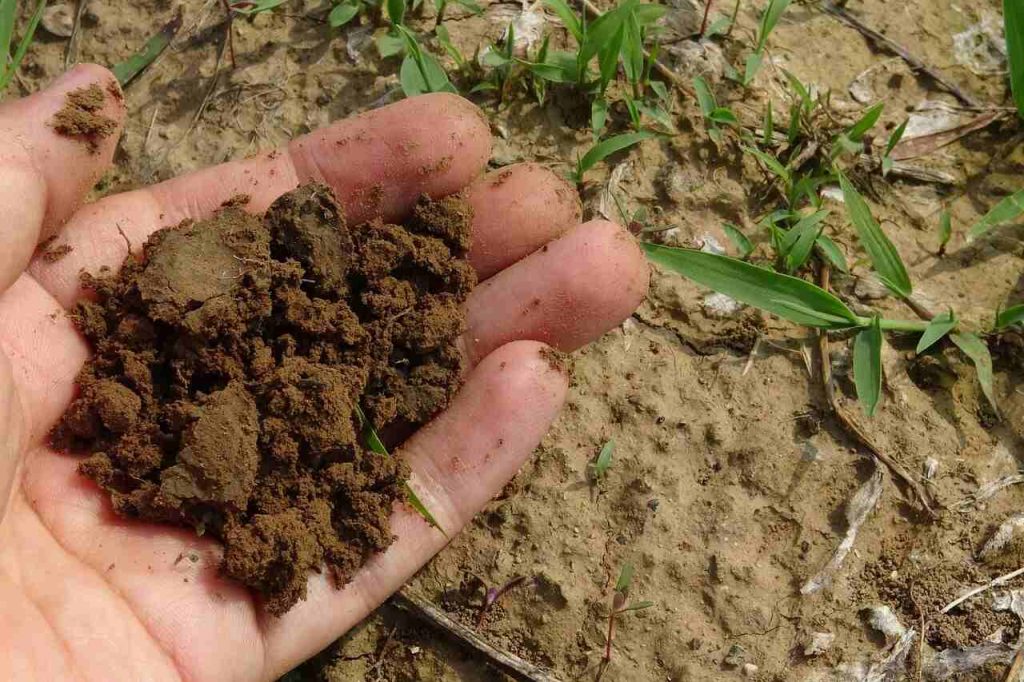
Blueberries are picky about soil. Their roots crave acidity, with the ideal blueberry soil pH requirement between 4.5 and 5.5.

To get there, mix in organic matter like peat moss, pine needles, or composted sawdust. This lowers pH, boosts fertility, and keeps the soil light and airy.

Heavy clay? Don’t struggle. Build raised beds or use large pots filled with a custom acidic mix for better drainage.

Pro Tip: Test your soil before planting. Adjusting pH afterward is much harder.


When and How to Plant Blueberries

The best time to plant blueberries is early spring or fall, when cooler weather helps roots settle in. Many gardeners prefer fall because plants establish before the growing season begins.

Space bushes about 4–5 feet apart, with rows 6–8 feet apart. Place the root ball level with the soil surface, then backfill with your prepared acidic mix.

Top it off with mulch — pine bark, needles, or wood chips — to keep moisture steady and weeds down.

Tip: In year one, remove flowers. It feels tough, but it helps the plant focus on roots and rewards you with better harvests later.


Watering and Feeding Your Blueberry Bushes

Consistency is everything. Blueberries dislike extremes — too dry and they droop, too wet and roots may rot. Aim for 1–2 inches of water weekly, through rain or drip irrigation.

Avoid overhead sprinklers; wet leaves encourage fungal issues. A soaker hose or drip system is safer.

For feeding, go easy. Use a slow-release fertilizer made for acid-loving plants like azaleas. Apply lightly in spring, and again mid-summer if needed.

Trick: Think of the soil like a wrung-out sponge — moist but never soggy.


Caring for Blueberries – Pruning, Mulching & Protection

Blueberries aren’t demanding, but a little routine care keeps them productive.

  • Pruning: Do this in late winter. Cut older, weaker wood to make room for new growth. Keep pruning light in the first two years; save bigger cuts for year three onward.
  • Mulching: Spread 2–3 inches of pine mulch, needles, or wood chips around the base. This holds moisture, keeps weeds away, and maintains acidity.
  • Protection: Birds love blueberries too. Use netting or simple cages to guard your harvest.

Harvesting Blueberries at the Right Time

The best sign of when to harvest blueberries fully ripe is their color. Wait until berries turn a deep, even blue with no hint of red or purple.

Ripe berries roll off the stem with a gentle touch. If they resist, they’re not ready. During peak season, check daily — a few minutes of picking adds up quickly.

Trick: Let berries sit on the bush for 3–4 days after turning blue. That extra sun time makes them noticeably sweeter.


Growing Blueberries in Containers

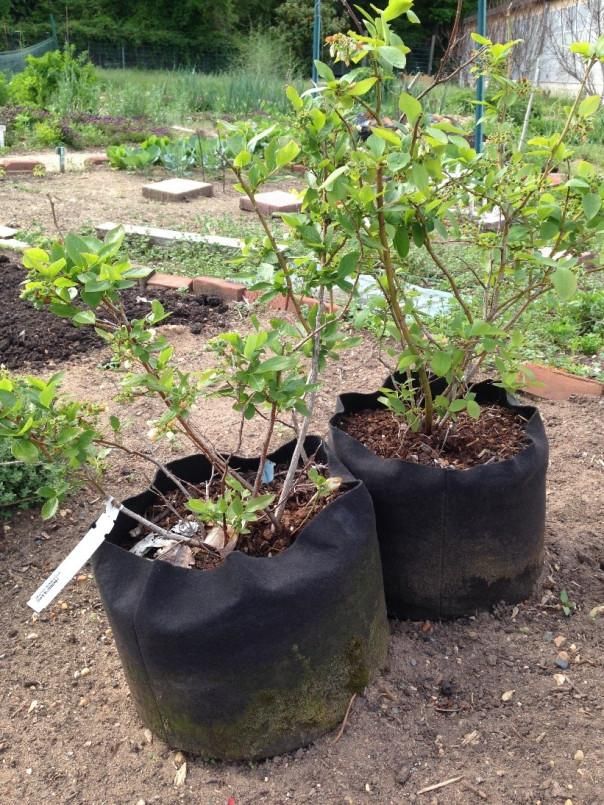
No backyard? No problem. Learning how to grow blueberries in containers lets you enjoy fresh fruit on patios and balconies.

Use a pot at least 18–20 inches wide, and pick dwarf or lowbush varieties. Fill with a light, acidic mix of peat moss, pine bark, and perlite.

Tip: Containers dry out faster than garden beds. In summer, check soil daily and water more often.

Container-grown blueberries not only feed you but also add a touch of beauty to your outdoor space.


Common Mistakes to Avoid

To avoid mistakes when growing blueberries, watch out for these pitfalls:

  • Planting in neutral or alkaline soil without adjusting pH.
  • Overwatering with sprinklers, which can invite fungal problems.
  • Sticking with a single variety, which limits yields.
  • Skipping mulch, leaving soil dry and weedy.

Trick: Companion plants like azaleas and rhododendrons thrive in the same acidic soil and look beautiful alongside blueberries.


Final Thoughts

Blueberries reward patience. The first few years are about roots, but by year three or four you’ll enjoy generous harvests that return every summer. With the right soil and care, your shrubs can keep producing for decades.

Whether you start with a single pot on the balcony or dream of a hedge in the backyard, learning how to grow blueberries at home is one of the most satisfying gardening projects. For anyone building a personal blueberry planting guide, the process is as rewarding as the harvest.

So take the plunge — your future self (and your taste buds) will thank you.

The Little Boy Who Was Cursed – A Bedtime Story That Sparks Curiosity

Hush now, children, come closer to the fire… let me tell you a story you won’t forget. It is the tale of a little boy who carried a curse upon his shoulders, a curse so strange that even the stars leaned closer to listen…

Once Upon a Time…

Long ago, in a quiet village surrounded by dark forests and golden fields, there lived a boy named Aarav. He wasn’t like the other children. Oh no, whenever Aarav laughed, the flowers closed instead of blooming. Whenever he cried, the river near the village began to overflow. The villagers whispered, “He is cursed!”

Now, children, imagine how lonely the poor boy felt. No one wanted to play with him. Mothers pulled their children away, and fathers locked their doors at night. The whole world seemed afraid of a small boy who longed only for friendship.

The Secret in the Forest

One evening, unable to bear the silence, Aarav wandered into the forest. The owls hooted, and the wind whistled through the trees. Suddenly, a crooked old woman appeared, her back bent like a bow, her eyes glowing like fireflies.

“Little one,” she croaked, “a curse is nothing but a story people choose to believe. But if you dare, you can change your story.”

She gave Aarav a task: find the “Heart of Dawn,” a hidden light that could turn curses into blessings.


The Journey of Courage

So Aarav walked through nights colder than ice and days hotter than fire. He crossed rivers that tried to drown him, and mountains that mocked his small steps. But with every challenge, his heart grew stronger.

Children, do you know the secret here? It wasn’t the curse making him different. It was courage, the kind that few people ever discover.


The Ending… Or a Beginning?

When Aarav finally touched the “Heart of Dawn,” the sky split with light. His laughter made flowers bloom at last, and his tears watered the earth so crops grew greener than ever. The villagers no longer whispered in fear—they sang his name in gratitude.

But listen carefully, my little ones: some say the boy still walks the earth, turning pain into strength, curses into blessings. If you ever feel lonely or misunderstood, perhaps Aarav’s story is still unfolding… through you.


Moral of the Story

Every curse can become a gift if you face it with courage. A story of mystery and wonder becomes a lesson for life.

Grow Shampoo Ginger in Pots or Small Gardens—A Gentle Guide for Urban Spaces

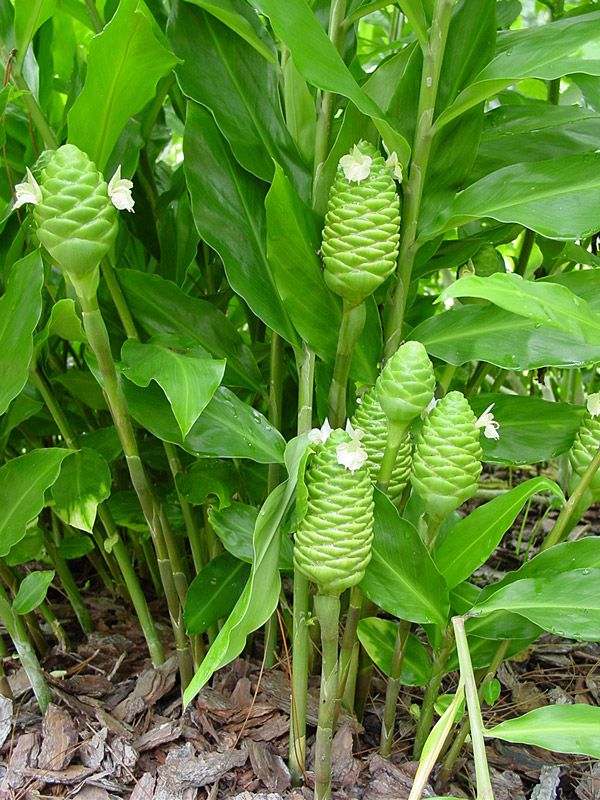
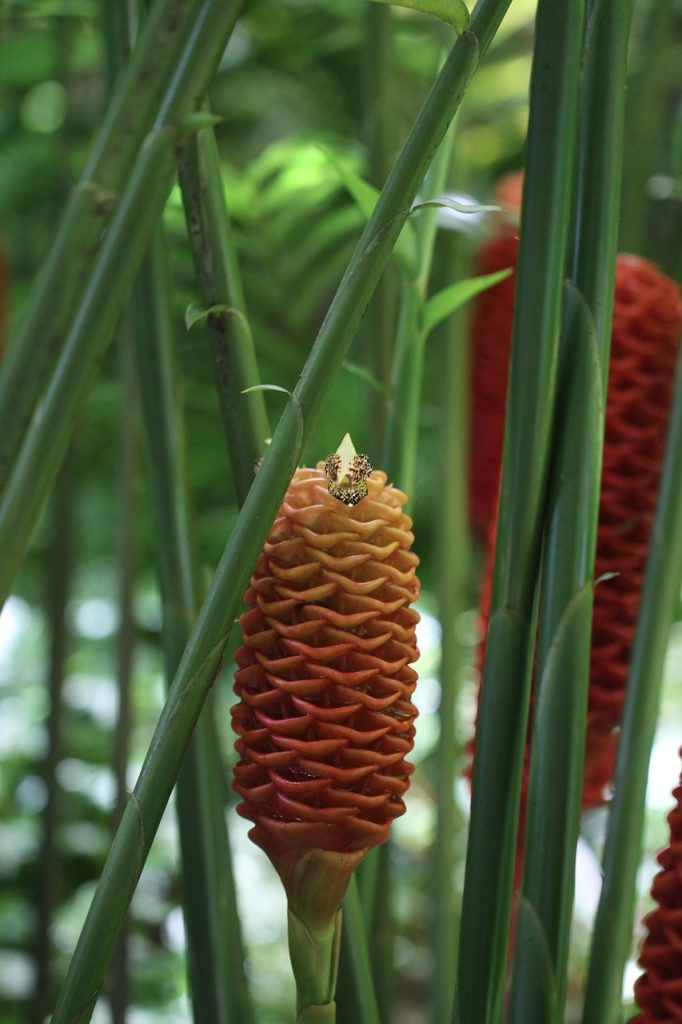
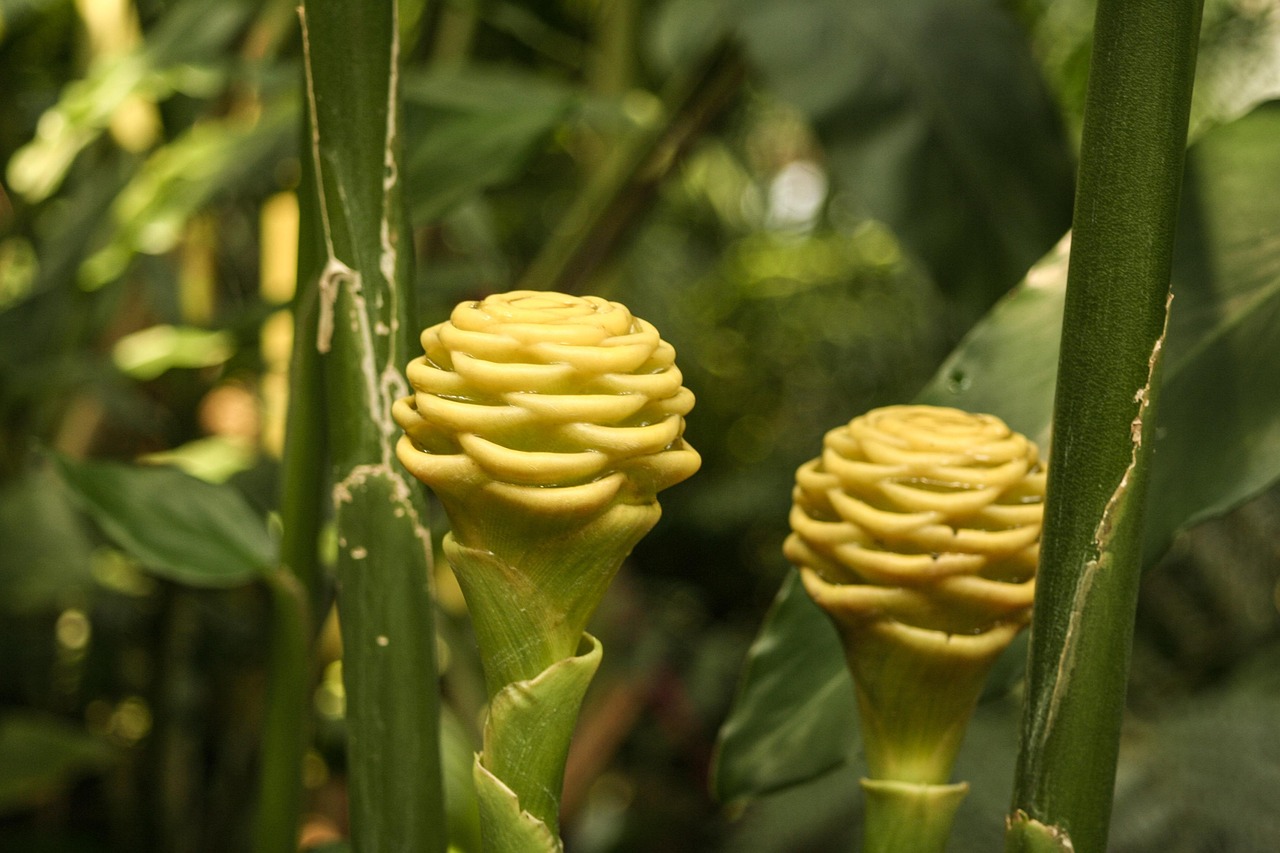
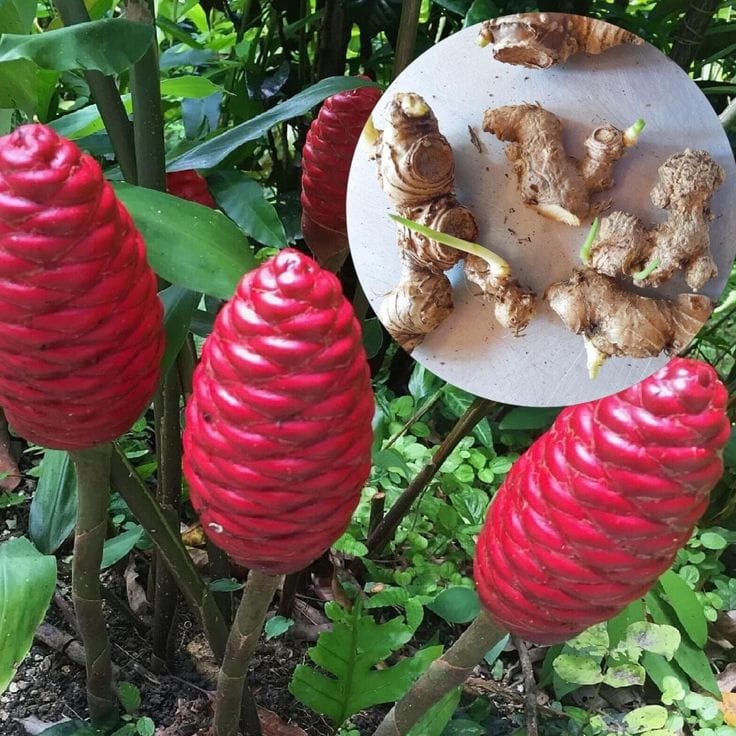
If you’ve been wondering how to grow shampoo ginger in pots, you’re not alone. This beautiful shampoo ginger plant, also called Zingiber zerumbet, has become one of my favorite additions to small spaces. Even in a balcony corner or a cozy patio, it feels like inviting a slice of the tropics home. With its cone-shaped bracts and soothing liquid, it’s more than just a plant—it’s a companion that brings both beauty and care. For anyone who dreams of filling their space with tropical plants for a home garden, shampoo ginger is the perfect, low-maintenance choice.

Step-by-Step Guide to Grow Shampoo Ginger

Choosing the Right Pot for Shampoo Ginger in Pots

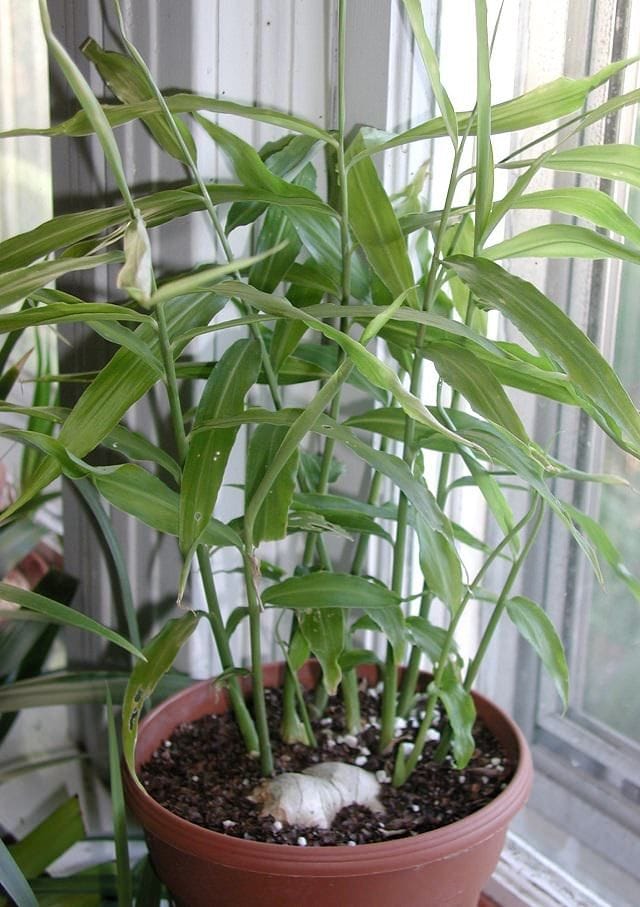
When deciding where to start your shampoo ginger in pots, remember that drainage is everything. A medium-to-large pot with holes at the bottom keeps the roots comfortable and prevents rot. If you’re planning to keep your shampoo ginger indoors, place the pot near a window with soft, indirect light. For those growing shampoo ginger outdoors, a shaded balcony or garden corner with warm air circulation works beautifully.


Best Soil for Shampoo Ginger Rhizome

The secret to healthy growth lies beneath the surface. A rich, loamy mix blended with compost and a bit of sand makes the best soil for shampoo ginger. This type of soil keeps the shampoo ginger rhizome moist but not waterlogged, which is essential for sprouting. Among exotic ginger plants, Zingiber zerumbet thrives when its roots feel warm and well-nourished.


Planting & Shampoo Ginger Propagation Tips

To grow shampoo ginger, start with a fresh shampoo ginger root or rhizome piece. Lay it horizontally about 1–2 inches under the soil, with buds facing upward. Cover gently and water just enough to moisten the soil. For successful shampoo ginger propagation, keep the soil consistently damp during the first few weeks. With patience, new green shoots will peek out, signaling the start of a thriving plant.


Shampoo Ginger Sunlight Requirements & Watering Needs

This plant loves balance—too much harsh light can burn its leaves, while too little can slow its growth. The ideal shampoo ginger sunlight requirements are soft, filtered light, such as morning sun or dappled shade. As for shampoo ginger watering needs, think “steady and gentle.” Keep the soil slightly moist, like a damp sponge, but avoid overwatering. Because it’s a low maintenance tropical plant, it adapts well once you find that rhythm.


Fertilizer and Shampoo Ginger Care Routine

Good soil gives your plant a strong start, but an occasional feed makes it flourish. During the growing season, a diluted organic fertilizer supports steady growth. This simple routine is the heart of shampoo ginger care. Avoid overfeeding—once every 4–6 weeks is plenty. With the right balance of nutrients, your shampoo ginger fertilizer plan will keep the plant lush, green, and ready to produce those signature pinecone bracts.

Mindful Care & Beauty Benefits

Shampoo Ginger for Hair Care and Natural Conditioner

One of the most delightful parts of growing this plant is discovering how versatile it can be. When the cone bracts of shampoo ginger mature, they release a fragrant liquid that feels silky between your fingers. Traditionally, this sap has been used as a gentle rinse, making shampoo ginger for hair care a natural alternative to chemical products. Many gardeners love to use it as a shampoo ginger natural conditioner, letting the plant’s gift nourish their hair while enjoying the satisfaction of harvesting something right from their own pots.


Why Zingiber Zerumbet is a Low Maintenance Tropical Plant

Beyond its beauty and usefulness, Zingiber zerumbet is one of those treasures in gardening that doesn’t demand too much from you. Once it’s settled in the right soil with a steady watering rhythm, it truly earns its reputation as a low maintenance tropical. Whether on a balcony, patio, or tucked into a shaded corner, this ginger quietly grows, filling small spaces with lush greenery and rewarding care with vibrant bracts—all without constant fuss.


FAQs About Shampoo Ginger

Can shampoo ginger grow indoors?
Yes, shampoo ginger indoors can thrive as long as you give it warmth and soft, indirect sunlight. A sunny window or a bright corner of your home is usually enough to keep it happy.

Can it grow outdoors in small gardens?
Absolutely. Growing shampoo ginger outdoors works well in shaded patios, balconies, or garden beds where it gets filtered sunlight. It doesn’t need much space, making it perfect for small gardens.

What’s the best way to propagate shampoo ginger?
The easiest method of shampoo ginger propagation is through rhizomes. Simply divide a healthy rhizome and plant it in well-draining soil. With regular watering and warmth, new shoots appear in a few weeks.

Why Shampoo Ginger Belongs in Every Home Garden

Learning how to grow shampoo ginger in pots is a gentle reminder that even small spaces can hold tropical beauty. With mindful watering, soft light, and simple routines of shampoo ginger care, this plant rewards you with lush greenery and those striking pinecone bracts.

For anyone looking to add fragrance, function, and calm into their routine, tropical plants for home garden don’t get much more giving than Zingiber zerumbet. From natural hair care to its soothing presence, this low-maintenance tropical turns a balcony, patio, or windowsill into a peaceful retreat.

So, start with one rhizome, a pot of rich soil, and a little patience—you’ll soon find that shampoo ginger brings not just growth, but a touch of serenity into your daily life.

Grow your own Organic Ginger at Home (Even in Small Spaces!)

I’ve grown ginger in everything from an old paint bucket to a proper clay pot—and let me tell you, once you harvest your own, store-bought ginger never feels the same. Ginger isn’t just another spice; it’s a little powerhouse that adds warmth to your food, eases digestion, and even helps with those annoying seasonal colds.

And here’s the good news: you don’t need a big garden to start. A balcony, a sunny corner in the kitchen, or a small terrace will do the trick. With the right soil and a bit of patience, you can enjoy organic, chemical-free ginger that actually tastes fresh.


Why Grow Ginger at Home?

Freshness You Can Smell

The ginger you buy at the market often spends weeks in transit and storage. By the time it reaches you, much of its aroma is gone. When you pull a ginger rhizome out of your own pot, the sharp, earthy fragrance tells you exactly why it’s worth growing at home.

Save a Few Trips (and Rupees)

Ginger isn’t always cheap. Prices spike off-season, and you still get older, less flavorful pieces. A single rhizome planted at home can multiply into a generous harvest, giving you more than enough for your tea, curries, and pickles.

No Chemicals, Just Compost

Commercial ginger is often treated with fertilizers and sprays. When you grow it yourself, you know exactly what went into the soil. A handful of kitchen compost or vermicompost is all it needs. Safer for you, better for the planet.


What You Need Before Planting

Before you press that first rhizome into the soil, set yourself up for success:

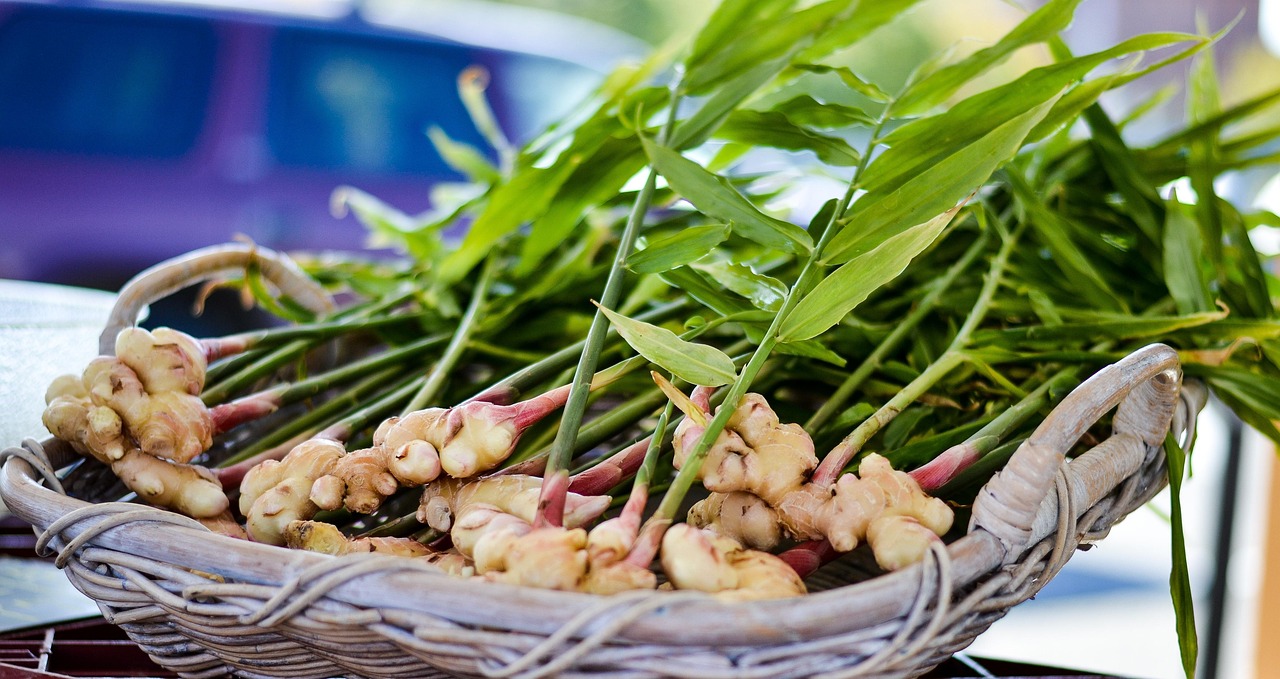
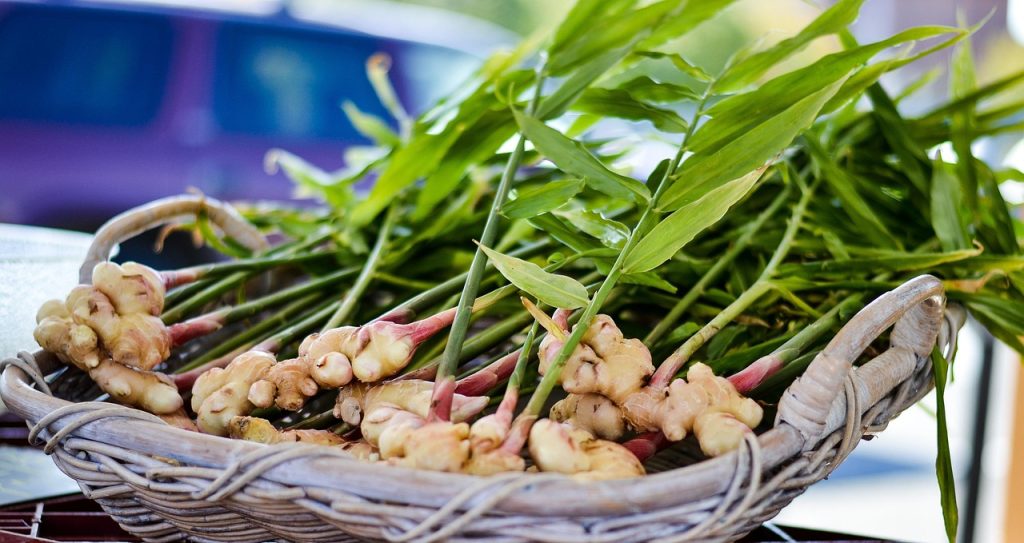
  • A healthy ginger piece — Pick a plump, organic rhizome with little “eyes” (buds). That’s where the magic starts.
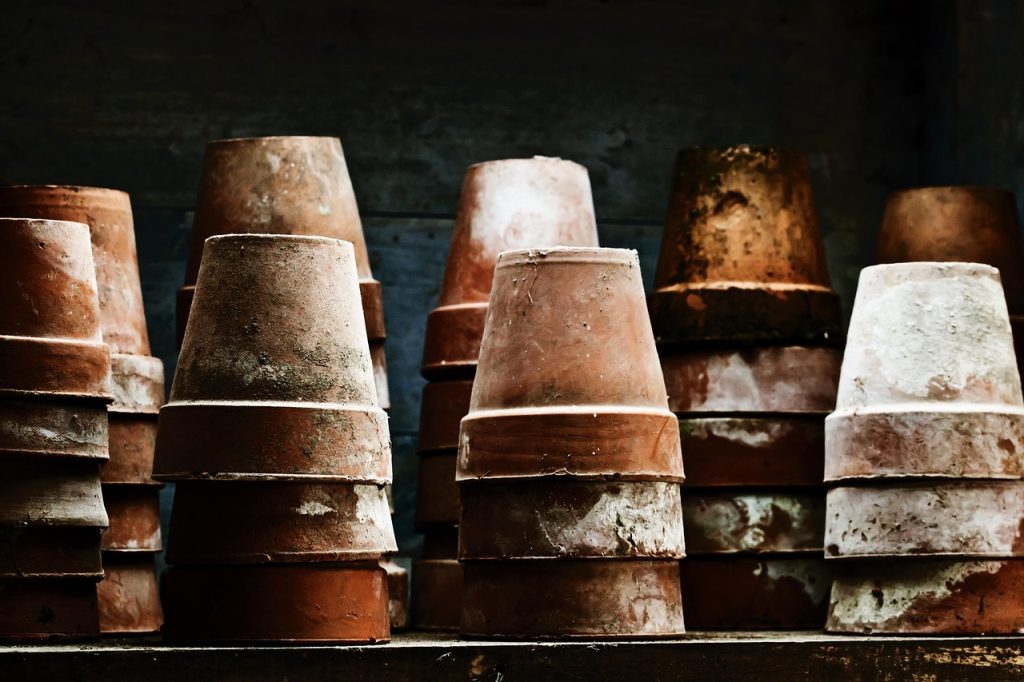
  • The right pot — At least 12–14 inches deep, and wide enough for the roots to spread. Don’t skip drainage holes—ginger hates sitting in water.
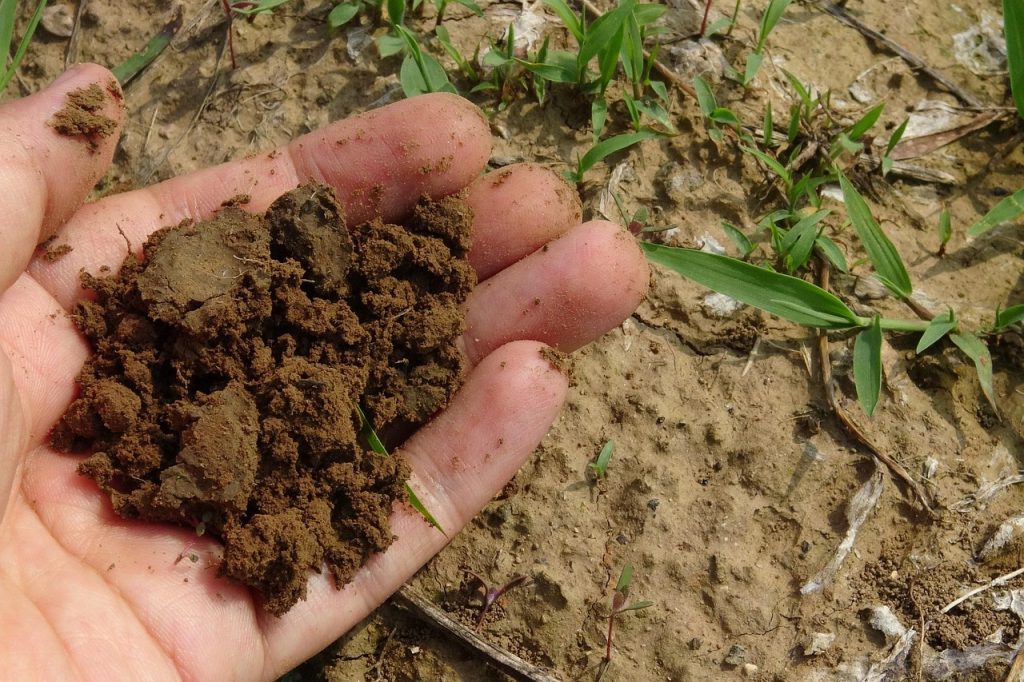
  • Good soil — Loose, crumbly, and rich in compost. Heavy clay soil will suffocate the rhizomes.
  • Basic tools — Nothing fancy. A small trowel and a watering can (or even a recycled bottle with holes in the cap) work perfectly.

Step-by-Step Guide to Growing Ginger in Pots

Step 1: Pick the Right Rhizome

Choose a ginger piece that looks alive—firm, juicy, and showing small buds. Shriveled ones rarely grow.

Step 2: Prep the Pot

Fill it with loose soil mixed with compost. Tap the sides so it settles, and make sure the water drains freely.

Step 3: Plant It Sideways

Lay the rhizome flat, with the buds pointing up. Cover lightly with 1–2 inches of soil. Don’t bury it deep; ginger likes to be close to the surface.

Step 4: Water Smartly

Keep the soil moist, not soggy. Think damp sponge, not wet towel. Place the pot in partial shade—too much sun dries it out quickly.

Step 5: Wait It Out

This is where patience comes in. Sprouts usually appear in 2–4 weeks, and full maturity takes months. Add a little compost every few weeks and let the plant do its thing.


Best Growing Conditions

  • Temperature: Ginger loves warmth—20–30°C is perfect. Below 15°C, it sulks.
  • Humidity: It’s a tropical plant, so mist the leaves if you’re growing indoors. Outdoors, keeping the soil damp is usually enough.
  • Feeding: Every month or so, give it a boost with compost or vermicompost. Skip chemical fertilizers if you want the real organic experience.

Harvesting Your Ginger

Here’s where the fun begins.

  • When it’s ready: Around 8–10 months in, the leaves will yellow and start drying out. That’s the plant’s way of saying, “I’m done.”
  • How to dig it up: Loosen the soil gently with your hands or a small fork. Don’t stab at it—fresh rhizomes bruise easily.
  • Save some for next time: Always keep a few healthy pieces with buds aside. That way, you’ll never have to buy ginger again.

Tips for Small-Space Gardeners

  • Use vertical pots or grow bags if you don’t have much floor space. They’re roomy enough for rhizomes to expand.
  • Balcony corners with indirect sunlight are perfect. Morning sun, afternoon shade.
  • Companions: Mint and turmeric grow happily alongside ginger, making your little garden greener and more productive.

Common Problems & Fixes

  • Yellow leaves? Probably too much water or poor soil. Let the top inch dry out before watering again.
  • Root rot? Always use pots with drainage holes. If rot sets in, cut out the bad parts and replant the healthy ones.
  • Pests? Skip chemicals. A neem oil spray every two weeks or a mild soap solution keeps bugs away.

Conclusion

Growing ginger at home isn’t just about saving money—it’s about the satisfaction of pulling something fresh from your own pot. It’s slow-growing, yes, but the rewards are worth it: organic flavor, healthier meals, and the quiet joy of nurturing a plant from root to harvest.

And remember, you don’t need a big backyard to get started. A single pot on your balcony is enough. Plant one rhizome today, and in a few months, you’ll wonder why you ever bothered buying ginger from the store.

Escape From Chernobyl: A Nurse’s Story of Survival

On April 26, 1986, the world woke up to one of the deadliest nuclear disasters in history — the Chernobyl explosion. But while the headlines focused on the reactor, the radiation, and the political silence, inside a small hospital in Pripyat, another story unfolded — one of courage, sacrifice, and silent suffering. This is the story of Chernobyl through the eyes of a nurse who lived it.

The Night the Reactor Exploded

It was an ordinary Saturday night in Pripyat. Families slept in their Soviet-style apartments, children dreamed of school trips, and I prepared for another night shift at Pripyat City Hospital.

At 1:23 a.m., Reactor 4 at the Chernobyl Nuclear Power Plant exploded. The blast released more than 400 times the radiation of the Hiroshima bomb. But in those first hours, we didn’t know that.

Just after 1:30, the phone rang. “Send every available nurse. There’s been an accident at the plant.”

We thought it was a fire. Industrial accidents weren’t unusual. But nothing prepared us for what arrived next.


The Firefighters Arrive

The first patients were the firefighters — the heroes who rushed to the burning reactor without protective gear. They entered the control rooms and climbed onto the roof, trying to douse the flames with water hoses, unaware they were standing on lethal levels of radiation.

When they stumbled into the hospital, I was shocked:

  • Their faces were swollen, skin reddened like severe sunburn.
  • They vomited repeatedly, clutching their stomachs.
  • Some whispered about a strange metallic taste in their mouths.

We stripped off their uniforms, the smell of smoke and graphite still clinging to the fabric. Those clothes were thrown into the hospital basement, where they remain today — so radioactive that they can never be touched again.

I remember one young firefighter asking me, “Sister, it’s just smoke inhalation, right? I’ll be fine?”
I wanted to believe him.


Chaos in the Hospital Corridors

By 4 a.m., the hospital was overflowing. Plant workers, security guards, and firefighters kept arriving, all with the same symptoms: nausea, dizziness, burns that seemed to deepen by the minute.

We had no protective suits. Only cotton gowns and simple masks. The doctors worked tirelessly, inserting IVs, rinsing burns, giving oxygen. But nothing worked. The radiation was inside them, eating them alive.

I carried trays of medicines, wiped blood from the floors, and tried to comfort them as they writhed in pain. Some screamed, others went eerily silent.

One nurse fainted from exhaustion. Another collapsed from exposure. None of us truly understood what we were fighting.


Realization: The Reactor Had Exploded

By morning, rumors began to spread. Doctors whispered that the unthinkable had happened — the reactor core had exploded.

That meant the “invisible killer” was radiation itself. We were treating patients in contaminated wards, touching radioactive skin, and washing wounds with radioactive water.

Our hands blistered. Our hair started to fall. But we kept working. Nurses are trained not to abandon their patients, no matter the cost.


April 27: The Evacuation of Pripyat

Families grabbed bread, toys, and blankets, believing they’d return in a few days. Pets were left behind. Photo albums stayed on shelves.

From the hospital window, I watched entire neighborhoods climb aboard the buses. Mothers held crying babies. Children clutched schoolbags. Nobody knew they would never come back. Pripyat became a ghost city within 36 hours.

I stayed behind with the patients. My duty was with those who couldn’t leave.


The Hidden Agony

The firefighters deteriorated rapidly. Their skin peeled in sheets, fevers rose uncontrollably, and their hair came out in clumps. We held their hands, changed their sheets, whispered comfort even when we knew there was no hope.

Within weeks, most of them died. Their bodies were so radioactive that they were buried in zinc-lined coffins under concrete slabs. Even in death, they were dangerous to the living.

One of them was Vasily Ignatenko, only 25 years old, who left behind his young wife Lyudmila. She stayed by his bedside despite being told to stay away. Years later, she said:
“They told me I shouldn’t touch him. But how could I not? He was my husband.”


The Basement of Death

The hospital basement became infamous. That’s where we dumped the firefighters’ uniforms. Boots, jackets, helmets — all glowing with invisible poison. Even today, standing near that basement is considered deadly.

I remember walking past the piles of clothing, the smell of smoke still strong, knowing that those pieces of fabric had absorbed enough radiation to kill.

We were working inside a hospital that had turned into a radioactive grave.


Life After Chernobyl

I left Pripyat with the evacuation convoys. My body was weak, my skin burned, my hair thin. Many nurses, doctors, and medical staff later died of radiation-induced illnesses. Some survived but never fully recovered.

For years, Chernobyl haunted my dreams. The faces of the firefighters, the cries of the patients, the empty streets of Pripyat — they are etched in memory.

Today, when I see documentaries or photographs of the Exclusion Zone, it feels like looking into a frozen time capsule. Apartments still have toys on the floor. Classrooms still have open notebooks. But no children returned to finish their lessons.


Legacy of Chernobyl

Chernobyl was not just a nuclear accident — it was a human tragedy. More than 300,000 people were evacuated, thousands were exposed to radiation, and entire towns vanished from the map.

The nurses and doctors who stayed behind are rarely remembered, but they were the frontline soldiers in a war against something they couldn’t see.

Their story is a reminder:

  • Technology without safety is a ticking bomb.
  • Truth delayed can cost lives.
  • Ordinary people — nurses, firefighters, plant workers — carry extraordinary courage.

Closing Words

Standing in Pripyat’s abandoned hospital today, silence fills the corridors. But if you listen closely, you can almost hear the echoes — footsteps of nurses rushing to save lives, whispers of patients asking for water, the distant wail of buses leaving the city forever.

Chernobyl is a wound carved into history. And through the eyes of those who lived it, we learn one truth: when disaster strikes, humanity is measured not in machines or reactors, but in compassion, sacrifice, and the will to stand beside the suffering — no matter the cost.