We’ve all seen it happen. The person who walks into the room and immediately commands attention without saying a word. The colleague who seems to get a pass on a missed deadline because they have a “charming” smile. We call it pretty privilege, and while it might feel like a bitter social observation, the truth is back by decades of rigorous scientific research.
In the world of psychology and economics, this isn’t just “luck”—it’s a measurable phenomenon. Whether we like it or not, society often equates physical attractiveness with intelligence, kindness, and competence.
But here is the good news: understanding the data behind beauty bias doesn’t have to be discouraging. In fact, once you see how the “game” is played, you can use that knowledge to boost your own confidence, hack the system, and reclaim your power.
The Science of the Halo Effect: Why Your Brain Lies to You
At the core of pretty privilege is a cognitive bias known as the Halo Effect. Coined by psychologist Edward Thorndike, this bias occurs when our overall impression of a person (often based on their looks) influences how we feel and think about their character.
- Snap Judgments: Research shows it takes only one-tenth of a second for someone to form an impression of your trustworthiness and status based on your face.
- The “Beautiful is Good” Stereotype: Studies consistently find that people instinctively attribute positive traits like honesty, health, and humor to conventionally attractive individuals.
- The Brain’s Shortcut: Our brains are wired to use heuristics (mental shortcuts). If someone looks “well-put-together,” our subconscious assumes their life, work, and ethics are also well-put-together.
Understanding this isn’t about vanity; it’s about realizing that perceived attractiveness is often just a psychological filter that others are using—often without even knowing it.
The Economic Reality: Does Beauty Equal a Bigger Salary?
If you think pretty privilege only matters on social media, the economic data will surprise you. Economists have studied the “beauty premium” for years, and the numbers are staggering.
- The 15% Pay Gap: According to research by economist Eva Sierminska, physically attractive workers earn up to 15% more than those considered “plain” or “unattractive.”
- The CEO Connection: A 2025 study found that nearly 99.8% of CEOs rate themselves as a 7 or higher on an attractiveness scale. In fact, 71% of top executives rated themselves as a 9 or 10, compared to just 33% of entry-level employees.
- Interview Callbacks: Attractive candidates are nearly twice as likely to receive a job interview callback compared to “plain” applicants with the exact same resume.
- The Cumulative Effect: Over a 15-year career, an attractive MBA graduate can earn over $200,000 more in cumulative salary than their peers.
This beauty bias is particularly prevalent in “high-touch” industries like management, consulting, and sales, where social interaction is the primary driver of success.
It’s Not Just Genetics: The “Investment” in Appearance
One of the most empowering takeaways from recent data is that pretty privilege isn’t solely about the DNA you were born with. A huge portion of this “privilege” comes from grooming, fitness, and presentation.
- The Competence Factor: 83.4% of people believe that individuals who invest more in their work appearance (grooming, tailored clothing, neat hair) are perceived as more competent and professional.
- The Spend-to-Earn Ratio: High earners (those making over $100k) are twice as likely to spend significantly on grooming products and services.
- The Digital Shift: In our 2026 remote-work era, over 60% of professionals admit to grooming specifically for video calls to maintain their “professional edge.”
Key Insight: You don’t have to be a supermodel to benefit from appearance-based advantages. Cleanliness, fit, and intentional styling can bridge the gap and trigger the same positive Halo Effect in professional settings.
The Mental Toll: The Dark Side of Being “Pretty”
While the advantages are clear, pretty privilege comes with a hidden psychological cost. It isn’t always a smooth ride for those at the top of the beauty scale.
- The Credibility Gap: Over 55% of attractive women admit to “downplaying” their looks in the office to be taken more seriously or to avoid being seen as “just a pretty face.”
- Jealousy and Bias: In some cases, attractive women face a “beauty penalty” when being interviewed by same-sex hiring managers due to subconscious competition or envy.
- Imposter Syndrome: When success comes easily, many attractive individuals struggle with the feeling that they haven’t “earned” their position through merit alone.
Recognizing that pretty privilege is a double-edged sword can help us move away from resentment and toward a more nuanced understanding of human social dynamics.
How to Hack the System: A Data-Driven Confidence Boost
So, the data says pretty privilege is real. Now, what are you going to do about it? You don’t need surgery or a Hollywood budget to command respect. You need psychological leverage.
1. Master the “Confidence Loop”

Confidence is the ultimate “beauty” hack. Data shows that successful people rate themselves as more attractive than they actually are. This creates a self-fulfilling prophecy: when you act like you belong, others assume you do.
2. Focus on “Enclothed Cognition”
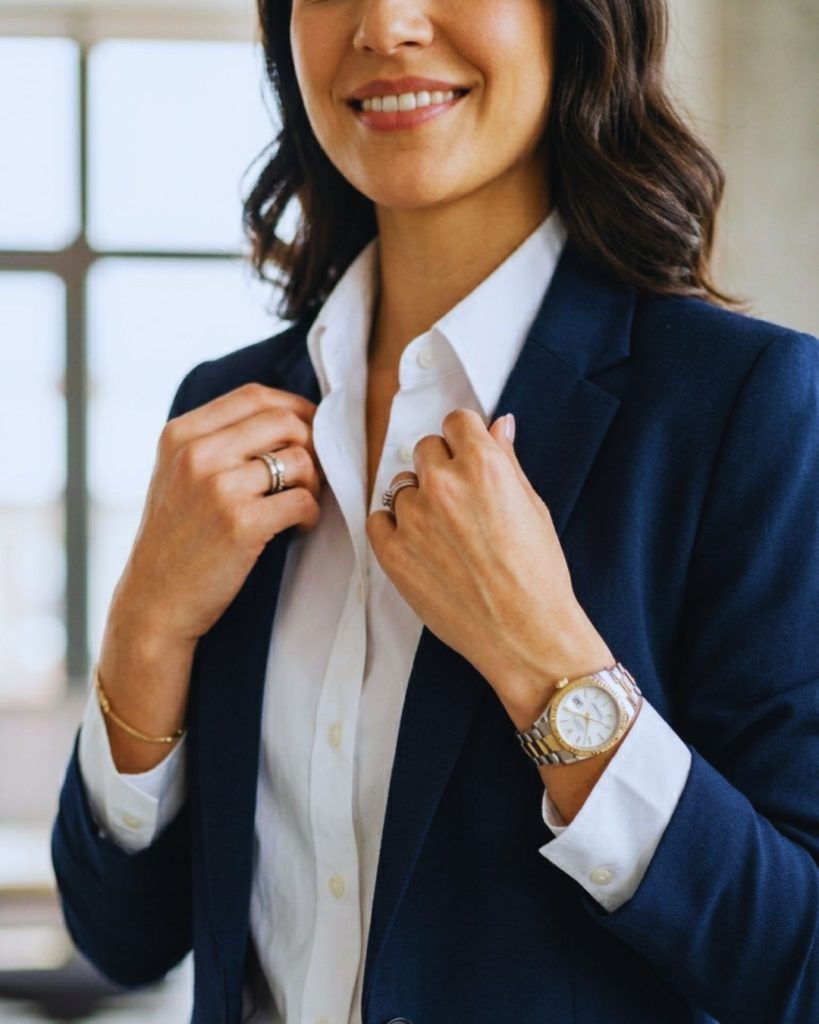
This is the scientific term for how your clothes change your brain. Wearing a sharp blazer or a “power outfit” doesn’t just change how others see you—it changes your hormonal levels and increases your abstract thinking and dominance.
3. Leverage Social Capital
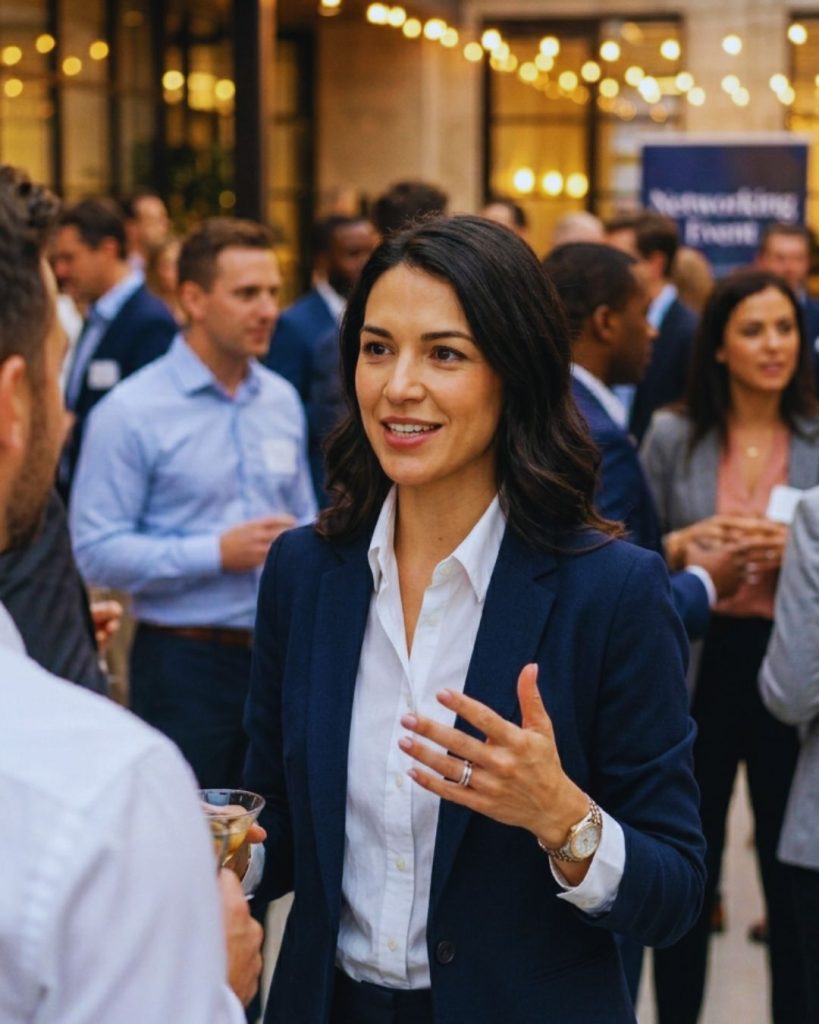
The study on MBA graduates showed that the “beauty premium” works because attractive people are often more socially integrated. You can replicate this by:
- Improving your body language (eye contact, open posture).
- Practicing active listening.
- Building a diverse social network.
4. Challenge the “Horn Effect”

The opposite of the Halo Effect is the Horn Effect—where one negative trait (like looking tired or disheveled) leads people to think you’re lazy. Combat this with small, consistent habits: a neat workspace, a clear speaking voice, and a punctual arrival.
The Bottom Line: Beauty Fades, but Strategy Stays
Pretty privilege is a undeniable part of the human experience, but it is not the only part. While the data shows that physical attractiveness provides a head start, it rarely sustains a long-term career without substance, skill, and emotional intelligence.
The most successful people in the world are those who recognize the beauty bias exists, optimize their presentation to meet the “minimum requirements” of the system, and then blow everyone away with their actual talent and work ethic.
Don’t be mad at the data. Use it. Whether you’re dressing for the job you want or working on your internal self-worth, remember that confidence is the only “privilege” that truly lasts a lifetime.