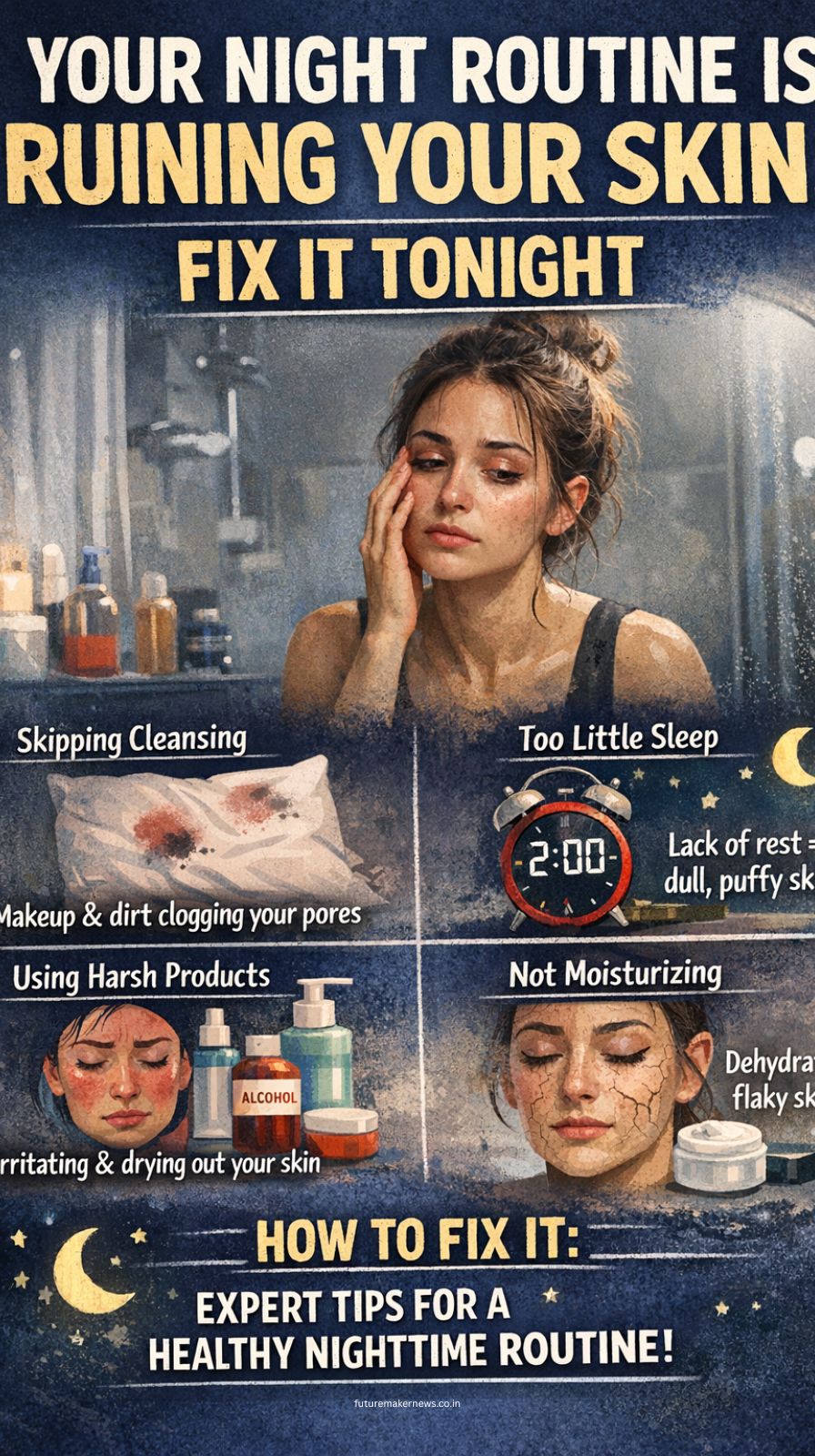
We spend a fortune on luxury serums, retinol creams, and high-end moisturizers, yet we often wake up wondering why our skin looks dull, congested, or prematurely aged. If you are doing everything “right” but still battling breakouts and inflammation, the culprit isn’t your products—it’s your habits.
Your nighttime ritual is supposed to be a period of cellular repair and regeneration. However, for many, it has become a series of accidental sabotages. From the fabric you sleep on to the way you wash your face, you might be unknowingly damaging your skin barrier.
Let’s dive deep into why your current night routine is ruining your skin and how you can fix it tonight.
1. The Silent Saboteur: Pillowcase Hygiene

You might think your bed is a sanctuary, but your pillowcase is often a breeding ground for bacteria, dead skin cells, and residual hair products.
The “Petri Dish” Effect
Every night, your skin sheds thousands of cells. When you press your face against a week-old pillowcase, you are essentially marinating your pores in sebum and microbes. This leads to what dermatologists call acne mechanica—breakouts caused by friction and trapped bacteria.
- The Solution: Change your pillowcase every two to three days. If you have acne-prone skin, consider a fresh one every night.
- Fabric Matters: Switch to mulberry silk or satin. Unlike cotton, which absorbs your expensive night creams and tugs at the skin, silk allows your face to glide, reducing sleep wrinkles and keeping hydration where it belongs—on your face.
2. The Sin of Improper Cleansing
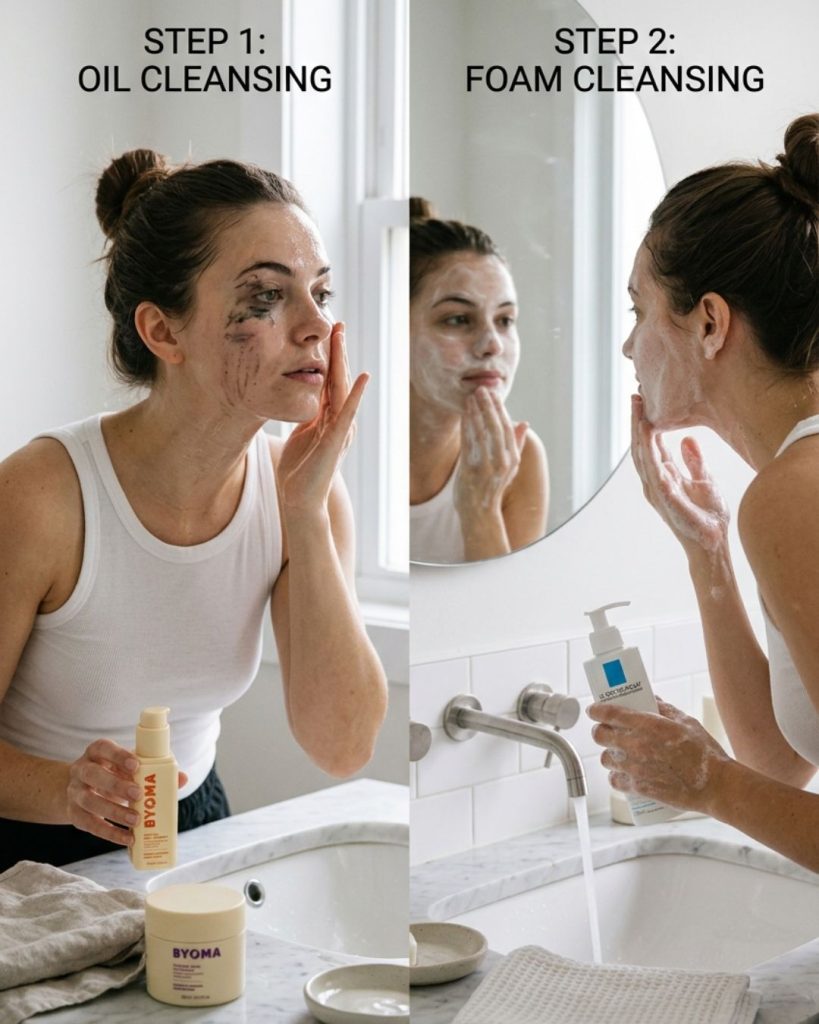
If you think a quick splash of water or a single makeup wipe counts as “clean,” your skin is screaming for help. Improper cleansing is the leading cause of clogged pores and dullness.
The Double Cleanse Revolution
Throughout the day, your face collects pollutants, SPF, and excess oil. A standard water-based cleanser cannot fully break down oil-based impurities.
- Step 1: Use an oil-based cleanser or micellar water to dissolve stubborn makeup and sunscreen.
- Step 2: Follow up with a gentle water-based cleanser to actually clean the skin surface.
- The Danger of Over-Cleansing: While you want to be thorough, using harsh, “squeaky clean” cleansers strips your natural lipids. If your skin feels tight after washing, you’ve gone too far and damaged your moisture barrier.
3. The “Wet Face” Mistake
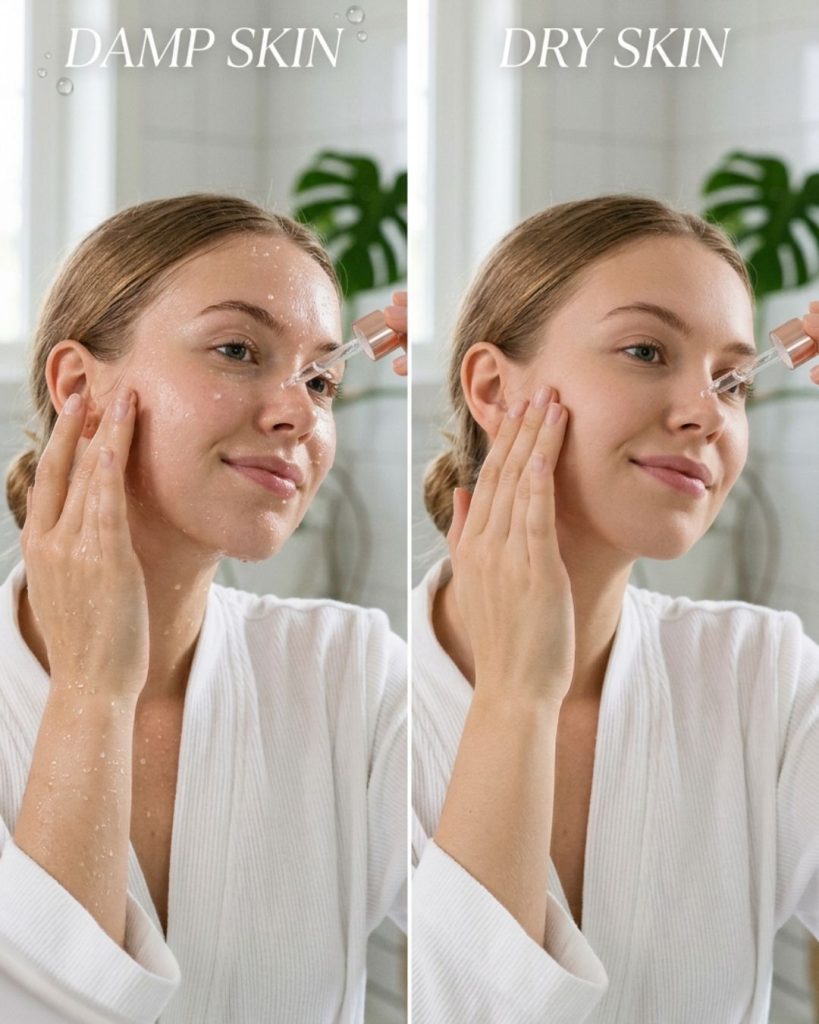
Timing is everything in skincare. Applying certain active ingredients to damp skin can either be a miracle or a disaster.
When to Dry, When to Apply
- Hyaluronic Acid: This should always be applied to damp skin. It acts as a humectant, pulling moisture into the skin. On dry skin, it can actually pull moisture out from deeper layers, leaving you more dehydrated.
- Retinol and Actives: Applying retinol or strong acids to wet skin increases their penetration too rapidly, often leading to peeling, redness, and irritation. Always wait until your skin is completely dry before applying potent anti-aging treatments.
4. Neglecting the “Skincare Perimeter”
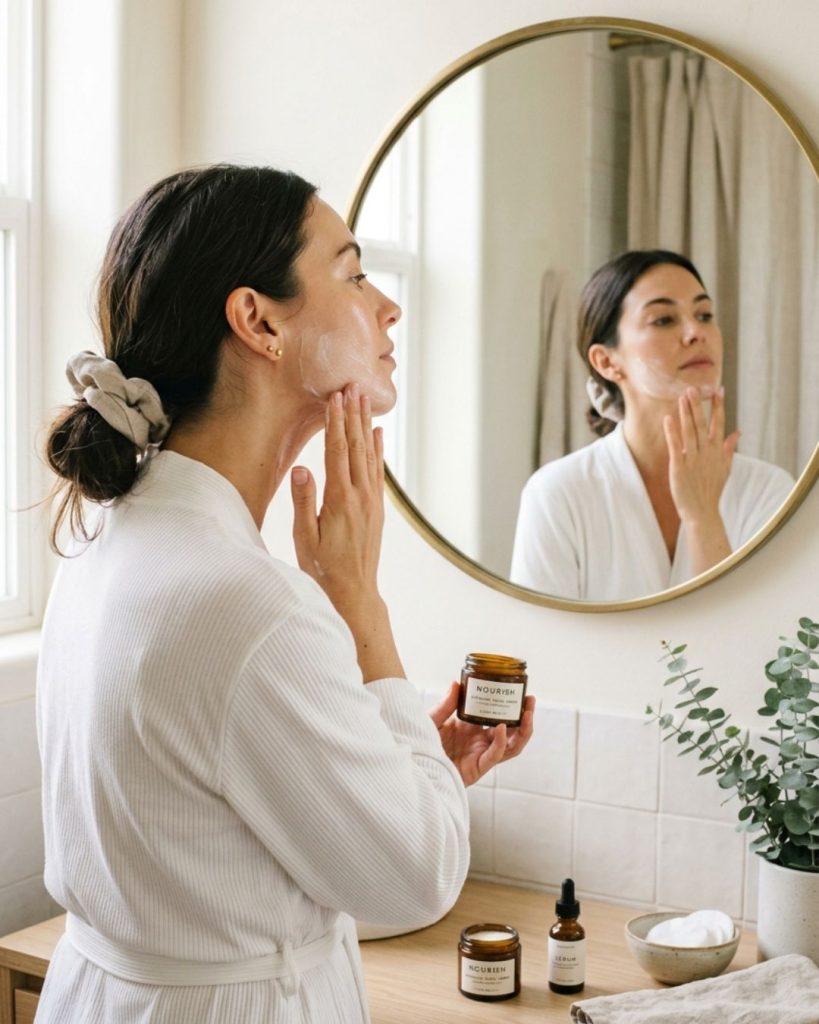
Most people focus on the “T-zone” and cheeks, completely forgetting the jawline, hairline, and neck.
- Hairline Breakouts: Residual shampoo or conditioner can sit on the edge of your face, leading to comedones. Ensure you rinse your face after you’ve finished your hair routine.
- The Neck is Part of Your Face: The skin on your neck is thinner and has fewer oil glands. If you aren’t extending your hydration and SPF (during the day) down to your décolletage, your neck will show signs of aging much faster than your face.
5. Over-Exfoliation: The Trend That Hurts
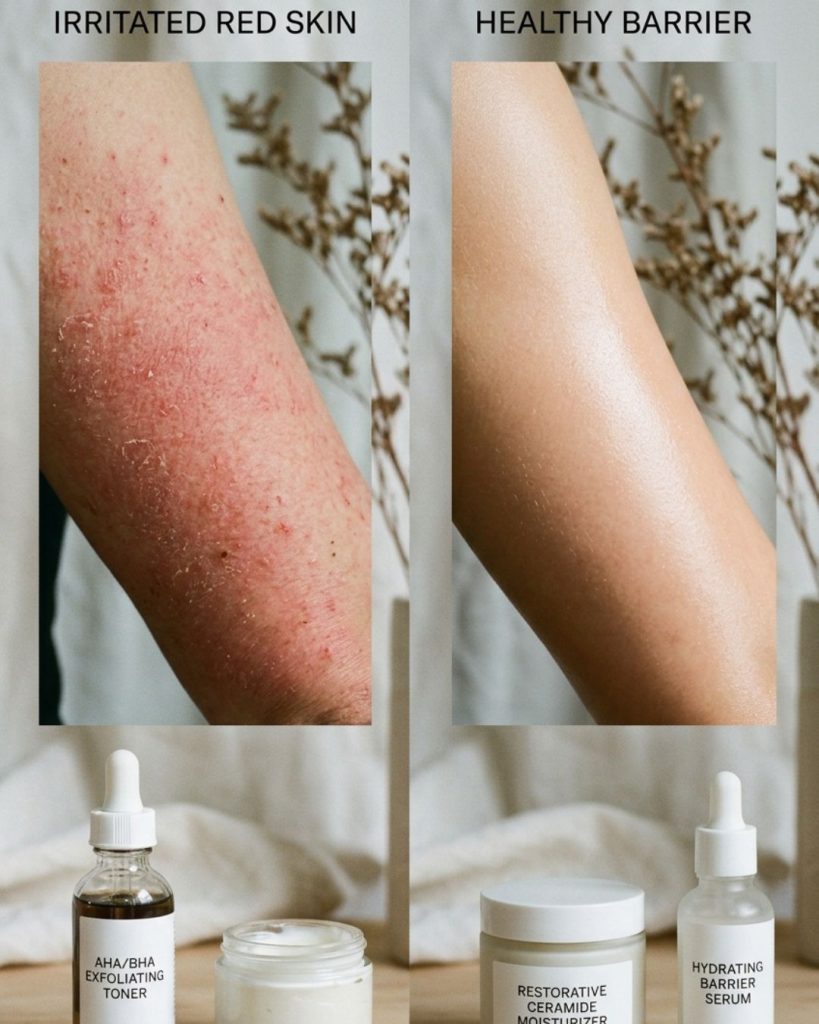
In the quest for “glass skin,” many have fallen into the trap of using chemical exfoliants (AHAs and BHAs) every single night.
Signs Your Barrier is Broken
- A persistent “shiny” look that isn’t oil.
- Stinging when you apply basic moisturizer.
- Increased sensitivity and random red patches.
Exfoliation should happen 2–3 times a week, maximum. On other nights, focus on barrier repair using ingredients like ceramides, squalane, and niacinamide.
6. The “Dirty Phone” and Hand Contact

We often do our skincare, then spend 30 minutes scrolling through social media in bed. Your phone screen is statistically dirtier than a toilet seat.
- The Transfer: You touch your phone, then you touch your face, or worse, you rest your phone against your cheek. You are transferring E. coli and other bacteria directly onto your freshly cleaned skin.
- Blue Light: Beyond the bacteria, the HEV (Blue Light) emitted from devices can contribute to oxidative stress and hyperpigmentation.
7. Sleeping on Your Stomach or Side

Gravity is not always your friend. If you wake up with “sleep lines,” those are precursors to permanent wrinkles.
- The Compression: Smashing your face into a pillow for eight hours compresses the skin, breaking down collagen over time.
- The Back-Sleeping Benefit: Training yourself to sleep on your back is the cheapest anti-aging hack available. It prevents fluid retention (puffiness) and keeps your skin from being tugged by fabric.
8. Temperature Extremes

Washing your face with hot water feels relaxing, but it is devastating for rosacea-prone or dry skin.
- The Goldilocks Zone: Hot water dilates blood vessels and strips away the acid mantle. Use lukewarm water instead. It’s effective enough to open pores slightly for cleaning without causing thermal trauma.
9. Ignoring Your Environment: Humidity Matters

During winter or in air-conditioned rooms, the air is incredibly dry. This creates a concentration gradient that sucks moisture out of your skin while you sleep.
- The Humidifier Hack: Using a humidifier in your bedroom keeps the air moist, allowing your humectants to work effectively.
- Occlusives: If you have very dry skin, consider “slugging”—applying a thin layer of an occlusive balm (like petroleum jelly) over your moisturizer to lock everything in.
10. The Lifestyle Factors: Diet and Stress

Your night routine doesn’t start at the sink; it starts at the dinner table.
- High-Sugar Diets: Consuming sugar late at night can lead to glycation, a process where sugar molecules attach to collagen fibers, making them brittle and causing premature aging.
- Cortisol: High stress levels before bed keep your cortisol levels spiked. Cortisol breaks down collagen and increases oil production, leading to hormonal acne.
Summary Checklist for a Flawless Night
To ensure your routine is helping rather than hurting, follow this streamlined approach:
- Cleanse Twice: First with oil, then with a gentle foaming or cream cleanser.
- Sanitize: Clean your phone and wash your hands before touching your face.
- Fabric Swap: Use a silk pillowcase and change it frequently.
- Dry Down: Wait for the skin to dry before applying retinoids.
- Hydrate: Use ceramides to protect your skin barrier.
- Sleep Position: Try to stay on your back to avoid friction.
Final Thoughts
Consistency is the key to radiant skin. You don’t need a 10-step routine; you need a smart routine. By removing these common errors, you allow your skin to do what it does best: heal. Stop ruining your progress with bad habits and start waking up to the glow you deserve.