In the modern digital landscape, Pinterest has evolved from a simple mood board into a powerhouse visual search engine. For creators and entrepreneurs, it represents a goldmine of high-intent traffic. Unlike social media platforms where content dies in hours, a single Pin can drive traffic for years.
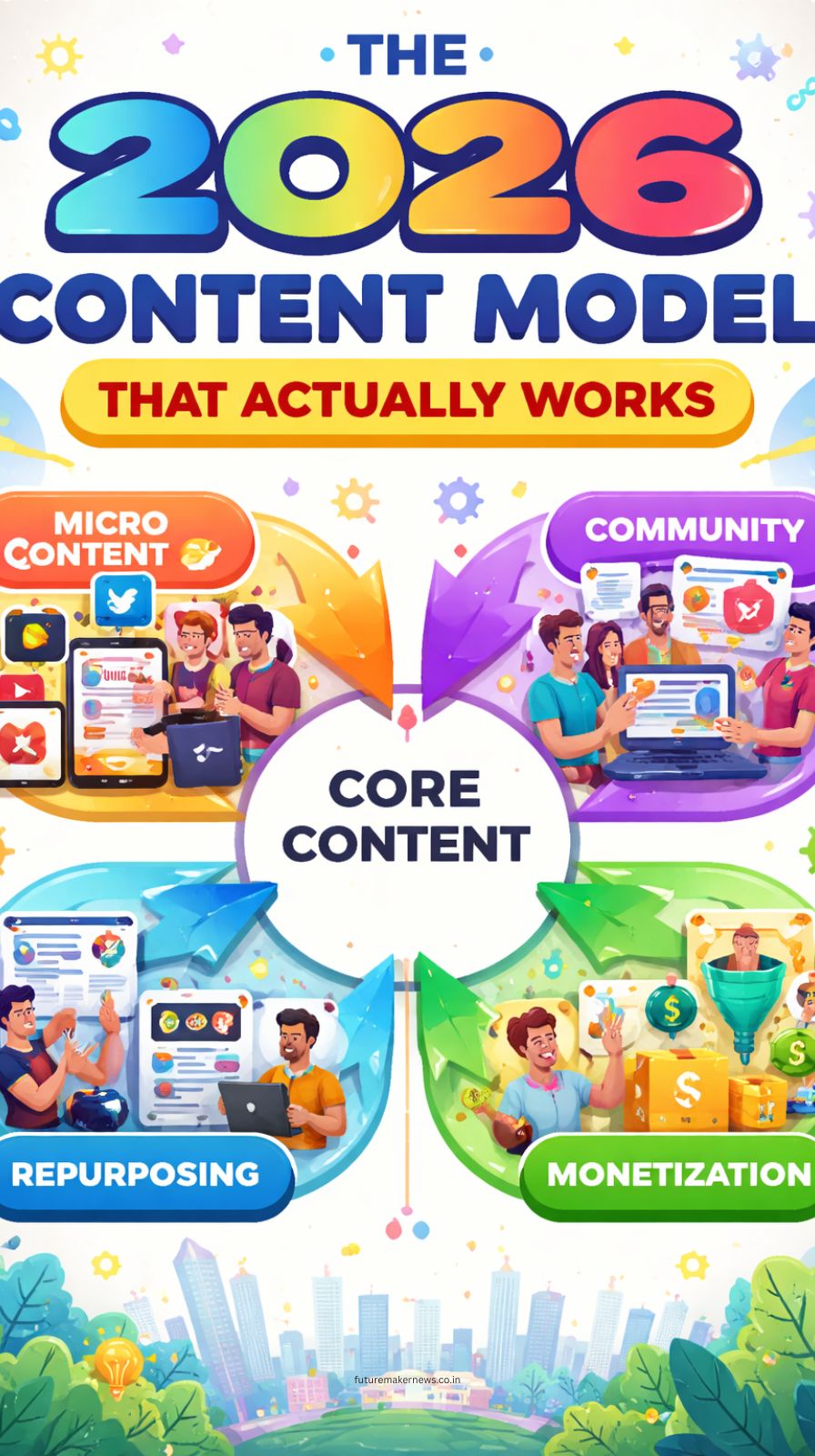
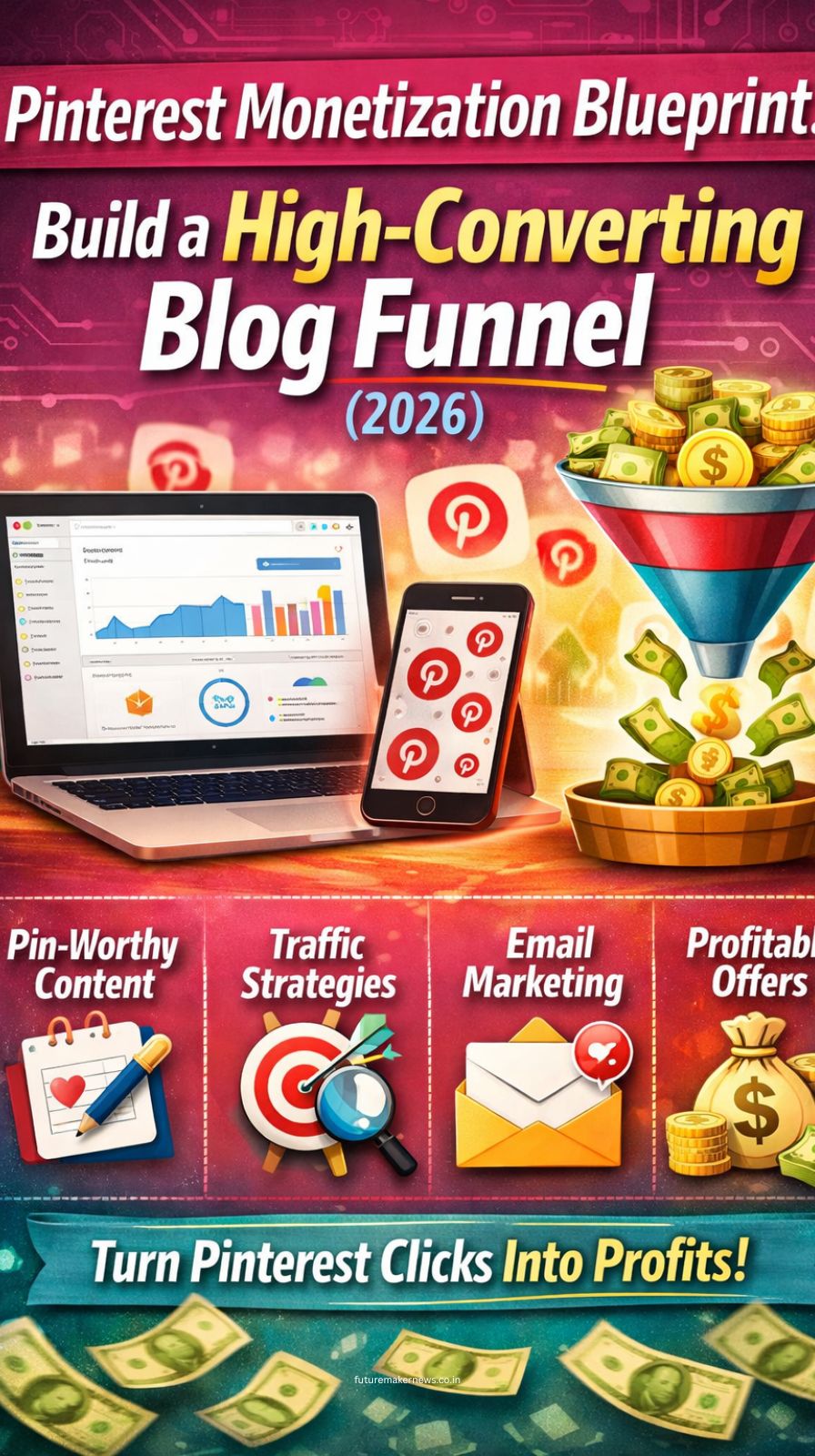
To truly make money on Pinterest, you need more than just pretty pictures; you need a strategic ecosystem. The most effective framework for 2026 is the Blog Funnel Structure: Pin → Blog → Email → Affiliate.
This comprehensive guide will break down every stage of this funnel to help you build a sustainable, passive income machine.
Phase 1: The Pinterest Magnet (The Pin)

The journey begins with a “Scroll-Stopper.” Your Pin is the entry point of your funnel. If the Pin doesn’t convert the view into a click, the rest of your funnel is invisible.
- Pinterest SEO Mastery: Treat Pinterest like Google. Use the search bar to find trending keywords and long-tail phrases. Place these keywords in your Pin Title, Pin Description, and even the Alt Text.
- Visual Hierarchy: Use a 2:3 aspect ratio (1000 x 1500 pixels). This is the “sweet spot” for mobile users who make up over 80% of the platform.
- Text Overlays: Use bold, readable fonts. Your text should highlight a “pain point” or a “desire.” For example, instead of “Healthy Recipes,” use “7-Minute Fat-Burning Dinners.”
- Click-Through Rate (CTR) Optimization: Add a subtle Call to Action (CTA) on the image itself, such as “Click to Read” or “Download the Guide.”
- Fresh Content Strategy: Pinterest’s algorithm prioritizes Fresh Pins. Even if you are linking to the same blog post, create 5-10 different designs to see which visual style resonates most with your target audience.
Phase 2: The Value Hub (The Blog Post)
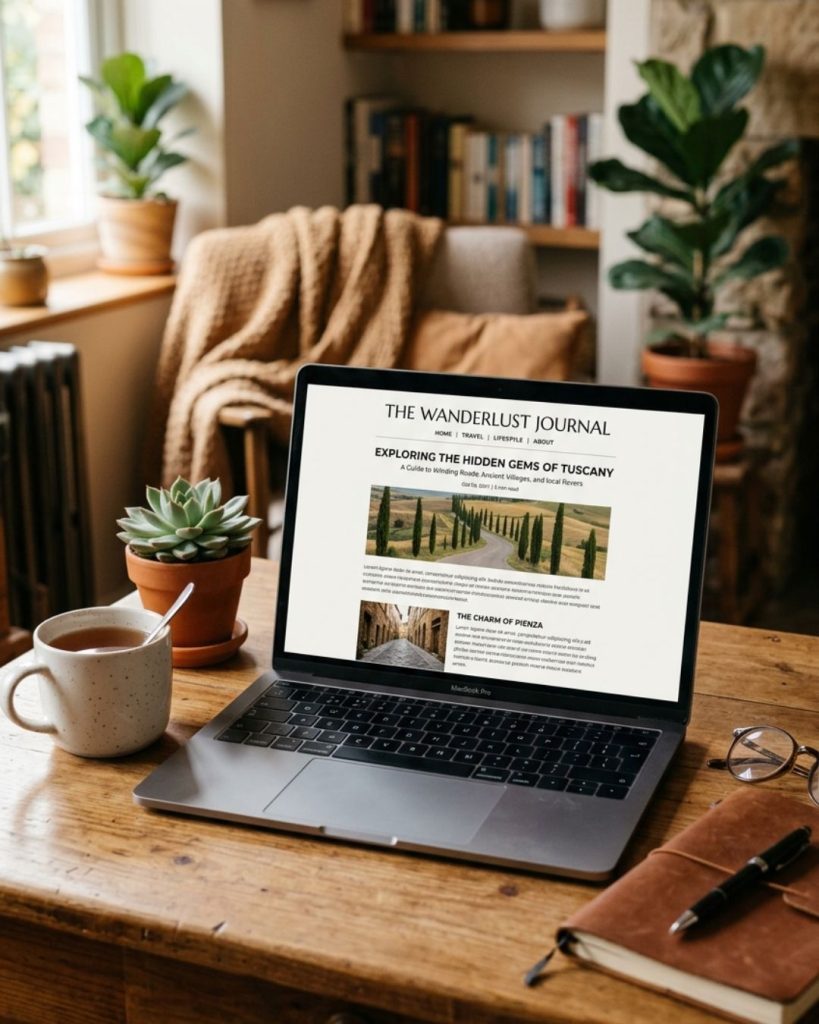
Once a user clicks your Pin, they land on your website. This is where you transform a casual browser into a loyal reader.
- Instant Gratification: Ensure your blog post delivers exactly what the Pin promised. If the Pin said “Kitchen Hacks,” don’t lead them to a generic homepage.
- User Experience (UX): Your site must be mobile-optimized and lightning-fast. A slow-loading page is the fastest way to lose a lead.
- Engagement-Driven Content: Break your content into small, digestible paragraphs. Use H2 and H3 subheadings to make the post scannable.
- Strategic Internal Linking: Link to other relevant articles on your site to keep the user in your ecosystem longer, which improves your Domain Authority.
- Keyword Integration: Optimize your blog for Google SEO as well. Use your primary Pinterest keywords in the first 100 words of your post to create a cohesive search experience.
Phase 3: The Golden Bridge (The Email Opt-in)
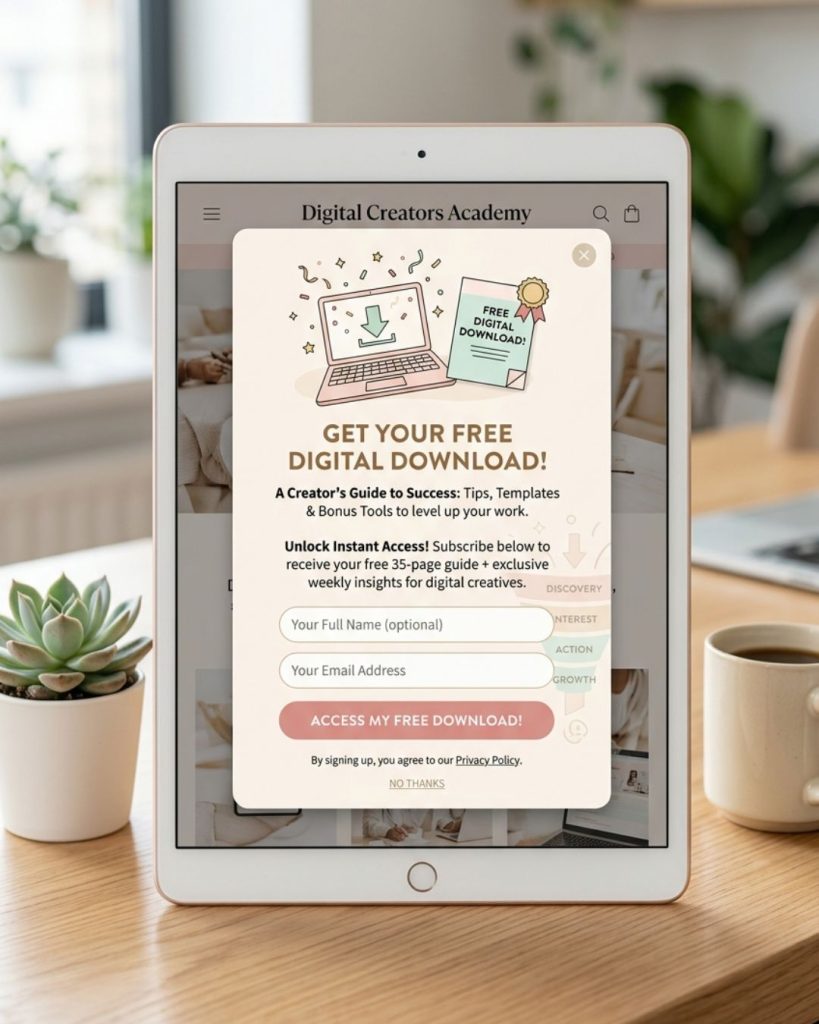
Traffic is vanity; an email list is sanity. You do not own your Pinterest followers, but you own your email list. This is the “secret sauce” of high-earning Pinner-bloggers.
- The Lead Magnet: Offer a “Content Upgrade” that is highly relevant to the blog post. If they are reading about “Budget Travel,” offer a “Free Travel Budget Spreadsheet.”
- High-Converting Pop-ups: Use an Exit-Intent Pop-up or a “Slide-in” form. Ensure it is not intrusive but offers undeniable value.
- The Welcome Sequence: As soon as they subscribe, send an automated Welcome Email. Introduce yourself, provide the freebie, and set expectations for future value.
- Nurture Over Nature: Use your email list to provide tips, stories, and exclusive insights. Building trust and authority here is what makes the final affiliate pitch successful.
- Segmentation: Tag your subscribers based on which Pin/Blog post they came from. This allows you to send highly targeted affiliate offers later.
Phase 4: The Revenue Engine (The Affiliate Offer)

Now that you have a “warm” audience that trusts your expertise, it’s time to monetize through Affiliate Marketing.
- Contextual Affiliate Links: Don’t just slap a banner in the sidebar. Embed affiliate links naturally within your blog content and email sequences.
- Problem-Solution Fit: Only promote products that genuinely solve a problem for your readers. High-quality product reviews and “Top 10” lists perform exceptionally well.
- The Power of Recommendation: Use “I” and “My” language. People buy from people they trust. Share your personal experience with the product.
- High-Ticket vs. Low-Ticket: Balance your funnel with small, “easy-yes” products (like Amazon finds) and high-ticket affiliate programs (like software or courses) for larger commissions.
- Tracking and Analytics: Use UTM parameters to track which Pins and which emails are generating the most revenue. This allows you to scale what works and cut what doesn’t.
The Compounding Effect of the Pinterest Funnel
The beauty of this Affiliate Marketing Funnel is that it creates a compounding effect.
- Old Pins stay active: A Pin you created months ago can suddenly go viral, sending a flood of new subscribers into your automated email sequence.
- SEO Synergy: As Pinterest sends traffic to your blog, your “Time on Page” increases, signaling to Google that your content is valuable, which helps you rank higher in organic search results.
- Passive Income: Once the funnel is built, your only job is to create “Fresh Pins” and maintain your email list. The monetization happens in the background while you sleep.
Top Keywords for Pinterest Growth in 2026
To ensure your content is SEO-friendly, consider incorporating these high-volume terms into your strategy:
- Step-by-Step Guide
- Passive Income Ideas
- Work from Home Tips
- Budget-Friendly Hacks
- How to Start a Blog
- Digital Marketing Strategy
- Productivity Tools
- Life-Changing Tips
Final Pro-Tips for Maximum Engagement
- Consistency over Intensity: It is better to Pin 3 times a day every day than 30 times in one day once a week. Use scheduling tools like Tailwind to maintain a steady flow.
- Engagement is a Two-Way Street: Reply to comments on your Pins. This signals to the Pinterest algorithm that your content is engaging and worth showing to more people.
- Analyze the ‘Saves’: On Pinterest, a “Save” is more valuable than a “Like.” It means someone wants to revisit your content. Analyze your most-saved Pins to understand what your audience truly desires.
- Video Pins (Idea Pins): Don’t ignore video! Short, 15-second “Teaser” videos that lead to your blog post are currently receiving massive organic reach.
By following this Pin → Blog → Email → Affiliate structure, you are not just “pinning images”; you are building a professional digital asset. This method ensures that every click has the potential to become a long-term customer, maximizing your ROI and establishing you as an authority in your niche. Start building your funnel today, and watch your Pinterest page transform into a consistent revenue stream.