Navigating Motherhood Without Daily Presence: A New Perspective

Introduction: When Life Takes an Unexpected Turn

Motherhood is often envisioned as a constant, day-to-day presence in your child’s life. But for some moms, life circumstances may lead to living away from their children. Whether for work, personal growth, or other reasons, this choice is tough, yet it opens up new perspectives on what it means to be a mom.

1. Challenging Society’s Expectations

Society often sets rigid expectations for mothers, assuming they must be ever-present to be effective parents. However, fathers are rarely subjected to the same scrutiny when they prioritize career or life changes. For mothers who live away from their children, this double standard can be emotionally taxing, often met with criticism and judgment. But choosing to live apart doesn’t diminish one’s role as a mother.

2. A Focus on Emotional Availability

Even when mothers are physically absent, they can remain emotionally involved in their children’s lives. Staying connected through regular calls, video chats, and ensuring emotional support is essential. While physical proximity is important, emotional availability can nurture the relationship just as strongly, providing the children with a sense of security.

3. Redefining the Role of a “Good Mom”

The concept of a “good mom” is often associated with constant caregiving. Yet, there is more than one way to nurture and support children. Living apart may allow mothers to pursue their goals, which in turn, can benefit their children in the long run. The pursuit of personal growth and stability often leads to improved parenting when mothers are fulfilled in other aspects of life.

4. Handling the Guilt and Judgment

Guilt is a common feeling for mothers who choose to live away from their children. However, it’s essential to recognize that every family dynamic is different, and what works for one family may not for another. External judgments can be painful, but self-acceptance and knowing the children are happy and stable can bring comfort. Focusing on the well-being of the children is what truly matters.

5. Strengthening Bonds From Afar

Living apart doesn’t weaken the mother-child bond; in fact, it may lead to more focused and meaningful interactions. Every phone call, letter, or visit can be an opportunity to strengthen the connection. Children who grow up in such settings often become more resilient and develop a deeper appreciation for their parent’s sacrifices.

6. Creating a Balance

Balancing a career, personal ambitions, and motherhood can be challenging, especially from afar. Ensuring regular communication, shared activities, and moments of quality time when possible helps create a balanced relationship, despite the distance. This shows children that love and commitment transcend physical boundaries.

Conclusion: Motherhood Takes Many Forms

Motherhood is not one-size-fits-all. Living apart from your children can be emotionally challenging, but it doesn’t take away from being a dedicated and loving parent. It’s about embracing a new kind of motherhood that allows both mother and child to grow, adapt, and find strength in their bond, no matter the distance.

Why Letting Kids Resolve Their Own Conflicts Works

As a parent, it’s natural to want to mediate every argument between your kids. However, sometimes the best approach is to let them work it out on their own. Allowing children to resolve their own disputes teaches them essential life skills like communication, empathy, and problem-solving. This hands-off method can strengthen sibling relationships and give kids the tools they need to handle future challenges independently.

1. Fostering Independence and Problem-Solving

When children learn to navigate conflicts without parental intervention, they gain critical problem-solving skills. They figure out how to communicate their feelings, negotiate, and find solutions. In the real world, they won’t always have someone to mediate every disagreement, so this practice is essential.

2. Building Emotional Intelligence

By letting kids resolve their conflicts, they develop emotional intelligence. They start to understand the perspectives of others, learn to apologize, and manage their emotions in stressful situations. This understanding builds empathy and helps them become more emotionally aware adults.

3. Strengthening Sibling Bonds

Sibling rivalry is common, but working through those disagreements independently can actually bring siblings closer. When children are forced to rely on one another to find a resolution, they strengthen their bond and develop a deeper understanding of each other.

4. Reducing Dependence on Parents

If parents always step in, children might rely too heavily on external intervention. By encouraging them to work things out, they learn self-reliance. This gives them a sense of confidence and agency, knowing they can handle difficult situations without always turning to adults for help.

5. Teaching Conflict Resolution Skills for Life

The skills children learn when resolving their own conflicts are invaluable in all areas of life. These include negotiation, compromise, and the ability to express oneself clearly. These experiences help prepare them for school, work, and adult relationships.

6. Knowing When to Step In

While it’s beneficial to let children resolve their own issues, it’s important to recognize when to intervene. If the conflict becomes harmful or if one child is consistently overpowered, a parent should step in to ensure fairness and safety.

7. Encouraging a Positive Conflict-Resolution Culture

By creating a home environment where children are encouraged to solve their problems constructively, parents can foster a culture of respect and cooperation. This proactive approach to conflict helps kids grow into more thoughtful and independent individuals.

Conclusion: Trusting the Process

Letting children resolve their conflicts may feel difficult for parents at first, but it’s a vital part of helping them grow. It teaches independence, emotional intelligence, and strengthens sibling bonds. While it’s essential to monitor for fairness, allowing space for them to figure it out can lead to remarkable growth in their relationships and individual character.

10 Awkward Pregnancy Moments That Will Make You Laugh

Pregnancy is a beautiful journey, but it’s not without its awkward and funny moments. Whether it’s the unsolicited comments from strangers or the clumsy body mishaps, expectant moms experience a range of hilarious situations. Let’s explore ten moments that prove pregnancy is as humorous as it is miraculous.

1. The “When Are You Due?” Question… After Delivery

Imagine stepping out with your newborn, only to be asked when your baby is due. Many new moms face this awkward question after delivery, leaving them speechless!

2. Squeezing Into Tight Spaces

Public places are often a challenge when you’re sporting a bump. From squeezing into tight elevators to trying to navigate narrow aisles, pregnancy turns every journey into a space-management exercise!

3. Unsolicited Advice Galore

Everyone, from distant relatives to strangers in grocery stores, seems to have opinions on your pregnancy. “Should you be eating that?” or “You’re carrying low, must be a boy!” become daily remarks, often leaving you smiling awkwardly.

4. Brain on Pregnancy: The “Pregnancy Brain” Fails

Pregnancy brain is real! From showing up to appointments with mismatched shoes to forgetting names, it seems like your brain goes on a vacation while your body does all the work.

5. Navigating Crowds with Your Bump

Have you ever had someone expect you to make space by sucking in your stomach? While amusing to witness, it’s quite a challenge when there’s a baby bump in the way!

6. The Waddle Walk

As your belly grows, so does the waddle. It’s inevitable that people, including your partner, might poke fun at your new walking style. While harmless, these jokes can make you feel even more self-conscious.

7. The Unwanted Touching

Pregnant women often face unwanted belly touches from strangers. It’s like your bump becomes public property, with random people thinking it’s okay to invade your personal space!

8. Comments on Your Size

One of the most common remarks pregnant women hear is, “Are you sure you’re not having twins?” These comments, though intended to be funny, can make any mom-to-be feel uncomfortable.

9. Bathroom Emergencies

Pregnancy means more bathroom breaks than you ever thought possible. The awkward moment comes when you’re out in public and can’t find a restroom in time. Running to the bathroom becomes a frequent yet comical part of your day.

10. Fashion Fails

Many expectant moms struggle with maternity fashion mishaps. Whether it’s pants that just won’t fit or shoes that suddenly feel too small, fashion choices get limited—and often funny—when you’re sporting a bump!

Laugh Through It All

Despite these awkward moments, pregnancy is a wonderful time. The best way to get through these experiences is to laugh about them. After all, each hilarious incident is part of the beautiful journey toward motherhood.

The Importance of Honesty: Why Parents Should Come Clean About Lice Infestations

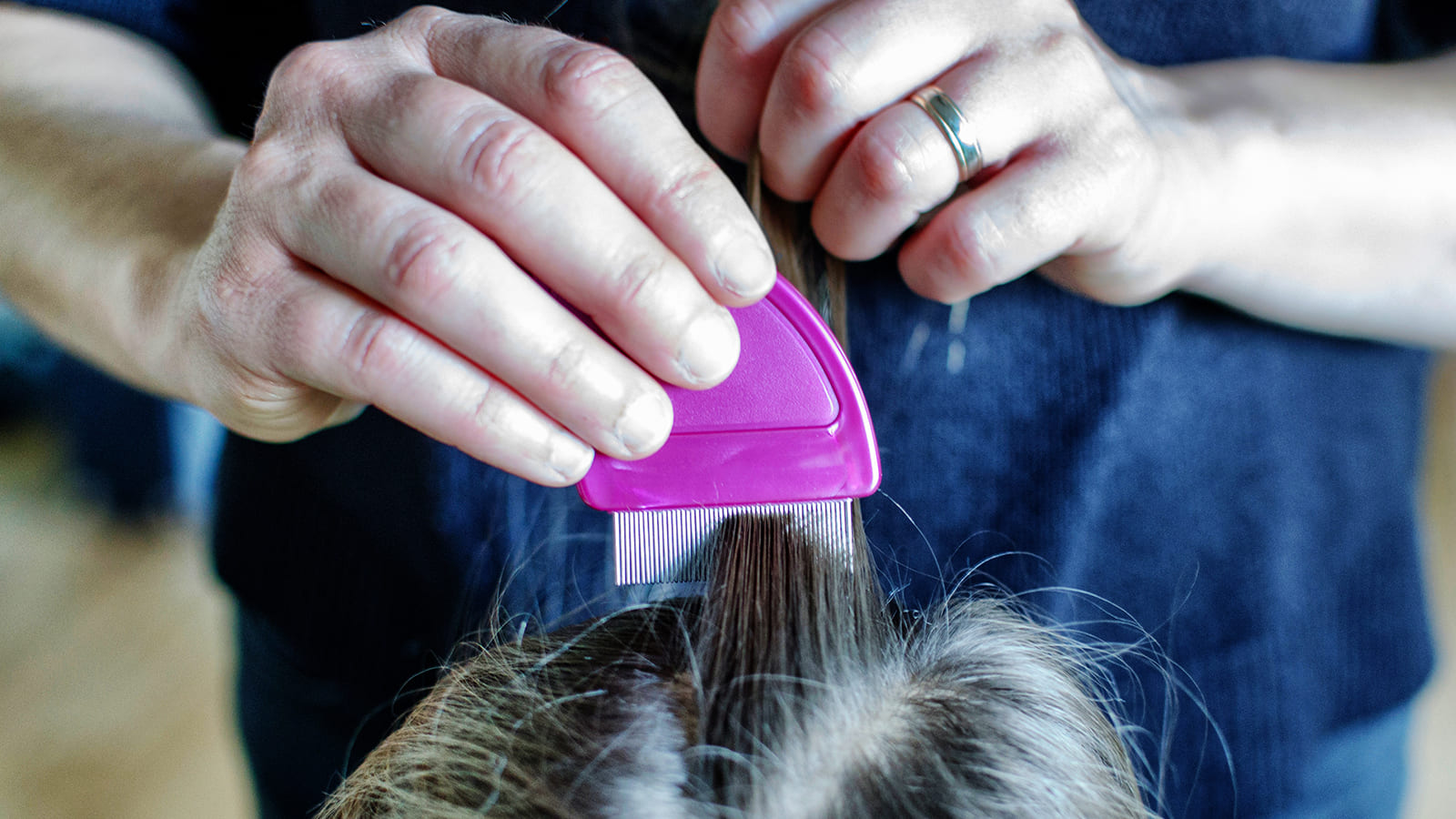
Lice infestations are a common childhood concern, but they come with a stigma that can lead to shame and secrecy among parents. The recent rise in lice cases in daycare settings has highlighted the urgent need for parents to communicate openly about lice infestations. Understanding the impact of transparency can not only mitigate the spread of lice but also foster a supportive community among parents.

Understanding Lice Infestations

Lice are tiny parasites that infest the scalp, causing itchiness and discomfort. They are not a reflection of poor hygiene; in fact, anyone can get lice regardless of how clean their hair or environment is. Children are particularly vulnerable due to close physical contact with their peers. However, despite their prevalence, the stigma surrounding lice often leads parents to hide infestations rather than address them openly.

The Consequences of Secrecy

When parents choose to keep a lice infestation secret, they inadvertently put others at risk. As demonstrated in a case where a child returned to daycare after a lice treatment without notifying other parents, this lack of communication can lead to widespread outbreaks. Families may find themselves scrambling to treat their children after unknowingly exposing them to lice. Not only does this cause frustration and stress for parents, but it also disrupts the lives of all those involved.

The Importance of Open Communication

  1. Fostering Community Support
    Being honest about lice can foster a sense of community among parents. When one parent admits their child has lice, it opens the door for others to share their experiences and solutions. This camaraderie can create a supportive network where parents can help each other manage the situation more effectively.
  2. Preventing Further Outbreaks
    Open communication allows parents to be proactive in preventing further outbreaks. By notifying the daycare or school, parents can encourage early inspections and treatments, reducing the chances of spreading lice to other children.
  3. Normalizing the Conversation
    Talking about lice can help normalize the experience, making it less stigmatized. When parents openly discuss lice, it becomes just another aspect of parenting rather than a source of embarrassment. This shift in perception can lead to healthier attitudes around discussing other sensitive topics related to child-rearing.

How to Approach the Conversation

  • Be Direct but Compassionate
    If you find out that your child has lice, notify the daycare or school immediately. Frame your message in a way that emphasizes concern for the community, such as, “I wanted to let you know so that we can all be vigilant and check our kids.”
  • Share Resources
    When informing others, provide information about treatment options and effective ways to prevent the spread of lice. This can be especially helpful for parents who may be inexperienced in dealing with lice.
  • Create a Policy
    Encourage your child’s daycare or school to establish a clear policy regarding lice infestations. A written guideline can help standardize how parents should report cases and what steps should be taken to manage infestations effectively.

Practical Tips for Dealing with Lice

  1. Stay Calm
    Panicking won’t help. Understand that lice infestations are manageable and can be treated effectively with the right approach.
  2. Educate Yourself
    Familiarize yourself with lice and how they spread. Knowledge is key to combating the stigma and ensuring you can help your child without shame.
  3. Inspect Regularly
    Make regular head checks a part of your routine, especially after playdates or school. Early detection can prevent more significant issues down the line.
  4. Use Preventative Measures
    Consider using lice repellents and keeping long hair tied back to reduce the chances of infestation.
  5. Seek Professional Help
    If the infestation is severe, don’t hesitate to seek professional lice removal services that can help you tackle the problem efficiently.

Conclusion

Lice infestations, while annoying, are a common part of childhood. Parents should feel empowered to speak openly about these experiences, promoting a culture of transparency and support within their communities. By doing so, we can work together to mitigate the spread of lice and create a more understanding environment for all families involved. Remember, lice do not define you as a parent, and coming clean is the first step toward resolving the issue.

Proven Tactics to Manage Toddler Temper Tantrums

Temper tantrums can be one of the most challenging phases for parents. However, understanding what triggers these outbursts and how to manage them effectively can make a big difference. Here’s how you can keep your cool and help your child through their emotional moments.

1. Stay Calm and Collected

The first step to managing any tantrum is to stay calm. Your emotional state greatly influences your child’s behavior, so deep breathing and patience are crucial.

2. Redirect Their Attention

When tantrums strike, redirecting your child’s attention can work wonders. Introduce a toy, game, or book that they enjoy, or offer a snack if they’re hungry. This helps break the cycle of frustration.

3. Give Your Child Control

Tantrums often stem from frustration over a lack of control. Offer simple choices like, “Do you want to play with the red car or the blue car?” This empowers your child and makes them feel in control of the situation.

4. Avoid Raising Your Voice

It’s tempting to out-shout your child during a tantrum, but this can escalate the situation. Keep your voice firm but calm, which helps de-escalate the outburst without causing more stress.

5. Monitor Triggers

Track when and where tantrums happen. For example, if your child gets irritable after meals, consider whether they’re overtired or affected by certain foods. Understanding these triggers can help prevent future meltdowns.

6. Set Clear Limits

Setting clear boundaries is essential for curbing tantrums. Give your child a countdown to prepare them for changes, such as the end of playtime. Clear expectations and consistency help children adjust better.

7. Preventive Measures

Before heading out for errands or social activities, make sure your child is well-fed and rested. Keep snacks, toys, and distractions handy to prevent tantrum triggers like hunger or boredom.

8. Be Consistent

Consistency is key in managing behavior. If you handle tantrums the same way every time, your child will learn what to expect and adjust accordingly. Maintain the same rules at home and in public to reinforce these behaviors.

9. Teach Comfort Through Play

Sometimes, role-playing can help your child become more comfortable with situations that usually cause tantrums. For example, use a toy doctor kit to prepare them for real appointments, reducing anxiety.

10. Reward Positive Behavior

Praise and rewards for good behavior reinforce positive actions. Help your child understand the benefits of behaving well by acknowledging their efforts and offering small rewards for staying calm.

By using these techniques, parents can navigate the tantrum phase with more ease, helping both themselves and their toddlers grow through these challenging moments.

10 Effective Ways Moms Can Make Money from Home

In today’s fast-paced world, finding ways to make money from home is essential for many moms. Whether it’s saving for a rainy day or covering growing household expenses, moms need flexible income streams. Here’s a list of creative ways moms can earn money from the comfort of their home.

1. Sell Unused Clothes

One of the easiest ways to declutter your closet and make money is by selling clothes. Many moms have outfits that no longer fit or match their lifestyle, especially after having kids. Platforms like Tradesy help you turn those forgotten outfits into cash.

2. Become a Pet Sitter

If your children have been begging for a pet, pet sitting can be a fun and profitable compromise. Websites like Dog Vacay pair vacationing pet owners with sitters. It’s a fantastic way to expose kids to animals without the full-time responsibility.

3. Sell Books Online

Books often gather dust on shelves, especially with the rise of e-readers. Websites like Bookscouter allow you to sell old books by entering their ISBN numbers and comparing prices across various platforms.

4. Sell Kids’ Books in Bundles

Children grow out of books quickly. By bundling together old kids’ classics on platforms like eBay, you can sell them as educational bundles. Homeschooling parents, in particular, are often on the lookout for affordable books.

5. Rent Out Your Car

If you have a second car sitting idle, consider renting it out. Websites like ZipCar allow you to find people in need of a temporary vehicle, and it’s a great way to utilize your car when it’s not in use.

6. Sell Used Sports Equipment

Kids outgrow sports gear all the time. Whether it’s shin guards or soccer cleats, selling them on platforms like Craigslist can help other parents find affordable gear while putting extra cash in your pocket.

7. Cash in on Old Jewelry

Selling old or broken jewelry has become easier with online platforms like Goldfellow. You can send in broken gold pieces and have the value extracted, with the jewels even returned to you.

8. Sell Musical Instruments

If your kids have lost interest in musical instruments, it’s time to sell them. Websites like Used Instrument Buyer make the process easy by offering no-obligation quotes. Selling instruments online can save you from the hassle of dealing with strangers locally.

9. Join a Facebook Group for Local Sales

Local Facebook groups act as virtual garage sales. They are a trusted and community-driven way to buy or sell goods without worrying about shipping costs. This method is safer than Craigslist and offers quick local transactions.

10. Sell Your Wedding Dress

If you’re not too sentimental about your wedding dress, consider selling it online. Tradesy Weddings specializes in bridal resale, allowing you to list dresses and accessories with ease. It’s a simple way to make some extra cash while giving your dress a second life.

By tapping into these simple methods, moms can start earning extra income without needing to leave the house. Whether it’s selling used items or offering a service, there’s always a way to make home-based work fit into your schedule.

Understanding Mental Health Disorders: What Every Parent Should Know

Diagnosing Mental Health Disorders: Essential Insights for Parents

Mental health disorders in children are increasingly recognized, yet diagnosing them remains complex. Parents often struggle to understand the symptoms, criteria, and treatment options available. The Diagnostic and Statistical Manual of Mental Disorders (DSM) plays a crucial role in diagnosing these conditions, offering guidelines to healthcare professionals.

The Importance of Early Diagnosis

One of the main challenges parents face is identifying the signs of mental health disorders early on. Symptoms like mood swings, disruptive behaviors, or excessive anxiety are often mistaken for normal childhood struggles. Recognizing and acting on early signs is crucial for effective treatment.

DSM-5: What Parents Need to Know

The latest edition, DSM-5, brings important updates that parents should be aware of:

  • Autism Spectrum Disorder (ASD): Previously, conditions like Asperger’s were distinct from autism. The DSM-5 now places these under the broader Autism Spectrum Disorder umbrella. This provides a more inclusive understanding of autism.
  • Disruptive Mood Dysregulation Disorder (DMDD): This diagnosis targets severe temper outbursts and mood swings. It has been added to reduce misdiagnosis of pediatric bipolar disorder, providing more appropriate treatments for children.

Why Diagnosis Matters

Proper diagnosis often determines insurance coverage, treatment plans, and access to special services. Many families have struggled with misdiagnosis, leading to unnecessary medications or inappropriate therapies. The DSM-5 helps streamline this by refining diagnostic criteria.

Treatment Approaches

Once a diagnosis is established, treatment plans typically involve therapy, medication, or a combination of both. Cognitive-behavioral therapy (CBT) has proven effective for disorders like ADHD, anxiety, and depression. Medications like stimulants or SSRIs may also be prescribed, depending on the condition.

Seeking a Second Opinion

If you’re unsure about your child’s diagnosis, it’s essential to seek a second opinion. Many parents hesitate, but a fresh perspective could lead to more accurate diagnoses and effective treatments, especially with updated DSM-5 guidelines.

Conclusion

Mental health is vital for your child’s well-being. Understanding how disorders are diagnosed and treated empowers parents to make informed decisions. Always consult healthcare professionals if you observe any worrying symptoms, and stay informed on DSM updates to provide the best support possible.

Summary:

This blog provides parents with essential insights into diagnosing mental health disorders in children. With updates from DSM-5, it explains how to recognize signs, the importance of proper diagnosis, and potential treatments.

Is Modern Parenting Harming Children's Development?

Is Modern Parenting Affecting Child Development?

In today’s fast-paced world, modern parenting methods are under scrutiny. With the rise of practices like sleep training, formula feeding, and less physical contact, concerns have emerged about how these may impact children’s emotional and cognitive development. This blog explores various expert insights on balancing traditional parenting styles with the demands of modern life.

1. What is Modern Parenting?

Modern parenting often refers to new-age methods like sleep training, independent play, and more reliance on gadgets. These differ from past practices that emphasized close physical contact and constant care.

2. Emotional Impact on Children

Psychologists argue that practices like sleep training and limited physical interaction can affect a child’s emotional development. Babies thrive on touch, quick responses to their cries, and shared caregiving from multiple adults. It’s believed these factors can lead to better emotional regulation and empathy.

3. Brain Development Concerns

Some researchers suggest that modern parenting techniques may interfere with a child’s brain development. According to studies, close bonding activities, such as breastfeeding and co-sleeping, positively affect brain growth and long-term emotional health. However, the extent of harm from modern approaches is still debated.

4. Expert Opinions

While some experts stress that modern parenting can negatively affect development, others argue that the real issue is not these methods but parental guilt. Children’s personalities are shaped by a combination of genetic factors and the environment. It’s essential to focus on the quality of time spent with the child rather than obsess over particular techniques.

5. Balancing Modern and Traditional Parenting

Instead of over-analyzing every decision, parents should aim to foster a warm relationship with their child. Activities like cuddling, playing together, and spending time outdoors can nurture a child’s emotional and cognitive growth, without the need for strict adherence to traditional or modern practices.

6. Practical Tips for Parents

  • Prioritize positive touch: Hugs, tickles, and physical closeness strengthen emotional bonds.
  • Be mindful of your child’s emotional needs: Quick responses to cries build trust.
  • Spend quality time: Engage in play or creative activities, even for a few minutes daily.
  • Focus on communication: Make an effort to listen and respond to your child, showing that their signals are heard and understood.

Conclusion

Parenting is not about perfection but connection. By balancing modern practices with time-tested nurturing techniques, parents can provide the emotional support children need without the pressure of conforming to any particular style.

This approach helps ease parental guilt, emphasizing that parenting success comes from love and connection, not from strictly adhering to one method over another.

How to Handle Potty Talk with Toddlers: Setting Boundaries with Humor

Managing Potty Talk in Toddlers: Practical Tips for Parents

Potty talk is a common phase for toddlers, often triggering giggles and embarrassment. But how do parents handle it without stifling humor or setting inappropriate limits? Here’s a guide to navigating this tricky territory.

1. Understand That Potty Talk Is Normal

It’s completely natural for toddlers to find words like “pee” and “poop” hilarious. This phase stems from their growing understanding of their bodies and boundaries. Recognizing this normalcy can help reduce parental frustration.

2. Set Clear Boundaries Early On

While potty talk is normal, setting limits is important. For example, you might decide it’s acceptable at home but not in public spaces like school. Define these boundaries early to ensure clarity.

3. Use Redirection Techniques

When your toddler indulges in excessive potty talk, gently redirect them to another topic. Offer funny alternatives or ask them to play a game, steering their attention away from bathroom humor.

4. Don’t Make Potty Words Taboo

Prohibiting potty talk completely may intensify its appeal. Instead, treat it lightly and explain that there’s a time and place for everything. You can say, “Potty words are for the bathroom.”

5. Teach Respectful Language

Emphasize that while bathroom humor might be fun at times, words can also hurt. Help your child understand the impact of their language on others. Words should always be kind and respectful, even when they’re meant to be funny.

6. Balance Humor and Discipline

It’s okay to laugh sometimes. Potty talk can be amusing, even for adults! Laugh with your child occasionally, but maintain a respectful balance. This helps ensure they understand that humor has its place.

7. Be Mindful of Other Families’ Rules

Every household has different views on what’s acceptable. Teach your toddler that potty talk at home might not be allowed in school or friends’ houses. This fosters respect for different rules.

8. Prioritize Positive Parent-Child Relationships

At the end of the day, fostering a warm, positive relationship with your child is key. Use potty talk episodes as opportunities to bond, communicate, and laugh while still guiding them towards respectful behavior.

Conclusion

Potty talk is a phase that almost all toddlers go through. By setting appropriate boundaries, using humor to your advantage, and teaching respect, you can help your child navigate this developmental milestone. Keep the focus on maintaining a positive relationship, and this phase will eventually pass!

This guide balances humor with boundaries to help parents manage potty talk in a loving and constructive way, making the experience less frustrating and more enjoyable.

How to Prevent Birth Defects: A Comprehensive Guide

Birth defects affect about 1 in 33 babies, making it essential for expectant parents to understand ways to reduce risks. While not all defects can be avoided, many preventive measures are within reach. Here’s a guide to ensuring a healthy pregnancy and minimizing the chances of birth defects.

1. Importance of Prenatal Vitamins

Folic acid is a crucial B-vitamin that helps in early fetal development, particularly in preventing brain and spinal cord defects. Pregnant women and those trying to conceive should take 400 micrograms of folic acid daily, either through prenatal vitamins or enriched foods like cereals and leafy greens.

2. A Healthy Lifestyle Matters

Certain lifestyle choices, like avoiding alcohol, tobacco, and recreational drugs, can greatly reduce the risk of birth defects. Alcohol, in particular, is linked to Fetal Alcohol Spectrum Disorders (FASDs), which affect physical and cognitive development.

3. Monitor Existing Health Conditions

Chronic conditions such as diabetes and obesity can increase the likelihood of birth defects, particularly heart malformations. Women with these conditions should work with their healthcare provider to manage their health before and during pregnancy. Similarly, make sure that any medications you are taking are safe for pregnancy.

4. Stay Up to Date on Vaccinations

Preventing infections like rubella or chickenpox before and during pregnancy is vital for avoiding complications. Talk to your doctor about getting vaccinated before conceiving to protect both you and your baby.

5. Avoid Harmful Substances and Infections

Limit exposure to harmful substances such as pesticides, chemicals, and even certain household cleaning products. Additionally, avoid raw or undercooked meats, unpasteurized milk, and other foods that could carry harmful bacteria, which can lead to infections and birth defects.

6. Genetic Screening and Testing

For couples with a family history of genetic disorders, genetic counseling and screening can help assess the risks. This can include tests for conditions like sickle-cell anemia or cystic fibrosis, allowing for close monitoring during pregnancy if necessary.

7. Regular Prenatal Care

Routine prenatal checkups are essential for identifying potential risks early. Blood tests, ultrasounds, and the Newborn Screening Test can catch many birth defects right away, ensuring that treatment or preventive steps are taken immediately.

Conclusion

While some birth defects may be unavoidable, adopting a healthy lifestyle, taking preventive measures like folic acid supplementation, and working closely with healthcare providers can greatly reduce the risks. Prioritize your well-being during pregnancy for a healthier, safer experience for both you and your baby. By following these guidelines, you can take an active role in ensuring your baby’s development starts on the best possible foot.