Common Misconceptions About Parenting: Setting the Record Straight

Parenting can often feel like navigating a minefield of advice, expectations, and societal norms. Many parents find themselves grappling with various misconceptions that can lead to unnecessary stress and confusion. In this article, we will debunk some of the most common myths about parenting, providing insights to help you foster a healthier relationship with your children.

Myth 1: It’s All Up to Me

One of the most pervasive misconceptions is the belief that a parent is solely responsible for their child’s success and development. While parents undoubtedly play a crucial role, it’s essential to recognize that external influences, such as peers, teachers, and other caregivers, also shape a child’s growth. Understanding that you are part of a broader network can help alleviate the pressure of feeling solely responsible.

Myth 2: Messing Up Means I’ll Damage My Kids

Parents often worry that any mistakes they make will irreparably harm their children. While it’s true that poor parenting practices can have negative effects, small mistakes can actually be valuable learning opportunities. Acknowledging errors and apologizing teaches children how to handle conflict and understand the importance of accountability.

Myth 3: Child Development is Linear

Many parents expect development to occur in a straightforward manner, progressing from one milestone to the next. However, child development is often characterized by ups and downs, with regressions common after learning new skills. Being patient and understanding that setbacks are part of the journey is vital in supporting your child’s growth.

Myth 4: Kids Choose When They Behave

It’s easy to assume that children deliberately choose to misbehave. However, young children often lack the emotional maturity and self-control needed to manage their impulses consistently. Recognizing that their behavior is not always a conscious choice can lead to more compassionate responses and effective guidance.

Myth 5: It’s Now or Never

Parents frequently feel pressured to correct a child’s behavior immediately, fearing that inaction will lead to lasting consequences. In reality, behavioral patterns can be addressed over time, and one misstep doesn’t define a child’s future. Emphasizing long-term growth rather than instant results can foster a more relaxed parenting style.

Myth 6: Consistency Equals Rigidity

While maintaining consistent rules and expectations is important, parents should also be flexible and consider the context of a situation. Each child is unique, and understanding their individual needs and circumstances can lead to more effective discipline and guidance.

Myth 7: I Shouldn’t Negotiate With My Child

Negotiation is often viewed as a sign of weakness in parenting. However, listening to your child’s perspective can enhance mutual respect and understanding. Healthy negotiation teaches children valuable skills in communication and compromise.

Myth 8: You Can’t Be Both a Parent and a Friend

While it’s essential to establish authority, parents can also cultivate a friendship with their children. Sharing experiences, laughter, and support can strengthen the parent-child bond, creating a nurturing environment where children feel safe and valued.

Myth 9: Discipline Requires Long Explanations

When addressing misbehavior, parents might feel the need to elaborate extensively. However, succinct and clear communication about expectations can often be more effective. Addressing the behavior and moving on helps maintain focus and minimizes frustration.

Conclusion

Understanding and dispelling these common misconceptions can lead to healthier parenting practices and stronger family relationships. By recognizing that parenting is a journey filled with learning opportunities, parents can cultivate an environment of support, love, and growth for their children. Embrace the complexities of parenting and foster an open dialogue with your kids, allowing them to flourish as individuals.

Skin Issues in the Third Trimester of Pregnancy

Pregnancy is a beautiful journey, but it can also bring about various skin changes, especially during the third trimester. While many women experience the famed “pregnancy glow,” others may face challenges such as stretch marks, melasma, and itching. Understanding these skin issues, their causes, and how to manage them can help expectant mothers feel more comfortable and confident as they approach the big day.

Common Skin Changes During Pregnancy

The third trimester is often characterized by significant hormonal changes that can lead to various skin conditions. Here are some of the most common skin issues you may encounter:

1. Stretch Marks

Stretch marks are perhaps the most well-known skin issue during pregnancy. These marks occur when the skin stretches rapidly due to the growing belly and breasts. They often appear as red, purple, or brown streaks and may fade to a lighter color post-delivery. Although genetics play a significant role in whether a woman will develop stretch marks, maintaining a steady weight gain can help minimize their appearance.

2. Melasma

Also known as the “mask of pregnancy,” melasma presents as dark patches on the face, particularly on the forehead, cheeks, and upper lip. This condition is often triggered by hormonal changes and sun exposure. Using a high-SPF sunscreen can help reduce the risk of melasma worsening, and consulting a dermatologist can provide additional treatment options.

3. Itchy Skin

As the skin stretches, many women experience itchiness, particularly on the abdomen and breasts. This itching can be exacerbated by dry skin. Using gentle, fragrance-free moisturizers and keeping the skin hydrated can alleviate some discomfort. Additionally, drinking plenty of water helps maintain skin elasticity and hydration.

4. Eczema and Other Rashes

Pregnancy can trigger or exacerbate eczema in some women. This condition may lead to red, itchy patches on various body parts. Pregnant women experiencing new or worsening eczema should consult their healthcare provider for appropriate topical treatments that are safe during pregnancy.

5. Skin Tags

Skin tags are small, benign growths that may appear due to hormonal fluctuations and increased skin friction. While generally harmless, many women choose to have them removed after delivery for cosmetic reasons.

6. Varicose and Spider Veins

Increased blood flow and hormonal changes can lead to the development of varicose veins, especially in the legs. To minimize their appearance, pregnant women can wear support hose, avoid prolonged standing, and elevate their legs when resting.

Managing Skin Issues

While some skin changes are unavoidable, there are several strategies to manage and potentially prevent these issues:

1. Maintain a Healthy Diet

A well-balanced diet rich in vitamins, minerals, and healthy fats can promote skin health. Foods high in Omega-3 fatty acids, like salmon, and antioxidants found in fruits and vegetables can help nourish the skin.

2. Stay Hydrated

Drinking adequate water is crucial for skin health. Staying hydrated helps flush out toxins and keeps the skin supple. Aim for at least eight glasses of water a day, and consider incorporating hydrating foods such as cucumbers and watermelon into your diet.

3. Use Gentle Skincare Products

Opt for fragrance-free and hypoallergenic skincare products to minimize irritation. Regularly applying moisturizers can help prevent dryness and reduce itchiness. Look for products that contain natural ingredients like aloe vera and shea butter.

4. Consult a Dermatologist

If skin issues persist or worsen, it’s important to consult a dermatologist experienced in treating pregnant women. They can recommend safe topical treatments or medications to help alleviate symptoms.

Conclusion

While skin issues during the third trimester can be frustrating, understanding their causes and implementing proactive measures can help manage them effectively. Embrace the changes that come with pregnancy, knowing that most skin issues will improve after delivery. Always consult healthcare professionals for tailored advice and treatment options to ensure both the mother’s and baby’s health throughout this beautiful journey.

Understanding Your Child's Emotional Development: 4 to 8 Months

The emotional development of your child during the ages of 4 to 8 months is a fascinating journey filled with new discoveries and milestones. This phase is pivotal as your baby begins to form attachments, express emotions, and explore their surroundings. Understanding these changes can help you support their emotional growth effectively.

The Importance of Smiles and Laughter

Around 4 months, your baby’s smile transforms from a reflexive action to a deliberate social interaction. This is when they start to realize that their expressions can evoke responses from you. Engaging with your baby through smiles, laughter, and cooing helps strengthen this connection. By 6 months, full-belly laughs emerge, marking a significant milestone in their social interactions. Babies at this age also start clapping their hands and may even throw kisses, showcasing their burgeoning social skills and emotional expression.

Curiosity: The Drive to Explore

From 4 months onwards, curiosity becomes a dominant trait in your baby’s behavior. They start to explore their environment actively, displaying a keen interest in the objects around them. You might notice your baby banging, shaking, or dropping items repeatedly—this is not just play but a way of learning about cause and effect. Encouraging this exploration by providing safe and stimulating objects can enhance their understanding of the world.

Recognizing Separation Anxiety

By around 6 months, many babies begin to exhibit signs of separation anxiety. They may become distressed when you leave the room or when they are in unfamiliar environments. This reaction stems from their growing awareness of object permanence—the understanding that objects and people continue to exist even when out of sight. To help ease this anxiety, gradually introduce your baby to new caregivers and environments. Playing games like peek-a-boo can also reinforce the concept of returning, making separations less stressful.

Establishing a Bedtime Routine

As your baby’s emotional awareness increases, so does their sensitivity to nighttime separations. They may become uneasy when put to bed alone, expressing their discomfort through crying or restlessness. Establishing a calming bedtime routine is crucial during this phase. A consistent routine can help soothe your baby and signal that it’s time for sleep. Incorporate gentle activities like bathing, reading, or singing to create a peaceful environment. A short, predictable routine reassures them of your presence, fostering a sense of security.

The Role of Attachment

The emotional development from 4 to 8 months is intricately linked to attachment formation. Your responsive care during this time builds a secure attachment, which is essential for your child’s emotional health. When you consistently meet your baby’s needs—whether through feeding, comforting, or playing—they learn to trust that you will be there for them. This foundational trust is vital as it influences their future relationships and emotional well-being.

Encouraging Emotional Expression

As your baby grows, it’s important to encourage emotional expression. Responding positively to their smiles and coos reinforces their social behavior. Engage in playful activities that elicit laughter and joy, such as gentle tickling or funny faces. Acknowledging their emotions, whether through smiles or soothing words when they cry, helps them understand and manage their feelings.

Understanding Individual Differences

Every baby develops at their own pace, so it’s essential to remember that these milestones can vary significantly. Some may exhibit curiosity earlier, while others might take longer to adapt to new situations. Pay attention to your child’s unique personality and development rhythm. This individualized approach allows you to provide the best support tailored to their needs.

Final Thoughts

The emotional development of your child between 4 to 8 months is an exciting journey filled with milestones that lay the groundwork for future emotional health. By understanding their growing emotional world and responding to their needs, you can help them develop strong, healthy emotional connections. Remember, your baby is learning about love, trust, and security during this crucial time, so nurturing these aspects will lead to a more confident and emotionally resilient child.

Understanding Attachment Theory and Teen Rejection

As parents, witnessing our teenagers navigate the turbulent waters of adolescence can be both fascinating and daunting. Among the myriad challenges they face, rejection stands out as a significant emotional hurdle. Understanding attachment theory can provide valuable insights into how our teens respond to rejection and how we, as parents, can support them through this phase.

What is Attachment Theory?

Attachment theory, pioneered by British psychologist John Bowlby, posits that the emotional bonds formed during early childhood significantly influence our relationships later in life. According to Bowlby, a secure attachment to caregivers fosters a sense of safety and trust, enabling children to explore their surroundings and form healthy relationships.

Dr. Eric Herman, a clinical psychologist, emphasizes that a child who experiences close, nurturing bonds is better equipped to develop independence without succumbing to anxiety or depression. These early bonds lay the foundation for how teenagers will cope with the inevitable rejections they encounter as they mature.

The Role of Early Bonds

Healthy attachment during childhood is crucial for emotional development. When children feel safe and loved, they are more likely to trust others and form stable relationships. Multiple attachments—such as those with grandparents, teachers, or friends—can also play a significant role. These connections offer additional support, helping teens to navigate social challenges, including rejection.

When children have positive experiences with their caregivers, they are better prepared to handle life’s ups and downs. They learn that rejection, while painful, is a part of life and not a reflection of their self-worth.

Attachment in the Teenage Years

During adolescence, the dynamics of attachment begin to shift. Teenagers naturally start to seek independence, often relying more on peer relationships than parental guidance. This transition is normal; however, it can leave parents feeling sidelined.

According to Carleton Kendrick, a family therapist, this shift doesn’t diminish the importance of the parent-teen relationship. Teens still benefit from the guidance and support of their parents, particularly when dealing with rejection from peers or romantic interests.

The Impact of Rejection on Teenagers

Rejection can take many forms, from being left out of social activities to more significant life events, such as not getting accepted into a preferred college. When teenagers face rejection, they may experience feelings of sadness, anger, or inadequacy. These emotions can be exacerbated if the teen lacks a secure attachment to their parents.

As teens navigate these feelings, it’s essential for parents to remain supportive. A child who has a secure base at home is more likely to approach their parents when they experience distress. This relationship can provide a safe space for the teen to express their emotions and gain perspective on their experiences.

How Parents Can Support Their Teens

Here are several strategies parents can employ to help their teenagers cope with rejection:

  1. Open Communication: Encourage your teen to share their feelings. Create an environment where they feel safe discussing their experiences without judgment.
  2. Listen Actively: When your teen shares their feelings about rejection, listen attentively. Acknowledge their emotions and let them know that it’s okay to feel hurt or disappointed.
  3. Normalize Rejection: Help your teen understand that rejection is a common experience. Share stories from your own life about times you faced rejection and how you overcame it.
  4. Encourage Resilience: Teach your teen the importance of resilience. Encourage them to view rejection as an opportunity for growth and learning, rather than as a defining moment.
  5. Foster a Positive Self-Image: Help your teen develop a strong sense of self-worth. Remind them of their strengths and achievements, and encourage them to pursue their passions and interests.
  6. Be Available: Ensure your teen knows you are there for them. Your presence can offer comfort and reassurance during difficult times.

Conclusion

Understanding attachment theory can shed light on how teenagers experience rejection and navigate their emotions. By fostering a secure attachment and providing support, parents can empower their teens to handle rejection more effectively. This nurturing approach not only helps teens cope with current challenges but also equips them with the skills needed for future relationships. Remember, while rejection is a part of life, with your guidance, your teen can learn to navigate it with resilience and confidence.

Healthy Fruit Juices to Enjoy During Pregnancy

Pregnancy is a beautiful journey, but it comes with its own set of dietary restrictions and requirements. As a mom-to-be, it’s essential to nourish your body and your growing baby. One delicious way to do this is by incorporating healthy fruit juices into your diet. But with so many options available, which juices should you choose? And how can you prepare them safely? This article explores the best fruit juices to enjoy during pregnancy, their health benefits, and important safety tips.

The Nutritional Benefits of Fruit Juices

Fruit juices are packed with essential vitamins and minerals that are crucial for both maternal and fetal health. Here are some benefits of incorporating fruit juices into your pregnancy diet:

  1. Vitamins and Minerals: Juices from fruits like oranges, pomegranates, and apples are rich in vitamin C, potassium, and folate. Vitamin C aids in iron absorption, which is vital for preventing anemia, while folate is crucial for fetal development.
  2. Hydration: Staying hydrated is essential during pregnancy, and fruit juices can help meet your fluid intake needs. Dehydration can lead to fatigue, constipation, and other complications.
  3. Antioxidants: Many fruit juices are high in antioxidants, which can boost your immune system and reduce the risk of infections.

The Best Fruit Juices for Pregnant Women

While many fruit juices can be beneficial during pregnancy, some stand out for their nutritional content and safety:

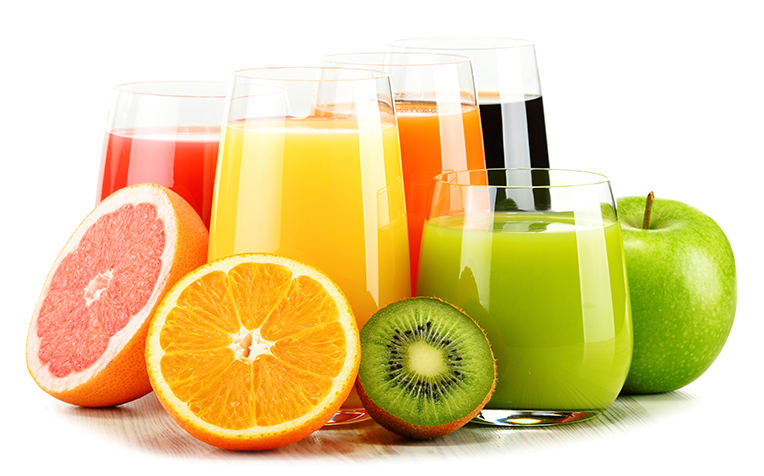
  • Orange Juice: A classic choice, orange juice is high in vitamin C and folate. Opt for freshly squeezed or pasteurized juice to avoid harmful bacteria.
  • Pomegranate Juice: This juice is loaded with antioxidants and may help reduce the risk of complications like gestational diabetes.
  • Apple Juice: A good source of hydration, apple juice is also rich in vitamins A and C. Choose 100% juice with no added sugars.
  • Carrot Juice: Not just a fruit juice, but carrot juice is excellent for its beta-carotene content, which is converted to vitamin A in the body. Vitamin A is important for the baby’s vision and immune function.
  • Beet Juice: Rich in nitrates, beet juice can improve blood circulation and may help manage blood pressure levels.

Safe Preparation and Consumption Tips

While fruit juices are nutritious, pregnant women need to be cautious about their preparation and consumption. Here are some important tips:

  1. Wash Fruits Thoroughly: Always wash fruits under running water to remove dirt and bacteria. This is especially important for fruits you plan to juice.
  2. Choose Pasteurized Juices: Unpasteurized juices can harbor harmful bacteria. Always select pasteurized or shelf-stable juices to ensure safety.
  3. Limit Sugar Intake: While fruit juices contain natural sugars, it’s important to consume them in moderation. Excessive sugar can contribute to weight gain and gestational diabetes.
  4. Watch for Acidity: Some fruit juices, particularly citrus juices, are acidic and can contribute to dental erosion, especially if consumed frequently. Drink acidic juices through a straw to minimize contact with your teeth.
  5. Dilute When Necessary: If you find juices too sweet or acidic, consider diluting them with water or sparkling water. This can help you enjoy the flavor while cutting down on sugar and acidity.

Be Mindful of Caffeine and Alcohol

When considering beverages during pregnancy, avoid juices mixed with alcohol or caffeine. While some drinks might be refreshing, they can pose risks to your baby’s health. Stick to natural fruit juices to ensure you’re providing the best nutrition for your developing baby.

Conclusion

Incorporating healthy fruit juices into your diet during pregnancy can provide essential nutrients, keep you hydrated, and satisfy your cravings. Always prioritize safety by washing fruits, choosing pasteurized juices, and being mindful of sugar and acidity levels. By making informed choices, you can enjoy the refreshing taste of fruit juices while supporting your health and your baby’s development.

Remember, it’s always wise to consult with your healthcare provider before making any significant dietary changes during pregnancy. Cheers to a healthy and happy pregnancy journey!

Thyroid Health: Why Moms Should Stay Informed

Thyroid disorders affect millions of people worldwide, with women being particularly at risk. For moms, juggling daily stressors and responsibilities can make it easy to overlook symptoms that may seem vague or unrelated. However, understanding thyroid health is critical for long-term well-being.

Why Moms Are at Higher Risk

Women, especially moms, are more likely to experience thyroid disorders. Hypothyroidism, which occurs when the thyroid gland underproduces hormones, is most common among women over 60 and those who have recently given birth. Hyperthyroidism, though less common, can also cause significant health issues, especially if left untreated.

Pregnancy and childbirth are crucial periods when thyroid health is especially vital. Postpartum thyroiditis, an inflammation of the thyroid that occurs after childbirth, can lead to either hyperthyroidism or hypothyroidism, and in some cases, a woman may develop a chronic thyroid condition. Untreated thyroid disorders during pregnancy can increase the risk of miscarriage, preeclampsia, and developmental issues for the baby.

Common Thyroid Symptoms

Thyroid issues can often be mistaken for other health conditions because symptoms vary greatly and may seem minor. Moms need to look out for signs like:

  • Fatigue and lack of energy
  • Unexplained weight gain or loss
  • Irregular menstrual cycles
  • Dry skin and brittle hair
  • Difficulty concentrating or memory problems

In the case of hyperthyroidism, symptoms may include rapid heartbeat, anxiety, and weight loss despite an increase in appetite. These can be mistaken for stress-related issues or aging, so it’s essential to consult a healthcare professional if they persist.

Thyroid Cancer: The Growing Concern

Thyroid cancer rates have risen significantly in recent years, with women under 45 at the highest risk. Thankfully, this type of cancer is often highly treatable if detected early. Regular self-checks for lumps in the neck and routine doctor visits can help with early diagnosis.

How to Maintain Good Thyroid Health

The best way to protect against thyroid disorders is through awareness and regular check-ups. Blood tests to check hormone levels are simple and can detect any imbalances early on. Additionally, moms should:

  • Manage stress levels, as chronic stress can affect thyroid function.
  • Ensure they’re getting enough iodine, a crucial nutrient for thyroid health.
  • Be mindful of radiation exposure, especially during dental X-rays.

Moms should also make time for themselves and listen to their bodies. If any unusual symptoms arise, it’s important not to dismiss them but seek medical advice.

Staying informed and proactive about thyroid health can make a world of difference for moms, leading to better overall well-being. Early detection and prevention are key in keeping thyroid disorders in check.

By making thyroid health a priority, moms can continue to take care of themselves and their families with confidence.

The Importance of Prenatal Multivitamins and Minerals

Maintaining a well-balanced diet is vital during pregnancy, but even the healthiest diet can sometimes fall short in delivering all the nutrients required for your baby’s growth. This is where prenatal multivitamins play an essential role, ensuring that both the mother and baby get the critical nutrients they need.

1. Why Take Prenatal Vitamins?

Prenatal multivitamins are designed specifically for pregnant women to fill nutritional gaps in their diet. Even if you maintain a healthy, varied diet, certain nutrients can be hard to obtain in adequate amounts. For instance, women who are vegetarian, vegan, lactose intolerant, or have severe morning sickness often struggle to meet the nutrient requirements for pregnancy.

Taking prenatal vitamins from the moment you find out you’re pregnant (or even earlier if you’re planning to conceive) helps ensure that your body has enough reserves of essential nutrients like folic acid and iron.

2. Key Nutrients in Prenatal Vitamins

There are several key nutrients that every prenatal vitamin should contain. Each one plays a vital role in your pregnancy:

Folic Acid

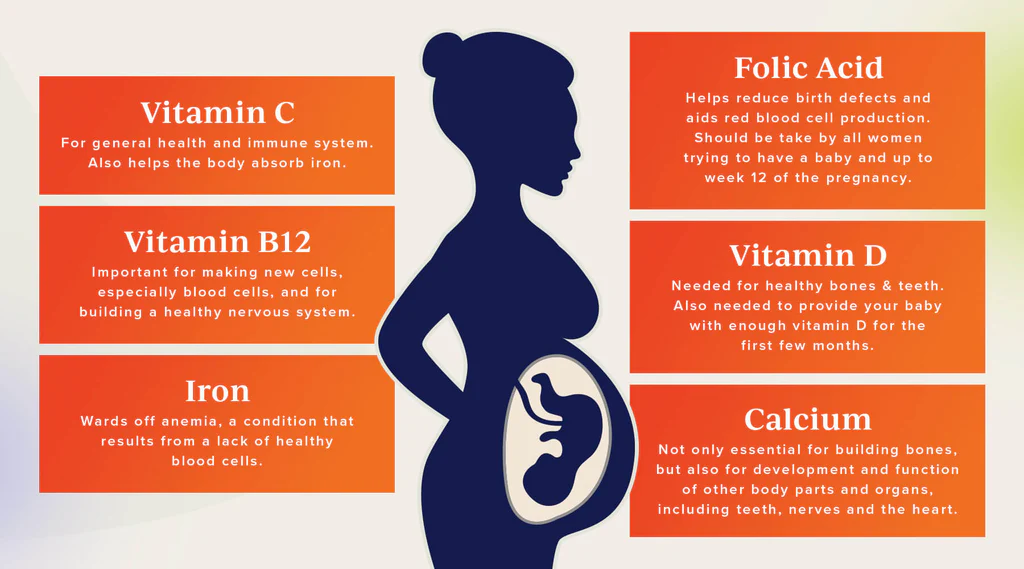
Folic acid is one of the most important components of prenatal vitamins. It helps prevent neural tube defects in your baby, affecting the brain and spinal cord. Expecting mothers need at least 400-600 micrograms of folic acid daily to ensure proper development during the early stages of pregnancy.

Iron

Iron is crucial for producing the extra blood your body needs to carry oxygen to your baby. Pregnant women are more prone to anemia due to increased blood volume, and iron deficiency can cause fatigue or even preterm birth. Prenatal vitamins typically provide around 27-30 milligrams of iron to meet these needs.

Calcium

Calcium is necessary for building strong bones and teeth for your baby. If you don’t get enough calcium from your diet, your body will take it from your bones, which can weaken your own bone health. Most prenatal vitamins provide around 1,000 milligrams of calcium, though supplements may be recommended in some cases.

Omega-3 Fatty Acids

DHA (docosahexaenoic acid) is an omega-3 fatty acid crucial for your baby’s brain and eye development. Not all prenatal vitamins include DHA, so women who do not consume enough fish may need to take an additional omega-3 supplement.

3. Timing and Dosage

Ideally, you should start taking prenatal vitamins before conception. Neural tube development happens within the first month of pregnancy, so having sufficient folic acid is critical. Continue taking prenatal vitamins throughout the pregnancy and even while breastfeeding, as your body continues to need extra nutrients to support your baby’s growth.

4. Troubleshooting Common Side Effects

Prenatal vitamins can cause mild side effects such as nausea, constipation, or an upset stomach. If you experience these, try taking the vitamins with a light snack or before bedtime. Increasing fiber intake and drinking plenty of water can also help relieve constipation. If your symptoms persist, consult your healthcare provider for alternatives, such as a different formula or chewable vitamins.

Conclusion

Prenatal multivitamins and minerals are an essential part of a healthy pregnancy. By ensuring that you receive key nutrients like folic acid, iron, and calcium, these supplements can help support your baby’s development and maintain your health. Always consult your healthcare provider before starting any supplements to ensure they meet your individual needs.

Essential Nutrition for Pregnant Women in the Third Trimester

In the final trimester of pregnancy, your body’s nutritional needs increase as your baby grows rapidly. To support this crucial phase, focusing on certain nutrients becomes vital for both the baby and the mother.

1. Boost Your Protein Intake

Protein is essential for the growth of your baby’s tissues and muscles. During the third trimester, aim to consume 10 grams more protein daily than you did in the earlier trimesters. This supports the rapid development of your baby’s organs. Foods like lean meat, eggs, dairy, and beans are excellent sources.

2. Ensure Adequate Iron Levels

Iron is crucial during pregnancy to support the increased blood volume. By the third trimester, low iron levels can lead to anemia, causing fatigue and complications during delivery. Include iron-rich foods like spinach, fortified cereals, and red meat in your diet. Pairing iron with vitamin C can help increase absorption.

3. Prioritize Calcium for Strong Bones

Your baby’s bones are growing quickly in the third trimester, making calcium intake vital. Dairy products, fortified plant milks, and leafy greens like kale can help ensure you’re meeting the recommended intake. If you’re struggling to get enough calcium, supplements may be necessary, but consult your healthcare provider first.

4. Stay Hydrated

Proper hydration is often overlooked, but it’s essential for maintaining healthy amniotic fluid levels and supporting your increased blood volume. Aim for at least 8-10 glasses of water daily and avoid sugary drinks and excess caffeine. Hydration also helps alleviate common third-trimester issues like swelling and constipation.

5. Calories: Quality Over Quantity

While your calorie needs increase by approximately 300 extra calories per day, focus on nutrient-dense foods rather than empty calories. These can come from an extra serving of fruits, vegetables, or whole grains. Avoid indulging too frequently in processed or sugary foods that don’t provide essential nutrients.

6. Eat Smaller, Frequent Meals

As your baby grows, your stomach may become compressed, making large meals uncomfortable. Opt for smaller, more frequent meals to ease digestion and prevent heartburn. This approach can also help combat common third-trimester nausea and reduce bloating.

Conclusion: Focus on Nutrient-Rich Choices

Your baby’s development is at its peak during the third trimester. By prioritizing nutrient-rich foods and maintaining a balanced diet, you can support your health and prepare for a smoother delivery. Consult your healthcare provider to adjust your diet and supplements as needed for this critical stage.

Pregnancy Diet Restrictions: Foods to Avoid for a Healthy Pregnancy

During pregnancy, maintaining a healthy diet is essential, but knowing which foods to avoid is equally important to protect both mother and baby. Some foods carry risks that could lead to complications. Here are the key diet restrictions to keep in mind.

1. Avoid High-Mercury Fish

While fish provides essential nutrients, certain species like swordfish, shark, and king mackerel contain high levels of mercury, which can harm the baby’s developing nervous system. Opt for low-mercury fish like salmon, shrimp, or canned light tuna, and limit fish intake to 12 ounces per week.

2. Say No to Undercooked or Raw Foods

Raw or undercooked meats, poultry, and eggs can harbor harmful bacteria, increasing the risk of foodborne illnesses like listeriosis, which can lead to miscarriage or stillbirth. Always ensure your meats are well-cooked, and avoid foods like sushi, soft cheeses made from unpasteurized milk, and raw eggs.

3. Alcohol and Caffeine Limitations

Alcohol should be completely avoided during pregnancy as it can lead to fetal alcohol syndrome and other developmental issues. As for caffeine, moderation is key. Limit caffeine intake to 200 mg per day (about one 12 oz coffee), as high levels of caffeine can increase the risk of miscarriage.

4. Avoid Unpasteurized Dairy and Juices

Unpasteurized milk, cheeses, and juices may contain bacteria like listeria and E. coli. Always choose pasteurized versions to prevent any potential infections.

Conclusion: A Balanced and Safe Diet

By steering clear of these foods, you can help ensure a healthy pregnancy. Always consult with your healthcare provider to tailor your diet to your specific needs.

Essential Nutrients for Pregnancy: What You Need to Know

Proper nutrition during pregnancy is vital for both the mother’s health and the baby’s development. Certain nutrients are especially important to ensure a healthy pregnancy and reduce the risk of complications. Below are the top nutrients every pregnant woman should prioritize.

1. Folic Acid: Brain and Organ Development

Folic acid, also known as folate, is crucial for the development of your baby’s brain and spinal cord. It helps in the formation of red blood cells and can prevent neural tube defects. Sources include dark leafy greens, beans, and fortified cereals. Taking a prenatal supplement with folic acid is also recommended.

2. Iron: Preventing Anemia

During pregnancy, a woman’s blood volume increases, requiring more iron to produce hemoglobin. Iron deficiency can lead to anemia, causing fatigue and other complications. Add iron-rich foods like spinach, lean meat, and beans to your diet. Combining iron with vitamin C-rich foods enhances absorption.

3. Calcium: Strengthening Bones and Teeth

Calcium is essential for developing your baby’s bones and teeth. If your diet lacks sufficient calcium, the baby will draw calcium from your bones, putting you at risk for bone loss. Incorporate dairy products like milk and yogurt, or calcium-fortified alternatives if you’re lactose intolerant.

4. Vitamin D: Supporting Immunity and Bone Health

Vitamin D is important for both immune function and bone health. It helps your baby develop strong bones and teeth. Spend some time in the sun, or add vitamin D-rich foods like fatty fish (salmon, tuna) to your meals. Many prenatal vitamins also contain vitamin D.

5. Omega-3 Fatty Acids: Promoting Brain Development

Omega-3s, particularly DHA, are important for your baby’s brain and eye development. Found in fatty fish like salmon, walnuts, and flaxseeds, these healthy fats also support the mother’s cardiovascular health.

Conclusion: Nourish Your Pregnancy for a Healthy Future

Ensuring that your diet is rich in these key nutrients helps promote a healthy pregnancy, reducing risks and supporting your baby’s growth. Consider supplements and consult with your healthcare provider to meet your nutritional needs for a happy, healthy pregnancy.