Is Boarding School the Right Choice for Your Child? A Comprehensive Guide

Introduction: The Decision to Consider Boarding School

The idea of sending your child to boarding school can be daunting. It’s important to understand that boarding schools are no longer just for troubled kids or the elite. They now cater to a variety of academic, social, and personal needs. So, how do you know if it’s the right fit for your child?

1. Types of Boarding Schools

There are various kinds of boarding schools, each with different strengths. For example:

  • Junior Boarding Schools: Ideal for middle-school-aged kids with structured environments.
  • College Prep Schools: Focus on rigorous academics.
  • Alternative Boarding Schools: Offer unique learning styles, including experiential learning.
  • Therapeutic Boarding Schools: Designed for kids with behavioral or emotional challenges.

Choosing the right type requires understanding your child’s specific needs.

2. Boarding Schools Aren’t Just for the Wealthy

A common myth is that only wealthy families can afford boarding schools. However, many offer scholarships, financial aid, and loans to accommodate families from diverse socioeconomic backgrounds. Some Christian boarding schools even start as low as $25,000 per year, with options for therapeutic schools covered by insurance.

3. Academic and Personal Growth Opportunities

Boarding schools offer more than academic rigor—they create a holistic environment where students can thrive both socially and personally. With smaller class sizes and more individualized attention, students are provided with extensive support. Extra-curricular activities are highly valued, contributing to their overall development.

4. Breaking the Stigma: Boarding Schools for All

There’s often a stigma that boarding schools are only for troubled teens. But that’s far from true. Many families opt for boarding schools to give their children more opportunities in academics, arts, or sports. Whether it’s pursuing a specific passion or finding an environment where your child feels more comfortable, boarding schools can be the perfect environment for self-growth.

5. Strengthening the Family Bond

One of the main concerns is how boarding school might affect the family bond. Interestingly, many families find that boarding schools strengthen their connection with their children. The structured environment offers children independence and growth, which can lead to more harmonious relationships at home.

6. Therapeutic Boarding Schools for Special Needs

For families dealing with behavioral, emotional, or psychological issues, therapeutic boarding schools offer 24/7 support. These schools provide clinical therapy integrated with academics, creating a nurturing space for children to heal while progressing academically.

7. Why Hire an Educational Consultant?

Given the number of boarding school options, choosing the right one can feel overwhelming. Educational consultants can help narrow down the options, offering firsthand insights on schools that align with your child’s needs.

Conclusion: Is Boarding School Right for Your Child?

The decision to send your child to boarding school is deeply personal. It depends on your child’s needs, aspirations, and challenges. Whether you seek a more structured learning environment, emotional support, or academic excellence, boarding schools provide unique opportunities for growth and success. Always visit the school to ensure it feels like the right fit for your family.
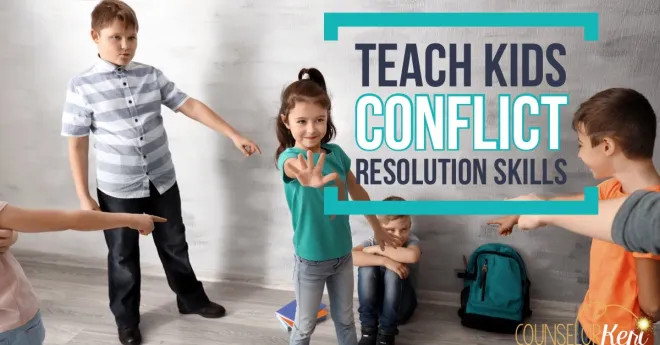

Why Letting Kids Resolve Their Own Conflicts Works

As a parent, it’s natural to want to mediate every argument between your kids. However, sometimes the best approach is to let them work it out on their own. Allowing children to resolve their own disputes teaches them essential life skills like communication, empathy, and problem-solving. This hands-off method can strengthen sibling relationships and give kids the tools they need to handle future challenges independently.

1. Fostering Independence and Problem-Solving

When children learn to navigate conflicts without parental intervention, they gain critical problem-solving skills. They figure out how to communicate their feelings, negotiate, and find solutions. In the real world, they won’t always have someone to mediate every disagreement, so this practice is essential.

2. Building Emotional Intelligence

By letting kids resolve their conflicts, they develop emotional intelligence. They start to understand the perspectives of others, learn to apologize, and manage their emotions in stressful situations. This understanding builds empathy and helps them become more emotionally aware adults.

3. Strengthening Sibling Bonds

Sibling rivalry is common, but working through those disagreements independently can actually bring siblings closer. When children are forced to rely on one another to find a resolution, they strengthen their bond and develop a deeper understanding of each other.

4. Reducing Dependence on Parents

If parents always step in, children might rely too heavily on external intervention. By encouraging them to work things out, they learn self-reliance. This gives them a sense of confidence and agency, knowing they can handle difficult situations without always turning to adults for help.

5. Teaching Conflict Resolution Skills for Life

The skills children learn when resolving their own conflicts are invaluable in all areas of life. These include negotiation, compromise, and the ability to express oneself clearly. These experiences help prepare them for school, work, and adult relationships.

6. Knowing When to Step In

While it’s beneficial to let children resolve their own issues, it’s important to recognize when to intervene. If the conflict becomes harmful or if one child is consistently overpowered, a parent should step in to ensure fairness and safety.

7. Encouraging a Positive Conflict-Resolution Culture

By creating a home environment where children are encouraged to solve their problems constructively, parents can foster a culture of respect and cooperation. This proactive approach to conflict helps kids grow into more thoughtful and independent individuals.

Conclusion: Trusting the Process

Letting children resolve their conflicts may feel difficult for parents at first, but it’s a vital part of helping them grow. It teaches independence, emotional intelligence, and strengthens sibling bonds. While it’s essential to monitor for fairness, allowing space for them to figure it out can lead to remarkable growth in their relationships and individual character.

The Importance of Honesty: Why Parents Should Come Clean About Lice Infestations

Lice infestations are a common childhood concern, but they come with a stigma that can lead to shame and secrecy among parents. The recent rise in lice cases in daycare settings has highlighted the urgent need for parents to communicate openly about lice infestations. Understanding the impact of transparency can not only mitigate the spread of lice but also foster a supportive community among parents.

Understanding Lice Infestations

Lice are tiny parasites that infest the scalp, causing itchiness and discomfort. They are not a reflection of poor hygiene; in fact, anyone can get lice regardless of how clean their hair or environment is. Children are particularly vulnerable due to close physical contact with their peers. However, despite their prevalence, the stigma surrounding lice often leads parents to hide infestations rather than address them openly.

The Consequences of Secrecy

When parents choose to keep a lice infestation secret, they inadvertently put others at risk. As demonstrated in a case where a child returned to daycare after a lice treatment without notifying other parents, this lack of communication can lead to widespread outbreaks. Families may find themselves scrambling to treat their children after unknowingly exposing them to lice. Not only does this cause frustration and stress for parents, but it also disrupts the lives of all those involved.

The Importance of Open Communication

  1. Fostering Community Support
    Being honest about lice can foster a sense of community among parents. When one parent admits their child has lice, it opens the door for others to share their experiences and solutions. This camaraderie can create a supportive network where parents can help each other manage the situation more effectively.
  2. Preventing Further Outbreaks
    Open communication allows parents to be proactive in preventing further outbreaks. By notifying the daycare or school, parents can encourage early inspections and treatments, reducing the chances of spreading lice to other children.
  3. Normalizing the Conversation
    Talking about lice can help normalize the experience, making it less stigmatized. When parents openly discuss lice, it becomes just another aspect of parenting rather than a source of embarrassment. This shift in perception can lead to healthier attitudes around discussing other sensitive topics related to child-rearing.

How to Approach the Conversation

  • Be Direct but Compassionate
    If you find out that your child has lice, notify the daycare or school immediately. Frame your message in a way that emphasizes concern for the community, such as, “I wanted to let you know so that we can all be vigilant and check our kids.”
  • Share Resources
    When informing others, provide information about treatment options and effective ways to prevent the spread of lice. This can be especially helpful for parents who may be inexperienced in dealing with lice.
  • Create a Policy
    Encourage your child’s daycare or school to establish a clear policy regarding lice infestations. A written guideline can help standardize how parents should report cases and what steps should be taken to manage infestations effectively.

Practical Tips for Dealing with Lice

  1. Stay Calm
    Panicking won’t help. Understand that lice infestations are manageable and can be treated effectively with the right approach.
  2. Educate Yourself
    Familiarize yourself with lice and how they spread. Knowledge is key to combating the stigma and ensuring you can help your child without shame.
  3. Inspect Regularly
    Make regular head checks a part of your routine, especially after playdates or school. Early detection can prevent more significant issues down the line.
  4. Use Preventative Measures
    Consider using lice repellents and keeping long hair tied back to reduce the chances of infestation.
  5. Seek Professional Help
    If the infestation is severe, don’t hesitate to seek professional lice removal services that can help you tackle the problem efficiently.

Conclusion

Lice infestations, while annoying, are a common part of childhood. Parents should feel empowered to speak openly about these experiences, promoting a culture of transparency and support within their communities. By doing so, we can work together to mitigate the spread of lice and create a more understanding environment for all families involved. Remember, lice do not define you as a parent, and coming clean is the first step toward resolving the issue.

Proven Tactics to Manage Toddler Temper Tantrums

Temper tantrums can be one of the most challenging phases for parents. However, understanding what triggers these outbursts and how to manage them effectively can make a big difference. Here’s how you can keep your cool and help your child through their emotional moments.

1. Stay Calm and Collected

The first step to managing any tantrum is to stay calm. Your emotional state greatly influences your child’s behavior, so deep breathing and patience are crucial.

2. Redirect Their Attention

When tantrums strike, redirecting your child’s attention can work wonders. Introduce a toy, game, or book that they enjoy, or offer a snack if they’re hungry. This helps break the cycle of frustration.

3. Give Your Child Control

Tantrums often stem from frustration over a lack of control. Offer simple choices like, “Do you want to play with the red car or the blue car?” This empowers your child and makes them feel in control of the situation.

4. Avoid Raising Your Voice

It’s tempting to out-shout your child during a tantrum, but this can escalate the situation. Keep your voice firm but calm, which helps de-escalate the outburst without causing more stress.

5. Monitor Triggers

Track when and where tantrums happen. For example, if your child gets irritable after meals, consider whether they’re overtired or affected by certain foods. Understanding these triggers can help prevent future meltdowns.

6. Set Clear Limits

Setting clear boundaries is essential for curbing tantrums. Give your child a countdown to prepare them for changes, such as the end of playtime. Clear expectations and consistency help children adjust better.

7. Preventive Measures

Before heading out for errands or social activities, make sure your child is well-fed and rested. Keep snacks, toys, and distractions handy to prevent tantrum triggers like hunger or boredom.

8. Be Consistent

Consistency is key in managing behavior. If you handle tantrums the same way every time, your child will learn what to expect and adjust accordingly. Maintain the same rules at home and in public to reinforce these behaviors.

9. Teach Comfort Through Play

Sometimes, role-playing can help your child become more comfortable with situations that usually cause tantrums. For example, use a toy doctor kit to prepare them for real appointments, reducing anxiety.

10. Reward Positive Behavior

Praise and rewards for good behavior reinforce positive actions. Help your child understand the benefits of behaving well by acknowledging their efforts and offering small rewards for staying calm.

By using these techniques, parents can navigate the tantrum phase with more ease, helping both themselves and their toddlers grow through these challenging moments.

Is Modern Parenting Harming Children's Development?

Is Modern Parenting Affecting Child Development?

In today’s fast-paced world, modern parenting methods are under scrutiny. With the rise of practices like sleep training, formula feeding, and less physical contact, concerns have emerged about how these may impact children’s emotional and cognitive development. This blog explores various expert insights on balancing traditional parenting styles with the demands of modern life.

1. What is Modern Parenting?

Modern parenting often refers to new-age methods like sleep training, independent play, and more reliance on gadgets. These differ from past practices that emphasized close physical contact and constant care.

2. Emotional Impact on Children

Psychologists argue that practices like sleep training and limited physical interaction can affect a child’s emotional development. Babies thrive on touch, quick responses to their cries, and shared caregiving from multiple adults. It’s believed these factors can lead to better emotional regulation and empathy.

3. Brain Development Concerns

Some researchers suggest that modern parenting techniques may interfere with a child’s brain development. According to studies, close bonding activities, such as breastfeeding and co-sleeping, positively affect brain growth and long-term emotional health. However, the extent of harm from modern approaches is still debated.

4. Expert Opinions

While some experts stress that modern parenting can negatively affect development, others argue that the real issue is not these methods but parental guilt. Children’s personalities are shaped by a combination of genetic factors and the environment. It’s essential to focus on the quality of time spent with the child rather than obsess over particular techniques.

5. Balancing Modern and Traditional Parenting

Instead of over-analyzing every decision, parents should aim to foster a warm relationship with their child. Activities like cuddling, playing together, and spending time outdoors can nurture a child’s emotional and cognitive growth, without the need for strict adherence to traditional or modern practices.

6. Practical Tips for Parents

  • Prioritize positive touch: Hugs, tickles, and physical closeness strengthen emotional bonds.
  • Be mindful of your child’s emotional needs: Quick responses to cries build trust.
  • Spend quality time: Engage in play or creative activities, even for a few minutes daily.
  • Focus on communication: Make an effort to listen and respond to your child, showing that their signals are heard and understood.

Conclusion

Parenting is not about perfection but connection. By balancing modern practices with time-tested nurturing techniques, parents can provide the emotional support children need without the pressure of conforming to any particular style.

This approach helps ease parental guilt, emphasizing that parenting success comes from love and connection, not from strictly adhering to one method over another.

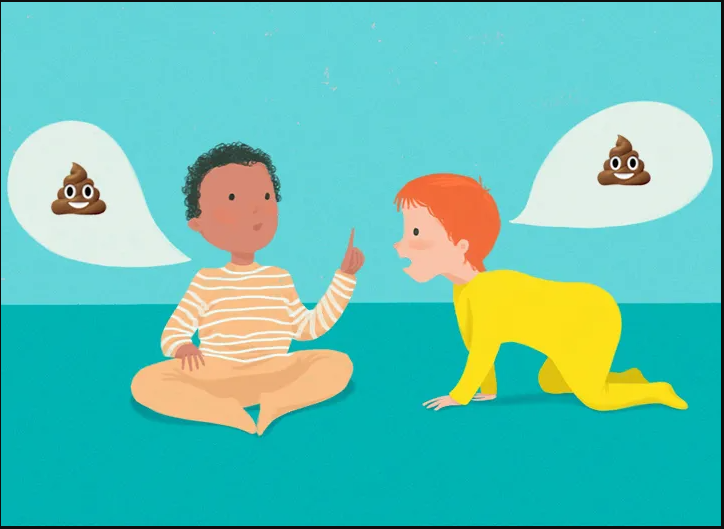
How to Handle Potty Talk with Toddlers: Setting Boundaries with Humor

Managing Potty Talk in Toddlers: Practical Tips for Parents

Potty talk is a common phase for toddlers, often triggering giggles and embarrassment. But how do parents handle it without stifling humor or setting inappropriate limits? Here’s a guide to navigating this tricky territory.

1. Understand That Potty Talk Is Normal

It’s completely natural for toddlers to find words like “pee” and “poop” hilarious. This phase stems from their growing understanding of their bodies and boundaries. Recognizing this normalcy can help reduce parental frustration.

2. Set Clear Boundaries Early On

While potty talk is normal, setting limits is important. For example, you might decide it’s acceptable at home but not in public spaces like school. Define these boundaries early to ensure clarity.

3. Use Redirection Techniques

When your toddler indulges in excessive potty talk, gently redirect them to another topic. Offer funny alternatives or ask them to play a game, steering their attention away from bathroom humor.

4. Don’t Make Potty Words Taboo

Prohibiting potty talk completely may intensify its appeal. Instead, treat it lightly and explain that there’s a time and place for everything. You can say, “Potty words are for the bathroom.”

5. Teach Respectful Language

Emphasize that while bathroom humor might be fun at times, words can also hurt. Help your child understand the impact of their language on others. Words should always be kind and respectful, even when they’re meant to be funny.

6. Balance Humor and Discipline

It’s okay to laugh sometimes. Potty talk can be amusing, even for adults! Laugh with your child occasionally, but maintain a respectful balance. This helps ensure they understand that humor has its place.

7. Be Mindful of Other Families’ Rules

Every household has different views on what’s acceptable. Teach your toddler that potty talk at home might not be allowed in school or friends’ houses. This fosters respect for different rules.

8. Prioritize Positive Parent-Child Relationships

At the end of the day, fostering a warm, positive relationship with your child is key. Use potty talk episodes as opportunities to bond, communicate, and laugh while still guiding them towards respectful behavior.

Conclusion

Potty talk is a phase that almost all toddlers go through. By setting appropriate boundaries, using humor to your advantage, and teaching respect, you can help your child navigate this developmental milestone. Keep the focus on maintaining a positive relationship, and this phase will eventually pass!

This guide balances humor with boundaries to help parents manage potty talk in a loving and constructive way, making the experience less frustrating and more enjoyable.

How to Prevent Birth Defects: A Comprehensive Guide

Birth defects affect about 1 in 33 babies, making it essential for expectant parents to understand ways to reduce risks. While not all defects can be avoided, many preventive measures are within reach. Here’s a guide to ensuring a healthy pregnancy and minimizing the chances of birth defects.

1. Importance of Prenatal Vitamins

Folic acid is a crucial B-vitamin that helps in early fetal development, particularly in preventing brain and spinal cord defects. Pregnant women and those trying to conceive should take 400 micrograms of folic acid daily, either through prenatal vitamins or enriched foods like cereals and leafy greens.

2. A Healthy Lifestyle Matters

Certain lifestyle choices, like avoiding alcohol, tobacco, and recreational drugs, can greatly reduce the risk of birth defects. Alcohol, in particular, is linked to Fetal Alcohol Spectrum Disorders (FASDs), which affect physical and cognitive development.

3. Monitor Existing Health Conditions

Chronic conditions such as diabetes and obesity can increase the likelihood of birth defects, particularly heart malformations. Women with these conditions should work with their healthcare provider to manage their health before and during pregnancy. Similarly, make sure that any medications you are taking are safe for pregnancy.

4. Stay Up to Date on Vaccinations

Preventing infections like rubella or chickenpox before and during pregnancy is vital for avoiding complications. Talk to your doctor about getting vaccinated before conceiving to protect both you and your baby.

5. Avoid Harmful Substances and Infections

Limit exposure to harmful substances such as pesticides, chemicals, and even certain household cleaning products. Additionally, avoid raw or undercooked meats, unpasteurized milk, and other foods that could carry harmful bacteria, which can lead to infections and birth defects.

6. Genetic Screening and Testing

For couples with a family history of genetic disorders, genetic counseling and screening can help assess the risks. This can include tests for conditions like sickle-cell anemia or cystic fibrosis, allowing for close monitoring during pregnancy if necessary.

7. Regular Prenatal Care

Routine prenatal checkups are essential for identifying potential risks early. Blood tests, ultrasounds, and the Newborn Screening Test can catch many birth defects right away, ensuring that treatment or preventive steps are taken immediately.

Conclusion

While some birth defects may be unavoidable, adopting a healthy lifestyle, taking preventive measures like folic acid supplementation, and working closely with healthcare providers can greatly reduce the risks. Prioritize your well-being during pregnancy for a healthier, safer experience for both you and your baby. By following these guidelines, you can take an active role in ensuring your baby’s development starts on the best possible foot.

Spring Fashion Trends for Tween Boys: A Fresh Wardrobe Guide

Ultimate Guide to Tween Boys’ Spring Fashion Trends

Introduction: Spring is the perfect time to refresh your tween boy’s wardrobe. With a mix of bold colors, classic pieces, and sporty elements, this season’s trends offer something for every style preference. Whether your son loves keeping it casual or embracing a sporty look, there’s a lot to explore.

1. Go Back to Basics

Basics like jeans, tees, and sweaters never go out of style. For tween boys, pairing classic jeans with a simple tee or hoodie creates a timeless yet cool look. Look for versatile pieces that can be mixed and matched effortlessly. Denim continues to be a staple, but adding unique cuts like slim or straight jeans in various washes keeps things updated.

2. Get Sporty

For boys who are always on the go, sporty styles are not just practical but trendy. Athletic pants, windbreakers, and lightweight jackets are perfect for outdoor activities. Invest in breathable, easy-to-wear pieces that allow movement without compromising style. The athleisure trend blends comfort with fashion, making it ideal for spring outings or casual school days.

3. Bold Colors and Prints

Don’t shy away from vibrant hues this spring. Bright yellows, electric blues, and even purples can bring a fresh vibe to your son’s wardrobe. If he’s not into wearing full-color outfits, you can incorporate pops of color in accessories like sneakers or backpacks. This allows for subtle experimentation with trendier shades while keeping the look fun.

4. Accessorize for Extra Style

Accessories can elevate any outfit, and for tween boys, practical yet stylish items like cool sunglasses, watches, or hats can complete the look. Trendy backpacks with tech features or personalized phone cases are also popular. Investing in quality accessories ensures they’ll last throughout the year.

5. Layer It Up

Layering is key in unpredictable spring weather. Look for light layers that can be added or removed easily, like button-down shirts over tees or zip-up hoodies under a jacket. Experimenting with layering can also add depth and texture to an otherwise simple outfit.

6. Comfort Above All

While trends are fun, comfort is king for tween boys. It’s important to consider what your child feels comfortable in. Whether it’s soft fabrics or loose-fitting clothes, choose pieces that allow them to move freely and feel confident in their skin.

Conclusion:

Spring fashion for tween boys is all about balancing style, comfort, and individuality. By focusing on basics, adding sporty elements, and playing with color and accessories, you can help your son create a fresh and functional wardrobe. Encourage him to try new trends while staying true to his personal style.

Is College Really Worth It? A Post-Graduation Reflection

Choosing to attend college is a major life decision. With rising costs and shifting job markets, many students and their families are left wondering: Is college truly worth it? The answer often lies beyond academics.

The Academic Foundation

One undeniable advantage of college is the knowledge it imparts. From specialized subjects like Mandarin or organic chemistry to reading ancient Greek poetry, the education students receive in college provides a strong academic foundation that high school can’t offer.

Learning Independence

One of the first major milestones students encounter when attending college is learning how to manage life independently. Whether it’s making their own schedules, deciding on extracurriculars, or even just learning to wake up without a parental alarm clock, these moments of independence shape them.

Developing Life Skills

Practical skills such as budgeting, time management, and even doing laundry are part of the college experience. Living in dorms or shared housing teaches students how to navigate social complexities, whether it’s coping with difficult roommates or balancing friendships with academic responsibilities.

Building a Network

Perhaps one of the most valuable yet often overlooked aspects of college is the network it helps students build. From peers to professors, the connections made during these years can open doors to future career opportunities and personal growth.

The Emotional Journey

Leaving home for college is an emotional experience that tests relationships with family and friends. It often teaches students how to stay connected while embracing the changes that come with personal growth and independence.

Post-Graduation Perspective

Once the cap is tossed and the diploma is in hand, students may ask themselves if it was all worth it. For many, the true value of college comes from the life experiences they gained, not just the academic knowledge. From learning how to live on their own to making major life decisions, college prepares students for the “real world.”

Conclusion

So, is college worth it? The answer isn’t black and white. While the financial costs are high, the personal and emotional growth, skills development, and lifelong connections often make it a worthwhile investment. College offers far more than just a degree—it’s a launching pad for a life of independence and fulfillment.

By examining both the tangible and intangible benefits of college, the answer to whether it’s worth it depends on how well students can translate their experiences into personal growth and future success.