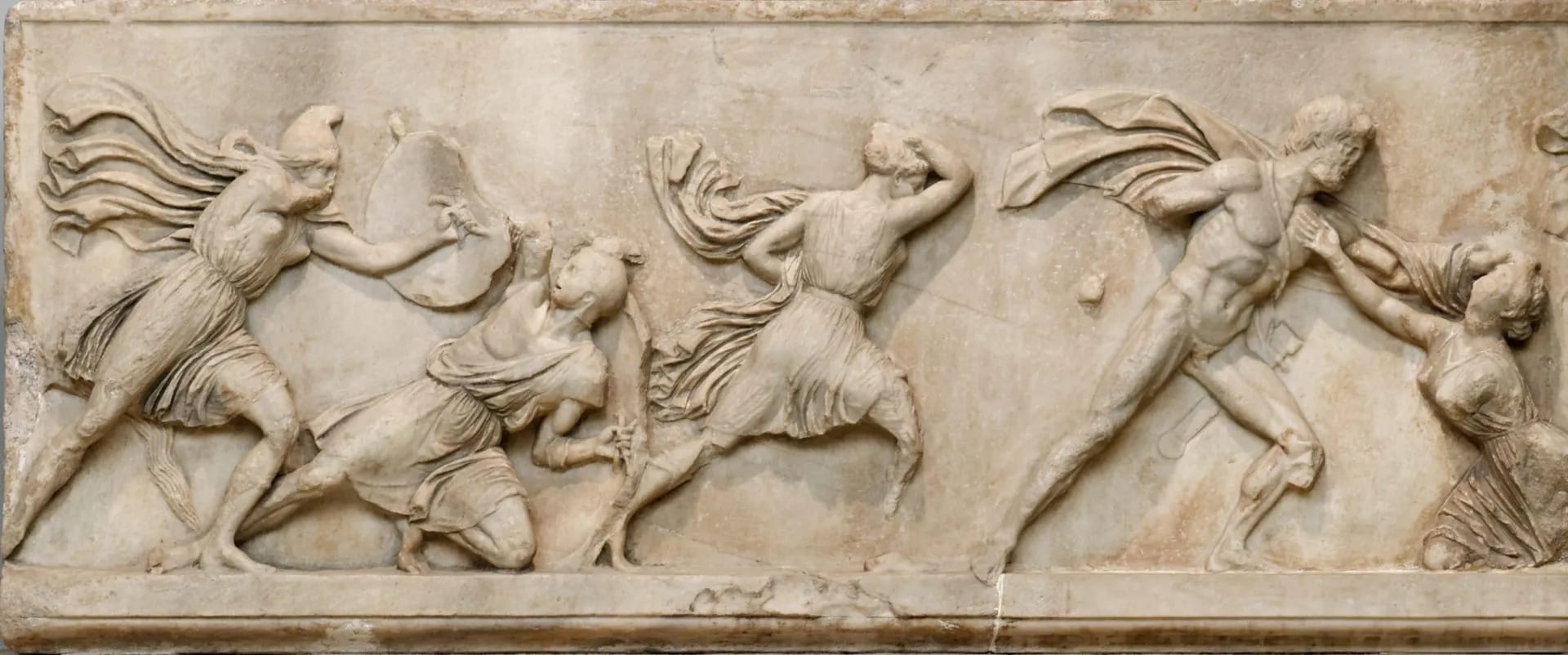
Why Women Should Not Fight in Wars: A Thoughtful Perspective

Introduction

In modern discussions about gender equality, one heated debate is whether women should fight in wars. While equality is vital, placing women in combat roles isn’t necessary to prove their strength. This blog delves into why women’s contributions in wartime don’t require them to be on the front lines.

The Role of Women in History

Historically, women have contributed to wars in meaningful ways, from espionage to nursing. These roles, often unseen, have been crucial to many victories. Women possess unique skills, including emotional intelligence and intuition, that can shape strategic decisions.

1. Women’s Unique Strengths Beyond Combat

Women don’t need to physically fight to show strength. Roles in intelligence, diplomacy, or strategy are better suited to their skills. Women’s ability to multitask, organize, and mediate gives them an edge in leading teams without carrying weapons.

2. The Psychological Toll of Combat

Combat is brutal, both physically and mentally. Women, often the emotional anchors in society, play a crucial role in healing communities and families. Sending women to the front lines exposes them to unnecessary trauma, impacting the emotional well-being of families and future generations.

3. Cultural Norms and Protection of Life

Across cultures, women are often viewed as nurturers, the givers of life. This societal role conflicts with the concept of war, which is inherently destructive. Expecting women to engage in combat diminishes the value of the nurturing force they bring to the world.

Alternative Contributions to War Efforts

Women can still lead the charge, just in different arenas:

  • Intelligence Gathering: Women’s intuition and attention to detail make them excellent spies or intelligence officers.
  • Diplomatic Roles: Negotiation and conflict resolution are fields where women shine, helping prevent wars before they start.
  • Healthcare and Psychological Support: From nursing to psychological support for soldiers, women can provide care that is vital during and after conflicts.

Conclusion

Equality doesn’t mean sameness. Women have always been warriors, but in ways that don’t involve weapons. Their strength lies in intellect, empathy, and resilience. These are traits the world desperately needs, not more combatants on the battlefield. By redefining what it means to “fight,” we can embrace women’s unique contributions to peace and progress.
Expressing Love in Different Languages: A Universal Emotion

Introduction

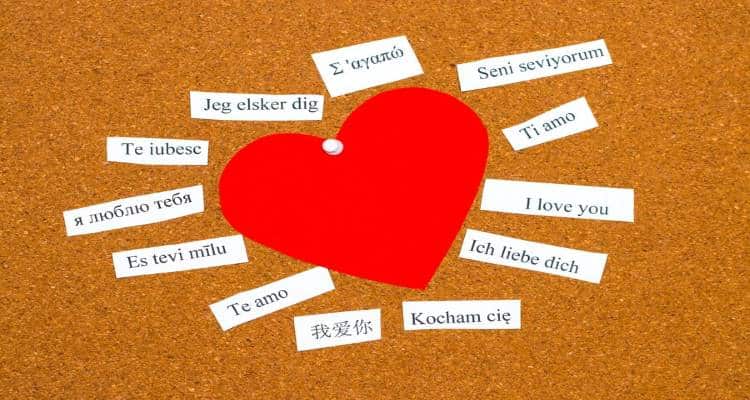
Love is a powerful emotion that transcends cultures, traditions, and languages. Whether you’re saying “Te Amo” in Spanish or “Je t’aime” in French, the sentiment remains the same — love connects us all. But how do different cultures express this emotion? Let’s take a journey through various languages to see how love is universally communicated.

The Importance of Language in Expressing Love

Language isn’t just a tool for communication; it’s also a reflection of how we feel and perceive the world around us. When it comes to love, every culture has its unique ways of expressing this beautiful emotion. Each phrase holds cultural significance, history, and a sense of belonging. Understanding how love is expressed in other languages deepens our appreciation for diversity and unity at the same time.

1. French: Je t’aime

France is often considered the city of love, and their language reflects that romantic aura. “Je t’aime” means “I love you” in French, and it’s a phrase you’ll hear often, whether in the streets of Paris or whispered between lovers.

2. Spanish: Te Amo / Te Quiero

In Spanish, love can be expressed in two ways: “Te Amo,” which is used in a deep, romantic context, and “Te Quiero,” a more casual, affectionate phrase that could also mean “I care about you.” This distinction showcases how the Spanish language offers various ways to convey the depth of emotions.

3. German: Ich liebe dich

German might sound a bit formal to the untrained ear, but “Ich liebe dich” is filled with sincerity and warmth. Germany’s rich cultural heritage is mirrored in this direct yet heartfelt expression of love.

4. Italian: Ti Amo

Known for its passionate and lyrical nature, Italian is a language that makes every word sound like a song. “Ti Amo” is the romantic phrase for expressing love, often accompanied by grand gestures and beautiful settings, reinforcing Italy’s status as one of the most romantic countries in the world.

5. Hindi: Main Tumse Pyaar Karta Hoon

In Hindi, the expression “Main Tumse Pyaar Karta Hoon” is used to convey love. Hindi, being one of the most widely spoken languages, uses this phrase in countless love stories, songs, and poems, reflecting deep-rooted cultural values.

The Impact of Love Across Cultures

Though the words may differ, the essence of love remains the same. It’s a reminder that, no matter where you are in the world, love is a shared experience. Whether you’re in Europe, Asia, or South America, expressing love in a foreign language can bring people closer, break down barriers, and create lasting bonds.

Conclusion

Love is an emotion that unites us all, no matter the language. By learning how to say “I love you” in different languages, we celebrate not only love itself but the diversity of human expression. Whether you’re whispering “Te Amo” or “Ich liebe dich,” remember that love speaks louder than words.

Empowering Women in Combat: The Call for Equality

Introduction: Breaking Barriers for Women in the Military

In recent years, there has been a significant shift in the perception of women’s roles in various sectors, particularly in the military. With the lifting of the ban on women serving in combat, a long-overdue recognition of women’s capabilities has finally taken root. This change not only reflects progress in gender equality but also acknowledges the undeniable courage and resilience that women bring to the table.

The Decision That Changed Everything

On January 23, 2013, Defense Secretary Leon Panetta made a pivotal decision to lift the ban on women in combat roles. This marked a watershed moment in military history, signifying a new era where women can serve alongside men on the front lines. The essence of this decision resonates beyond just military protocols; it speaks volumes about societal change and the relentless push for equality.

The Gender Divide: Overcoming Stereotypes

Despite advancements, gender stereotypes persist. Many people still harbor doubts about a woman’s ability to perform in traditionally male-dominated fields. As a child, I overheard my parents express concerns about women in roles like firefighting or combat. The sentiment was clear: there was an ingrained belief that women might not be good enough.

Yet, history has repeatedly shown us that capability does not hinge on gender. Women have proven their mettle in countless scenarios, from the battlefield to the boardroom. The objections to women serving in combat often stem from outdated stereotypes, rather than any legitimate concerns about ability or performance.

The Reality of Combat: A Shared Experience

One common argument against women in combat roles is the fear of increased vulnerability. Critics often cite concerns about sexual assault and the safety of female soldiers. However, the reality is sobering; women in the military have faced threats of assault, not just from the enemy, but within their ranks.

The courage of women who choose to serve should not be undermined by these fears. Like my brother, who was determined to serve and protect, many women are driven by a strong sense of duty to their country. They understand the risks and still choose to fight for freedom and justice.

Global Perspectives: Learning from Other Nations

Countries like Israel have set a precedent for integrating women into combat roles. Their military, renowned for its effectiveness, has long recognized that gender should not dictate capability. The Israeli experience demonstrates that when women are allowed to serve equally, the entire military benefits.

As the nature of warfare evolves, the idea of a “front line” is becoming more ambiguous. Women have already been fighting and sacrificing their lives alongside men. Their contributions cannot be overlooked or undervalued.

Hope for Future Generations

As a mother, I envision a world where my daughter will have the same opportunities as her male counterparts. The lifting of the combat ban is not merely a policy change; it signifies a broader movement towards gender equality. It represents hope that she, too, can pursue her dreams, regardless of the field, including the military.

While I may feel a mix of pride and fear about the possibility of her serving in combat, what truly matters is that she knows she is created equal, with the same rights and responsibilities as anyone else.

Conclusion: Championing Equality in All Fields

The decision to allow women in combat is just the beginning of a larger journey towards equality. As society continues to confront and dismantle outdated gender norms, we must support and empower women in all fields, including the military.

The fight for equality is not merely about the roles women take but about recognizing their inherent capability and courage. Together, we can pave the way for future generations, ensuring that every individual, regardless of gender, has the opportunity to serve, protect, and lead.