
 By Frank Lucasale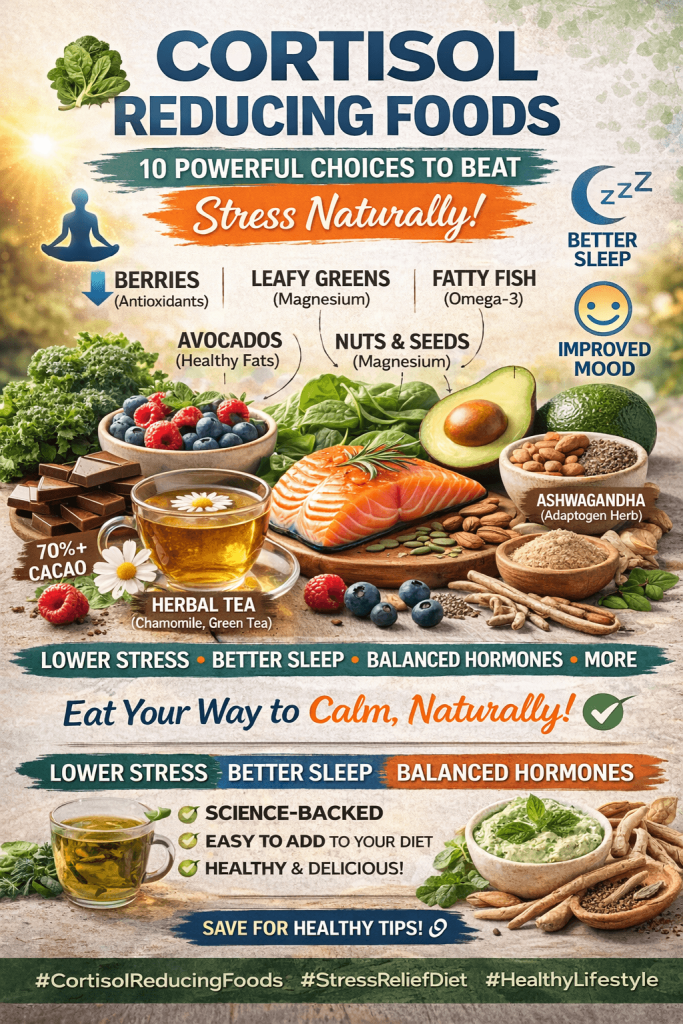
Introduction: Why Cortisol Reducing Foods Matter
If you often feel tired, anxious, or notice stubborn belly fat, your cortisol levels may be elevated. Cortisol is your body’s primary stress hormone, and while it helps you respond to challenges, too much of it can harm your health over time.
This is where cortisol reducing foods come into play. By choosing the right foods, you can naturally balance your hormones, improve sleep, and feel more in control of your energy. The best part is that small dietary changes can make a noticeable difference within weeks.
What is Cortisol and How It Affects Your Body
Cortisol is released when your body experiences stress, whether physical or emotional. It plays a role in metabolism, immune response, and energy regulation. However, chronic stress leads to consistently high cortisol levels, which disrupt normal body functions.
High cortisol can result in weight gain, especially around the abdomen, poor sleep quality, and increased cravings for sugar. Over time, it may also weaken immunity and affect mental clarity. Managing cortisol through diet is one of the most natural and effective strategies available.
Top 10 Cortisol Reducing Foods You Should Include Daily
Leafy Greens (Spinach, Kale)
Leafy greens are rich in magnesium, a mineral known to calm the nervous system. They help reduce stress responses and support muscle relaxation. Including them in your daily meals can significantly improve your overall stress tolerance.
Adding spinach to smoothies or sautéing kale with garlic are simple ways to include these foods without changing your routine too much.
Fatty Fish (Salmon, Sardines)
Fatty fish are high in omega-3 fatty acids, which are known to reduce inflammation and lower cortisol levels. They also support brain health, improving mood and focus during stressful situations.
Consuming fatty fish twice a week can help stabilize hormones and provide long-term stress relief benefits.
Avocados
Avocados are packed with healthy fats and potassium, both of which help regulate blood pressure and reduce stress hormones. They also keep you full for longer, preventing blood sugar spikes that can increase cortisol.
You can add avocado to salads, toast, or even smoothies for a creamy and nutritious boost.
Berries
Berries such as blueberries and strawberries are rich in antioxidants that fight oxidative stress in the body. These antioxidants help protect your cells from damage caused by high cortisol levels.
Including a handful of berries as a snack or in breakfast bowls is an easy way to support your body’s stress response.
Nuts and Seeds
Almonds, walnuts, and chia seeds are excellent sources of magnesium and healthy fats. These nutrients work together to stabilize mood and reduce stress levels.
A small portion of mixed nuts as a daily snack can prevent energy crashes and support consistent cortisol control.
Dark Chocolate
Dark chocolate with high cocoa content contains compounds that help lower stress hormones. It also boosts serotonin levels, improving mood and reducing anxiety.
Consuming a small piece daily can satisfy cravings while contributing to better emotional balance.
Herbal Teas (Chamomile, Green Tea)
Herbal teas contain calming compounds that promote relaxation and better sleep. Green tea also includes L-theanine, which helps reduce stress without causing drowsiness.
Replacing caffeinated beverages with herbal teas in the evening can significantly improve sleep quality.
Yogurt and Probiotics
Your gut health is directly linked to your mental health. Probiotic-rich foods like yogurt help maintain a healthy gut microbiome, which plays a role in regulating cortisol levels.
Including yogurt in your diet can improve digestion and support emotional stability.
Bananas
Bananas are rich in vitamin B6 and natural sugars that help regulate mood and energy levels. They provide quick energy without causing a spike in blood sugar.
They are an ideal snack option for managing stress during busy days.
Ashwagandha
Ashwagandha is a natural adaptogen that helps the body cope with stress. It has been widely studied for its ability to lower cortisol levels and improve resilience.
It can be consumed as a supplement or added to warm drinks for a calming effect.
Nutrients That Help in Cortisol Reduction
| Nutrient | Food Sources | Benefit |
|---|---|---|
| Magnesium | Spinach, almonds | Calms the nervous system |
| Omega-3 | Salmon, chia seeds | Reduces inflammation |
| Probiotics | Yogurt | Supports gut-brain connection |
| Antioxidants | Berries, dark chocolate | Protects against stress damage |
These nutrients work together to create a balanced internal environment, making cortisol management easier and more sustainable.
How to Build a Cortisol-Reducing Diet
Creating a cortisol-friendly diet does not require strict rules. It is about balance and consistency rather than perfection.
Start your day with a nutrient-rich breakfast that includes protein, healthy fats, and fiber. For lunch and dinner, aim for a balanced plate with vegetables, protein, and whole grains. Snacks should include nuts, fruits, or yogurt to maintain stable energy levels.
Consistency in meal timing also plays a role. Eating at regular intervals prevents blood sugar fluctuations, which can trigger cortisol spikes.
Foods That Increase Cortisol Levels
Certain foods can worsen stress and should be limited if you are focusing on cortisol reduction. These include processed foods, sugary snacks, and excessive caffeine.
Highly refined carbohydrates can cause rapid spikes and crashes in blood sugar, leading to increased cortisol production. Alcohol and energy drinks can also disrupt sleep and hormonal balance.
Reducing these foods gradually can have a noticeable impact on your stress levels and overall health.
Practical Tips to Enhance Cortisol Reduction
In addition to diet, lifestyle habits play a crucial role in managing cortisol levels. Simple practices can amplify the benefits of cortisol reducing foods.
- Get 7–8 hours of quality sleep every night
- Engage in light physical activity such as walking or yoga
- Practice deep breathing or meditation for a few minutes daily
- Spend time in natural sunlight
These habits work together with your diet to create a strong foundation for stress management.
FAQs on Cortisol Reducing Foods
What are the best cortisol reducing foods for daily use?
Leafy greens, nuts, berries, and herbal teas are some of the easiest and most effective options for daily consumption.
Can cortisol reducing foods help with weight loss?
Yes, lowering cortisol levels can reduce stress-related weight gain, especially around the abdominal area.
How quickly do cortisol levels improve with diet?
You may start noticing improvements in energy and mood within one to two weeks of consistent dietary changes.
Is coffee bad for cortisol levels?
Excessive coffee intake can increase cortisol, especially when consumed on an empty stomach.
Do I need supplements for cortisol reduction?
Not necessarily. A balanced diet rich in natural cortisol reducing foods is often sufficient for most people.
Conclusion: Small Changes, Big Impact
Managing stress does not require extreme measures. By including cortisol reducing foods in your daily routine, you can naturally support your body’s balance and improve overall well-being.
Start with simple changes such as adding leafy greens, choosing healthier snacks, and staying consistent with your meals. Over time, these small steps can lead to better energy, improved mood, and long-term health benefits.
Take control of your stress today by making smarter food choices.