 By Frank Lucasale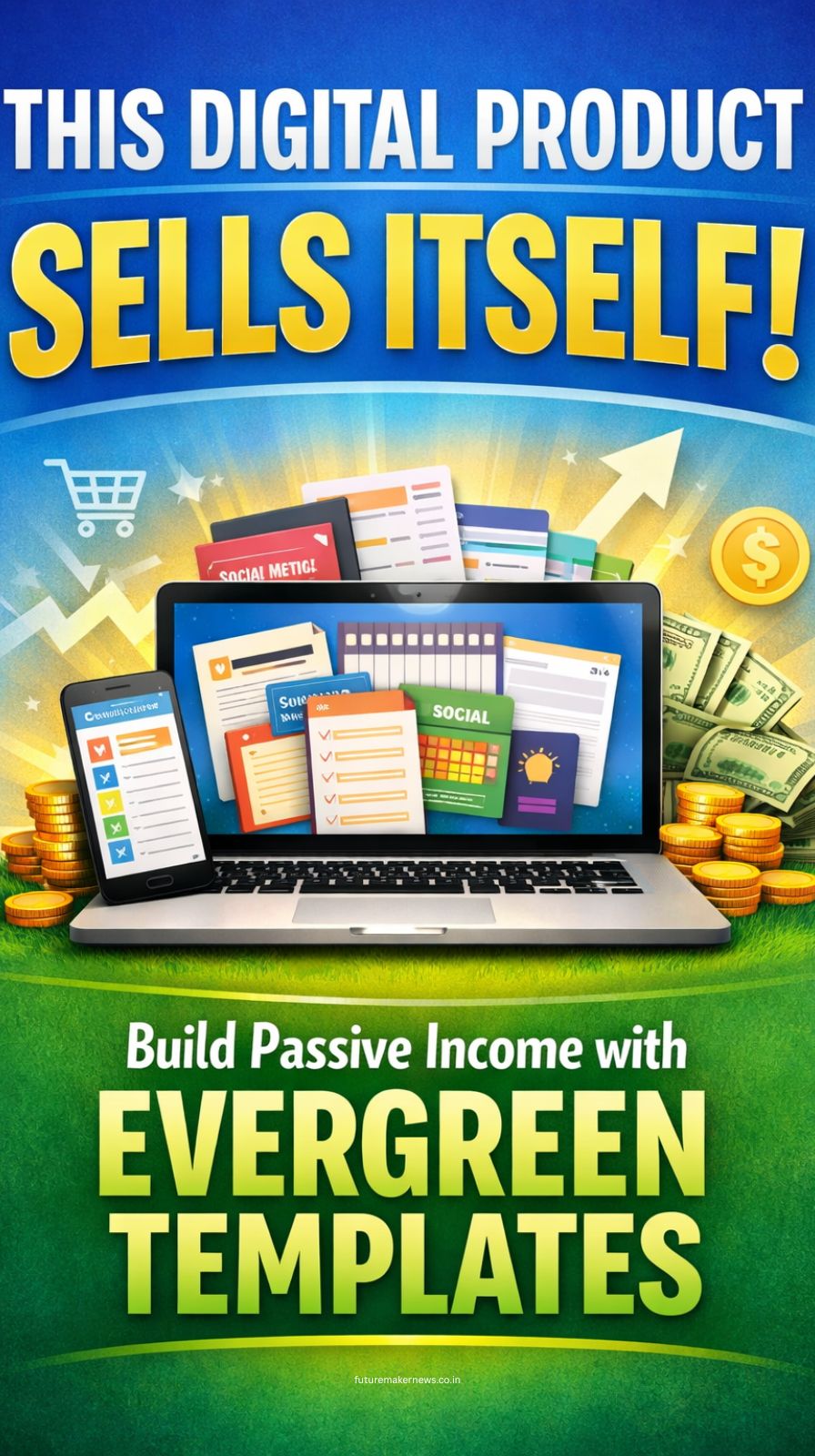
The gold rush of the digital age isn’t found in viral fame or crypto speculation—it’s found in utility. While most people are trying to become the next big influencer, a quiet group of creators is building massive wealth by selling things that solve boring, everyday problems. We are talking about the “quiet winners” who master the art of the digital product.
The secret to a product that “sells itself” isn’t fancy marketing. It’s about creating evergreen templates, budgeting sheets, and problem-solving products that address a specific pain point. When you provide a shortcut to a result, people don’t just buy; they thank you for the opportunity to pay.
The Psychology of the “Self-Selling” Product

Why do some products require a high-pressure sales pitch while others fly off the digital shelves? The difference is intrinsic value. A product sells itself when the user realizes that the time saved is worth significantly more than the price tag.
- The Time-Money Trade-off: Humans will always choose the path of least resistance. If your digital download saves someone five hours of work, they will gladly pay $27 for it.
- The Decision Gap: A great product closes the gap between “I want to do this” and “It is done.”
- Low Friction: When a product is digital, the gratification is instant. No shipping, no waiting, just immediate relief.
To make money online sustainably, you must move away from “one-off” trends and toward evergreen digital assets.
The Power of Evergreen Templates

An evergreen template is a product that remains relevant year after year. It isn’t tied to a specific news cycle or a fleeting social media trend. It is a tool that people will need today, tomorrow, and three years from now.
Why Templates are the Ultimate Scalable Product
- Build Once, Sell Forever: You invest the effort upfront, and the marginal cost of selling the 1,000th unit is zero.
- High Perceived Value: A well-designed Canva template or Notion dashboard looks professional and expensive, even if it’s affordable.
- Customizability: Users love templates because they can tweak them to fit their personal brand, making the product feel bespoke.
Top-Selling Template Categories
- Social Media Kits: Instagram aesthetic layouts or LinkedIn carousel frames.
- Business Operations: Brand identity guidelines, client onboarding questionnaires, and service agreements.
- Resume & Career: Modern, ATS-friendly CV templates that help job seekers stand out.
By focusing on templates, you aren’t just selling a file; you are selling a “professional transformation.”
Budgeting Sheets: The Mathematics of Peace of Mind

Financial stress is a universal human experience. This is why budgeting sheets and financial planners are some of the most consistent best-sellers in the digital marketplace. When people feel out of control, they look for a system.
- Excel and Google Sheets Wizards: You don’t need to be a coder. A highly functional, automated Google Sheets budget tracker is a high-value asset.
- Specific Use Cases: Don’t just make a “budget.” Make a “Wedding Budget Planner,” a “Debt Snowball Calculator,” or a “First-Time Homebuyer Savings Tracker.”
- Visual Gratification: Products that include automated charts and progress bars provide a dopamine hit that keeps users coming back.
The “intent” behind someone searching for a budgeting tool is incredibly high. They have a problem (money stress) and are actively looking for a dashboard to solve it.
Problem-Solving Products: The “Painkiller” Strategy
In the world of digital marketing, you can sell “vitamins” (things that are nice to have) or “painkillers” (things that stop a specific hurt). Problem-solving products are the ultimate painkillers.
Identifying the Pain
To create a product that sells itself, you must look for “micro-frustrations.”
- The Spreadsheet Struggle: “I can’t get my data to look right.” -> Solution: A data visualization template.
- The Content Block: “I don’t know what to write.” -> Solution: 365 Days of Content Prompts.
- The Organization Chaos: “I can’t keep track of my projects.” -> Solution: A Notion Project Management System.
The “A-to-B” Formula
Every successful digital product should take a user from Point A (Confusion/Stress) to Point B (Clarity/Result) as fast as possible. If your product does this effectively, word-of-mouth marketing will do the heavy lifting for you.
How to Optimize Your Product for “High Intent” Sales
Creating the product is only half the battle. To ensure it “sells itself,” you need to position it where people are already looking. This involves SEO-friendly descriptions and high-conversion landing pages.
- Keyword Rich Titles: Instead of naming your product “The Organizer,” name it “Complete Notion Life Planner for Small Business Owners.”
- Benefit-Driven Bullet Points: Don’t list features; list outcomes. “Automatic calculations” becomes “Save 2 hours every week on manual math.”
- Social Proof Integration: Even a few testimonials can increase conversion rates by 200%. People want to see that the “painkiller” worked for someone else.
By using high intent keywords in your product listings, you capture traffic from people who are ready to buy now.
Choosing Your Platform: Where the Buyers Are
You don’t need a massive website to start. You can leverage existing marketplaces that already have Micro Traffic looking for your specific solution.
- Etsy: The powerhouse for budgeting sheets and Canva templates.
- Gumroad/Lemon Squeezy: Perfect for minimalist, high-tech, or developer-focused digital assets.
- Shopify: If you want full control over your brand and email marketing list.
- Creative Market: The go-to for high-end design assets and professional evergreen templates.
The key is to meet the customer where their “search intent” begins.
Pricing for Profit and Volume
One of the biggest mistakes creators make is mispricing their digital products.
- The “Tripwire” Price ($7 – $27): This is the sweet spot for impulse buys. It’s low enough that the user doesn’t need to “think” about it, but high enough to build a significant income on volume.
- The “Premium” Tier ($47 – $197): This is for comprehensive systems, like a full business-in-a-box template.
- The Upsell Strategy: Once someone buys your budgeting sheet, offer them a “Financial Goal Setting Masterclass” at a discount.
This is how you turn a single digital download into a high-revenue business model.
Staying Ahead: The 2026 Digital Product Landscape
As we move through 2026, the market is becoming more discerning. “Low-effort” products are being filtered out by AI. To win, your products must have Information Gain.
- Customization is King: Products that allow for easy AI integration or automation are seeing a surge in demand.
- Hyper-Niche Focus: Stop trying to sell to “everyone.” A budgeting sheet specifically for “Traveling Nurses” will always outsell a generic one.
- Quality over Quantity: One incredible evergreen asset will out-earn fifty mediocre ones.
Conclusion: Build Your Digital Empire Today
The beauty of digital products is that they democratize wealth. You don’t need a venture capital firm, a massive warehouse, or 100K followers. You just need a deep understanding of a specific problem and the willingness to build a solution once.
Focus on evergreen templates that save time, budgeting sheets that provide clarity, and problem-solving products that eliminate stress. When you align your creativity with the user’s high intent, you create a machine that works for you 24/7.