 By Frank Lucasale
For decades, the beauty industry has whispered a persuasive lie: if it costs more, it works better. We’ve been conditioned to believe that a $200 cream contains mystical youth-preserving secrets, while the $15 drugstore alternative is merely “basic.”
In 2026, the veil is finally lifting. Savvy consumers are shifting from brand loyalty to ingredient literacy. We are realizing that your skin doesn’t have a price sensor; it has biological receptors. Whether a molecule of Hyaluronic Acid comes from a gold-trimmed jar or a simple plastic tube, its chemical structure—and its effect on your dermis—remains exactly the same.
This guide will dismantle the marketing hype and arm you with the ingredient knowledge needed to build a world-class routine without the “luxury” tax.
1. The Anatomy of a Price Tag: What Are You Actually Paying For?
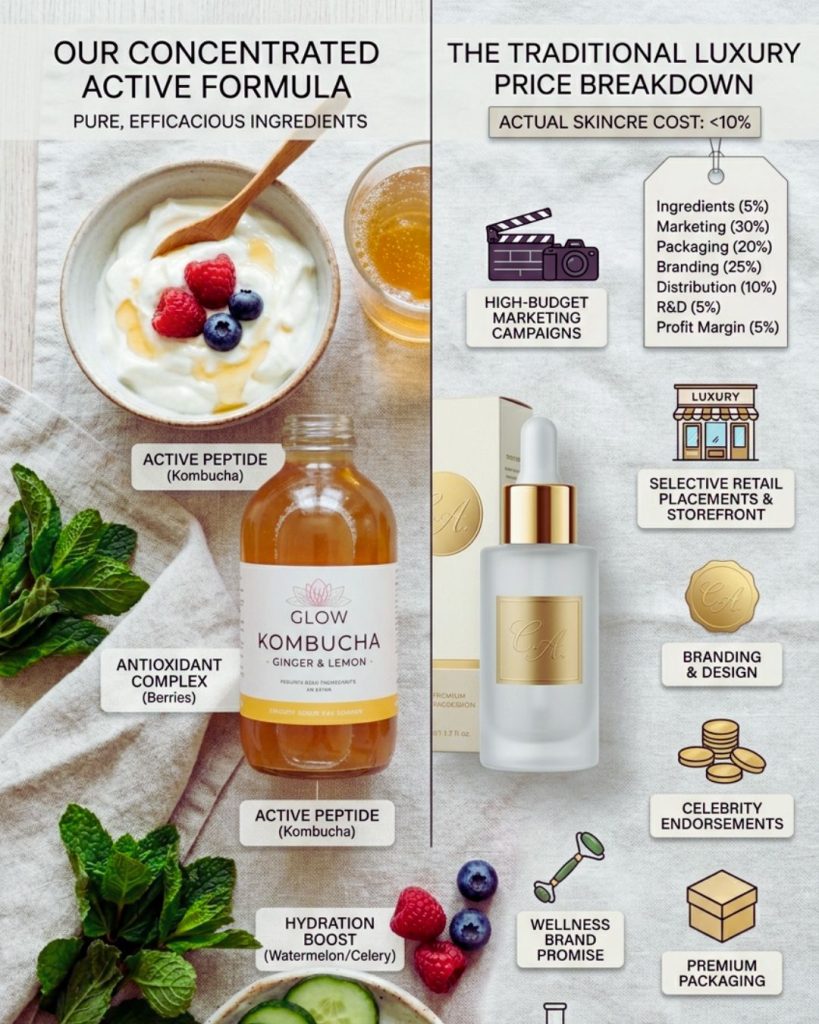
When you buy a luxury serum, the actual “juice” inside the bottle often accounts for less than 10% of the retail price. So, where does the rest of your money go?
- Opulent Packaging: Heavy glass, magnetic caps, and embossed boxes create a “prestige” experience but do zero for your fine lines.
- Celebrity Endorsements: Multi-million dollar contracts with A-list actors are funded directly by your purchase.
- Prime Real Estate: Maintaining counters in high-end department stores requires massive overhead.
- Fragrance & Texture: Significant R&D goes into making a cream smell like a French garden and feel like silk—sensory details that often increase the risk of skin irritation.
2. Marketing Hype vs. Clinical Reality
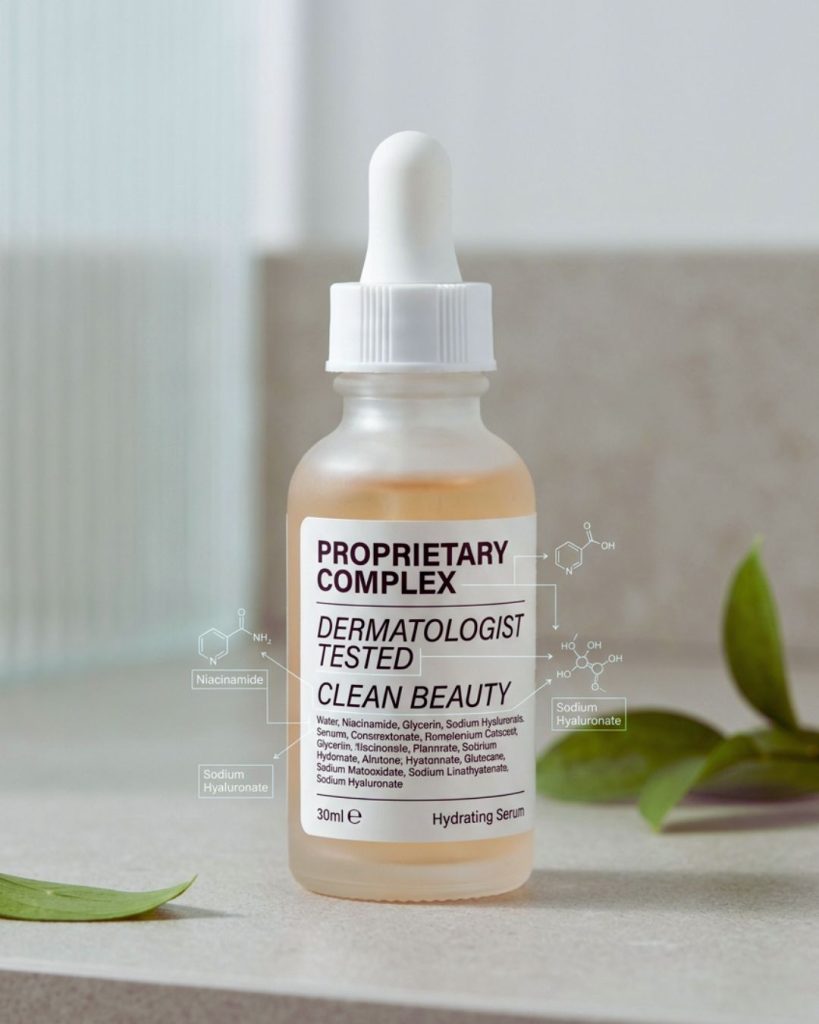
Marketing departments are masters of “pseudoscientific” language. They use terms designed to sound revolutionary while remaining legally vague.
- “Proprietary Complexes”: This usually just means a standard blend of common ingredients given a fancy trademarked name to prevent you from price-shopping.
- “Dermatologist Tested”: This sounds impressive, but it only means one doctor checked it. It is not the same as Dermatologist Recommended or peer-reviewed clinical trials.
- “Clean Beauty”: A non-regulated term often used to fear-monger against safe, synthetic preservatives that actually keep your products shelf-stable.
3. The “Identity” Ingredients: Actives That Are Identical at Every Price Point
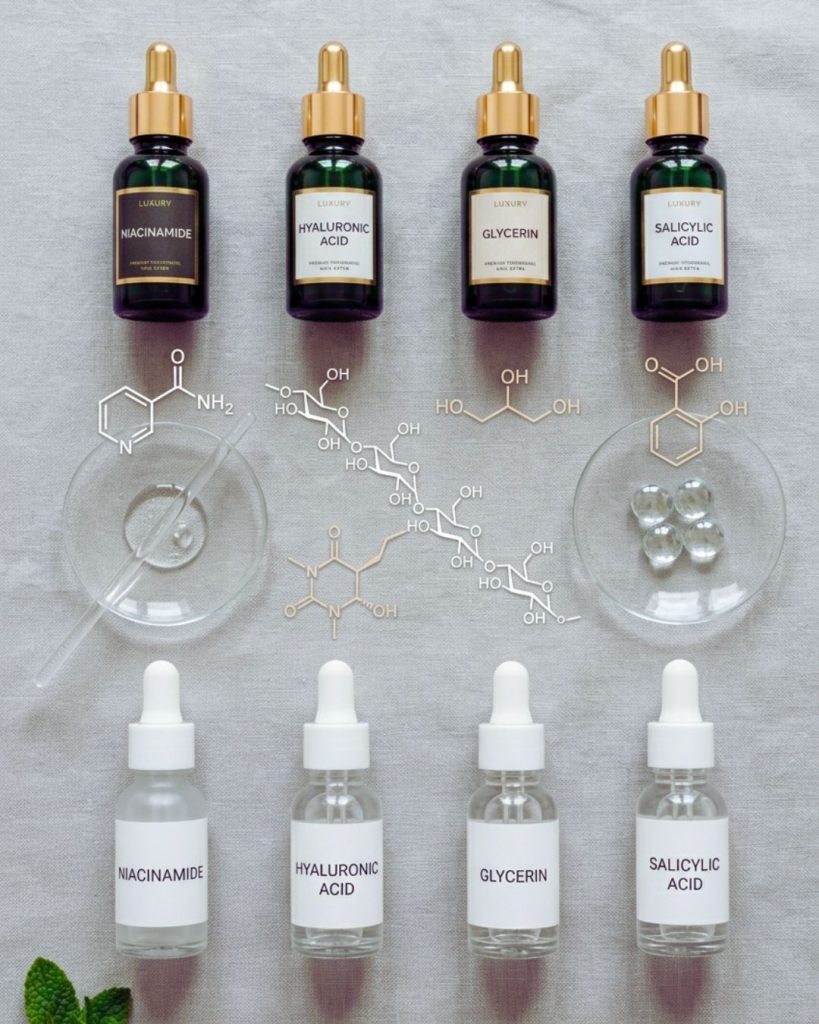
There are certain “workhorse” ingredients where the chemistry is so standardized that paying a premium is scientifically unnecessary.
- Niacinamide (Vitamin B3): A powerhouse for pore refinement and barrier repair. Whether it’s from a budget brand or a luxury house, the molecule is identical.
- Hyaluronic Acid: This humectant draws moisture into the skin. Look for multi-molecular weight versions in affordable serums to ensure deep hydration.
- Glycerin: The unsung hero of hydration. It is one of the most effective humectants in existence and costs pennies to formulate.
- Salicylic Acid: The gold standard for acne-prone skin. The USP (United States Pharmacopeia) grade used in a $10 cleanser is the same as that in a $90 exfoliant.
4. When Does a Higher Price Actually Make Sense?
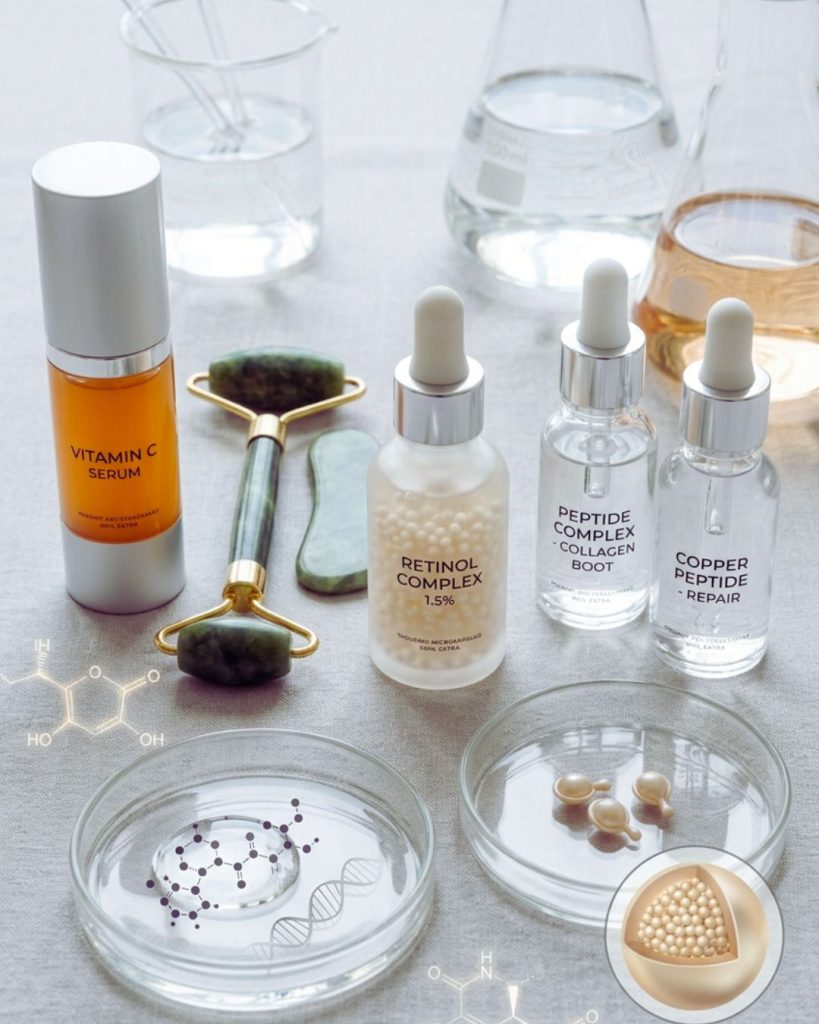
While many expensive products are overhyped, price can sometimes be justified by formulation stability and delivery systems.
- Vitamin C (L-Ascorbic Acid): This molecule is notoriously unstable. It oxidizes (turns brown) quickly when exposed to light and air. Brands that invest in airless pumps and stabilized delivery often charge more, and in this case, it’s worth it.
- Encapsulated Retinol: Pure Retinol can be irritating. Luxury or medical-grade brands often use “encapsulation” technology, which releases the active slowly into the skin, reducing redness while maximizing collagen production.
- Curation of Peptides: Sophisticated peptide chains (like Copper Peptides or Matrixyl 3000) are expensive to manufacture and require precise pH levels to remain effective.
5. How to Read an Ingredient List (INCI) Like a Pro
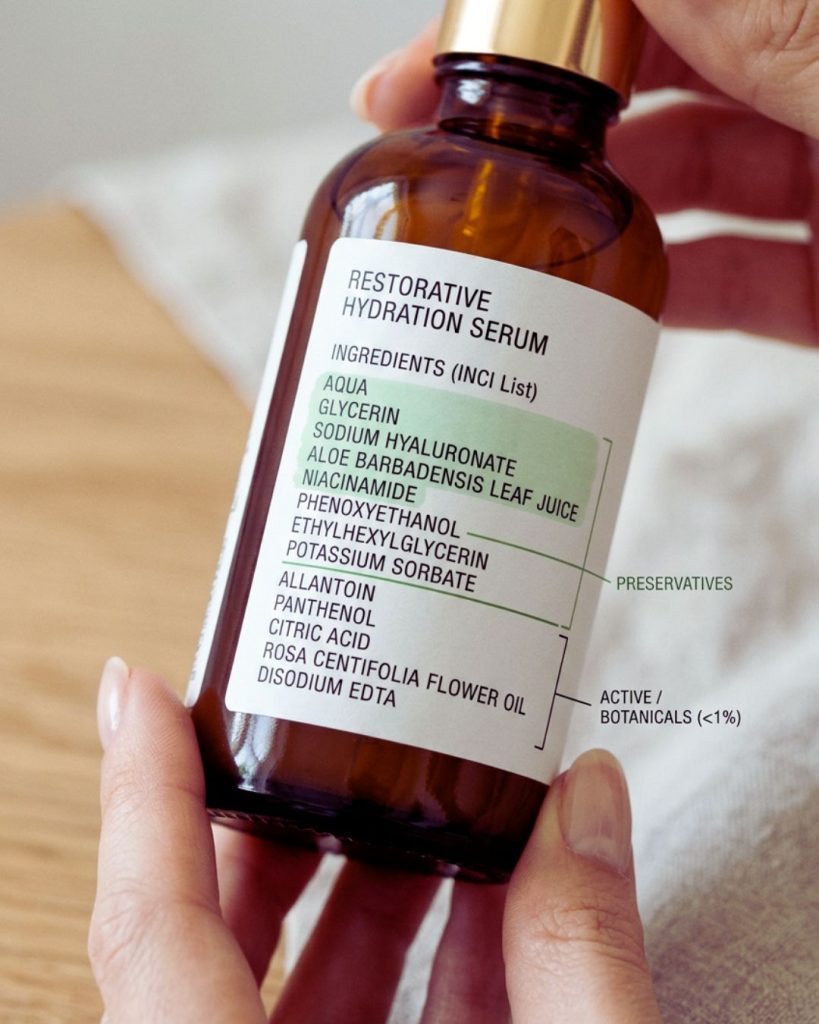
To beat the marketing hype, you must stop looking at the front of the bottle and start reading the back.
- The 1% Rule: Ingredients are listed from highest concentration to lowest. However, once you hit the preservative (usually Phenoxyethanol), everything listed after it is present at less than 1%.
- Active Concentration: If a brand screams about “24K Gold” or “Rare Orchid Extract” but lists them after the fragrance or preservatives, they are “fairy-dusted”—added in tiny amounts just for marketing claims.
- Avoid Irritants: High prices often come with high fragrance loads. Look for Fragrance-Free labels if you have sensitive skin, regardless of the price.
The “Goldilocks” Routine: Investing Where It Counts
You don’t need an all-luxury or all-budget routine. The secret to glowing skin is a hybrid approach.
| Product Type | Spend or Save? | Why? |
| Cleanser | Save | It stays on your face for 60 seconds. A basic, pH-balanced cleanser is all you need. |
| Vitamin C | Spend | Stability is key. Cheap versions often oxidize before you finish the bottle. |
| Moisturizer | Save | Its main job is to seal in moisture. Ingredients like Ceramides and Squalane are now affordable. |
| Retinoids | Spend/Mid | Better formulation equals less peeling and better long-term anti-aging results. |
| Sunscreen | Save | The best SPF is the one you aren’t afraid to use generously because of the cost. |
The Myth of “Instant Results”
Luxury marketing often promises a “miracle in a bottle.” The biological truth is that skin cells take roughly 28 to 40 days to turn over.
- No $500 cream can change your DNA or mimic the results of Botox or fillers.
- Consistency beats intensity every single time. A $20 routine used every night will outperform a $200 serum used sporadically because you’re “saving” it.
- True skin health is about barrier support, protection from UV damage, and patience.
Budget Brands That Are Disrupting the Industry
The rise of “Transparent Beauty” has given us brands that prioritize science-backed skincare over fancy ads.
- The Ordinary: Pioneered the concept of single-active serums at disruptive prices.
- The Inkey List: Focuses on consumer education and simple, effective formulations.
- CeraVe: A dermatologist favorite that focuses on Ceramides to rebuild the skin barrier.
- Korean Beauty (K-Beauty): Brands like Beauty of Joseon offer incredibly advanced formulations (especially sunscreens) at a fraction of Western luxury prices.
Breaking the Cycle of Consumerism
The “more is better” mentality often leads to over-exfoliation and a compromised skin barrier. When we buy into the hype, we often end up with a 10-step routine that our skin never asked for.
- Skin Streaming: The 2026 trend of simplifying your routine to 3–4 essential products.
- Quality over Quantity: One well-formulated multi-tasking serum is better than five cheap, single-ingredient bottles that don’t play well together.
- Listen to Your Skin: If your face feels tight, red, or “squeaky clean,” you are likely overdoing it—no matter how much you spent on the products.
Final Verdict: Knowledge is the Ultimate Luxury
In the modern world of beauty, Ingredient knowledge is your superpower. When you understand what Peptides, Antioxidants, and AHAs actually do, you become immune to the lure of a pretty glass jar.
Expensive skincare isn’t the answer to perfect skin—formulation integrity and sun protection are. Spend your money on ingredients that have decades of clinical backing, and leave the “miracle” marketing on the shelf. Your skin, and your bank account, will thank you.