 By Frank Lucasale
The “influencer” dream is often sold as a numbers game. We are told that until we hit 100,000 followers, we aren’t “monetizable.” This is a lie that keeps brilliant creators from ever starting. The truth? Some of the wealthiest digital entrepreneurs have tiny audiences, but they dominate a secret realm called Micro Traffic.
By focusing on High Intent Keywords, you can flip the script. You don’t need a stadium full of fans; you just need a room full of people ready to open their wallets. In this guide, we will break down how to stop chasing “vanity metrics” and start building a high-conversion revenue engine.
The Myth of the Massive Audience
Most people believe that Traffic = Money. They think if they get 1,000,000 views on a viral dance video, they will be rich. In reality, that traffic is often “low intent.” People are there for entertainment, not to solve a problem or buy a solution.
- Vanity Metrics: Likes, shares, and follower counts that look good but don’t pay bills.
- The Follower Trap: Managing a massive audience requires huge overhead and broad content that dilutes your message.
- The Conversion Reality: A small, targeted list of 500 people often out-earns a distracted million.
If you want to make money online, you have to stop being an entertainer and start being a solution provider. This starts with understanding Micro Traffic.
What is Micro Traffic?
Micro Traffic refers to small, highly specific streams of visitors who are looking for something very particular. Instead of trying to rank for “Fitness,” which has millions of searches, you rank for “Best home workout equipment for small apartments.”
Why Micro Traffic Wins
- Zero Competition: While the big brands fight for the “Macro” keywords, you own the “Micro” ones.
- Authority Building: It is easier to be seen as an expert in a tiny niche than in a massive industry.
- Precision Targeting: You know exactly who is clicking, why they are clicking, and what they need.
In the world of SEO, Micro Traffic is the “low-hanging fruit.” It is the path of least resistance to your first $1,000 month.
Decoding High Intent Keywords
To capture Micro Traffic, you must master High Intent Keywords. These are search terms that indicate a user is at the very end of their “buyer’s journey.” They aren’t just “looking”; they are “deciding.”
The Four Stages of Intent
- Informational: “How to save money.” (User is learning).
- Navigational: “Chase Bank login.” (User knows where they want to go).
- Commercial: “Best high-yield savings accounts 2026.” (User is comparing).
- Transactional: “Open a Chase savings account online.” (User is ready to buy).
To make money with a small audience, you should spend 80% of your time on Commercial and Transactional keywords.
The Power of “Long-Tail” Search
High Intent Keywords are almost always Long-Tail Keywords. These are phrases that are 3-6 words long. They have lower search volume, but the conversion rate is astronomical.
- Short-Tail (Bad): “Coffee.”
- Long-Tail (Good): “Organic fair-trade coffee beans for espresso machines.”
When someone searches for the second phrase, they have a specific machine, a specific taste, and a specific budget. If you provide the answer, you get the sale. You don’t need 100K followers to rank for a long-tail phrase; you just need one piece of high-value content.
How to Find “Money” Keywords Without Tools
You don’t need expensive software to find High Intent Keywords. You can use the “Human Method” to see what people are actually desperate to find.
- Google Autocomplete: Type your niche + “best for…” or “vs…” and see what Google suggests.
- People Also Ask: Look at the questions box in Google search results. These are literal “pain points.”
- Reddit & Quora: Search for “How do I…” or “What is the best…” in your niche. The threads with the most heat are your content goldmines.
- Amazon Reviews: Look at 3-star reviews of products in your niche. They often list specific problems that a “better” product could solve.
By targeting these niche keywords, you are positioning yourself right in front of the “money.”
Building a “High Intent” Content Strategy
Once you have your keywords, you need to create content that converts. This isn’t about “blogging” in the traditional sense; it’s about Strategic Asset Creation.
1. The Comparison Guide
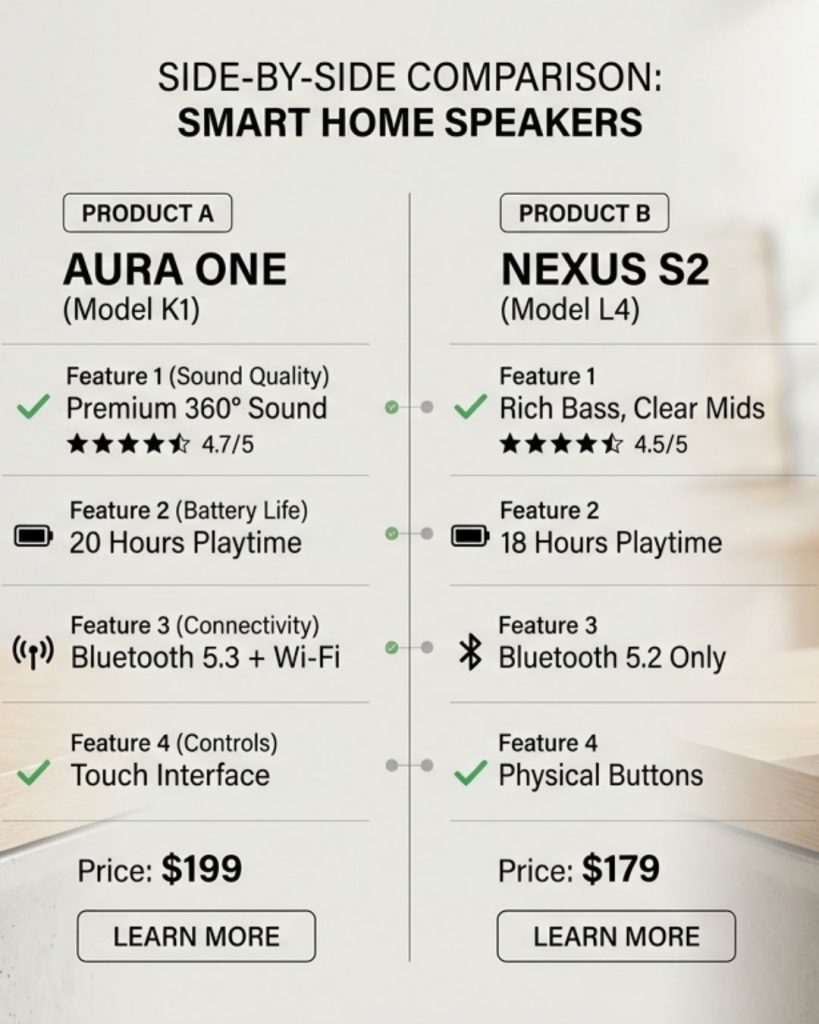
Users searching for “Product A vs Product B” are inches away from a purchase. They just need someone they trust to tell them which one is better.
- The Goal: provide an unbiased, deep-dive comparison.
- The Result: High trust and high click-through rates.
2. The “Best Of” List

Keywords like “Best [Niche] tools for [Specific Persona]” are high intent magnets.
- Example: “Best CRM software for solo freelancers in 2026.”
- Why it works: It filters out people who aren’t your target audience.
3. The “Problem-Solution” Tutorial

Focus on “How to [Specific Result] using [Specific Tool].”
- Example: “How to set up automated email flows using Beehiiv.”
- Why it works: It demonstrates your expertise while showing the tool in action.
The Math: Why 1,000 Visitors is Enough
Let’s do the “Profit Math” to prove why you don’t need 100K followers.
Scenario A (Macro Traffic): > You have 100,000 followers. You post a general “Lifestyle” link. 1% click (1,000 clicks). 0.1% buy a $20 product.
Total: $200.
Scenario B (Micro Traffic): > You have 500 visitors a month from a High Intent Keyword (e.g., “Best high-end enterprise security software”). 10% click. 5% buy or book a consultation for a $2,000 service.
Total: $5,000+.
The Micro Traffic approach allows you to work less and earn more because you are working with quality leads rather than quantity noise.
SEO Optimization for Small Sites
To capture this traffic, your On-Page SEO must be flawless. Since you don’t have the “Domain Authority” of a giant site, you must win on Relevance and User Experience.
- The H1 Tag: Must include your primary high intent keyword.
- Subheadings (H2/H3): Use these to answer the “People Also Ask” questions.
- Speed & Mobile: Most high intent searches happen on the go. If your site is slow, you lose the “impulse” buyer.
- Internal Linking: Link your informational posts to your “Money” posts to pass on “Link Equity.”
Monetization Without the Fame
When you focus on intent, you have multiple ways to monetize that don’t require you to be “famous.”
- Affiliate Marketing: Recommending the “Best” tools and earning a commission.
- Digital Products: Selling a template or guide that solves the exact problem the user searched for.
- High-Ticket Consulting: Using your content to prove you are the expert they need to hire.
- Lead Generation: Selling the “Micro Traffic” you’ve captured to companies who want those customers.
The 2026 Shift: AI and Intent
In 2026, AI Search (like Gemini and Search Generative Experience) favors specific, helpful content. Generalist sites are losing traffic, but niche experts are thriving.
AI models look for “Information Gain”—new, unique insights that haven’t been repeated a thousand times. By targeting Micro Traffic with a unique perspective, you become the “source of truth” that AI recommends.
Conclusion: Start Small, Think Deep
Stop waiting for the “Follow” button to hit a certain number. The internet doesn’t reward “size” anymore; it rewards precision.
If you can find five High Intent Keywords and create the best possible answers for them, you will have a business. You don’t need a million fans; you just need to be the person who shows up when someone is ready to solve a problem.