What Brands Can Learn from Their Metaverse Mistakes

Introduction: The Metaverse – A Digital Frontier

In the last few years, the metaverse has shifted from a niche, futuristic concept to a buzzing new space for businesses to explore. In essence, the metaverse is a virtual, immersive universe where people can interact with digital environments and each other using avatars. With major tech companies like Meta (formerly Facebook), Microsoft, and Nvidia investing billions of dollars into the concept, brands have been quick to hop on the metaverse bandwagon, hoping to tap into a whole new world of consumers.

However, while the potential for brands in the metaverse is vast, it hasn’t all been smooth sailing. Many brands have ventured into this space, only to learn the hard way that translating traditional marketing strategies into the metaverse isn’t always as straightforward as it seems.

In this post, we’ll explore how brands have experimented with the metaverse, what worked, what didn’t, and the lessons they learned along the way.

1. The Allure of the Metaverse: Why Brands Took the Leap

What Brands Can Learn from Their Metaverse Mistakes

Before diving into the lessons learned, it’s important to understand why brands were so eager to jump into the metaverse in the first place. The concept promised to revolutionize digital marketing, offering immersive experiences, unique consumer engagement, and a completely new platform to create brand awareness.

The Promise of a New Audience

One of the key drivers behind brands entering the metaverse is the opportunity to engage with younger, more tech-savvy audiences. Millennials and Gen Z, in particular, are flocking to virtual spaces like Roblox, Fortnite, and Decentraland, where gaming, socializing, and shopping can all happen simultaneously. For brands targeting this demographic, the metaverse seemed like the perfect space to reach them.

Immersive Experiences

The metaverse offered brands the chance to move beyond traditional advertising and offer interactive experiences. Instead of simply showing an ad, brands could create experiences where consumers could virtually try on clothes, attend live events, play branded games, or even buy virtual goods to use in their digital lives.

The Future of Commerce

For forward-thinking companies, the metaverse represented a future model of commerce—virtual goods, NFTs (Non-Fungible Tokens), and blockchain-based assets could create new revenue streams. This opened the door for virtual economies, where customers could spend money on digital items that had value within the virtual world.

2. What Worked: Successful Metaverse Campaigns and Initiatives

What Brands Can Learn from Their Metaverse Mistakes

While many brands had their missteps, others managed to leverage the metaverse to create successful campaigns that helped them grow their digital presence. Let’s take a look at a few examples of brands that got it right.

Gucci: Immersive Fashion in the Metaverse

Gucci made waves in the metaverse by launching the Gucci Garden in Roblox in 2021. This virtual experience allowed users to interact with a range of Gucci-branded virtual items, including clothes, accessories, and digital art. Gucci’s ability to merge fashion with gaming in an innovative way helped the brand tap into younger audiences who are increasingly engaged in digital worlds.

Key Takeaway: Leveraging virtual spaces to promote brand identity – Gucci understood that the metaverse is not just about selling products but creating a digital experience that resonates with the community.

Nike: Virtual Sneakers and Product Customization

Nike made a major push into the metaverse with its acquisition of RTFKT Studios, a company specializing in digital sneakers and NFTs. By launching virtual shoes in Fortnite, the brand allowed users to wear Nike gear within the game, blending fashion and gaming seamlessly. Nike’s virtual creations became hot commodities, highlighting the potential for brands to sell virtual assets as part of their broader business strategy.

Key Takeaway: Combining physical and virtual products – Nike’s approach of offering digital-only items alongside physical products is a solid strategy for capturing interest and creating brand exclusivity.

Coca-Cola: Creating Digital Collectibles

Coca-Cola entered the metaverse with a creative twist—launching limited-edition NFTs as part of their “Coca-Cola Creations” project. These digital collectibles were available for purchase in Decentraland and other virtual worlds, generating buzz and exclusivity among consumers. Coca-Cola’s ability to tie NFTs to its brand ethos of fun and collectibility helped position the brand as an innovator in the virtual space.

Key Takeaway: Building brand loyalty through digital collectibles – Coca-Cola used the concept of rarity and exclusivity in the metaverse to create a buzz, which translated into brand engagement.

3. What Didn’t Work: Missteps and Challenges for Brands

What Brands Can Learn from Their Metaverse Mistakes

Not every brand has seen success in the metaverse. Some have faced backlash or failure due to poorly executed campaigns, lack of audience engagement, or not understanding the unique nature of the metaverse. Here are a few lessons from brands that missed the mark.

Facebook’s Meta Rebranding Fiasco

Meta’s rebrand in 2021 signaled its commitment to the metaverse, but the transition didn’t go as smoothly as expected. Facebook’s pivot to becoming a “metaverse-first” company alienated many of its users, as the brand was struggling with issues related to data privacy and misinformation. Its flagship metaverse platform, Horizon Worlds, faced criticism for its clunky design, lack of content, and technical issues.

Key Takeaway: Don’t rush innovation without considering execution – Meta’s move was too fast and failed to provide users with a polished and functional product. Brands must ensure they have the infrastructure and user experience to back up their metaverse ambitions.

Walmart’s Failed Virtual Store Experiment

Walmart attempted to replicate the traditional brick-and-mortar shopping experience in the metaverse by launching “Walmart Land” in Roblox. The virtual store featured products that customers could purchase, but the experience was criticized for being confusing and lacking real interactivity. Users felt it was more of a glorified ad than an immersive shopping experience, which turned many potential customers off.

Key Takeaway: Don’t copy-paste your existing business model into the metaverse – Simply trying to replicate real-world shopping in a virtual space without considering the nuances of the metaverse can lead to failure. It’s important to offer something unique and engaging.

Balenciaga’s Digital Clothing Fail

Luxury brand Balenciaga took its first steps into the metaverse by partnering with Fortnite for an in-game fashion collection. However, the response from players was less than enthusiastic. Many users didn’t understand why a high-end fashion brand would align itself with a video game, especially since the clothing didn’t offer much customization or utility within the game.

Key Takeaway: Brand alignment and audience understanding matter – Luxury brands need to carefully consider how their image fits within the metaverse. Simply creating virtual products without understanding the target audience’s desires can backfire.

4. What Brands Can Learn from Their Metaverse Mistakes

What Brands Can Learn from Their Metaverse Mistakes

While the metaverse is still a developing space, brands can glean valuable lessons from the successes and failures of others.

Understand Your Audience

One of the most important things brands need to do before launching into the metaverse is to understand the digital behaviors of their target audience. The metaverse is not just another marketing platform; it’s a new environment with its own set of rules, cultures, and values. Engaging with users on their terms, rather than trying to force traditional marketing strategies, is crucial.

Create Meaningful, Immersive Experiences

The key to success in the metaverse is to create experiences rather than just advertisements. Whether it’s through virtual events, games, or digital product launches, the metaverse is about creating engaging, memorable moments that resonate with users.

Stay Authentic to Your Brand

It’s important for brands to stay true to their values and aesthetics when entering the metaverse. Whether you’re a fashion brand or a tech company, your digital presence should align with your core identity. Forced or out-of-place virtual products will not resonate with users and may harm your brand image.

Invest in High-Quality Technology

One of the main reasons some metaverse campaigns failed was due to technical difficulties. Whether it’s clunky avatars, slow load times, or poor design, a poor user experience can easily lead to disappointment. Brands must invest in top-tier technology and hire digital experts who can craft immersive, seamless experiences for their users.

5. The Future of Brands in the Metaverse

The Future of Brands in the Metaverse

The metaverse is still evolving, but its potential to transform digital marketing is undeniable. As more brands experiment with this new space, we’re likely to see new opportunities and innovations emerge.

For brands, the key takeaway is simple: be patient, stay authentic, and invest in quality experiences. While the metaverse may be uncharted territory for many, those who understand its nuances and focus on creating meaningful engagement will have a much better chance at success.

In the coming years, as virtual worlds become more interconnected and sophisticated, the role of brands in the metaverse will continue to grow. It’s up to businesses to ensure they don’t just participate in the digital revolution but help shape it.

Conclusion: Navigating the Metaverse with Caution and Creativity

While the metaverse presents exciting opportunities for brands, it’s clear that success in this new space requires more than just following the hype. Brands must be thoughtful, creative, and patient as they navigate this evolving digital landscape. By learning from both their own experiences and the mistakes of others, they can create lasting, meaningful connections with their audiences in the metaverse and beyond.

EV Market Penetration

Introduction: The Rise of Electric Vehicles

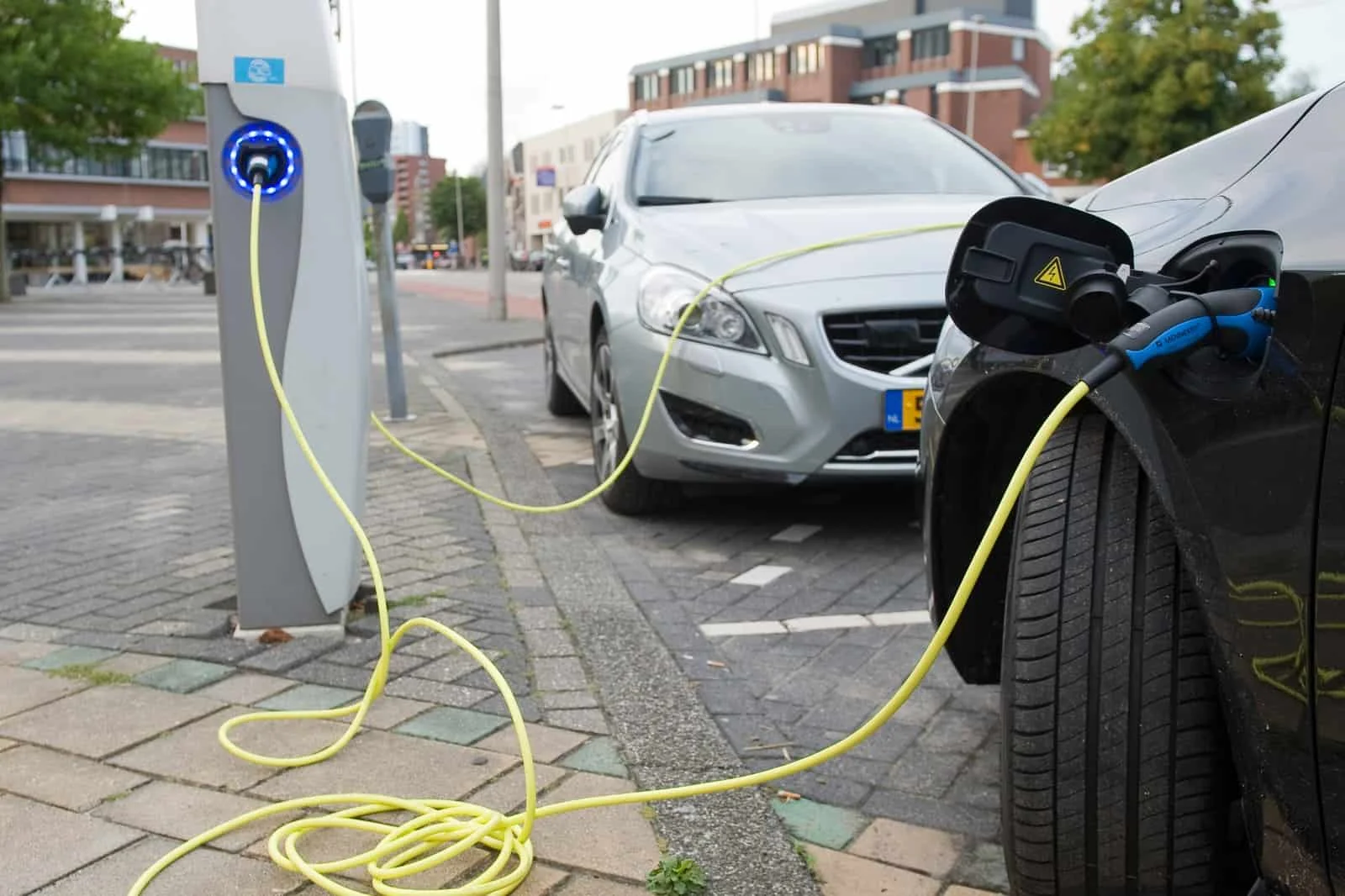
The electric vehicle (EV) market is no longer a futuristic concept; it’s rapidly becoming the mainstream mode of transportation around the world. Governments, car manufacturers, and consumers are increasingly embracing electric vehicles, driven by the need for more sustainable, eco-friendly, and cost-efficient transportation options. From reducing carbon emissions to addressing air pollution and rising fuel costs, EVs are revolutionizing the way we think about cars.

As countries strive to meet their climate goals, EV adoption is accelerating. While China, Europe, and the United States have long been at the forefront, several other nations are emerging as key players in the EV revolution. In this post, we will look at five countries that are leading the global electric vehicle boom and explore the factors driving their success.

1. China: The Unstoppable EV Giant

China-ev

China has been at the helm of the electric vehicle revolution for years, and it shows no signs of slowing down. As the world’s largest car market and the biggest EV producer, China is setting the pace for global EV adoption. In fact, the country accounted for almost 50% of global EV sales in 2020, and its commitment to electric mobility is only growing stronger.

Government Support and Incentives

The Chinese government has been instrumental in supporting the growth of the electric vehicle industry. Through subsidies, incentives, and aggressive regulatory measures, China has created an environment where EVs can thrive. The government has rolled out policies such as tax breaks for EV buyers, rebates for manufacturers, and heavy investments in EV infrastructure. Moreover, China’s “Made in China 2025” initiative aims to make electric vehicles and battery technologies a cornerstone of its industrial future.


EV Manufacturing Powerhouse

China is home to some of the world’s largest and most innovative electric vehicle manufacturers. Companies like BYD, NIO, XPeng, and Geely are not only dominating the domestic market but also expanding globally. Chinese automakers are quickly gaining recognition for their high-quality electric vehicles, with an increasing number of EVs finding their way into international markets.

Battery Production and Infrastructure

China also leads the world in electric vehicle battery production. Chinese companies like CATL (Contemporary Amperex Technology Co. Limited) are the biggest suppliers of lithium-ion batteries, which are crucial for powering EVs. The country’s massive investment in EV charging infrastructure is another key factor in its leadership. By 2025, China aims to have over 4.8 million EV charging stations, ensuring that its citizens have convenient access to charging facilities.

2. Norway: A Pioneer in EV Adoption

Norway EV

Norway has become a global leader in electric vehicle adoption, and its success serves as a model for other nations. As of 2021, electric cars make up over 50% of all new car sales in Norway. This Scandinavian country has not only embraced electric vehicles but has also created a thriving ecosystem that supports their widespread use.

Tax Incentives and Benefits

The Norwegian government has implemented a variety of policies to encourage EV adoption, including tax exemptions, toll-free travel on highways, free parking, and access to bus lanes for electric vehicles. These incentives significantly reduce the cost of owning and operating an EV, making it an attractive option for consumers. In fact, Norway aims to become the first country to fully transition to electric cars by 2025.

Sustainability and Clean Energy

Norway’s strong commitment to environmental sustainability also plays a critical role in the EV boom. With a vast supply of renewable energy, especially hydropower, Norway’s electricity grid is clean, making it one of the best countries in which to drive an electric vehicle. This commitment to clean energy ensures that electric cars in Norway are powered by the most eco-friendly source available, making the transition to electric mobility even more impactful.

The Charging Network

Norway has an extensive EV charging infrastructure, with thousands of charging stations across the country. The government’s investments in charging networks, coupled with the widespread adoption of EVs, have created a seamless driving experience for Norwegian residents. This has helped reduce range anxiety and made the transition to electric vehicles even more convenient for consumers.

3. Germany: Europe’s EV Powerhouse

Germany Europe EV Powerhouse

Germany, the land of iconic automotive brands like Mercedes-Benz, BMW, and Volkswagen, is now shifting gears toward a sustainable future with electric vehicles at the forefront. With its robust industrial base, Germany is not only a key player in EV manufacturing but also a major market for EV sales.

Government Policy and Incentives

Germany’s government is heavily supporting the EV transition with substantial subsidies for electric vehicle purchases. In addition, the country has implemented regulations that require automakers to meet stringent emissions standards, which are pushing manufacturers to accelerate their EV development. Germany has set an ambitious goal to have 10 million electric vehicles on the road by 2030.

Innovative Automakers

Germany is home to some of the world’s most well-known car brands, and these companies are embracing the electric revolution. Volkswagen’s ID. series, BMW’s iX3, and Mercedes-Benz’s EQ lineup are just a few examples of the country’s commitment to electric mobility. German automakers are investing billions of euros in EV technology and infrastructure to ensure they stay competitive in the global electric vehicle market.

EV Charging and Infrastructure

Germany is also making significant strides in the expansion of its EV charging infrastructure. The government is heavily investing in charging networks, with the aim of having a nationwide network of over 1 million charging points by 2030. Public-private partnerships are playing a crucial role in this effort, ensuring that EV drivers have easy access to charging stations.

4. The Netherlands: Leading the Way in EV Market Penetration

The Netherlands: Leading the Way in EV Market Penetration

The Netherlands is another European country that is making significant strides in the electric vehicle market. While the country’s population is relatively small, its commitment to electric mobility is substantial, making it one of the leading countries in terms of EV market penetration.

Government Initiatives and Incentives

The Dutch government has implemented a variety of policies to encourage the adoption of electric vehicles. These include tax incentives, exemption from road taxes, and significant support for EV infrastructure. Additionally, the Netherlands has a policy of zero emissions for new vehicles by 2030, further accelerating the transition to electric vehicles.

Charging Infrastructure

One of the main reasons for the Netherlands’ success in EV adoption is its highly developed charging infrastructure. The country has the highest number of EV charging stations per capita, making it incredibly convenient for Dutch citizens to own and operate electric cars. This extensive network is a major reason why EV adoption has been so successful in the country.

Sustainability Focus

The Netherlands is also committed to sustainability and reducing its carbon footprint. With renewable energy sources accounting for a large portion of the country’s electricity generation, driving an electric vehicle in the Netherlands has a much lower environmental impact compared to countries that rely on fossil fuels for electricity generation.

5. United Kingdom: Accelerating Towards EV Future

The Netherlands: Leading the Way in EV Market Penetration

The United Kingdom is on a fast track toward electrification, driven by ambitious government goals and the growing public interest in clean energy solutions. The UK’s roadmap for a greener future is seeing a steady rise in electric vehicle adoption.

Government Regulations and Incentives

The UK government has introduced various policies to help transition to electric mobility, such as grants for buying EVs and tax exemptions for electric car owners. Additionally, the UK has announced plans to ban the sale of new petrol and diesel cars by 2030, which has spurred the transition to electric vehicles. The government’s push toward zero-emission transportation aligns with its broader goals to meet carbon neutrality by 2050.

EV Manufacturing in the UK

While the UK has not yet reached the scale of some of the other countries on this list, its automotive industry is rapidly shifting toward electric production. Major UK manufacturers such as Jaguar Land Rover and Nissan are investing heavily in electric vehicle production and developing new electric models to meet demand.

Charging Infrastructure and Future Growth

The UK is expanding its charging infrastructure to ensure that EV owners have easy access to charging stations. By 2030, the government plans to have over 300,000 public charging points across the country, significantly reducing barriers to EV adoption.

Conclusion: The Road Ahead for Electric Vehicles

The global electric vehicle boom is well underway, and many countries are leading the charge in different ways. Whether through government policies, technological innovation, or consumer demand, the push toward electric vehicles is transforming the automotive landscape.

China, Norway, Germany, the Netherlands, and the United Kingdom are prime examples of how countries are adopting EVs at a rapid pace. With increasing investments in EV infrastructure, technological advancements, and supportive government policies, these nations are paving the way for a cleaner, more sustainable future.

As the global EV market continues to expand, other nations are likely to follow suit, creating a truly global shift toward electric transportation. Whether you’re an environmentally conscious consumer or a business leader looking to invest in the future of mobility, it’s clear that the electric vehicle revolution is here to stay.

Self-care rituals banner with pink flower and text "7 Ways to Refresh Mind, Body & Home This Month".

Have you ever hit that weird point in the month where everything feels… heavy? Like your brain’s buffering, your body’s dragging, and even your living room looks tired? Yeah—me too. It’s usually that seasonal in-between where the weather’s changing but my energy hasn’t caught up yet.

Here’s the thing: you don’t need a spa weekend, a six-hour break from your inbox, or a shopping cart full of fancy “self-care” products to reset. Nope. These 7 simple Seasonal Self-Care Rituals take 15 minutes or less, don’t require a big budget, and—spoiler alert—the 7th one is the real game-changer because it shifts your mindset (not just your routine).

So if your mind feels stale, your body feels sluggish, and your home feels… meh—let’s fix that.

Recharge the Body: Starting with Cozy Bath Habits

Hands relaxing in a cozy bath with candles and essential oils, perfect for seasonal self-care rituals.
Unwind with cozy bath

Baths aren’t just about being clean—they’re about reclaiming your body from the chaos of the day. The secret is making them cozy, not complicated.

  1. Temperature sweet spot: Aim for warm—not scalding. About 100°F (38°C) is perfect. Just warm enough to soften your muscles but not so hot you emerge looking like a tomato.
  2. Lights down, mood up: Swap bright bathroom lights for a candle (or heck, the flashlight on your phone in a glass jar). Instant spa vibes.
  3. DIY scrub hack: Mix a spoonful of sugar or coffee grounds with olive oil. Boom—you’ve got an exfoliating scrub that costs pennies and smells way better than store-bought.

And if you’re wondering what scents or oils to toss into your bath water, I’ve already got you covered in my old guide: Healing Scents: DIY Aromatherapy. Trust me—you’ll never look at lavender or peppermint the same way again.


Recharge the Mind: The Power of Candle Journaling Routine

This one sounds fancy, but it’s really just journaling with better lighting and intention.

Open journal with candlelight and books in a cozy setup.
Late-night journaling with candles—turning thoughts into calm.

Here’s how to create a Candle Journaling Routine that doesn’t feel like homework:

  1. Light a candle – any candle. Scented, unscented, even that half-burned one in your kitchen drawer.
  2. Set a timer – five to ten minutes max. The candle’s flame acts as your focus point and your built-in clock.
  3. Write freely – no pressure. Try prompts like “What’s one thing I need to let go of today?” or “What made me smile this week?”
  4. End when the flame reminds you – blow it out, take a deep breath, and let that be the signal that the moment is complete.

The candle keeps you grounded. Instead of getting lost in endless “dear diary” rambling, you’re giving your brain a short, sensory window to declutter.


Recharge the Home: Creating a Seasonal Sanctuary

A cozy fall home scene with a lit candle, pinecones, and autumn leaves on a wooden coffee table beside books and a blanket-covered chair.
Creating a seasonal sanctuary

Your environment affects your energy way more than you think. But don’t panic—I’m not about to tell you to overhaul your entire house. This is about small, seasonal tweaks that spark a Mindset Shift for Refreshment.

  • Declutter one corner: Seriously—just one. The nightstand, the coffee table, or even the shoe pile near your door. That tiny shift ripples into calm.
  • The Cozy Candle Rule: Keep one candle (just one!) in the space you use most at night. When it’s lit, that’s your signal the day is winding down.
  • Bring in nature: Grab a pinecone, a few branches, or even fallen leaves on your next walk. Put them in a bowl on your counter or shelf. It’s free décor and it ties your home to the season outside.

Your home doesn’t need a Pinterest makeover—it just needs a touch of intention.


The Mindset Shift for Refreshment (The Grand Finale)

Example: A cozy journal with self worth journal prompts written inside.

Okay—this is the 7th ritual, and honestly, it’s the one that will change everything.

Here’s the deal: schedule rest before you need it. We’re so used to waiting until we’re burned out to crash, but what if you built little breaks into your week like appointments you can’t cancel?

Here’s a mindset prompt to try right now (yep, grab a pen—or your phone’s notes app):

“What’s one thing I can give myself permission to stop doing this week?”

It could be something small—like answering work emails after 7 PM, or folding laundry the same day it comes out of the dryer (you know who you are). The point is: intentional rest keeps you from spiraling into exhaustion later.


Wrapping It Up (And Passing It On)

So there you have it: 7 quick, affordable Seasonal Self-Care Rituals that refresh your body, mind, and home without stealing your whole weekend.

Remember: it’s not about perfection—it’s about creating little pockets of care that make life feel lighter.

Now I want to hear from you: Which ritual are you going to try first? Drop a comment and let’s compare notes (your ideas might inspire someone else, too).

And if you have a friend who’s been running on empty lately—send them this post. Sometimes the best gift isn’t flowers or chocolate—it’s a nudge toward giving themselves a break.

The Rise of AI in Creative Industries: 5 Jobs That Will Disappear

Introduction: AI and the Creative Revolution

In the ever-evolving landscape of technology, few advancements have had as profound an impact on the creative industries as Artificial Intelligence (AI). From generating artwork to writing scripts, composing music, and even designing entire websites, AI has permeated virtually every corner of the creative world.

While AI has undoubtedly opened new doors for creativity and productivity, it also raises an essential question: How will this technology change the future of creative jobs? For some, AI is a helpful tool that enhances the creative process, but for others, it poses a direct threat to job security.

In this post, we’ll explore five creative jobs that are most likely to disappear or drastically evolve in response to the rise of AI, along with the broader implications of this transformation.

1. Graphic Designers: Automation of Design

graphic-design

The Role of AI in Graphic Design

Graphic design, one of the most visually-driven fields, is already being significantly influenced by AI. Tools like Adobe Sensei and Canva’s AI-powered design suggestions allow users to create professional-level graphics with minimal effort. AI can now generate templates, choose color schemes, adjust layouts, and even create logos based on minimal input from the user.

What’s Changing?

AI-powered tools are becoming more adept at handling the technical side of design—allowing designers to focus on higher-level concepts, creativity, and innovation. While this will likely eliminate entry-level graphic design jobs, those in the industry will need to adapt by shifting toward more strategic and creative roles. Rather than manually designing a logo or flyer, graphic designers might find themselves acting as curators of design, working closely with AI systems to refine and personalize the final output.

The Future of Graphic Design Jobs

Rather than disappearing entirely, the role of a graphic designer will evolve to focus on overseeing AI-generated designs, ensuring that the output aligns with the brand’s vision, and adding that final creative touch. Designers will need to upskill by learning how to use AI tools effectively, managing the creative direction of AI-generated content, and curating personalized designs.

2. Writers and Journalists: The Rise of AI-Generated Content

Writers and Journalists: The Rise of AI-Generated Content

AI in Writing: A Game-Changer

AI writing tools like OpenAI’s GPT-3 and Jasper.ai are already capable of generating high-quality written content. From articles and blogs to social media posts and even poetry, AI is helping writers, marketers, and content creators produce copy faster and at scale. These tools can analyze data, generate ideas, and even mimic specific writing styles—sometimes making them indistinguishable from human-written content.

What’s Changing?

While AI can’t fully replace human creativity and emotional intelligence, it’s revolutionizing the writing process. Content creation tasks that once required a human writer, such as drafting reports, writing basic articles, or producing product descriptions, can now be easily automated.

Journalists and content creators who specialize in data-heavy or routine content may find their roles diminished as AI steps in to generate these pieces. However, creative writing, investigative journalism, and content that requires nuanced human insight will still demand the human touch.

The Future of Writing Jobs

Journalists and writers will increasingly work alongside AI, using it to draft initial content, conduct research, or suggest improvements. However, the need for original, in-depth, and investigative reporting will remain an essential aspect of the field. Writers will likely transition into content managers or editors, overseeing AI-generated drafts and adding a human element to make the content more engaging, authentic, and empathetic.

3. Photographers: AI-Powered Image Creation and Enhancement

Photographers: AI-Powered Image Creation and Enhancement

AI in Photography: Editing and Beyond

AI is rapidly making its way into the photography industry, with tools like Adobe Photoshop’s Sensei AI allowing photographers to automatically adjust lighting, color grading, and even remove unwanted objects from images. AI-powered cameras can now intelligently detect the best composition, focus, and settings to ensure perfect shots with minimal human input.

What’s Changing?

The traditional role of a photographer—especially those specializing in commercial photography or product shoots—may see substantial disruption. As AI can now generate high-quality, photorealistic images from scratch, stock photography is increasingly being replaced by AI-created visuals. Additionally, AI-powered apps are becoming adept at retouching and improving photos, further diminishing the need for professional photo editors.

The Future of Photography Jobs

While photography as a whole is unlikely to disappear, it will undergo a significant transformation. Photographers will shift their focus from basic image-taking to more conceptual and artistic photography, leveraging AI to enhance their creativity. AI tools will serve as assistants in improving workflow and post-production, allowing photographers to focus on unique compositions and storytelling rather than technical perfection.

4. Music Producers: AI Composition and Sound Design

Music Producers: AI Composition and Sound Design

AI in Music: Composing, Mixing, and Mastering

AI-driven music tools such as Amper Music, AIVA (Artificial Intelligence Virtual Artist), and Endlesss can already compose original tracks in various genres. These AI systems analyze existing musical data and patterns to create new compositions that mimic a specific style or mood. Furthermore, AI is being used in sound design to create realistic sound effects and background scores, making it easier for creators to generate music without a traditional knowledge of instruments.

What’s Changing?

For music producers, AI is not just an assistant—it’s a full-fledged collaborator. The AI can generate everything from melodies to drum patterns, harmonies, and bass lines. With advancements in AI, some producers may find their role transitioning from hands-on music composition to curating AI-generated tracks or adding a personal flair to pre-composed pieces. While AI will likely replace some basic music production tasks, it will not fully replace the creativity and emotional depth that human producers bring to their work.

The Future of Music Production Jobs

Music producers will continue to play a key role in the industry but will have to adapt by learning how to incorporate AI into their workflow. Producers will work in collaboration with AI, fine-tuning generated tracks, adding their creative expertise, and ensuring the final product resonates with listeners. In essence, AI will serve as a tool for enhancing productivity and creativity rather than replacing musicians entirely.

5. Video Editors: Automation and AI-Driven Editing Tools

AI in Video Editing: Speed and Precision

AI has already made a major impact in video editing. Tools like Adobe Premiere Pro’s Sensei AI and Magisto use machine learning to automate many aspects of video editing, such as color correction, audio synchronization, and even scene transitions. AI can analyze hours of footage, select the best clips, and automatically assemble them into a cohesive video. This technology is especially useful in areas like social media content creation, where speed and efficiency are essential.

What’s Changing?

For video editors, AI is both a blessing and a challenge. While it significantly speeds up the editing process and reduces repetitive tasks, it also threatens to replace entry-level positions that focus on routine editing tasks. Many video editing roles, particularly in corporate environments, are already being automated, leaving editors to focus on more creative and high-level projects.

The Future of Video Editing Jobs

AI will not eliminate the need for creative video editors; however, it will shift their focus. Rather than spending hours on basic editing tasks, editors will evolve into content strategists, curating, directing, and enhancing the narrative. Video editors will need to embrace AI as a tool to accelerate workflows, allowing them to focus on bringing a unique vision to the screen.

Conclusion: Embracing the Evolution of Creative Work

The rise of AI in creative industries is reshaping the way we work, pushing creative professionals to adapt, evolve, and innovate. While some jobs may disappear or become automated, the core skills of creativity, strategic thinking, and emotional intelligence remain essential. Creative professionals will increasingly find themselves in hybrid roles, working alongside AI systems to enhance their productivity and bring fresh ideas to life.

For those in creative fields, upskilling and adaptability will be the key to staying relevant in the ever-changing job market. AI is not here to replace human creativity; it’s here to augment it. By embracing new technology, creative professionals can unlock new potential and continue to push the boundaries of what’s possible in the digital age.

A cheerful Oktoberfest celebration banner with people raising beer steins under festive décor, promoting "The Ultimate Oktoberfest Party Guide: Beer, Food & Music Anywhere."

Why Wait for Munich?

Aerial night view of Oktoberfest with a brightly lit Ferris wheel and crowded festive streets

Let’s be honest—we’ve all seen those dreamy photos of Munich’s Oktoberfest: giant beer tents, endless pretzels, and everyone in lederhosen looking like they stepped out of a Bavarian postcard. But here’s the thing—most of us aren’t hopping on a plane to Germany anytime soon. (Unless you’ve got secret frequent flyer miles stashed away, in which case—invite me, please!)

So here’s the question: how do you bring the authentic Oktoberfest experience to your living room, backyard, or apartment patio?

That’s what this guide is all about—DIY Oktoberfest Party at Home, with all the beer, food, decor, and music you need. And just like we did with our Pumpkin Spice recipies on a Budget guide, we’re keeping things approachable, low-cost, and totally fun.

Grab your stein—we’re diving in.


The Most Important Part: Your Authentic Oktoberfest Food Recipes

If you take nothing else from Munich, take this: Oktoberfest is really about comfort food. Salty, cheesy, carb-heavy, and unapologetically indulgent. The good news? You don’t need to be a Bavarian grandmother to pull it off.

Pretzel & Obatzda Perfection (The Easiest Starter)

First things first: the pretzel. Now, unless you’re down to make them from scratch (mad respect if you are), I suggest grabbing store-bought soft pretzels. Most grocery freezer aisles have them now.

"Giant pretzel platter with cheese, meats, and pickles for Oktoberfest party"
warm pretzels with Obatzda and beer .It’s authentic and comforting

Here’s the hack: Obatzda, a classic Bavarian cheese spread. It’s basically camembert (or brie), butter, paprika, and a splash of beer all mashed together until creamy. Spread it on warm pretzels, and boom—you’ve just leveled up.

Sausage & Sauerkraut in Minutes

Next, sausages. The two iconic types: bratwurst (porky, herby) and weisswurst (white sausage, mild). If you can’t find German imports, any decent brat or chicken sausage works.

Juicy grilled German sausages sizzling on a charcoal barbecue.
pair them with tangy sauerkraut and you’re instantly in Bavaria.

Pair it with sauerkraut—but not straight from the jar. Quick trick: toss it in a pan with a knob of butter, a sprinkle of caraway seeds, and a splash of apple juice. Five minutes later, you’ve got tangy, rich sauerkraut that tastes homemade.

The Ultimate Quick Dessert

No German feast is complete without something sweet. But here’s where we keep it realistic: grab frozen puff pastry, fill it with apple slices, cinnamon sugar, and bake. Congratulations, you just hacked an apple strudel. Serve with vanilla ice cream and watch it vanish.

Golden flaky apple strudel slices with spiced filling on a decorative plate"
the sweetest way to end your Oktoberfest party.

For more seasonal sweet treats, check back soon for our fall baking guide!


Your Oktoberfest Beer Guide for Beginners (No Snobbery Here)

Here’s the question I always get: “What beer should I actually buy if I can’t get the official Munich ones?”

The truth: you don’t need imports to nail the vibe. Just aim for these 3 core styles:

1. Märzen (the real Oktoberfest beer)

"Two frothy beer steins filled with golden Oktoberfest lager on a wooden table in Munich"
Raise your steins—this is how Oktoberfest really feels.

Malty, amber, smooth. If you find Paulaner or Hacker-Pschorr imports, amazing. If not, grab something like Sierra Nevada Oktoberfest (widely available in the U.S.) or any local amber lager.

      2. Pilsner (for your light lager friends)

      Tall pilsner glass filled with golden beer topped with a frothy foam head, perfect for Oktoberfest.
      the classic pilsner that belongs on every Oktoberfest table.

      Crisp, clean, refreshing. Bitburger is a German staple, but even American pilsners do the trick.

      3. Wheat Beer (Weissbier)

      Traditional Märzen beer served in a frosty stein with wheat stalks in the background – a classic Oktoberfest favorite.”
      beer that defines every authentic Oktoberfest celebration

      Cloudy, slightly fruity, easy to drink. Look for Franziskaner, Erdinger, or a local hefeweizen.Keep it simple: offer one malty, one light, one wheat. Everyone will find their match.


      DIY Oktoberfest Party at Home: German Party Decor Hacks

      Traditional beer garden setup with wooden benches, a long table, and a green umbrella in a backyard setting.

      Food and beer might be the stars—but decor sets the mood. And trust me, you don’t need to splurge at a party store to nail it.

      1. Paper Chains & Pennants: Grab blue and white craft paper (the Bavarian flag colors). Cut into strips, loop into chains, or cut triangles for pennants. Hang across your backyard or living room for instant beer hall vibes.

      2. Beer Garden Seating: Don’t overthink. A picnic table, folding benches, or even blankets on the ground can recreate the cozy, communal beer garden feel. Add string lights if you’ve got them.

      3. The Centerpiece Hack: Fill a few glass jars or beer steins with sunflowers (super Bavarian) or dried wheat stalks. Done. Instant “rustic German farmhouse” chic.


      Setting the Mood: The Oktoberfest Playlist Anywhere

      Food? Check. Beer? Check. But what about the music?

      Oktoberfest is famous for Schlager songs (think German sing-alongs) and polka, but let’s be real—your friends will want a mix.

      Here’s the formula:

      1. Traditional German Polka/Schlager – Search “Oompah Band Oktoberfest” on Spotify or YouTube.

      2. Party Anthems – Neil Diamond’s Sweet Caroline and John Denver’s Take Me Home, Country Roads are literally played at Munich tents every year.

      3. Modern Throwbacks – Think Queen, ABBA, or any big chorus songs where everyone can yell along.

      Create a mix that flows—start with Bavarian classics, transition into American sing-alongs, and end with dance hits.


      The Spirit of Oktoberfest Anywhere

      Here’s the thing: authenticity isn’t about location—it’s about spirit. You don’t need to be in Munich. You just need salty snacks, frothy beer, cheesy decor, and good friends.

      So I challenge you—pick just one hack from this guide. Maybe it’s making the Obatzda spread, maybe it’s hanging blue-and-white paper chains, maybe it’s blasting Sweet Caroline while clinking glasses.

      Bring people together, raise a toast, and remember: Prost!

      DIY Haunted House Decor Ideas – floating candles with eerie lighting, spooky bats, and dark ambiance, perfect for budget-friendly Halloween home decorating.

      The moment I see a $50 plastic spider at a big-box store, I physically cringe. Like—why? It’s literally hollow plastic, and it’ll break before you even pull it out again next year. Halloween is supposed to be creepy and fun, not a second mortgage.

      The problem? Store-bought Halloween decor is expensive, tacky, and honestly, your neighbors all have the same exact stuff. The solution? Get creative with Creepy DIY Halloween Decor that looks way more professional, using things you already own or can score for dirt-cheap at a thrift shop.

      And here’s the best part—I promise you, if you try even one of these ideas, your house will look so legit your neighbors will assume you hired a Hollywood set designer. All while you sit back, smugly counting the money you didn’t spend.


      The “Thrift Store is Your Best Friend” Mindset

      So how do you pull off Professional Halloween Decor DIY without spending actual cash? The secret isn’t brand names—it’s texture, lighting, and volume.

      Think about it: nobody’s scared of a plastic bat still in its packaging. But old lace curtains with holes, a chipped mirror with “something” in it, or a stack of creepy old books? That’s instant haunted house.

      Here’s what I hunt for at thrift stores (and what you should keep an eye out for too):

      • Old books (bonus points if the covers are falling apart—hello spellbooks!)
      • Broken picture frames (perfect for “haunted portraits”)
      • Cheap lace curtains or tablecloths (distress them and boom—spiderweb vibes)
      • Cracked mirrors (or even intact ones you can distress yourself)
      • Random candlesticks (you don’t even need the candles—DIY coming up below)
      A rustic Halloween still life featuring a broken vintage mirror, old candlesticks, a weathered book, and tattered lace draped over antique frames on a wooden table.
      Every crack tells a story—this broken mirror and forgotten book whisper of a past that refuses to fade, perfect for setting a truly haunted atmosphere.

      With just a few of these, you’ll have the raw ingredients for a haunted house that looks way more “creepy chic” than “Spirit Halloween clearance bin.”


      Three High-Impact, Low-Cost DIY Tutorials

      Alright, let’s get into the fun part. Three Thrift Store Halloween Hacks that will make your space look like you hired a special effects team—without even touching your wallet too hard.

      1. The “Aging Mirror” Hack

      What you need:

      • A mirror from the thrift store (the cheaper and uglier, the better)
      • Spray bottle filled with water and vinegar
      • Black or gold spray paint (or both)

      Steps:

      1. Lightly spray the back of the mirror with your vinegar/water mix.
      2. Spray over it with your paint—black for depth, gold for that “antique haunted mansion” vibe.
      3. Let it dry, then wipe away the vinegar spots.
      4. Hang it back up. Now you’ve got a mirror that looks like it’s hiding ghosts instead of your reflection.
      A spooky DIY aged mirror with ghostly reflections, candlelight, and cracked textures, perfect for a haunted house Halloween decor project.
      Sometimes the scariest reflections aren’t in what we see, but in what we imagine

      This trick is one of my favorite DIY Haunted House on a Budget hacks—everyone who sees it swears it’s an antique.


      2. Floating Candle Effect

      What you need:

      • Empty toilet paper rolls (yes, the trash ones)
      • Hot glue gun
      • White paint
      • LED tea lights
      • Clear fishing line

      Steps:

      1. Hot glue some wax “drips” around the top of the tube.
      2. Paint the whole thing white.
      3. Drop in a tea light.
      4. Thread fishing line through and hang from the ceiling.
      Floating DIY Halloween candles made from paper tubes with LED lights, creating a magical haunted house vibe.
      these floating candles cost pennies but bring a professional haunted house effect.

      Instant floating candles. These fill up vertical space in a room like nothing else and cost basically zero. It’s the ultimate Creepy DIY Halloween Decor trick.


      3. Lace Spiderweb Curtains

      What you need:

      • Old lace curtains or a sheet
      • Tea bags
      • Scissors

      Steps:

      1. Brew a strong pot of tea and soak the fabric to give it that yellowed, old look.
      2. Rip a few holes here and there (be messy—it’s creepier).
      3. Hang them across windows or doorways.
      Distressed lace curtain styled as a giant spiderweb, hanging in an old haunted house doorway for spooky DIY Halloween decor
      cheap, creepy, and unforgettable.

      They look like abandoned cobwebs from some Victorian mansion. Plus, you can drape them in layers for maximum drama.


      The Final Touch: Lighting and Sound

      Here’s the truth: lighting is what separates Thrift Store Halloween Hacks from “Did you hire an event company?” status.

      Cheap tricks that work:

      • Swap a regular bulb for a $2 red or green one.
      • Place a lamp on the floor shining upward—it instantly looks spooky.
      • Add a Bluetooth speaker in a hidden spot with creaky door or storm sounds.
      A spooky Halloween corner with glowing candles, eerie red and green lights, a skull, pumpkin, and music speaker creating a chilling atmosphere.
      Where sound meets shadows—music and lighting can turn any room into a haunted story.

      True story: one year, I stuck a red bulb behind my trash can, and it legit looked like a monster was glowing inside. The kids on my block still talk about it.


      Wrap-Up: You Don’t Need a Massive Budget—You Just Need a Plan

      So, there you go. With just a thrift store run and some basic supplies, you can pull off Professional Halloween Decor DIY that looks creepier, cooler, and way more expensive than the store-bought stuff.

      Now, I challenge you: pick just one of these hacks this weekend—make your mirror haunted, your candles float, or your curtains webbed. Then, show it off! Drop a picture of your Creepy DIY Halloween Decor in the comments, because I wanna see how spooky you get.

      Must-Try Pumpkin Spice Recipes Beyond Latte - Savory Snacks and More Blog Banner

      Every September, like clockwork, the Pumpkin Spice Latte takes over the world. You see it on menus, Instagram feeds, and even in scented candles. Don’t get me wrong—I love cozying up with one when the air turns crisp. But here’s the thing: pumpkin spice is so much bigger than just a sweet, frothy drink.

      The problem? We’ve typecast this blend into sugary lattes and pies. The solution? Explore how these warming spices can transform savory dishes, snacks, and everyday meals. By the end of this post, you’ll have a lineup of pumpkin spice recipes that make you the most creative cook at any fall gathering—seriously, your friends will think you’ve unlocked some secret spice code.


      Why Pumpkin Spice is a Savory Secret Weapon

      Let’s break down what’s inside the classic homemade pumpkin spice blend:

      • Cinnamon
      • Ginger
      • Nutmeg
      • Allspice
      • Cloves
      Savory Pumpkin Spice Rub seasoning blend in a bowl with spices and herbs.
      perfect pumpskin spice mix…store in air tight container

      Most people see that list and think “dessert.” But here’s the culinary secret I keep telling everyone—ginger, cloves, and allspice are the backbone of countless savory spice rubs around the world. Caribbean jerk chicken? Moroccan tagines? Even some Indian curries? Yep, you’ll find these same flavors.

      So if you’ve ever thought, “Pumpkin spice is too sweet,” think again. It’s not the spice—it’s the sugar that usually comes with it. Strip away the sugar, and suddenly pumpkin spice becomes this bold, earthy, slightly spicy blend that plays beautifully with meats, veggies, and even vinaigrettes. Trust me on this one.


      Savory Surprises: Unexpected Ways to Use Pumpkin Spice

      Here are three of my favorite savory ways to use this spice blend—you won’t look at it the same way again.

      Pumpkin Spice Dry Rub for Meats

      Next time you roast chicken or grill pork, swap out your usual rub with a pumpkin spice mix blended with sea salt, black pepper, and maybe a pinch of smoked paprika.

      Savory Pumpkin Spice Rub seasoning blend in a bowl with spices and herbs.
      Elevate meats and veggies with this bold fall seasoning.

      The result? Crispy, caramelized edges and a warmth that screams “fall” without a drop of sweetness. It’s especially killer on slow-cooked ribs.

      Roasted Root Vegetable Game-Changer

      Carrots, parsnips, sweet potatoes, even butternut squash—toss them in olive oil, salt, and a teaspoon of pumpkin spice. Roast until caramelized.

      ROASTED ROOT VEGETABLES with Pumpkin Spice
      crispy, golden, and bursting with fall flavor.

      What you get is an earthy, fragrant side dish that feels like a holiday spread, even on a Tuesday night.

      Fall Salad Glaze or Vinaigrette

      Here’s my “wow” move at dinner parties: whisk a pinch of pumpkin spice into a maple-dijon vinaigrette or balsamic glaze. Drizzle it over mixed greens with goat cheese, dried cranberries, and candied pecans.

      FALL SALAD GLAZE OR VINAIGRETTE with Pumpkin Spice
      just a pinch of pumpkin spice in a maple-dijon blend creates bold, cozy fall flavors.

      Everyone asks what the “mystery flavor” is—it’s just savory pumpkin spice doing its thing.


      The Best Fall Snacks That Aren’t Pie

      Let’s be honest: sometimes you don’t want to cook a full meal. You just want cozy snacks that fit the season. These three are fast, easy, and way more exciting than another slice of pumpkin pie.

      Pumpkin Spice Popcorn

      Melt a little butter, stir in brown sugar and pumpkin spice, then toss it over stovetop or air-popped popcorn.

      PUMPKIN SPICE POPCORN coated with warm autumn spices
      it turns movie nights into a cozy seasonal treat.

      Sweet, salty, spiced—it’s addictive. I call it my “movie night in a bowl.

      Seasonal Toast Topper

      This one’s embarrassingly simple but feels fancy. Stir a dash of pumpkin spice into almond butter or peanut butter, then spread it on toast, waffles, or sliced apples.

      SEASONAL TOAST TOPPER
      the perfect fall bite.

      Suddenly, your breakfast tastes like fall at a cafe.

      Spiced Pepitas (Pumpkin Seeds)

      Why not make pumpkin spice snacks with actual pumpkin seeds? Toss pepitas with olive oil, pumpkin spice, and a touch of honey. Roast until golden.

      SPICED PEPITAS (PUMPKIN SEEDS)
      Crunch meets spice

      They’re crunchy, protein-packed, and the perfect topping for salads, soups, or just snacking straight from the pan.


      Pro Tip: Make Your Own (The Homemade Difference)

      Here’s the thing about store-bought blends: they’re often flat. Too much cinnamon, not enough zing. That’s why I started mixing my own.

      Quick Homemade Pumpkin Spice Blend:

      • 3 tbsp cinnamon
      • 2 tsp ground ginger
      • 2 tsp nutmeg
      • 1 ½ tsp allspice
      • 1 ½ tsp cloves

      Shake it up in a jar, and you’re good to go.

      Homemade Pumpkin Spice Blend in a glass jar with cinnamon, star anise, and coffee on a wooden table
      your fall essential for both sweet and savory recipes.

      Don’t judge me, but I keep a little jar of my homemade pumpkin spice blend right next to my salt and pepper shakers all fall long. I sprinkle it into oatmeal, soups, even coffee when I don’t feel like buying a latte. It’s fresher, punchier, and you can tweak the ratios to your taste.


      Shifting the Pumpkin Spice Perspective

      Pumpkin spice doesn’t have to mean “latte.” It can be smoky, savory, crunchy, or cozy depending on how you use it. From roasted veggies to snackable pepitas, these pumpkin spice recipes are proof that the blend belongs in way more than desserts.

      So here’s my challenge: pick just one recipe from this list and try it this week. Make the salad vinaigrette for your next lunch, or test the popcorn on your next Netflix night. Then, come back and tell me—which idea surprised you the most?

      Because once you start thinking beyond the pumpkin spice latte, fall cooking gets a whole lot more exciting.

      Capture Magical Fall Photos

      Fall is a photographer’s dream season, with vibrant leaves, soft golden light, and crisp air creating a magical backdrop. Whether you’re using a professional DSLR, a mirrorless camera, or even a smartphone, capturing the essence of autumn requires a blend of creativity, technique, and an understanding of your tools. This guide will walk you through 15 practical tips to create stunning fall photos, focusing on leaves, light, and lenses. From composition to camera settings, we’ll cover everything you need to make your autumn images pop. Let’s dive into the art of fall photography!

      Understanding the Magic of Fall Photography

      Fall’s charm lies in its rich colors—fiery reds, golden yellows, and deep oranges—combined with unique lighting conditions. The low-angle sunlight during autumn creates long shadows and a warm glow, perfect for dramatic shots. Leaves, whether on trees or scattered on the ground, add texture and vibrancy. Choosing the right lens and mastering light manipulation can elevate your photos from ordinary to extraordinary. This guide breaks down techniques to harness these elements, making your fall photos unforgettable.

      Photography in fall is about capturing fleeting moments. The season’s beauty is temporary, so timing and preparation are key. Whether you’re shooting landscapes, portraits, or close-ups, these tips will help you make the most of autumn’s visual splendor.

      Mastering Light for Stunning Fall Photos

      fall-photography

      Light is the heart of photography, and fall offers unique opportunities to play with it. The golden hour—shortly after sunrise or before sunset—bathes landscapes in warm, soft light that enhances fall colors. Overcast days, common in autumn, diffuse light evenly, reducing harsh shadows and creating a dreamy effect. Here’s how to make the most of fall lighting:

      • Chase the Golden Hour: Shoot during the first or last hour of sunlight for warm, flattering tones. The low angle emphasizes leaf textures and adds depth to landscapes.
      • Use Backlighting: Position leaves between your camera and the sun to create a glowing effect. This technique highlights translucent leaf edges, adding a magical touch.
      • Embrace Overcast Days: Cloudy skies act as a natural softbox, perfect for portraits or macro shots. Colors appear more saturated without harsh highlights.
      • Experiment with Shadows: Long shadows from bare trees or leaf piles add drama. Use them to create patterns or frame your subject creatively.

      Choosing the Right Lens for Fall Photography

      choosing-right-lense

      Your lens choice shapes the story your photo tells. Different lenses highlight various aspects of fall’s beauty, from sweeping landscapes to intricate leaf details. Here’s a breakdown of the best lenses for capturing autumn’s magic:

      Lens Type Focal Length Best For Tips
      Wide-Angle 16–35mm Landscapes, forests Use to capture expansive scenes with colorful tree canopies. Keep foreground elements for depth.
      Standard 50mm Portraits, street photography Ideal for natural-looking shots with shallow depth of field. Great for isolating subjects against fall backgrounds.
      Macro 90–100mm Close-ups of leaves, dew Focus on leaf veins or water droplets. Use a tripod for sharp details.
      Telephoto 70–200mm Distant subjects, wildlife Compresses backgrounds, making colorful foliage pop. Perfect for isolating tree branches or animals.

      If you’re using a smartphone, experiment with built-in lens modes (wide or portrait) or invest in clip-on lenses for macro or wide-angle effects. Regardless of equipment, test different focal lengths to find what suits your vision.

      Composition Tips for Captivating Fall Photos

      • Follow the Rule of Thirds: Place key elements, like a vibrant tree or a person, along the gridlines of your frame to create balance. This draws the viewer’s eye naturally across the image.
      • Incorporate Leading Lines: Use paths, fences, or rows of trees to guide the viewer’s eye through the photo. A winding trail covered in leaves can create a sense of journey.
      • Frame with Natural Elements: Shoot through branches or arches of foliage to frame your subject. This adds depth and draws attention to the focal point.
      • Play with Foreground and Background: Include a close-up leaf in the foreground with a blurred forest in the background to create a layered, immersive effect.

      Camera Settings for Perfect Fall Shots

      camera-setting

      Getting your camera settings right ensures your fall photos capture the season’s vibrancy. Here’s how to optimize your settings for different scenarios:

      Aperture (f-stop): For landscapes, use a high f-stop (f/8–f/16) to keep everything in focus. For portraits or macro shots, use a low f-stop (f/1.8–f/4) to blur the background, making leaves or subjects stand out.

      Shutter Speed: Use a fast shutter speed (1/250 or faster) for moving subjects, like falling leaves or people walking. For creative blur, like a flowing stream with leaves, try a slower speed (1/15 or slower) with a tripod.

      ISO: Keep ISO low (100–200) in bright conditions to avoid noise. On cloudy days or in shaded forests, increase to 400–800 for proper exposure without sacrificing quality.

      White Balance: Set to “Daylight” or “Cloudy” to enhance warm fall tones. Avoid “Auto” white balance, as it may neutralize the golden hues you want to capture.

      Creative Techniques to Enhance Fall Photos

      Elevate your fall photography with these creative approaches that add a magical touch:

      • Shoot Through Mist or Fog: Early morning fog, common in fall, adds a mystical quality. Use it to soften backgrounds and create ethereal images.
      • Capture Reflections: Look for puddles, lakes, or rivers reflecting colorful trees. Position yourself low to emphasize the reflection’s vibrancy.
      • Use Props: Incorporate seasonal props like pumpkins, scarves, or lanterns in portraits to add a cozy fall vibe. Keep them subtle to avoid overpowering the natural beauty.
      • Experiment with Black and White: Convert some photos to black and white to emphasize texture and contrast, especially in shots with bare trees or intricate leaf patterns.

      Post-Processing for Vibrant Fall Colors

      Editing enhances the natural beauty of your fall photos. Software like Adobe Lightroom, Photoshop, or free apps like Snapseed can make colors pop. Here’s how to approach post-processing:

      Adjust Exposure and Contrast: Slightly increase exposure to brighten dim shots, and boost contrast to make colors stand out. Be careful not to overdo it, as it can look unnatural.

      Enhance Vibrance and Saturation: Increase vibrance to bring out muted colors without affecting skin tones in portraits. Saturation can intensify reds and yellows but use it sparingly to avoid artificial results.

      Sharpen Details: Apply sharpening to leaf edges or textures for crispness. Use a light touch to avoid graininess.

      Add a Vignette: A subtle vignette darkens the edges, drawing attention to the center of your photo. This works well for portraits or macro shots.

      Tips for Planning Your Fall Photography Sessions

      Preparation is key to capturing magical fall photos. Here’s how to plan effectively:

      • Scout Locations Early: Visit parks, forests, or urban areas with tree-lined streets to find spots with vibrant foliage. Check local fall foliage reports to time your shoots during peak color.
      • Check Weather Forecasts: Plan around golden hour or overcast days for optimal light. Avoid windy days for macro shots, as leaves may blur.
      • Bring Essential Gear: Pack a tripod for low-light shots, a polarizing filter to reduce glare and enhance colors, and a lens cloth to clean dew or rain from your lens.
      • Shoot Regularly: Fall colors change quickly. Visit the same location multiple times over a few weeks to capture different stages of the season.

      Why Fall Photography Is So Rewarding

      Fall photography is a chance to capture nature’s fleeting masterpiece. The combination of vibrant leaves, soft light, and crisp air creates a canvas unlike any other season. By mastering light, choosing the right lens, and applying creative techniques, you can create images that evoke the warmth and nostalgia of autumn. Whether you’re a beginner or a seasoned photographer, these tips will help you see fall through a new lens—literally and figuratively.

      So grab your camera, head outside, and start experimenting. The beauty of fall is waiting to be captured, and with these techniques, your photos will be as magical as the season itself. Happy shooting!

      October Wellness Challenge: 15 Micro‐habits to Boost Energy & Mood

      Welcome to the October Wellness Challenge! This month, we’re focusing on small, manageable micro-habits to significantly boost your energy and mood. These 15 micro-habits are designed to integrate seamlessly into your daily routine, requiring minimal time and effort while delivering maximum benefits. Whether you’re combating seasonal fatigue, sharpening mental clarity, or aiming to feel more vibrant, this challenge is for you. Let’s dive into the habits, organized under clear headings to guide you through the process.

      Why Micro-Habits Matter

      Micro-habits are small, intentional actions that require little willpower but compound over time to create meaningful change. Unlike drastic lifestyle overhauls, micro-habits are sustainable because they’re easy to incorporate into your day. By focusing on small wins, you build momentum, boost confidence, and create a positive feedback loop that enhances both energy and mood. This challenge emphasizes consistency over intensity, making it ideal for busy schedules or those beginning their wellness journey.

      Research supports this approach: a 2020 study in the Journal of Behavioral Medicine found that consistent small habits, such as drinking water first thing in the morning, improved overall well-being by 15% over a month. Let’s explore the 15 micro-habits to energize your body and uplift your spirit this October.

      Morning Micro-Habits to Start Your Day Right

      drinking-water-in-morning
      A bright morning setup with a person stretching beside a window, a glass of water.

      • Drink a Glass of Water Upon Waking: After hours of sleep, your body is dehydrated. Drinking 8–12 ounces of water first thing in the morning kickstarts your metabolism and boosts alertness. Add a slice of lemon for a burst of vitamin C to enhance your mood.
      • Practice 2-Minute Deep Breathing: Spend two minutes on diaphragmatic breathing (inhale for 4 seconds, hold for 4, exhale for 6). This calms your nervous system, reduces stress, and increases oxygen flow, leaving you energized.
      • Make Your Bed: This simple task, taking less than a minute, sets a productive tone for the day. A 2017 National Sleep Foundation survey found that people who make their beds daily report better moods and lower stress levels.
      • Do a 5-Minute Stretch: Gentle stretches like cat-cow or forward folds improve blood circulation and release tension. This micro-habit boosts physical energy and prepares your mind for the day.

      Midday Micro-Habits to Sustain Energy

      Morning Walk
      A vibrant scene of brisk walking in a park

      The midday slump is common, especially in October when shorter days can sap motivation. These micro-habits are designed to maintain steady energy and elevate your mood during the busiest parts of your day.

      • Take a 10-Minute Walk: A brisk walk, even around your office or home, increases your heart rate and releases endorphins. Studies show that just 10 minutes of walking can boost energy levels for up to two hours. If possible, walk outside to absorb natural light, which regulates your circadian rhythm and enhances mood.
      • Eat a Nutrient-Dense Snack: Instead of sugary snacks, choose a small, balanced option like a handful of nuts or an apple with almond butter. These provide sustained energy without a crash, thanks to their mix of healthy fats, protein, and fiber.
      • Practice Gratitude Journaling: Take 2 minutes to write down three things you’re grateful for. This habit shifts your focus to the positive, reducing stress and boosting emotional resilience. A 2019 Psychology Today study found that gratitude journaling increased happiness by 10% over six weeks.

      Evening Micro-Habits for Relaxation and Recovery

      • Limit Screen Time 30 Minutes Before Bed: Blue light from screens suppresses melatonin, disrupting sleep. Replace screen time with reading or journaling to wind down and improve sleep quality, which directly impacts next-day energy.
      • Sip Herbal Tea: A cup of chamomile or peppermint tea in the evening soothes the nervous system and promotes relaxation. These caffeine-free options hydrate and calm, setting the stage for restful sleep.
      • Do a 1-Minute Body Scan: Lie down and mentally scan your body from head to toe, noting areas of tension. This mindfulness practice reduces stress and helps release physical tightness, improving your mood.
      • Plan Tomorrow’s Top Task: Write down one priority for the next day. This micro-habit clears mental clutter, reduces anxiety, and fosters a sense of control, contributing to better rest and a positive outlook.

      Micro-Habits for Mental Clarity and Emotional Balance

      3-minute meditation
      A person meditating in a serene, sunlit room with a journal and a cup of tea nearby, fostering calm and focus.

      Your mental state significantly influences your energy and happiness. These micro-habits target cognitive function and emotional well-being, helping you stay sharp and grounded throughout October.

      • Practice a 3-Minute Meditation: Find a quiet spot and focus on your breath or a simple mantra for three minutes. Meditation reduces cortisol levels, enhances focus, and elevates mood. Apps like Headspace offer guided options for beginners.
      • Declutter One Small Space: Spend 5 minutes tidying a drawer, desk, or corner of a room. A clutter-free environment reduces mental overwhelm and creates a sense of accomplishment, instantly boosting your mood.
      • Connect with Someone: Send a quick text or make a 2-minute call to a friend or family member. Social connection releases oxytocin, a feel-good hormone that combats loneliness and enhances emotional energy.
      • Listen to Uplifting Music: Create a 5-minute playlist of songs that make you happy. Music stimulates dopamine release, instantly lifting your mood and energy. Choose upbeat or calming tracks based on your needs.

      Tips for Success in the October Wellness Challenge

      • Start Small: Don’t feel pressured to do all 15 habits daily. Begin with 5–7 that resonate most, gradually adding more as you build confidence.
      • Set Reminders: Use your phone or sticky notes to prompt each micro-habit. For example, place a water bottle by your bed to remind you to drink first thing.
      • Celebrate Progress: At the end of each week, reflect on how you feel. Have you noticed more energy or a better mood? Reward yourself with a small treat, like a favorite snack or a relaxing bath.
      • Adjust as Needed: Life gets busy, and that’s okay. If a habit doesn’t fit your schedule, swap it for another or shorten the duration. The goal is consistency, not perfection.

      Why October Is the Perfect Time for This Challenge

      October marks the transition to fall, when shorter days and cooler weather can lead to dips in energy. By adopting these micro-habits, you’ll proactively counter seasonal sluggishness and set yourself up for a vibrant, joyful month. The 31-day challenge provides a clear timeframe to build habits that can carry into the holiday season and beyond.

      By the end of the challenge, you’ll likely notice improved energy, sharper focus, and a more positive outlook. These micro-habits aren’t just for October—they’re tools for year-round wellness. Grab a notebook, print the tracking table, and make this October your most energized and uplifting month yet!

      Friends gathered around a cozy autumn dinner table with candles, soup, and rustic decor, overlaid with the blog title ‘The Secret to the Coziest October Harvest Dinner Party on a Budget’ and website link futuremakernews.co.in

      Okay, real talk…

      Have you ever planned an October Harvest Dinner Party and thought, “This is going to be chill,” only to end up stress-sweating while your sink fills up with dishes and your wallet cries in the corner? Same. Been there. But here’s the thing: pulling off a cozy autumn gathering doesn’t actually require a trust fund or a Pinterest-perfect house.

      I’m about to show you how to create a party that looks like a million bucks but costs less than your weekly coffee run. (Yes, seriously. And no, you don’t need to start couponing like it’s 2008.) Scroll on, because the secret sauce is coming.

      The Game Changer: Your Inexpensive Harvest Menu

      Budget-friendly autumn harvest dinner spread with pumpkin chili, cornbread, roasted squash, apple crisp, and fresh apples on a rustic wooden table
      A cozy and inexpensive harvest menu that stretches your budget: hearty pumpkin chili, golden cornbread, roasted squash, and apple crisp. Seasonal produce = maximum flavor, minimal cost.

      Here’s the budget-saving truth bomb: your menu is where the money either disappears… or magically stretches. The trick? Seasonal produce. Think roasted squash, apple crisp, spiced lentils, and hearty soups. These are crowd-pleaser recipes that fill people up without emptying your bank account.

      You’re going to think I’m crazy, but skip the expensive cheese board. Instead, make a giant pot of pumpkin chili and serve it with cornbread. Guests will rave, trust me. (Also, chili is basically a socially acceptable way of cleaning out your pantry. Win-win.)

      Confession time: last year I tried to impress with a fancy rosemary-crusted roast. Half-burned it, panicked, and ended up serving… bread and butter. And you know what? People still had a blast. Moral of the story? Simple, inexpensive harvest menus > stressed-out gourmet disasters.

      A DIY Fall Decor Table That Looks Expensive (But Costs $15)

      OctobRustic autumn harvest dinner party table with candles, pumpkins, pinecones, and colorful fall leaves creating a cozy ambiance.er harvest party tips.html
      A budget-friendly fall tablescape idea — mason jars, pinecones, tiny pumpkins, and foraged leaves create a warm, rustic vibe that looks expensive but costs almost nothing.

      Let’s talk DIY fall decor. Don’t even think about buying new pumpkins. My secret? Forage and thrift. Fallen branches, mismatched thrifted candlesticks, apples in a bowl — boom, rustic chic.

      Here’s the manipulative hook: the best fall tablescape idea is literally something people throw away. Leaves. Grab a few pretty ones, press them flat, and scatter them across the table like confetti. Add tea lights, and suddenly your dining room looks like a magazine spread. Cheap decor never looked this good.

      Trust me, guests will ask where you bought your centerpiece. Smile mysteriously and say, “Oh, it’s… one of a kind.”

      The Ambiance is Free (And It’s Why Guests Talk About Your Party for Weeks)

      Warm autumn gathering with friends enjoying music, candles, string lights, and cozy ambiance in a rustic living room.
      The real secret to a harvest dinner party isn’t stuff—it’s cozy ambiance. String lights, candles, music, and laughter make guests remember the night long after the food is gone.

      Here’s where the magic really happens. You don’t need a designer house. You need cozy ambiance.

      Dim the lights, add some string lights, queue up a nostalgic fall playlist (Fleetwood Mac belongs here), and — this is the game-changing move — make it potluck. Yep. Everyone brings one dish or drink. Not only does it save money, but suddenly the vibe is communal, fun, and memorable.

      This is the tip that keeps people buzzing in the comments section of every “budget hosting hacks” thread. Because no one remembers if your napkins matched. They remember the laughter, the music, and the fact that you made them feel warm and welcome without maxing out your credit card.

      Your Turn (aka, Spill the Beans)

      Before you scroll to the comments, tell me: what’s the one thing you always overspend on when hosting? (Mine used to be flowers. $40 for something that dies in three days? Never again.)

      And bonus question: what’s your go-to seasonal produce recipe for saving money? Drop it below so we can all steal it.