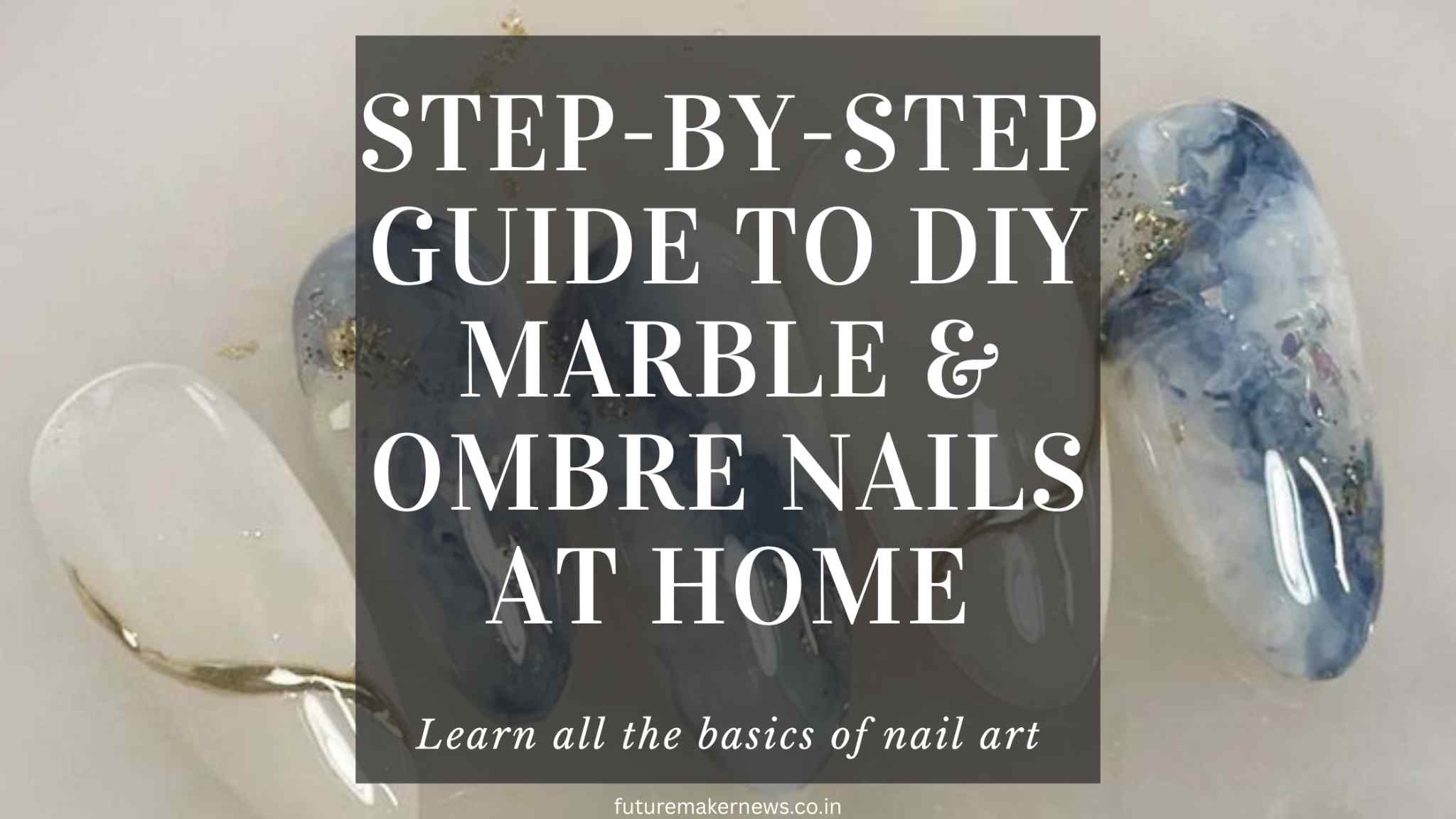
: Trending TikTok nail hacks you can actually try at home – featured blog image

Let’s be honest , TikTok is basically the modern-day beauty school. You scroll for “five minutes” (which is code for two hour oops. ), and suddenly you’re convinced you can build a nail salon in your living room. But here’s the real question: do these trending TikTok nail hacks actually work in real life, or are they just designed to make us add more stuff to our Amazon cart?

Good news: I tested a bunch so you don’t waste your polish, patience, or sanity. Here are the DIY nails at home hacks that are actually worth your time.


#1. The Lipstick Hack (Yes, Lipstick as Nail Polish)

TikTok loves recycling beauty products, and apparently, your lipstick can double as nail polish. You just mix it with clear polish, and boom—custom shade. Does it last forever? Nope. Is it a flex to say, “Thanks, it’s Fenty lipstick… on my nails”? Absolutely.


#2. The Eyeshadow Ombre Nails

If you’ve ever had a broken palette (RIP expensive eyeshadows), this hack is your revenge. You apply a base coat, dab eyeshadow with a sponge, and seal it with top coat. The result? Gorgeous ombre nails that scream effort when you actually spent 10 minutes.


#3. The Tape French Tip Trick

Classic French tips are harder than keeping a white shirt clean at brunch. TikTok’s fix? Tape. Stick it just under the nail edge, paint the tip, peel off, and suddenly you look like you dropped $40 at a salon. Minimal effort, maximum boujee vibes.


#4. The Toothpick Dotting Tool

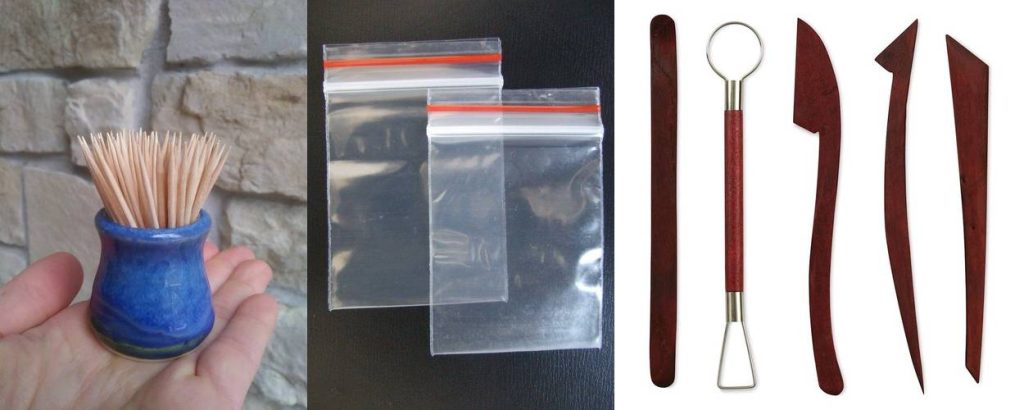
Can’t justify buying a dotting pen? Same. Enter: the humble toothpick. Dip it in polish, dot on flowers, hearts, or polka dots, and suddenly you’ve got easy nail designs from TikTok without buying a single “pro tool.”


#5. The Press-On Glow Up

TikTok swears by taking basic press-ons and upgrading them. Paint them, add rhinestones, or layer glitter before you stick them on. They look salon-worthy and save you from the heartbreak of watching one acrylic pop off while you’re holding a drink at the bar.


#6. The Vaseline Cuticle Hack

This one’s less “artsy” and more “save your skin.” Before painting, spread Vaseline around your cuticles. When you’re done, wipe it away, and—no messy polish on your skin. This is the kind of hack you’ll actually use every single time.


#7. The Viral Marble Hack with Plastic Wrap

Forget water marbling disasters. TikTok does it with cling wrap: put a few polish drops on your nail, dab lightly with a scrunched-up wrap, and boom—abstract marble art that looks like you paid someone who actually went to beauty school.


Which TikTok Nail Hacks Are Worth It?

Not every viral beauty trick deserves your time (or your nail bed’s health), but these trending TikTok nail hacks you can actually try are budget-friendly, beginner-approved, and—most importantly—don’t look like a 5-year-old painted your nails.

So the next time you’re scrolling at 2 a.m. and think, “Could I pull that off?”—the answer is yes. Grab your tape, your lipstick, and your dignity, and go full DIY. Because let’s be real, the only thing better than good nails is being able to say: “Yeah, I did them myself.”

“Aesthetic blog banner featuring a glowing golden moon with book illustrations and stars, text overlay reads ‘7 DIY Journaling Prompts for Mental Clarity’.”

There’s something about pen and paper that clears the noise in your head. When your mind feels foggy, journaling works like a reset button—helping you release emotions, sort through stress, and create space for fresh ideas.

The truth is, you don’t need a perfect notebook or fancy system. What you need are the right DIY journaling prompts for mental clarity—simple yet powerful questions that guide your thoughts toward healing and focus.

Here are 7 journaling prompts you can try at home to create calm and clarity.


# 1. Write Down What’s Taking Up Space in Your Mind

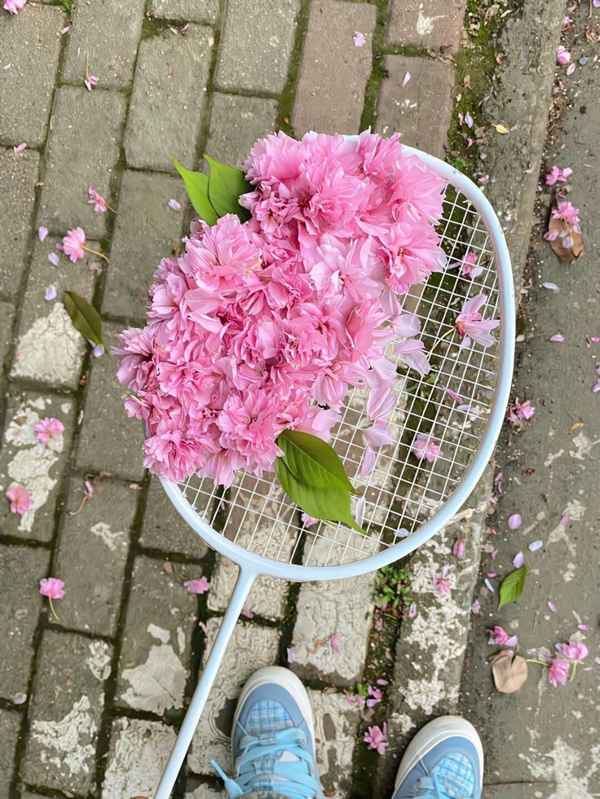
Pink flowers on a white racket placed on the ground with scattered petals.
A calming symbol of mindfulness—small details reminding us to slow down.

This is a “mental dump.” List everything circling in your thoughts—unfinished tasks, worries, random reminders. Seeing them on paper immediately lightens your mental load.


#2. Describe How You’re Feeling in This Exact Moment

Empty coffee cup with quote “bad days are part of a good life.”
Journaling inspiration: even difficult days belong to a bigger, brighter life.

Self-care journaling starts with awareness. Label your emotions, no matter how messy they feel. Even a line like “I feel restless because…” begins untangling what’s inside.


#3. What’s One Thing I Can Control Today?

: Close-up of a fresh lemon slice glowing under light.
A refreshing visual reminder that clarity often comes in small, simple things.

When anxiety builds, clarity comes from narrowing focus. Write down one single thing you can influence today. It may be as small as preparing a meal or stepping outside for fresh air.


#4. Gratitude in Three Lines

Alt: Sticky note with handwritten words: “Replace some of that worry with a little hope.”
Healing words worth journaling when the mind feels heavy.

Journaling for clarity doesn’t need to be long. Write three short sentences of gratitude daily. Over time, this tiny ritual reshapes how your mind scans for positivity.


#5. Rewrite a Negative Thought Into a Kinder One

Open journal with candlelight and books in a cozy setup.
Late-night journaling with candles—turning thoughts into calm.

We all carry harsh self-talk. Pick one negative thought, write it down, and reframe it as if you were speaking to a friend. This practice softens inner criticism and supports emotional healing.


#6. What Do I Need to Let Go of Right Now?

Open journal with rose petals and a cup of tea on a bed.
Journaling practice paired with tea—rituals that heal the heart.

Clarity often comes from release. It could be an expectation, guilt from yesterday, or pressure to be perfect. Naming it in your journal is the first step toward letting go.


#7. Visualize Your Tomorrow Morning

Journal with long handwritten notes lying on a white sheet.
A page of reflection—writing to bring mental clarity and peace.

End your session with a forward-looking prompt: “How do I want to feel tomorrow morning?” Write in detail yet calm, energized, or steady. This directs your mind to create a softer landing for the next day.

Reflection

Daily journaling practices for mental clarity don’t need more than 10 minutes. Over time, these prompts become a personal toolkit , helping you reduce stress, release clutter, and reconnect with yourself.

If you’ve been searching for a healing yet practical self-care habit, try picking one prompt tonight. Journaling doesn’t just record your life , it clears the mental space you need to truly live it.

7 Healing Practices to Cope with Loneliness at Home – calming blog banner with a journal, rose petals, and a cup of tea.

Loneliness can feel heavier than silence. It sneaks in on quiet evenings, lingers in mornings that feel too long, and often stays even when the world around you looks “busy.” But here’s something I’ve learned—loneliness is not a flaw. It’s a signal. A signal that your mind and heart are asking for gentler care, softer rituals, and deeper presence.

If you’ve been wondering how to cope alone at home or searching for healing practices for loneliness, I’ve put together what has truly worked for me and many others who’ve walked this road. These aren’t quick fixes. They are gentle steps—daily practices that slowly rewire how you feel and help you build a calmer relationship with yourself.


#1. Start With Morning Light and Breath

Healing loneliness begins with how you greet your day. Instead of rushing to your phone, open a window, let the morning air touch your skin, and take five slow breaths.

I still remember one winter morning when I opened my blinds, expecting gray skies. Instead, the sun spilled across my room, and for the first time in weeks, I didn’t feel so small. That moment reminded me: light is medicine.

The self-care for loneliness starts in these small, quiet promises you keep to yourself.


#2. Create a Ritual Space at Home

You don’t need a meditation room. A chair near the window, a cozy blanket, or even a corner with a candle can become your safe ritual space.

I carved out a corner by placing a single chair and a plant beside it. Nothing fancy, but now every evening when I sit there, it feels like my mind knows: this is where I can exhale.

This isn’t just “decor.” It’s a healing anchor.


#3. Journal What You Wish Someone Would Tell You

I used to wait for comforting words from others. Then I discovered I could write them for myself. Grab a notebook and write: What do I wish someone would say to me right now? and then let the words flow.

One night I wrote: You’re doing better than you think.” Reading those words back was strangely healing—it was as if my future self was speaking to me. Over time, journaling became one of my most reliable tools for healing loneliness at home.


#4. Move Your Body Gently, Not Punishingly

When you’re alone, it’s tempting to sink into stillness, but your body craves movement. Stretch slowly, put on calming music, or follow a short yoga flow online. The goal is not calories. The goal is circulation—letting energy move so stuck emotions can soften.

Think of it as saying to your body: I won’t abandon you.”


#5. Use Healing Scents to Shift the Atmosphere

Our senses carry memory, and healing scents are underestimated companions in loneliness. Diffuse lavender when you feel restless, peppermint when you need energy, or sandalwood when you want grounding.

I once started diffusing lavender at night. After a few weeks, the smell alone became my body’s signal: it’s time to rest now. Scents can be quiet allies in creating comfort.


#6. Redefine Connection: Start Small and Safe

Loneliness doesn’t always need a huge social circle to heal. Sometimes it just needs one authentic moment of connection.

I began by sending a simple photo of my evening tea to a close friend. Her reply—“I needed this reminder to slow down too”—made me realize that even tiny exchanges can hold weight. Healing isn’t about numbers; it’s about presence.


#7. End Your Day With a Gentle Closure

Loneliness often deepens at night. Instead of scrolling endlessly, close your day with a healing closure: dim the lights, sip chamomile tea, journal three things you noticed today, and thank yourself for making it through.

Some nights, my list is as simple as: Saw a bird on the balcony. Finished a chapter of my book. Texted a friend.” And yet, those little acknowledgments create a thread of gratitude that makes the night softer.


Reflection

Loneliness doesn’t disappear in a single step. It softens with consistent practices that honor your presence. The more you turn toward yourself—through light, scent, movement, journaling, and connection—the less frightening “being alone” becomes.

If you’re reading this, know this: healing is possible. You are not broken for feeling lonely ; you are simply human. And humans, when given the right care, always find their way back to warmth.

So tonight, when you sit in your quiet space, remember—you’re not just coping with loneliness. You’re learning to create a life where your own company feels like home.

Healing Scents: A DIY Guide to Aromatherapy at Home

There’s something magical about how a familiar scent can instantly shift your mood. Think of lavender drifting through the air before bed, sandalwood grounding you in a quiet room, or lemon adding that fresh zing when you’re feeling sluggish. These aren’t just fragrances—they’re medicine for the mind. Welcome to the world of healing scents and DIY aromatherapy, where your home transforms into a personal wellness retreat.


What is Aromatherapy and Why Does It Work?

Aromatherapy uses essential oils—concentrated plant extracts—to support emotional, mental, and even physical health. Unlike synthetic room sprays, essential oils contain compounds that directly interact with the brain’s limbic system, the area that controls mood, memory, and stress response.

That’s why the right scent doesn’t just smell nice—it can calm you down, lift your energy, or even help you focus.


Popular Healing Scents and Their Benefits

  • Lavender – Calms anxiety, improves sleep, reduces tension headaches.
  • Peppermint – Boosts energy, sharpens focus, eases nausea.
  • Lemon – Uplifts mood, fights fatigue, naturally cleanses the air.
  • Eucalyptus – Clears sinuses, strengthens immunity, refreshes breathing.
  • Sandalwood – Grounds the mind, aids meditation, relieves restlessness.
  • Rosemary – Supports memory, improves concentration, reduces mental fog.

Tip: Invest in small 10ml bottles of these oils for your wellness kit. They last months and are far more cost-effective than store-bought candles.


DIY Aromatherapy Recipes You Can Try Today

1. The Sleep Mist

Alt Text: Chamomile essential oil with dried chamomile flowers and glass jar.
  • 10 drops lavender oil
  • 5 drops chamomile oil
  • 50ml distilled water

Mix in a spray bottle, shake well, and spritz on your pillow before bed.


2. The Morning Boost Diffuser Blend

Citrus essential oil with lemon slices for mood lifting and stress relief.

  • 3 drops peppermint
  • 3 drops lemon
  • 2 drops rosemary

A natural wake-up call that feels brighter than your first cup of coffee.


3. The Stress-Less Bath Soak

Alt Text: Brown essential oil bottle with pine cone and towel on wooden surface.
  • 1 cup Epsom salt
  • 5 drops sandalwood
  • 4 drops lavender

Add to warm bathwater and soak for 20 minutes to release tension.


4. DIY Roll-On Calm

Lavender essential oil with flowers and candles for calming the nervous system.
  • 10ml roller bottle
  • 2 drops eucalyptus
  • 2 drops lavender
  • Fill with jojoba or coconut oil

Roll onto wrists, temples, or the back of your neck when stress creeps in.


Safety Tips for Using Essential Oils

  • Dilute always: Essential oils are potent. Blend with a carrier oil like coconut, almond, or jojoba before skin contact.
  • Don’t ingest oils unless a certified practitioner advises it.
  • Check sensitivities: Pregnant women, kids, and pets can react differently—do a patch test first.

Why DIY Aromatherapy is Better Than Store-Bought Scents

Many store candles or sprays are loaded with synthetic “fragrance oils” that mimic scent without offering therapeutic benefits. DIY blends, on the other hand, are:

  • Pure and natural
  • Customizable for your needs
  • Safer for daily use
  • A mindful, creative practice in themselves

Alt Text: Olive oil bottles lined up on shelf with golden glow lighting.

Healing scents aren’t just about nice aromas—they’re practical tools for balance and self-care. Whether you’re craving deeper sleep, sharper focus, or just a moment of calm, DIY aromatherapy brings nature’s remedies into your daily life.

So the next time you feel stressed, tired, or distracted, remember: a few drops of lavender, peppermint, or sandalwood might just change your day.

Your Turn: What’s one scent that instantly changes your mood? Drop it in the comments—I’d love to know.

DIY projects to upgrade your backyard in a weekend – featured blog image

Let me be real with you : most of us dream of that Pinterest-worthy backyard, but when the weekend hits, Netflix takes over. I get it. But here’s the truth: you don’t need thousands of dollars or a full renovation team to make your outdoor space look magical. You just need a free weekend, a trip to Home Depot (or even Walmart), and a little creative push.

In this blog, I’m sharing the exact DIY outdoor projects that I tried myself (and trust me, I’m no carpenter). They’re simple, budget-friendly, and instantly make your backyard feel like a cozy retreat. Ready to transform your space by Sunday night? Let’s dive in.

Build Your Own Patio Furniture (Yes, It’s Possible!)

Cozy pallet furniture with soft cushions and a patterned rug — a budget-friendly backyard upgrade.

When I first decided to build my own DIY patio furniture, I had visions of a Pinterest board come to life… and then reality hit me. Those wooden pallets? Yeah, they don’t move themselves. I dragged one across the yard and immediately realized I was in over my head. My cousin had to come over because I nearly threw out my back trying to lift them solo (pro tip: don’t try to look strong in front of your neighbors—ask for help).

But here’s the surprise twist—once the pallets were stacked, a couple of cushions tossed on top, it actually looked good. Like, “hey, maybe I can actually pull off a backyard makeover” kind of good. Honestly, it’s one of the easiest projects because it gives your space personality without torching your wallet. And if you want it to look like you splurged at a designer store? Just sand the pallets, add some weather-proof paint, and suddenly your DIY setup feels showroom-worthy.

DIY Outdoor Lighting That Changes Everything

Backyard with pallet sofa and fairy lights creating a cozy outdoor space.
String lights can completely transform a simple backyard into a warm evening retreat.

You know that dreamy backyard you see in movies? Honestly, 90% of the magic is just lighting. And the best part? It doesn’t drain your wallet.

I hung fairy lights from Amazon, popped solar lanterns along the path, and dropped candles in mason jars. In no time, my backyard went full “Brooklyn rooftop cafe” mode. And yeah, worth every second. (If you’re into more hacks like this, check out my post on Easy DIY Ideas for Home and Art Lovers 2025).

Weekend Planters That Make You Look Like a Green Thumb

DIY vertical planters made from painted tin cans with flowers and greenery.
Turn old tin cans into colorful hanging planters for herbs and flowers — easy and fun DIY project.

Not gonna lie — I’ve killed more plants than I’d like to admit. But DIY backyard planters saved me.

Grab some old buckets, paint cans, or even wooden crates, and turn them into chic planters. The trick? Spray paint them matte black or white for that minimalist Instagram vibe.

I planted lavender and basil — easy to grow, smell amazing, and make me look way more “put-together” than I really am. “And honestly? Worth every minute.”

Small Backyard Design Ideas That Actually Work

: DIY backyard bar cart with flowers, champagne, and summer drinks.
A thrifted table or cart makes the perfect outdoor drink station for weekend vibes.

Okay, let’s say you’re working with a tiny outdoor space. Don’t panic. Small backyard design ideas are about vertical hacks.

  1. Hang planters on your fence. ( like herbs, flowers or even succulents )
  2. Use foldable chairs + tables. ( or even regular ones, as long as they look good and don’t overwhelm the space. The trick is keeping it sleek. )
  3. Create a mini “bar cart” with a thrifted table for summer drinks. ( my personal favorite )

It’s not about the size of your yard — it’s about how creative you get with the space.

The Secret to a Cozy Vibe? Layer Textures.

DIY backyard makeover with layered rugs, pillows, and cozy boho-style seating.
Layer textures like rugs and cushions to create a cozy outdoor living room vibe.

Here’s the secret nobody mentioned: cozy = layers.

Lay down an outdoor rug (yep, they actually make rugs for outside), toss on some pillows, and keep a blanket handy for those breezy nights. Suddenly your backyard isn’t just grass and chairs anymore—it’s giving full-on “outdoor living room” energy.

Your Backyard, Your Weekend Project

Small backyard setup with folding chairs, table, and vertical green plant wall.
Compact backyard design idea — foldable chairs and vertical planters maximize small spaces.

By Sunday night, you could be sipping a cold drink under fairy lights, feet up on your DIY pallet sofa, with planters you actually pulled off yourself.

The truth is, a backyard makeover doesn’t have to feel like a big project. These DIY outdoor ideas turn a plain yard into your own little escape.

So seriously—why scroll all weekend when you can give your backyard the glow-up it’s been waiting for? Need more inspo? Check out my post on Easy DIY Ideas for Home and Art Lovers 2025.

❓ Frequently Asked Questions (DIY Backyard Projects)

What is the cheapest DIY backyard project?

Honestly, the cheapest backyard makeover is string lights + planters. You can grab fairy lights for under $20 and repurpose old buckets, crates, or even coffee cans as planters. Add a few herbs or flowers, and suddenly your space feels intentional without spending big.

How do I decorate my backyard on a budget?

Think layering + creativity. Use what you already own—like an old table that can double as a bar cart, thrift-store chairs, or leftover paint for a fresh look. Add cozy touches like an outdoor rug or throw pillows, and focus on lighting. These budget backyard makeover ideas are what truly change the vibe.

Can I DIY outdoor furniture without tools?

Yes, 100%! Pallet furniture is the easiest hack. You don’t need fancy tools—just sandpaper, paint, and outdoor cushions. Stack pallets to create a couch or coffee table. I did this myself and trust me, if I can pull it off without a workshop, so can you.

How to create a website by yourself without coding – step-by-step beginner’s guide featured image

When I built my very first website, I honestly had zero coding knowledge. I wasn’t a developer, I wasn’t a designer—I was just someone curious enough to try. Like most beginners, I searched everywhere for answers, got lost in technical jargon, and almost gave up more than once. But the moment I finally saw my website live for the first time, it felt like unlocking a whole new world.

Today, having a website is no longer optional—it’s essential. Whether you’re running a small business, working as a freelancer, starting a blog, or simply wanting to showcase your portfolio, your website is your digital home. It’s the place people will find you, trust you, and connect with what you have to offer.

The best part? You don’t need to be a tech wizard. In this beginner’s guide to website creation, I’ll walk you through exactly how to create your website by yourself, step by step. Think of this less like a tutorial and more like a friend guiding you through the process—because I’ve been where you are right now. By the end, you’ll know how to plan, build, and launch a professional-looking website without writing a single line of code.

Step 1 – Choosing the Right Domain Name

Think of your domain name as your website’s street address on the internet. It’s how people will find you, remember you, and share your site with others. When I was creating my first site, I made the mistake of choosing a name that was way too long and hard to spell. Trust me you don’t want your visitors struggling to type your URL.

Here are a few lessons I learned (sometimes the hard way):

  • Keep it short and simple. One or two words are easier to recall than a long phrase.
  • Make it relevant. If your website is about baking, photography, or digital marketing, hint at it in your name.
  • Avoid tricky spellings. People should be able to type it without double-checking.
  • Use the right extension. For most people, “.com” is still the easiest to remember, but if your focus is local, extensions like “.co.uk” or “.in” also work.

To actually buy a domain name online, you can use providers like Namecheap, GoDaddy, or Google Domains. Prices are usually affordable , often less than the cost of a coffee per month. The key is to lock in a domain that matches your brand vision early, before someone else grabs it.

tip not to ignore : If possible, include a relevant keyword in your domain name (for example, “healthyrecipes.com” or “johndesigns.com”). This can give you a small boost in search rankings and also make your website’s purpose instantly clear.

Step 2 – Picking a Reliable Web Hosting Provider

After securing your domain, the next big step is finding a web hosting provider. If the domain is your address, then hosting is like the land your website is built on : it’s where all your files, images, and content actually live.

When I launched my first site, I thought any cheap hosting would do. Big mistake. Within a few weeks, my site kept crashing, loading slowly, and even went offline during peak hours. That’s when I realized how important choosing the right hosting really is.

Here are some things I wish I had known from the start:

  • Speed matters a lot. A slow website turns visitors away, and search engines don’t like it either.
  • Uptime is critical. Look for a host that promises at least 99.9% uptime-this means your site stays online almost all the time.
  • Customer support saves you. As a beginner, you’ll face issues. Having 24/7 chat or phone support is a lifesaver.
  • Scalability. Start small, but make sure your hosting can grow with you if your traffic increases.

Some of the best web hosting for beginners globally include:

  • Bluehost – beginner-friendly and officially recommended by WordPress.
  • Hostinger – very affordable with strong performance.
  • SiteGround – known for speed and excellent support.

SEO tip: Search engines care about website speed and security. A good host gives you SSL certificates (that little lock icon next to your website name) and faster loading times—both of which improve your SEO ranking.

So, don’t rush this step. Think of hosting as the foundation of your digital home. The stronger it is, the smoother your online journey will be.

Step 3 – Deciding Between WordPress, Website Builders, or Custom Code

Once you’ve got your domain and hosting, the next question is: “How am I actually going to build my website?”

When I was starting out, this was the part that felt most overwhelming. I kept asking myself – should I learn coding? Should I use WordPress? Or should I just go for a drag-and-drop website builder? Here’s what I learned through trial, error, and late-night Google searches:

Option 1: WordPress (Most Popular Choice)

  • Why people love it: WordPress is flexible, powerful, and powers over 40% of all websites on the internet.
  • My experience: I picked WordPress for my first “real” website because it let me install themes, add plugins (like contact forms, SEO tools, etc.), and scale as my site grew.
  • SEO bonus: WordPress is naturally SEO-friendly, especially if you use plugins like Yoast SEO.
  • Keyword use: WordPress website tutorial for beginners is what you should search if you want to learn step by step.

Option 2: Website Builders (Wix, Squarespace, Shopify, etc.)

  • Why they’re easy: If you don’t want to deal with technical stuff, drag-and-drop builders like Wix or Squarespace are beginner-friendly. Shopify is great if you want an online store.( like jewelary store)
  • My experience: I tried Wix once for a quick portfolio site—it looked good, but I eventually moved back to WordPress because I needed more flexibility.
  • SEO consideration: Builders are improving, but they may not offer the same deep SEO control as WordPress.
  • Keyword use: best drag-and-drop website builders or how to build a website without coding.

Option 3: Custom Coding (For the Brave Ones)

  • When it makes sense: If you’re a developer or want a highly unique project, coding from scratch is the way.
  • My advice: If you’re a beginner, skip this. Learning HTML, CSS, and JavaScript is great, but it’ll slow down your launch.
  • Keyword use: how to code a website from scratch.

Teacher’s note: If you’re a beginner, I’d suggest starting with WordPress. It gives you the perfect balance—easy enough to start, but powerful enough to grow. Builders are fine for simple projects, but if you dream of scaling, WordPress will save you headaches later.

Step 4 – Designing Your Website Like a Pro (Without Coding)

Here’s the fun part—designing your website. This is where your digital space starts to take shape and reflect your personality, brand, or business.

When I first designed my site, I got carried away. I tried 6 different fonts, 10 colors, and packed way too much text on one page. The result? It looked messy, unprofessional, and—let’s be honest—hard to read. Over time, I learned that simple, clean, and user-friendly design always wins.

Here’s how you can design like a pro without writing a single line of code:

1. Pick a Theme or Template

  • If you’re on WordPress, choose a responsive theme (like Astra, GeneratePress, or OceanWP).
  • If you’re on Wix or Squarespace, start with their built-in templates.

2. Keep Branding Consistent

  • Use two main colors (primary + accent) and two fonts max.
  • Think about your audience: a yoga website might look better with calm pastels, while a tech site pops with bold, modern tones.

3. Focus on Easy Navigation

  • Visitors should find what they need in 3 clicks or less.
  • Keep menus simple: Home, About, Services/Products, Blog, Contact.

4. Use High-Quality Images (Not Heavy Ones)

  • Crisp visuals make a big difference, but don’t upload 10MB photos—they’ll slow down your site. (compress them)
  • Tools like Canva or Unsplash are lifesavers.

5. Design for Mobile First

  • More than half of global website traffic comes from phones. If your site doesn’t look good on mobile trust me you’re losing visitors.
  • Most modern themes are mobile-responsive—just preview and tweak.

Personal lesson: Less is more. Your website should feel like a clean, welcoming home—not a crowded market. White space is your friend; it makes everything look more professional.

Step 5 – Adding Essential Pages and Content

Now that your design is taking shape, it’s time to fill your site with content. This is where most beginners either freeze or overdo it. I’ve done both. At one point, I had a homepage that scrolled endlessly with every little detail about me—and guess what? Nobody read it. People want clarity, not clutter.

From my journey, here are the must-have pages every beginner’s website needs:

1. Home Page – Your First Impression

This is your shop window. Keep it clear: Who are you, what do you do, and how can you help the visitor?
Tip: Use one strong headline, a short description, and a button that leads to the next step (like “Shop Now” or “Contact Me”).

2. About Page – Your Story

People connect with people, not just brands. Share a bit of your journey, why you started, and what makes you different. When I added a simple photo of myself and a short story, visitors spent double the time on my site.

3. Services or Products Page – What You Offer

Explain what you provide, in plain words. Break it into sections, add images, and don’t be afraid to say exactly how it benefits the visitor. Avoid jargon—talk like you’d explain it to a friend.

4. Contact Page – Make It Easy

Don’t bury your email or phone number. Use a simple contact form and, if possible, a map (if you’re location-based). I once missed out on leads because my contact info was hidden in tiny text.

5. Blog Page – Your Value Hub

This is optional, but honestly, it’s powerful. A blog lets you share tips, updates, or stories, and it’s one of the easiest ways to attract traffic from Google. For example, writing about “best beginner yoga poses” brought me more visitors than my entire homepage once.

SEO Tip: Use your keywords naturally in your page titles and headings. Instead of writing “My Work,” say “Digital Marketing Services” or “Freelance Photography Portfolio.” It helps people and search engines understand your site.


My biggest advice: Don’t try to perfect everything at once. Get the basics up first. You can always polish and expand later.

Step 6 – Making Your Website SEO-Friendly from Day One

Here’s something I learned the hard way: you can build the most beautiful website in the world, but if nobody finds it on Google, it’s like opening a shop in the desert. That’s where SEO (Search Engine Optimization) comes in.

When I launched my first site, I didn’t even think about SEO. I just put my content out there and waited. Weeks went by with barely any visitors—except my mom, who I begged to check it out. Later, once I learned a few SEO basics and applied them, traffic started rolling in.

Here are the SEO must-dos for beginners:

1. Use Keywords Naturally

  • Keywords are just the words people type into Google.
  • For example, if you’re teaching yoga online, people might search “beginner yoga classes at home.”
  • Place these phrases in your titles, subheadings, and first paragraph—but keep it natural. Don’t force it.

2. Write Clear Meta Titles & Descriptions

  • Your meta title is the headline that shows up in Google search results.
  • Your meta description is the little summary under it.
  • Example:
    • Title: Beginner’s Guide to Yoga at Home (Step-by-Step)
    • Description: Learn how to start yoga at home with simple poses, routines, and breathing techniques for beginners.

3. Make It Mobile-Friendly

  • Over 50% of web traffic is mobile. If your site doesn’t look good on a phone, Google will push you down in rankings.
  • Most modern themes are mobile-responsive—but always double-check.

4. Speed It Up

  • Slow websites = visitors leaving in seconds.
  • Compress your images (use tools like TinyPNG).
  • Choose a good hosting provider (remember Step 2?).

5. Internal Linking

  • Link your own pages to each other. For example, from your “About” page, link to your “Services.”
  • It helps visitors explore and Google understand your site better.

6. Add an SSL Certificate (HTTPS)

  • That little lock icon next to your website’s name means your site is secure.
  • Google prefers it, and visitors trust it. Most hosts now give this free.

Personal tip: Don’t stress about ranking #1 overnight. SEO is a long game. What matters is being consistent and creating useful content that actually helps people.


My biggest mistake was ignoring SEO at the start. If you focus on it from day one, you’ll save yourself months of frustration later.

Step 7 – Testing and Launching Your Website

This is the exciting part—launching your website. But before you hit that “Go Live” button, take a moment to test everything. I skipped this step once and ended up with broken links, messy mobile layouts, and even a typo in my homepage headline. Not the best first impression.

Here’s a simple pre-launch checklist I’ve learned to follow:

1. Check Mobile & Desktop Views

  • Open your site on your phone, tablet, and laptop.
  • Sometimes what looks perfect on a computer is a disaster on mobile.

2. Test All Links & Buttons

  • Click every menu item, button, and link.
  • Make sure they lead exactly where they’re supposed to.

3. Proofread Your Content

  • Typos can make your site look unprofessional.
  • I once had “Contact Us for Free Quots” (instead of “Quotes”) live for a week before someone pointed it out.

4. Install Analytics

  • Add Google Analytics or similar tools so you can track who’s visiting your site, from where, and what they’re doing.
  • It’s like getting a behind-the-scenes view of your audience.

5. Set Up Backups & Security

  • A backup plugin or hosting backup saves you if something goes wrong.
  • Security plugins (like Wordfence for WordPress) keep hackers away.

6. Do a Speed Test

  • Use free tools like GTmetrix or Google PageSpeed Insights.
  • If your site is slow, fix image sizes or upgrade hosting before launch.

Personal reminder: Launching a website is like moving into a new home—you want to make sure the doors, windows, and lights all work before inviting guests in.

Once everything checks out, hit publish. Celebrate the small win—you’ve just created your own website by yourself.

Step 8 – Maintaining and Updating Your Website

Here’s the truth nobody tells you: building a website is just the beginning. What really matters is keeping it fresh, secure, and up-to-date. I learned this lesson the hard way when I ignored updates on one of my old WordPress sites. Within a few months, it got hacked, and I lost everything. Painful, but it taught me how important maintenance is.

Here’s how you can avoid my mistakes:

1. Update Regularly

  • If you’re using WordPress or any builder, update themes and plugins as soon as new versions roll out.
  • Outdated software is one of the easiest ways hackers sneak in.

2. Back Up Your Site

  • Set up automatic backups—weekly at the very least.
  • Tools like UpdraftPlus (WordPress) or hosting backups can save your skin.

3. Refresh Content

  • Don’t let your blog posts or service pages go stale.
  • Update stats, replace outdated photos, and re-check your keywords every few months.
  • Fresh content = better Google rankings.

4. Monitor Performance

  • Keep an eye on your analytics. If traffic suddenly drops, it could be an SEO or technical issue.
  • Track which pages get the most visits—double down on what works.

5. Keep It Secure

  • Use strong passwords (not “12345” or “password”—yes, people still do this).
  • Add two-factor authentication if possible.

6. Stay Engaged

  • Reply to inquiries fast.
  • If you run a blog, answer comments. It makes your website feel alive and welcoming.

Personal tip: Treat your website like a garden. If you water it, trim it, and care for it, it will keep growing. If you ignore it, weeds take over and things break down.

Your Website Journey Starts Now

Creating your website by yourself doesn’t have to be complicated. If you follow the steps—choosing a domain, setting up hosting, picking the right platform, designing with clarity, adding essential pages, and optimizing for SEO—you’ll be surprised how quickly your digital presence takes shape.

Remember, every professional site you see today started as someone’s first attempt. It’s not about perfection on day one; it’s about starting, learning, and improving as you go.

You’ve got the roadmap—now it’s your turn. Start building your website today, and if you hit a roadblock, ask in the comments. I’ll guide you through it..

7+ Best Acai Bowls You Need to Try for a Healthy Boost

Acai bowls have become more than just breakfast—they’re a lifestyle. Packed with antioxidants, fiber, and a natural sweetness that feels like dessert, these smoothie bowls are a perfect way to fuel your mornings or refresh after a workout. Whether you’re into fruity classics, chocolate indulgence, or protein-packed creations, there’s an acai bowl recipe for each of you.

In this guide, I’m sharing 7+ of the best acai bowls you can whip up at home. Each one is simple, customizable, and topped with all the crunchy, creamy goodness you’ll crave.

Why Acai Bowls Are Loved Worldwide

The craze isn’t just about how photogenic these bowls look (though, let’s be honest, they’re photogenic and ofcourse Instagram gold). It’s because they’re:

  • Nutrient-dense: Acai berries have 3x more antioxidants than blueberries.
  • Versatile: Works for breakfast, snacks, or even light dinners.
  • Customizable: You decide the toppings – granola, nut butter, or even chocolate.

How to Make Acai at Home

Blend frozen acai puree, banana, berries, and milk; top with granola, fruits, seeds for a refreshing homemade bowl.

7+ Delicious Acai Bowl Recipes

1. Classic Berry Acai Bowl

Base: Frozen acai puree, banana, strawberries
Toppings: Granola, blueberries, honey drizzle
Instructions: Blend the base until smooth, pour into a bowl, and add toppings.

2. Tropical Paradise Açaí Bowl

Base: Acai with mango + pineapple
Toppings: Coconut flakes, chia seeds
Instructions: Blend frozen acai with tropical fruits. Top with coconut flakes and chia seeds for a beachy vibe.


3. Peanut Butter Protein Açaí Bowl

Base: Acai, banana, almond milk
Toppings: Peanut butter swirl, hemp seeds
Instructions: Blend acai with banana and almond milk until creamy. Add a generous peanut butter drizzle and sprinkle hemp seeds.


4. Green Detox Acai Bowl

Base: Acai, spinach, avocado
Toppings: Pumpkin seeds, kiwi slices
Instructions: Blend greens with acai for a nutrient-packed base. Top with pumpkin seeds and kiwi slices for crunch and freshness.


5. Chocolate Lover’s Acai Bowl

Base: Acai with cacao powder + banana
Toppings: Dark chocolate shavings, almond butter
Instructions: Blend acai with cacao and banana for a dessert-like flavor. Garnish with chocolate shavings and almond butter.


6. Vegan Acai Bowl

Base: Acai with oat milk
Toppings: Plant-based granola, nut butter
Instructions: Use oat milk for a smooth vegan blend. Finish with crunchy granola and nut butter.


7. Kid-Friendly Sweet Acai Bowl

Base: Acai, banana, apple juice
Toppings: Strawberries, chocolate chips
Instructions: Blend banana and apple juice with acai for sweetness. Add fun toppings like strawberries and chocolate chips.


8. Bonus: Seasonal Special

Base: Seasonal twist ( for example: acai+ pumpkin puree or winter berries).
Toppings: Seasonal fruits, spices (like cinnamon or nutmeg).
Instructions: Mix acai with seasonal fruits. Add warming toppings for a festive touch.

Best Acai Bowl Toppings (Mix & Match)

  • Crunchy granola
  • Fresh fruits (mango, strawberries, kiwi, blueberries)
  • Nut butters (peanut, almond, cashew)
  • Seeds (chia, flax, pumpkin, hemp)
  • Coconut flakes (for crunch)
  • Dark chocolate or cacao nibs

Health Benefits of Acai Bowls

  • Rich in antioxidants for skin & anti-aging
  • High in fiber for digestion
  • Natural energy boost for workouts
  • Plant-based omega fats for brain & heart

Final Thoughts

Acai bowls are more than just breakfast—they’re a creative, nutrient-rich treat. With these 7+ easy recipes, you can enjoy variety without losing health benefits.

Which one will you try first : the refreshing Tropical Paradise or the indulgent Chocolate Lover’s bowl?

12+ Cursed Food Pics That Make Your Stomach Grin

Welcome to the cursed buffet. Here’s where cinnamon toast swims in orange juice, cookies cuddle with raw eggs, and pizza gets a chocolate syrup makeover. These cursed food pics are going to test your stomach, make you laugh, and maybe give you nightmares. Scroll carefully, brave reader.

# 1. Banana + Boiled Egg Combo

Protein plus potassium, but make it look like regret. This cursed food image proves not all duos deserve to exist.

# 2. Pumpkin Pie Meets Mustard

Somebody thought, “Pumpkin pie is nice, but you know what it really needs? Yellow mustard.” Humanity is cancelled.

# 3. Medicine-Flavored Ice Cream

Nothing says dessert like a big scoop of paracetamol gelato. Because who doesn’t crave pain relief with sprinkles?

# 4. Cockroach Latte Art

Your barista really said: caffeine and trauma, all in one cup.

# 5. Watermelon Ramen

When you can’t decide between fruit salad and instant noodles… just do both. This cursed meal is chaos in a bowl.

# 6. The Rat Cake

Dessert should not look like something running through your garage at 2am. Yet here we are.

# 7. Pizza + Chocolate Syrup

Pepperoni and mozzarella met Hershey’s syrup. The crime scene is still under investigation.

# 8. The Cookie-Bod Alien

This cookie looks like it’s about to steal your soul instead of your appetite.

# 9. Pickle Cupcakes

Sweet + sour, but in the most criminal way possible. Cupcakes didn’t deserve this fate.

# 10. Oreos Dipped in Salsa

Milk is fired. Salsa is in. And your taste buds are suing for damages.

# 11. Cereal + Orange Juice

Who needs milk when you’ve got tangy regret in a bottle? A true breakfast of champions (of bad choices).

# 12. Cookie Dough with Raw Eggs

cursed food pics · cookie dough meets raw eggs in the grossest food combo ever


Why Do We Love Cursed Food Pics?

Because cursed food content is funny, weird, and gross all at once. These cursed food pictures show us the internet’s wild side. From strange food combos to cursed meals nobody asked for, the chaos is oddly satisfying. It’s the kind of stuff you can’t unsee but also can’t stop scrolling.

9+ Hilarious and Weird Things People Found at Home That Will Make You Do a Double Take

Ever walked around your house and thought, “Wait… what on earth is THAT?” Well, you’re not alone. From vegetables with attitude to furniture that looks like it came straight out of a comedy sketch, these bizarre finds will leave you laughing, confused, and maybe even questioning reality.

Let’s dive into the most hilarious and weird things people discovered at home.


#1. The Baby Flower That Refused to Bloom

Nothing says “parenting creativity” like dressing your baby as a flower and pretending to water them. Too bad this little “plant” wasn’t enjoying the gardening session — sometimes nature just says nope.

#2. Carrots That Need Their Own Netflix Show

Forget Bugs Bunny — these carrots look like they’re starring in a rom-com. Who knew vegetables could be this clingy (and adorable)? Love really does grow in the garden.

#3. The Eggplant With a Personality

When your veggies look more human than you do on Monday morning… meet Mr. Eggplant Nose. Honestly, this one deserves its own Instagram account.

#4. Pants Plants

Why buy fancy pots when you can recycle old jeans? Bonus points: your backyard now looks like a garden fashion runway. Just don’t be surprised if your neighbors give these pants planters a double take.

#5. A Door Handle That Wants to Shake Hands

“Hello, welcome in!” — said the door handle, literally. Creepy or cool? You decide. Either way, it’s guaranteed to surprise your guests.

#6. Furniture With Feet

This stool is serving serious leg day. Imagine this in your living room — talk about a conversation starter. Though, we’re not sure if it’s comfy or just plain weird.

#7. The Banana Hot Dog

Who needs sausages when you’ve got bananas, PB, and jelly? Weird flex, but hey, it’s a fruit-long. Somewhere, a foodie is offended, and somewhere else, a kid just invented lunch.

#8. Pasta Cereal, Anyone?

The internet asks: do you pour the pasta or the milk first? Answer: you don’t. Please, just don’t. This is chaos in a bowl.

#9. Cooking Fail of the Century

When you destroy the stove AND dinner, at least leave a sweet note: “Sorry, honey!” Nothing says romance like a broken burner and a smiley face.

Life at home can get weird, funny, and sometimes downright confusing. But honestly, that’s what makes it fun. From veggies with sass to furniture with legs, these little discoveries remind us not to take life too seriously.

Kids are curious little scientists… except their experiments often involve Google, and the results are pure comedy gold. Parents everywhere have shared the funniest Google searches by kids, proving that childhood imagination mixed with internet access is a wild ride. If you’ve ever peeked at your child’s browser history, you know what I’m talking about.

Here are 26 funny search history gems that will make every parent laugh, nod, and maybe double-check their own kid’s search bar tonight.


1. “How to become invisible for school”

Because skipping math class needs magic, not excuses.

2. “Can dogs understand Spanish?”

Multilingual pets are the future.

3. “How old is SpongeBob in real life?”

Some mysteries aren’t meant to be solved.

4. “Do teachers sleep at school?”

Finally, the hard-hitting investigative journalism we need.

5. “Is broccoli poisonous to children only?”

A desperate attempt to dodge veggies.

6. “How to make my little brother disappear (without jail)”

At least they’re considering legal consequences.

7. “Can I sell my sister on Amazon?”

Jeff Bezos probably doesn’t want this business model.

8. “How many chickens would it take to fight a lion?”

Future statistician? Or future chaos agent?

9. “Why do adults drink hot bean water?”

Ah yes, coffee, explained perfectly.

10. “Do fish get thirsty?”

Hydration goals, even underwater.

11. “Can Santa be tracked on Google Maps in July?”

Because patience is overrated.

12. “How to tell if my stuffed animal is alive”

Too many Toy Story marathons.

13. “How to get more Roblox without Mom knowing”

The digital version of hiding candy wrappers.

14. “Can you get a six-pack from eating six packs of Oreos?”

If only fitness worked this way.

15. “How many days until I’m taller than Dad?”

Sorry kid, genetics holds the answer.

16. “Do ghosts pay rent?”

Someone’s been thinking about haunted housing rights.

17. “Is the moon following me home?”

Every car ride mystery, finally addressed.

18. “Can a cat marry a dog?”

Romeo and Juliet, but with fur.

19. “Why do parents like cleaning so much?”

We really don’t, kiddo. We really don’t.

20. “Do babies come from Amazon Prime or Walmart?”

Delivery guaranteed in 2 days?

21. “Can I put my homework in the microwave to finish it faster?”

That’s one way to “burn through assignments.”

22. “If I eat glitter, will I poop rainbows?”

Please don’t try this at home.

23. “How to become a YouTuber without telling my parents”

Step 1: Clear the browser history.

24. “Can sharks smell pee from space?”

NASA is not taking calls on this, sorry.

25. “Why does my mom always know everything?”

It’s called Wi-Fi, sweetheart.

26. “Can I marry pizza?”

Honestly… relatable.


Wrapping It Up

Kids searching weird things on Google is a rite of passage for modern parents. These funny parental moments remind us that childhood is equal parts innocence, curiosity, and chaos.

If you laughed, hit that share button and brighten another parent’s day. And hey—drop your own “funny search history” discoveries in the comments. Who knows, we might just need a part two!