A Classic Italian Recipe for Dinner in Just 25 Minutes
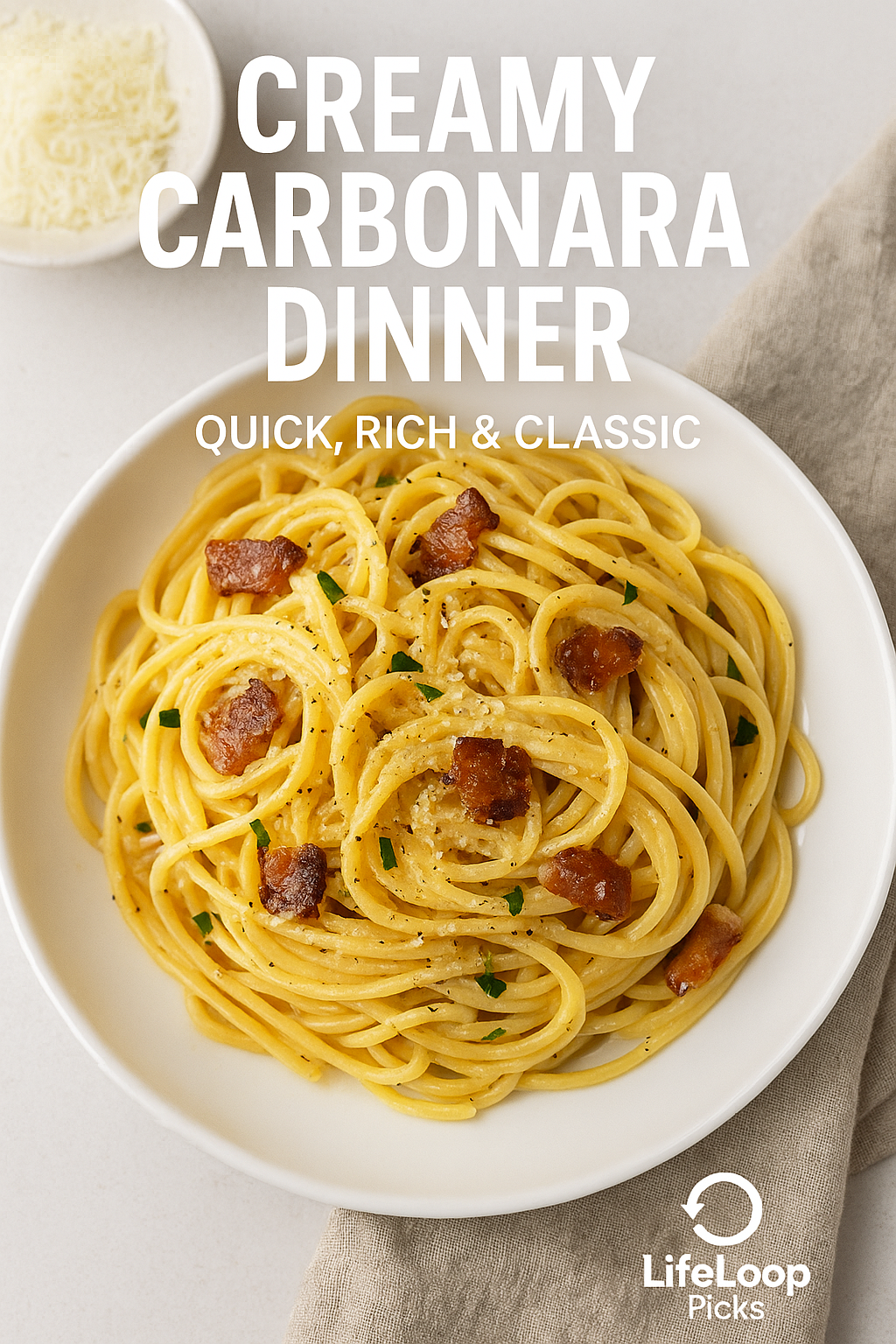
This recipe for dinner is a timeless favorite — rich, creamy, salty, and comforting. Spaghetti Carbonara is made with simple ingredients, yet delivers bold Italian flavors that never go out of style. Perfect for a weeknight dinner or when you’re craving restaurant-quality pasta at home.
Ingredients (Serves 4):
12 oz (340 g) spaghetti
2 large eggs + 1 egg yolk
3 oz (85 g) pancetta or bacon, diced
1 cup grated Parmesan or Pecorino Romano cheese
2 cloves garlic, smashed (optional)
Salt and freshly ground black pepper
Fresh parsley for garnish (optional)
Instructions:
Cook pasta: In a large pot of salted boiling water, cook spaghetti until al dente. Reserve 1/2 cup pasta water and drain.
Crisp the pancetta: In a skillet, cook pancetta or bacon over medium heat until crispy. Add garlic for 1–2 minutes, then discard (if using).
Make the sauce: In a bowl, whisk eggs, yolk, and grated cheese until smooth.
Combine: Add hot spaghetti to the skillet (remove from heat). Pour egg mixture over, tossing quickly to coat and create a creamy sauce. Add reserved pasta water as needed for silkiness.
Season and serve: Add black pepper to taste. Garnish with more cheese and parsley if desired.
Why This Works:
Carbonara is proof that simple ingredients can make a luxurious recipe for dinner. It’s rich but not heavy, comforting but quick, and perfect for pasta nights with family or friends.
Craving a vibrant recipe for dinner that screams summer? This grilled veggie pasta is your answer—charred vegetables, zesty dressing, and al dente pasta come together in just 30 minutes. It’s perfect for outdoor dining or a relaxed weeknight meal.
Ingredients (Serves 4):
250 g spiral or penne pasta
1 zucchini, sliced into half-moons
1 yellow squash, sliced
1 cup asparagus, trimmed
1 red bell pepper, chopped
2 tbsp olive oil
½ tsp salt & pepper
¼ cup grated Parmesan (optional)
Dressing:
3 tbsp olive oil
2 tbsp lemon juice
1 clove garlic, minced
1 tbsp fresh basil, chopped
Salt & pepper to taste
Instructions:
Cook pasta: Boil according to package directions. Drain and set aside.
Grill veggies: Toss zucchini, squash, asparagus, and pepper with olive oil, salt, and pepper. Grill or sauté until charred and tender (~5–7 min).
Make dressing: Whisk olive oil, lemon juice, garlic, basil, salt & pepper in a bowl.
Toss together: Combine pasta and veggies. Drizzle with dressing and toss to coat evenly.
Serve: Sprinkle Parmesan and garnish with extra basil. Serve warm or at room temperature.
Why You’ll Love This Dinner Recipe:
This is summer on a plate: fresh veggies, bold lemony flavors, and easy prep make it a go-to recipe for dinner. Plus, it looks gorgeous on Instagram and Pinterest—charred veggies, pasta strands, and a hint of cheese.
Looking for a light, fresh, and flavor-packed recipe for dinner this season? These crispy shrimp tacos with creamy slaw are the ultimate summer dinner idea — quick to make, super satisfying, and full of color and crunch.
Ingredients (Serves 4):
1 lb (450g) large shrimp, peeled and deveined
1 tablespoon olive oil
1 teaspoon smoked paprika
1/2 teaspoon garlic powder
Salt and pepper to taste
8 small flour tortillas
Fresh lime wedges (for serving)
For the Creamy Slaw:
2 cups shredded cabbage (mix of red and green)
1/2 cup shredded carrots
1/4 cup mayonnaise or Greek yogurt
1 tablespoon lime juice
Salt and pepper to taste
Instructions:
Make the slaw: In a bowl, mix cabbage, carrots, mayo (or yogurt), lime juice, salt, and pepper. Chill while you cook the shrimp.
Season the shrimp: Toss shrimp with olive oil, smoked paprika, garlic powder, salt, and pepper.
Cook the shrimp: Heat a skillet over medium heat. Cook shrimp for 2–3 minutes per side until crispy and pink.
Warm tortillas: Lightly warm each tortilla on a dry pan or skillet.
Assemble: Add a spoonful of slaw to each tortilla, top with 3–4 shrimp, and serve with lime wedges.
Why You’ll Love This Dinner Recipe:
It’s quick, colorful, and full of texture. The slaw adds crunch, the shrimp delivers spice, and it all comes together as a simple but impressive recipe for dinner your guests or family will love.
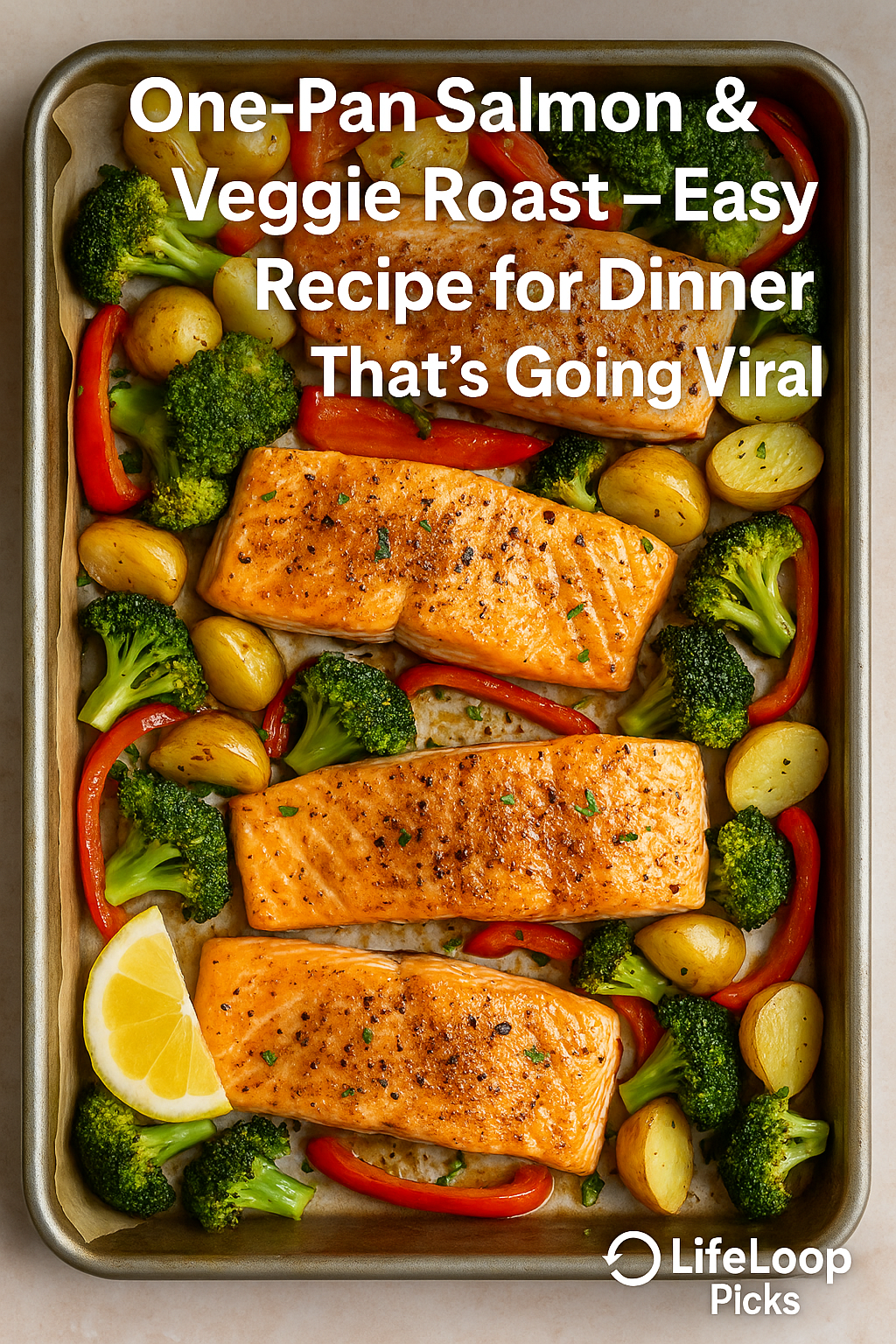
If you’re looking for a quick, flavorful, and healthy recipe for dinner, this one-pan salmon and veggie roast is the answer. It’s currently trending across food blogs and Pinterest boards — and for good reason. With minimal cleanup and ingredients you probably already have, this dinner idea is perfect for busy nights.
Ingredients (Serves 4):
4 salmon fillets (skin-on)
2 cups broccoli florets
2 cups baby potatoes, halved
1 red bell pepper, sliced
2 tablespoons olive oil
1 teaspoon garlic powder
1 teaspoon dried oregano (or Italian seasoning)
Salt & pepper, to taste
Optional: lemon wedges and fresh parsley for serving
Instructions:
Preheat your oven to 425°F (220°C). Line a large baking sheet with parchment paper.
Toss the veggies: In a mixing bowl, combine the broccoli, potatoes, and bell pepper with olive oil, garlic powder, oregano, salt, and pepper. Spread on the baking tray.
Roast: Bake vegetables for 15 minutes on the middle rack.
Add the salmon: Move veggies to the sides of the pan. Place salmon fillets skin-side down in the center. Drizzle a bit of olive oil and season with salt and pepper.
Roast again: Return to the oven for 12–15 minutes until the salmon is flaky and the vegetables are tender.
Serve: Top with fresh lemon juice and chopped parsley. Serve hot and enjoy this easy, wholesome recipe for dinner.
Why You’ll Love This Dinner Recipe:
This one-tray meal makes healthy cooking effortless. It’s a nutrient-rich, flavor-packed recipe for dinner that your whole family will love — and it looks great on the plate too!
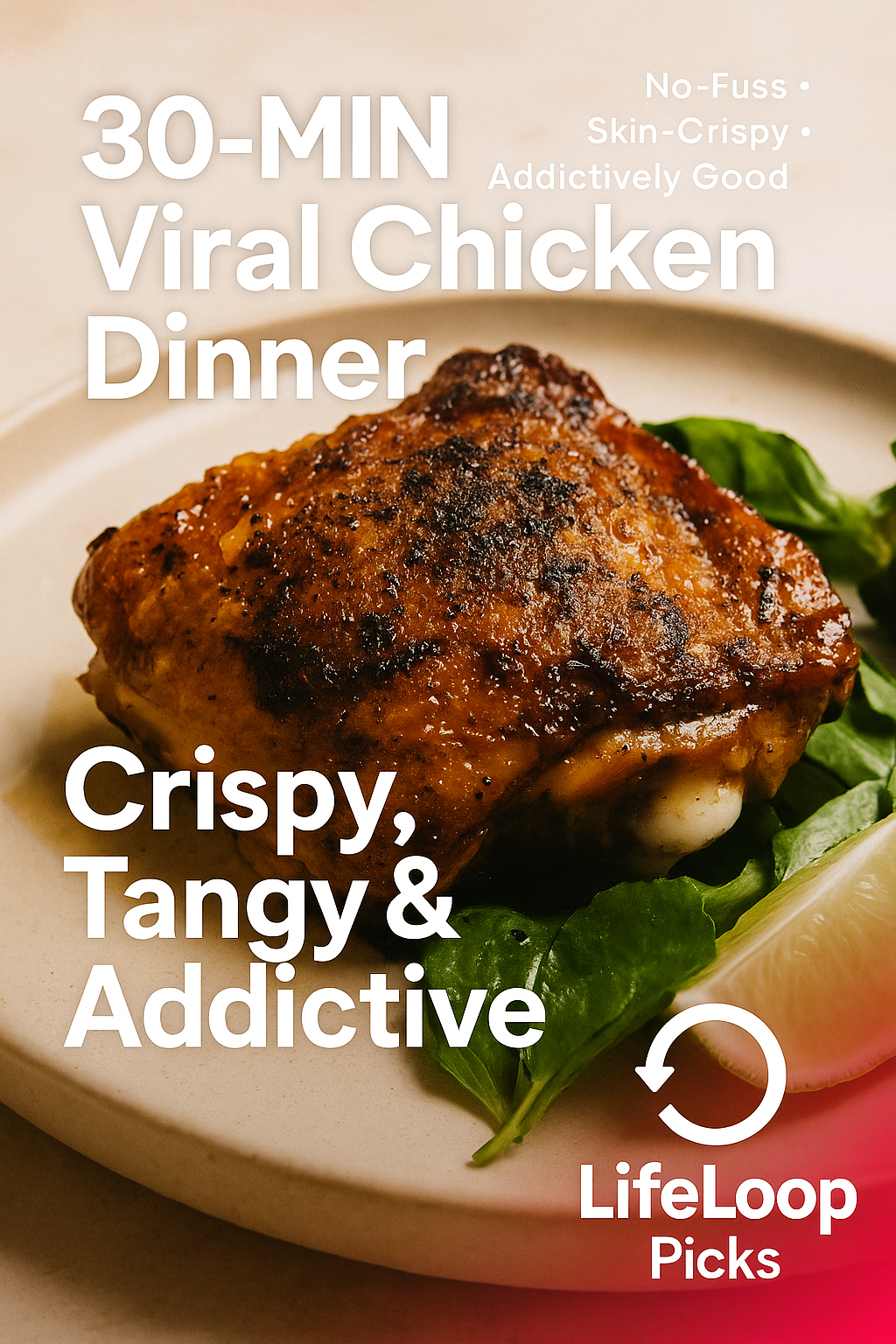
This chicken recipe has taken over food blogs and social media in 2025 — thanks to its bold flavor, crispy skin, and easy one-pan cooking. It’s perfect for a quick weeknight dinner and is sure to become a staple in your kitchen.
Ingredients (Serves 4):
4 bone-in, skin-on chicken thighs
1 teaspoon garlic powder
1 teaspoon Urfa chili flakes (or smoked paprika)
1/2 teaspoon dried orange peel (or zest of 1 orange)
1 teaspoon sumac (optional, for tang)
Salt and pepper to taste
1–2 tablespoons olive oil
Instructions:
Mix the spices: In a small bowl, combine garlic powder, chili flakes, orange peel, sumac, salt, and pepper.
Season the chicken: Pat chicken thighs dry. Rub the spice mixture under the skin and over the surface.
Sear the chicken: Heat olive oil in a skillet over medium-high heat. Place chicken skin-side down and cook for 8–10 minutes, undisturbed, until the skin is deeply golden and crispy.
Finish cooking: Flip the chicken and cook for another 6–8 minutes or until fully cooked through. Optionally, transfer the skillet to a preheated oven at 400°F (200°C) for 5–6 minutes to finish.
Serve: Let the chicken rest for 5 minutes before serving. Pair with rice, salad, or flatbreads for a full meal.
Why You’ll Love It:
No complicated ingredients. No mess. Just bold flavor, crispy skin, and juicy chicken. This recipe is quick, trendy, and absolutely addictive.
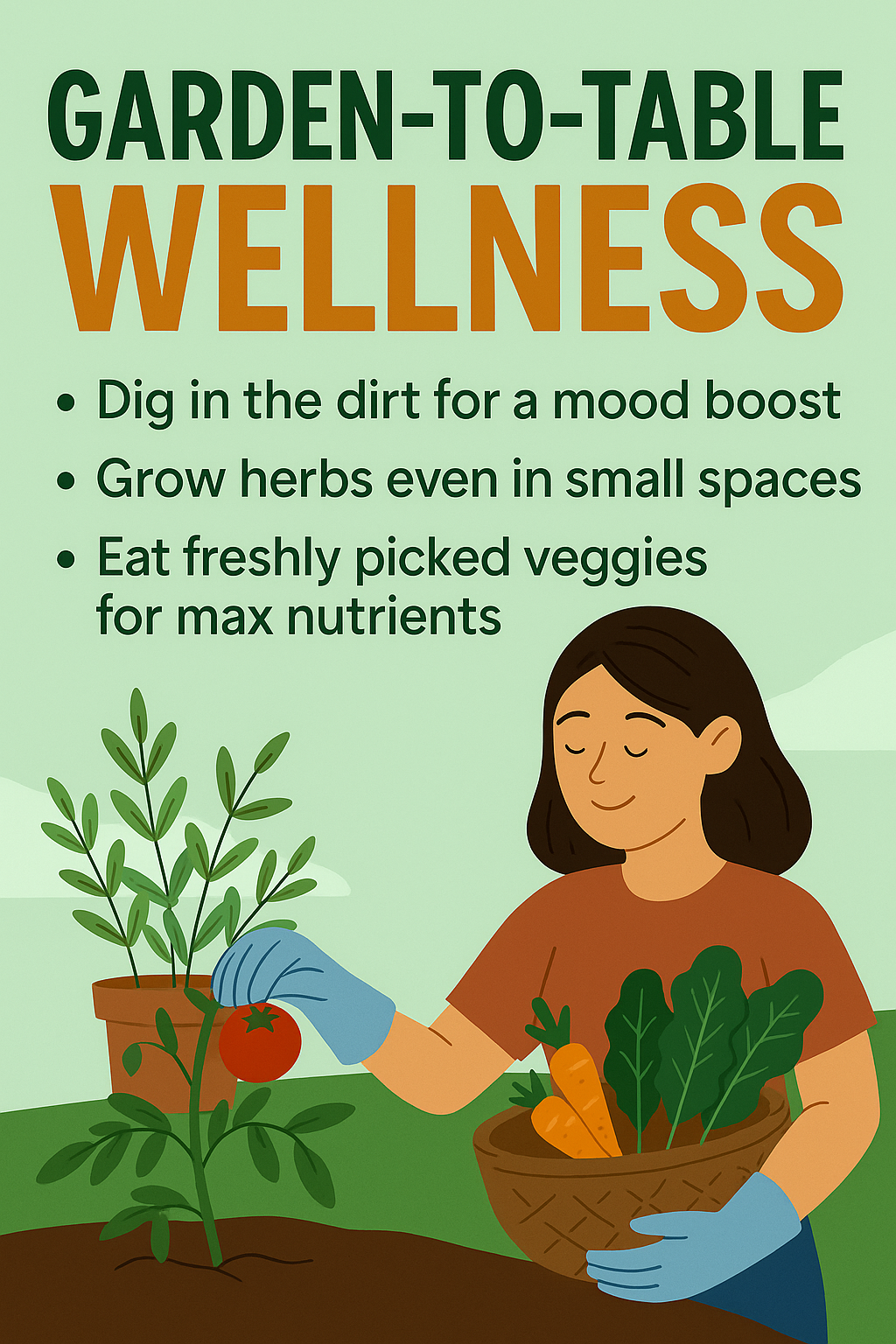
Research shows that gardening can reduce cortisol (the stress hormone), improve mental health, and even strengthen immunity by exposing you to beneficial soil bacteria like Mycobacterium vaccae. — Source: University of Colorado Boulder, 2022
Plus, food harvested and eaten fresh is more nutrient-rich, pesticide-free, and full of flavor. You gain control over what you eat—from the soil to the plate.
Start Small: No Backyard? No Problem.
You don’t need land to start. A small balcony, sunny windowsill, or kitchen counter can host plenty of edible plants. Start with:
Herbs: Basil, mint, parsley, and thyme grow easily in containers
Leafy greens: Spinach, lettuce, kale in shallow pots
Cherry tomatoes: Perfect for hanging pots or 5-liter buckets
Chili peppers: Thrives in limited spaces
Pro tip: Use compost from kitchen scraps to feed your soil naturally.
What to Grow That’s Practical & Nutritious
If you’re tight on time and space, grow plants that give you multiple harvests:
Plant
Why It’s Great
Lettuce
Quick to grow, regrows after cutting
Kale
High in iron, Vitamin K, and antioxidants
Radishes
Ready in 20–25 days, improves digestion
Green onions
Regrows from store-bought scraps
Zucchini
High yield, used in multiple dishes
Recipes to Try With Your Harvest
Nothing beats the satisfaction of cooking your own food. Start simple:
Mint Cucumber Detox Water – a perfect summer sip
Garden Omelette – toss in your kale, tomatoes, and green onions
Fresh Basil Pesto Pasta – skip the store-bought jar
Homemade Pickles – from your radishes or cucumbers
You’ll not only eat healthier but also feel more connected to what you put on your plate.
Garden, Heal, Repeat
This lifestyle isn’t just about food—it’s about healing. You touch the soil, step into the sun, grow patience, and harvest joy. A 2023 study published in the Journal of Health Psychology found that women who garden weekly reported significantly better mood, improved sleep, and lower anxiety.
What You Need to Begin:
A few pots or recycled containers
Organic soil mix
Seeds (organic if possible)
Water source & sunlight
15–20 minutes per day
You’re not just growing vegetables—you’re growing a better lifestyle.
Do you wake up feeling groggy—even after 7–8 hours of sleep? You’re not alone. Women in their 20s to 40s often struggle with poor-quality sleep due to hormonal shifts, stress, blue light exposure, and inconsistent sleep-wake patterns.
Here’s a science-backed routine to naturally sync your sleep cycle and start waking up refreshed.
1. Set a Regular Wake-Up Time (Yes, Even on Weekends)
Your circadian rhythm relies on consistency. When you change your wake-up time frequently, your internal clock resets and produces melatonin (sleep hormone) at the wrong times.
What to do: Set a fixed wake-up time (e.g., 6:30 or 7:00 AM) and stick to it—even on weekends—for at least 2 weeks. You’ll see better energy within days.
Source: Sleep Foundation, 2022
2. Use Morning Sunlight to Reset Your Body Clock
Exposure to natural light first thing in the morning tells your brain to stop melatonin production and start cortisol release (your wake-up hormone).
What to do: Spend 10–15 minutes outdoors within 30 minutes of waking. No sunglasses. This helps you fall asleep earlier at night.
Source: Andrew Huberman Lab, Stanford University
3. Avoid Caffeine After 2 PM
Caffeine has a half-life of 5–6 hours, which means a 4 PM cup of coffee can still be affecting your brain at 10 PM.
What to do: Limit coffee or tea to mornings only. If you need a boost later in the day, opt for a walk or a cold splash on your face.
4. Build a 30-Minute Wind-Down Routine
Scrolling social media before bed suppresses melatonin and increases mental stimulation. Instead, create a wind-down ritual that tells your body it’s time to rest.
Try this 3-step pre-sleep routine:
10 minutes: Stretching or foam rolling
10 minutes: Journaling or reading
10 minutes: Breathing (like 4-7-8 technique)
Repeat this every night and your brain will start linking it with sleep onset.
5. Eat Sleep-Friendly Foods in the Evening
Your diet plays a major role in melatonin production.
Add these to your evening meals:
1–2 kiwis (naturally increase serotonin and melatonin)
Your skin is a mirror of what’s happening inside your body—especially your gut and hormones. Topicals and treatments can help, but the real transformation comes from food. These seven dermatologist-approved, research-supported foods can help reduce inflammation, regulate oil, and promote glowing, clear skin naturally.
1. Fatty Fish (Like Salmon or Mackerel)
Rich in omega-3 fatty acids, salmon reduces skin inflammation, hydrates from within, and lowers the risk of acne flares.
How much to eat: 2 servings per week (3–4 oz cooked). Why it works: Omega-3s improve the skin barrier and reduce inflammatory markers like IL-6 and TNF-α (American Journal of Clinical Nutrition, 2020).
2. Tomatoes
Packed with lycopene, a powerful antioxidant that protects against UV damage and collagen breakdown.
How much to eat: 1 medium tomato or ½ cup cooked per day. Tip: Cooking tomatoes boosts lycopene availability by up to 30%.
3. Avocados
A natural source of vitamin E and monounsaturated fats, avocados help moisturize skin and protect against oxidative stress.
How much to eat: ½ avocado daily. Bonus: Pair with greens for better absorption of skin-loving carotenoids.
4. Green Tea
Contains EGCG (epigallocatechin gallate), a plant compound that reduces sebum production and fights bacteria linked to acne.
How much to drink: 1–2 cups per day. Research: A 12-week study in women showed 25–30% acne reduction after drinking green tea daily (Journal of Investigative Dermatology, 2016).
5. Sweet Potatoes
High in beta-carotene, which converts to vitamin A—essential for cell turnover and acne prevention.
How much to eat: ½ medium sweet potato, roasted or steamed, 3–4 times/week. Tip: Avoid deep-fried versions, which can increase inflammation.
6. Walnuts
A perfect plant-based omega-3 source that also provides zinc and selenium—both linked to clearer skin.
How much to eat: 7–10 walnut halves (about a small handful) daily. Why: Zinc helps control inflammation and bacterial activity in pores.
7. Plain Greek Yogurt
Fermented dairy (without added sugar) supports your gut microbiome, which in turn affects your skin’s clarity.
How much to eat: ½ cup daily. Look for: “Live active cultures” on the label.
Bloating isn’t just uncomfortable—it can mess with your energy, confidence, and digestion before the day even begins. Good news: research shows that a few morning habits can drastically reduce bloating within hours.
Here’s a step-by-step morning routine that works, backed by science and used by gut health experts worldwide.
1. Drink 300–500 ml of Warm Water with Lemon
Starting your day with warm (not cold) water hydrates the digestive tract, flushes toxins, and stimulates bowel movement. Adding lemon supports liver detoxification and bile production.
Why it works: According to the European Journal of Clinical Nutrition, early hydration promotes peristalsis (the movement of the intestines) and reduces gas retention.
2. Do 3–5 Minutes of Gentle Movement
Whether it’s stretching, a walk, or light yoga twists, physical movement helps push trapped gas through your intestines.
Try: Lying spinal twists or “wind-relieving pose” in yoga.
Bonus: This also stimulates your vagus nerve, which improves gut-brain signaling.
3. Eat a Light, Low-FODMAP Breakfast
Some high-fiber foods like apples or beans can worsen morning bloat in sensitive people. Instead, go for gut-friendly, low-FODMAP options.
Example meal:
1 boiled egg
Gluten-free oats (30–40g)
1 tbsp chia seeds
Small handful of blueberries
Tip: Avoid protein bars or packaged cereals in the morning—they often contain inulin or chicory root, which are high-FODMAP and gas-forming.
4. Take a High-Quality Probiotic (If Advised)
Not all probiotics are created equal. Research-backed strains like Bifidobacterium lactis or Lactobacillus rhamnosus GG have been shown to reduce bloating in IBS patients.
Dosage: Look for a probiotic with 10–25 billion CFU. Take it before breakfast with water.
Note: Always consult your doctor before long-term use.
5. Try 4-7-8 Breathing or Morning Meditation
Stress slows down digestion and increases bloating. A 2023 study in Psychosomatic Medicine confirmed that deep breathing improves vagus nerve tone and gut motility.
How to do it:
Inhale for 4 seconds
Hold for 7 seconds
Exhale slowly for 8 seconds Repeat for 3–5 rounds before breakfast.
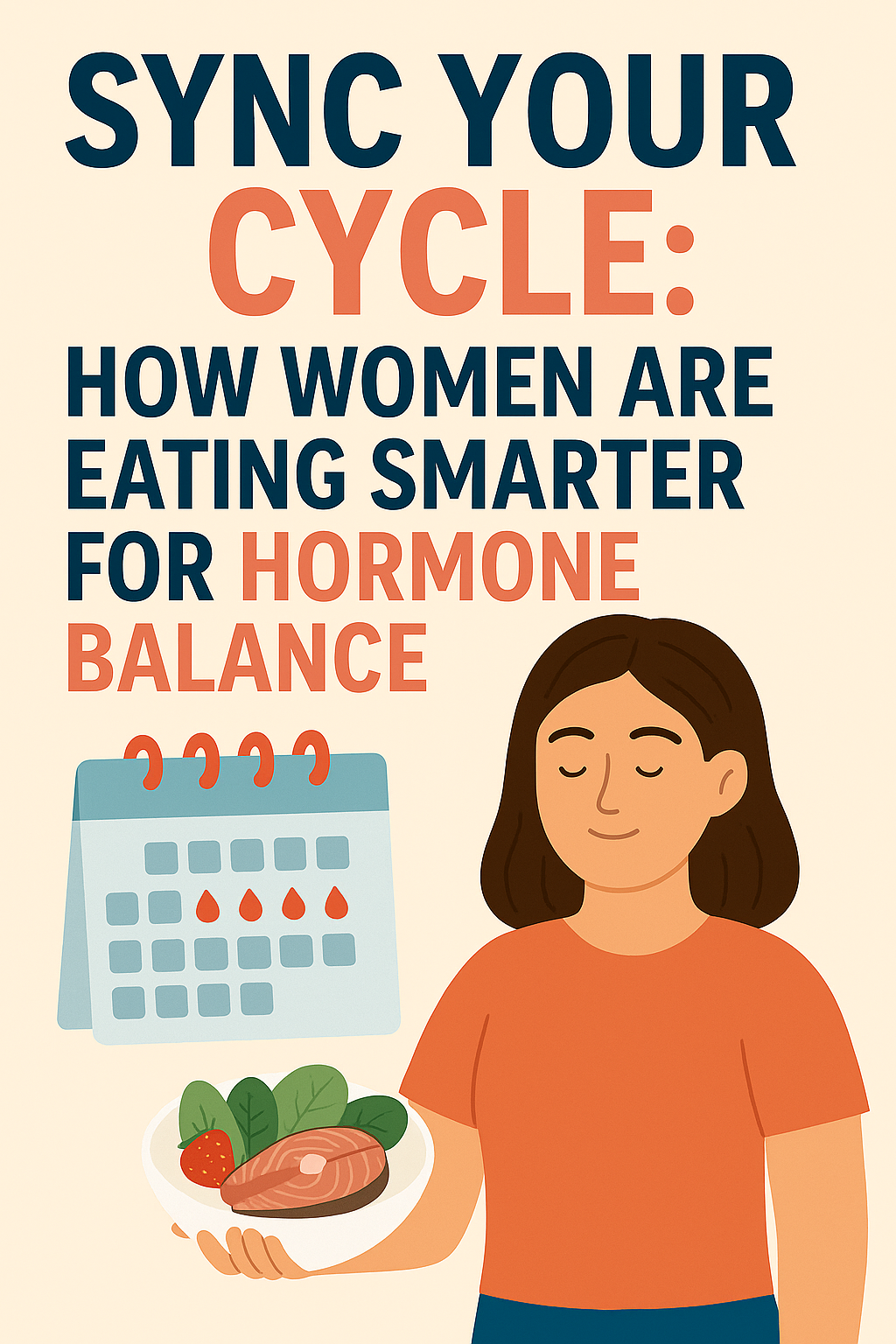
Your energy, mood, skin, and cravings change with your menstrual cycle. Why shouldn’t your diet?
Cycle syncing—aligning your nutrition and habits with your hormone changes—has become a transformative tool for women’s health. Supported by modern nutritional science and hormone research, it can help improve energy, reduce PMS, and support long-term hormonal balance.
Let’s walk through each phase of your cycle and what to eat during each.
The 4 Phases of the Menstrual Cycle and How to Eat for Each
1. Menstrual Phase (Days 1–5)
What’s happening: Estrogen and progesterone levels drop to their lowest. Fatigue and menstrual cramps are common.
Goal: Nourish and restore with warming, iron-rich meals.
Foods to focus on:
Iron-rich foods: spinach, lentils, pumpkin seeds, red meat
Bone broth or warm soups
Magnesium-rich dark chocolate (at least 70%)
Scientific insight: The National Institutes of Health recommends 18mg of iron per day for menstruating women. Magnesium has also been shown to reduce cramps and irritability.
Natural sweeteners: 2–3 dates or baked apples with cinnamon
Expert note: Harvard Health research shows steady blood sugar during this phase reduces food cravings and mood instability.
Cycle Sync Meal Plan Examples
Phase
Sample Meal
Menstrual
Lentil stew with spinach and pumpkin seeds
Follicular
Chickpea salad with miso dressing
Ovulation
Grilled salmon with avocado and raw veggie bowl
Luteal
Quinoa, roasted sweet potatoes, and tahini sauce
Is This Backed by Science?
Yes. While cycle syncing as a lifestyle practice is relatively new, the biological shifts in hormones—and the nutritional demands during each phase—are well documented. Studies in women’s health, endocrinology, and functional nutrition consistently support the use of targeted nutrition for hormone health.