Lessons Kids Learn from Team Sports: Building Skills for Life

Introduction

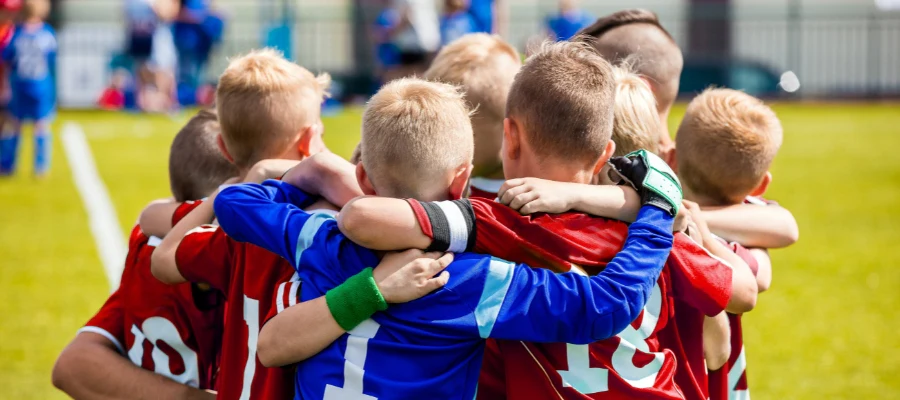
Team sports offer much more than physical exercise. For children, participating in team sports helps build character, instill valuable life skills, and foster emotional growth. From teamwork to discipline, these experiences shape kids for their future in ways beyond the playing field.

1. Teamwork and Cooperation

One of the most significant lessons kids learn through team sports is teamwork. Whether it’s soccer, basketball, or baseball, kids are taught how to work cooperatively with others to achieve a common goal. They understand that each member’s contribution matters, and success is shared among the whole team. Learning to collaborate and respect others’ roles builds strong, lasting interpersonal skills.

2. Discipline and Commitment

Sports require dedication, both in practice and in preparation. Kids learn that success doesn’t come overnight but through consistent effort and practice. Coaches instill a sense of responsibility, teaching children to balance their time between sports, schoolwork, and home responsibilities. The discipline and commitment cultivated during sports translate to other areas of life, such as academics and personal goals.

3. Perseverance and Resilience

Life isn’t always about winning, and neither are sports. Kids experience losses, setbacks, and challenges. Through team sports, they learn to persevere, even when the odds are stacked against them. Whether it’s losing a match or missing a goal, children are taught resilience and the importance of continuing to push forward despite difficulties. This valuable trait is essential for overcoming obstacles in all aspects of life.

4. Building Social Skills and Friendships

Team sports are a great way for kids to interact with peers, build friendships, and enhance social skills. These environments teach them how to communicate effectively, resolve conflicts, and manage different personalities. Being part of a team gives children a sense of belonging, helping them form friendships that often extend beyond the game.

5. Respect for Authority and Rules

In any team sport, kids learn the importance of respecting authority figures such as coaches, referees, and even their own teammates. Adhering to rules and understanding the structure of the game are key lessons that children take with them into their daily lives. This respect for rules and authority prepares them for future settings, whether in the classroom or the workplace.

6. Physical Fitness and Healthy Living

Sports naturally encourage physical activity, helping kids develop a habit of staying fit and active. Beyond the physical benefits, they also learn about healthy eating habits, hydration, and maintaining a balanced lifestyle. These practices, instilled at a young age, can promote lifelong health and well-being.

7. Leadership and Responsibility

Being part of a team also offers opportunities for children to take on leadership roles, whether as team captain or through mentoring younger players. This fosters a sense of responsibility, as they learn to guide others and set a positive example. Leadership skills learned in sports help them grow into responsible, dependable adults.

Conclusion

Team sports provide children with invaluable life lessons that extend far beyond the field. From teamwork and discipline to perseverance and leadership, the skills they develop help shape their character and equip them for the challenges of the future. By encouraging your child to participate in team sports, you’re not just promoting physical activity — you’re nurturing their emotional and social growth as well.

Why Women Should Not Fight in Wars: A Thoughtful Perspective

Introduction

In modern discussions about gender equality, one heated debate is whether women should fight in wars. While equality is vital, placing women in combat roles isn’t necessary to prove their strength. This blog delves into why women’s contributions in wartime don’t require them to be on the front lines.

The Role of Women in History

Historically, women have contributed to wars in meaningful ways, from espionage to nursing. These roles, often unseen, have been crucial to many victories. Women possess unique skills, including emotional intelligence and intuition, that can shape strategic decisions.

1. Women’s Unique Strengths Beyond Combat

Women don’t need to physically fight to show strength. Roles in intelligence, diplomacy, or strategy are better suited to their skills. Women’s ability to multitask, organize, and mediate gives them an edge in leading teams without carrying weapons.

2. The Psychological Toll of Combat

Combat is brutal, both physically and mentally. Women, often the emotional anchors in society, play a crucial role in healing communities and families. Sending women to the front lines exposes them to unnecessary trauma, impacting the emotional well-being of families and future generations.

3. Cultural Norms and Protection of Life

Across cultures, women are often viewed as nurturers, the givers of life. This societal role conflicts with the concept of war, which is inherently destructive. Expecting women to engage in combat diminishes the value of the nurturing force they bring to the world.

Alternative Contributions to War Efforts

Women can still lead the charge, just in different arenas:

  • Intelligence Gathering: Women’s intuition and attention to detail make them excellent spies or intelligence officers.
  • Diplomatic Roles: Negotiation and conflict resolution are fields where women shine, helping prevent wars before they start.
  • Healthcare and Psychological Support: From nursing to psychological support for soldiers, women can provide care that is vital during and after conflicts.

Conclusion

Equality doesn’t mean sameness. Women have always been warriors, but in ways that don’t involve weapons. Their strength lies in intellect, empathy, and resilience. These are traits the world desperately needs, not more combatants on the battlefield. By redefining what it means to “fight,” we can embrace women’s unique contributions to peace and progress.

Expressing Love in Different Languages: A Universal Emotion

Introduction

Love is a powerful emotion that transcends cultures, traditions, and languages. Whether you’re saying “Te Amo” in Spanish or “Je t’aime” in French, the sentiment remains the same — love connects us all. But how do different cultures express this emotion? Let’s take a journey through various languages to see how love is universally communicated.

The Importance of Language in Expressing Love

Language isn’t just a tool for communication; it’s also a reflection of how we feel and perceive the world around us. When it comes to love, every culture has its unique ways of expressing this beautiful emotion. Each phrase holds cultural significance, history, and a sense of belonging. Understanding how love is expressed in other languages deepens our appreciation for diversity and unity at the same time.

1. French: Je t’aime

France is often considered the city of love, and their language reflects that romantic aura. “Je t’aime” means “I love you” in French, and it’s a phrase you’ll hear often, whether in the streets of Paris or whispered between lovers.

2. Spanish: Te Amo / Te Quiero

In Spanish, love can be expressed in two ways: “Te Amo,” which is used in a deep, romantic context, and “Te Quiero,” a more casual, affectionate phrase that could also mean “I care about you.” This distinction showcases how the Spanish language offers various ways to convey the depth of emotions.

3. German: Ich liebe dich

German might sound a bit formal to the untrained ear, but “Ich liebe dich” is filled with sincerity and warmth. Germany’s rich cultural heritage is mirrored in this direct yet heartfelt expression of love.

4. Italian: Ti Amo

Known for its passionate and lyrical nature, Italian is a language that makes every word sound like a song. “Ti Amo” is the romantic phrase for expressing love, often accompanied by grand gestures and beautiful settings, reinforcing Italy’s status as one of the most romantic countries in the world.

5. Hindi: Main Tumse Pyaar Karta Hoon

In Hindi, the expression “Main Tumse Pyaar Karta Hoon” is used to convey love. Hindi, being one of the most widely spoken languages, uses this phrase in countless love stories, songs, and poems, reflecting deep-rooted cultural values.

The Impact of Love Across Cultures

Though the words may differ, the essence of love remains the same. It’s a reminder that, no matter where you are in the world, love is a shared experience. Whether you’re in Europe, Asia, or South America, expressing love in a foreign language can bring people closer, break down barriers, and create lasting bonds.

Conclusion

Love is an emotion that unites us all, no matter the language. By learning how to say “I love you” in different languages, we celebrate not only love itself but the diversity of human expression. Whether you’re whispering “Te Amo” or “Ich liebe dich,” remember that love speaks louder than words.

Empowering Women in Combat: The Call for Equality

Introduction: Breaking Barriers for Women in the Military

In recent years, there has been a significant shift in the perception of women’s roles in various sectors, particularly in the military. With the lifting of the ban on women serving in combat, a long-overdue recognition of women’s capabilities has finally taken root. This change not only reflects progress in gender equality but also acknowledges the undeniable courage and resilience that women bring to the table.

The Decision That Changed Everything

On January 23, 2013, Defense Secretary Leon Panetta made a pivotal decision to lift the ban on women in combat roles. This marked a watershed moment in military history, signifying a new era where women can serve alongside men on the front lines. The essence of this decision resonates beyond just military protocols; it speaks volumes about societal change and the relentless push for equality.

The Gender Divide: Overcoming Stereotypes

Despite advancements, gender stereotypes persist. Many people still harbor doubts about a woman’s ability to perform in traditionally male-dominated fields. As a child, I overheard my parents express concerns about women in roles like firefighting or combat. The sentiment was clear: there was an ingrained belief that women might not be good enough.

Yet, history has repeatedly shown us that capability does not hinge on gender. Women have proven their mettle in countless scenarios, from the battlefield to the boardroom. The objections to women serving in combat often stem from outdated stereotypes, rather than any legitimate concerns about ability or performance.

The Reality of Combat: A Shared Experience

One common argument against women in combat roles is the fear of increased vulnerability. Critics often cite concerns about sexual assault and the safety of female soldiers. However, the reality is sobering; women in the military have faced threats of assault, not just from the enemy, but within their ranks.

The courage of women who choose to serve should not be undermined by these fears. Like my brother, who was determined to serve and protect, many women are driven by a strong sense of duty to their country. They understand the risks and still choose to fight for freedom and justice.

Global Perspectives: Learning from Other Nations

Countries like Israel have set a precedent for integrating women into combat roles. Their military, renowned for its effectiveness, has long recognized that gender should not dictate capability. The Israeli experience demonstrates that when women are allowed to serve equally, the entire military benefits.

As the nature of warfare evolves, the idea of a “front line” is becoming more ambiguous. Women have already been fighting and sacrificing their lives alongside men. Their contributions cannot be overlooked or undervalued.

Hope for Future Generations

As a mother, I envision a world where my daughter will have the same opportunities as her male counterparts. The lifting of the combat ban is not merely a policy change; it signifies a broader movement towards gender equality. It represents hope that she, too, can pursue her dreams, regardless of the field, including the military.

While I may feel a mix of pride and fear about the possibility of her serving in combat, what truly matters is that she knows she is created equal, with the same rights and responsibilities as anyone else.

Conclusion: Championing Equality in All Fields

The decision to allow women in combat is just the beginning of a larger journey towards equality. As society continues to confront and dismantle outdated gender norms, we must support and empower women in all fields, including the military.

The fight for equality is not merely about the roles women take but about recognizing their inherent capability and courage. Together, we can pave the way for future generations, ensuring that every individual, regardless of gender, has the opportunity to serve, protect, and lead.

Embracing the Journey: A Mother's Guide to Trusting Your Instincts

Parenting can often feel like an overwhelming journey filled with uncertainty and doubt. As a mother, you want the best for your child, especially when it comes to their health and well-being. This journey can become even more complex when you’re raising a child with special needs. For many mothers, trusting in their instincts while navigating the healthcare system is essential. This blog delves into the importance of self-advocacy, balancing traditional and holistic treatments, and embracing the journey of motherhood.

Understanding Your Role as a Caregiver

From the moment you become a parent, you step into a role filled with responsibilities. Your child’s health, happiness, and development become your top priority. This responsibility can be even more intense when your child has unique needs. It is crucial to recognize that you are not just a caregiver; you are an advocate. You are the one who knows your child best, and trusting your instincts will guide you through difficult decisions.

The Importance of Self-Advocacy

Advocacy begins with education. As a mother, you should seek to understand your child’s condition and the recommended treatments. This means asking questions, doing research, and not shying away from seeking a second opinion when necessary. For example, if a doctor recommends a treatment that doesn’t feel right, it’s okay to express your concerns. You have the right to seek alternatives, and often, professionals will appreciate your involvement in your child’s care.

Balancing Traditional and Holistic Treatments

The journey of finding the right treatment for your child can be fraught with challenges. Many parents find themselves at a crossroads between traditional medical approaches and holistic remedies. There are advantages and disadvantages to both methods, and every child’s needs are different.

In the early stages, you may rely heavily on traditional treatments because they provide a sense of structure and safety. However, as you become more comfortable, you might explore holistic options that focus on diet, lifestyle, and emotional well-being. For example, incorporating nutritious foods that support cognitive development can play a significant role in your child’s overall health.

Listening to Your Instincts

Every mother experiences moments of doubt. The most challenging times are often when you must make significant decisions about your child’s health. Trusting your instincts doesn’t mean acting impulsively; rather, it involves being informed and receptive to what feels right for your child.

Consider a scenario where a child experiences negative side effects from medication. While it’s essential to communicate with healthcare providers, it’s equally important to listen to your intuition. If you feel that a particular treatment isn’t working, explore alternatives. This does not signify weakness but rather a commitment to your child’s well-being.

Building a Support Network

As you navigate this journey, build a support network of fellow parents, professionals, and friends. Sharing experiences and insights can provide reassurance and new ideas. Support groups—whether in person or online—can offer a wealth of information and emotional encouragement.

Being part of a community can remind you that you are not alone in your struggles. Other mothers have faced similar challenges, and hearing their stories can inspire you to trust your instincts and continue advocating for your child.

Celebrating Milestones

Every step forward, no matter how small, is worth celebrating. As you find the right balance between traditional and holistic treatments, take time to acknowledge your child’s progress. Whether it’s achieving a developmental milestone, improving their behavior, or simply having a good day, each moment deserves recognition.

By celebrating these milestones, you reinforce your child’s progress and your role as a dedicated mother. This encouragement fosters a positive environment that contributes to your child’s overall development.

Conclusion: Trusting Yourself

Embracing motherhood, particularly when raising a child with special needs, requires resilience, patience, and, most importantly, self-trust. By becoming an informed advocate and balancing treatment options, you can navigate this journey with confidence. Always remember: you know your child best. Trust yourself, embrace the challenges, and celebrate the beautiful journey of motherhood.

By prioritizing your instincts, you can foster an environment where your child thrives, allowing both of you to flourish in the process.

Preparing Your Child for Her First Sleepover: A Comprehensive Guide for Parents

Sleepovers mark a significant milestone in your child’s life. They are filled with excitement, laughter, and a touch of anxiety. As a parent, it’s essential to prepare your child for this experience to ensure it is enjoyable and memorable. Here’s a guide to help you navigate the process.

Understanding Your Child’s Readiness

Not every child is ready for their first sleepover at the same age. It’s crucial to gauge your child’s emotional maturity and comfort level. Talk to your child about their feelings. Do they express excitement, or do they seem anxious about being away from home? Deb Castaldo, a child and family therapist, emphasizes that there is no “right” age for a sleepover. Trust your instincts about when your child is ready.

Setting Up a Trial Run

If your child hasn’t spent much time at the host’s house, consider organizing a trial run. This could be a short visit to the friend’s house during the day. Familiarizing your child with the environment will help reduce any fears of the unknown. It also allows them to meet the family members they’ll be spending the night with.

Discussing Expectations

Have an open conversation about what your child can expect during the sleepover. Will there be games, snacks, or movies? Understanding the planned activities will help your child feel more comfortable. Also, discuss sleeping arrangements. If your child is used to sleeping in their own bed, let them know they may have to adapt to a new environment.

Starting Small

If you sense that your child may feel anxious about being away for long, consider starting with a shorter sleepover. A later start time and an early morning pick-up can make the experience feel less overwhelming. This way, your child can gradually adjust to spending the night away from home.

Establishing a Safety Net

Let your child know that it’s perfectly acceptable to reach out to you if they start feeling scared or uncomfortable during the night. Discuss how they can contact you, and reassure them that you’re just a phone call away. This open line of communication can significantly ease their worries.

Encouraging Communication with Adults

Advise your child to speak to the host parent if they feel anxious or if any issues arise. The host parents can provide comfort and guidance, making it easier for your child to cope with any fears or conflicts that may come up during the sleepover.

Packing Comfort Items

Packing a few familiar items can help your child feel connected to home. Suggest that they bring along a favorite toy, a cozy blanket, or pajamas that they love. These comforting items can provide a sense of security in an unfamiliar environment. You could also give them a small trinket to remind them of home.

Collaborating with Other Parents

Maintain open communication with the other parent organizing the sleepover. Inform them that it’s your child’s first time, so they can be prepared and supportive. This transparency can help create a comfortable environment for both children and parents.

Focusing on Fun

Ultimately, sleepovers are about having fun! Encourage your child to make the most of the experience by participating in games and activities. Suggest they take pictures or keep a small diary to document their experiences. Looking back on these memories can bring smiles for years to come.

Conclusion: Embracing the Experience

Your child’s first sleepover can be a wonderful rite of passage, filled with opportunities for growth, bonding, and cherished memories. By preparing them thoughtfully, you can help ease their fears and ensure they have a fantastic experience. Remember, every child is different, and it’s important to respect their feelings and readiness levels.

What President Obama Represents to My Mixed-Race Son

Introduction

As a mother of a mixed-race son, I have often found myself reflecting on the profound implications of representation in leadership. President Barack Obama, as the first African American president of the United States, has not only broken barriers but also serves as a symbol of hope and possibility for countless children like mine. This blog explores what Obama’s legacy means for mixed-race families and how it shapes our children’s perceptions of identity, capability, and belonging.

A Historic Moment

Standing on the National Mall for President Obama’s second inauguration, I felt an overwhelming sense of pride. It was a moment that transcended politics, representing a shift in societal norms and a break from a complicated history. As I watched the swearing-in ceremony, I couldn’t help but think about my son. He was just a few years old but already had the potential to see himself reflected in the highest office in the land. This representation matters more than we often realize.

The Weight of Representation

Representation can profoundly impact a child’s sense of self-worth. In a world where mixed-race children might be judged or pigeonholed based on their skin color, seeing a figure like President Obama can help them envision a future filled with possibility. As my son grows, I want him to know that he can aspire to greatness, just as Obama did. The presidency is not just a job; it’s a symbol of what is achievable regardless of race or background.

Challenges of Identity

Navigating identity can be complex for mixed-race children. They often find themselves straddling multiple worlds, each with its own expectations and norms. This complexity can lead to questions about belonging, and sometimes even feelings of isolation. By showcasing leaders like Obama, who openly embrace their mixed heritage, we help our children understand that they are not alone in their experiences.

The Power of Positive Role Models

Role models can change lives. Obama’s story is not just about politics; it’s about resilience, hard work, and breaking through barriers. When I tell my son about Obama’s achievements, I am not just sharing a history lesson; I am instilling a belief in the power of perseverance. I want my son to believe that he can achieve anything he sets his mind to, no matter the obstacles he may face.

Celebrating Differences

It’s essential to celebrate the diversity that exists within our families and communities. Obama’s presidency has sparked conversations about race, identity, and inclusion, which are crucial for understanding the rich tapestry of American society. I want my son to embrace his uniqueness and understand that his mixed heritage is something to be proud of, not something to hide.

Teaching Resilience

As a mother, one of my responsibilities is to equip my child with the tools to face adversity. The world can be harsh and unyielding, especially for those who don’t fit into predefined boxes. I often reflect on how Obama faced criticism and doubt throughout his career, yet he persisted. His journey teaches us that setbacks do not define us; rather, it is our responses to those setbacks that shape our character.

Hope for the Future

Ultimately, Obama’s legacy offers hope—not just for mixed-race children but for all kids who feel marginalized. It reminds us that progress is possible and that change can come from unlikely places. I want my son to believe in a future where he can rise above societal expectations and achieve his dreams.

Conclusion

President Obama’s impact on my mixed-race son goes beyond politics; it represents a shift in narrative, a promise of what could be. As parents, we must ensure that our children see themselves in the stories and leaders around them. By embracing diversity and fostering conversations about identity, we pave the way for a more inclusive future. Together, let’s celebrate the milestones achieved and continue to advocate for representation, ensuring that every child knows they matter.

The Ultimate Guide to Thoughtful Valentine's Day Gifts for Your Guy

Valentine’s Day is a special occasion to express love and appreciation for the significant people in our lives. While the classic flowers and chocolates are always a hit, finding a unique gift that resonates with your guy’s personality can make the day even more memorable. Whether he’s a sports enthusiast, a DIY lover, or someone who appreciates the finer things in life, we’ve rounded up ten thoughtful gift ideas that will surely delight him.

1. Personalized Gear: Make It Unique

Consider gifting him something personalized. Customizable items like a T-shirt with a cute slogan or a hoodie with a meaningful quote can show how much thought you put into his gift. Websites like Etsy offer a variety of options that can be tailored to fit his style.

2. Craft Beer Brewing Kit: For the Beer Lover

If your guy enjoys a good brew, why not indulge him with a home brewing kit? This gift not only provides him with the joy of crafting his own beer but can also become a fun couple activity! Choose from different types of beer, such as American IPA or Blonde Ale, and enjoy tasting the results together.

3. A Stylish Watch: Timeless Elegance

A classic watch can be a significant addition to his collection. Opt for a style that suits his personality, whether it’s a rugged outdoor piece or a sleek dress watch. This timeless gift will remind him of your affection every time he checks the time.

4. An Experience Together: Create Lasting Memories

Sometimes, the best gifts aren’t physical items but experiences. Plan a surprise getaway, a special dinner, or tickets to his favorite concert or sports event. The memories you create together will last far longer than any material item.

5. Subscription Box: The Gift That Keeps on Giving

Subscription boxes are an exciting way to gift him a little joy each month. Whether it’s gourmet snacks, books, or grooming products, there’s a subscription box for every interest. He’ll think of you each time a new box arrives at his door.

6. Quality Cologne: A Scent He’ll Adore

A high-quality cologne can be a wonderful gift. Look for one with natural ingredients and a scent profile that resonates with his style. This gift will not only make him feel special but also allow him to feel confident wearing it every day.

7. DIY Knot Book: For the Handy Guy

If he loves DIY projects, a book detailing essential knots could be a thoughtful and practical gift. This can inspire him to embark on new projects while honing his skills. Pair it with some high-quality rope, and you have a great gift combo!

8. Stylish Accessories: Enhance His Wardrobe

Accessories like cufflinks, ties, or a trendy belt can elevate his outfits. Opt for items that reflect his personality and style, ensuring he thinks of you every time he gets dressed for a special occasion.

9. A Handmade Keepsake: Heartfelt and Unique

A handmade gift, like a dog tag necklace with a sweet inscription, can carry deep sentimental value. Choose a phrase that resonates with your relationship, creating a personal connection that he’ll cherish.

10. Fun and Flirty Boxers: Keep It Light

Finally, playful boxer shorts can add a fun twist to your Valentine’s Day gifting. Opt for a pair with a quirky design or a romantic message. It’s a lighthearted gift that’s sure to make him smile.

Conclusion

Finding the perfect Valentine’s Day gift for your guy doesn’t have to be stressful. With these thoughtful ideas, you can express your love and appreciation in a meaningful way. Whether you choose a personalized item, a memorable experience, or a fun accessory, the effort you put into selecting the right gift will speak volumes. Remember, it’s the thought that counts, and your guy will appreciate any gift that comes from the heart!

Creative Peanut-Free Lunch Ideas for Your Kids

As parents, ensuring our children have nutritious meals that are safe to eat can be quite the challenge—especially when accommodating dietary restrictions like peanut allergies. Many schools are now nut-free zones, which means we need to get creative with our lunch packing. Here are some exciting and simple peanut-free lunch ideas that your kids will love, along with tips to make lunchtime more fun!

1. Fun Pizza Lunchables

Kids love pizza, and making a DIY pizza lunch is both entertaining and nutritious. Pack a whole wheat bagel or a round whole wheat flatbread, along with a few tablespoons of pizza sauce and some shredded mozzarella cheese. Your child can assemble their own mini pizza right at the lunch table, allowing them to customize it with their favorite toppings. This not only satisfies their hunger but also makes lunchtime interactive!

2. Dippable Fruit Snack

Transform your child’s fruit intake with a delightful dip! Blend chopped cherries or strawberries into vanilla yogurt or Greek yogurt. Include a banana or apple slices in the lunchbox for dipping. The combination of flavors will make fruits more appealing and enjoyable for your kids. Plus, this snack is loaded with nutrients!

3. Wrap It Up!

Wraps can be a fun twist on traditional sandwiches. Use a whole wheat tortilla and spread a mixture of cream cheese and vanilla yogurt on it. Add thinly sliced fruits like strawberries, bananas, or even peaches. Roll it up burrito-style, and you’ve got a fruity wrap that is both nutritious and delicious. Your kids will love the fun shape and the sweet taste!

4. Spiced Apple Slices

Make apple slices more exciting with a sprinkle of cinnamon. Toss sliced apples in a bag with a little cinnamon to prevent browning and add flavor. For an added twist, pair the apple slices with a small container of yogurt mixed with a touch of orange juice concentrate. This creates a sweet and refreshing dip that makes fruits more enticing.

5. Sandwich Dippers

Who says sandwiches can’t be fun? Prepare a sandwich with your child’s favorite ingredients and cut it into fun shapes using cookie cutters. Include pretzel sticks for dipping into a small container of your child’s favorite dressing, such as honey mustard or ranch. This creative approach makes the classic sandwich more appealing and interactive!

6. Berry Medley Parfait

For a sweet treat, create a berry parfait using low-fat vanilla yogurt and a mix of fresh or frozen berries. Layer the yogurt and berries in a portable container for a delicious dessert. The frozen berries will help keep the yogurt cool until lunchtime, making this parfait both a nutritious and refreshing option.

7. Kid-Friendly Sushi Rolls

Introduce your kids to the fun of sushi with kid-friendly sushi rolls. Spread plain Greek yogurt seasoned with Italian herbs onto a tortilla, then layer with lunch meat and cheese. Add some crunchy veggies like cucumbers or carrots, roll it up, and slice it into bite-sized pieces. It’s a fun and nutritious twist on traditional sushi that kids will enjoy!

8. Nut-Free PB&J Alternative

You can still enjoy the classic PB&J without peanuts! Substitute peanut butter with sunflower seed butter or soy nut butter. Create a delicious sandwich with your chosen spread and your child’s favorite jelly or jam. This simple swap ensures that your child enjoys a familiar favorite while adhering to dietary restrictions.

9. Unique Veggie Dips

Instead of traditional ranch dressing, whip up a homemade veggie dip. Combine non-fat sour cream with carrot juice, onion powder, and garlic powder. Pair it with an assortment of fresh vegetables like carrot sticks, bell peppers, and cucumber slices. Your kids will love the new flavors and will be more likely to eat their veggies!

10. Comforting Mac and Cheese

Who doesn’t love mac and cheese? Prepare a healthier version by using whole wheat pasta and low-fat cheese. Pack it in a thermos to keep it warm until lunchtime. This hearty meal is sure to fill your kids up and keep them satisfied throughout the school day.

Conclusion

Packing a nutritious, peanut-free lunch for your kids doesn’t have to be a daunting task. With these fun and delicious ideas, you can make lunchtime enjoyable and safe. Remember, the key is to get creative and involve your kids in the process. This not only teaches them about making healthy choices but also allows them to feel empowered about their meals. So grab your lunchboxes and start packing!

Navigating Parenting in a World of Extravagance: Lessons from the Tooth Fairy

One of the most delightful—and sometimes perplexing—aspects of parenthood is the exchange of stories with our children during daily routines. Whether it’s during the school run or at the dinner table, these conversations can offer surprising insights into their worlds. Recently, my child shared a tale that sparked a deeper reflection about parenting choices and societal norms.

The Tooth Fairy Dilemma

While driving home from school, my child excitedly recounted how a friend received an American Girl doll from the tooth fairy. My initial reaction was a mixture of disbelief and amusement—how does a mythical creature fit a $100 doll under a pillow? This humorous moment soon turned into a serious discussion about what this expectation means for our kids and their understanding of rewards.

Questioning the Norms

As a parent, it’s natural to question what influences shape our children’s perceptions of normalcy. My child’s bewilderment about receiving only a dollar for a lost tooth compared to the extravagant gifts their peers enjoy leads to uncomfortable discussions about fairness and entitlement. When children see their friends receiving lavish rewards, they begin to assume such gifts are standard, altering their expectations.

This raises a fundamental question: how do we communicate the values of hard work and gratitude in a culture that often seems to prioritize materialism? As we navigate these conversations, it’s crucial to clarify that while some families may celebrate milestones with grand gestures, that doesn’t reflect our values or practices.

The Impact of Peer Influence

It’s fascinating—and a bit daunting—to observe how peer influence intensifies as children grow. The parenting choices of others, like allowing personal iPads at young ages or lavish birthday parties, can inadvertently put pressure on our own parenting styles. As a parent, my goal is to teach my children the value of appreciation over entitlement.

We must remember that our parenting choices are foundational in shaping how our children view the world. Encouraging them to be grateful for what they have, rather than comparing themselves to others, is essential in fostering resilience and humility. It’s about creating an environment where they understand the joy in simple things.

Balancing Values with Reality

In discussions about the tooth fairy and extravagant gifts, I aim to emphasize that happiness doesn’t come from material possessions. Instead, it stems from love, friendships, and experiences. A child receiving a doll from the tooth fairy might feel special, but it’s the relationships they build and the lessons they learn that will define their character.

To drive this point home, I often recount personal stories where the best memories didn’t involve expensive gifts. Whether it was camping under the stars or baking cookies together, these moments are priceless. They teach kids that life’s richness comes not from monetary value but from shared experiences and cherished memories.

Teaching Life Skills Through Lessons

As we reflect on our children’s expectations, it’s vital to convert these discussions into teachable moments. We can illustrate that working for something, whether it’s saving up for a desired toy or helping with chores, builds character and a sense of achievement. This approach fosters an understanding that rewards come from effort and responsibility.

We can also encourage our kids to reflect on their feelings when they see their friends receiving more than they do. Teaching them empathy and the ability to appreciate their circumstances will empower them in the long run. Discussing these feelings openly will help them understand that everyone has different situations and values, and that’s perfectly okay.

Moving Forward with Intention

In the end, our parenting journey is about striking a balance between fostering ambition and gratitude in our children. While it’s easy to feel overwhelmed by societal pressures and the need to keep up with others, we must remember the power of our influence as parents.

Our role is to guide our children through these challenging waters, helping them navigate friendships, expectations, and the occasional disappointment. By imparting lessons of gratitude, empathy, and resilience, we can ensure that they grow into well-rounded individuals who appreciate the true gifts of life—those that cannot be wrapped or bought.

By encouraging open discussions about values and expectations, we can raise children who find joy and fulfillment in the simple things. And while the tooth fairy may remain a source of wonder, let’s aim to provide the real magic—love, understanding, and the beauty of life’s little moments.