
 By Frank Lucasale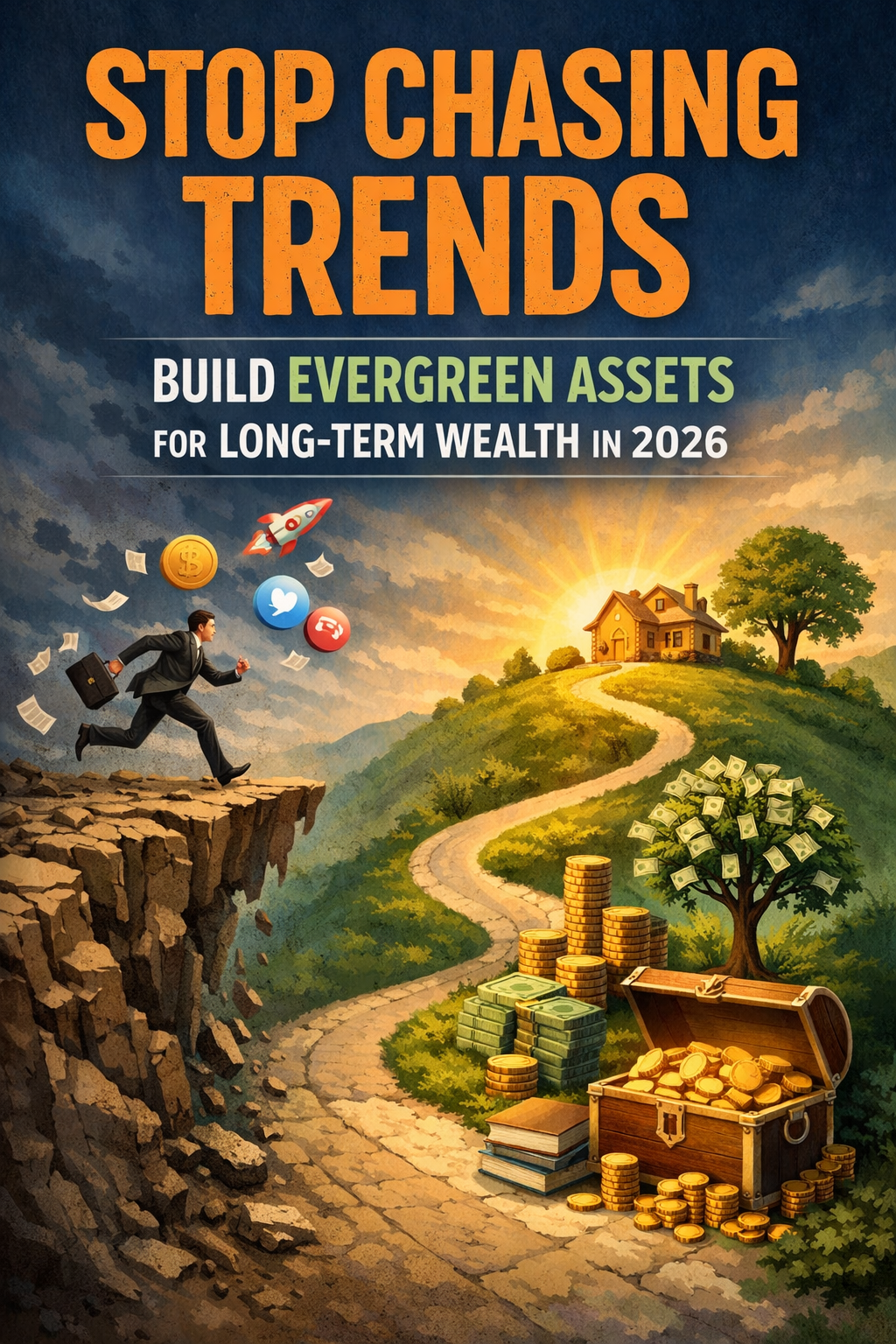
The digital world is a graveyard of “dead trends.” From the frantic NFT craze of years past to the short-lived dropshipping fads, thousands of entrepreneurs have exhausted their energy chasing the “next big thing,” only to wake up to a vanished market.
In 2026, the most successful creators and business owners are doing the exact opposite. They are ignoring the noise and focusing on Evergreen Niche Strategy. Instead of building a business on shifting sands, they are constructing Long-Term Traffic Assets that generate revenue while they sleep, regardless of what is currently “trending” on social media.
If you want to stop the burnout and start building real wealth, this is the blueprint for a business that lasts a lifetime.
1. The High Cost of “Trend Chasing”

Chasing trends is like running on a treadmill that keeps getting faster. Eventually, you will fall off.
- Platform Dependency: Trends are usually tied to a specific algorithm (like TikTok or Instagram). When the algorithm changes, your income disappears.
- The Content Treadmill: Trend-based content has a “shelf life” of about 48 hours. You are forced to create constantly just to stay relevant.
- Low Asset Value: A business built on a fad is almost impossible to sell. No one wants to buy a “fidget spinner” store once the world has moved on.
- Mental Burnout: The anxiety of constantly needing to “catch the wave” kills the very creativity that makes a business successful.
2. What is an Evergreen Niche?

An Evergreen Niche is based on fundamental human needs, desires, and problems that do not change with the seasons or the years.
- Health and Wellness: People will always want to lose weight, build muscle, or cure chronic pain.
- Wealth and Finance: The desire to save money, invest wisely, and escape the 9-to-5 is universal and timeless.
- Relationships: Human connection, dating advice, and parenting tips are topics that were relevant 100 years ago and will be relevant 100 years from now.
- Hobbies and Skills: From woodworking and gardening to coding and playing the guitar, these high-intent interests provide steady, year-round traffic.
3. Building “Long-Term Traffic Assets”
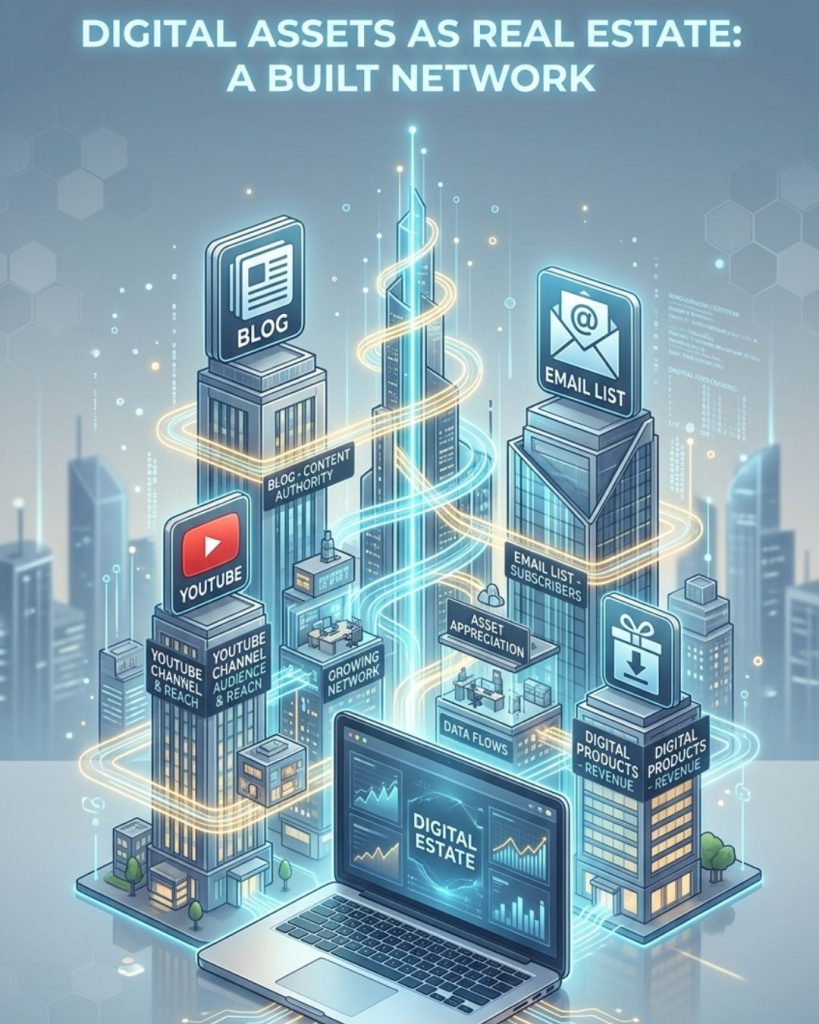
A Long-Term Traffic Asset is a piece of digital real estate that gains value over time. Think of it as an apartment building versus a pop-up tent.
- The Authority Blog: A well-optimized blog targeting SEO-friendly keywords continues to attract visitors from search engines years after the articles were written.
- The YouTube Resource Channel: Tutorials and “How-to” videos on evergreen topics (e.g., “How to Fix a Leaky Pipe”) act as a 24/7 salesperson for your brand.
- The Email List: Your list is the only asset you truly own. It allows you to bypass the algorithm and speak directly to your most loyal followers.
- Digital Product Suites: E-books, templates, and recorded courses are assets that cost $0 to replicate and can be sold indefinitely.
4. The “Compound Interest” of Evergreen Content

When you create a piece of trend-based content, its value drops to zero quickly. When you create Evergreen Content, its value compounds.
- Backlink Magnetism: High-quality, evergreen articles naturally attract backlinks over time, which increases your domain authority and makes it easier to rank for even more keywords.
- The Snowball Effect: One great article leads to 100 visitors a day. Ten great articles lead to 1,000. Because the content doesn’t “expire,” your traffic only goes up.
- Historical Data: Older content is often trusted more by search engines because it has a proven track record of satisfying user intent.
5. Strategy: How to Find Your “Evergreen Intersection”

The most profitable businesses live at the intersection of your personal expertise and enduring market demand.
- Step 1: Identify the “Primal Need”: Does your niche help someone stay healthy, get wealthy, or be happy?
- Step 2: Check the “Google Trends” 5-Year View: If the graph is a steady line (or growing), it’s evergreen. If it’s a series of sharp spikes and crashes, it’s a trend-chasing trap.
- Step 3: Keyword Gap Analysis: Look for high-intent keywords that have stable search volume but outdated or low-quality competition.
- Step 4: The “3-Year Test”: Ask yourself, “Will people still be asking this question in three years?” If the answer is yes, build the asset.
Optimizing for “Passive Discovery” in 2026
In the age of AI and predictive search, your metadata and content structure must be designed for “passive discovery.”
- Solve the “Core Problem” First: Don’t bury the lead. AI search engines want to see the answer to the user’s query in the first two paragraphs.
- Use “Semantic” Keywords: Instead of just repeating one phrase, use related terms (LSI keywords) that prove you have topical authority.
- Visual Assets: Use unique diagrams, infographics, and charts. These are “sticky” assets that get shared and linked to, further boosting your SEO.
Monetization: The “Quiet Revenue” Model
The beauty of evergreen niches is that they support multiple, stable income streams that don’t require your constant presence.
- Affiliate Recurring Revenue: Recommend software or services that pay a monthly commission. As long as your traffic asset stays live, your checks keep coming.
- Automated Digital Sales: Use a backend system to upsell visitors from your free content into a paid masterclass or toolkit.
- Premium Ad Placements: High-authority, evergreen sites attract premium advertisers who are willing to pay a higher RPM because they know the audience is focused and intentional.
The Transition: Moving from “Fast” to “Deep”
If you are currently stuck in the “trend cycle,” here is how to pivot without losing your current momentum.
- The 80/20 Rule: Spend 20% of your time on “social noise” (trends) to keep the current lights on, but dedicate 80% to building long-term assets.
- Repurpose with Intent: Take your most successful “trendy” post and expand it into a deep-dive, evergreen pillar page on your blog.
- Update, Don’t Replace: Instead of writing something new every day, spend one day a week updating your old evergreen posts to keep them “fresh” for the 2026 algorithms.
Protecting Your Assets from AI Disruption
Many fear that AI will kill blogging and content creation. In reality, AI will only kill low-quality content.
- Inject Personal Experience (E-E-A-T): AI cannot replicate your personal failures, successes, and unique perspectives. This is your “moat.”
- Build a Brand, Not a Search Result: When people start searching for your name + the topic, you have become an un-killable asset.
- The “Community” Moat: Move your micro traffic into a private community. A loyal group of 1,000 members is an asset that no algorithm change can take away.
Conclusion: The Wealth of the Patient
The digital economy of 2026 rewards the patient architect over the frantic sprinter. While the trend-chasers are stressed about the next algorithm update, the evergreen strategist is enjoying the fruits of work they did two years ago.
Stop chasing the wind. Identify a timeless problem, create a world-class solution, and build the Long-Term Traffic Assets that will provide for you and your family for years to come. Consistency in an evergreen niche is the closest thing to a “magic pill” for digital wealth.