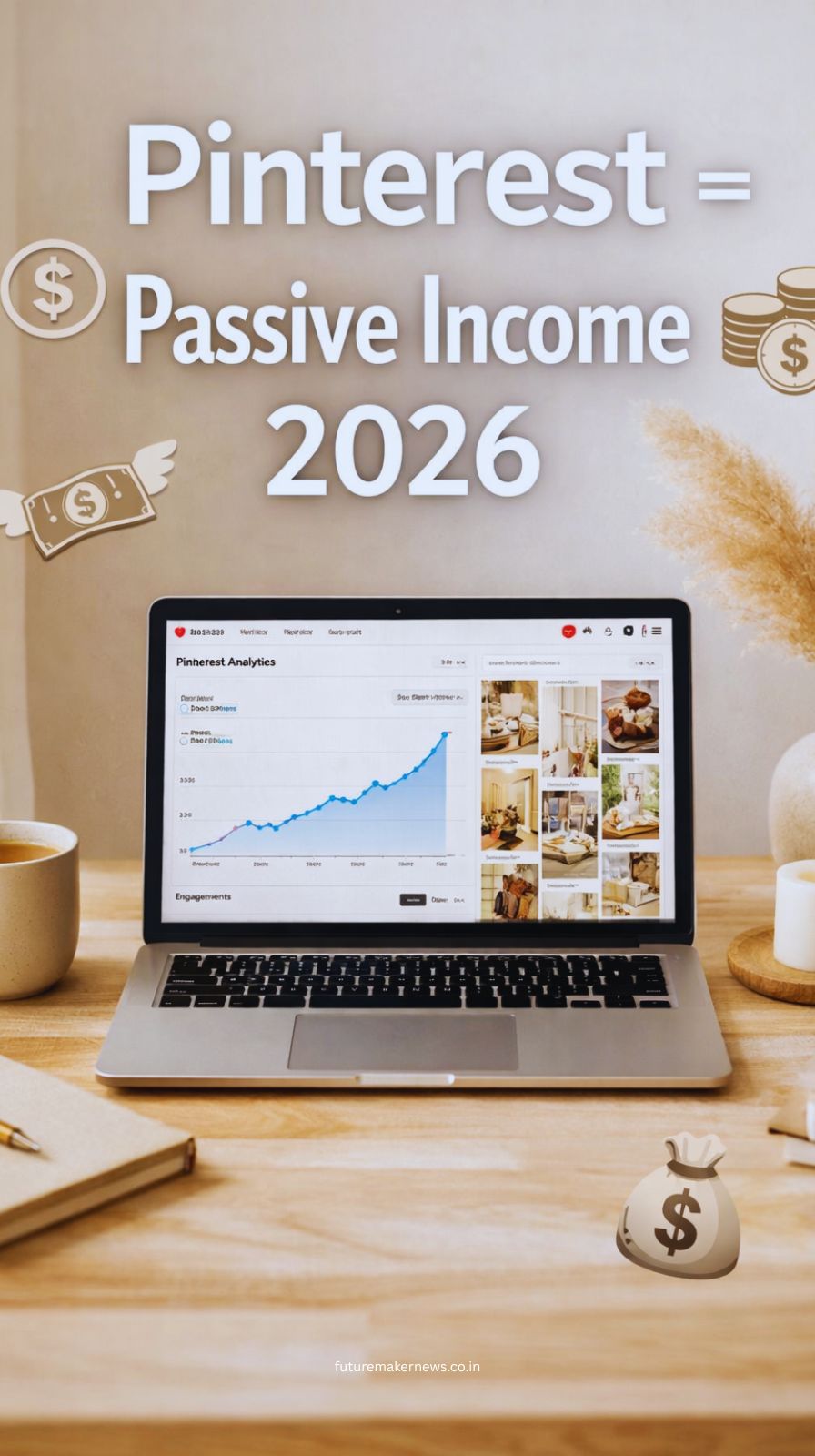
Laptop displaying Pinterest analytics and traffic growth used for passive income strategy in 2026.

In the gold rush of 2026, most creators are fighting for scraps on TikTok and Instagram, battling a 24-hour content lifespan and a volatile algorithm. Meanwhile, a quiet group of digital entrepreneurs is building long-term wealth on a platform everyone else forgot was a search engine: Pinterest.

If you think Pinterest is just for wedding cakes and DIY crafts, you are missing out on the most powerful high-intent traffic source available today. Pinterest isn’t a social media platform; it’s a visual discovery engine. It doesn’t care about your follower count; it cares about your search intent.

Here is why Pinterest is still the most underrated tool for making money and exactly how to leverage it in 2026.

1. The Power of High-Intent Traffic

User searching on Pinterest for products and ideas showing high purchase intent behavior.
Pinterest users don’t scroll… they shop

On most social platforms, users are “scrolling” to kill time. On Pinterest, they are “searching” to solve a problem. This difference in user psychology is why Pinterest traffic is worth 3x more than typical social media clicks.

  • The Planning Mindset: Pinterest users are planners. They search for “kitchen remodel ideas” or “best travel gear 2026” weeks—sometimes months—before they spend a single dollar.
  • Intent-Driven Discovery: When your Pin appears in their search results, it isn’t an interruption; it’s the answer they were looking for.
  • Direct-to-Purchase: According to 2026 data, over 70% of Pinterest users use the platform with shopping intent. They aren’t just looking; they are preparing to buy.

2. The Traffic Model: The Compound Interest of Content
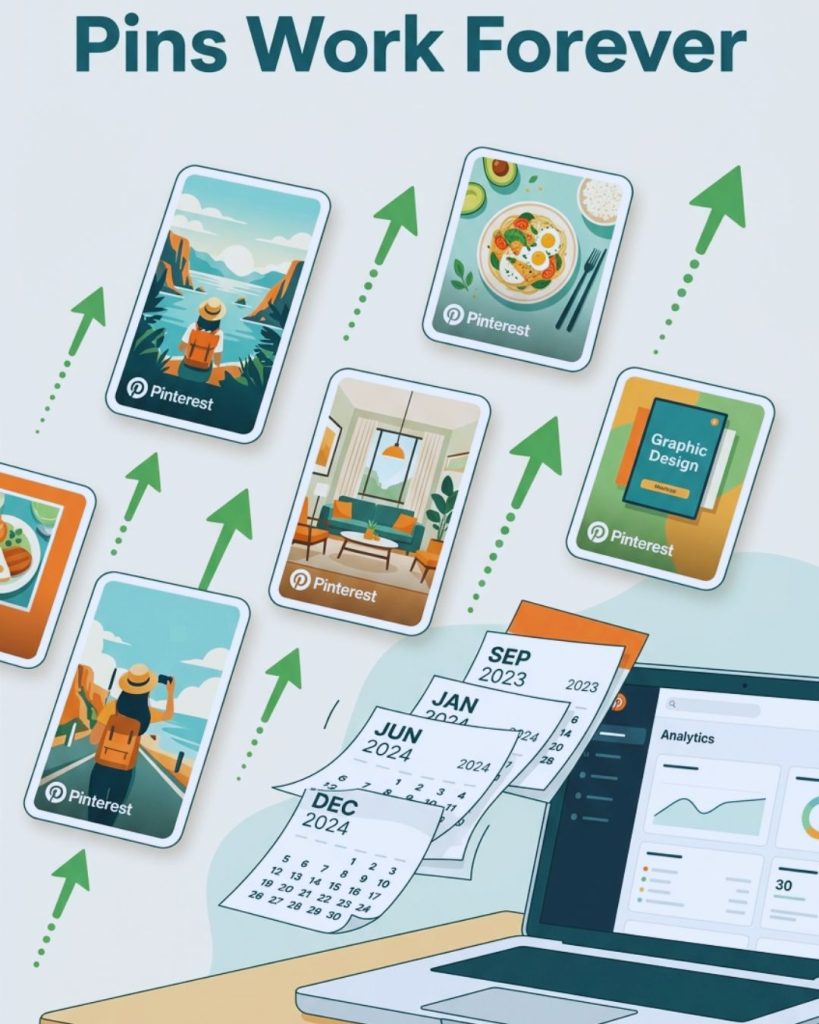
Pinterest pins generating long-term traffic growth over time like compound interest.

On X (Twitter) or Instagram, your post is dead in 48 hours. On Pinterest, your content is an evergreen asset. A single Pin created today can continue “printing” traffic and revenue for years.

  • The Snowball Effect: Pinterest doesn’t favor “new” content as aggressively as other platforms. It favors relevance. A well-optimized Pin grows in authority every time it is saved, leading to more impressions over time.
  • Low Maintenance, High Reward: You don’t need to post 3 times a day to stay relevant. Once your evergreen Pins are indexed, they work for you 24/7 in the background while you sleep.
  • The Click-Through Advantage: Unlike Instagram, which hides links, Pinterest is designed to get people off the platform and onto your website, blog, or affiliate offer.

3. Pinterest SEO: The Secret Weapon

Pinterest SEO strategy with keyword research and optimized boards for better reach.

To win on Pinterest, you must stop thinking like a “creator” and start thinking like an SEO strategist. In 2026, Pinterest SEO is the only way to bypass the “pay-to-play” model of modern advertising.

  • Keyword-Rich Boards: Your board titles shouldn’t be “cute.” They should be searchable. “Budget Travel Tips” beats “Wanderlust Dreams” every single time.
  • AI-Optimized Descriptions: Pinterest’s 2026 algorithm uses AI image recognition and NLP (Natural Language Processing). Use your primary keywords in the first sentence of your Pin description and your alt-text.
  • The Search Bar Hack: To find what’s “printing money” right now, use the Pinterest search bar. Type a broad niche, and the autocomplete suggestions will show you exactly what people are ready to buy.

4. Monetization Strategies for 2026

Pinterest traffic converting into affiliate income and digital product sales online.
Traffic , Clicks , Income

You don’t need an original product to make money on Pinterest. You just need to be the bridge between a user’s problem and a proven solution.

Affiliate Marketing (The $0 Start)

Pinterest is the best place to start Affiliate Marketing with zero investment.

  • Create Product Pins or “Gift Guides” using high-quality visuals.
  • Link directly to affiliate products (ensure you use the #affiliate disclosure to stay compliant).
  • Focus on niches like Home Decor, Tech Gadgets, or Sustainability Tools which have massive search volume.

Digital Product Empire

Pinterest is a goldmine for selling Notion Templates, e-books, and digital planners.

  • Use Idea Pins to show the “Transformation” (e.g., how your template organized a chaotic business).
  • Drive traffic to a simple landing page or a Gumroad shop.

The Blog-to-Bank Model

Drive massive traffic to a niche blog monetized with AdSense or high-tier ad networks.

  • One blog post about “10 Minimalist Kitchen Hacks” can have 5–10 different Pin variations.
  • Each Pin acts as a new “doorway” to your site, multiplying your ad revenue without creating new content.

The 2026 Pinterest Strategy Checklist

Action ItemFrequencyGoal
Keyword ResearchWeeklyIdentify trending search terms via Pinterest Trends.
Fresh Pin Creation3-5/WeekGive the algorithm “fresh” designs for old URLs.
Board OptimizationMonthlyClean up descriptions and add long-tail keywords.
Analytics AuditWeeklyIdentify which Pins have the highest Outbound Click Rate.

Why You Should Start Today

The beauty of Pinterest in 2026 is that it is still under-saturated compared to the “noisy” platforms. While everyone else is fighting for viral fame, you can quietly build a traffic engine that pays you dividends for years to come.

Pinterest rewards patience and optimization. It is the only platform where your work from six months ago can pay your rent today.
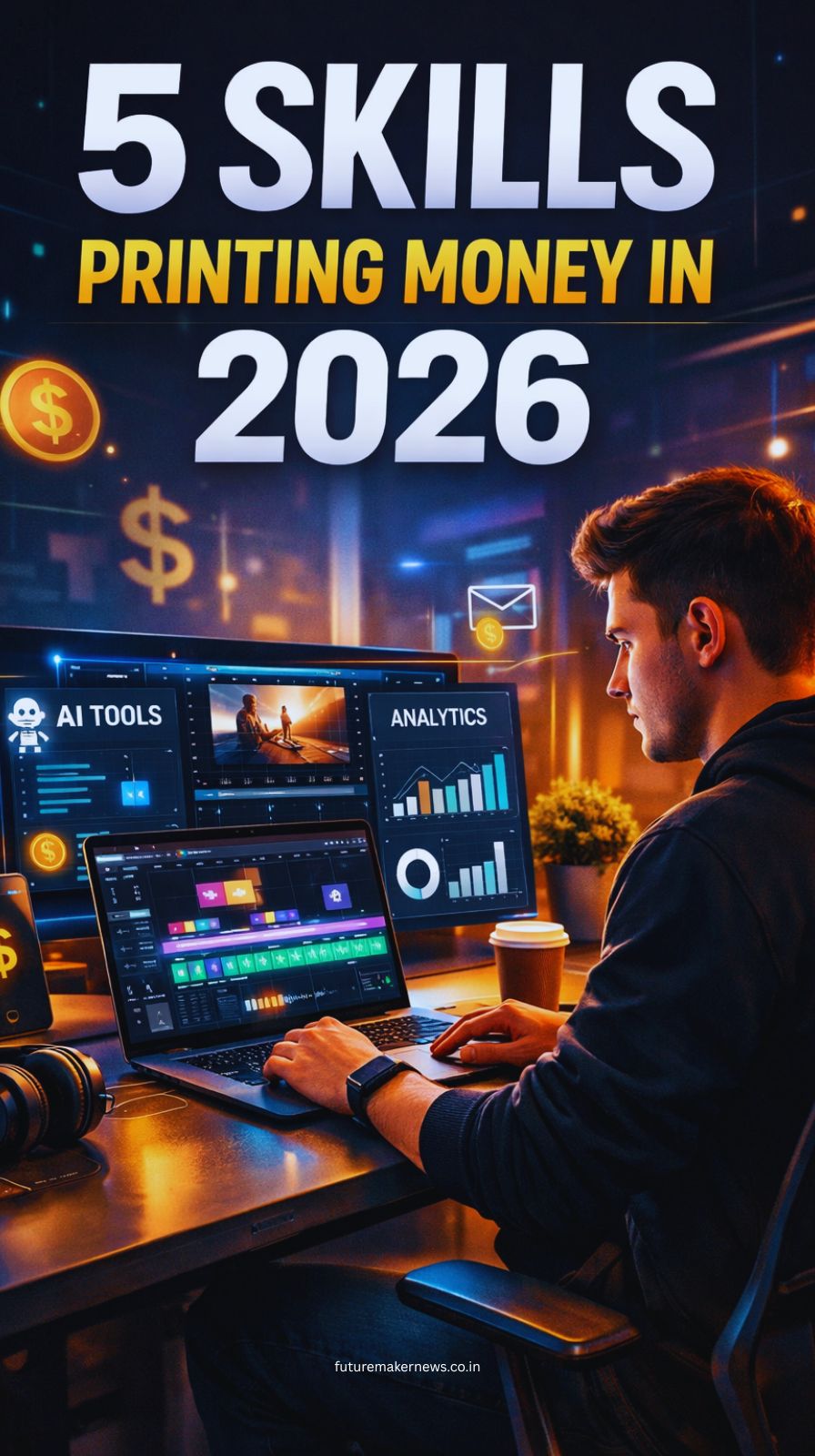

Futuristic workspace showing digital skills like AI tools and video editing generating online income in 2026.

In 2026, the digital economy has undergone a massive transformation. The “side hustle” era has evolved into the “skill-stacking” era. If you are still relying on traditional methods to generate income, you are leaving thousands of dollars on the table every single month.

The market no longer rewards just “hard work”—it rewards efficiency, leverage, and technical adaptability. Whether you are a college student, a 9-to-5 worker, or an aspiring entrepreneur, mastering the right digital tools is your ticket to financial freedom.

Here are the top 5 high-income skills that are literally printing money in today’s market.

1. Advanced AI Prompting

Laptop showing AI prompt engineering workflow used to automate business tasks and generate income.
Master prompts, master money One skill = multiple income streams.

In 2026, Prompt Engineering is no longer a “hack”; it is a foundational business language. Companies are moving away from hiring massive teams and are instead looking for AI Orchestrators who can generate high-level results in seconds.

  • Why it’s a Goldmine: Every business needs automation. If you can write precise structured prompts for tools like GPT-5 or Claude 4, you can do the work of a 5-person agency.
  • Monetization Path: Offer AI Implementation Consulting. Charge brands to build custom internal prompt libraries that automate their customer support, email marketing, and internal research.
  • The Pro Tip: Don’t just ask AI to “write a blog.” Use chain-of-thought prompting to guide the AI through persona building, data analysis, and stylistic refinement.

2. Strategic SEO Writing (AEO focus)

SEO blog content optimized for AI search engines with featured snippets and traffic growth analytics.
In 2026, ranking isn’t enough—be the answer

The old way of “keyword stuffing” is dead. In 2026, SEO has shifted toward AEO (Answer Engine Optimization). With AI search engines like Perplexity and Google’s Search Generative Experience dominating, your content needs to be the “cited source” for AI answers.

  • The Shift: It’s no longer about ranking #1 on a page; it’s about being the featured snippet that the AI reads back to the user.
  • Key Strategy: Focus on Topical Authority. Write comprehensive, data-backed guides that use Semantic Triples (Subject-Predicate-Object structures) that AI models find easy to parse and index.
  • Income Potential: High-quality SEO Strategists who understand AI search patterns are charging $1,500+ per project because they guarantee visibility in the AI-driven “zero-click” era.

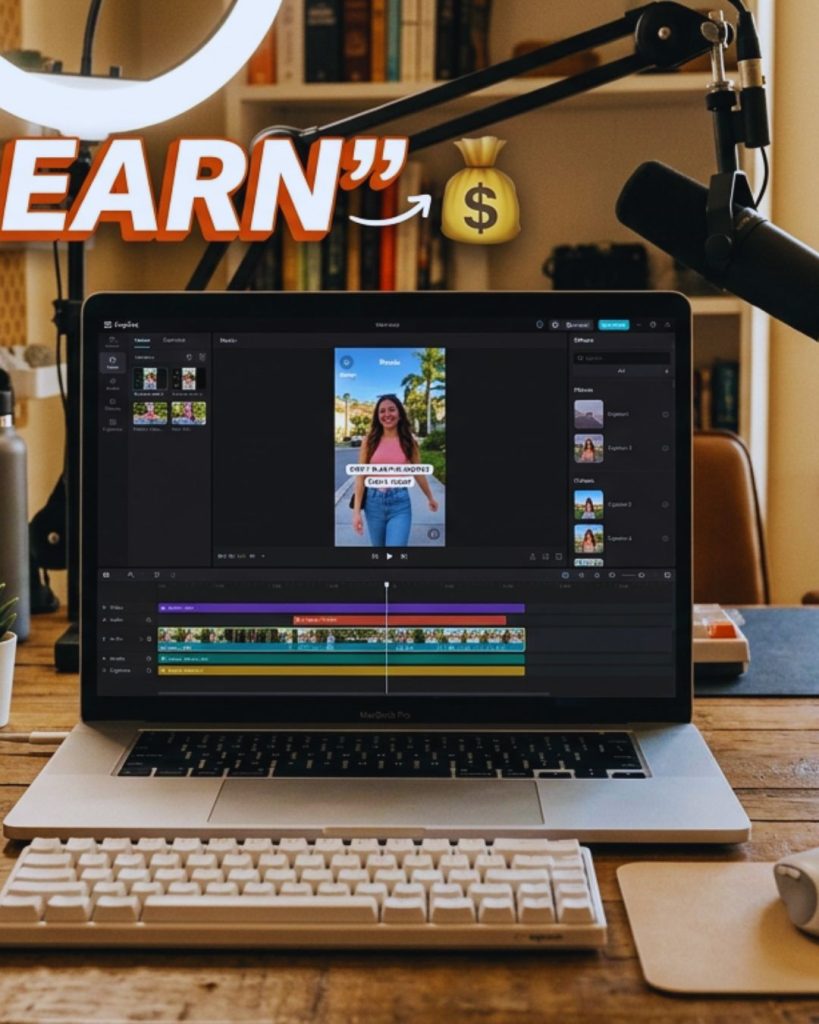
3. High-Retention Reels Editing

Short-form video editing process with reels timeline and social media engagement notifications.
Attention is currency Turn views into income.

Attention is the new oil, and Short-Form Video is the drill. In 2026, every brand—from your local dentist to global SaaS companies—needs a vertical video strategy to survive.

  • The Formula: Modern editing isn’t just about cuts; it’s about dopamine loops. You need to master pattern interrupts, auto-captions with kinetic typography, and sound design that keeps viewers from scrolling.
  • Tools of the Trade: Master CapCut Desktop and AI-assisted tools like Submagic or Descript to speed up your workflow.
  • Monetization: Offer a “Viral Batching” service. Edit 15–30 high-impact Reels from a single hour of raw footage and charge a monthly retainer of $2,000 to $5,000.

4. Short-Form Scriptwriting & Storytelling

Content creator writing short-form video scripts designed for high engagement and storytelling.
One script can make millions watch

Editing makes a video look good, but the Script makes people stay. As AI-generated visual content floods the internet, authentic storytelling has become the ultimate differentiator.

  • The 3-Second Hook: You must master the art of the “scroll-stopper.” In 2026, if you don’t grab attention in 1.5 seconds, you’ve lost the lead.
  • The “Curiosity Gap”: Write scripts that pose a question or show a transformation immediately. Use the PAS Formula (Problem-Agitation-Solution) optimized for 60-second windows.
  • Why it Pays: Ghostwriters for LinkedIn and TikTok creators are among the highest-paid freelancers today because they directly control the “reach” of a brand.

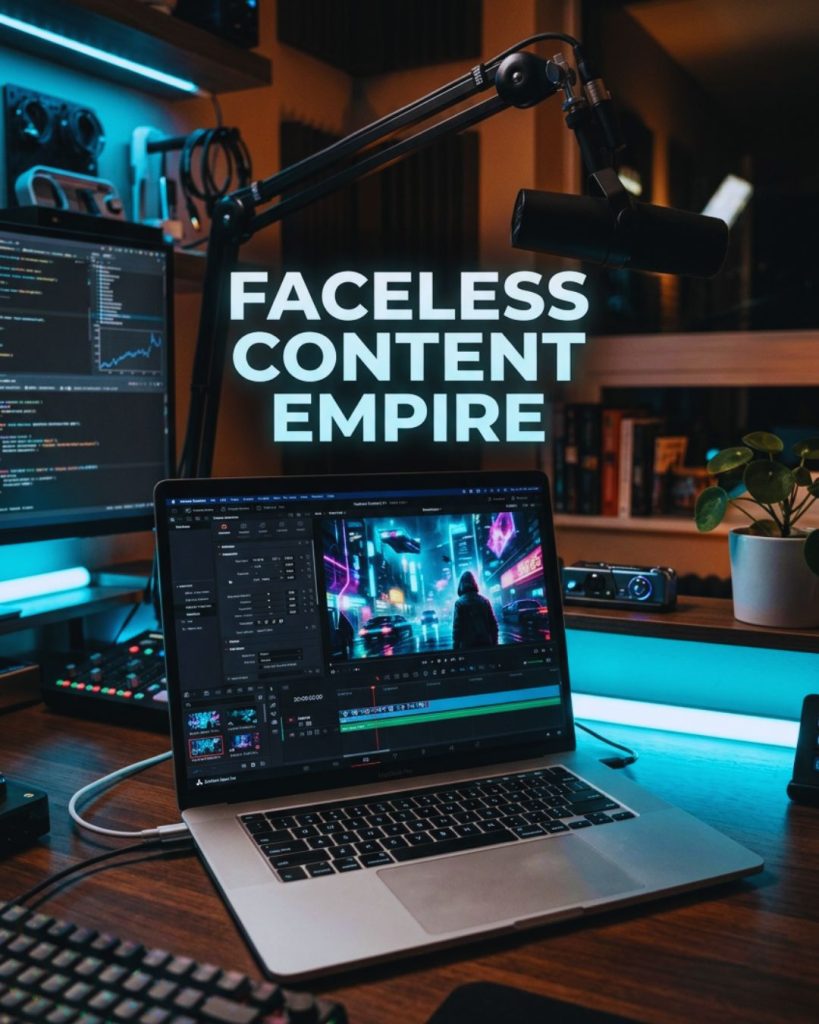
5. AI Video Production (Faceless Channels)

AI-generated video production workflow creating faceless content for passive income channels.
No camera. No face. Just income

You no longer need a camera, a studio, or even a face to build a massive media empire. AI Video Production allows you to create cinematic, high-converting content using only text prompts.

  • The Workflow: Use Midjourney v7 for visuals, ElevenLabs for hyper-realistic voiceovers, and Runway Gen-3 for motion.
  • The Business Model: Launch Faceless YouTube Channels in high-CPM niches like Finance, AI News, or Luxury Travel. These channels act as digital real estate, earning AdSense and affiliate income 24/7.
  • The Edge: Businesses want “Commercial Grade” AI videos for their ads. Offering AI Video Ads as a service allows you to charge premium prices with zero filming costs.

The 2026 Income Comparison Table

SkillPrimary ToolDifficultyMonthly Income Potential
AI PromptingClaude / ChatGPTMedium$3k – $8k
AEO WritingSurfer / PerplexityHigh$2k – $10k
Reels EditingCapCut / PremiereMedium$4k – $12k
ScriptingNotion / AI ToolsMedium$3k – $7k
AI Video Prod.Runway / SoraHigh$5k – $15k

How to Start from Scratch Today

If you have $0 and want to master these skills, follow this 4-Step Mastery Plan:

  1. Pick One “Primary” Skill: Do not try to learn all five at once. Choose the one that aligns with your natural interests (e.g., Editing if you’re visual, Scripting if you love words).
  2. The “Spec Work” Portfolio: Create 5 pieces of high-quality work for fictional brands. Show, don’t tell. A link to a Google Drive folder with 5 viral-style reels is better than a 10-page resume.
  3. Leverage Social Proof: Post your learning journey on Twitter (X) or LinkedIn. Tag industry leaders and share “Before vs. After” results of your work.
  4. The High-Value Outreach: Reach out to 10 creators or businesses a day. Offer to do one task for free to prove your ROI. Once they see the results, they won’t want to let you go.

Final Thoughts

The wealth gap in 2026 is actually a skill gap. The tools are free, the information is available, and the demand is at an all-time high. The only thing standing between you and a six-figure digital income is the 30 days of focused effort it takes to master one of these “money-printing” skills.

Person working on laptop with AI tools and analytics, representing making money online from zero using a 30-day plan.

Before we dive into the tasks, you must understand one thing: In 2026, personal branding is your most valuable asset. People no longer buy from faceless corporations; they buy from individuals they trust. You don’t need money to build trust; you need consistency and a digital presence.

This plan is built on “Service-First Scaling.” We will use free AI-driven tools to deliver high-value work, collect “social proof,” and then automate the process.

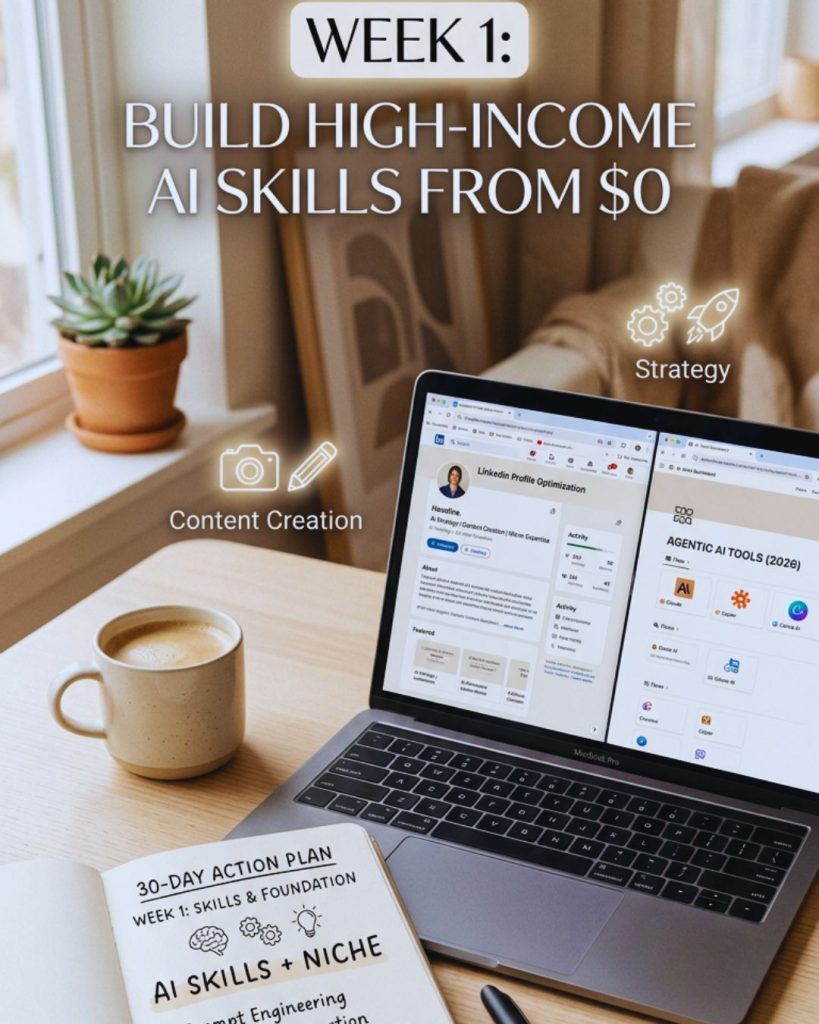
Week 1: The Foundation & Skill Synthesis

Laptop displaying LinkedIn profile and AI tools with notes on niche selection, representing building high-income skills in week 1 of making money online.
Week 1 is all about skills + strategy Find your niche, master free AI tools, and build your digital presence from $0.

Your first seven days are about identifying where the money is flowing. In 2026, the highest-paying “no-cost” skills are AI Prompt Engineering, Short-form Video Strategy, and Niche Ghostwriting.

Day 1-3: Identify Your “High-Value” Intersection

Don’t just pick a hobby. Look for the intersection of what you know and what a business will pay for.

  • Action: Research industries currently struggling with AI integration.
  • Goal: Choose a niche like “AI-Automated Customer Support for E-commerce” or “Vertical Video Systems for Real Estate Agents.”

Day 4-5: Master the “Free” Stack

You don’t need a degree. Use free tiers of tools like Claude, ChatGPT, and Canva to become an expert in 48 hours.

  • Action: Learn how to create “Agentic Workflows.” If you can show a business owner how to save 10 hours a week using a free AI tool, you are worth $1,000/month to them.

Day 6-7: Optimize Your “Digital Storefront”

Your LinkedIn and X (Twitter) profiles are your resumes.

  • Action: Use a high-quality photo (taken on any smartphone) and write a headline that focuses on results.
  • Keyword Strategy: Use terms like Digital Transformation, AI Strategy, and Content ROI in your bio to attract search traffic.

Week 2: The Outreach & Validation Phase

Laptop displaying video outreach and social media engagement, representing getting clients through personalized outreach and content strategy.
No money? No problem Use smart outreach, free value, and content to land your first clients and testimonials.

Now that you have a skill, you need a “Beta Client.” Since you have $0, you will trade your labor for a testimonial.

Day 8-10: The “Loom” Strategy

Cold emailing is dead. Personalization is everything.

  • Action: Record 10 “Loom” videos (using the free version) for potential clients.
  • The Script: “I noticed your brand is doing X, but you’re missing out on Y. I built a quick AI automation prototype for you. Here is how it works. I’ll do this for free for 7 days in exchange for a video testimonial.”

Day 11-12: The Content Flywheel

Start posting what you are learning.

  • Action: Share “Build-in-Public” content. “Day 11 of starting from $0: Here is how I’m using Agentic AI to help a local business.”
  • Engagement Tip: Comment on 20 posts per day from industry leaders. This is organic marketing at its finest.

Day 13-14: Iteration

By now, you should have at least 3-5 people interested. If not, pivot your offer.

  • Key Focus: Are you solving a “bleeding neck” problem? If you are just “nice to have,” you won’t get paid. Focus on revenue generation for your clients.

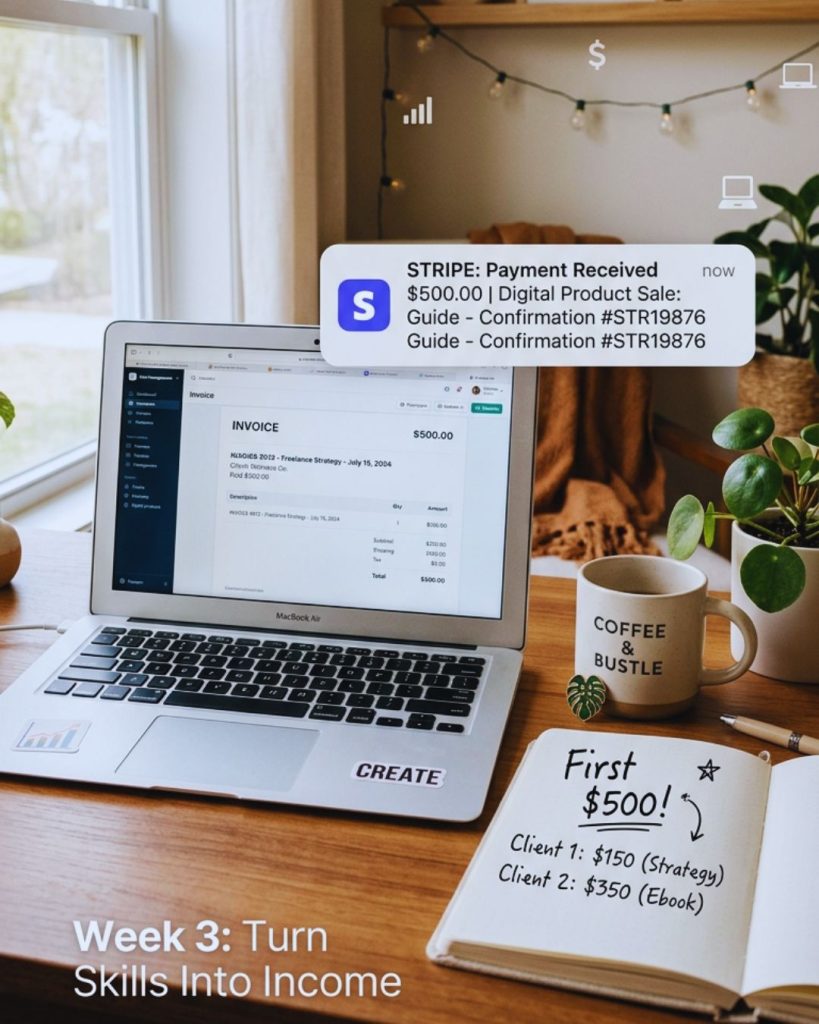
Week 3: Monetization & The First Dollar

Laptop displaying payment confirmation and digital invoice, representing earning first money online and monetizing services.
Your first $ comes from confidence Turn free work into paid clients and start building real income streams.

This is the most exciting week. You move from “free help” to “paid expert.”

Day 15-17: Closing the First Deal

Go back to your beta clients.

  • Action: “The 7-day trial is up. We saw a 20% increase in [Metric]. My monthly retainer is $500 to keep this running and optimized.”
  • Why it works: In 2026, low-ticket retainers are the easiest way to stack income quickly.

Day 18-20: Productize Your Service

Stop selling “hours.” Start selling “packages.”

  • Action: Create a simple PDF or Notion page outlining your service business packages.
  • SEO Tip: Use keywords like Scalable Business Models and Passive Income Streams in your descriptions.

Day 21: Financial Setup

Use free platforms like Stripe or PayPal to accept payments globally. Ensure your “onboarding” is professional. A professional-looking invoice builds more trust than a fancy office.

Week 4: Scaling & Automation

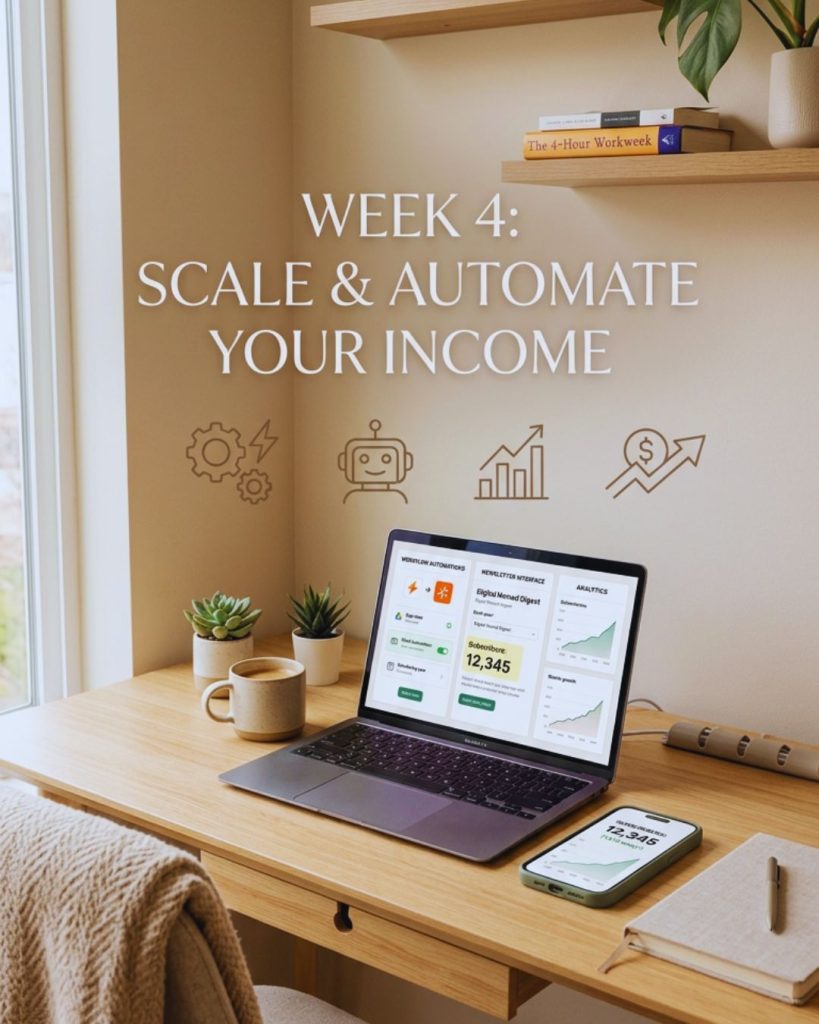
Laptop displaying automation tools and newsletter growth, representing scaling income through AI automation and audience building.
Work less, earn more Automate your systems, grow your audience, and step into high-ticket income.

You have a client and a skill. Now, you need to stop doing the “grunt work” so you can find more clients.

Day 22-25: Building the “Creator Flywheel”

Content is how you scale.

  • Action: Take your best-performing LinkedIn posts and turn them into a newsletter on a platform like Substack or Beehiiv.
  • The Goal: Build an email list. This is your “owned audience” that no algorithm can take away.

Day 26-28: Leverage AI for Growth

Use AI-driven productivity tools to automate your social media scheduling and client reporting.

  • Automation: Set up a “Zap” (Zapier free tier) that sends a “Thank You” email every time a new lead fills out your Google Form.

Day 29-30: The “High-Ticket” Pivot

With three testimonials and a small audience, you are no longer a “beginner.”

  • Action: Double your prices for the next three clients.
  • Reflection: Look at your cash flow. You started with $0; you should now have $1,000–$3,000 in revenue.

Summary Table: Your 30-Day Growth Metrics

WeekFocusPrimary GoalExpected Outcome
Week 1Skill BuildingLearn AI PromptingNiche Expertise
Week 2ValidationGet 1 Beta Client1 Video Testimonial
Week 3SalesClose 1st Paid DealFirst $500+ Earned
Week 4ScalingStart a NewsletterLong-term Passive Income

Final Words of Advice

The biggest barrier to making money online in 2026 isn’t a lack of capital; it’s a lack of focus. The “shiny object syndrome” is more dangerous than ever with the rapid release of new AI tools. Stick to one niche, one platform, and one offer for 30 days.

Remember, the digital economy rewards those who provide clarity in a world of noise. By following this action plan, you aren’t just making a few bucks—you are building a future-proof career.

Woman working on laptop in cozy aesthetic room with coffee and digital planner, representing passive income and lazy girl money-making lifestyle.

Hey there, financial free spirits! Are you tired of the grind? Does the idea of working until you’re 65 make you cringe? Well, get ready to embrace your inner lazy girl and discover the art of passive income.

We’re not talking about get-rich-quick schemes or risky investments. We’re talking about smart, sustainable ways to generate income with minimal ongoing effort. The goal? To have more time for the things you love, whether it’s traveling, pursuing hobbies, or simply relaxing.

Why Passive Income is the Ultimate Goal for Lazy Girls

Imagine waking up to money in your bank account, earned while you slept. That’s the power of passive income. It decouples your income from your time, allowing you to build wealth without working endless hours.

For the lazy girl, this means freedom. Freedom to take control of your schedule, say goodbye to the nine-to-five hustle, and build a life that revolves around your passions, not your paycheck.

How to Start Your Passive Income Journey (the Lazy Girl Way)

The first step is to shift your mindset. Forget about working harder. Start thinking about working smarter. Identify your skills, interests, and knowledge. What could you teach others? What products or services could you create that would solve a problem or meet a need?

Here are some popular and profitable passive income ideas for lazy girls:

1. Create and Sell Digital Products

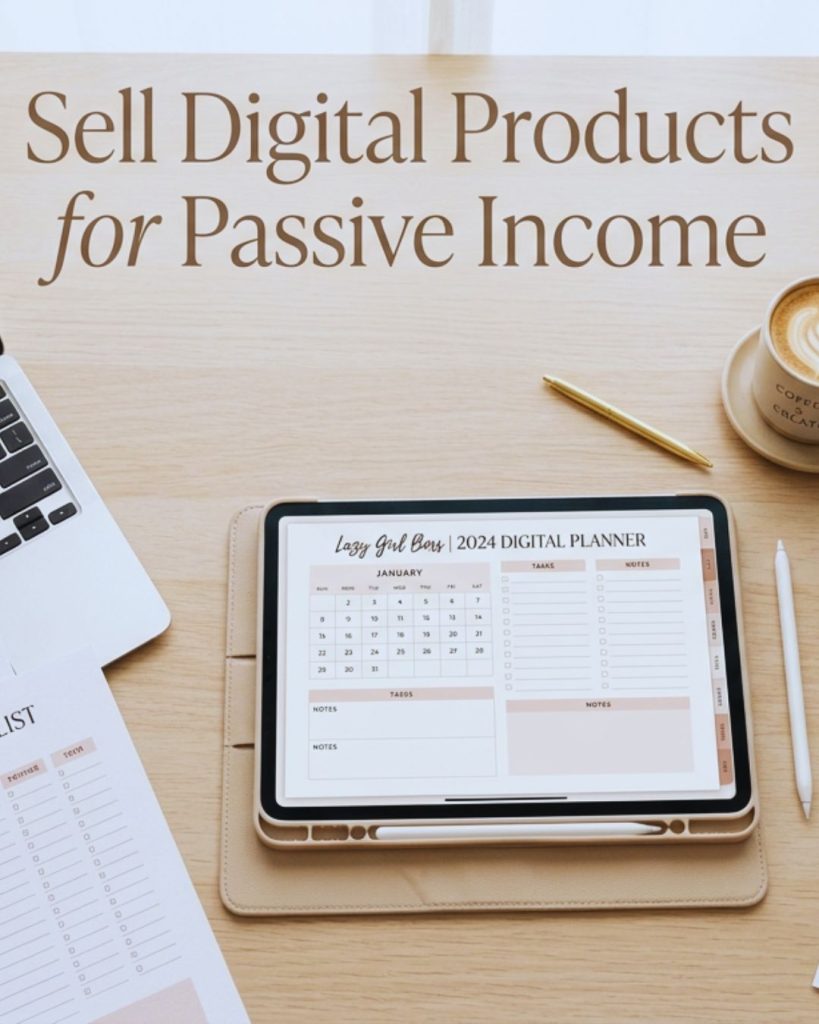
Aesthetic flat lay of digital planner, templates, and laptop showing e-book, representing passive income through selling digital products online.
Turn your ideas into income Sell templates, planners, e-books, and courses—create once and earn forever.

Digital products are a goldmine for passive income. Once you’ve created them, you can sell them indefinitely without any additional production or shipping costs.

  • Templates: People are always looking for ways to save time and effort. Create templates for resumes, social media graphics, presentations, or even resume cover letters.
  • Simple Digital Planners: Digital planning is a huge trend. Design and sell digital planners, journals, and habit trackers that can be used on tablets or smartphones.
  • E-books: Have expertise in a particular niche? Write an e-book and sell it on platforms like Amazon Kindle Direct Publishing.
  • Online Courses: Package your knowledge into an online course. Platforms like Teachable and Kajabi make it easy to create and host your course.

Key Optimization for Digital Products: Use keywords in your product titles and descriptions. Create compelling visuals to showcase your products. Encourage customer reviews.

2. Start an Affiliate Blog

Woman working on laptop writing a blog with notes about affiliate marketing, representing earning passive income through blogging.
Start a blog, add affiliate links, and get paid Turn your content into a passive income machine with smart SEO + niche strategy.

Do you enjoy writing? Why not start a blog and monetize it with affiliate marketing? Choose a niche that you’re passionate about and create high-quality content that provides value to your readers.

How it works: You promote products or services that you love. When someone clicks on your unique affiliate link and makes a purchase, you earn a commission. It’s that simple.

  • Choose a Niche: Select a topic you’re passionate about and that has a profit potential. Popular niches include personal finance, travel, health and wellness, and technology.
  • Create Valuable Content: Write informative blog posts, reviews, and tutorials that help your readers solve problems.
  • Incorporate Affiliate Links: Subtly integrate your affiliate links into your content. Make sure they are relevant to the topic.
  • Drive Traffic: Use SEO techniques and social media to attract visitors to your blog.

Key Optimization for Affiliate Blogs: Conduct keyword research to find popular search terms related to your niche. Optimise your blog posts for search engines. Engage with your readers in the comments section.

3. Build Niche Websites

Laptop showing niche website with analytics growth, representing passive income through niche websites and SEO strategy.
Build once, earn forever Niche websites + SEO = passive income through ads, affiliates & digital products.

A niche website is a website that focuses on a specific topic. You can create a niche website and monetize it through advertising, affiliate marketing, or by selling digital products.

  • Identify a Profitable Niche: Use tools like Google Keyword Planner to find niches with high search volume and low competition.
  • Create High-Quality Content: Publish informative articles, guides, and resources related to your niche.
  • Monetize Your Website: Choose from various monetization methods, such as Google AdSense, affiliate marketing, or display ads.

Key Optimization for Niche Websites: Focus on building authority in your niche. Get backlinks from other reputable websites. Keep your content up-to-date and relevant.

4. Rent Out Your Assets

Stylish spare room and car representing passive income through renting assets like home, vehicle, or parking space.
Turn what you already own into income Rent your space, car, or parking spot and earn passive money the smart way.

Got an extra room, a car, or even your parking space? Put them to good use and generate passive income.

  • Rent Out Your Spare Room: Platforms like Airbnb make it easy to rent out your spare room to travelers.
  • Rent Out Your Car: Services like Turo allow you to rent out your car when you’re not using it.
  • Rent Out Your Parking Space: If you live in an urban area, you can rent out your parking space when you’re not using it.

Key Optimization for Asset Rental: Craft attractive descriptions of your assets. Use high-quality photos. Set competitive prices. Communicate effectively with renters.

5. Invest in Dividend-Paying Stocks

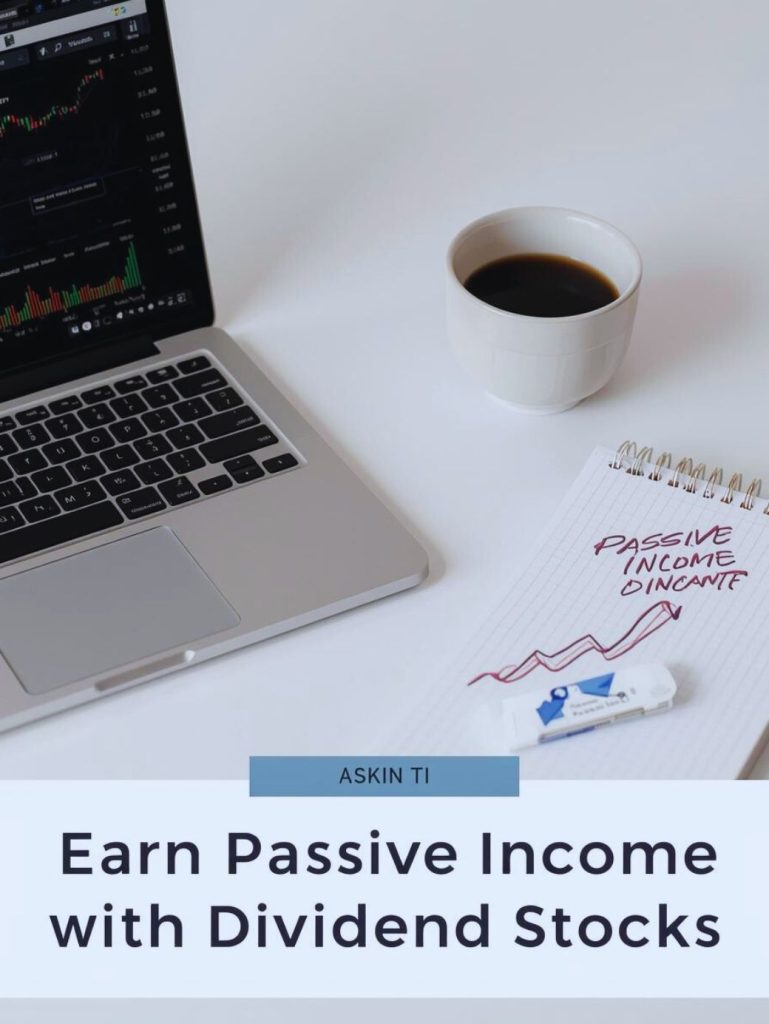
Laptop displaying stock charts and dividend growth representing passive income through investing in dividend-paying stocks.
Grow your money while you sleep Dividend stocks = long-term passive income and financial freedom.

Investing in dividend-paying stocks can be a great way to generate long-term passive income. When you own shares in a company, you may receive a portion of their profits in the form of dividends.

  • Do Your Research: Look for companies with a history of paying and increasing dividends.
  • Consider Dividend Aristocrats: These are companies that have increased their dividend payouts for at least 25 consecutive years.
  • Reinvest Your Dividends: Reinvesting your dividends can accelerate the growth of your portfolio over time.

Key Optimization for Dividend Stocks: Diversify your portfolio across different sectors and companies. Monitor your investments regularly. Consult with a financial advisor if needed.

Lazy Girl Tips for Passive Income Success

  • Focus on Value: Your primary goal should be to provide value to your audience. When you create high-quality content or products, success will naturally follow.
  • Be Patient: Building passive income streams takes time and effort. Don’t expect to see results overnight. Consistent effort is key.
  • Automate Everything: Look for ways to automate your processes. Use tools for social media scheduling, email marketing, and content distribution.
  • Keep it Simple: Don’t overcomplicate things. Start with one passive income stream and focus on making it successful before expanding.
  • Learn and Adapt: Keep up with the latest trends and techniques in your niche. Experiment and adapt your strategies as needed.

Final Thoughts

Creating passive income is not about doing nothing. It’s about front-loading your effort to create assets that can generate income for you in the long run. By embracing the lazy girl’s guide to passive income, you can build a more secure, fulfilling, and flexible future.

Start today by identifying one passive income idea that excites you. Take consistent action, provide value, and enjoy the journey to financial freedom. You deserve it!

Remember, the lazier you can be with your passive income streams, the more time you’ll have to indulge in the things that truly make you happy. So, go ahead, embrace your inner lazy girl, and start building your financial dream life!

Entrepreneur overwhelmed while trying to grow an online business and manage content, traffic, and automation systems.

The digital landscape of 2026 is a land of infinite opportunity, yet the “failure rate” for new online entrepreneurs remains staggeringly high. While the headlines scream about teenage millionaires and automated wealth, the reality for most is a string of abandoned domains, half-finished courses, and empty Stripe accounts.

Success in online income isn’t about having a secret “hack” or being a coding genius. It is about avoiding the psychological and structural traps that claim 95% of beginners. If you want to be in the top 5% who actually build scalable digital models, you must understand why the majority fail.

The Illusion of the “Easy” Button

The first reason people fail is a fundamental misunderstanding of digital leverage. They confuse “low barrier to entry” with “low effort.” Because it costs almost nothing to start a niche blog or an AI-powered YouTube channel, people treat it with the same level of commitment as a hobby rather than a business.

The “Lottery” Mentality

  • The Symptom: Searching for “how to make $100 a day fast” instead of “how to build a traffic system.”
  • The Result: Jumping from one trend to another—from dropshipping to crypto to AI art—without ever mastering a single scaling system.
  • The Fix: Treat your online venture like a franchise. It requires standard operating procedures (SOPs) and a long-term view.

1. The Deadly Lack of Consistency

Content creator organizing a weekly content schedule to maintain consistency for blog and social media growth.
Consistency is the currency of algorithmic trust—without it, growth stops before it starts.

In the world of algorithms, consistency is the currency of trust. Whether it’s Google, TikTok, or Pinterest, these platforms want to see that you are a reliable source of data before they give you the “keys to the kingdom” (traffic).

The “Dopamine” Trap

Most beginners start with a burst of energy. They post five videos in a week, write three SEO-optimized articles, and then… nothing. When the “viral hit” doesn’t happen in the first 14 days, the dopamine fades, and they stop.

  • Algorithmic Ghosting: When you stop posting, the algorithm stops “learning” who your audience is.
  • Compounding Interest: Online income is back-heavy. 80% of your results will come from the last 20% of your effort.
  • The Solution: Content Batching: You cannot rely on “feeling inspired.” You must use content batching to create a backlog of work that ensures your brand stays active even when you are tired.

2. No Proven Traffic System

Entrepreneur analyzing a digital traffic funnel connecting Pinterest, SEO, and email marketing.
Without a reliable traffic system, even great content remains invisible online.

You can have the best product or the most insightful blogging AI in the world, but if nobody sees it, you have a digital museum, not a business. Most people fail because they focus on “the thing” rather than “the way people find the thing.”

Relying on “Hope Marketing”

“Hope Marketing” is hitting publish and hoping the internet finds you. Successful entrepreneurs build traffic systems that work predictably.

  • The SEO Moat: Failing to implement SEO-friendly structures means you are constantly fighting for “rented” attention on social media rather than owning “permanent” search traffic.
  • Diversification Failure: Putting all your eggs in one basket (like an Instagram page) is dangerous. If the algorithm changes, your income vanishes.
  • The Solution: The Multi-Channel Funnel: Use Pinterest for visual discovery, Google for search intent, and Email for conversion. This is a true scaling system.

3. Quitting Too Early (The “Dip”)

Entrepreneur continuing to work late on a blog or online business despite slow early results.
Most people quit during the slow growth phase—right before momentum begins.

Seth Godin famously called it “The Dip”—the long, hard slog between starting and succeeding where most people quit. In online income, the dip is usually where the real money is hidden.

The 90-Day Wall

Statistically, most people quit their side hustle at the 90-day mark. This is exactly when search engines start to take you seriously.

  • Trust Factors: Google’s “sandbox” often keeps new sites from ranking for the first few months to ensure they aren’t spam.
  • The Pivot vs. The Quit: Winners look at their data and “pivot” (change the angle). Losers look at the data and “quit” (change the business).
  • The Reality: Most “overnight successes” took three years of invisible work to happen.

4. Feature Creep & “Procrastilearning”

Entrepreneur overwhelmed by online business tutorials instead of launching a project.
Learning without launching keeps many entrepreneurs stuck in preparation mode forever.

Many aspiring entrepreneurs stay broke because they are too busy “preparing” to make money. They spend weeks picking the perfect color for their logo or buying every automation tool on the market without ever launching.

The Perfectionism Trap

  • Information Overload: Consuming 10 hours of YouTube tutorials for every 1 hour of actual work.
  • Over-Engineering: Trying to build a complex scaling system before you’ve even made your first dollar.
  • The Solution: MVP (Minimum Viable Product): Launch the “ugly” version of your blog or service today. You can’t optimize a system that doesn’t exist.
5. Failure to Automate and Delegate

Entrepreneur using automation tools to manage blog posts, social media, and email marketing workflows.
Automation transforms a busy side hustle into a scalable digital business.

As soon as a business starts to show signs of life, the owner becomes the bottleneck. They try to do the headline writing, the graphic design, the SEO optimization, and the customer service all by themselves.

The Founder’s Ceiling

  • Burnout: You cannot scale if you are the only “engine” in the business.
  • Low-Value Tasks: Spending 4 hours a day on tasks that an automation tool could do in 4 seconds.
  • The Solution: Automation First: From day one, ask: “How can I make this task happen without me?” Use AI tools to handle the heavy lifting of content creation and data analysis.

The Anatomy of a Successful Online Business

To avoid being another failure statistic, your business must be built on three pillars:

PillarFocusTool/Method
SustainabilityProtecting your time and energy.Content Batching
VisibilityGetting eyes on your offer.Pinterest SEO & Keywords
ScalabilityIncreasing income without increasing work.Automation Tools

The “Silent” Secret of the Wealthy

The people who are “quietly making money” in 2026 are not the loudest voices on social media. The ones who have mastered the “boring” parts of the business.

Successful creators understand that niche blogging is a game of statistics.They know that headline writing is a psychological science. They realize that online income is a result of systems, not luck.

Moving from Worker to Architect

Stop asking, “What can I do today to make money?”

Start asking, “What can I build today that will make money for the next year?”

This shift in mindset—from active worker to systems architect—is the bridge between being broke and being free.

Your 2026 Action Plan

If you have failed in the past, today is your “reset” button. Forget the past failures and follow this lean framework:

  1. Select a High-Intent Niche: Find where people are actively looking for solutions.
  2. Build a Traffic Engine: Don’t just post; optimize. Use SEO-friendly keywords and master visual search.
  3. Batch Your Work: Spend 20% of your time creating and 80% of your time distributing.
  4. Embrace the Boring: Commit to 6 months of “no results” while you build your topical authority.
  5. Automate the Mundane: Use the latest AI tools to handle drafting, scheduling, and data tracking.

Final Thoughts: The Cost of Quitting

The only way to truly fail at online income is to stop. The internet is a massive, persistent machine. Every SEO-optimized post you write and every automation workflow you build is a brick in your financial fortress.

The people who are “rich” today are simply the ones who didn’t quit when it was boring, didn’t stop when the traffic was low, and didn’t get distracted by the next “shiny object.”

The tools are ready. The traffic is there. The question is: Do you have the discipline to be consistent when nobody is watching?

Content creator planning Pinterest SEO strategy and blog traffic growth using laptop and notes.

The internet is currently undergoing a massive shift. While everyone is distracted by the volatility of crypto or the complexity of coding, a quiet group of savvy creators is building consistent, monthly income using a skill that costs exactly zero dollars to start.

This isn’t about “get rich quick” schemes. It is about mastering the art of digital distribution through a combination of Pinterest SEO, magnetic headline writing, and strategic niche blogging. If you can connect a person’s problem with a solution through a simple image and a few lines of text, you have a license to print money in 2026.

The $0 Skill: Visual Search Arbitrage

The skill we are talking about is Visual Search Arbitrage. Unlike Facebook or Instagram, which are “social” networks, Pinterest is a visual search engine. People don’t go there to see what their friends are eating; they go there to plan their futures, buy products, and solve problems.

Why This Skill is a Goldmine

  • Zero Ad Spend: You don’t need a marketing budget to get millions of impressions.
  • Passive Traffic: A “Pin” you create today can continue to drive traffic and sales for years.
  • Low Competition: Most “bloggers” are fighting for scraps on Google, while the Pinterest SEO landscape remains a wide-open field of opportunity.

Part 1: Mastering Pinterest SEO Basics

Entrepreneur researching Pinterest SEO keywords to optimize pins and boards for traffic.
Pinterest works like a search engine—keywords determine whether your content gets discovered.

To make $1,000 a month, you must stop thinking like a social media user and start thinking like an SEO specialist. Pinterest SEO is the engine that drives your scalable digital model.

The Anatomy of a High-Ranking Pin

  • Keyword-Rich Titles: Your Pin title shouldn’t be “My Cute Office.” It should be “Modern Home Office Decor Ideas for Small Spaces 2026.”
  • Detailed Descriptions: Use the description to naturally weave in long-tail keywords. Tell the algorithm exactly who this content is for.
  • Board Authority: Organize your Pins into boards that are also optimized with SEO-friendly titles and descriptions.
  • Visual Cues: Pinterest’s AI “reads” your images. If you are blogging about “Vegan Recipes,” ensure your image clearly shows fresh vegetables and food.

The Power of Fresh Content

In 2026, the algorithm prioritizes “Fresh Pins.” This doesn’t mean you need a new blog post every day; it means you need a new visual asset for your existing content. This is where content batching becomes your best friend.

Part 2: The Art of Magnetic Headline Writing

Content creator brainstorming engaging headlines for blog and Pinterest content.
Your headline decides whether someone scrolls past or clicks.

You can have the best Pinterest SEO in the world, but if your headline writing is boring, no one will click. In the world of niche blogging, the headline is 80% of the sale.

The Psychology of the Click

  • The Curiosity Gap: “The One Tool I Used to Quit My 9-5” is better than “How to Freelance.”
  • Specific Numbers: “7 Ways to Save $500 This Month” outperforms “How to Save Money.”
  • Negative Interest: “Stop Doing These 3 Things If You Want to Lose Weight” triggers a psychological “fear of missing out” or “fear of making mistakes.”

Headlines for Pinterest Success

On Pinterest, your headline needs to be big, bold, and easy to read on a mobile screen. Use power words like “Ultimate,” “Secret,” “Free,” and “Transform” to grab attention in a crowded feed.

Part 3: Strategic Niche Blogging

Blogger researching niche topics and planning blog content strategy.
A focused niche attracts the right audience and increases conversions.

You have the traffic from Pinterest; now you need a place for that traffic to land. This is where niche blogging comes in. You don’t need to be a professional writer; you need to be a professional problem solver.

Choosing Your Million-Dollar Niche

Don’t go broad. “Health” is a crowded room. “Keto Meal Prep for Busy Nurses” is a private conversation. The more specific your niche, the higher your conversion rate.

  • High-Value Niches: Personal Finance, Home Decor, DIY Crafts, Tech Tutorials, and Professional Development.
  • Monetization Potential: Choose a niche where people are already spending money. If there are ads on the search results, there is money in the niche.

Structuring Content for Engagement

  • Small Paragraphs: No one reads walls of text on a phone. Keep it punchy.
  • Bullet Points: Make your content scannable.
  • Clear Call-to-Action (CTA): Every blog post should tell the reader what to do next—whether it’s signing up for a newsletter or clicking an affiliate link.

Part 4: The 4-Step System to $1,000/Month

Entrepreneur scheduling social media and Pinterest posts using automation tools and content calendar.
Automation and content batching allow your traffic system to run consistently.

Here is the exact blueprint to turn this $0 skill into a consistent income stream.

1. Set Up Your “Home Base”

Create a blog using a clean, fast-loading theme. Even if you are starting with a free platform, ensure your SEO-friendly structure is in place from day one.

2. The Content Batching Phase

Spend one day a week creating 10 high-quality blog posts. Use blogging AI to help you outline and draft, but add your personal “wit” and “voice” to keep readers engaged.

3. The Visual Factory

For each blog post, create 5-10 different Pins using free design tools. Change the headlines, the colors, and the images. This allows you to “test” which visual triggers work best for your audience.

4. Automated Scaling

Use automation tools to schedule your Pins to go out at peak times. You shouldn’t be manually pinning all day. Set the system up once and let it run.

The Secret Ingredient: Topical Authority

To truly dominate Pinterest SEO, you need to become a “Topical Authority.” This means you don’t just write one post about “Budget Travel”; you write 50 posts covering every possible angle of it.

  • Interlinking: Link your blog posts to each other. This keeps readers on your site longer, which pleases both Google and Pinterest.
  • The Snowball Effect: As your authority grows, your Pins will rank higher, your blog will rank higher, and your income will scale from $100 to $1,000 and beyond.

Why Most People Fail (And How You Won’t)

The reason people fail at niche blogging isn’t a lack of talent; it’s a lack of consistency.

  • The “Dip”: You might see zero results for the first 30 days. This is the filter that weeds out the weak.
  • The Pivot: If a certain type of Pin is getting thousands of views, stop what you’re doing and make 10 more just like it.
  • The Value Add: Always ask, “Is this line helping the reader?” If the answer is no, delete it.

Scaling Beyond $1,000

Once you hit the $1,000 mark through ad revenue and affiliate marketing, you have a proven scaling system. At this point, you can:

  • Hire a virtual assistant to handle the pinning.
  • Launch your own digital product (an e-book or printable).
  • Start a second blog in a completely different niche using the same Pinterest SEO blueprint.

Final Thoughts: The Cost of Inaction

In 2026, the “middle class” of the internet is being built by people who master content systems. You don’t need a degree, you don’t need a boss, and you don’t need money to start. You just need to master the $0 skill of driving traffic through visual search.

The world is searching for answers. Your only job is to provide them in a way that is beautiful, searchable, and easy to consume. Start your niche blogging journey today, and by this time next month, you could be looking at your first $1,000.

Digital entrepreneur working on laptop with analytics and automation tools representing scalable online income systems.

The dream of financial freedom has never been more accessible, yet millions of aspiring entrepreneurs are currently trapped in a cycle of “busy work” that leads nowhere. We are living in a transition period where traditional side hustles are becoming obsolete, replaced by high-leverage scalable digital models.

If you find yourself trading every hour of your life for a few measly dollars, you aren’t building a business—you’ve just bought yourself a second, lower-paying job. In this deep dive, we are going to expose the oversaturated gigs that are draining your energy and reveal the automated systems that are actually making people wealthy in 2026.

The Trap of the Linear Income Model

Most people start their journey by looking for “easy” work. This is the first mistake. Easy work attracts the most competition, which drives down the price of labor. This creates a “race to the bottom” where you are competing with millions of others for the same five-dollar task.

Why Linear Hustles Fail

  • No Compounding Interest: When you stop working, the money stops flowing. There is no residual value in the work you did yesterday.
  • Capped Upside: There are only 24 hours in a day. Even if you are the best at a manual task, your income has a hard ceiling.
  • High Burnout Rate: Modern gig economy platforms are designed to optimize for the consumer, not the provider, leading to exhausted workers and thin margins.

Part 1: The Hall of Shame – Oversaturated Gigs to Avoid

Before we talk about how to make the big money, we have to stop the bleeding. These are the “trap” hustles that are currently flooded with more supply than demand.

1. General Freelance Writing & Data Entry

With the explosion of generative AI, the market for basic blog posts, product descriptions, and data entry has collapsed. If a machine can do it in three seconds for less than a penny, you cannot charge a living wage for it.

  • The Reality: Platforms like Upwork and Fiverr are saturated with “low-value” writers competing for $0.01 per word.
  • The Verdict: Unless you are a highly specialized technical writer, avoid general content mills.

2. Rideshare Driving & Food Delivery

While great for a quick $50 in an emergency, these are not wealth-building systems. Between gas prices, vehicle depreciation, and insurance, most drivers are effectively “cashing out” the equity in their car rather than making a profit.

  • The Reality: You are at the mercy of an algorithm that can change your pay rate instantly.
  • The Verdict: This is a survival tactic, not a business strategy.

3. Basic Dropshipping (The Old Way)

The “AliExpress to Shopify” model is largely dead. Shipping times are too long, margins are too thin, and customers are too smart. Without a unique brand or proprietary product, you are just a middleman that nobody asked for.

  • The Reality: Ad costs on Meta and TikTok have skyrocketed, making it nearly impossible to turn a profit on cheap trinkets.
  • The Verdict: Only enter e-commerce if you are building a private label brand.

Part 2: The Shift to Scalable Digital Models

The secret to true wealth is asymmetric upside. This means you put in a set amount of work once, and it has the potential to pay you back a thousand times over. This is the core of digital leverage.

The Logic of Digital Assets

Digital assets (code, content, and media) are the new “real estate.” They don’t require maintenance, they don’t decay, and they can be replicated infinitely at zero cost.

The Winner’s Circle: High-Leverage Models

If you want to stop wasting time, you need to pivot your energy toward these four scalable systems.

1. AI-Driven Content Ecosystems

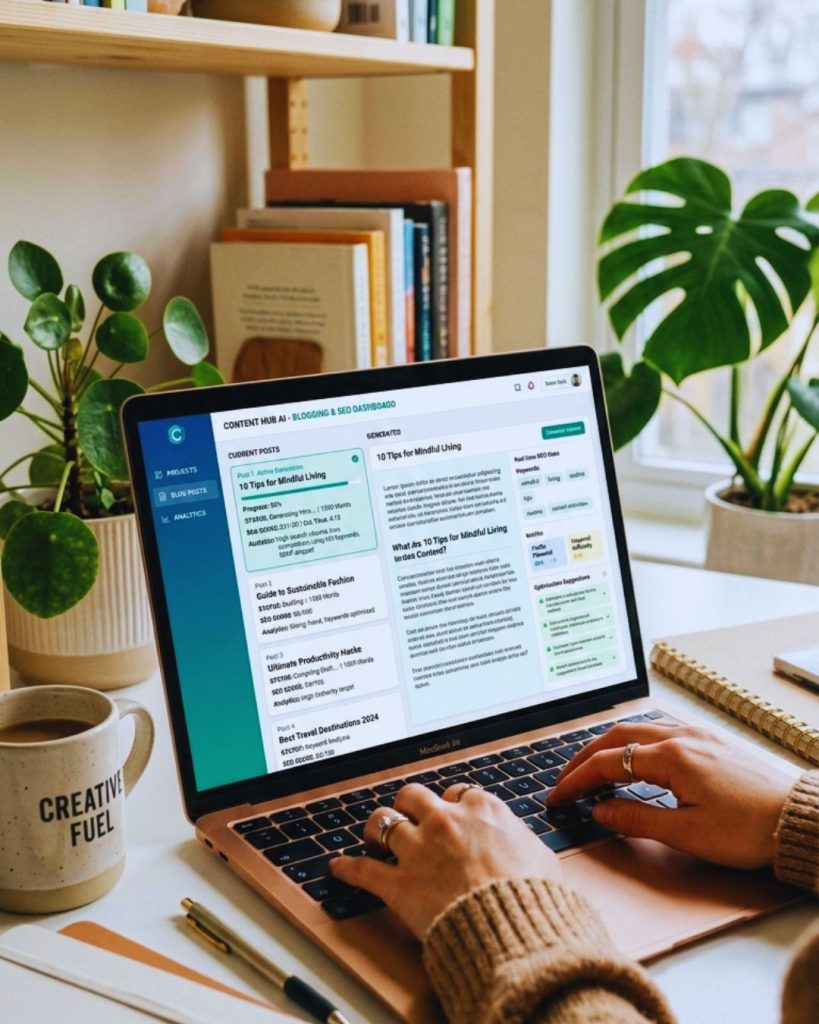
AI writing software generating blog content with SEO optimization dashboard.
One AI-powered blog can create thousands of visitors.

Instead of writing one article at a time, use blogging AI and content batching to build a topical authority site. By leveraging automation tools, you can manage a network of sites that capture niche search traffic and monetize via high-tier ad networks.

  • Why it works: You are building a “search engine moat” that generates passive income 24/7.
  • The Strategy: Focus on SEO-optimized long-tail keywords that solve specific problems for high-spending audiences.

2. Specialized “Productized” Services

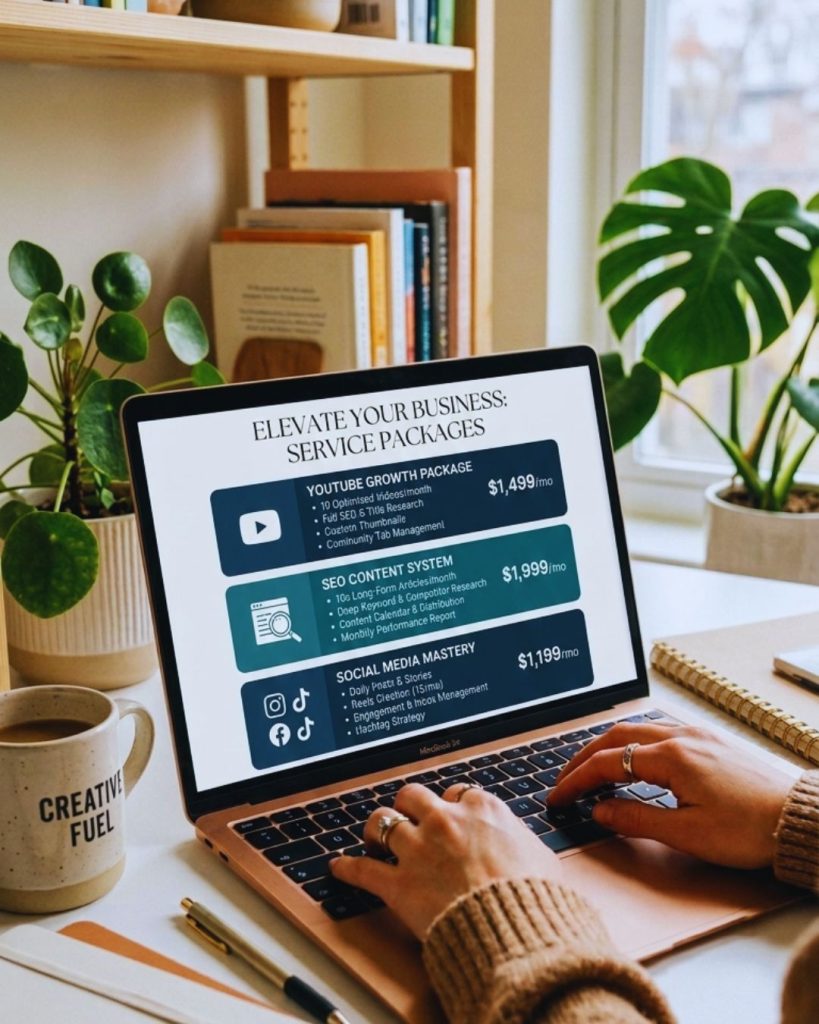
Digital service packages displayed on laptop representing productized services.
Stop selling hours. Start selling systems.

If you have a skill (like video editing or lead generation), don’t sell it by the hour. Sell it as a package.

  • Example: Instead of “I will edit your video for $50,” offer “The YouTube Growth Package: 4 SEO-optimized videos per month for $1,000.”
  • Why it works: It allows you to create standard operating procedures (SOPs) and eventually hire others to do the work, making you the owner rather than the worker.

3. Digital Community & Paid Newsletters

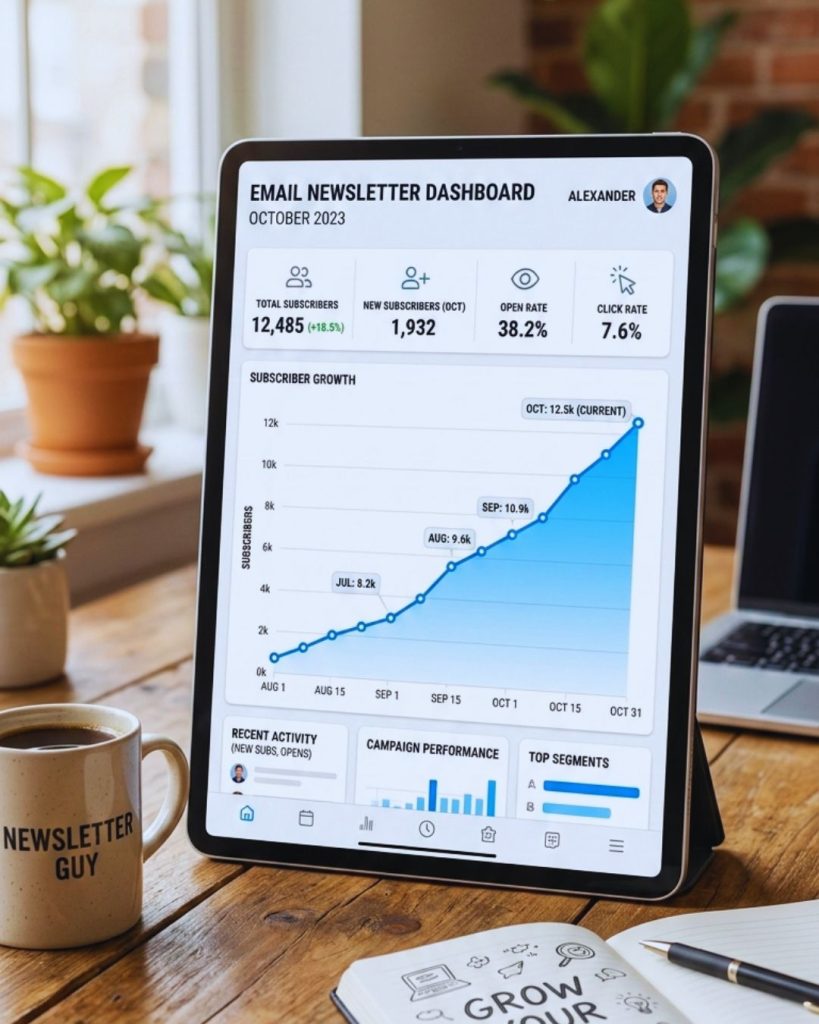
Email newsletter platform dashboard showing subscriber growth.
1,000 loyal subscribers can build a six-figure business.

In an age of AI-generated noise, human curation is becoming incredibly valuable. People are willing to pay for a filtered, high-quality stream of information.

  • Why it works: It’s a subscription revenue model. Once you reach 1,000 “true fans” paying $10/month, you have a six-figure business with almost no overhead.
  • The Strategy: Use platforms like Substack or Beehiiv to own your audience data.

4. SaaS and No-Code Micro-Apps

No-code software builder interface for creating micro SaaS apps.
You don’t need to code to build a profitable app.

You no longer need to be a software engineer to build a tech company. With no-code tools, you can build simple apps that solve a specific problem (like a custom calculator for real estate agents).

  • Why it works: Software has the highest profit margins in the world. You build it once, and scaling systems handle the rest.

How to Execute: The 3-Step Scaling Framework

To move from an oversaturated gig to a scalable digital model, you must follow a disciplined framework.

Step 1: Identify the High-Value Problem

Wealth is directly proportional to the size of the problem you solve. Don’t look for “gigs”; look for “pain points.”

  • Small Problem: “I need someone to post on my Instagram.” (Low pay)
  • Big Problem: “I need a system that generates 20 qualified sales leads a month using short-form video.” (High pay)

Step 2: Build the Automated Workflow

Once you find a solution, automate the repetitive parts. Use automation tools to handle the data scraping, the lead sorting, and the initial outreach. Your goal is to spend 80% of your time on strategy and creativity and only 20% on execution.

Step 3: Content Batching for Authority

Whether you are selling a service or a product, you need to be seen as an expert. Dedicate one day a week to content batching. Create 30 days of social media posts, videos, and articles in one sitting. This builds your “digital footprint” while you focus on the core business.

Why “Passive Income” is a Misnomer

The internet loves the term passive income, but it’s often misunderstood. No income is passive at the start. It is front-loaded income.

  • You work 100 hours for $0 today.
  • So you can work 0 hours for $1,000 tomorrow.

The oversaturated gigs we discussed earlier are the opposite: they pay you $20 today, but they will never pay you more than $20 tomorrow, no matter how much you work.

The Mindset Shift: From Worker to Architect

The people making “quiet wealth” don’t view themselves as workers. They are systems architects. They look at the digital landscape and ask: “How can I connect these AI tools and automation workflows to create a machine that works for me?”

Questions to Ask Yourself:

  1. Is my work replicable? Can a machine or a $5/hour assistant do this? If yes, you are in danger.
  2. Is my income capped? If I work twice as hard, do I make twice as much, or is there a limit?
  3. Am I building an asset? If I walked away for a month, would I still have a business when I came back?

The Road Ahead in 2026

The barrier to entry for digital business has dropped to zero. This is both a blessing and a curse. It means competition is higher than ever, but it also means the tools to win are more powerful than ever.

Stop competing for scraps in the gig economy. Stop looking for “side hustles” that only pay for your groceries. Start looking for scalable digital models that pay for your freedom.

By focusing on content batching, SEO-friendly strategies, and automation tools, you are not just making money—you are building an empire that exists independent of your time. The “quietly rich” are simply those who realized that the most valuable thing you can own is a system that works when you don’t.

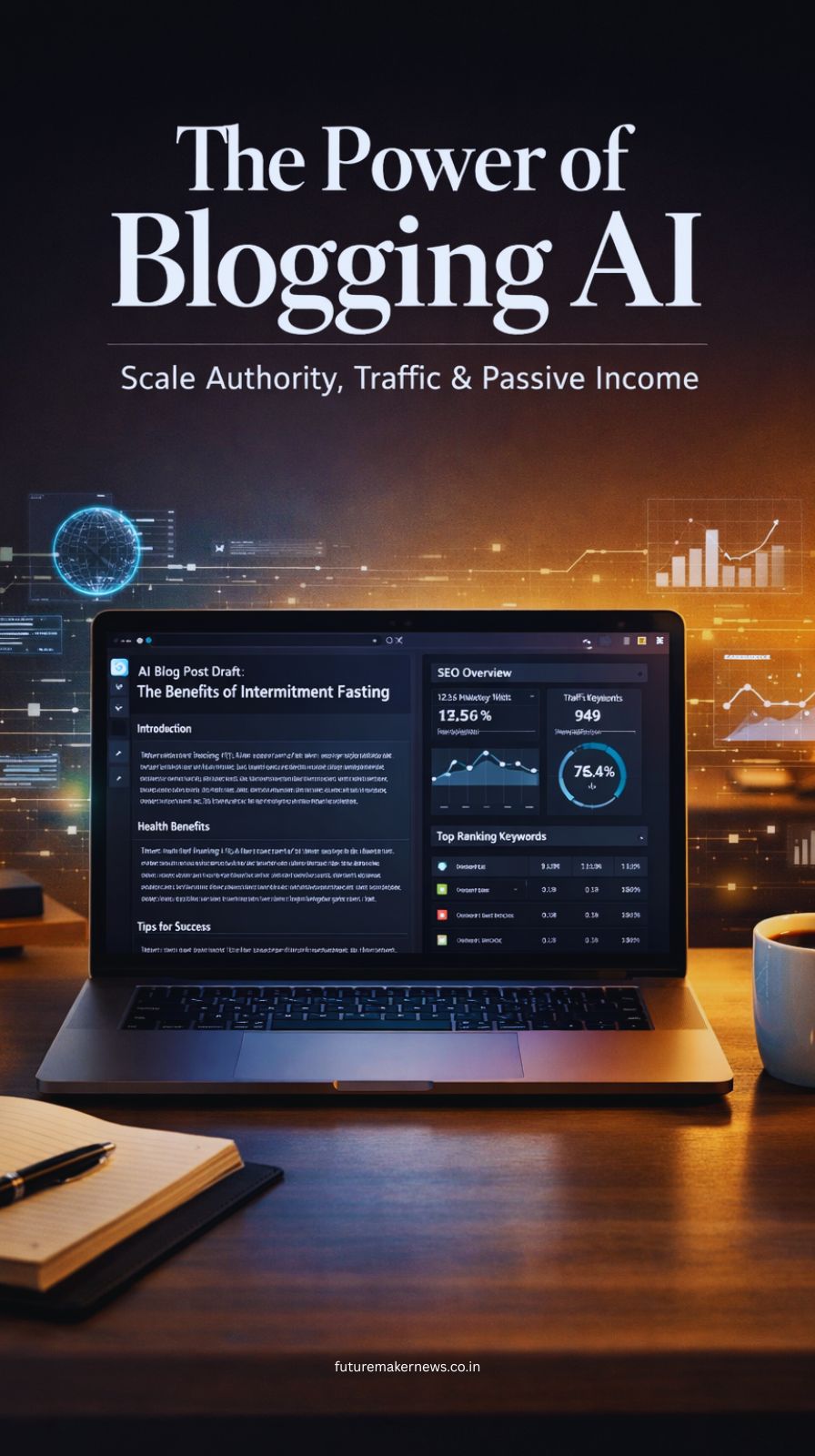
Modern workspace with laptop showing AI writing tools and SEO analytics representing automated blogging and content creation strategy.

Many thought blogging was dead, but AI writing assistants have revitalized the industry. The secret isn’t just “writing more”; it’s about SEO-driven content that captures high-intent traffic.

Revolutionizing the Written Word

Modern blogging AI doesn’t just generate text; it analyzes the top-ranking results on Google and structures your content to beat them. By using Natural Language Processing (NLP), these tools ensure your articles satisfy both human readers and search engine algorithms.

  • Keyword Optimization: AI identifies the long-tail keywords your competitors are missing.
  • Semantic Search: Tools now understand the “intent” behind a search, allowing you to rank for topics, not just phrases.
  • Infinite Ideas: Gone are the days of writer’s block. AI can generate months’ worth of content pillars in seconds.

Content Batching: The Secret to Consistency

The biggest reason most people fail at digital business is inconsistency. Content batching is the process of producing a large volume of work in a single sitting, and AI has turned this process into a superpower.

How to Batch Like a Pro

  1. Ideation Phase: Use AI to generate 50-100 blogging topics based on current market trends and competitor analysis.
  2. Drafting Phase: Utilize AI writing tools to create high-quality outlines and first drafts for all 50 topics simultaneously.
  3. Refinement Phase: Spend your time “humanizing” the AI output—adding personal anecdotes, unique insights, and your brand voice.
  4. Distribution: Use automated scheduling to drip-feed this content over the next three months.

By spending one weekend on content batching, you effectively buy yourself 90 days of freedom while your brand grows.

Automation Tools: The Engine of Growth

If content is the fuel, automation tools are the engine. The people getting “quietly rich” are those who have connected their AI tools into a seamless pipeline. This is often referred to as no-code automation.

Essential Components of an Automated Empire

  • Workflow Integrators: Tools like Zapier or Make.com act as the “glue,” connecting your AI writer to your WordPress site and your social media accounts.
  • Social Media Automation: Tools that take a single blog post and automatically chop it into 10 tweets, 5 LinkedIn posts, and an Instagram carousel.
  • AI Video Generators: Transforming text-based blogs into video content for YouTube and TikTok without ever showing your face.

“The goal of automation isn’t to replace the human; it’s to remove the mundane so the human can focus on high-level strategy and creativity.”

Scaling Systems: Turning Content into Cash

Generating traffic is only half the battle. To get rich, you need scaling systems that convert that traffic into revenue. This is where the integration of AI marketing becomes critical.

Revenue Streams for AI-Powered Blogs

  • Programmatic Advertising: High-volume traffic fueled by batch-produced SEO content leads to massive ad payouts from platforms like Mediavine or AdThrive.
  • Affiliate Marketing at Scale: AI can scan your existing content to find opportunities to insert relevant affiliate links, ensuring no monetization opportunity is missed.
  • Digital Products: Use AI to help draft e-books, create course outlines, or even write the code for simple SaaS (Software as a Service) tools.

SEO Optimization: Outsmarting the Algorithm

You cannot build wealth if no one finds your content. SEO-friendly strategies are the backbone of any successful AI venture.

Advanced SEO Tactics with AI

  • Internal Linking: AI tools can analyze your entire site architecture and automatically suggest internal links to boost your domain authority.
  • User Intent Analysis: Modern AI tools can tell you if a user wants a “how-to” guide or a “product review,” allowing you to tailor your content perfectly.
  • Real-time Updates: Google loves fresh content. Use AI to periodically scan your old posts and update them with new statistics or current trends, keeping your rankings high.

The “Quiet” Wealth Strategy: Step-by-Step

If you wanted to start today, here is the blueprint that many successful “AI entrepreneurs” are following:

Phase 1: Niche Selection

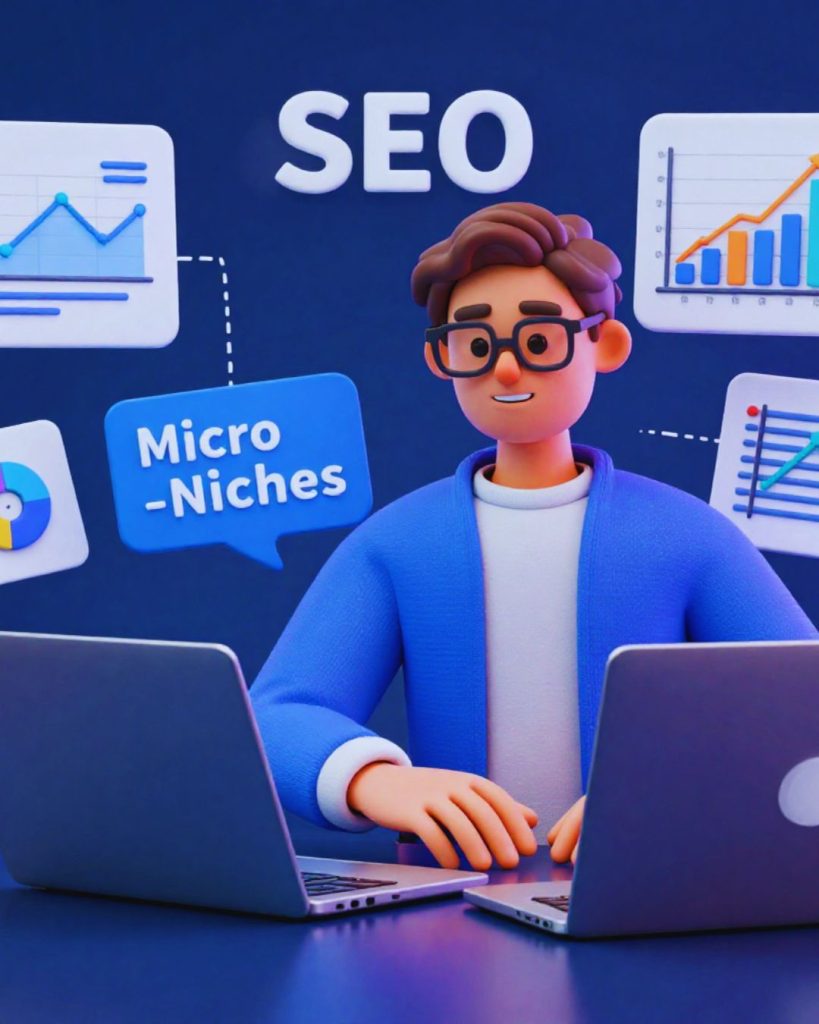
Entrepreneur researching SEO keywords and niche ideas on laptop to find profitable micro-niches.
Success starts with choosing a profitable niche.

Don’t go broad. Use AI to find “micro-niches” with high commercial intent but low competition. Instead of “Fitness,” think “AI-powered home gym setups for busy executives.”

Phase 2: Building the Infrastructure

Laptop displaying website dashboard while blogger sets up digital infrastructure for content publishing.
Build a system where ideas turn into published content.

Set up a clean, fast-loading website. Connect your blogging AI to a project management tool. Create a “content factory” where ideas go in and SEO-optimized articles come out.

Phase 3: The Content Blitz

Consistency beats inspiration every time.
Blogger planning multiple blog posts and content calendar for SEO content batching.

Execute a content batching strategy. Aim for 30-50 high-quality posts in your first month. This signals to search engines that you are a topical authority.

Phase 4: Automating Distribution

Social media scheduling dashboard automating distribution of blog content across platforms.
One article should work for you on every platform.

Set up automation tools to repurpose every blog post. A single article should live four different lives across Twitter, LinkedIn, Pinterest, and YouTube.

Phase 5: Analyze and Pivot

Data shows you where the real opportunities are.
Entrepreneur reviewing SEO analytics and website traffic reports to optimize blog strategy.

Use AI analytics to see what is working. Double down on the topics that are getting traction and prune the ones that aren’t. This is where scaling systems truly take over.

Overcoming the “AI Quality” Myth

A common critique is that “AI content is junk.” The people getting rich know this is a half-truth. The winners are those who use AI as a co-pilot, not a substitute.

High-Value Content Pillars

  • Original Research: Use AI to synthesize data, but draw your own unique conclusions.
  • Expert Tone: Use AI to polish your grammar, but keep your “voice” authentic and relatable.
  • Visual Appeal: Use AI image generators to create custom, stunning visuals that keep readers on the page longer.

The Future of AI and Personal Wealth

The window of opportunity for “quietly” making money with AI is wide open, but it won’t stay this way forever. As more people adopt these automation tools, the barrier to entry will rise. The advantage goes to the early adopters who build their scaling systems now.

The difference between those who struggle and those who thrive in the next decade will be their ability to manage AI workflows. It’s not about how hard you work; it’s about how much work you can delegate to your digital workforce.

Final Thoughts for the Aspiring Entrepreneur

The tools are available. The cost of entry is lower than it has ever been in human history. Whether you are focused on blogging AI, content batching, or complex automation tools, the goal remains the same: create value at scale.

Wealth is no longer reserved for those with the most capital; it is reserved for those with the most efficient systems. Start building yours today.
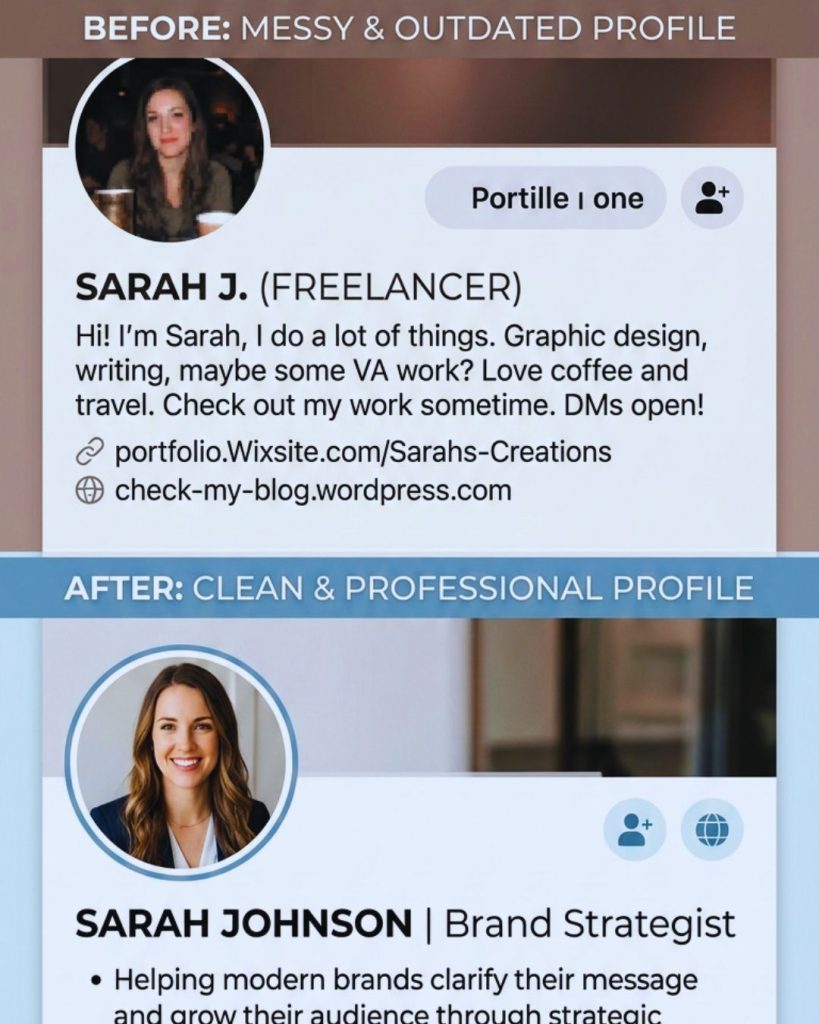
Professional working on laptop with polished digital profiles representing strong online branding and personal brand authority.
In the modern marketplace, your digital presence isn’t just a virtual business card; it’s your most aggressive salesperson or your most quiet saboteur. Most professionals and business owners treat their online image as an afterthought, unaware that every pixel is either building a bridge or a wall between them and their next big opportunity.

If your brand identity feels outdated, inconsistent, or non-existent, you aren’t just losing “likes”—you are actively losing revenue. Let’s dive deep into why your current image might be a liability and how to turn your personal brand into a high-performance asset.

1. The Psychology of the “Micro-Moment”

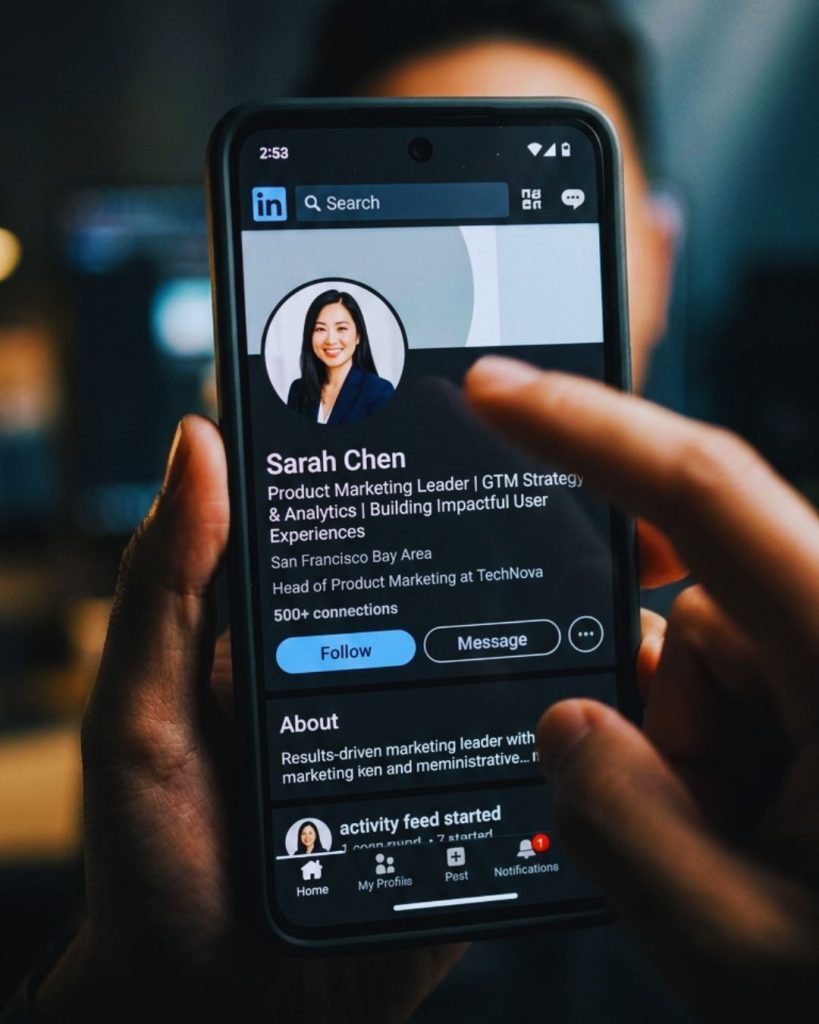
Person evaluating a professional profile on smartphone demonstrating snap digital first impressions.
People judge your credibility in seconds.

We live in an era of the eight-second attention span. When someone lands on your profile, they make a subconscious decision about your competence, reliability, and price point before they even read your first sentence.

  • Snap Judgments: Research shows users form an opinion about a website or profile in 0.05 seconds.
  • Halo Effect: If your visual branding looks premium, people assume your services are premium.
  • Cognitive Dissonance: If you claim to be an expert but your LinkedIn profile features a grainy vacation photo, the brain senses a lie.

If your first impression isn’t shouting “Authority,” your potential clients are clicking “Back” and heading straight to your competitor.

2. The Invisible “Trust Tax”

Comparison of weak vs professional digital branding illustrating trust differences.
Messy branding makes clients hesitate.

When your digital footprint is messy, you pay a “Trust Tax.” This is the extra effort, time, and discounting you have to do to convince someone to work with you because your image didn’t do the heavy lifting upfront.

  • Low Perceived Value: Inconsistent visual storytelling makes you look like an amateur.
  • Safety Concerns: In a world of digital scams, a polished professional image acts as a seal of legitimacy.
  • Friction in Sales: A weak presence creates doubt. Doubt leads to “I need to think about it,” which is the graveyard of deals.

By investing in high-quality brand aesthetics, you eliminate the Trust Tax and allow your expertise to be the focus.

3. The Price of “Good Enough”

Premium website design standing out among generic websites representing digital branding quality.
Average brands get ignored.

Many entrepreneurs settle for “good enough” when it comes to their website design or social media graphics. Unfortunately, “good enough” is the most expensive mistake you can make in a saturated digital landscape.

  • Invisibility: Average content is ignored by search engine algorithms.
  • Price Resistance: If you look like everyone else, you’re a commodity. Commodities are chosen based on the lowest price.
  • Talent Drain: High-tier collaborators and employees want to work with brands that look like they are winning.

Your online reputation is a 24/7 representation of your standards. If your image is mediocre, the world assumes your work is too.

4. SEO: The Silent Revenue Driver

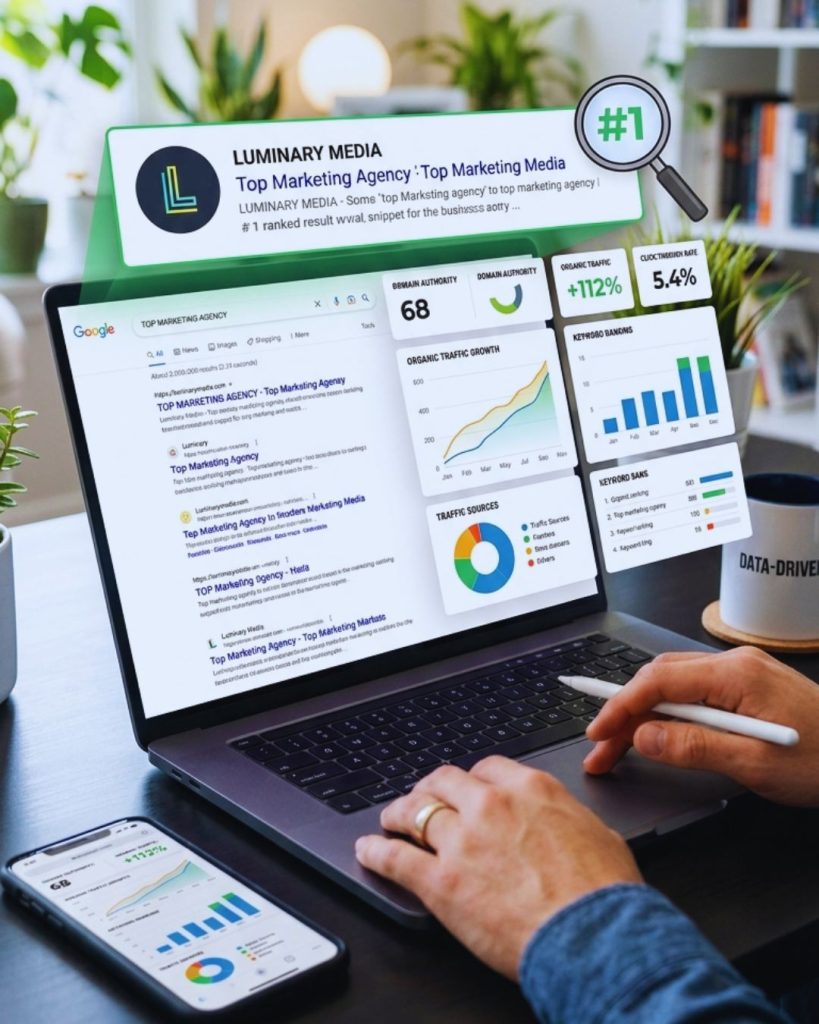
Laptop displaying search engine rankings and SEO analytics illustrating digital visibility.
If you aren’t visible, you aren’t profitable.

A beautiful image is useless if no one sees it. This is where Search Engine Optimization meets brand strategy. Your digital presence must be optimized for both humans and bots.

  • Keyword Optimization: Use terms like industry leader, specialized consultant, or innovative solutions naturally.
  • Authority Signals: Backlinks and mentions on reputable sites boost your domain authority.
  • User Experience (UX): Google rewards sites that are fast, mobile-friendly, and visually engaging.

A high search engine ranking coupled with a stunning brand experience is the ultimate formula for organic growth.

5. Social Proof: Your Digital Currency

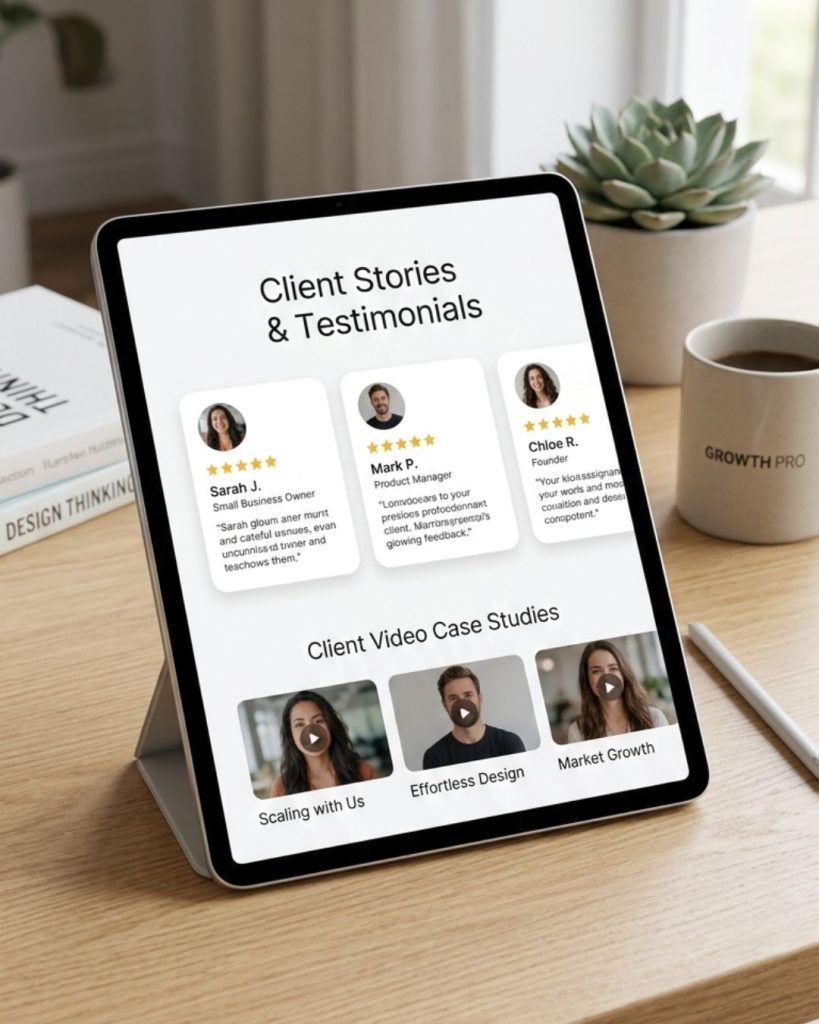
Tablet displaying customer testimonials and five-star reviews for social proof marketing.
People trust proof more than promises.

In the digital world, what you say about yourself is marketing. What others say about you is gold. Your social proof is the backbone of a profitable image.

  • Case Studies: Don’t just list services; show transformed lives.
  • Client Testimonials: High-quality video testimonials carry more weight than 1,000 words of copy.
  • Media Features: Logos of “As Seen On” create instant brand credibility.

If your digital presence lacks these elements, you are forcing the customer to take a gamble. Most people won’t bet on an unknown.

6. The Anatomy of a High-Converting Profile

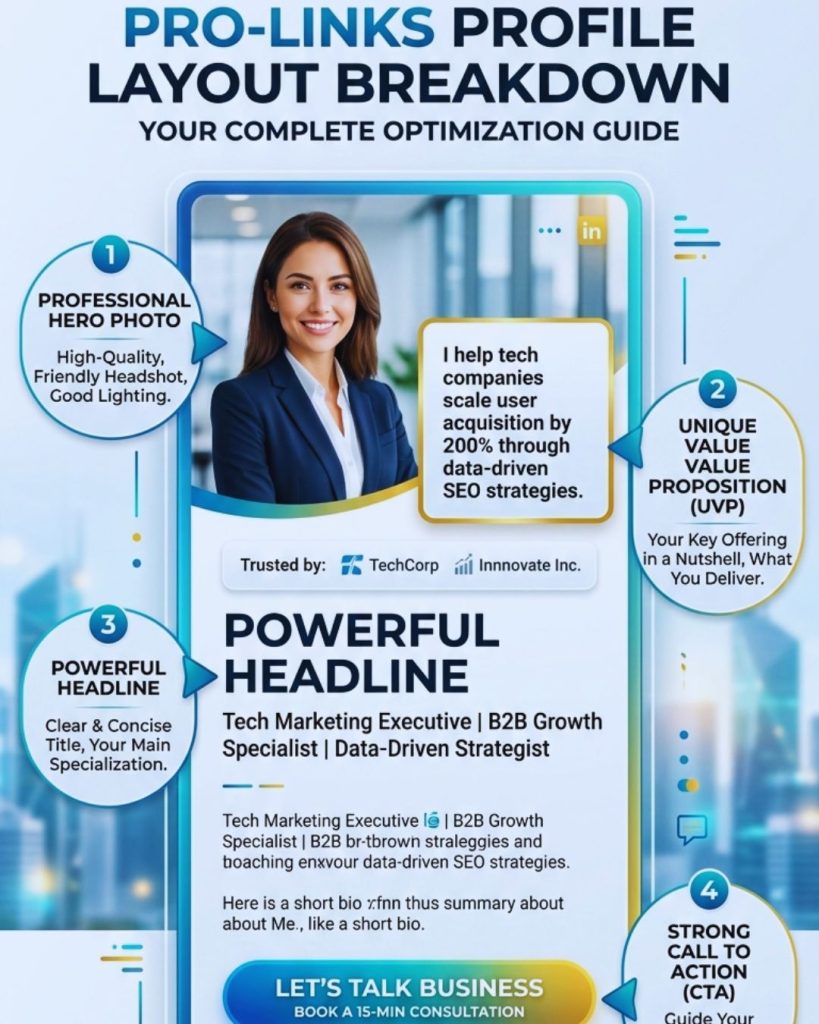
Diagram of optimized professional profile showing elements of a high-converting digital presence.
Your profile should guide visitors to “Yes.”

Whether it’s your Instagram business account or your corporate website, a high-converting presence follows a specific blueprint:

  • The Hero Image: A high-resolution, professional portrait that establishes eye contact.
  • The Value Proposition: A clear statement of what you do, who you help, and the result you deliver.
  • Consistent Color Palette: Use color psychology to evoke feelings of trust (blue), luxury (black/gold), or energy (orange).
  • Clean Typography: Avoid cluttered fonts that make your content strategy hard to digest.

Every element should serve the user journey, guiding them from curiosity to conversion.

7. Content Strategy: Being More Than a Pretty Face

Professional recording educational content for personal branding and thought leadership.
Teach first. Sell later.

Visuals get them in the door, but content marketing keeps them in the room. To stop losing money, your content must move from “general” to “authoritative.”

  • Educational Authority: Share “how-to” guides that solve specific pain points.
  • Thought Leadership: Challenge the status quo in your industry.
  • Engagement Loops: Use interactive content like polls and Q&As to build a community, not just a following.

When you provide value for free, you build brand equity that makes the eventual sale feel like a natural next step.

8. The Cost of Inconsistency

Coordinated brand assets demonstrating consistent digital branding across platforms.
Consistency creates recognition.

Nothing kills a digital brand faster than a “Dr. Jekyll and Mr. Hyde” presence. If your LinkedIn is professional but your Twitter is a mess, you create brand confusion.

  • Message Dilution: If your tone changes across platforms, people don’t know who the real “you” is.
  • Algorithm Penalties: Frequent “ghosting” on social platforms lowers your organic reach.
  • Professionalism Gaps: A premium website followed by a sloppy email signature breaks the spell of excellence.

Consistency is the secret sauce of brand recognition. You want to be recognizable before they even read your name.

9. Leveraging Video: The Engagement King

Professional recording video content for social media marketing and engagement.
Video builds trust faster than text.

If your digital presence doesn’t include video in 2026, you are leaving massive amounts of money on the table. Video is the fastest way to build intimacy at scale.

  • Human Connection: People buy from people. Video captures your tone, energy, and passion.
  • Information Retention: Viewers retain 95% of a message when they watch it in a video compared to 10% when reading text.
  • Platform Preference: Every major social media platform is currently prioritizing video content in their feeds.

A simple, well-lit video can do more for your conversions than a month of static posts.

10. The ROI of a Professional Rebrand

Before-and-after professional brand transformation representing increased revenue from rebranding.
A strong brand turns attention into income.

Is it expensive to hire a photographer, a designer, or a brand strategist? Yes. Is it more expensive to lose five-figure deals because you look like a “solopreneur in a basement”? Absolutely.

  • Premium Pricing: A polished image allows you to raise your rates without explanation.
  • Shorter Sales Cycles: When the client is already sold on your image, the “pitch” becomes a formality.
  • High-End Partnerships: You attract the level of business you reflect.

Think of your digital image not as an expense, but as a capital investment that pays dividends every time someone searches your name.

Final Thoughts: The Digital Mirror

Your online presence is a mirror reflecting your professional self-worth. If you don’t value your image enough to invest in it, why should a client value your services enough to pay for them?

In a world where everyone is a “content creator,” the winners are those who curate a strategic brand that feels authentic, professional, and undeniably valuable. Stop letting a mediocre image cost you your dream clients. It’s time to align your digital reality with your professional potential.

Before-and-after professional transformation showing shift from tired office look to polished executive style in modern office.

Career Glow-Up- In the modern professional landscape of 2026, we often hear about “hard work” and “grit.” But there is a silent, potent force that often dictates who gets the promotion, who closes the six-figure deal, and who stays stuck in entry-level limbo. That force is personal branding.

This is the story of Sarah—a brilliant consultant who was stuck at a $70k salary for four years despite being the hardest worker in her firm. Her transformation wasn’t just about a new wardrobe; it was a calculated psychological glow-up that shifted her income from five figures to multiple six figures in less than twelve months.

If you’ve ever felt “invisible” in your industry, this breakdown of self-presentation and visual authority is for you.

The Starting Point: The “Invisible” Professional

Sarah was the “workhorse.” She arrived early, left late, and wore neutral, ill-fitting clothes because she believed her “work should speak for itself.” Unfortunately, the corporate world doesn’t always have time to listen.

  • The Perception Gap: Because Sarah looked tired and unpolished, her superiors subconsciously perceived her as “overwhelmed” rather than “in control.”
  • The Salary Ceiling: When she asked for a raise, she was told she “wasn’t ready for a client-facing role.”
  • The Reality Check: Sarah realized that while she had the technical skills, she lacked the visual vocabulary of a leader.

Step 1: The Psychology of High-Status Branding

Capsule wardrobe with tailored blazer and structured accessories representing high-status personal branding.
Upgrade your visual vocabulary.

Sarah didn’t just go shopping; she studied behavioral psychology. She learned that humans categorize others in milliseconds. To change her income, she had to change her perceived value.

  • The Authority Color Palette: She moved away from muddled pastels and toward “high-contrast” combinations (like navy and crisp white). Research shows high contrast is associated with decisiveness and power.
  • Signature Style: She developed a “uniform.” A signature look reduces decision fatigue and makes you more memorable in a sea of generic office wear.
  • The Quality Over Quantity Rule: She replaced ten cheap blazers with two high-quality, tailored pieces. Fabric quality is a subtle social cue for wealth and attention to detail.

Step 2: Mastering the “Digital Glow-Up”

Professional on high-quality Zoom call setup illustrating digital branding transformation.
Your online presence is your 24/7 lobby.

In 2026, your online presence is your 24/7 lobby. Sarah’s LinkedIn was outdated, featuring a cropped photo from a wedding. She treated her digital footprint like a luxury brand.

  • The Professional Headshot: She invested in a photographer who understood lighting psychology. Warm, soft light suggests approachability, while sharp, directional light suggests analytical prowess.
  • Content Authority: She began posting “thought leadership” snippets. By aligning her new visual brand with high-value insights, she created a “Halo Effect” that made her advice seem more expensive.
  • Video Call Optimization: She invested in a 4K webcam and a ring light. On Zoom, she suddenly looked like a news anchor rather than a basement dweller. Her perceived competence skyrocketed instantly.

Step 3: The “Enclothed Cognition” Breakthrough

Professional adjusting tailored blazer in mirror symbolizing confidence shift through power dressing.
Dress like the salary you want.

One of the most fascinating parts of Sarah’s journey was how her clothes changed her. This is known in psychology as enclothed cognition.

  • The Confidence Shift: When Sarah wore her “power suit,” her posture improved. Her voice dropped a half-octave, sounding more authoritative.
  • Hormonal Impact: Studies show that dressing in high-status clothing can actually lower cortisol (stress) and increase testosterone (dominance) in professional settings.
  • The Mirror Effect: Seeing a “high-earner” in the mirror every morning convinced Sarah’s subconscious that she was already successful. She stopped asking for permission and started making demands.

Step 4: Decoding the “Beauty Premium” in Negotiations

Professional woman confidently negotiating at boardroom table representing salary increase through strategic presentation.
Look expensive. Negotiate accordingly.

Once Sarah’s self-presentation was aligned, she went back to the negotiating table. The results were startling. The same managers who ignored her a year prior were now leaning in.

  • The Halo Effect in Action: Because she looked like a “top-tier” consultant, her firm assumed her ideas were more innovative.
  • Negotiation Leverage: Sarah found that when she looked “expensive,” clients were less likely to haggle over her fees. Visual excellence acts as a barrier to low-ball offers.
  • The “Likability” Factor: By combining polished grooming with a warm, confident demeanor, she triggered the “What is Beautiful is Good” stereotype, making stakeholders want to agree with her.

The Result: From $70k to $250k

By the end of the year, Sarah hadn’t just received a raise; she had been headhunted by a competitor for a Director-level position.

  • The Income Jump: Her new total compensation package hit $250,000.
  • The Social Capital: She was invited to speak at industry conferences. Her personal brand had become an asset that generated leads while she slept.
  • The Lifestyle Shift: The “glow-up” wasn’t just about the money—it was about the sovereignty and respect she commanded in every room.

How You Can Replicate the Sarah Strategy

You don’t need a million dollars to start your income-shifting glow-up. You just need a strategic approach to personal aesthetics and behavioral cues.

1. Audit Your Current “Brand”

Ask three honest friends what three words come to mind when they see your LinkedIn profile or your daily work attire. If “powerful,” “competent,” or “expensive” aren’t in the mix, it’s time for a shift.

2. Focus on “The Big Three”

  • Grooming: Neat hair and healthy skin are universal signs of self-discipline.
  • Fit: A $50 shirt that is tailored will always look more “high-income” than a $500 shirt that is too big.
  • Posture: Your “physical footprint” tells the world how much space you think you deserve to occupy.

3. Invest in “Visual Assets”

Your professional headshot, your website, and your Zoom background are your “sales team.” Make sure they are telling a story of success and reliability.

4. Align Your Inner and Outer Worlds

A glow-up is hollow without competence. Use the “pretty privilege” to get in the door, but use your expert knowledge to stay there. The goal is to make your outside match the brilliance of your inside.

The Final Verdict: Is it “Fake”?

Some might argue that focusing on physical attractiveness or branding is superficial. But in a world driven by behavioral psychology, ignoring your visual impact is a form of self-sabotage.

Sarah didn’t change who she was; she simply stopped hiding who she was. By mastering the art of self-presentation, she gave the world permission to see her value.

Pretty privilege and brand authority are tools. You can either let them work against you, or you can pick them up and build the life you’ve always wanted.