Minimalist neutral workspace with laptop showing Pinterest analytics and digital planner representing aesthetic pages building six-figure online businesses.

While most of the world is busy arguing on social media, a new generation of digital entrepreneurs—predominantly women—is quietly building massive wealth through the power of visual aesthetics. You’ve seen them: the “Clean Girl” morning routines, the “Dark Academia” study vibes, and the “Minimalist Home” mood boards.

These aren’t just “pretty pictures.” They are the top of a highly sophisticated marketing funnel. By mastering the art of the aesthetic theme page, these creators are capturing millions of eyes and converting that attention into a sustainable, high-margin business.

In this guide, we are pulling back the curtain on the exact system used to turn “vibes” into a full-time income using Pinterest traffic, evergreen blogs, and affiliate marketing.

1. The Foundation: Choosing Your Niche Theme Page
Soft life wellness aesthetic bedroom with matcha and skincare representing a profitable niche theme page.
The “Soft Life” aesthetic blends wellness, skincare, and slow living — a high-converting niche with strong buyer intent.

The secret to a successful aesthetic page is hyper-niche focus. You aren’t trying to appeal to everyone; you are trying to be the “mood board” for a very specific lifestyle. When your page has a cohesive look and feel, followers don’t just “like” your content—they trust your taste.

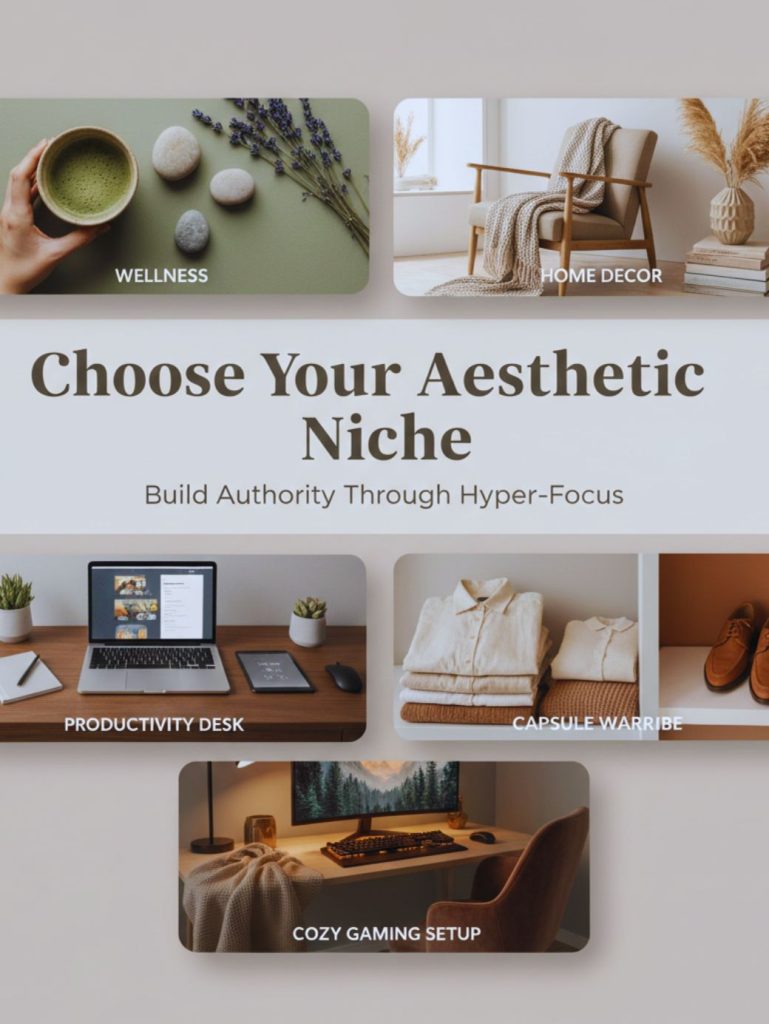
Top-Performing Aesthetic Niches in 2026:

  • Wellness & “Soft Life”: Focusing on slow mornings, matcha, skincare, and mental health rituals.
  • Home & Interior Design: Specific styles like “Organic Modern,” “Japandi,” or “Cottagecore.”
  • Digital Productivity: Aesthetic workspace setups, Notion templates, and iPad digital journaling.
  • Capsule Fashion: Neutral palettes, “Old Money” style, and sustainable wardrobe planning.
  • Cozy Gaming: Aesthetic desk setups for female gamers, Nintendo Switch accessories, and “Stardew Valley” vibes.

By picking a niche theme page, you become an authority in that visual space. Your followers begin to look to you for recommendations on how to achieve that exact look.

2. The Traffic Engine: Pinterest Funnels
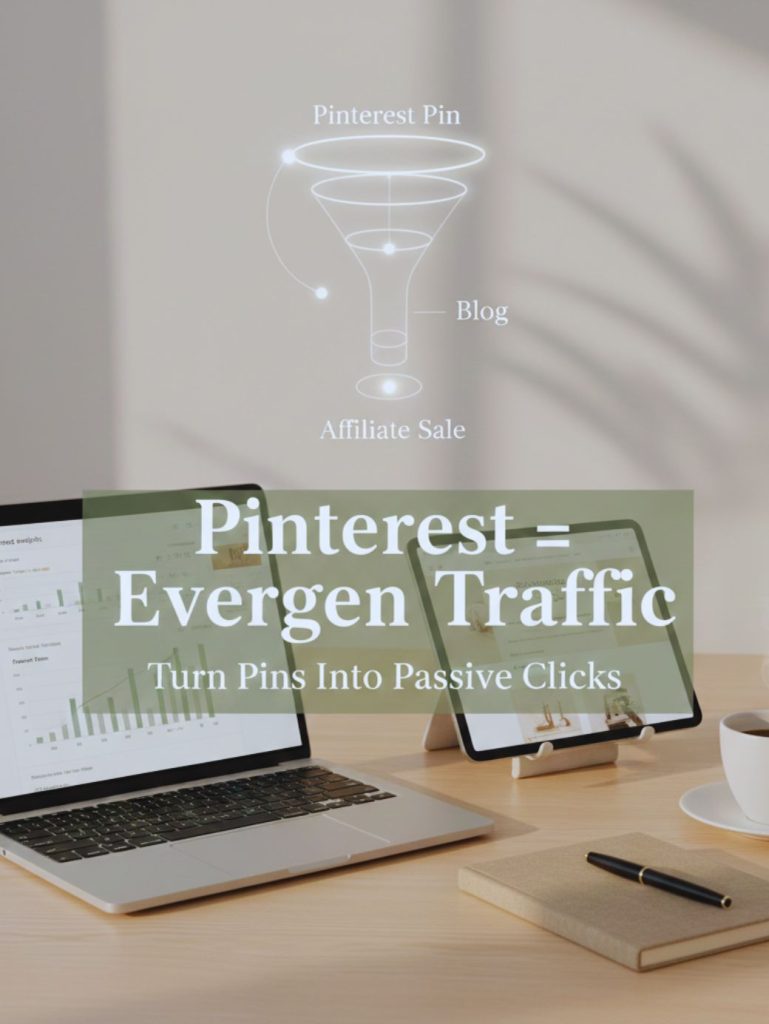
Minimalist workspace with laptop showing Pinterest analytics and blog page, illustrating Pinterest funnel strategy for evergreen traffic and affiliate marketing income.
A single optimized Pin can drive traffic for months (even years). The goal isn’t followers — it’s click-throughs.

Instagram is for ego, but Pinterest is for traffic. Unlike other platforms where content dies after 24 hours, a “Pin” is a search engine result that can drive clicks for years. This is the evergreen traffic machine that fuels the entire business.

How the Aesthetic Funnel Works:

  • Visual Bait: You create high-quality, vertical pins (1000x1500px) that embody your aesthetic.
  • Keyword Optimization: You don’t just use “pretty” titles. You use low-competition keywords that people are actually searching for, like “minimalist desk setup ideas for small rooms.”
  • The Click: Instead of just getting a “like,” you lead the user to a destination link.
  • Pinterest SEO: By using SEO-friendly descriptions and board titles, your pins show up when users are in “planning mode”—which is exactly when they are most likely to buy.

The goal isn’t to get followers; it’s to get click-throughs. Each pin acts as a 24/7 salesperson directing traffic back to your home base: the blog.

3. The Home Base: Monetizing via an Aesthetic Blog

Neutral aesthetic workspace with laptop displaying monetized blog post and affiliate product links, representing how aesthetic blogs generate passive income.
Your aesthetic page attracts attention — but your blog makes the money.

The niche blog is where the magic happens. While social media platforms can delete your account overnight, you own your blog. It is the central hub where “inspiration” meets “commerce.”

Transforming “Vibes” into Value:

A successful aesthetic blog doesn’t just show pictures; it provides the roadmap. If you post a photo of a dreamy bedroom, the blog post explains exactly where to get the linens, the lamp, and the paint color.

  • Listicles: “10 Essentials for a Clean Girl Bedside Table.”
  • How-To Guides: “How to Curate a Neutral Capsule Wardrobe on a Budget.”
  • Review Posts: “Is the [Brand Name] Espresso Machine Worth the Hype?”

By writing evergreen blog posts, you capture traffic from both Pinterest and Google. This dual-threat strategy ensures that even if one platform changes its algorithm, your income remains stable.

4. The Revenue Stream: Strategic Affiliate Marketing
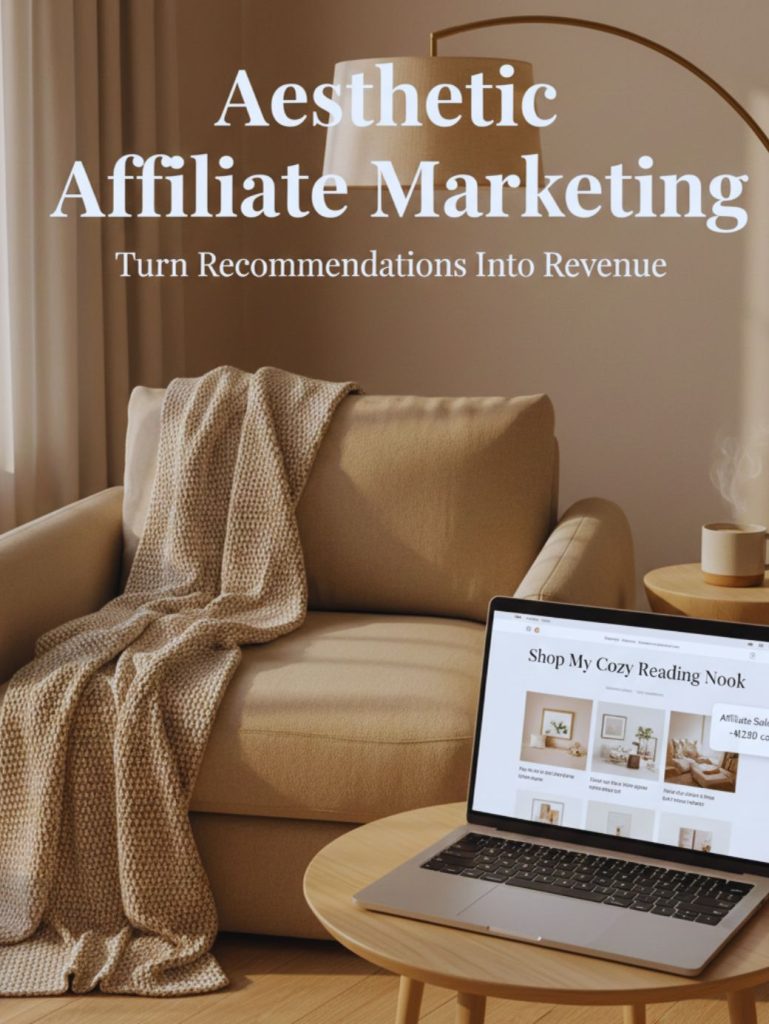
Cozy neutral reading nook with laptop displaying blog post and affiliate product links representing aesthetic affiliate marketing income strategy.
Affiliate marketing is how aesthetic creators turn “vibes” into income.

This is how the “Aesthetic Girls” actually get paid. They don’t wait for “influencer sponsorships.” They use affiliate marketing to earn a commission on every product they recommend.

Why Aesthetic Affiliate Marketing is Genius:

  • Native Integration: The products aren’t forced; they are part of the aesthetic. If a reader loves your “cozy reading nook,” they want to know where you got the chair.
  • High Conversion: Pinterest users have high “buyer intent.” They are searching for things to buy to complete their personal “vibe.”
  • Passive Scaling: Once an affiliate link is embedded in an evergreen post, it can generate commissions for years without any extra work from you.

Common Affiliate Targets:

  • Home Decor: Amazon Associates, Target, or luxury furniture boutiques.
  • Tech & Tools: Productivity apps, iPad accessories, and digital templates.
  • Beauty & Skincare: High-end brands or “Clean Beauty” marketplaces.

5. The Compound Effect: Stacking Your Assets
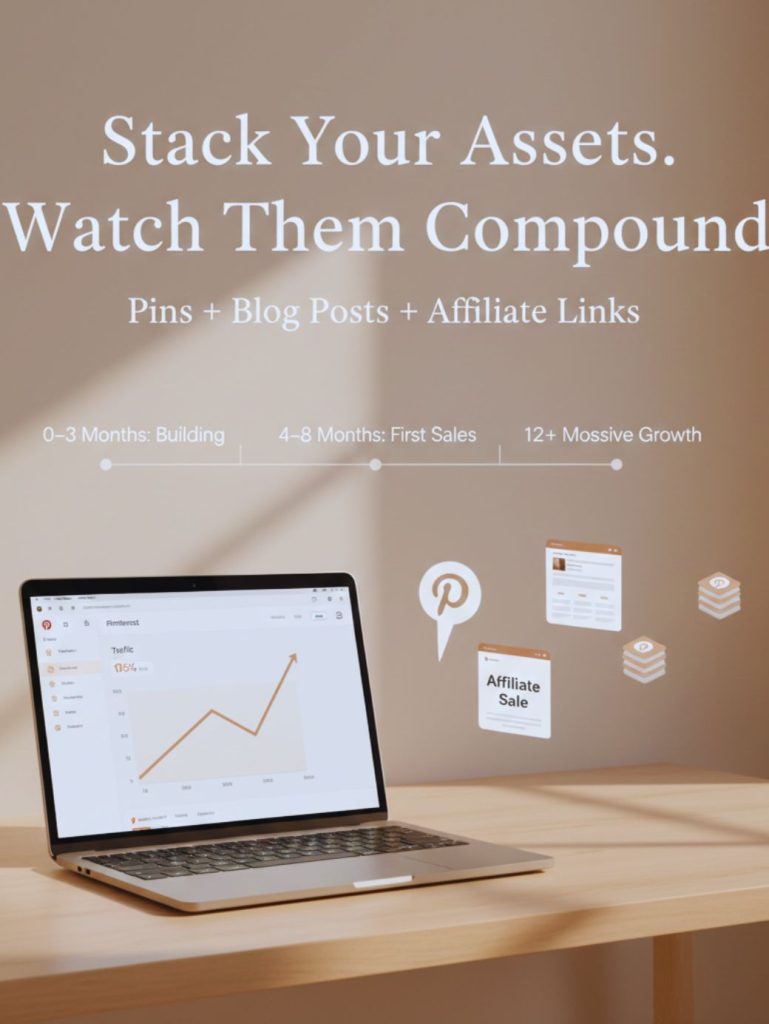
Minimalist workspace with laptop showing upward traffic graph and timeline illustrating compound growth from Pinterest, blog posts, and affiliate marketing.
The real power isn’t one viral Pin — it’s the compound effect.

The real “trick” that nobody talks about is the compounding effect of these three layers working together.

  1. Year 0-3 Months: You build the aesthetic page and start pinning. You earn $0, but you are building brand authority.
  2. Month 4-8: Your SEO-friendly blog posts start ranking. You see your first few affiliate commissions.
  3. Month 12+: You have 50+ blog posts and 500+ pins in the world. Even if you don’t post for a month, the compounding traffic keeps hitting your blog, and the affiliate sales keep rolling in.

This isn’t a “hustle”—it’s a digital asset. You are building a machine that turns aesthetic inspiration into a reliable revenue stream.

6. Pro-Tip: The Power of “Low-Competition” Aesthetics
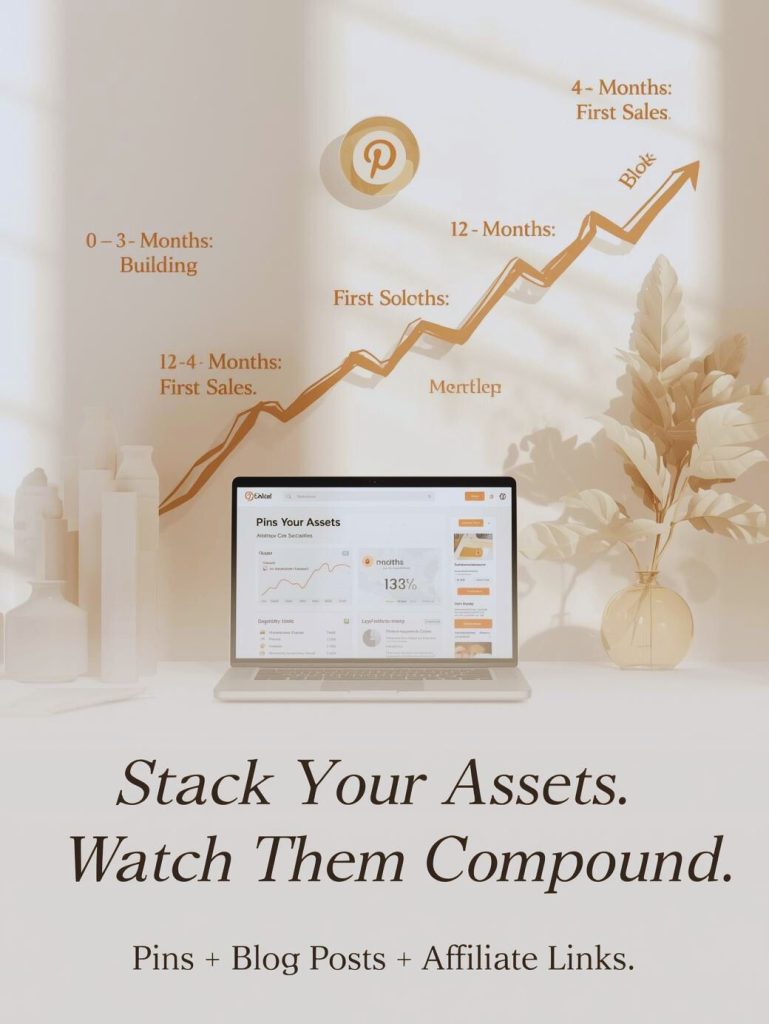
Minimalist workspace with laptop showing upward traffic graph and timeline illustrating compound growth from Pinterest, blog posts, and affiliate marketing.
The real power isn’t one viral Pin — it’s the compound effect.

Don’t try to be the 1,000th “Standard Fitness” page. The money is in the micro-aesthetic.

Instead of “Home Decor,” try “Retro-Futurist Apartment Decor.” Instead of “Fashion,” try “Sustainable Minimalist Workwear for Teachers.”

When you go narrow, your keyword competition drops, and your audience loyalty skyrockets. People don’t just follow you; they use you as a reference for their entire lifestyle.

Final Thoughts: The Beauty of the System

The reason this works so well for creators in 2026 is that it respects the intelligence of the consumer. You aren’t pushing junk; you are curating a world. By focusing on aesthetic pages, leveraging Pinterest funnels, and building a monetized blog, you create a business that is as beautiful as it is profitable.

The digital world is becoming more visual every day. Those who know how to curate that beauty—and direct the traffic it generates—will be the ones who own the future of e-commerce.


Split image showing stressed entrepreneur trying multiple online hustles versus calm person earning passive income from digital products.

Online Hustles- The internet is flooded with “gurus” showing off rented Lamborghinis and promising that you can make $10,000 a month by clicking a few buttons. In 2026, the digital landscape has shifted. What worked in 2020 is now a ghost town.

I decided to stop listening to the noise and actually test the five most popular online side hustles. I spent months tracking my time vs income results to see which one is actually a viable path to financial freedom and which one is just a glorified hobby.

Spoiler alert: Out of the five, only one consistently put real profit into my bank account without burning me out. Here is the honest breakdown.

1. Dropshipping: The High-Stress Money Pit

Shopify dashboard showing high ad spend and low profit representing dropshipping losses.
In 2026: High Revenue, Negative Profit

Dropshipping is often sold as the ultimate hands-off business. The reality? It’s a high-stakes game of digital arbitrage that requires a massive upfront investment in testing.

  • The Time Investment: I spent 30+ hours a week hunting for “winning products,” building a Shopify store, and managing frustrated customers.
  • The Reality Check: In 2026, ad costs on platforms like TikTok and Meta have skyrocketed. To find one successful product, I had to burn through $1,500 in ad spend.
  • The Income Result: I made $3,200 in revenue, but after product costs, shipping, and ads, my net profit was negative $200.
  • The Verdict: Unless you have a huge budget for paid advertising and a brand-first mentality, the “cheap AliExpress” era of dropshipping is officially dead.

2. Freelancing: The Modern Day Hamster Wheel

Overworked freelancer managing client messages late at night showing time-for-money income model.
Pays… But Only If You Keep Working

Freelancing (specifically content writing and graphic design) is the fastest way to make your first dollar, but it comes with a massive “time ceiling.”

  • The Time Investment: 40 hours a week. Most of my time wasn’t spent doing the work—it was spent on client acquisition, sending proposals, and chasing invoices.
  • The Reality Check: Platforms like Upwork and Fiverr are more competitive than ever. I was constantly underbid by people or AI-assisted agencies.
  • The Income Result: I earned $2,500 in a month. While this sounds good, the moment I stopped working, the money stopped. There is zero passive income potential here.
  • The Verdict: Great for quick cash, but it’s just a job with a different boss. You are still trading time for money.

3. Blogging: The Slow-Burn Asset

Website analytics showing gradual traffic growth for new blog monetization strategy.
Is Powerful — But It Takes Time

I’ve always loved the idea of evergreen blog posts generating traffic while I sleep. But blogging is a marathon, not a sprint.

  • The Time Investment: 15 hours a week for 6 months.
  • The Reality Check: SEO is a long game. Even with low-competition keywords, it takes months for Google to trust a new site. In 2026, you also have to compete with AI-generated search results.
  • The Income Result: $45 total from display ads. The compounding traffic hadn’t kicked in yet.
  • The Verdict: Blogging is a powerful long-term asset, but it’s not a “hustle” that will pay your rent this month. It requires extreme patience and content strategy.

4. UGC (User-Generated Content): The Fame Trap

Content creator recording brand video for social media collaboration.
Creator Life: Fun But Unpredictable

UGC creator roles are the newest trend. Brands pay you to film “authentic” videos for their social media ads.

  • The Time Investment: 20 hours a week filming, editing, and pitching to brands.
  • The Reality Check: You need to be “on” all the time. Your income depends on your ability to stay trendy. If your engagement drops, your brand deals vanish.
  • The Income Result: I landed two deals for $200 each. Total: $400.
  • The Verdict: It’s fun if you love being on camera, but the income stability is nonexistent. You are at the mercy of the algorithm.

5. Digital Printables: The Winner That Actually Paid

Etsy dashboard showing digital printable sales representing scalable passive income.
The $7 Printable That Outperformed Everything Else

This was the “boring” hustle I almost didn’t try. Selling printables on marketplaces like Etsy or through a niche Shopify store turned out to be the goldmine.

  • The Time Investment: 10 hours a week.
  • The Reality Check: Unlike dropshipping, there is no inventory risk. Unlike freelancing, I created the product once and sold it 500 times.
  • The Income Result: $1,800 in month three, with a 95% profit margin.
  • The Verdict: This is the only hustle that combined low-competition keywords with a product that scales. It is the ultimate form of passive income.

Why Digital Printables Crushed the Competition

You might be wondering why a $7 digital planner outperformed a $1,000 freelance contract. It comes down to scalability and leverage.

1. High Profit Margins

In dropshipping, your margin is slim (15-20%). With digital printables, your only cost is your time and a small platform fee. When I sold a “Budget Tracker for Freelancers,” almost every cent stayed in my pocket.

2. Automated Sales

With freelancing, I had to attend Zoom calls. With printables, the customer buys, the file is delivered automatically, and I get a notification while I’m at the gym. This is true automated income.

3. SEO-Driven Traffic

By targeting low-competition keywords like “homeschooling schedule for toddlers” or “ADHD daily planner,” I bypassed the massive competition. These are high-intent buyers who are ready to purchase immediately.

Comparison Table: Time vs. Income (Month 3 Results)

Side HustleWeekly HoursMonthly ProfitScalabilityStress Level
Dropshipping35+-$200 (Loss)HighExtreme
Freelancing40$2,500LowMedium
Blogging15$45ExtremeLow
UGC Creator20$400MediumHigh
Digital Printables10$1,800HighLow

How to Start the Only Hustle That Works

If you want to skip the failures I went through, focus on digital assets. Here is the 3-step blueprint I used to make digital printables work:

  • Step 1: Find the Gap. Don’t just make a “to-do list.” Use tools to find low-competition keywords where people are searching for a solution but the existing options are ugly or outdated.
  • Step 2: Solve a Specific Problem. My best seller was a very niche “Small Business Inventory Log.” It wasn’t pretty, but it was functional.
  • Step 3: Optimize for Search. Treat your product listing like an SEO-friendly blog post. Use your keywords in the title, description, and tags.

Final Thoughts: Stop Chasing Hype

The reason most people fail to make money online is that they chase the hustle with the most “hype” rather than the one with the best math.

Freelancing will always be limited by your clock. Dropshipping will always be limited by your ad budget. But digital products—backed by evergreen traffic—allow you to decouple your income from your time.

I stopped trying to be a “jack of all trades” and doubled down on the one that actually paid. The results speak for themselves. In a world of digital noise, the most “boring” products often yield the most exciting bank accounts.

Laptop showing growing website traffic and digital template sales representing long-term passive income strategy.

Everyone is chasing the next viral crypto coin or trying to flip houses with money they don’t have. Meanwhile, a quiet group of digital entrepreneurs is building massive wealth using a “boring” strategy that compounds while they sleep.

This isn’t about “get rich quick” schemes. It’s about digital real estate. If you are tired of the hamster wheel of freelancing or the volatility of the stock market, it’s time to look at the intersection of digital templates, evergreen blog posts, and low-competition keywords.

Why The “Old” Passive Income Advice is Failing

Most gurus tell you to start a YouTube channel or launch a dropshipping store. Here’s the problem: those require constant maintenance. If you stop filming, your views drop. If your supplier raises prices, your margins vanish.

The trick nobody talks about is asymmetric leverage. You want to do the work once and have it pay you for the next five to ten years without touching it again.

The Power of Compounding Traffic

In the physical world, your shop only sees the people walking past it. In the digital world, compounding traffic acts like a snowball.

  • Year 1: You get 100 visitors a month.
  • Year 2: Those same posts now get 1,000 visitors because of authority.
  • Year 5: You have a “traffic machine” that functions as a 24/7 salesperson.

Step 1: Hunting for Low-Competition Keywords

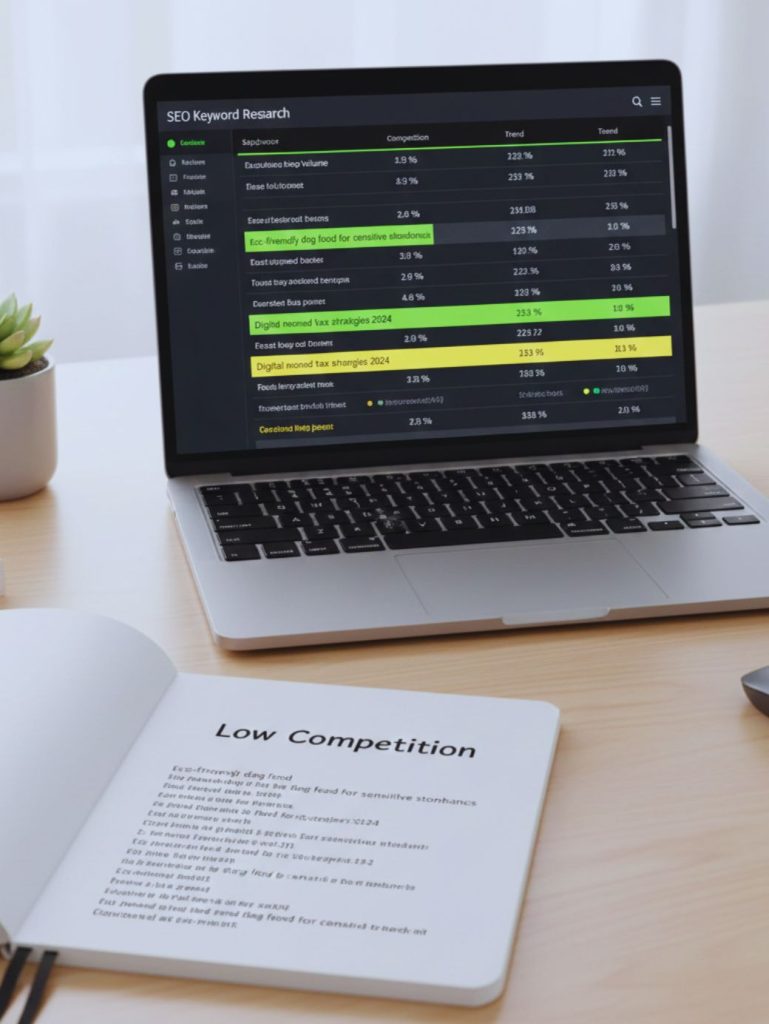
SEO keyword research tool showing long-tail keywords for evergreen blog strategy.
Low-Competition Keywords = High-Intent Buyers

Most beginners fail because they try to rank for “How to make money.” You will never rank for that. The secret is finding long-tail keywords with low-competition.

How to Spot a Goldmine Keyword:

  • Search Intent: Look for “How-to” or “Template for” queries.
  • Zero Volume Myth: Don’t be afraid of keywords that show “0-10” searches a month. These are often uncalculated and represent highly motivated buyers.
  • Forum Gaps: If a Reddit or Quora thread is the top result for a search, that is your signal to write a better, more professional blog post.

By targeting niche-specific keywords, you bypass the giants and go straight to the front page of Google.

Step 2: Creating Evergreen Blog Posts

Evergreen blog post displayed on laptop screen optimized for SEO and long-term traffic.
Write Once. Rank for Years.

An evergreen blog post is a piece of content that remains relevant year after year. It isn’t news; it’s a solution.

The Anatomy of a High-Value Post:

  1. The Hook: Acknowledge the reader’s specific pain point immediately.
  2. The Solution: Provide a step-by-step breakdown that is easy to skim.
  3. The Optimization: Use SEO-friendly headers and bullet points to keep the reader engaged.
  4. The Integration: This is where you mention your digital templates as the “fast track” to the solution you just described.

When your content is evergreen, it becomes a reliable asset. You aren’t chasing trends; you are building an archive of value.

Step 3: The Secret Weapon—Digital Templates

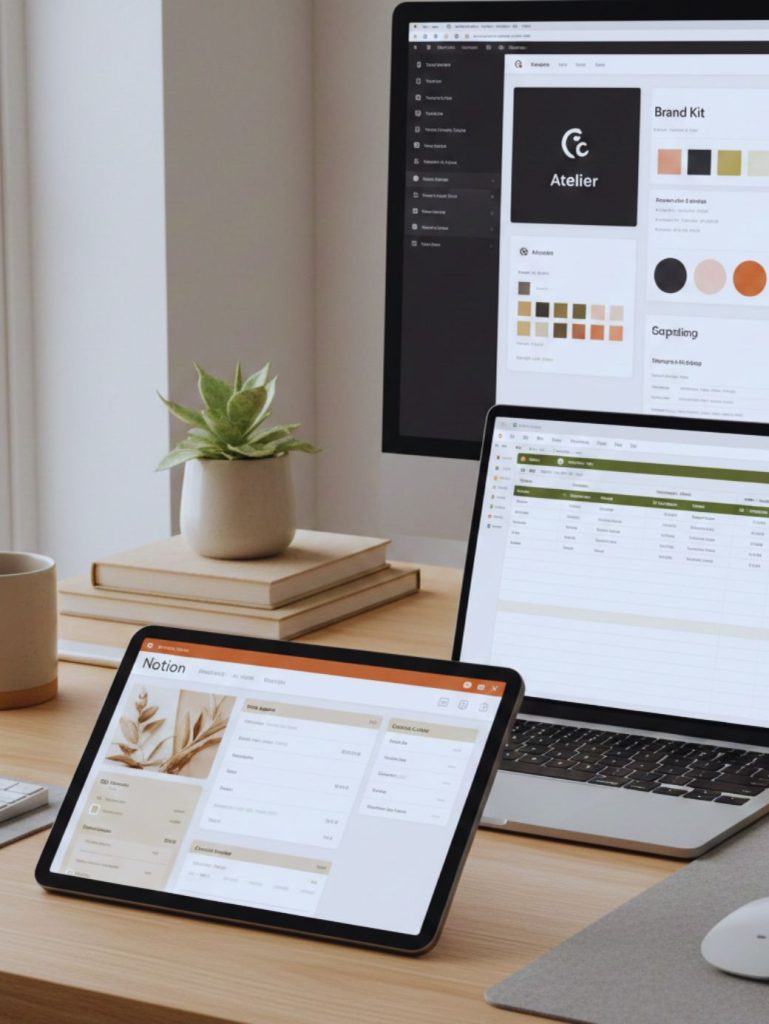
Digital productivity templates displayed on tablet and laptop for online passive income.
Digital Templates: The Ultimate Passive Income Asset

Content brings the traffic, but digital products bring the profit. Specifically, digital templates are the ultimate passive income vehicle.

Why Templates Win Every Time:

  • Zero Overhead: You create it once; you sell it a million times.
  • High Perceived Value: People will pay for anything that saves them time.
  • No Shipping: Delivery is instant and automated.

Examples of High-Demand Templates:

  • Notion Dashboards for specific industries (e.g., “Notion for Interior Designers”).
  • Google Sheets Budgeting Tools for freelancers.
  • Canva Brand Kits for small business owners.
  • Excel Automation Scripts for data analysts.

By pairing a low-competition keyword (e.g., “social media planner for bakeries”) with a specific digital template, you create a conversion machine.

Step 4: The System of “Stacking”

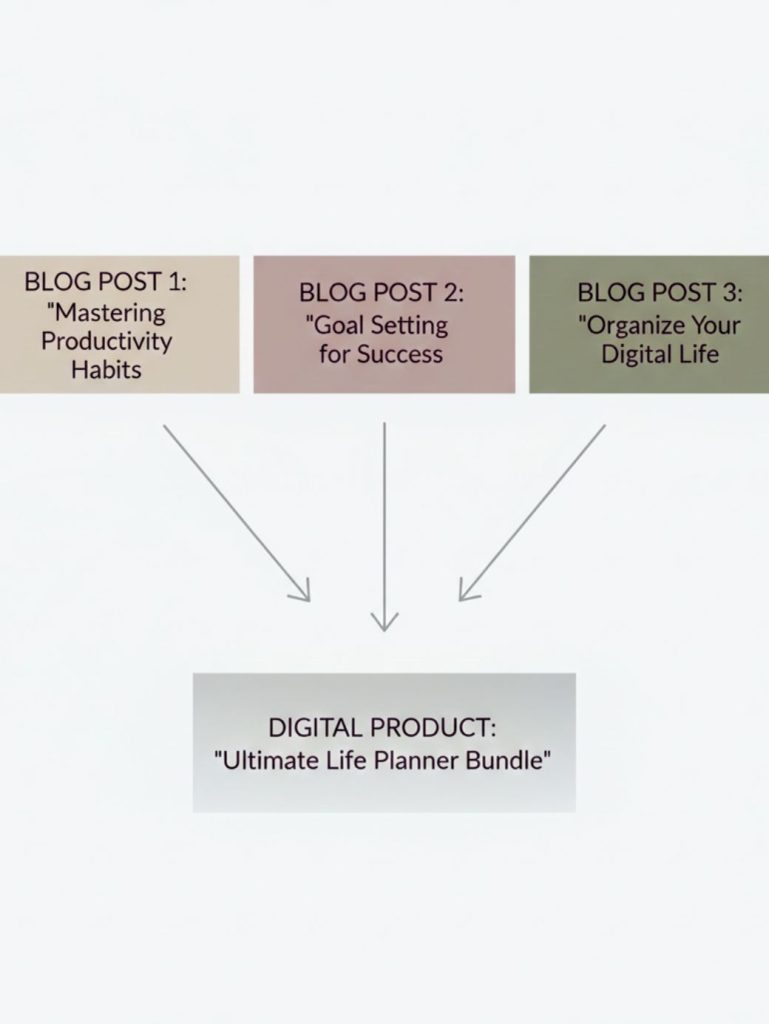
Infographic showing multiple blog posts driving traffic to a single digital template product.
Stack Content. Multiply Sales.

The “trick” isn’t just making one post or one template. It’s content stacking.

Imagine you spend one weekend creating a high-quality Excel template for tracking rental property expenses. You then write three evergreen blog posts targeting keywords like “how to manage rental property taxes” or “landlord expense spreadsheet.”

  1. Post A starts ranking.
  2. Post B gets shared on Pinterest.
  3. Post C gains backlinks from real estate forums.

All three roads lead to your digital template. Within six months, that one weekend of work is generating $200–$500 a month in passive income. Now, do that every month for a year. That is how you build a six-figure digital empire.

Step 5: Mastering SEO for Longevity

Website analytics graph showing long-term traffic growth for passive income blog strategy.
Compounding Traffic Turns Small Efforts into Big Income

To ensure your compounding traffic never dies, you must treat SEO as a foundational pillar, not an afterthought.

Key SEO Strategies:

  • Internal Linking: Link your new posts to your old ones. This tells search engines your site is an authority.
  • User Experience (UX): Use small paragraphs and plenty of white space. If users stay on your page longer, Google rewards you with higher rankings.
  • Mobile Optimization: Most of your buyers will find you on their phones. Ensure your digital templates are easy to download or access via mobile.
  • Keyword Placement: Include your low-competition keywords in the first 100 words, the H2 headers, and the image alt-text.

The Psychology of the Digital Buyer

Why do people buy digital templates instead of making them? Convenience is the ultimate currency. The modern professional is “time-poor” but “cash-rich.” They would rather spend $27 on a pre-made Notion template than spend five hours building it themselves. When you provide that shortcut through your evergreen blog posts, you aren’t “selling”—you are helping.

Overcoming the “First Sale” Hurdle

Most people quit before the compounding traffic kicks in. The first three months of this strategy often feel like shouting into a void.

  • Month 1-3: Focus on volume. Create 10-15 high-quality evergreen blog posts.
  • Month 4-6: Watch the data. See which low-competition keywords are actually bringing people in.
  • Month 6+: Optimize your digital templates based on user feedback and watch the sales notifications start rolling in.

Conclusion: Start Building Your Empire

The beauty of this passive income trick is that it is accessible to anyone with a laptop and a bit of specialized knowledge. You don’t need a huge following; you just need to solve a specific problem for a specific group of people.

Stop trading your hours for dollars. Start building digital templates, writing evergreen blog posts, and targeting low-competition keywords. Let the power of compounding traffic do the heavy lifting for you.

The internet is a vast ocean of opportunity, and there is plenty of room for those who are willing to build assets rather than just consume content.

Futuristic workspace with laptop showing multiple online income dashboards representing profitable side hustles in 2026.

Making money online in 2026 isn’t about “get-rich-quick” schemes; it’s about building scalable assets. From AI automation to visual search engines, the barrier to entry has dropped, but the need for strategy has skyrocketed.

If you’re ready to stop trading time for pennies, here are the seven most effective side hustles that are dominating the landscape this year.

The traditional 9-to-5 is no longer the “safe” bet it once was. In 2026, the economy has shifted toward the solopreneur, where individual skills and digital leverage outweigh corporate seniority. Whether you are looking to escape the rat race or simply pad your savings against inflation, the creator economy offers more opportunities than ever before.

1. High-Value Digital Products

Build Once. Sell Forever. Digital Products in 2026

The “build once, sell forever” model is the holy grail of passive income. In 2026, consumers are moving away from bloated, expensive masterclasses and toward “mini-products”—hyper-specific solutions to immediate problems.

  • The Concept: You package your knowledge into digital downloads like e-books, Notion templates, or mini-video workshops.
  • The Strategy: Identify a “bleeding neck” problem in a specific niche (e.g., “AI-Powered Budgeting for Freelancers”) and create a low-cost solution ($27–$97).
  • Scalability: Once the product is hosted on a platform like Gumroad or Stan Store, your only job is traffic generation.

Pros & Cons

  • Pros: Extremely high profit margins (90%+); no inventory or shipping costs; works while you sleep.
  • Cons: Requires an initial time investment to create; needs a consistent marketing strategy to stay relevant.

2. Faceless Pinterest Blogging

Make Money on Pinterest Without Showing Your Face

Pinterest has evolved into a powerhouse visual search engine in 2026. Because the platform prioritizes content over creators, you can drive massive traffic to a blog without ever showing your face or recording a single “Get Ready With Me” video.

  • The Loop: You create visually stunning pins using AI design tools, link them to helpful blog posts, and monetize that traffic through affiliate marketing and display ads.
  • SEO Integration: By using Pinterest SEO, you target high-intent keywords that users are actively searching for, bypassing the hyper-competitiveness of Google’s front page.
  • The 2026 Edge: Pinterest users have higher purchasing intent than TikTok or Instagram users. They aren’t there to be entertained; they are there to plan and buy.

Pros & Cons

  • Pros: Total anonymity; compounding traffic (pins can go viral months after posting); low maintenance once the system is set up.
  • Cons: It takes 3–6 months to see significant organic reach; requires consistent pinning and high-quality graphics.

3. Niche Digital Printables

Digital printable planners and trackers displayed on tablet and paper for online selling.
Turn Simple Printables into Daily Passive Sales

The market for digital printables has exploded as more people embrace digital planning and home organization. This is the ultimate “entry-level” hustle for those who have an eye for design but don’t want to manage a complex website.

  • Top Sellers: Habit trackers, “Shadow Work” journals, educational worksheets for kids, and Etsy SEO-optimized wedding planners.
  • The Workflow: Design a PDF in Canva, upload it to Etsy or a Shopify starter store, and let the platform’s internal search engine find your customers.
  • The 2026 Twist: Use AI image generators to create unique borders, stickers, and elements that make your printables stand out from generic competitors.

Pros & Cons

  • Pros: Zero overhead costs; very low barrier to entry; great for testing different market niches quickly.
  • Cons: Highly competitive; requires staying on top of seasonal trends; profit per sale is usually lower than other products.

4. UGC (User-Generated Content) Creation

Content creator filming product review video for brand collaboration.
Get Paid to Create Content (No Followers Required)

Brands in 2026 have realized that polished, professional ads are often ignored. They want “real” people making “real” content. As a UGC creator, you don’t need a following; you just need a smartphone and the ability to make engaging short-form videos.

  • The Job: You record a video of yourself using a product, unboxing it, or giving a testimonial. The brand then buys the rights to use that video on their social media ads.
  • The Income: Beginners can charge $150–$250 per video, while experienced creators with a portfolio often command $500+ for a single 30-second clip.
  • High Demand: Every e-commerce brand on Earth needs a constant stream of fresh social media content to stay relevant.

Pros & Cons

  • Pros: You get free products; no need to build a personal audience; high income potential for those with good communication skills.
  • Cons: Not passive—you are trading your time for content; requires basic video editing skills and a “pitching” mindset.

5. AI Services & Prompt Engineering

Laptop showing AI automation tools used for business services and prompt engineering.
Turn AI Skills into High-Paying Services

If you aren’t using AI to make money in 2026, you’re leaving money on the table. Small businesses are desperate to integrate AI but have no idea where to start. You can act as the “bridge” by offering AI-powered services.

  • Service Ideas: Selling curated AI prompt libraries, setting up automated AI customer service bots, or offering “AI Content Audits” to help brands optimize their output.
  • The B2B Angle: Many local businesses (plumbers, lawyers, realtors) will pay a premium for someone to automate their boring administrative tasks using LLM workflows.
  • Specialization: Don’t just “do AI.” Be the person who helps real estate agents generate 30 days of social media content in 30 minutes.

Pros & Cons

  • Pros: High-demand, cutting-edge skill; allows you to charge premium rates; work can be done very quickly with the right tools.
  • Cons: The tech moves fast—you must be a “forever student”; high responsibility if you are managing a client’s business systems.

6. Remote Appointment Setting

Phone screen showing booked sales appointment representing remote appointment setting income.
Earn Commission by Booking High-Ticket Calls

As the world of high-ticket coaching and B2B software continues to grow, companies need humans to bridge the gap between a “lead” and a “sale.” Remote appointment setting is a skill-based hustle that requires zero followers and zero initial investment.

  • The Role: You manage a brand’s Instagram DMs or LinkedIn inbox, chatting with interested prospects and booking them for a call with a senior closer.
  • The Payoff: Most setters earn a base pay plus a commission (usually 3–5%) on any closed deals. In a high-ticket program, one booking could net you $200–$500 in commission.
  • Flexibility: You can do this from anywhere in the world using just your phone.

Pros & Cons

  • Pros: Unlimited earning potential based on performance; teaches you high-value sales skills; easy to start without a degree.
  • Cons: Can be repetitive; requires dealing with rejection; your income depends on the “closer’s” ability to finish the deal.

7. Faceless YouTube Channels (Cash Cow Channels)

Video editing screen showing faceless YouTube channel production and monetization growth.
Build a Cash Cow YouTube Channel Without Showing Your Face

YouTube is still the king of long-form content. In 2026, the most profitable channels aren’t vloggers—they are “Cash Cow” channels that use stock footage, AI voiceovers, and SEO-driven scripts to educate or entertain.

  • The Niche: Think “Top 10” lists, financial news, space documentaries, or meditation music.
  • The System: You hire (or use AI) to write a script, generate a voiceover, and edit clips together. Once you hit the monetization requirements, you earn AdSense revenue and affiliate commissions.
  • The 2026 Edge: With the rise of high-quality AI video generators, creating cinema-quality faceless content is now possible for a fraction of the cost.

Pros & Cons

  • Pros: Builds a long-term digital asset; high ceiling for income; can eventually be fully outsourced to a team.
  • Cons: High initial effort to get monetized; requires a deep understanding of the YouTube algorithm and click-through rates (CTR).

The 2026 Blueprint for Success

Choosing a side hustle is only half the battle; the other half is consistent execution. To succeed this year, you must move away from “dabbling” and toward “ownership.”

  1. Pick One: Don’t try all seven at once. Pick the one that fits your current lifestyle and skills.
  2. Focus on SEO: Whether it’s Pinterest, Etsy, or YouTube, understanding how search algorithms work is your superpower.
  3. Use Leverage: Use AI to do the boring work so you can focus on the high-level strategy.

The internet is a massive “value-exchange” machine. If you can provide a solution, provide entertainment, or provide a shortcut, the money is already there waiting for you.