Navigating Awkward Gift Cards: A Guide for Expecting Moms

Introduction: The Dilemma of the Awkward Gift Card

Gift-giving can be a delightful way to express love and appreciation, especially in family settings. However, what happens when a gift feels less than thoughtful? This is a common experience for many, particularly when it involves in-laws. The awkward gift card is a prime example of this dilemma. In this article, we will explore the emotional implications of receiving gift cards, why they may occur, and how to effectively navigate this sensitive topic.

The Emotional Weight of Gift-Giving

Gift-giving traditions often carry significant emotional weight. For many, receiving a gift symbolizes care and thoughtfulness. When that gift takes the form of a generic gift card, it can evoke feelings of disappointment and rejection. In the case of our reader, the gift card is perceived as a cold and impersonal gesture, especially when contrasted with the more heartfelt gifts given to other family members.

Understanding the Roots of Awkwardness

The origins of this awkwardness may stem from several factors:

  1. Lack of Familiarity: If your in-laws do not know you well, they may feel uncomfortable selecting a personal gift. The gift card becomes a safe choice, allowing them to sidestep potential faux pas.
  2. Tradition and Expectations: Each family has its own gift-giving traditions. Your in-laws may have a longstanding habit of giving gift cards, regardless of personal relationships.
  3. Unspoken Messages: A gift card can sometimes send a subtle message about the giver’s feelings or expectations. In this context, it might imply a desire for you to solidify your relationship with their son before they fully embrace you as part of the family.

Strategies for Addressing the Issue

Navigating the world of gift-giving can be challenging, especially when emotions run high. Here are some strategies to address the awkwardness surrounding gift cards:

1. Communicate Openly

Consider having an open dialogue with your fiancé about your feelings. Express how you perceive the gift cards and the emotional weight they carry. This will enable him to understand your perspective and perhaps address the issue with his parents in a gentle manner.

2. Reframe Your Perspective

Try to view the gift card not as a personal affront but as a reflection of your in-laws’ comfort level. They may be unsure about your tastes and preferences, leading them to choose a neutral option.

3. Initiate Thoughtful Giving

Take the lead in gift-giving by choosing thoughtful gifts for your in-laws. This may encourage them to reciprocate with more personalized gifts in the future, including options other than gift cards.

Building Relationships Over Time

It’s essential to remember that building relationships takes time. As you become more integrated into the family, the gift-giving dynamic may evolve. Here are a few tips to help nurture these relationships:

  1. Participate in Family Events: Engaging in family gatherings will give you more opportunities to bond with your in-laws. This may help them get to know you better and choose more personalized gifts in the future.
  2. Create Shared Experiences: Suggest activities or outings that can foster family bonding. Shared experiences often deepen relationships and can replace the awkwardness surrounding gift-giving.
  3. Focus on the Child: Keep in mind that your in-laws are grandparents. As long as they are good to your child, this is a vital aspect of their relationship. Focusing on this connection can help alleviate some of your concerns.

Conclusion: Embrace the Gift Card and Self-Care

Ultimately, receiving an awkward gift card may not reflect the depth of your relationship with your in-laws but rather their uncertainty in navigating familial dynamics. Embrace the card as an opportunity for self-care—use it to treat yourself to something special. Whether it’s a coffee shop visit or a small indulgence, prioritize your well-being and remember that family dynamics can improve with time and patience.

By navigating these complexities with grace and understanding, you can turn an awkward situation into an opportunity for growth within your family relationships. If you find yourself facing similar dilemmas, consider seeking advice and sharing experiences with others in your community.

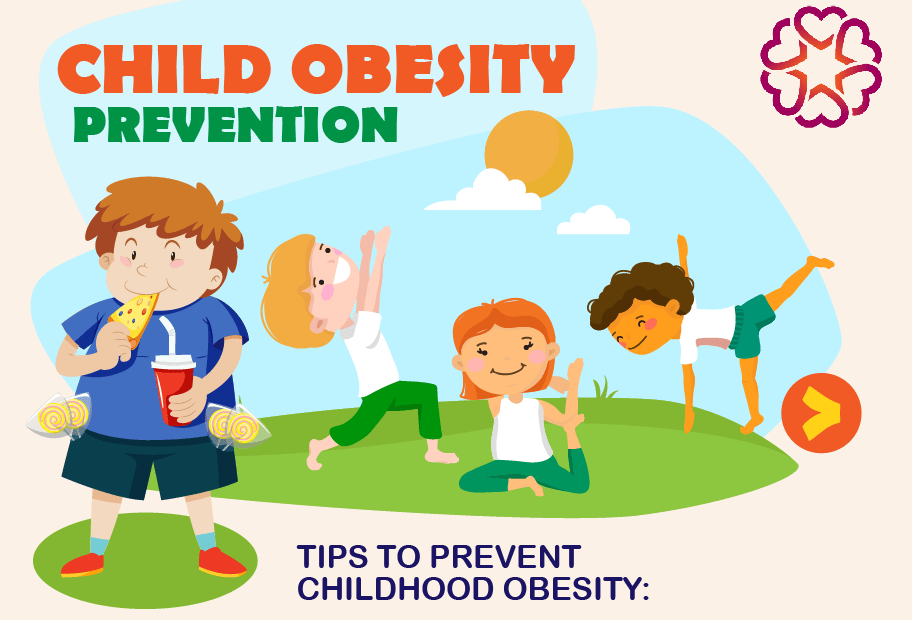
Essential Strategies for Preventing Childhood Obesity

Childhood obesity is a growing concern in today’s society, impacting not only the health of children but also their psychological and social well-being. As parents and guardians, understanding how to effectively prevent childhood obesity is crucial. Below are some essential strategies to help you guide your children toward a healthier lifestyle.

Understanding Childhood Obesity

Childhood obesity occurs when a child has an excess amount of body fat. It is often determined using the Body Mass Index (BMI) as a screening tool. Factors contributing to childhood obesity include genetics, poor eating habits, lack of physical activity, and environmental influences. Parents play a vital role in shaping their child’s health behaviors and lifestyles.

Eat Well: The Foundation of Health

A balanced diet rich in fruits, vegetables, whole grains, and lean proteins is vital for healthy growth and development. Encourage your children to choose nutritious foods over processed snacks. Cooking meals at home not only ensures the use of healthy ingredients but also provides an opportunity for family bonding. Consider involving your children in meal preparation to teach them about nutrition and foster an appreciation for healthy eating.

Lead by Example

Children learn behaviors by observing their parents. To instill healthy habits, model a nutritious diet and an active lifestyle. Discuss your food choices and physical activities with them, emphasizing the importance of these choices. By creating a healthy environment at home, you’re setting a strong foundation for your child’s future.

Ditch the Clean Plate Club

Forcing children to finish their meals can lead to unhealthy eating habits. Instead, encourage them to listen to their hunger cues. Teach them to eat until they are satisfied, not until their plate is empty. This approach promotes mindful eating, helping them understand their body’s signals.

Eat Slowly: Savor Every Bite

Eating too quickly can lead to overeating, as it takes time for the brain to register fullness. Encourage family meals where everyone sits down together and takes their time to enjoy the food. Discussing the flavors and textures can enhance the eating experience and promote slower eating habits.

Read Labels Together

Take trips to the grocery store as a learning opportunity. Teach your children how to read food labels and understand the ingredients in their favorite snacks. This practice helps them make informed choices and recognize healthier options.

Get Off the Couch

Physical activity is essential in preventing childhood obesity. Aim for at least 60 minutes of active play each day. Engage in fun family activities like biking, hiking, or playing sports. Making exercise a family event can encourage children to stay active while enjoying quality time together.

Watch What You Drink

Sugary drinks are a significant contributor to childhood obesity. Teach your children to prefer water over soda or sugary juices. If they do consume these drinks, limit portions and encourage moderation. Always keep water accessible to foster hydration habits.

Talk About Health Openly

Discuss health topics with your children, emphasizing the importance of nutrition and physical activity. Instead of just forbidding unhealthy foods, explain why certain choices are better than others. Open discussions can foster a deeper understanding and encourage them to make healthier choices independently.

Avoid the Extreme

Avoid strict restrictions on certain foods, as this can create an unhealthy relationship with food. Instead, practice moderation. Allow occasional treats, and serve them in appropriate portions. This balanced approach prevents food cravings from becoming overwhelming.

Conclusion

Preventing childhood obesity requires a multifaceted approach involving healthy eating, regular physical activity, and positive parental guidance. By modeling healthy behaviors and fostering an open dialogue about nutrition and health, you can help your children build a strong foundation for a lifetime of healthy habits. Start today, and empower your children to make healthier choices for themselves.

The Meaning Behind Popular Baby Names

Naming a child is a momentous decision for parents, combining personal preference, family traditions, and cultural significance. In recent years, the process of selecting baby names has become more intricate, with many parents opting for unique names that reflect their individuality and values. Here’s a closer look at some of the most popular baby names, their meanings, and the trends influencing these choices.

1. The Evolution of Baby Naming Trends

Over the past few decades, baby naming conventions have undergone significant changes. Gone are the days when names like John or Mary dominated the charts. Today, parents are exploring a wider array of names, often inspired by literature, pop culture, and even personal experiences. This trend reflects a broader societal shift towards valuing individuality and self-expression.

2. Top Names and Their Meanings

Sophia and Jacob are two names that consistently rank at the top of popularity lists. Sophia, meaning “wisdom,” has its roots in Greek culture and has been a favorite among parents seeking a name with historical depth. On the other hand, Jacob, a biblical name meaning “holder of the heel,” has surged in popularity, partially thanks to pop culture phenomena.

  • Isabella (meaning “pledged to God”) and Mason (meaning “stone worker”) are also standout names that carry rich histories.
  • Emma and William highlight the trend of classic names making a comeback. Emma, meaning “complete” or “universal,” and William, meaning “resolute protector,” both offer a sense of familiarity while remaining stylish.

3. Modern Names Reflecting Values

Many modern parents choose names that reflect their values or aspirations. Names like Olivia (meaning “olive tree”) symbolize peace, while Jayden (meaning “thankful”) reflects a more personal connection to gratitude and spirituality.

Names like Ava (meaning “like a bird”) and Noah (meaning “comfort”) showcase the desire for names that not only sound beautiful but also hold deeper meanings related to nature and emotion.

4. Unisex Names Gaining Popularity

Unisex names such as Madison and Aiden have gained traction in recent years. Madison, originally a surname, has become popular for girls, while Aiden, meaning “little fire,” appeals to both genders. This trend mirrors a growing societal acceptance of gender fluidity and the rejection of traditional naming conventions.

5. Cultural Influences on Naming Choices

Cultural influences play a significant role in naming trends. Names from various languages and cultures are increasingly embraced by parents. For example, Mia, which has multiple meanings across different languages, symbolizes a blending of cultures in modern naming practices. The diverse backgrounds of parents often inspire unique names that tell a story.

6. The Personal Significance of Names

The names chosen for children often carry personal significance, reflecting family heritage or honoring beloved relatives. This deep connection underscores the emotional weight of naming a child. Each name has its unique story, resonating with the family’s history and values.

7. Final Thoughts on Choosing a Name

As you embark on the journey of selecting a name for your baby, consider not only the sound and style but also the meaning and significance behind it. Whether you lean towards traditional names or modern, unique choices, the perfect name will resonate with your family’s identity and values. Remember, a name is not just a label; it’s a profound expression of love, hopes, and dreams for your child.

Nutritious Lunch Ideas for Pregnant Women | Healthy Eating During Pregnancy

Nutritious Lunch Ideas for Expecting Mothers

Pregnancy is a beautiful journey that often comes with a myriad of cravings. However, making healthy choices is crucial for both mother and baby. Here, we explore delicious and nutritious lunch options that can help you maintain energy levels and support your growing baby.

1. Southwestern Taco Bowl: A Protein Powerhouse

Start with a hearty taco bowl packed with protein. Mix fat-free refried beans with red kidney beans and tomato paste, then layer with seasoned lean ground turkey or beef. Top with fresh toppings like sliced avocado, diced onions, and crisp lettuce. This dish is not only satisfying but also helps reduce swelling, keeping your energy levels up.

2. Hearty Bean and Spinach Soup

Warm up with a fiber-rich soup that’s quick to prepare. Brown some turkey sausage and combine it with great northern beans and chicken broth. After heating, stir in baby spinach and a sprinkle of red pepper flakes. This comforting soup is loaded with protein and vitamins, supporting your skin, bones, and overall health.

3. Colorful Super Salad

Elevate your salad game with a mix of greens. Add grilled chicken, marinated veggies, and a dollop of Greek yogurt for creaminess. Spinach provides essential iron, while the Greek yogurt offers calcium—a must-have during pregnancy. This meal is not only colorful but incredibly nutrient-dense.

4. Fantastic Fish Lunch

Grilled salmon is a superb choice for lunch, offering essential omega-3 fatty acids crucial for your baby’s development. Pair it with a baked sweet potato and steamed broccoli for a well-balanced meal. This combination provides protein, healthy fats, and fiber, ensuring you feel satisfied without feeling sluggish.

5. Hummus and Veggie Sandwich

Replace traditional lunch meats with a delightful hummus sandwich. Spread hummus on whole-grain pita bread, topping it with cucumbers, tomatoes, onions, and bell peppers. This option is colorful, rich in fiber, and helps stabilize blood sugar levels, making it an ideal choice for pregnant women.

6. Quinoa and Black Bean Bowl

For a hearty vegetarian option, prepare a quinoa and black bean bowl. Cook quinoa and mix it with black beans, corn, diced tomatoes, and avocado. This meal is not only filling but provides a complete protein source and essential nutrients.

7. Veggie-Packed Wrap

Wraps can be a great alternative to sandwiches. Use a whole-grain wrap filled with assorted vegetables, grilled chicken, and a spread of tzatziki or hummus. This lunch is light yet satisfying and provides a balance of protein and carbs.

Conclusion: Prioritize Your Nutrition

Maintaining a healthy diet during pregnancy is paramount. These lunch suggestions not only curb cravings but also support your health and that of your baby. Incorporating a variety of proteins, veggies, and whole grains can make a significant difference in your overall well-being. Remember, nourishing your body is key to a healthy pregnancy!

How to Maintain a Healthy Diet While Pregnant with Twins

Pregnancy is a beautiful journey filled with excitement, anticipation, and—let’s be honest—a fair amount of stress, especially when expecting twins. Ensuring a healthy diet during this time is crucial, not only for your well-being but also for the development of your babies. Here’s a guide to help you navigate your nutritional needs during a twin pregnancy.

Understanding Your Increased Nutritional Needs

When pregnant with twins, the common saying “eating for two” becomes “eating for three.” Expecting mothers need to increase their caloric intake significantly, aiming for 4,000 to 4,500 calories per day. However, it’s essential to focus on the quality of those calories. A diet rich in nutrients rather than empty calories will support the healthy growth of your babies.

Essential Nutrients for Twin Pregnancy

  1. Folic Acid: Crucial for fetal development, folic acid helps prevent neural tube defects. Foods rich in folic acid include leafy greens, beans, and fortified cereals.
  2. Iron: This mineral is vital for increasing blood volume and supporting your babies’ growth. Include iron-rich foods such as red meat, poultry, lentils, and spinach.
  3. Calcium: For strong bones and teeth, aim for dairy products, almonds, and leafy greens. Pregnant women require about 1,000 mg of calcium daily.
  4. Omega-3 Fatty Acids: These are essential for brain development. Include sources like salmon, walnuts, and flaxseeds.
  5. Vitamins B12 and D: B12 is essential for neurological function, while Vitamin D aids calcium absorption. Consider fortified foods or supplements if you are vegetarian or vegan.

Managing Weight Gain

Weight gain is expected during pregnancy, especially with twins. Aim for a total weight gain of 35 to 45 pounds throughout your pregnancy. This weight gain supports the placenta and helps reduce the risk of premature labor. It’s advisable to gain about 1.5 pounds per week during the second and third trimesters.

Navigating Food Cravings

Hormonal fluctuations during pregnancy can lead to unexpected food cravings. It’s not unusual to crave unusual combinations or foods you wouldn’t typically enjoy. While it’s okay to indulge occasionally, focus on healthier options. Choose snacks like fruits, nuts, or yogurt to satisfy your cravings while providing your body with essential nutrients.

Foods to Avoid

While it’s essential to maintain a flexible approach to your diet, there are some foods you should limit or avoid altogether:

  • High-Mercury Fish: Limit consumption of tuna, swordfish, and shark due to their high mercury content.
  • Unpasteurized Dairy: Avoid unpasteurized products to reduce the risk of listeria infection.
  • Processed Foods: Minimize sugar and sodium intake by steering clear of highly processed foods.

Staying Hydrated

Hydration is vital during pregnancy. Aim to drink plenty of water throughout the day, especially if you experience swelling or fatigue. Proper hydration supports overall health and helps manage pregnancy-related discomforts.

Consultation with Healthcare Providers

Always consult with your healthcare provider or a registered dietitian for personalized dietary advice. They can provide tailored recommendations based on your specific health needs and lifestyle.

Conclusion

Eating a healthy, balanced diet while pregnant with twins can seem daunting, but it is achievable with the right information and support. Focus on nutrient-rich foods, manage cravings wisely, and maintain open communication with your healthcare team. By doing so, you can ensure a healthy pregnancy for yourself and your little ones.

Common Misconceptions About Parenting: Setting the Record Straight

Parenting can often feel like navigating a minefield of advice, expectations, and societal norms. Many parents find themselves grappling with various misconceptions that can lead to unnecessary stress and confusion. In this article, we will debunk some of the most common myths about parenting, providing insights to help you foster a healthier relationship with your children.

Myth 1: It’s All Up to Me

One of the most pervasive misconceptions is the belief that a parent is solely responsible for their child’s success and development. While parents undoubtedly play a crucial role, it’s essential to recognize that external influences, such as peers, teachers, and other caregivers, also shape a child’s growth. Understanding that you are part of a broader network can help alleviate the pressure of feeling solely responsible.

Myth 2: Messing Up Means I’ll Damage My Kids

Parents often worry that any mistakes they make will irreparably harm their children. While it’s true that poor parenting practices can have negative effects, small mistakes can actually be valuable learning opportunities. Acknowledging errors and apologizing teaches children how to handle conflict and understand the importance of accountability.

Myth 3: Child Development is Linear

Many parents expect development to occur in a straightforward manner, progressing from one milestone to the next. However, child development is often characterized by ups and downs, with regressions common after learning new skills. Being patient and understanding that setbacks are part of the journey is vital in supporting your child’s growth.

Myth 4: Kids Choose When They Behave

It’s easy to assume that children deliberately choose to misbehave. However, young children often lack the emotional maturity and self-control needed to manage their impulses consistently. Recognizing that their behavior is not always a conscious choice can lead to more compassionate responses and effective guidance.

Myth 5: It’s Now or Never

Parents frequently feel pressured to correct a child’s behavior immediately, fearing that inaction will lead to lasting consequences. In reality, behavioral patterns can be addressed over time, and one misstep doesn’t define a child’s future. Emphasizing long-term growth rather than instant results can foster a more relaxed parenting style.

Myth 6: Consistency Equals Rigidity

While maintaining consistent rules and expectations is important, parents should also be flexible and consider the context of a situation. Each child is unique, and understanding their individual needs and circumstances can lead to more effective discipline and guidance.

Myth 7: I Shouldn’t Negotiate With My Child

Negotiation is often viewed as a sign of weakness in parenting. However, listening to your child’s perspective can enhance mutual respect and understanding. Healthy negotiation teaches children valuable skills in communication and compromise.

Myth 8: You Can’t Be Both a Parent and a Friend

While it’s essential to establish authority, parents can also cultivate a friendship with their children. Sharing experiences, laughter, and support can strengthen the parent-child bond, creating a nurturing environment where children feel safe and valued.

Myth 9: Discipline Requires Long Explanations

When addressing misbehavior, parents might feel the need to elaborate extensively. However, succinct and clear communication about expectations can often be more effective. Addressing the behavior and moving on helps maintain focus and minimizes frustration.

Conclusion

Understanding and dispelling these common misconceptions can lead to healthier parenting practices and stronger family relationships. By recognizing that parenting is a journey filled with learning opportunities, parents can cultivate an environment of support, love, and growth for their children. Embrace the complexities of parenting and foster an open dialogue with your kids, allowing them to flourish as individuals.

Skin Issues in the Third Trimester of Pregnancy

Pregnancy is a beautiful journey, but it can also bring about various skin changes, especially during the third trimester. While many women experience the famed “pregnancy glow,” others may face challenges such as stretch marks, melasma, and itching. Understanding these skin issues, their causes, and how to manage them can help expectant mothers feel more comfortable and confident as they approach the big day.

Common Skin Changes During Pregnancy

The third trimester is often characterized by significant hormonal changes that can lead to various skin conditions. Here are some of the most common skin issues you may encounter:

1. Stretch Marks

Stretch marks are perhaps the most well-known skin issue during pregnancy. These marks occur when the skin stretches rapidly due to the growing belly and breasts. They often appear as red, purple, or brown streaks and may fade to a lighter color post-delivery. Although genetics play a significant role in whether a woman will develop stretch marks, maintaining a steady weight gain can help minimize their appearance.

2. Melasma

Also known as the “mask of pregnancy,” melasma presents as dark patches on the face, particularly on the forehead, cheeks, and upper lip. This condition is often triggered by hormonal changes and sun exposure. Using a high-SPF sunscreen can help reduce the risk of melasma worsening, and consulting a dermatologist can provide additional treatment options.

3. Itchy Skin

As the skin stretches, many women experience itchiness, particularly on the abdomen and breasts. This itching can be exacerbated by dry skin. Using gentle, fragrance-free moisturizers and keeping the skin hydrated can alleviate some discomfort. Additionally, drinking plenty of water helps maintain skin elasticity and hydration.

4. Eczema and Other Rashes

Pregnancy can trigger or exacerbate eczema in some women. This condition may lead to red, itchy patches on various body parts. Pregnant women experiencing new or worsening eczema should consult their healthcare provider for appropriate topical treatments that are safe during pregnancy.

5. Skin Tags

Skin tags are small, benign growths that may appear due to hormonal fluctuations and increased skin friction. While generally harmless, many women choose to have them removed after delivery for cosmetic reasons.

6. Varicose and Spider Veins

Increased blood flow and hormonal changes can lead to the development of varicose veins, especially in the legs. To minimize their appearance, pregnant women can wear support hose, avoid prolonged standing, and elevate their legs when resting.

Managing Skin Issues

While some skin changes are unavoidable, there are several strategies to manage and potentially prevent these issues:

1. Maintain a Healthy Diet

A well-balanced diet rich in vitamins, minerals, and healthy fats can promote skin health. Foods high in Omega-3 fatty acids, like salmon, and antioxidants found in fruits and vegetables can help nourish the skin.

2. Stay Hydrated

Drinking adequate water is crucial for skin health. Staying hydrated helps flush out toxins and keeps the skin supple. Aim for at least eight glasses of water a day, and consider incorporating hydrating foods such as cucumbers and watermelon into your diet.

3. Use Gentle Skincare Products

Opt for fragrance-free and hypoallergenic skincare products to minimize irritation. Regularly applying moisturizers can help prevent dryness and reduce itchiness. Look for products that contain natural ingredients like aloe vera and shea butter.

4. Consult a Dermatologist

If skin issues persist or worsen, it’s important to consult a dermatologist experienced in treating pregnant women. They can recommend safe topical treatments or medications to help alleviate symptoms.

Conclusion

While skin issues during the third trimester can be frustrating, understanding their causes and implementing proactive measures can help manage them effectively. Embrace the changes that come with pregnancy, knowing that most skin issues will improve after delivery. Always consult healthcare professionals for tailored advice and treatment options to ensure both the mother’s and baby’s health throughout this beautiful journey.

Understanding Your Child's Emotional Development: 4 to 8 Months

The emotional development of your child during the ages of 4 to 8 months is a fascinating journey filled with new discoveries and milestones. This phase is pivotal as your baby begins to form attachments, express emotions, and explore their surroundings. Understanding these changes can help you support their emotional growth effectively.

The Importance of Smiles and Laughter

Around 4 months, your baby’s smile transforms from a reflexive action to a deliberate social interaction. This is when they start to realize that their expressions can evoke responses from you. Engaging with your baby through smiles, laughter, and cooing helps strengthen this connection. By 6 months, full-belly laughs emerge, marking a significant milestone in their social interactions. Babies at this age also start clapping their hands and may even throw kisses, showcasing their burgeoning social skills and emotional expression.

Curiosity: The Drive to Explore

From 4 months onwards, curiosity becomes a dominant trait in your baby’s behavior. They start to explore their environment actively, displaying a keen interest in the objects around them. You might notice your baby banging, shaking, or dropping items repeatedly—this is not just play but a way of learning about cause and effect. Encouraging this exploration by providing safe and stimulating objects can enhance their understanding of the world.

Recognizing Separation Anxiety

By around 6 months, many babies begin to exhibit signs of separation anxiety. They may become distressed when you leave the room or when they are in unfamiliar environments. This reaction stems from their growing awareness of object permanence—the understanding that objects and people continue to exist even when out of sight. To help ease this anxiety, gradually introduce your baby to new caregivers and environments. Playing games like peek-a-boo can also reinforce the concept of returning, making separations less stressful.

Establishing a Bedtime Routine

As your baby’s emotional awareness increases, so does their sensitivity to nighttime separations. They may become uneasy when put to bed alone, expressing their discomfort through crying or restlessness. Establishing a calming bedtime routine is crucial during this phase. A consistent routine can help soothe your baby and signal that it’s time for sleep. Incorporate gentle activities like bathing, reading, or singing to create a peaceful environment. A short, predictable routine reassures them of your presence, fostering a sense of security.

The Role of Attachment

The emotional development from 4 to 8 months is intricately linked to attachment formation. Your responsive care during this time builds a secure attachment, which is essential for your child’s emotional health. When you consistently meet your baby’s needs—whether through feeding, comforting, or playing—they learn to trust that you will be there for them. This foundational trust is vital as it influences their future relationships and emotional well-being.

Encouraging Emotional Expression

As your baby grows, it’s important to encourage emotional expression. Responding positively to their smiles and coos reinforces their social behavior. Engage in playful activities that elicit laughter and joy, such as gentle tickling or funny faces. Acknowledging their emotions, whether through smiles or soothing words when they cry, helps them understand and manage their feelings.

Understanding Individual Differences

Every baby develops at their own pace, so it’s essential to remember that these milestones can vary significantly. Some may exhibit curiosity earlier, while others might take longer to adapt to new situations. Pay attention to your child’s unique personality and development rhythm. This individualized approach allows you to provide the best support tailored to their needs.

Final Thoughts

The emotional development of your child between 4 to 8 months is an exciting journey filled with milestones that lay the groundwork for future emotional health. By understanding their growing emotional world and responding to their needs, you can help them develop strong, healthy emotional connections. Remember, your baby is learning about love, trust, and security during this crucial time, so nurturing these aspects will lead to a more confident and emotionally resilient child.

Understanding Attachment Theory and Teen Rejection

As parents, witnessing our teenagers navigate the turbulent waters of adolescence can be both fascinating and daunting. Among the myriad challenges they face, rejection stands out as a significant emotional hurdle. Understanding attachment theory can provide valuable insights into how our teens respond to rejection and how we, as parents, can support them through this phase.

What is Attachment Theory?

Attachment theory, pioneered by British psychologist John Bowlby, posits that the emotional bonds formed during early childhood significantly influence our relationships later in life. According to Bowlby, a secure attachment to caregivers fosters a sense of safety and trust, enabling children to explore their surroundings and form healthy relationships.

Dr. Eric Herman, a clinical psychologist, emphasizes that a child who experiences close, nurturing bonds is better equipped to develop independence without succumbing to anxiety or depression. These early bonds lay the foundation for how teenagers will cope with the inevitable rejections they encounter as they mature.

The Role of Early Bonds

Healthy attachment during childhood is crucial for emotional development. When children feel safe and loved, they are more likely to trust others and form stable relationships. Multiple attachments—such as those with grandparents, teachers, or friends—can also play a significant role. These connections offer additional support, helping teens to navigate social challenges, including rejection.

When children have positive experiences with their caregivers, they are better prepared to handle life’s ups and downs. They learn that rejection, while painful, is a part of life and not a reflection of their self-worth.

Attachment in the Teenage Years

During adolescence, the dynamics of attachment begin to shift. Teenagers naturally start to seek independence, often relying more on peer relationships than parental guidance. This transition is normal; however, it can leave parents feeling sidelined.

According to Carleton Kendrick, a family therapist, this shift doesn’t diminish the importance of the parent-teen relationship. Teens still benefit from the guidance and support of their parents, particularly when dealing with rejection from peers or romantic interests.

The Impact of Rejection on Teenagers

Rejection can take many forms, from being left out of social activities to more significant life events, such as not getting accepted into a preferred college. When teenagers face rejection, they may experience feelings of sadness, anger, or inadequacy. These emotions can be exacerbated if the teen lacks a secure attachment to their parents.

As teens navigate these feelings, it’s essential for parents to remain supportive. A child who has a secure base at home is more likely to approach their parents when they experience distress. This relationship can provide a safe space for the teen to express their emotions and gain perspective on their experiences.

How Parents Can Support Their Teens

Here are several strategies parents can employ to help their teenagers cope with rejection:

  1. Open Communication: Encourage your teen to share their feelings. Create an environment where they feel safe discussing their experiences without judgment.
  2. Listen Actively: When your teen shares their feelings about rejection, listen attentively. Acknowledge their emotions and let them know that it’s okay to feel hurt or disappointed.
  3. Normalize Rejection: Help your teen understand that rejection is a common experience. Share stories from your own life about times you faced rejection and how you overcame it.
  4. Encourage Resilience: Teach your teen the importance of resilience. Encourage them to view rejection as an opportunity for growth and learning, rather than as a defining moment.
  5. Foster a Positive Self-Image: Help your teen develop a strong sense of self-worth. Remind them of their strengths and achievements, and encourage them to pursue their passions and interests.
  6. Be Available: Ensure your teen knows you are there for them. Your presence can offer comfort and reassurance during difficult times.

Conclusion

Understanding attachment theory can shed light on how teenagers experience rejection and navigate their emotions. By fostering a secure attachment and providing support, parents can empower their teens to handle rejection more effectively. This nurturing approach not only helps teens cope with current challenges but also equips them with the skills needed for future relationships. Remember, while rejection is a part of life, with your guidance, your teen can learn to navigate it with resilience and confidence.

Healthy Fruit Juices to Enjoy During Pregnancy

Pregnancy is a beautiful journey, but it comes with its own set of dietary restrictions and requirements. As a mom-to-be, it’s essential to nourish your body and your growing baby. One delicious way to do this is by incorporating healthy fruit juices into your diet. But with so many options available, which juices should you choose? And how can you prepare them safely? This article explores the best fruit juices to enjoy during pregnancy, their health benefits, and important safety tips.

The Nutritional Benefits of Fruit Juices

Fruit juices are packed with essential vitamins and minerals that are crucial for both maternal and fetal health. Here are some benefits of incorporating fruit juices into your pregnancy diet:

  1. Vitamins and Minerals: Juices from fruits like oranges, pomegranates, and apples are rich in vitamin C, potassium, and folate. Vitamin C aids in iron absorption, which is vital for preventing anemia, while folate is crucial for fetal development.
  2. Hydration: Staying hydrated is essential during pregnancy, and fruit juices can help meet your fluid intake needs. Dehydration can lead to fatigue, constipation, and other complications.
  3. Antioxidants: Many fruit juices are high in antioxidants, which can boost your immune system and reduce the risk of infections.

The Best Fruit Juices for Pregnant Women

While many fruit juices can be beneficial during pregnancy, some stand out for their nutritional content and safety:

  • Orange Juice: A classic choice, orange juice is high in vitamin C and folate. Opt for freshly squeezed or pasteurized juice to avoid harmful bacteria.
  • Pomegranate Juice: This juice is loaded with antioxidants and may help reduce the risk of complications like gestational diabetes.
  • Apple Juice: A good source of hydration, apple juice is also rich in vitamins A and C. Choose 100% juice with no added sugars.
  • Carrot Juice: Not just a fruit juice, but carrot juice is excellent for its beta-carotene content, which is converted to vitamin A in the body. Vitamin A is important for the baby’s vision and immune function.
  • Beet Juice: Rich in nitrates, beet juice can improve blood circulation and may help manage blood pressure levels.

Safe Preparation and Consumption Tips

While fruit juices are nutritious, pregnant women need to be cautious about their preparation and consumption. Here are some important tips:

  1. Wash Fruits Thoroughly: Always wash fruits under running water to remove dirt and bacteria. This is especially important for fruits you plan to juice.
  2. Choose Pasteurized Juices: Unpasteurized juices can harbor harmful bacteria. Always select pasteurized or shelf-stable juices to ensure safety.
  3. Limit Sugar Intake: While fruit juices contain natural sugars, it’s important to consume them in moderation. Excessive sugar can contribute to weight gain and gestational diabetes.
  4. Watch for Acidity: Some fruit juices, particularly citrus juices, are acidic and can contribute to dental erosion, especially if consumed frequently. Drink acidic juices through a straw to minimize contact with your teeth.
  5. Dilute When Necessary: If you find juices too sweet or acidic, consider diluting them with water or sparkling water. This can help you enjoy the flavor while cutting down on sugar and acidity.

Be Mindful of Caffeine and Alcohol

When considering beverages during pregnancy, avoid juices mixed with alcohol or caffeine. While some drinks might be refreshing, they can pose risks to your baby’s health. Stick to natural fruit juices to ensure you’re providing the best nutrition for your developing baby.

Conclusion

Incorporating healthy fruit juices into your diet during pregnancy can provide essential nutrients, keep you hydrated, and satisfy your cravings. Always prioritize safety by washing fruits, choosing pasteurized juices, and being mindful of sugar and acidity levels. By making informed choices, you can enjoy the refreshing taste of fruit juices while supporting your health and your baby’s development.

Remember, it’s always wise to consult with your healthcare provider before making any significant dietary changes during pregnancy. Cheers to a healthy and happy pregnancy journey!