Thyroid Health: Why Moms Should Stay Informed

Thyroid disorders affect millions of people worldwide, with women being particularly at risk. For moms, juggling daily stressors and responsibilities can make it easy to overlook symptoms that may seem vague or unrelated. However, understanding thyroid health is critical for long-term well-being.

Why Moms Are at Higher Risk

Women, especially moms, are more likely to experience thyroid disorders. Hypothyroidism, which occurs when the thyroid gland underproduces hormones, is most common among women over 60 and those who have recently given birth. Hyperthyroidism, though less common, can also cause significant health issues, especially if left untreated.

Pregnancy and childbirth are crucial periods when thyroid health is especially vital. Postpartum thyroiditis, an inflammation of the thyroid that occurs after childbirth, can lead to either hyperthyroidism or hypothyroidism, and in some cases, a woman may develop a chronic thyroid condition. Untreated thyroid disorders during pregnancy can increase the risk of miscarriage, preeclampsia, and developmental issues for the baby.

Common Thyroid Symptoms

Thyroid issues can often be mistaken for other health conditions because symptoms vary greatly and may seem minor. Moms need to look out for signs like:

  • Fatigue and lack of energy
  • Unexplained weight gain or loss
  • Irregular menstrual cycles
  • Dry skin and brittle hair
  • Difficulty concentrating or memory problems

In the case of hyperthyroidism, symptoms may include rapid heartbeat, anxiety, and weight loss despite an increase in appetite. These can be mistaken for stress-related issues or aging, so it’s essential to consult a healthcare professional if they persist.

Thyroid Cancer: The Growing Concern

Thyroid cancer rates have risen significantly in recent years, with women under 45 at the highest risk. Thankfully, this type of cancer is often highly treatable if detected early. Regular self-checks for lumps in the neck and routine doctor visits can help with early diagnosis.

How to Maintain Good Thyroid Health

The best way to protect against thyroid disorders is through awareness and regular check-ups. Blood tests to check hormone levels are simple and can detect any imbalances early on. Additionally, moms should:

  • Manage stress levels, as chronic stress can affect thyroid function.
  • Ensure they’re getting enough iodine, a crucial nutrient for thyroid health.
  • Be mindful of radiation exposure, especially during dental X-rays.

Moms should also make time for themselves and listen to their bodies. If any unusual symptoms arise, it’s important not to dismiss them but seek medical advice.

Staying informed and proactive about thyroid health can make a world of difference for moms, leading to better overall well-being. Early detection and prevention are key in keeping thyroid disorders in check.

By making thyroid health a priority, moms can continue to take care of themselves and their families with confidence.

The Importance of Prenatal Multivitamins and Minerals

Maintaining a well-balanced diet is vital during pregnancy, but even the healthiest diet can sometimes fall short in delivering all the nutrients required for your baby’s growth. This is where prenatal multivitamins play an essential role, ensuring that both the mother and baby get the critical nutrients they need.

1. Why Take Prenatal Vitamins?

Prenatal multivitamins are designed specifically for pregnant women to fill nutritional gaps in their diet. Even if you maintain a healthy, varied diet, certain nutrients can be hard to obtain in adequate amounts. For instance, women who are vegetarian, vegan, lactose intolerant, or have severe morning sickness often struggle to meet the nutrient requirements for pregnancy.

Taking prenatal vitamins from the moment you find out you’re pregnant (or even earlier if you’re planning to conceive) helps ensure that your body has enough reserves of essential nutrients like folic acid and iron.

2. Key Nutrients in Prenatal Vitamins

There are several key nutrients that every prenatal vitamin should contain. Each one plays a vital role in your pregnancy:

Folic Acid

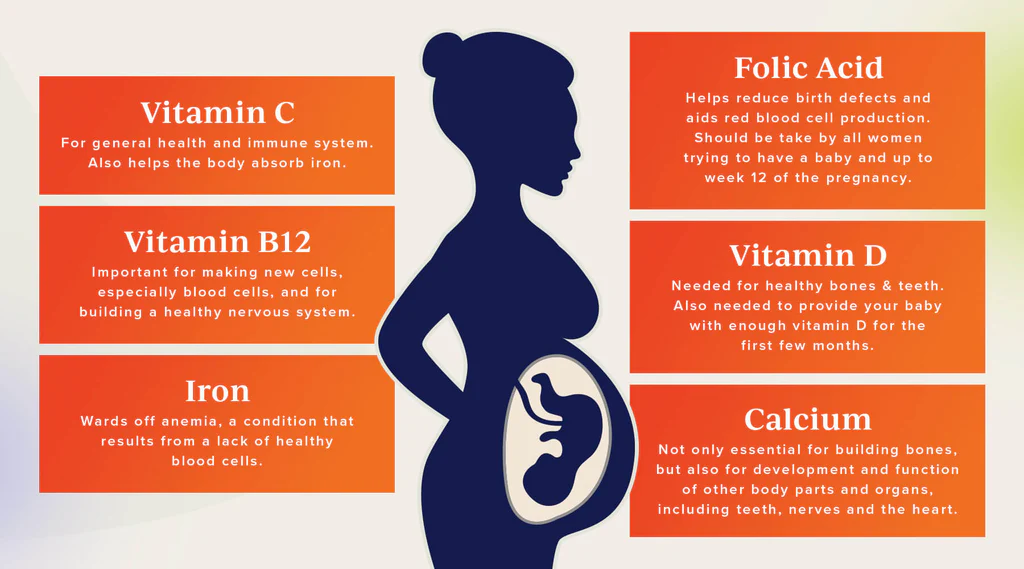
Folic acid is one of the most important components of prenatal vitamins. It helps prevent neural tube defects in your baby, affecting the brain and spinal cord. Expecting mothers need at least 400-600 micrograms of folic acid daily to ensure proper development during the early stages of pregnancy.

Iron

Iron is crucial for producing the extra blood your body needs to carry oxygen to your baby. Pregnant women are more prone to anemia due to increased blood volume, and iron deficiency can cause fatigue or even preterm birth. Prenatal vitamins typically provide around 27-30 milligrams of iron to meet these needs.

Calcium

Calcium is necessary for building strong bones and teeth for your baby. If you don’t get enough calcium from your diet, your body will take it from your bones, which can weaken your own bone health. Most prenatal vitamins provide around 1,000 milligrams of calcium, though supplements may be recommended in some cases.

Omega-3 Fatty Acids

DHA (docosahexaenoic acid) is an omega-3 fatty acid crucial for your baby’s brain and eye development. Not all prenatal vitamins include DHA, so women who do not consume enough fish may need to take an additional omega-3 supplement.

3. Timing and Dosage

Ideally, you should start taking prenatal vitamins before conception. Neural tube development happens within the first month of pregnancy, so having sufficient folic acid is critical. Continue taking prenatal vitamins throughout the pregnancy and even while breastfeeding, as your body continues to need extra nutrients to support your baby’s growth.

4. Troubleshooting Common Side Effects

Prenatal vitamins can cause mild side effects such as nausea, constipation, or an upset stomach. If you experience these, try taking the vitamins with a light snack or before bedtime. Increasing fiber intake and drinking plenty of water can also help relieve constipation. If your symptoms persist, consult your healthcare provider for alternatives, such as a different formula or chewable vitamins.

Conclusion

Prenatal multivitamins and minerals are an essential part of a healthy pregnancy. By ensuring that you receive key nutrients like folic acid, iron, and calcium, these supplements can help support your baby’s development and maintain your health. Always consult your healthcare provider before starting any supplements to ensure they meet your individual needs.

Essential Nutrition for Pregnant Women in the Third Trimester

In the final trimester of pregnancy, your body’s nutritional needs increase as your baby grows rapidly. To support this crucial phase, focusing on certain nutrients becomes vital for both the baby and the mother.

1. Boost Your Protein Intake

Protein is essential for the growth of your baby’s tissues and muscles. During the third trimester, aim to consume 10 grams more protein daily than you did in the earlier trimesters. This supports the rapid development of your baby’s organs. Foods like lean meat, eggs, dairy, and beans are excellent sources.

2. Ensure Adequate Iron Levels

Iron is crucial during pregnancy to support the increased blood volume. By the third trimester, low iron levels can lead to anemia, causing fatigue and complications during delivery. Include iron-rich foods like spinach, fortified cereals, and red meat in your diet. Pairing iron with vitamin C can help increase absorption.

3. Prioritize Calcium for Strong Bones

Your baby’s bones are growing quickly in the third trimester, making calcium intake vital. Dairy products, fortified plant milks, and leafy greens like kale can help ensure you’re meeting the recommended intake. If you’re struggling to get enough calcium, supplements may be necessary, but consult your healthcare provider first.

4. Stay Hydrated

Proper hydration is often overlooked, but it’s essential for maintaining healthy amniotic fluid levels and supporting your increased blood volume. Aim for at least 8-10 glasses of water daily and avoid sugary drinks and excess caffeine. Hydration also helps alleviate common third-trimester issues like swelling and constipation.

5. Calories: Quality Over Quantity

While your calorie needs increase by approximately 300 extra calories per day, focus on nutrient-dense foods rather than empty calories. These can come from an extra serving of fruits, vegetables, or whole grains. Avoid indulging too frequently in processed or sugary foods that don’t provide essential nutrients.

6. Eat Smaller, Frequent Meals

As your baby grows, your stomach may become compressed, making large meals uncomfortable. Opt for smaller, more frequent meals to ease digestion and prevent heartburn. This approach can also help combat common third-trimester nausea and reduce bloating.

Conclusion: Focus on Nutrient-Rich Choices

Your baby’s development is at its peak during the third trimester. By prioritizing nutrient-rich foods and maintaining a balanced diet, you can support your health and prepare for a smoother delivery. Consult your healthcare provider to adjust your diet and supplements as needed for this critical stage.

Pregnancy Diet Restrictions: Foods to Avoid for a Healthy Pregnancy

During pregnancy, maintaining a healthy diet is essential, but knowing which foods to avoid is equally important to protect both mother and baby. Some foods carry risks that could lead to complications. Here are the key diet restrictions to keep in mind.

1. Avoid High-Mercury Fish

While fish provides essential nutrients, certain species like swordfish, shark, and king mackerel contain high levels of mercury, which can harm the baby’s developing nervous system. Opt for low-mercury fish like salmon, shrimp, or canned light tuna, and limit fish intake to 12 ounces per week.

2. Say No to Undercooked or Raw Foods

Raw or undercooked meats, poultry, and eggs can harbor harmful bacteria, increasing the risk of foodborne illnesses like listeriosis, which can lead to miscarriage or stillbirth. Always ensure your meats are well-cooked, and avoid foods like sushi, soft cheeses made from unpasteurized milk, and raw eggs.

3. Alcohol and Caffeine Limitations

Alcohol should be completely avoided during pregnancy as it can lead to fetal alcohol syndrome and other developmental issues. As for caffeine, moderation is key. Limit caffeine intake to 200 mg per day (about one 12 oz coffee), as high levels of caffeine can increase the risk of miscarriage.

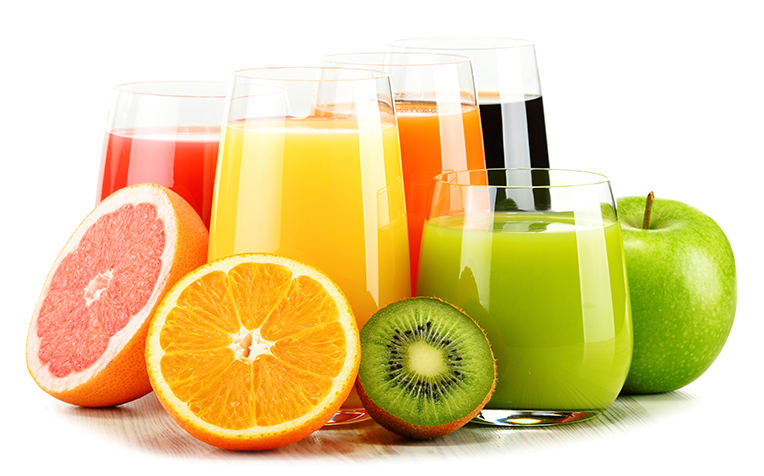
4. Avoid Unpasteurized Dairy and Juices

Unpasteurized milk, cheeses, and juices may contain bacteria like listeria and E. coli. Always choose pasteurized versions to prevent any potential infections.

Conclusion: A Balanced and Safe Diet

By steering clear of these foods, you can help ensure a healthy pregnancy. Always consult with your healthcare provider to tailor your diet to your specific needs.

Essential Nutrients for Pregnancy: What You Need to Know

Proper nutrition during pregnancy is vital for both the mother’s health and the baby’s development. Certain nutrients are especially important to ensure a healthy pregnancy and reduce the risk of complications. Below are the top nutrients every pregnant woman should prioritize.

1. Folic Acid: Brain and Organ Development

Folic acid, also known as folate, is crucial for the development of your baby’s brain and spinal cord. It helps in the formation of red blood cells and can prevent neural tube defects. Sources include dark leafy greens, beans, and fortified cereals. Taking a prenatal supplement with folic acid is also recommended.

2. Iron: Preventing Anemia

During pregnancy, a woman’s blood volume increases, requiring more iron to produce hemoglobin. Iron deficiency can lead to anemia, causing fatigue and other complications. Add iron-rich foods like spinach, lean meat, and beans to your diet. Combining iron with vitamin C-rich foods enhances absorption.

3. Calcium: Strengthening Bones and Teeth

Calcium is essential for developing your baby’s bones and teeth. If your diet lacks sufficient calcium, the baby will draw calcium from your bones, putting you at risk for bone loss. Incorporate dairy products like milk and yogurt, or calcium-fortified alternatives if you’re lactose intolerant.

4. Vitamin D: Supporting Immunity and Bone Health

Vitamin D is important for both immune function and bone health. It helps your baby develop strong bones and teeth. Spend some time in the sun, or add vitamin D-rich foods like fatty fish (salmon, tuna) to your meals. Many prenatal vitamins also contain vitamin D.

5. Omega-3 Fatty Acids: Promoting Brain Development

Omega-3s, particularly DHA, are important for your baby’s brain and eye development. Found in fatty fish like salmon, walnuts, and flaxseeds, these healthy fats also support the mother’s cardiovascular health.

Conclusion: Nourish Your Pregnancy for a Healthy Future

Ensuring that your diet is rich in these key nutrients helps promote a healthy pregnancy, reducing risks and supporting your baby’s growth. Consider supplements and consult with your healthcare provider to meet your nutritional needs for a happy, healthy pregnancy.

Keeping Your Skin Moisturized During Pregnancy: Tips for Healthy, Glowing Skin

Pregnancy brings numerous changes to your body, including fluctuations in skin health. Hormonal shifts can lead to dry, flaky, or itchy skin, making hydration a priority for expecting mothers. With a few simple adjustments to your routine, you can keep your skin healthy and glowing throughout your pregnancy.

1. Stay Hydrated from the Inside

The first step in moisturizing your skin starts from within. Drinking plenty of water (at least 8 glasses a day) ensures that your body, and subsequently your skin, stays hydrated. Additionally, eating a balanced diet rich in fruits, vegetables, and omega-3 fatty acids helps maintain the moisture barrier in your skin. Nutrient-dense foods like berries, walnuts, and leafy greens are excellent for keeping your skin healthy and hydrated.

2. Choose the Right Moisturizers

After showering, applying a moisturizer to damp skin helps lock in hydration. Opt for natural, fragrance-free options such as olive oil or coconut oil, which can deeply nourish the skin. Lotions containing shea butter or cocoa butter are also excellent for pregnant women, as they help maintain elasticity, reducing the chances of stretch marks.

3. Avoid Hot Showers

While it might be tempting to unwind with a hot shower, doing so can strip your skin of essential oils. Instead, stick to lukewarm water to maintain your skin’s moisture levels. Reducing the length of your showers and using mild, soap-free cleansers can also prevent further dryness.

4. Protect Your Skin from the Sun

Sun exposure can worsen dry skin and exacerbate conditions like chloasma (pregnancy mask). Always apply sunscreen with a high SPF when stepping outside, especially during pregnancy. For added protection, wear wide-brimmed hats or seek shade during peak sun hours.

5. Combatting Stretch Marks

Keeping your skin moisturized helps reduce the appearance of stretch marks. Applying moisturizers immediately after a bath can increase absorption and make your skin more resistant to the stretching that occurs during pregnancy. Special oils and creams designed for stretch marks can also support the skin’s elasticity.

Conclusion: Nurturing Your Skin Throughout Pregnancy

Maintaining skin hydration during pregnancy is vital for comfort and preventing dryness or irritation. By focusing on internal hydration, moisturizing regularly, and protecting your skin from external stressors, you can keep your skin healthy and glowing while ensuring it adapts to your body’s changes.

Finger Foods for Your 10-Month-Old: What to Offer and Avoid

Introducing finger foods to a 10-month-old is an exciting milestone. It not only encourages independence but also promotes fine motor skill development. However, safety and nutrition should be your top priorities when selecting the right foods.

1. Benefits of Finger Foods

Offering finger foods allows your baby to explore different textures and flavors. It’s also a great way for them to develop their hand-eye coordination through the “pincer grasp,” where they use their thumb and forefinger to pick up small bits of food.

2. Safe Finger Foods to Introduce

At 10 months, babies are ready to handle soft, bite-sized pieces of food that they can easily squish in their mouths. Here are some safe and nutritious options:

  • Soft fruits: Peeled and diced bananas, peaches, or avocados are ideal as they are easy to chew.
  • Cooked vegetables: Small, soft-cooked peas, sweet potato, or zucchini strips make excellent first finger foods.
  • Grains and pasta: Soft, well-cooked pasta or rice, in small pieces, can be introduced.
  • Protein: Try soft pieces of scrambled eggs, or ground meat mixed with sauces to make it easier to swallow.

Always ensure that pieces are small and manageable to avoid choking.

3. Foods to Avoid

While many foods are safe, some pose a higher choking risk for babies. Avoid giving:

  • Hard foods: Raw carrots, celery, or large chunks of apples.
  • Round foods: Whole grapes, cherry tomatoes, or popcorn.
  • Sticky foods: Large spoonfuls of peanut butter or marshmallows can be difficult to swallow.

Cut round fruits into small, manageable pieces and always supervise your child during mealtime.

4. Encouraging Self-Feeding

Place small portions of food on your baby’s highchair tray and let them explore. It’s going to be messy, but it helps them build independence and confidence in feeding themselves. Start with foods that melt in their mouths easily, and gradually introduce different textures as they become more comfortable.

5. Choking Prevention Tips

Safety is paramount when offering finger foods. Always make sure your baby is seated upright in a highchair and never allow them to eat while moving or lying down. Learn the signs of choking, and always be present to watch your baby while they eat.

Conclusion: A New World of Taste and Texture

Introducing finger foods to your 10-month-old is an exciting step toward independence. With the right food choices and safety measures in place, you can help your baby explore new tastes, textures, and self-feeding skills. Enjoy this messy but rewarding milestone!

How Art Enhances Preschoolers' Social and Emotional Development

Art is much more than a fun pastime for young children. For preschoolers, engaging in creative activities like drawing, painting, or working with clay plays a critical role in their emotional and social development. Artistic expression can help kids communicate, build self-confidence, and foster collaboration.

1. Emotional Expression Through Art

For young children, words are often not enough to express their complex feelings. Art provides a safe space where they can project their emotions. A simple painting can reveal how a child feels about an event or a relationship. For example, using colors like red or black might indicate anger or frustration, while bright colors like yellow can signify joy. This non-verbal form of expression is essential for developing emotional intelligence.

2. Building Confidence and Self-Esteem

When children complete a drawing or a craft project, they feel a sense of accomplishment. This helps boost their self-confidence, especially when they receive praise for their work. Each completed art project is a tangible representation of their effort and creativity, which reinforces the idea that their thoughts and feelings are valuable.

3. Social Skills Development Through Collaboration

Art also plays an essential role in helping preschoolers develop social skills. Group art projects, such as a class mural or a collaborative sculpture, encourage kids to work together, share materials, and exchange ideas. These activities build teamwork and communication skills while teaching children to respect the ideas and contributions of their peers.

4. Art as a Language of Connection

In early childhood, when verbal communication skills are still developing, art can act as a universal language. When children show each other their creations, they learn how to communicate without relying solely on words. This can be especially helpful for kids who are shy or have trouble expressing themselves verbally. Art gives them a new way to connect with others.

5. Incorporating Art at Home

As a parent or caregiver, you can easily incorporate art into your child’s daily routine. Setting up a small art corner at home with crayons, paper, and play dough can create endless opportunities for imaginative play. Encourage your child to create, explore, and express themselves freely. Not only does this strengthen the parent-child bond, but it also supports your child’s cognitive, emotional, and social development.

Conclusion: Nurturing Growth Through Creativity

Art is a powerful tool for fostering both emotional and social development in preschoolers. By engaging in creative activities, children learn to express themselves, build confidence, and develop essential social skills. Parents and teachers alike can nurture these important developmental areas by making art a regular part of the child’s day. Through creativity, preschoolers can grow emotionally, connect socially, and thrive.

The Essential Role of Sensory Toys for Children with Autism

In a world filled with sights, sounds, and textures, children with autism can sometimes feel overwhelmed. Sensory toys play a crucial role in helping them navigate this sensory overload while providing therapeutic benefits that can enhance their daily lives. In this blog post, we’ll explore the significance of sensory toys, their various types, and how they can positively impact children with autism.

Understanding Sensory Processing

Sensory processing refers to how our brains receive and interpret information from our senses. Children with autism often experience sensory processing issues, leading to either hypersensitivity or hyposensitivity to stimuli. This can result in challenges such as anxiety, difficulty focusing, and behavioral outbursts.

The Benefits of Sensory Toys

Sensory toys are specifically designed to engage a child’s senses and provide calming or stimulating effects, depending on their needs. Here are some of the key benefits of using sensory toys:

  1. Calming Effects: Many sensory toys can help soothe children during moments of anxiety or distress. Items like stress balls or weighted blankets can provide a sense of security and comfort.
  2. Focus and Attention: Sensory toys can aid concentration, allowing children to engage in activities without becoming easily distracted. Fidget spinners and squishy toys can keep their hands busy, helping them focus on tasks.
  3. Skill Development: Engaging with sensory toys can enhance fine motor skills, coordination, and hand-eye coordination. Toys that require manipulation, such as building blocks or sensory bins, promote developmental growth.
  4. Social Interaction: Sensory toys can facilitate social play, encouraging children to interact with their peers. Group activities using sensory materials can promote teamwork and communication skills.
  5. Emotional Regulation: These toys can also help children learn to manage their emotions. By providing an outlet for expression, sensory toys teach self-regulation techniques that are beneficial in various situations.

Types of Sensory Toys

Understanding the different types of sensory toys available can help parents choose the right options for their children. Here are some popular types:

1. Fidget Toys

These toys, such as stress balls, fidget spinners, and textured blocks, help keep hands occupied and reduce anxiety.

2. Weighted Toys

Weighted blankets, vests, and stuffed animals can provide deep pressure stimulation, which is calming for many children with autism.

3. Sensory Bins

Filled with various materials (sand, rice, beads), sensory bins allow children to explore textures and enhance their tactile experiences.

4. Visual Toys

Toys that light up, change colors, or have unique visual patterns can engage a child’s visual senses and encourage exploration.

5. Auditory Toys

Musical instruments or toys that produce different sounds can help children with auditory processing and stimulate their hearing abilities.

Choosing the Right Sensory Toys

When selecting sensory toys, consider your child’s preferences and sensory needs. Pay attention to their responses to different types of stimulation and involve them in the decision-making process. Here are a few tips to guide you:

  • Observe Reactions: Notice which stimuli your child responds positively to and choose toys that align with those preferences.
  • Test and Adapt: Don’t hesitate to try different toys and see what works best for your child. Be open to adapting choices as they grow and develop.
  • Quality over Quantity: A few high-quality, engaging sensory toys can be more effective than a large assortment of less impactful options.

Conclusion

Sensory toys play a vital role in the lives of children with autism, offering support, comfort, and opportunities for growth. By understanding their needs and providing appropriate sensory experiences, parents can help their children thrive in an often overwhelming world. Embracing sensory play not only aids development but also fosters a sense of belonging and joy in everyday activities.

Dive Into Family Fun: Top 5 Family-Friendly Travel Destinations Near Water

As summer approaches, families everywhere are on the lookout for the perfect vacation spots that offer both adventure and relaxation. What better way to unwind than by the water? From pristine beaches to serene lakes, destinations near water provide a unique combination of fun and tranquility. Here are five family-friendly travel destinations that promise to create magical memories for you and your loved ones.

1. Four Seasons Resort Maldives at Landaa Giraavaru

The Maldives is synonymous with luxury and relaxation, and the Four Seasons Resort at Landaa Giraavaru offers an extraordinary experience for families. Located within a UNESCO Biosphere Reserve, this resort is an ideal spot for family adventures.

Family Activities

  • Snorkeling with Manta Rays: Kids can get up close and personal with marine life, creating unforgettable memories.
  • Sea Turtle Rehabilitation: Families can participate in conservation efforts by helping rehabilitate injured sea turtles.
  • Cultural Experiences: Enjoy traditional fishing techniques and stargazing sessions led by on-site astronomers.

With spacious family suites and a plethora of water sports, the Maldives is sure to be a hit with both parents and children.

2. The Broadmoor, Colorado Springs, Colorado

For families who enjoy a mix of adventure and leisure, The Broadmoor in Colorado Springs provides a stunning backdrop of the Rocky Mountains. Known for its luxurious service and activities, this resort has something for everyone.

Family Activities

  • Golfing: Families can take advantage of the extensive golf program, with free play for kids under 12 after 2 p.m.
  • Outdoor Adventures: Hiking, horseback riding, and swimming are just a few options for those looking to explore the great outdoors.
  • Bowling and Boating: Kids will love the resort-style pools and the chance to try their hand at bowling.

Whether you’re a golf enthusiast or just looking to enjoy nature, The Broadmoor is a fantastic family getaway.

3. Grand Marais, Minnesota

Located on the scenic shores of Lake Superior, Grand Marais is a charming village that seamlessly combines art and adventure. With its friendly atmosphere and plethora of outdoor activities, it’s perfect for families looking to explore.

Family Activities

  • Pincushion Mountain: Hike this popular spot for breathtaking views of the area.
  • Boundary Waters Canoe Area: Experience canoeing across pristine lakes and fishing for walleye.
  • Art Exploration: Visit local galleries and participate in art workshops to ignite your creative side.

With its artistic vibe and numerous outdoor activities, Grand Marais is a destination that families will cherish.

4. Montauk Yacht Club, New York

Situated at the eastern tip of Long Island, Montauk Yacht Club offers a relaxed beach atmosphere where families can unwind and have fun together. With its nautical charm, this resort is perfect for both relaxation and adventure.

Family Activities

  • Fishing and Boating: Families can enjoy fishing expeditions or simply stroll along the docks to observe the day’s catch.
  • Playgrounds and Sports: Kids will love the playground, while tennis and volleyball courts offer opportunities for family fun.
  • Culinary Delights: Enjoy casual dining at the Clam Bar, a family favorite known for its seafood offerings.

Montauk provides a blend of relaxation and adventure that will keep the whole family entertained.

5. Half Moon Resort, Montego Bay, Jamaica

For those seeking a tropical paradise, Half Moon Resort in Montego Bay is a must-visit. With 400 beachfront acres, it provides numerous opportunities for family bonding.

Family Activities

  • Anancy Children’s Village: Designed for kids aged 3-12, this play area immerses children in Jamaican culture through storytelling and island activities.
  • Water Sports Galore: From kayaking to scuba diving, there’s no shortage of aquatic adventures.
  • Culinary Experiences: Enjoy local specialties at beach BBQs, complete with performances from steel bands and dancers.

With its focus on family fun and cultural experiences, Half Moon Resort is perfect for creating lasting memories.

Conclusion

Choosing the right vacation spot is essential for creating memorable experiences with your family. These five destinations not only offer stunning natural beauty and adventure but also provide opportunities for family bonding and fun. So, pack your bags, grab your loved ones, and get ready to dive into a summer filled with laughter, exploration, and unforgettable memories.