habits to reduce anxiety

Feeling overwhelmed? You don’t need hours to feel better. Sometimes, one minute is all it takes.

Whether you’re dealing with daily stress or unexpected anxiety, this simple technique can shift your state in less than 60 seconds. It’s called the 4-7-8 breathing method, and it’s backed by neuroscience, yogic tradition, and mental health experts.


What is the 4-7-8 Breathing Technique?

  • Inhale through your nose for 4 seconds
  • Hold your breath for 7 seconds
  • Exhale slowly through your mouth for 8 seconds

Repeat for 1 minute (or longer if needed).


How It Works (Science Behind It)

  • Slows down your heart rate
  • Activates your parasympathetic nervous system (your “rest and relax” state)
  • Calms your racing mind
  • Lowers cortisol levels (your stress hormone)

It’s like hitting the reset button on your nervous system.


When to Use It

  • Before sleep
  • During a panic attack
  • Before a stressful meeting
  • After an argument
  • Anytime your thoughts start spiraling

Other Quick Add-On Tips

  • Try this with soft background music or nature sounds
  • Close your eyes and place a hand on your chest
  • Use essential oils like lavender or sandalwood while breathing
habits of happy people

Happiness isn’t luck. It’s a habit.

We all know someone who seems genuinely happy—no matter what life throws their way. The secret? It’s not a perfect life. It’s the daily habits they choose. Here are 9 small but powerful habits practiced by genuinely happy people.


1. They Start Their Day with Gratitude

Even just writing 3 things they’re thankful for helps shift their mindset away from stress and toward abundance.


2. They Move Their Bodies Daily

Exercise releases endorphins—your brain’s feel-good chemicals. Even a walk or stretching counts.


3. They Spend Time in Nature

A few minutes of sunlight or greenery can lower stress hormones and improve mood.


4. They Practice Mindfulness

Being present—whether sipping tea or walking—helps reduce anxiety and increase life satisfaction.


5. They Connect with People (Not Just Online)

Daily interaction—even brief or casual—boosts mood, lowers depression risk, and increases self-worth.


6. They Laugh Often

Laughter reduces stress, boosts immunity, and makes you more resilient. Watch something silly or talk to that one funny friend.


7. They Say No (Without Guilt)

Protecting time and energy is key. Happy people don’t overcommit—they prioritize their well-being.


8. They Give Without Expecting

Helping others, even in small ways, creates a sense of purpose and joy.


9. They Sleep Well

Happiness drops when you’re sleep-deprived. 7–9 hours of quality sleep is their non-negotiable.

habits for healthy brain

Your brain isn’t just an organ—it’s your command center. And like any powerful system, it needs the right habits to keep it sharp, focused, and resilient. Here are 7 daily habits that support mental clarity, memory, and long-term brain health.


1. Move Your Body Every Day

Exercise increases blood flow to the brain and promotes the growth of new neural connections. Even a 20-minute brisk walk makes a difference.


2. Prioritize Quality Sleep

Your brain detoxifies and stores memories during deep sleep. Poor sleep leads to brain fog, forgetfulness, and slower thinking.

Tip: Aim for 7–8 hours of uninterrupted sleep in a dark, cool room.


3. Eat Brain-Boosting Foods

Omega-3s, antioxidants, and healthy fats feed your brain. Think: walnuts, blueberries, avocados, and olive oil.


4. Practice Mindfulness or Meditation

Just 10 minutes a day can reduce stress, lower anxiety, and physically reshape parts of the brain responsible for memory and emotion.


5. Challenge Your Brain

Reading, learning new skills, or even doing puzzles stimulates your brain and keeps it agile.

Try: Learning a new language or hobby—it strengthens your memory and focus.


6. Protect Your Mental Environment

Too much negativity, social media, or multitasking weakens attention and increases anxiety.

Action step: Curate your media intake and take digital detox breaks.


7. Stay Socially Connected

Conversations and social bonding reduce stress and help prevent age-related decline.


Final Thought:

A healthy brain is built through consistent care—not supplements alone. Start with just one habit this week and build from there. Your future self will thank you with clearer thoughts and stronger memory.

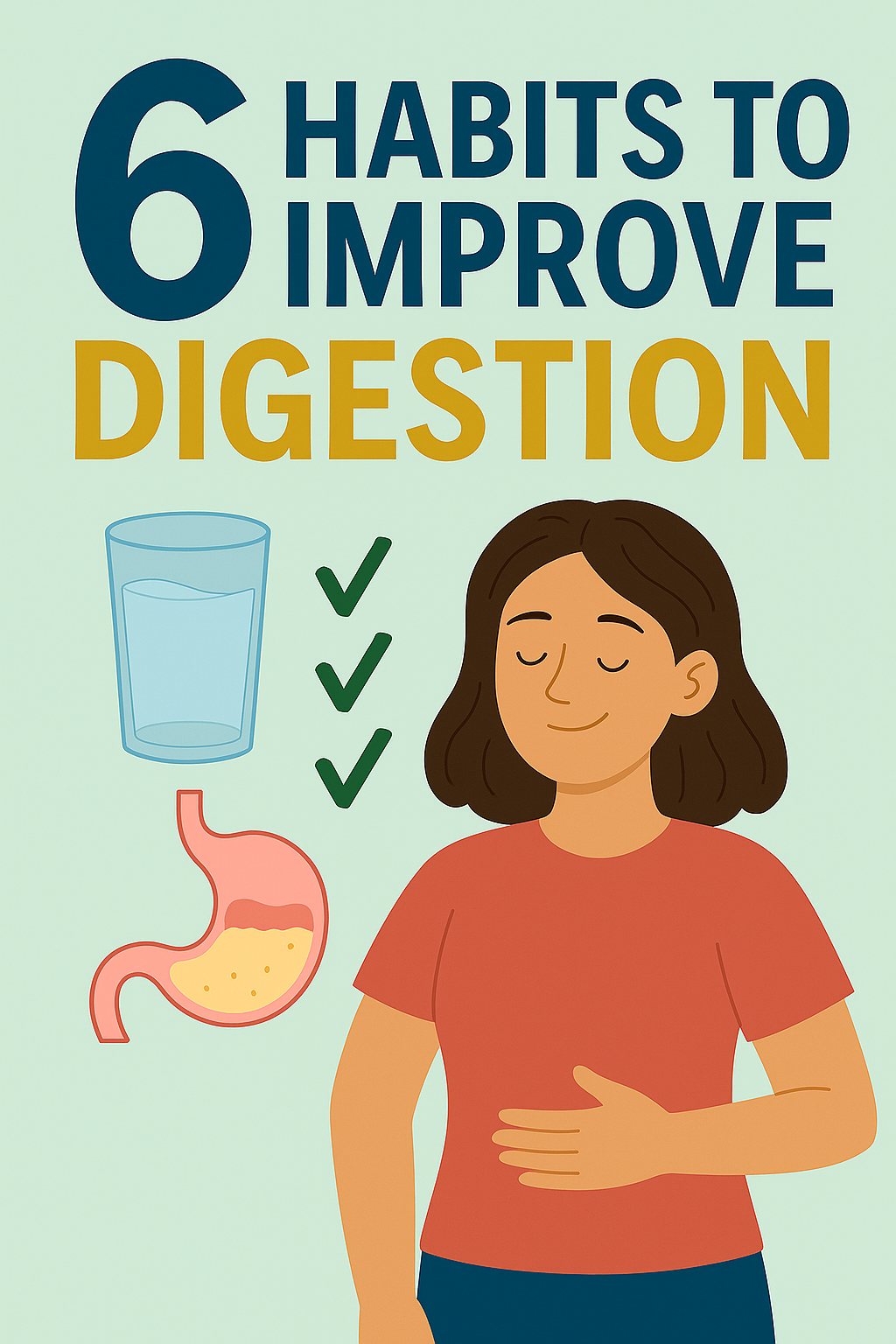
habist to improve digestion

Digestive discomfort can ruin your mood, energy, and even skin. Good digestion is about more than just what you eat—it’s about how you treat your gut every day. Here are 6 science-backed habits to improve your digestion naturally.


1. Drink Warm Water First Thing in the Morning

It wakes up your digestive system, flushes toxins, and sets the tone for healthy bowel movements.


2. Chew Your Food Thoroughly

Digestion begins in the mouth. The more you chew, the less your stomach has to work, leading to less bloating.


3. Stop Multitasking While Eating

Mindless eating disrupts your digestive process. Watching screens or rushing through meals causes overeating and gas.

Tip: Focus on your food, not your phone.


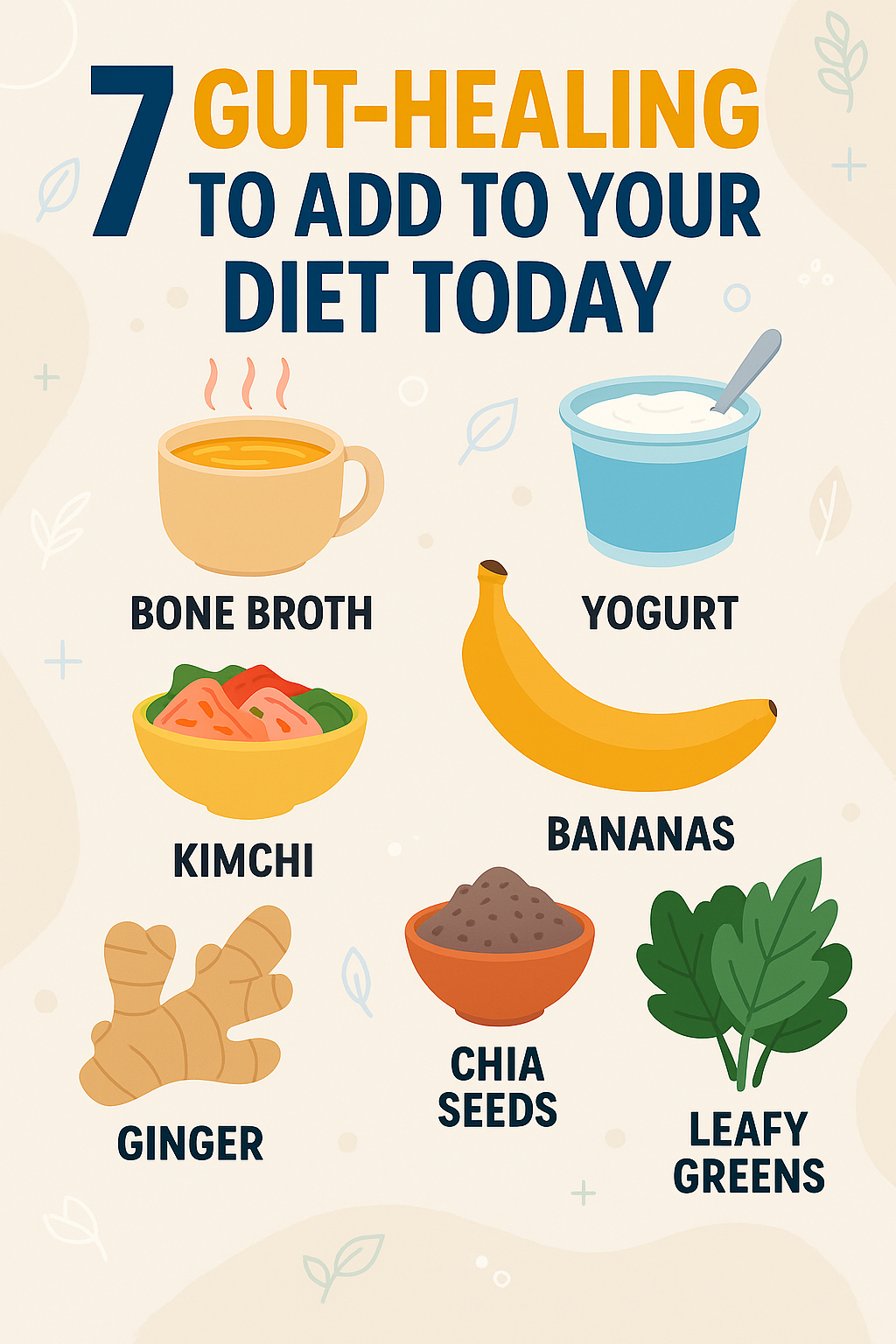
4. Add Fermented Foods to Your Diet

Yogurt, kimchi, sauerkraut, and kefir contain probiotics that balance gut bacteria and improve nutrient absorption.


5. Take a Walk After Meals

A 10-minute walk can help your body move food through your system and reduce bloating.


6. Limit Processed Foods and Sugar

They disrupt the gut microbiome and slow down digestion.


Final Thought:

Start with just one or two of these habits daily and observe the difference in your energy, skin, and gut health. Healthy digestion is the foundation of a healthy body.

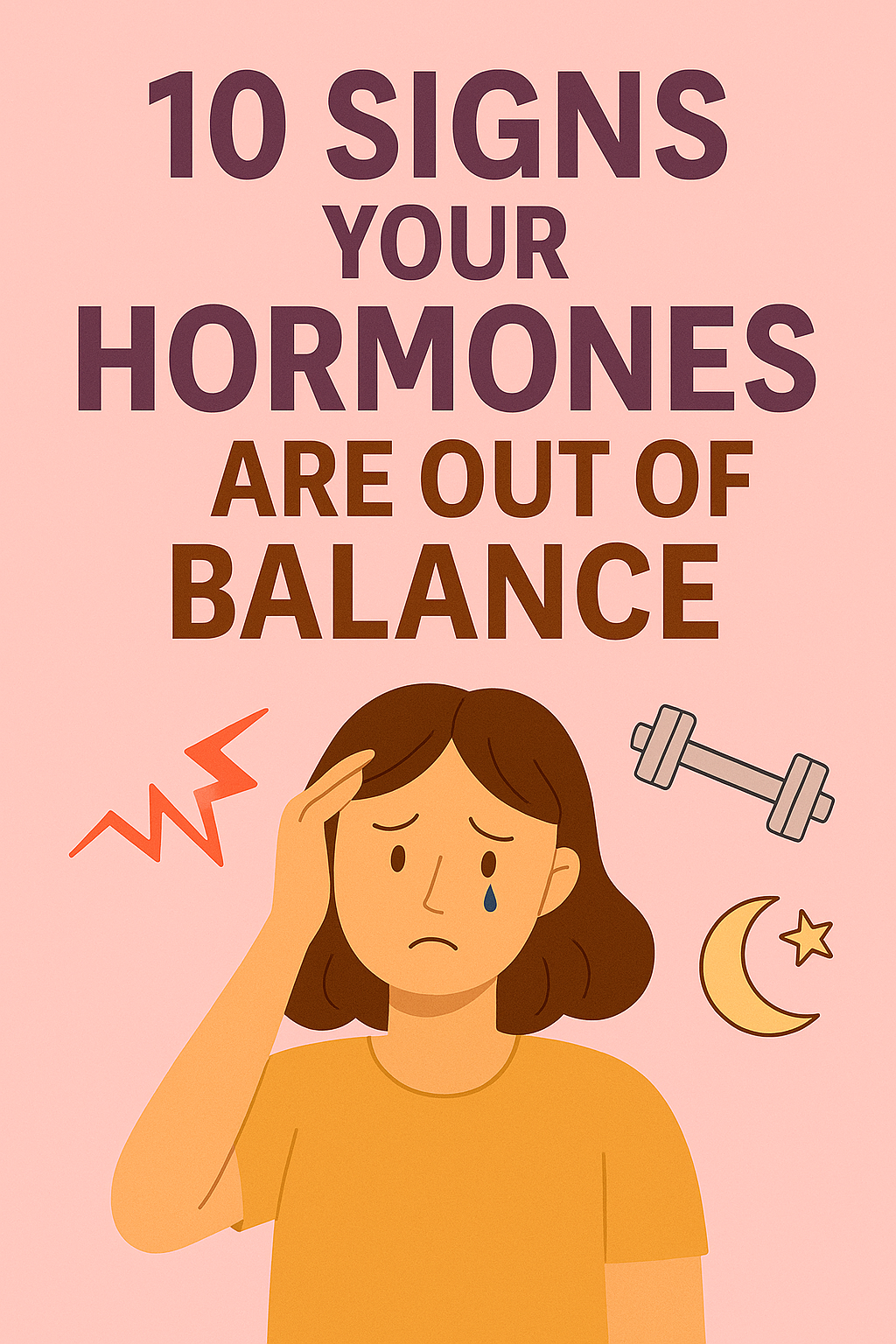
10 Signs Your Hormones Are Out of Balance

Hormones control everything—from your mood and energy to weight, sleep, and even skin health. When they’re even slightly off, your body sends warning signs. Most people ignore them—don’t be one of them.

Here are 10 sneaky signs your hormones might be off track—and what you can do about it.


1. Unexplained Weight Gain or Trouble Losing Weight

Even with regular exercise and diet, hormonal imbalances (especially cortisol, insulin, or thyroid) can make weight management frustrating.

Fix: Get your thyroid and insulin checked, and reduce sugar and processed carbs.


2. Constant Fatigue

If 8 hours of sleep still leaves you drained, your adrenal or thyroid hormones may be low.

Fix: Cut caffeine after 2 PM, get sunlight early in the day, and manage stress.


3. Mood Swings, Anxiety, or Depression

Estrogen, progesterone, and cortisol heavily influence your emotions. Sudden mood changes could be a red flag.

Fix: Practice mindfulness, balance your blood sugar, and consider adaptogens (like ashwagandha).


4. Irregular Periods or PMS

Inconsistent cycles or intense cramps may point to estrogen dominance or low progesterone.

Fix: Track your cycle, reduce alcohol, and increase fiber to clear excess estrogen.


5. Low Sex Drive

Loss of libido can be a sign of low testosterone or estrogen imbalance.

Fix: Healthy fats, strength training, and good sleep can help rebalance sex hormones.


6. Hair Thinning or Hair Loss

This can be triggered by thyroid issues, PCOS, or stress-induced cortisol spikes.

Fix: Check iron and thyroid levels, and avoid over-washing or tight hairstyles.


7. Sleep Problems

Waking up at 2–3 AM often? Cortisol or melatonin disruption might be to blame.

Fix: Avoid screens before bed, take magnesium glycinate, and keep your room dark.


8. Dry Skin and Brittle Nails

These are often linked to low thyroid function or estrogen drops.

Fix: Boost omega-3s, eat protein-rich meals, and stay hydrated.


9. Persistent Bloating or Digestive Issues

Hormonal imbalances can affect gut motility and microbiome balance.

Fix: Try probiotics, manage stress, and reduce dairy/gluten for a few weeks.


10. Brain Fog or Forgetfulness

Trouble concentrating or remembering things? Estrogen and cortisol imbalances can be behind it.

Fix: Exercise daily, stay hydrated, and avoid ultra-processed snacks.

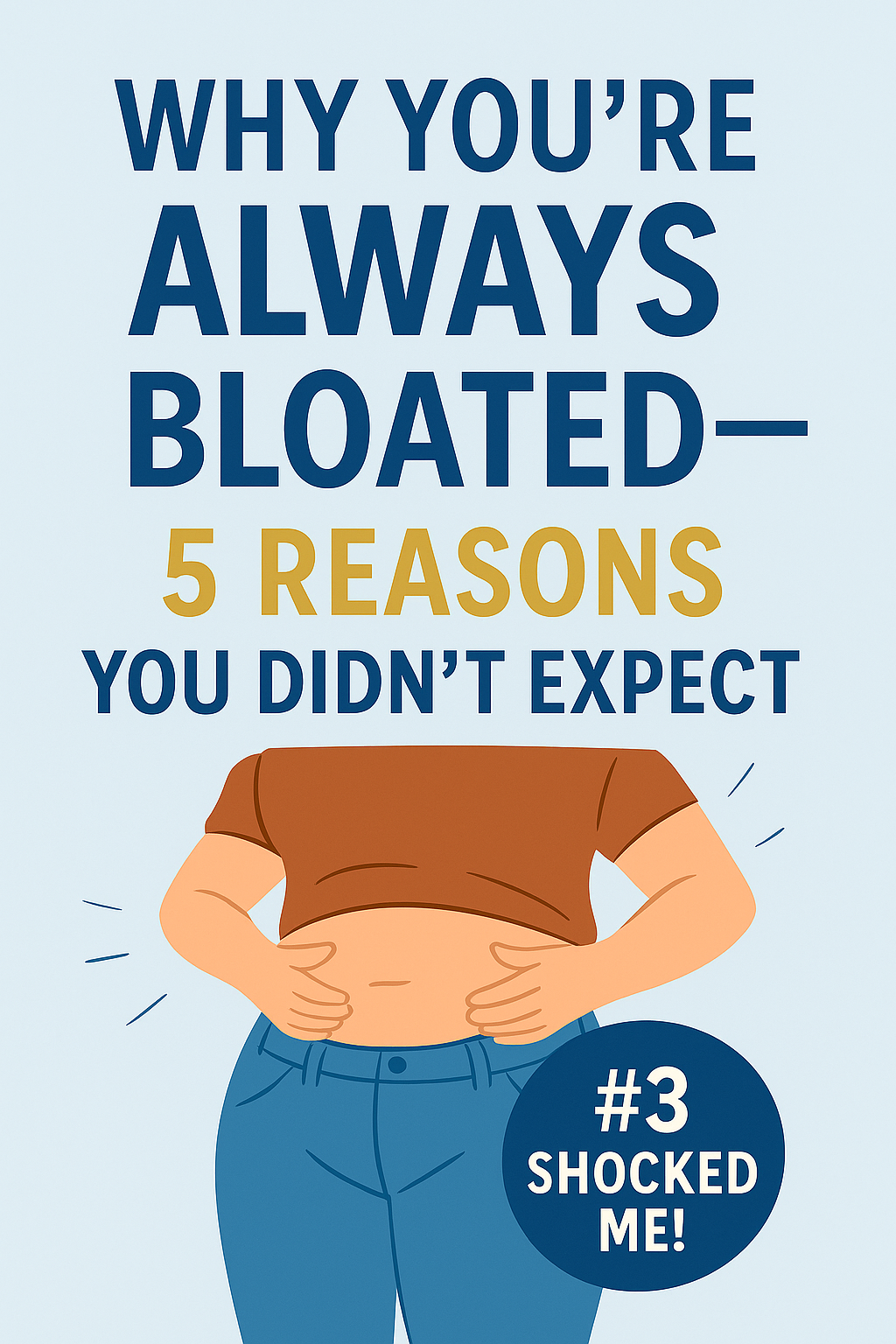
Why Youre Always Bloated 5 Reasons You Didnt Expect

Feeling bloated all the time? You’re not alone. That uncomfortable, tight, or swollen feeling in your stomach can sneak up even when you’re eating “healthy.” Let’s uncover the less obvious causes of bloating—and how to fix them.

1. You’re Eating Too Fast

When you eat quickly, you swallow more air, and your body doesn’t have time to send fullness signals. This leads to excess gas and digestion overload.

What to Do:
Slow down. Chew each bite 20–30 times and try putting your fork down between bites.


2. You’re Not Getting Enough Fiber—Or Getting Too Much at Once

A sudden increase in fiber (like from a new “healthy” diet) can shock your digestive system.

What to Do:
Add fiber gradually over a few weeks and drink plenty of water to help your gut adjust.


3. You’re Stressed

Your gut and brain are connected. Stress causes your digestive system to slow down or spasm, leading to bloating and discomfort.

What to Do:
Practice breathwork, take 5-minute walk breaks, or try journaling after meals.


4. You’re Drinking Sparkling Water All Day

Even though it’s “healthier” than soda, carbonated drinks release gas in your stomach that causes expansion and pressure.

What to Do:
Switch to still water or infused water with lemon, cucumber, or mint.


5. You’re Sensitive to Certain Foods

Dairy, gluten, legumes, and artificial sweeteners (like sorbitol or sucralose) can all trigger bloating—even if you’re not allergic.

What to Do:
Try an elimination diet for 10–14 days, reintroducing foods slowly to find your triggers.


Bonus Tip:

Chewing gum and drinking from a straw can also cause bloating by increasing swallowed air!


Final Thought:

Bloating isn’t just about what you eat—it’s about how and when you eat, how much stress you carry, and what your gut is trying to tell you.

Once you identify your personal triggers and slow down, you’ll be amazed how quickly your body responds with comfort, clarity, and confidence.

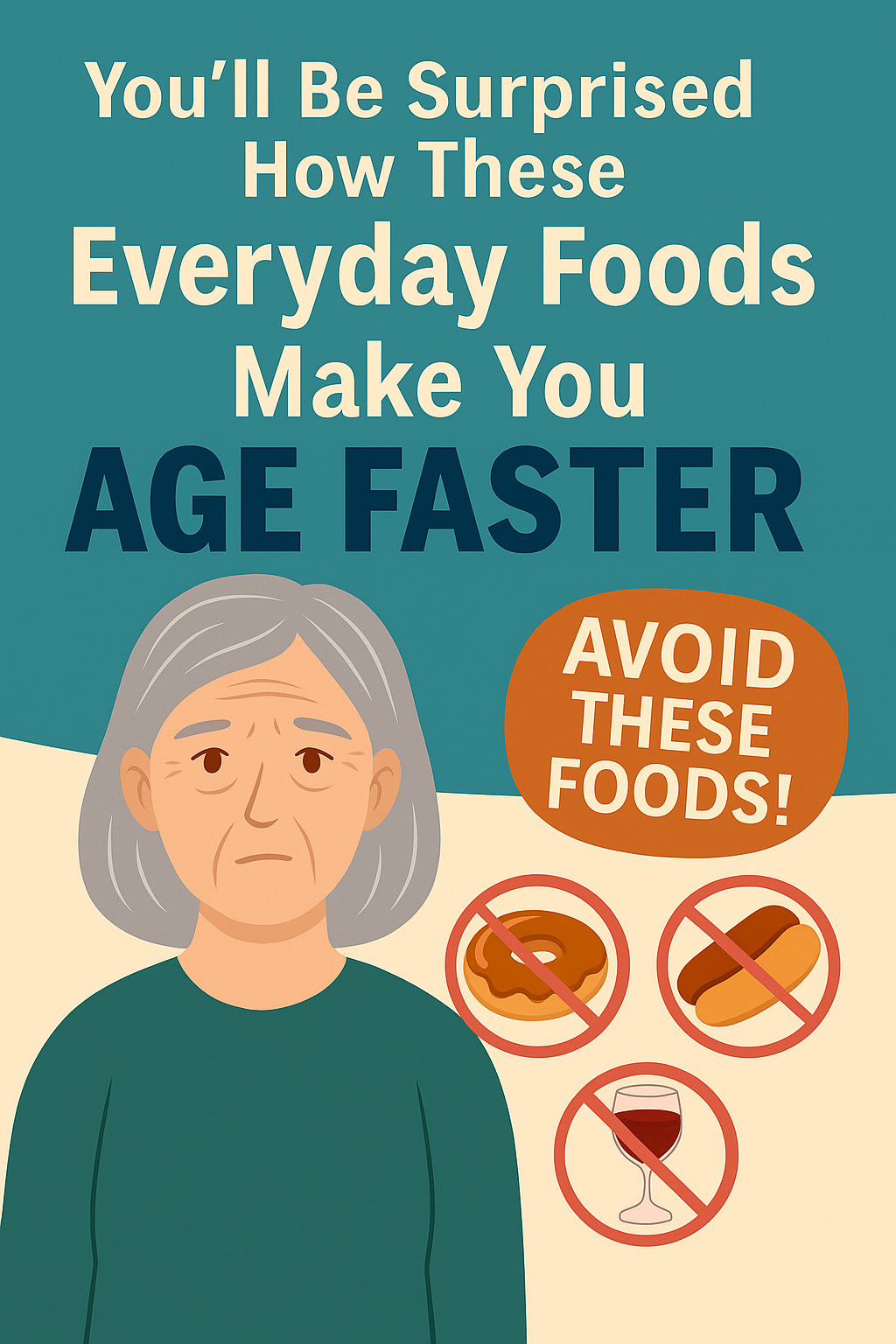
You’ll Be Surprised How These Everyday Foods Make You Age Faster

1. Sugary Snacks & Desserts

Refined sugar breaks down collagen and elastin in your skin, causing wrinkles and sagging.

Eat Instead:
Dark chocolate (70%+), fruit with cinnamon, or frozen berries with Greek yogurt.


2. White Bread & Refined Carbs

These spike insulin, cause inflammation, and contribute to weight gain and tired-looking skin.

Eat Instead:
Whole grains like quinoa, oats, or sprouted grain bread.


3. Fried Foods

They increase oxidative stress and release harmful compounds that accelerate skin aging and increase heart disease risk.

Eat Instead:
Air-fried veggies, baked sweet potato fries, or grilled dishes with healthy oils.


4. Processed Meats (Bacon, Sausage, Deli Cuts)

High in salt and preservatives like nitrates, which can inflame the body and dehydrate skin.

Eat Instead:
Grilled chicken, turkey breast, or plant-based protein options.


5. Alcohol (Especially in Excess)

Too much alcohol leads to dehydration, dull skin, liver stress, and vitamin loss.

Drink Instead:
Infused water, sparkling water with lemon, herbal teas, or red wine in moderation (1 glass max/day).


6. Sodas & Sugary Drinks

Loaded with sugar and chemicals, they weaken teeth, bones, and your metabolism.

Drink Instead:
Green tea, coconut water, or natural electrolyte mixes.


7. Artificial Sweeteners

These confuse your body, increase cravings, and disrupt gut bacteria—important for skin and immune health.

Eat Instead:
Raw honey, dates, or small amounts of maple syrup or stevia leaf extract.

A woman walks into a hospital wheeling her husband with her in a wheelbarrow

She stops at the front desk and talks to the admitting nurse. “Good day,” she says. “Something is wrong with my husband. He was very difficult to wake up this morning, he barely touched his breakfast, and he hasn’t done anything all day. Can you find out what’s wrong?” She and her husband are whisked into a room. A couple of big, burly orderlies come in and lift her unresponsive husband onto the examination table.

A doctor walks into the room and begins examining her husband. He puts on a stethoscope, then gets out a sphygmomanometer and measures his blood pressure, nodding grimly as he takes the measurement. Then he uses this stethoscope to listen carefully to the husband’s chest, then he gets out a tool and uses it to peer into the husband’s eyes. Then he sighs, steps toward the woman and delivers his verdict.

“Madam, this man is dead. That will be fifty dollars, please.”

“He’s dead? Really? Are you sure?”

“Yes ma’am, he’s definitely dead. Fifty dollars, please.”

“But how can you be so sure? You haven’t run any tests or anything.”

The doctor sighs, goes to the back door of the room, and knocks on it twice. He opens the door, and a black Labrador retriever comes into the room and trots quickly up to the examination table.

The dog walks around the table, sniffing the husband thoroughly. He walks around the table twice, sniffing as he goes, and licks the man on his cheek. Then he looks down at the floor, gives off a soft, plaintive woof, and trots back through the door, which closes.

The doctor knocks on the door again, three times this time, and opens it. An orange-and-white cat comes in, walks to the table, and with a graceful leap lands on the husband.

The cat walks around on the husband’s body, kneading and purring loudly. It walks up to the man’s chest and flicks Its tongue out several times, lightly tasting the husband’s neck. Then it lets out a sad meow and shakes its head slowly before jumping down and leaving the room. The doctor turns back to the woman.

“Yes, he’s definitely dead. That will be $1,500, please.*

*$1,500?! I thought you said it was fifty bucks!”

“Yes, but that was before the Lab report and the cat scan. Those can be really expensive.”

18 HABITS THAT CAN SHORTEN YOUR LIFE

Want to live longer and feel better doing it? You might need to look at what you’re doing daily. These 18 habits, backed by real science, are linked to faster aging, illness, and shorter lifespans—and most of us are guilty of at least a few.

1. Consistently Poor Sleep

Less than 6 hours of sleep can weaken your immune system and increase risk of heart issues and obesity.

2. Sitting for Long Periods Without Breaks

Being sedentary—even with exercise—can raise the risk of early death. Stand or walk every 30–60 minutes.

3. Excessive Alcohol Consumption

Heavy drinking harms the liver, brain, and heart—and increases cancer risk.

4. Smoking (Even Socially)

Just a few cigarettes a week significantly increase your cardiovascular risk.

5. Eating Too Many Processed Foods

Fast food, processed meats, and packaged snacks trigger chronic inflammation and gut problems.

6. Chronic Stress Without Management

High cortisol levels speed up brain aging and heart strain.

7. Loneliness or Social Isolation

Social disconnection is as harmful as smoking 15 cigarettes a day.

8. Skipping Breakfast Regularly

Habitual breakfast skipping can lead to blood sugar and heart problems.

9. Constant Multitasking

Mental overload leads to burnout and poor memory over time.

10. Too Much Screen Time Before Bed

Blue light exposure at night disturbs melatonin, harming sleep cycles.

11. High Sugar Intake

Excessive sugar increases aging through oxidative stress and inflammation.

12. Avoiding Strength Training

Loss of muscle mass leads to slower metabolism, falls, and mobility issues with age.

13. Holding Grudges and Resentment

Chronic anger can raise blood pressure and lead to emotional exhaustion.

14. Frequent Yo-Yo Dieting

Repeated crash diets affect heart health and long-term metabolism.

15. Poor Oral Hygiene

Gum disease is strongly connected to increased risk of heart and brain disease.

16. Ignoring Medical Checkups

Delaying tests and ignoring symptoms can make treatable conditions deadly.

17. Overuse of Medications

Long-term use of painkillers or sedatives without medical need can damage major organs.

18. Never Taking Time for Yourself

Overworking, overstimulating, and constant pressure increases burnout and biological stress aging.

Final Thought: Every day, you’re either investing in your future health—or chipping away at it. These habits may seem small, but over time, they create powerful effects. Start by replacing just one today.

Doctors, Yogis, and Scientists Swear By These Anti-Aging Habits

Aging is inevitable, but how fast you age is influenced by your daily choices. These 20 small habits—rooted in science, Ayurveda, yoga, and expert advice—can help you age gracefully and stay vibrant for years to come.

1. Prioritize Deep, Restorative Sleep

Get 7–8 hours of high-quality sleep nightly. It supports cell repair, brain detox, and hormonal balance.

2. Move Your Body Every Day

Daily movement like walking, dancing, or light exercise keeps your blood flowing and joints flexible.

3. Practice Yoga

Incorporate asanas like the shoulder stand, downward dog, or cobra pose to improve circulation and muscle tone.

4. Meditate and Breathe Consciously

Just 10 minutes of breathwork or mindfulness can reduce cortisol and protect brain and heart health.

5. Eat a Plant-Rich Diet

Focus on leafy greens, berries, legumes, and whole grains to combat oxidative stress.

6. Add Anti-Aging Superfoods

Include turmeric, green tea, garlic, berries, and olive oil in your routine to slow cell aging.

7. Try Intermittent Fasting

Fasting for 12–16 hours gives your cells time to clean up and regenerate through autophagy.

8. Chew Slowly and Eat Mindfully

Chewing thoroughly aids digestion and improves nutrient absorption, which fuels healthy aging.

9. Learn Something New Weekly

Keep your brain sharp by taking up a new hobby, reading, or solving puzzles regularly.

10. Practice Facial Yoga

Facial exercises tone your muscles and reduce sagging and wrinkles naturally over time.

11. Use Sunscreen Daily

Protect your skin from UV rays to maintain elasticity and prevent premature aging.

12. Avoid Processed Foods

Packaged, refined foods increase inflammation and speed up cellular aging processes.

13. Manage Stress Intentionally

Regularly unplug with techniques like meditation, yoga, or journaling to lower long-term stress damage.

14. Cultivate a Positive Mindset

Studies show optimism is linked to longer life spans and better recovery from illness.

15. Stay Hydrated

Drink at least 7–8 glasses of water daily to help your skin, digestion, and energy levels.

16. Lift Weights or Do Bodyweight Exercises

Preserve muscle mass and bone strength through resistance training 2–3 times per week.

17. Stretch Every Morning or Night

Stretching improves mobility, posture, and flexibility—making you feel and move younger.

18. Stay Socially Connected

Strong relationships reduce stress and protect against age-related cognitive decline.

19. Limit Alcohol and Sugar

Minimize intake to reduce inflammation and preserve skin, brain, and liver health.

20. Get Routine Health Checkups

Early detection is key. Screenings help manage health risks before they escalate.

Conclusion: These aren’t massive lifestyle overhauls—they’re small daily choices that build a younger, healthier you over time. Start with one or two, and feel the difference in just weeks.