Why You Wake Up Tired (And How to Fix It)

Do you wake up feeling groggy—even after 7–8 hours of sleep? You’re not alone. Women in their 20s to 40s often struggle with poor-quality sleep due to hormonal shifts, stress, blue light exposure, and inconsistent sleep-wake patterns.

Here’s a science-backed routine to naturally sync your sleep cycle and start waking up refreshed.


1. Set a Regular Wake-Up Time (Yes, Even on Weekends)

Your circadian rhythm relies on consistency. When you change your wake-up time frequently, your internal clock resets and produces melatonin (sleep hormone) at the wrong times.

What to do:
Set a fixed wake-up time (e.g., 6:30 or 7:00 AM) and stick to it—even on weekends—for at least 2 weeks. You’ll see better energy within days.

Source: Sleep Foundation, 2022


2. Use Morning Sunlight to Reset Your Body Clock

Exposure to natural light first thing in the morning tells your brain to stop melatonin production and start cortisol release (your wake-up hormone).

What to do:
Spend 10–15 minutes outdoors within 30 minutes of waking. No sunglasses. This helps you fall asleep earlier at night.

Source: Andrew Huberman Lab, Stanford University


3. Avoid Caffeine After 2 PM

Caffeine has a half-life of 5–6 hours, which means a 4 PM cup of coffee can still be affecting your brain at 10 PM.

What to do:
Limit coffee or tea to mornings only. If you need a boost later in the day, opt for a walk or a cold splash on your face.


4. Build a 30-Minute Wind-Down Routine

Scrolling social media before bed suppresses melatonin and increases mental stimulation. Instead, create a wind-down ritual that tells your body it’s time to rest.

Try this 3-step pre-sleep routine:

  • 10 minutes: Stretching or foam rolling
  • 10 minutes: Journaling or reading
  • 10 minutes: Breathing (like 4-7-8 technique)

Repeat this every night and your brain will start linking it with sleep onset.


5. Eat Sleep-Friendly Foods in the Evening

Your diet plays a major role in melatonin production.

Add these to your evening meals:

  • 1–2 kiwis (naturally increase serotonin and melatonin)
  • 1 small handful of almonds (magnesium-rich)
  • Chamomile or tart cherry tea (natural sleep aids)

Source: Journal of Clinical Sleep Medicine, 2021

5 Morning Habits That Reduce Bloating Instantly

Bloating isn’t just uncomfortable—it can mess with your energy, confidence, and digestion before the day even begins. Good news: research shows that a few morning habits can drastically reduce bloating within hours.

Here’s a step-by-step morning routine that works, backed by science and used by gut health experts worldwide.


1. Drink 300–500 ml of Warm Water with Lemon

Starting your day with warm (not cold) water hydrates the digestive tract, flushes toxins, and stimulates bowel movement. Adding lemon supports liver detoxification and bile production.

Why it works: According to the European Journal of Clinical Nutrition, early hydration promotes peristalsis (the movement of the intestines) and reduces gas retention.


2. Do 3–5 Minutes of Gentle Movement

Whether it’s stretching, a walk, or light yoga twists, physical movement helps push trapped gas through your intestines.

Try: Lying spinal twists or “wind-relieving pose” in yoga.

Bonus: This also stimulates your vagus nerve, which improves gut-brain signaling.


3. Eat a Light, Low-FODMAP Breakfast

Some high-fiber foods like apples or beans can worsen morning bloat in sensitive people. Instead, go for gut-friendly, low-FODMAP options.

Example meal:

  • 1 boiled egg
  • Gluten-free oats (30–40g)
  • 1 tbsp chia seeds
  • Small handful of blueberries

Tip: Avoid protein bars or packaged cereals in the morning—they often contain inulin or chicory root, which are high-FODMAP and gas-forming.


4. Take a High-Quality Probiotic (If Advised)

Not all probiotics are created equal. Research-backed strains like Bifidobacterium lactis or Lactobacillus rhamnosus GG have been shown to reduce bloating in IBS patients.

Dosage: Look for a probiotic with 10–25 billion CFU. Take it before breakfast with water.

Note: Always consult your doctor before long-term use.


5. Try 4-7-8 Breathing or Morning Meditation

Stress slows down digestion and increases bloating. A 2023 study in Psychosomatic Medicine confirmed that deep breathing improves vagus nerve tone and gut motility.

How to do it:

  • Inhale for 4 seconds
  • Hold for 7 seconds
  • Exhale slowly for 8 seconds
    Repeat for 3–5 rounds before breakfast.
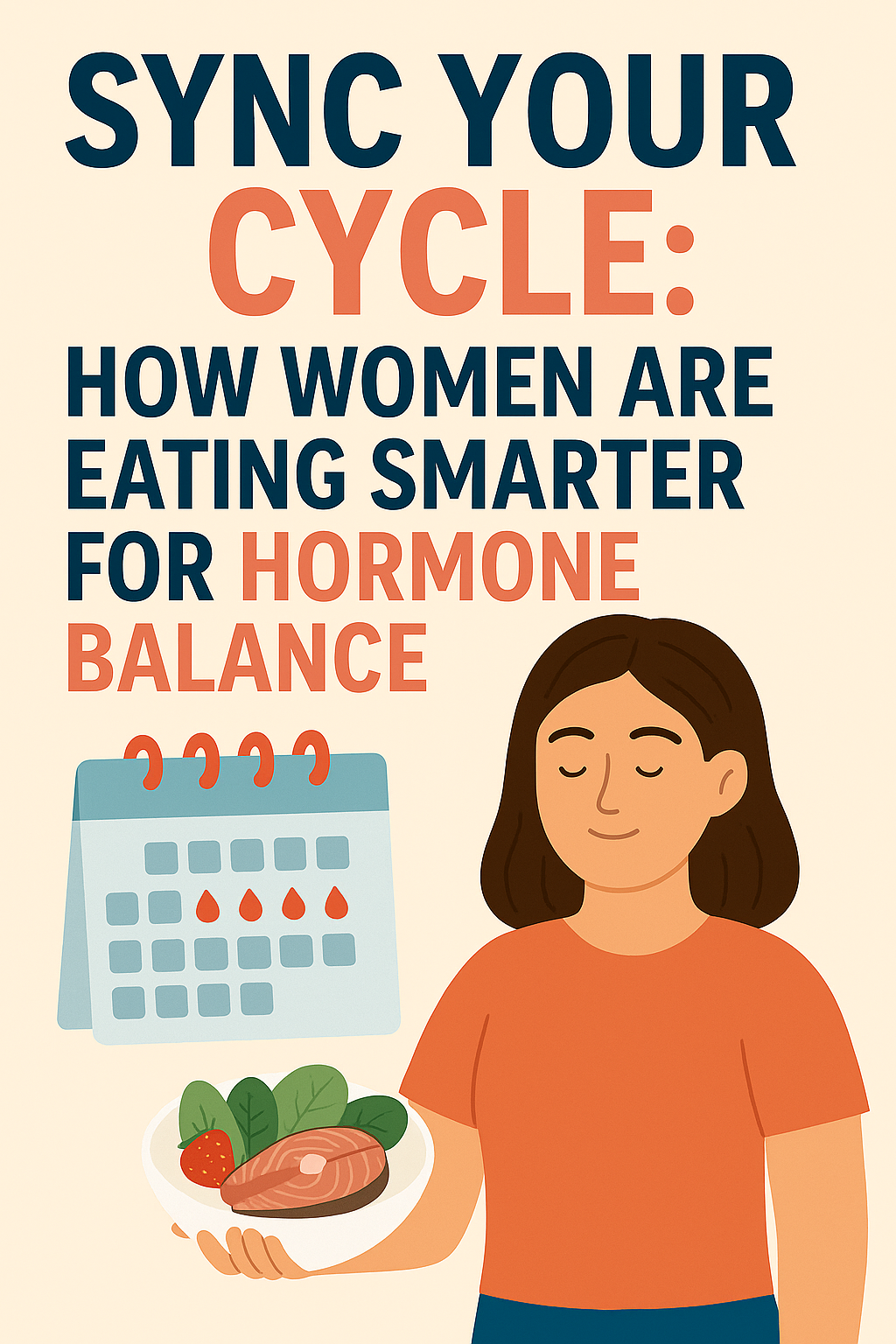
Sync Your Cycle: How Women Are Eating Smarter for Hormone Balance

Your energy, mood, skin, and cravings change with your menstrual cycle. Why shouldn’t your diet?

Cycle syncing—aligning your nutrition and habits with your hormone changes—has become a transformative tool for women’s health. Supported by modern nutritional science and hormone research, it can help improve energy, reduce PMS, and support long-term hormonal balance.

Let’s walk through each phase of your cycle and what to eat during each.


The 4 Phases of the Menstrual Cycle and How to Eat for Each

1. Menstrual Phase (Days 1–5)

What’s happening: Estrogen and progesterone levels drop to their lowest. Fatigue and menstrual cramps are common.

Goal: Nourish and restore with warming, iron-rich meals.

Foods to focus on:

  • Iron-rich foods: spinach, lentils, pumpkin seeds, red meat
  • Bone broth or warm soups
  • Magnesium-rich dark chocolate (at least 70%)

Scientific insight: The National Institutes of Health recommends 18mg of iron per day for menstruating women. Magnesium has also been shown to reduce cramps and irritability.


2. Follicular Phase (Days 6–13)

What’s happening: Estrogen rises steadily. You’ll notice increased motivation, energy, and creativity.

Goal: Support ovulation and encourage healthy estrogen metabolism.

Foods to focus on:

  • High-fiber foods like oats, flaxseeds (1 tablespoon/day), and cruciferous vegetables
  • Lean proteins such as tofu, chickpeas, grilled chicken
  • Fermented foods: yogurt, kefir, kimchi

Research-backed tip: A British Journal of Nutrition study confirms fiber helps reduce excess estrogen buildup.


3. Ovulation Phase (Days 14–17)

What’s happening: Estrogen and testosterone peak. You’re likely feeling your best, strongest, and most social.

Goal: Fuel this high-energy phase and reduce inflammation.

Foods to focus on:

  • Zinc-rich options: pumpkin seeds, cashews, chickpeas
  • Fresh fruits and raw veggies: bell peppers, berries, cucumbers
  • Healthy fats: extra virgin olive oil (1 tablespoon/day), avocado, wild salmon

Evidence: A 2022 Nutrients journal study found that omega-3 fats improved ovulation health and reduced PMS symptoms.


4. Luteal Phase (Days 18–28)

What’s happening: Progesterone increases then dips before your period. This phase is linked to bloating, mood swings, and fatigue.

Goal: Support progesterone, balance blood sugar, and reduce PMS symptoms.

Foods to focus on:

  • Complex carbohydrates: sweet potatoes, brown rice, quinoa
  • Magnesium-rich choices: leafy greens, almonds, bananas
  • Natural sweeteners: 2–3 dates or baked apples with cinnamon

Expert note: Harvard Health research shows steady blood sugar during this phase reduces food cravings and mood instability.


Cycle Sync Meal Plan Examples

PhaseSample Meal
MenstrualLentil stew with spinach and pumpkin seeds
FollicularChickpea salad with miso dressing
OvulationGrilled salmon with avocado and raw veggie bowl
LutealQuinoa, roasted sweet potatoes, and tahini sauce

Is This Backed by Science?

Yes. While cycle syncing as a lifestyle practice is relatively new, the biological shifts in hormones—and the nutritional demands during each phase—are well documented. Studies in women’s health, endocrinology, and functional nutrition consistently support the use of targeted nutrition for hormone health.

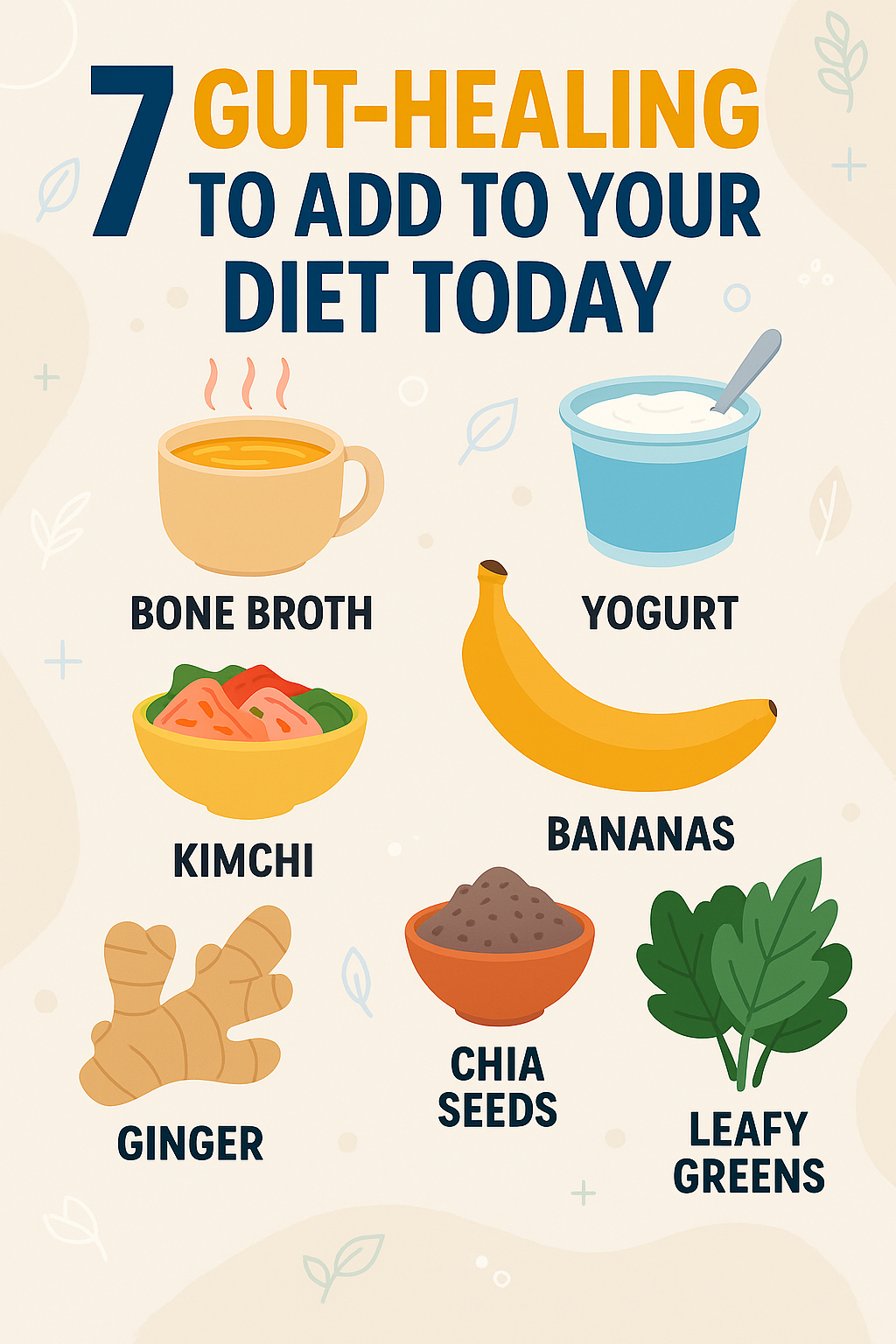
7 Gut-Healing Foods to Add to Your Diet Today

A healthy gut means better digestion, stronger immunity, clearer skin, and even a better mood.

Your gut is home to trillions of bacteria—and what you eat feeds them. The right foods help heal inflammation, improve absorption, and restore balance in your gut microbiome.

Here are 7 gut-healing foods you should start eating regularly:


1. Bone Broth

Rich in collagen, amino acids, and gelatin, bone broth helps repair your gut lining and reduce inflammation.

Tip: Sip it as a warm drink or use it in soups and stews.


2. Yogurt (with live cultures)

Probiotic-rich yogurt boosts the population of good bacteria in your intestines.

Choose: Unsweetened, full-fat yogurt with active cultures.


3. Kimchi or Sauerkraut

These fermented veggies are loaded with probiotics and enzymes that aid digestion and reduce bloating.

Just 1–2 spoonfuls a day make a difference.


4. Bananas (especially slightly green ones)

They’re a great source of prebiotic fiber, which feeds good bacteria and supports bowel regularity.


5. Ginger

Naturally anti-inflammatory, ginger soothes the digestive tract and improves stomach motility.

Try: Ginger tea or fresh grated ginger in cooking.


6. Chia Seeds

These tiny seeds swell in your gut and act like a broom, cleaning your intestines and feeding gut flora.

Soak them overnight for better digestion.


7. Leafy Greens (Spinach, Kale, etc.)

High in fiber and polyphenols, greens support gut diversity and help reduce harmful bacteria.


Final Thought:

Healing your gut doesn’t mean expensive supplements—it starts with your plate. Add just 2–3 of these foods to your meals this week and feel the shift in your digestion, skin, and energy.

tips to loose weight

No time for the gym? No problem.
If working out feels impossible with your schedule, you can still lose weight by tweaking a few daily habits. Science shows that weight loss is more about your routine than your reps.

Here are 5 effective strategies to lose weight—even if you’re not hitting the gym.


1. Focus on Protein with Every Meal

Protein keeps you full longer, stabilizes blood sugar, and reduces cravings.

Try: Greek yogurt, boiled eggs, cottage cheese, lentils, or grilled chicken.


2. Drink Water Before You Eat

A glass of water 20–30 minutes before meals reduces hunger and prevents overeating.

Bonus Tip: Add lemon or apple cider vinegar for digestion support.


3. Eat Without Screens

Mindless eating leads to mindless overeating. When you eat with distractions, you miss fullness signals.

Fix: Sit at a table, chew slowly, and savor each bite.


4. Sleep 7–8 Hours Every Night

Sleep controls hunger hormones (ghrelin and leptin). Lack of sleep makes you hungrier and slows fat burning.

Pro Tip: No screens 30 minutes before bed. Keep your room cool and dark.


5. Cut Liquid Calories First

Sodas, packaged juices, and sugary coffee drinks are silent weight-gain culprits.

Replace With: Water, black coffee, herbal tea, or fruit-infused water.


Final Thought:

Losing weight without exercise is 100% possible when you control what you consume and how you consume it. Master your daily habits first—exercise can always be a bonus later.

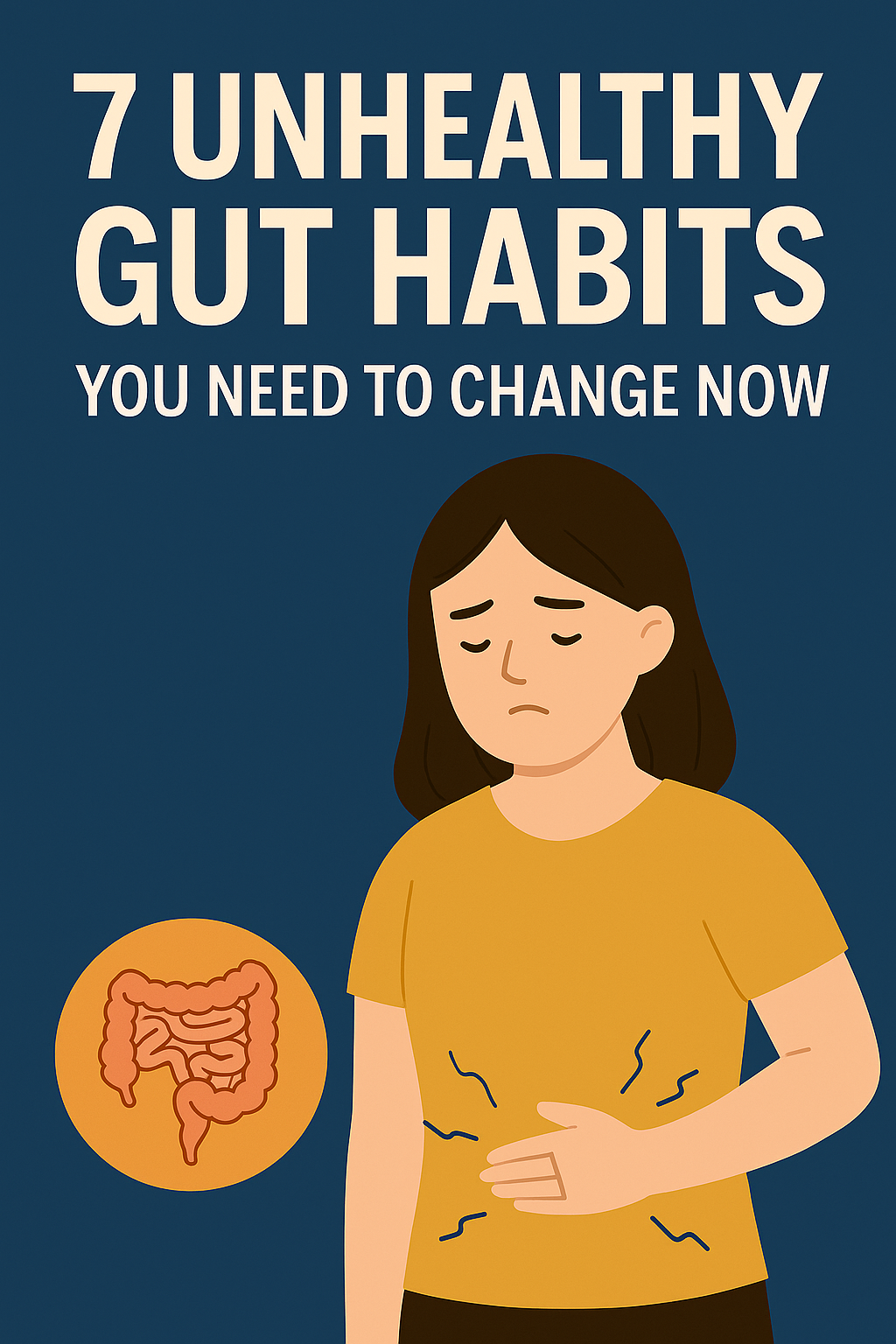
Your gut isn’t just about digestion—it affects your skin, energy, immunity, and even your mood.

An unhealthy gut can quietly damage your health over time. These 7 common daily habits may be harming your gut—and you might not even realize it. Let’s fix them.


1. Eating Too Fast

When you rush through meals, you swallow air and overload your stomach. That leads to gas, bloating, and poor nutrient absorption.

Fix: Chew slowly and mindfully. Digestion starts in the mouth.


2. Too Much Sugar

Excess sugar feeds harmful bacteria and yeast in the gut, which throws off your microbiome balance.

Fix: Cut back on soda, candy, and pastries. Swap for fruit or dark chocolate.


3. Skipping Meals or Crash Dieting

Long fasting without a plan disrupts your gut’s rhythm and can weaken your gut lining.

Fix: Eat balanced, regular meals with fiber and protein.


4. Overusing Antibiotics (or Painkillers)

Antibiotics wipe out both bad and good gut bacteria. Frequent use of painkillers can irritate the gut lining.

Fix: Use meds only when necessary. Support gut recovery with probiotics afterward.


5. Lack of Fiber

Fiber feeds good bacteria and keeps digestion smooth. Without it, your gut becomes sluggish and inflamed.

Fix: Add oats, apples, lentils, and leafy greens daily.


6. Poor Sleep & High Stress

Your gut and brain are directly connected. Lack of rest or high cortisol can cause constipation, IBS, and food intolerances.

Fix: Get 7–8 hours of quality sleep and try stress-relief techniques like journaling or stretching.

habits to reduce anxiety

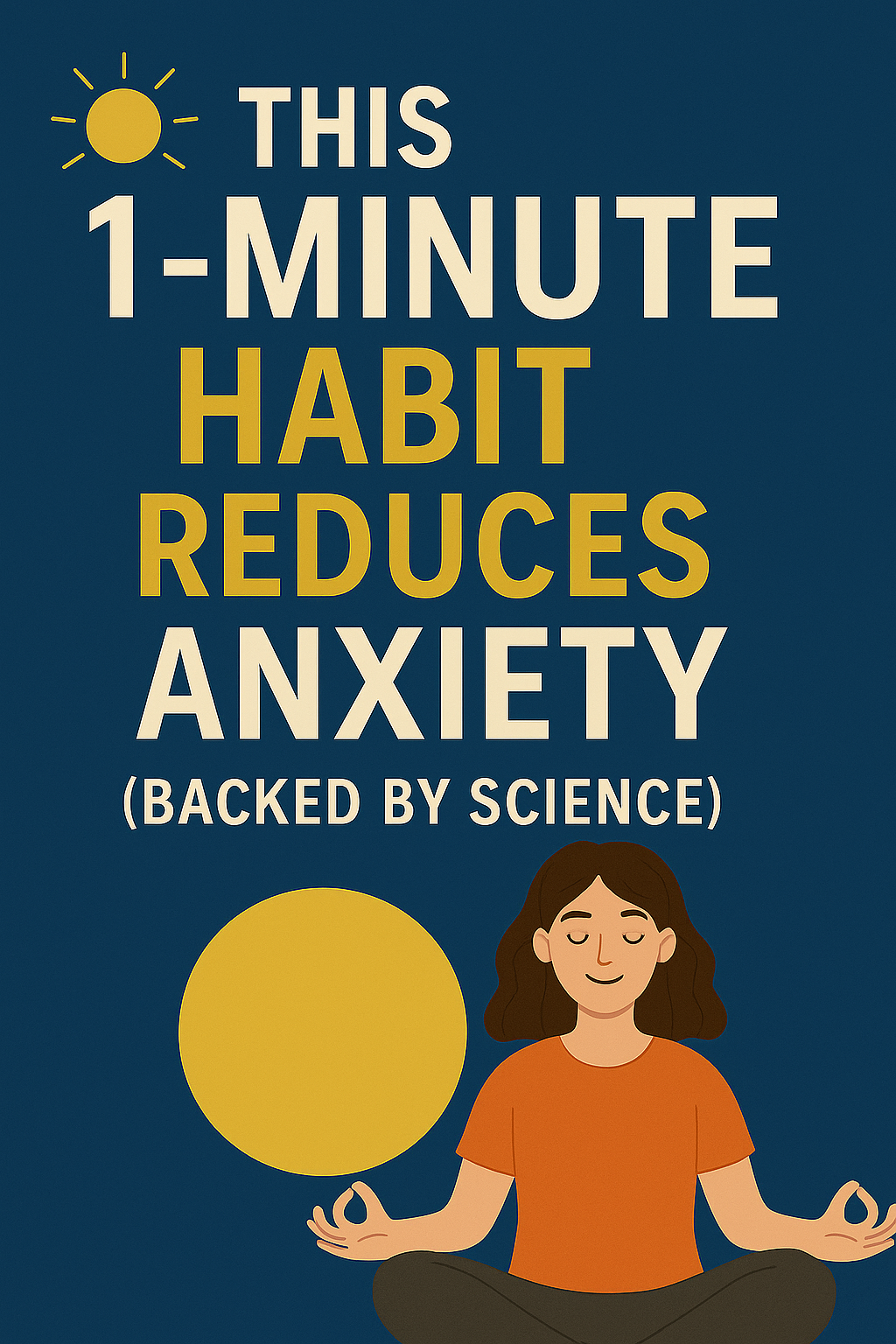
Feeling overwhelmed? You don’t need hours to feel better. Sometimes, one minute is all it takes.

Whether you’re dealing with daily stress or unexpected anxiety, this simple technique can shift your state in less than 60 seconds. It’s called the 4-7-8 breathing method, and it’s backed by neuroscience, yogic tradition, and mental health experts.


What is the 4-7-8 Breathing Technique?

  • Inhale through your nose for 4 seconds
  • Hold your breath for 7 seconds
  • Exhale slowly through your mouth for 8 seconds

Repeat for 1 minute (or longer if needed).


How It Works (Science Behind It)

  • Slows down your heart rate
  • Activates your parasympathetic nervous system (your “rest and relax” state)
  • Calms your racing mind
  • Lowers cortisol levels (your stress hormone)

It’s like hitting the reset button on your nervous system.


When to Use It

  • Before sleep
  • During a panic attack
  • Before a stressful meeting
  • After an argument
  • Anytime your thoughts start spiraling

Other Quick Add-On Tips

  • Try this with soft background music or nature sounds
  • Close your eyes and place a hand on your chest
  • Use essential oils like lavender or sandalwood while breathing
habits of happy people

Happiness isn’t luck. It’s a habit.

We all know someone who seems genuinely happy—no matter what life throws their way. The secret? It’s not a perfect life. It’s the daily habits they choose. Here are 9 small but powerful habits practiced by genuinely happy people.


1. They Start Their Day with Gratitude

Even just writing 3 things they’re thankful for helps shift their mindset away from stress and toward abundance.


2. They Move Their Bodies Daily

Exercise releases endorphins—your brain’s feel-good chemicals. Even a walk or stretching counts.


3. They Spend Time in Nature

A few minutes of sunlight or greenery can lower stress hormones and improve mood.


4. They Practice Mindfulness

Being present—whether sipping tea or walking—helps reduce anxiety and increase life satisfaction.


5. They Connect with People (Not Just Online)

Daily interaction—even brief or casual—boosts mood, lowers depression risk, and increases self-worth.


6. They Laugh Often

Laughter reduces stress, boosts immunity, and makes you more resilient. Watch something silly or talk to that one funny friend.


7. They Say No (Without Guilt)

Protecting time and energy is key. Happy people don’t overcommit—they prioritize their well-being.


8. They Give Without Expecting

Helping others, even in small ways, creates a sense of purpose and joy.


9. They Sleep Well

Happiness drops when you’re sleep-deprived. 7–9 hours of quality sleep is their non-negotiable.

habits for healthy brain

Your brain isn’t just an organ—it’s your command center. And like any powerful system, it needs the right habits to keep it sharp, focused, and resilient. Here are 7 daily habits that support mental clarity, memory, and long-term brain health.


1. Move Your Body Every Day

Exercise increases blood flow to the brain and promotes the growth of new neural connections. Even a 20-minute brisk walk makes a difference.


2. Prioritize Quality Sleep

Your brain detoxifies and stores memories during deep sleep. Poor sleep leads to brain fog, forgetfulness, and slower thinking.

Tip: Aim for 7–8 hours of uninterrupted sleep in a dark, cool room.


3. Eat Brain-Boosting Foods

Omega-3s, antioxidants, and healthy fats feed your brain. Think: walnuts, blueberries, avocados, and olive oil.


4. Practice Mindfulness or Meditation

Just 10 minutes a day can reduce stress, lower anxiety, and physically reshape parts of the brain responsible for memory and emotion.


5. Challenge Your Brain

Reading, learning new skills, or even doing puzzles stimulates your brain and keeps it agile.

Try: Learning a new language or hobby—it strengthens your memory and focus.


6. Protect Your Mental Environment

Too much negativity, social media, or multitasking weakens attention and increases anxiety.

Action step: Curate your media intake and take digital detox breaks.


7. Stay Socially Connected

Conversations and social bonding reduce stress and help prevent age-related decline.


Final Thought:

A healthy brain is built through consistent care—not supplements alone. Start with just one habit this week and build from there. Your future self will thank you with clearer thoughts and stronger memory.

habist to improve digestion

Digestive discomfort can ruin your mood, energy, and even skin. Good digestion is about more than just what you eat—it’s about how you treat your gut every day. Here are 6 science-backed habits to improve your digestion naturally.


1. Drink Warm Water First Thing in the Morning

It wakes up your digestive system, flushes toxins, and sets the tone for healthy bowel movements.


2. Chew Your Food Thoroughly

Digestion begins in the mouth. The more you chew, the less your stomach has to work, leading to less bloating.


3. Stop Multitasking While Eating

Mindless eating disrupts your digestive process. Watching screens or rushing through meals causes overeating and gas.

Tip: Focus on your food, not your phone.


4. Add Fermented Foods to Your Diet

Yogurt, kimchi, sauerkraut, and kefir contain probiotics that balance gut bacteria and improve nutrient absorption.


5. Take a Walk After Meals

A 10-minute walk can help your body move food through your system and reduce bloating.


6. Limit Processed Foods and Sugar

They disrupt the gut microbiome and slow down digestion.


Final Thought:

Start with just one or two of these habits daily and observe the difference in your energy, skin, and gut health. Healthy digestion is the foundation of a healthy body.