10 Signs Your Hormones Are Out of Balance

Hormones control everything—from your mood and energy to weight, sleep, and even skin health. When they’re even slightly off, your body sends warning signs. Most people ignore them—don’t be one of them.

Here are 10 sneaky signs your hormones might be off track—and what you can do about it.


1. Unexplained Weight Gain or Trouble Losing Weight

Even with regular exercise and diet, hormonal imbalances (especially cortisol, insulin, or thyroid) can make weight management frustrating.

Fix: Get your thyroid and insulin checked, and reduce sugar and processed carbs.


2. Constant Fatigue

If 8 hours of sleep still leaves you drained, your adrenal or thyroid hormones may be low.

Fix: Cut caffeine after 2 PM, get sunlight early in the day, and manage stress.


3. Mood Swings, Anxiety, or Depression

Estrogen, progesterone, and cortisol heavily influence your emotions. Sudden mood changes could be a red flag.

Fix: Practice mindfulness, balance your blood sugar, and consider adaptogens (like ashwagandha).


4. Irregular Periods or PMS

Inconsistent cycles or intense cramps may point to estrogen dominance or low progesterone.

Fix: Track your cycle, reduce alcohol, and increase fiber to clear excess estrogen.


5. Low Sex Drive

Loss of libido can be a sign of low testosterone or estrogen imbalance.

Fix: Healthy fats, strength training, and good sleep can help rebalance sex hormones.


6. Hair Thinning or Hair Loss

This can be triggered by thyroid issues, PCOS, or stress-induced cortisol spikes.

Fix: Check iron and thyroid levels, and avoid over-washing or tight hairstyles.


7. Sleep Problems

Waking up at 2–3 AM often? Cortisol or melatonin disruption might be to blame.

Fix: Avoid screens before bed, take magnesium glycinate, and keep your room dark.


8. Dry Skin and Brittle Nails

These are often linked to low thyroid function or estrogen drops.

Fix: Boost omega-3s, eat protein-rich meals, and stay hydrated.


9. Persistent Bloating or Digestive Issues

Hormonal imbalances can affect gut motility and microbiome balance.

Fix: Try probiotics, manage stress, and reduce dairy/gluten for a few weeks.


10. Brain Fog or Forgetfulness

Trouble concentrating or remembering things? Estrogen and cortisol imbalances can be behind it.

Fix: Exercise daily, stay hydrated, and avoid ultra-processed snacks.
Why Youre Always Bloated 5 Reasons You Didnt Expect

Feeling bloated all the time? You’re not alone. That uncomfortable, tight, or swollen feeling in your stomach can sneak up even when you’re eating “healthy.” Let’s uncover the less obvious causes of bloating—and how to fix them.

1. You’re Eating Too Fast

When you eat quickly, you swallow more air, and your body doesn’t have time to send fullness signals. This leads to excess gas and digestion overload.

What to Do:
Slow down. Chew each bite 20–30 times and try putting your fork down between bites.


2. You’re Not Getting Enough Fiber—Or Getting Too Much at Once

A sudden increase in fiber (like from a new “healthy” diet) can shock your digestive system.

What to Do:
Add fiber gradually over a few weeks and drink plenty of water to help your gut adjust.


3. You’re Stressed

Your gut and brain are connected. Stress causes your digestive system to slow down or spasm, leading to bloating and discomfort.

What to Do:
Practice breathwork, take 5-minute walk breaks, or try journaling after meals.


4. You’re Drinking Sparkling Water All Day

Even though it’s “healthier” than soda, carbonated drinks release gas in your stomach that causes expansion and pressure.

What to Do:
Switch to still water or infused water with lemon, cucumber, or mint.


5. You’re Sensitive to Certain Foods

Dairy, gluten, legumes, and artificial sweeteners (like sorbitol or sucralose) can all trigger bloating—even if you’re not allergic.

What to Do:
Try an elimination diet for 10–14 days, reintroducing foods slowly to find your triggers.


Bonus Tip:

Chewing gum and drinking from a straw can also cause bloating by increasing swallowed air!


Final Thought:

Bloating isn’t just about what you eat—it’s about how and when you eat, how much stress you carry, and what your gut is trying to tell you.

Once you identify your personal triggers and slow down, you’ll be amazed how quickly your body responds with comfort, clarity, and confidence.

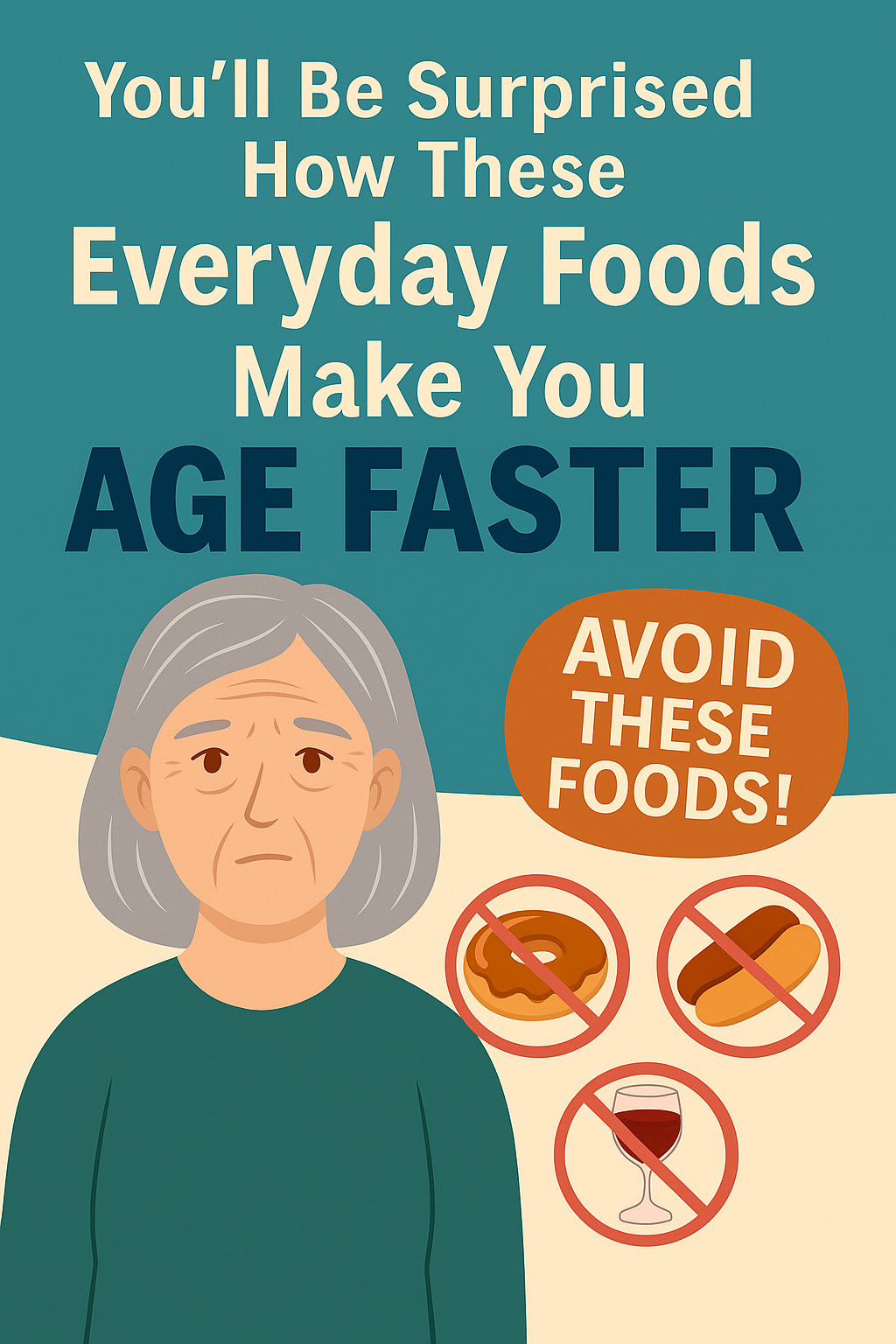
You’ll Be Surprised How These Everyday Foods Make You Age Faster

1. Sugary Snacks & Desserts

Refined sugar breaks down collagen and elastin in your skin, causing wrinkles and sagging.

Eat Instead:
Dark chocolate (70%+), fruit with cinnamon, or frozen berries with Greek yogurt.


2. White Bread & Refined Carbs

These spike insulin, cause inflammation, and contribute to weight gain and tired-looking skin.

Eat Instead:
Whole grains like quinoa, oats, or sprouted grain bread.


3. Fried Foods

They increase oxidative stress and release harmful compounds that accelerate skin aging and increase heart disease risk.

Eat Instead:
Air-fried veggies, baked sweet potato fries, or grilled dishes with healthy oils.


4. Processed Meats (Bacon, Sausage, Deli Cuts)

High in salt and preservatives like nitrates, which can inflame the body and dehydrate skin.

Eat Instead:
Grilled chicken, turkey breast, or plant-based protein options.


5. Alcohol (Especially in Excess)

Too much alcohol leads to dehydration, dull skin, liver stress, and vitamin loss.

Drink Instead:
Infused water, sparkling water with lemon, herbal teas, or red wine in moderation (1 glass max/day).


6. Sodas & Sugary Drinks

Loaded with sugar and chemicals, they weaken teeth, bones, and your metabolism.

Drink Instead:
Green tea, coconut water, or natural electrolyte mixes.


7. Artificial Sweeteners

These confuse your body, increase cravings, and disrupt gut bacteria—important for skin and immune health.

Eat Instead:
Raw honey, dates, or small amounts of maple syrup or stevia leaf extract.

18 HABITS THAT CAN SHORTEN YOUR LIFE

Want to live longer and feel better doing it? You might need to look at what you’re doing daily. These 18 habits, backed by real science, are linked to faster aging, illness, and shorter lifespans—and most of us are guilty of at least a few.

1. Consistently Poor Sleep

Less than 6 hours of sleep can weaken your immune system and increase risk of heart issues and obesity.

2. Sitting for Long Periods Without Breaks

Being sedentary—even with exercise—can raise the risk of early death. Stand or walk every 30–60 minutes.

3. Excessive Alcohol Consumption

Heavy drinking harms the liver, brain, and heart—and increases cancer risk.

4. Smoking (Even Socially)

Just a few cigarettes a week significantly increase your cardiovascular risk.

5. Eating Too Many Processed Foods

Fast food, processed meats, and packaged snacks trigger chronic inflammation and gut problems.

6. Chronic Stress Without Management

High cortisol levels speed up brain aging and heart strain.

7. Loneliness or Social Isolation

Social disconnection is as harmful as smoking 15 cigarettes a day.

8. Skipping Breakfast Regularly

Habitual breakfast skipping can lead to blood sugar and heart problems.

9. Constant Multitasking

Mental overload leads to burnout and poor memory over time.

10. Too Much Screen Time Before Bed

Blue light exposure at night disturbs melatonin, harming sleep cycles.

11. High Sugar Intake

Excessive sugar increases aging through oxidative stress and inflammation.

12. Avoiding Strength Training

Loss of muscle mass leads to slower metabolism, falls, and mobility issues with age.

13. Holding Grudges and Resentment

Chronic anger can raise blood pressure and lead to emotional exhaustion.

14. Frequent Yo-Yo Dieting

Repeated crash diets affect heart health and long-term metabolism.

15. Poor Oral Hygiene

Gum disease is strongly connected to increased risk of heart and brain disease.

16. Ignoring Medical Checkups

Delaying tests and ignoring symptoms can make treatable conditions deadly.

17. Overuse of Medications

Long-term use of painkillers or sedatives without medical need can damage major organs.

18. Never Taking Time for Yourself

Overworking, overstimulating, and constant pressure increases burnout and biological stress aging.

Final Thought: Every day, you’re either investing in your future health—or chipping away at it. These habits may seem small, but over time, they create powerful effects. Start by replacing just one today.

Doctors, Yogis, and Scientists Swear By These Anti-Aging Habits

Aging is inevitable, but how fast you age is influenced by your daily choices. These 20 small habits—rooted in science, Ayurveda, yoga, and expert advice—can help you age gracefully and stay vibrant for years to come.

1. Prioritize Deep, Restorative Sleep

Get 7–8 hours of high-quality sleep nightly. It supports cell repair, brain detox, and hormonal balance.

2. Move Your Body Every Day

Daily movement like walking, dancing, or light exercise keeps your blood flowing and joints flexible.

3. Practice Yoga

Incorporate asanas like the shoulder stand, downward dog, or cobra pose to improve circulation and muscle tone.

4. Meditate and Breathe Consciously

Just 10 minutes of breathwork or mindfulness can reduce cortisol and protect brain and heart health.

5. Eat a Plant-Rich Diet

Focus on leafy greens, berries, legumes, and whole grains to combat oxidative stress.

6. Add Anti-Aging Superfoods

Include turmeric, green tea, garlic, berries, and olive oil in your routine to slow cell aging.

7. Try Intermittent Fasting

Fasting for 12–16 hours gives your cells time to clean up and regenerate through autophagy.

8. Chew Slowly and Eat Mindfully

Chewing thoroughly aids digestion and improves nutrient absorption, which fuels healthy aging.

9. Learn Something New Weekly

Keep your brain sharp by taking up a new hobby, reading, or solving puzzles regularly.

10. Practice Facial Yoga

Facial exercises tone your muscles and reduce sagging and wrinkles naturally over time.

11. Use Sunscreen Daily

Protect your skin from UV rays to maintain elasticity and prevent premature aging.

12. Avoid Processed Foods

Packaged, refined foods increase inflammation and speed up cellular aging processes.

13. Manage Stress Intentionally

Regularly unplug with techniques like meditation, yoga, or journaling to lower long-term stress damage.

14. Cultivate a Positive Mindset

Studies show optimism is linked to longer life spans and better recovery from illness.

15. Stay Hydrated

Drink at least 7–8 glasses of water daily to help your skin, digestion, and energy levels.

16. Lift Weights or Do Bodyweight Exercises

Preserve muscle mass and bone strength through resistance training 2–3 times per week.

17. Stretch Every Morning or Night

Stretching improves mobility, posture, and flexibility—making you feel and move younger.

18. Stay Socially Connected

Strong relationships reduce stress and protect against age-related cognitive decline.

19. Limit Alcohol and Sugar

Minimize intake to reduce inflammation and preserve skin, brain, and liver health.

20. Get Routine Health Checkups

Early detection is key. Screenings help manage health risks before they escalate.

Conclusion: These aren’t massive lifestyle overhauls—they’re small daily choices that build a younger, healthier you over time. Start with one or two, and feel the difference in just weeks.

Man sitting with a worried expression, thinking about a broken chain, representing hidden weakness and the journey to real strength

True strength isn’t loud. And weakness isn’t always obvious.

Sometimes, the signs of weakness don’t show up in your muscles or voice—they live quietly in your daily habits, mindset, and reactions. Here are five subtle ways you might be holding yourself back—and how to turn each into strength.


1. You Always Need Approval

If your self-worth depends on what others say or think, you’re giving away your power.

The Strength Shift:
Practice self-validation. Stand by your values, even when it’s unpopular.


2. You Avoid Difficult Conversations

Being “nice” isn’t always strong. If you fear confrontation, you may be choosing comfort over honesty.

The Strength Shift:
Learn assertive communication. Say what needs to be said—with respect.


3. You Can’t Handle Criticism

If every bit of feedback feels like a personal attack, it may be a sign of insecurity.

The Strength Shift:
See criticism as information, not insult. Growth-minded people use it as fuel.


4. You Say Yes to Everything

Overcommitting and people-pleasing often signal a fear of rejection or not being liked.

The Strength Shift:
Say “no” with confidence. Protect your time, energy, and values.


5. You Blame Others Often

Always having someone else to point to might feel like control—but it’s actually the opposite.

The Strength Shift:
Take extreme ownership. Strong people look inward first.


Final Thought:

Being secretly weak doesn’t mean you’re broken. It means you’re human—and that there’s room to grow. True strength is quiet, consistent, and built on awareness. Start there.

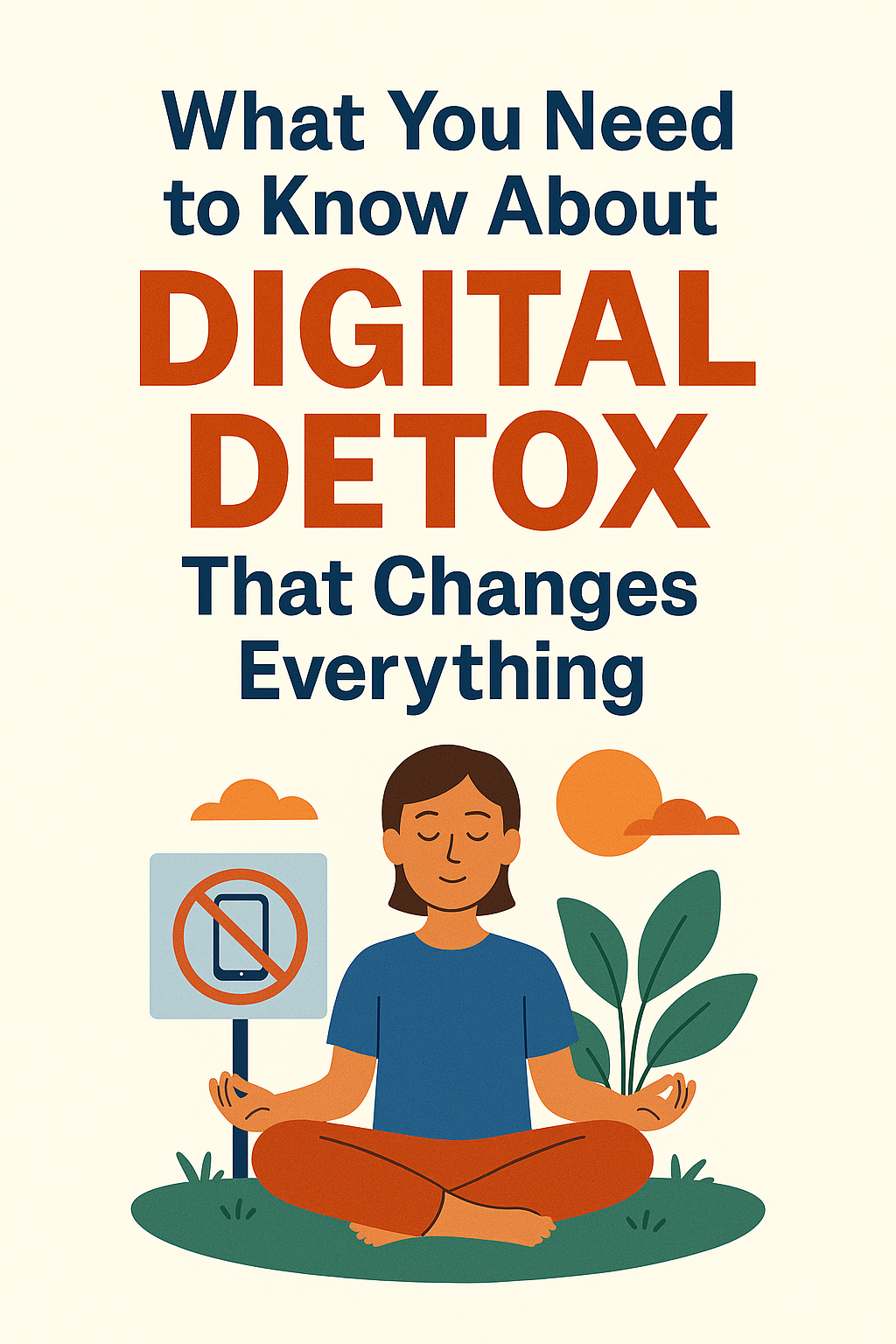
Illustration of a person unplugging from devices, embracing nature and mindfulness

In our hyper-connected world, constant digital engagement has become the norm. But what if stepping back from screens could revolutionize your mental health, focus, and overall well-being? Here’s what you need to know about digital detox that changes everything.

1. Reclaim Your Attention Span

Continuous notifications and multitasking have been shown to fragment our attention. A digital detox allows your brain to reset, improving concentration and productivity.

2. Enhance Sleep Quality

Exposure to blue light from screens can disrupt melatonin production, affecting sleep patterns. Reducing screen time, especially before bed, can lead to deeper, more restful sleep.

3. Boost Mental Health

Constant comparison on social media platforms can lead to anxiety and depression. Taking a break helps in reducing these feelings, promoting a more positive self-image.

4. Strengthen Real-Life Relationships

Being present without digital distractions fosters deeper connections with those around you, enhancing interpersonal relationships.

5. Rediscover Hobbies and Passions

Time away from screens opens up opportunities to engage in activities you love, be it reading, painting, or exploring the outdoors.

6. Improve Physical Health

Reducing screen time can alleviate issues like eye strain, neck pain, and sedentary habits, contributing to overall physical well-being.

7. Cultivate Mindfulness

Without the constant buzz of digital devices, you can practice mindfulness, leading to increased awareness and a calmer mind.

8. Increase Creativity

Stepping away from digital inputs allows your mind to wander, often leading to enhanced creativity and problem-solving skills.

9. Develop Healthier Digital Habits

A detox can help you reassess your relationship with technology, leading to more intentional and balanced usage in the future.

10. Experience Greater Life Satisfaction

By being more present and engaged in real-life activities, many report a heightened sense of fulfillment and happiness.

Ready to transform your life? Start your digital detox journey today and experience the profound benefits firsthand.

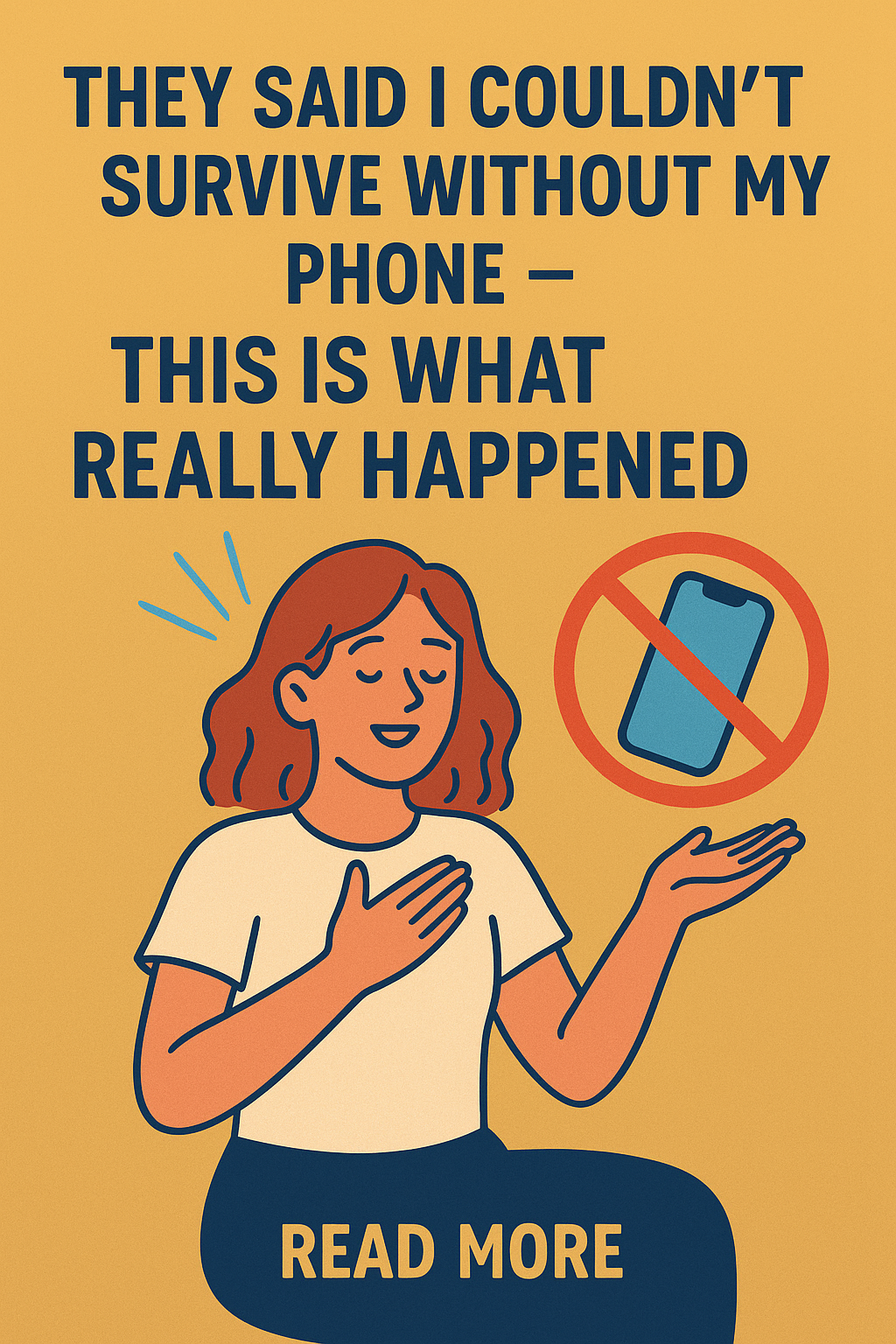
Woman smiling with relief and surprise after surviving without her phone, holding a no-phone sign

When I told my friends I was taking a full digital break for a week, they laughed. “You’ll be back in a day,” one said. “You’ll miss everything,” said another. Honestly, I was scared too. But what happened surprised all of us.

The First Day Was Brutal

I instinctively reached for my phone every 10 minutes. I felt lost, anxious, disconnected. I kept thinking, “What if I miss something important?”

Then Something Shifted

By day two, the anxiety started to fade. I slept better, felt more focused, and actually had time to think—not just react. I started journaling. I remembered hobbies I had forgotten. My mornings were quiet and slow, not rushed and reactive.

Here’s What I Learned

  • Your brain needs boredom – Silence helped me think creatively and clearly.
  • You’re not missing much – The news, memes, and reels can wait. Most aren’t urgent or even useful.
  • You notice people more – I listened better, made deeper conversations, and felt more present.
  • Your energy comes back – I wasn’t drained by 3 PM. I actually had more focus and patience.

How You Can Try This (Without Going Crazy)

  1. Start with a weekend break—24 to 48 hours without social apps or non-essential screen time.
  2. Leave your phone in another room during meals and morning hours.
  3. Replace phone time with something physical: walk, stretch, draw, write, or just sit in nature.
  4. Use a paper planner or a journal to track the difference in your mood and energy.

The Long-Term Benefits

After just one week, I felt more confident in my ability to control my attention. I was calmer, more productive, and more connected—to myself and to others. Most of all, I proved to myself that I wasn’t dependent on my phone. That changed everything.

They said I couldn’t survive without my phone. Turns out, I was barely living with it.

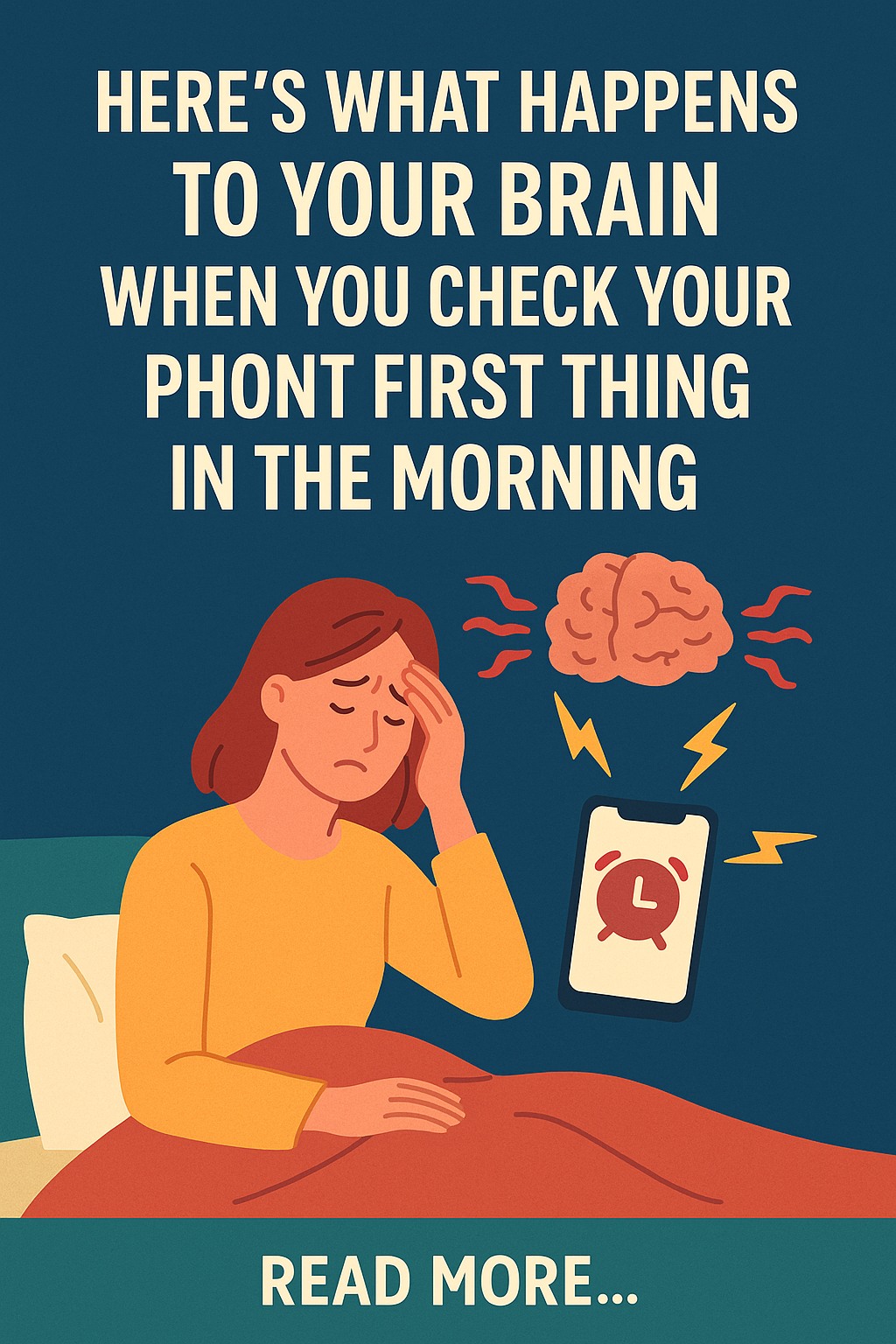
Illustration of a woman feeling overwhelmed by phone notifications in bed, representing morning screen time and brain stress

Many of us wake up, roll over, and immediately grab our phones. It feels normal, even necessary—but neuroscientists warn that this one small habit could be doing more harm than we realize.

1. You Spike Your Cortisol Levels Instantly

When you wake up, your body is already releasing cortisol to help you feel alert. Flooding your brain with emails, alerts, or social media content adds an extra jolt of stress, leading to heightened anxiety throughout the day.

2. It Hijacks Your Attention System

Your brain’s reticular activating system (RAS) determines what gets your attention. Early exposure to overwhelming content pulls your focus toward chaos, not calm—and your brain follows that lead all day.

3. You Interrupt Your Natural Brain-Wave Cycle

In the first 30 minutes after waking, your brain is in theta waves—a calm, creative state ideal for reflection and planning. Checking your phone switches you to high-alert beta waves too quickly, killing creativity and clarity.

4. It Reduces Motivation and Focus

Scrolling first thing fills your mind with other people’s priorities before you’ve even thought about your own. That can dampen your inner drive and shift your focus outward, away from your actual goals.

5. You Train Your Brain for Reactivity, Not Intention

Neuroscience shows that repeated habits rewire your neural pathways. When you start each day reacting to notifications, your brain gets better at reacting and worse at initiating meaningful focus.

6. It Contributes to Mental Fatigue by Noon

Your prefrontal cortex, which handles decision-making and impulse control, gets overloaded early—making it harder to stay productive later in the day.

What to Do Instead

  • Delay screen time: Give yourself 30–60 minutes before checking your phone.
  • Start with silence: Breathe, stretch, or meditate before external input.
  • Write down your top 3 intentions for the day instead of reading notifications.
  • Use a real alarm clock to avoid reaching for your phone upon waking.
  • Train your mind for focus by controlling how you start your day.

Changing this one habit could be the biggest shift you make in your mental energy. Don’t let your phone set the tone for your day—let your mind lead instead.

Illustration of a tired woman and a fatigued smartphone representing mental exhaustion and digital overload

Have you ever taken a full day off, done absolutely nothing strenuous, and still felt mentally and physically exhausted? If so, you’re not imagining it. According to recent neuroscience research, rest is no longer just about sleep—it’s about how we manage our brains in a world overloaded with digital noise.

Understanding Modern Fatigue

Feeling drained today doesn’t always come from physical labor. Instead, our mental exhaustion is more linked to constant stimulation, digital multitasking, and neurochemical overload.

1. Glutamate Overload in the Brain

Recent studies show that prolonged mental tasks cause a buildup of glutamate in the prefrontal cortex—the brain region responsible for decision-making. This buildup leads to mental fatigue and reduced cognitive performance.

Source: Medical News Today

2. Constant Digital Exposure Triggers Mental Exhaustion

Every notification, scroll, and video stimulates your brain’s attention system. Over time, this “digital overload” leads to anxiety, forgetfulness, and burnout symptoms.

Source: GoodRx Health

3. Social Media Fatigue Is Real

Heavy social media usage is linked with higher stress and lower self-control. One study found that users often experience information fatigue, reducing their emotional resilience.

Source: PMC Research

4. Your Attention Is Always Divided

The phenomenon of “continuous partial attention”—where you’re never fully focused—keeps your brain in a state of constant low-level stress. This prevents deep rest even when you’re technically relaxing.

Source: Wikipedia

5. Poor Sleep Caused by Screens

Blue light from screens suppresses melatonin, the hormone that signals your body it’s time to sleep. Without quality sleep, your brain doesn’t get the reset it desperately needs.

Source: Digital Detox – Wikipedia

6. Your Brain Was Never Meant for This Pace

Humans evolved with long periods of silence, slowness, and physical activity. Modern tech has created an unnatural mental environment that we’ve never biologically adapted to handle.

How to Truly Recharge – Backed by Neuroscience

  • Take intentional tech breaks – Try 1 hour per day without screens.
  • Use your brain differently – Read books, draw, or reflect in silence.
  • Practice mindfulness – Even 10 minutes a day reduces cortisol and clears your thoughts.
  • Get into nature – Green spaces have proven restorative effects on attention and mood.
  • Sleep better – Avoid screens 1 hour before bed and keep your room dark and cool.
  • Mono-task – Train your brain to focus on one thing at a time to rebuild attention strength.

So next time you feel tired after “doing nothing,” remember—true rest comes not just from lying down, but from shutting out the noise your brain never stops processing.